Where We Stop
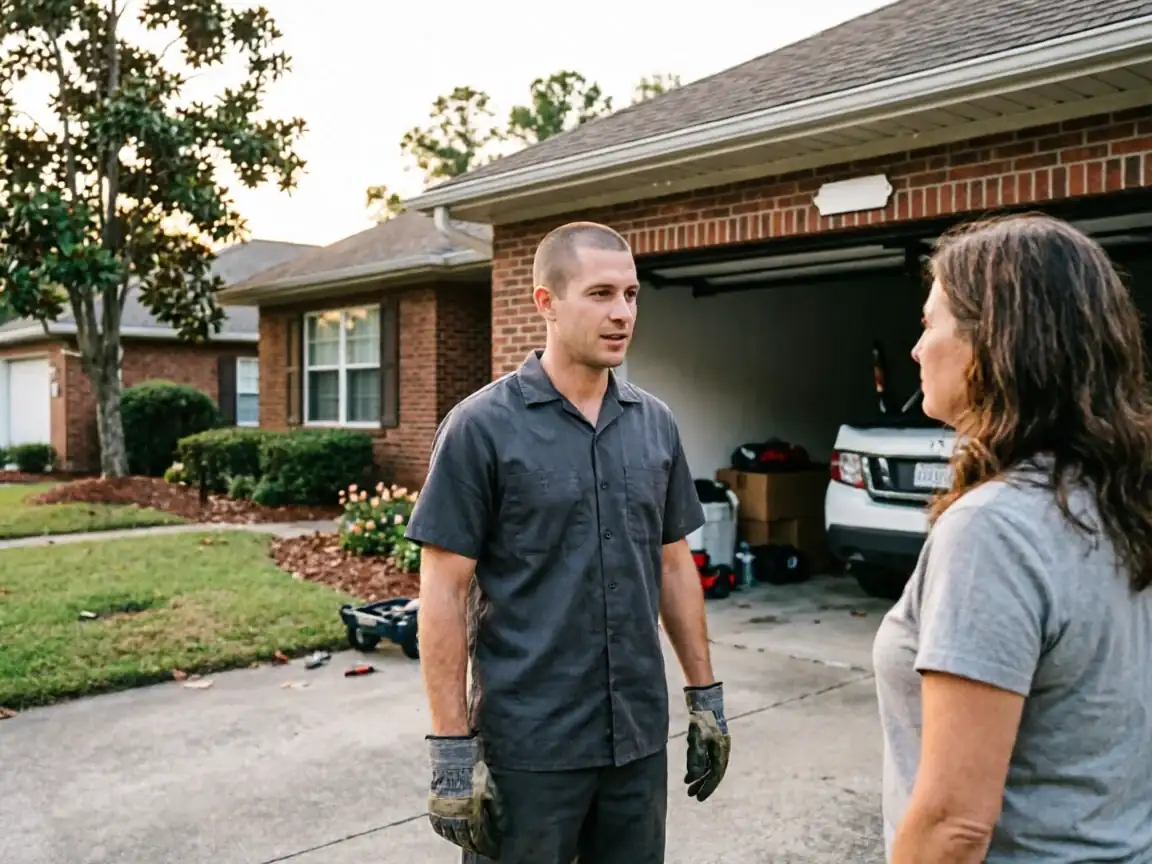
Yorkshire sits about 10 miles from our shop in Gainesville, and it's a regular stop on our route, not a detour. We don't keep a counter or a storefront in Yorkshire itself - the truck comes from Gainesville, loaded for the job before we leave. That matters for one reason: if you need a specific spring size or a particular opener logic board, we bring it with us based on what you tell us on the phone, because there's no second trip to a local supply house around the corner.
With 2,972 households in the Yorkshire area, this isn't a thin service pocket - it's enough volume that we see the same handful of door types and the same handful of failures over and over. That repetition is useful. It means when you describe a grinding noise or a door that won't close past halfway, we usually already have a guess before we get there.
We're not going to pretend we're five minutes away, because we're not. We're going to tell you straight that it's a 10-mile drive, and plan the visit accordingly.
What That Means for Doors
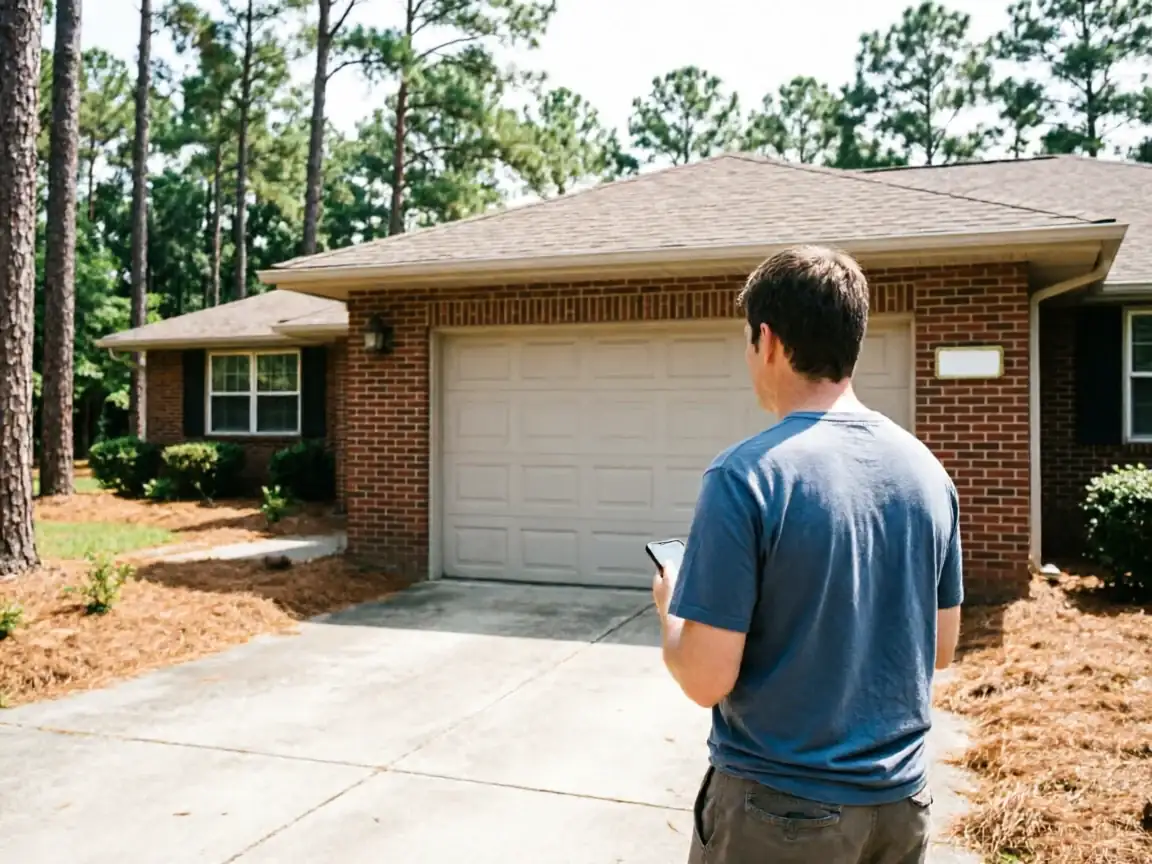
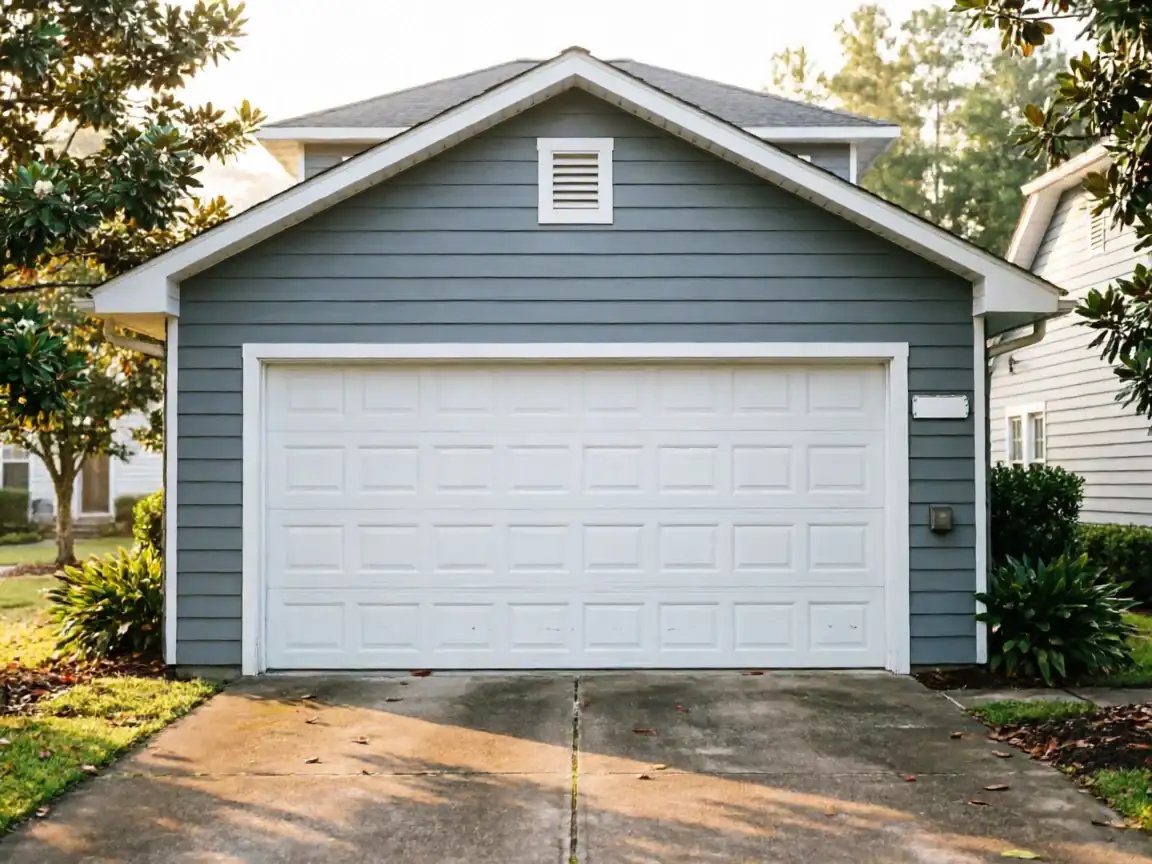
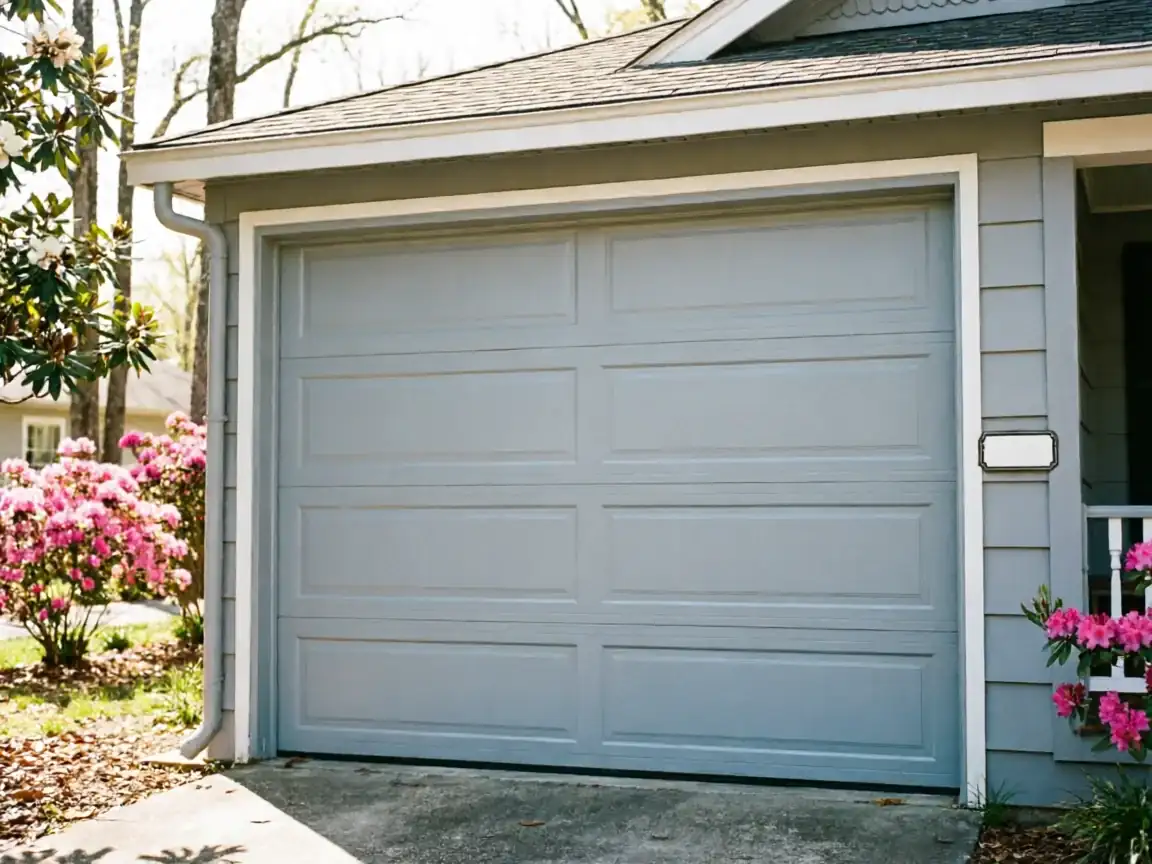
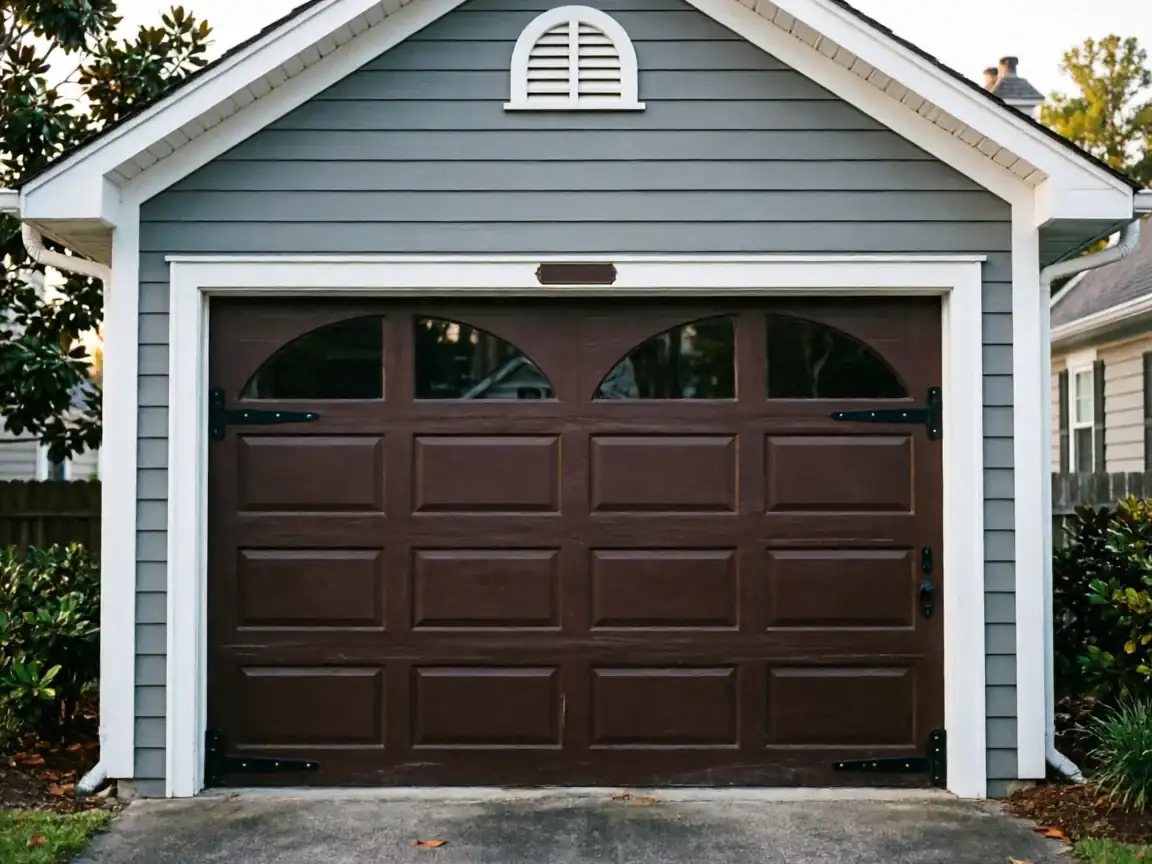
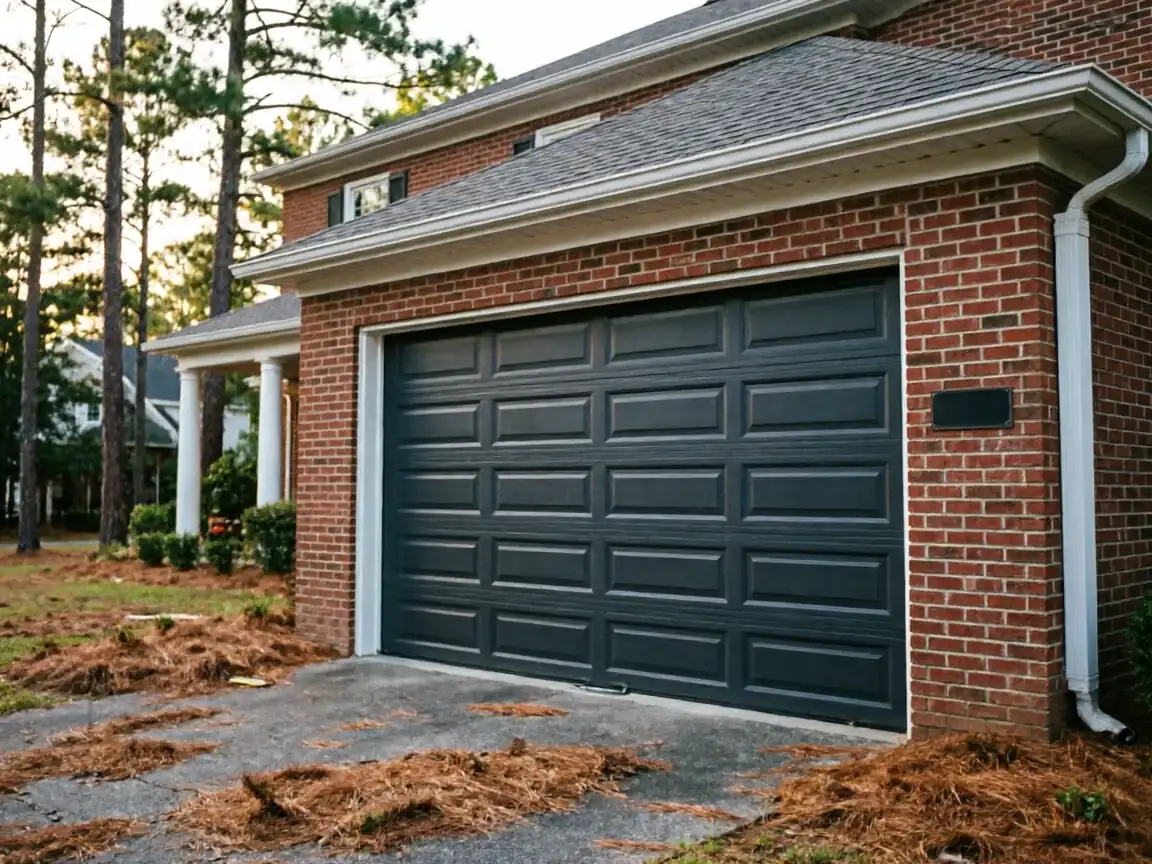
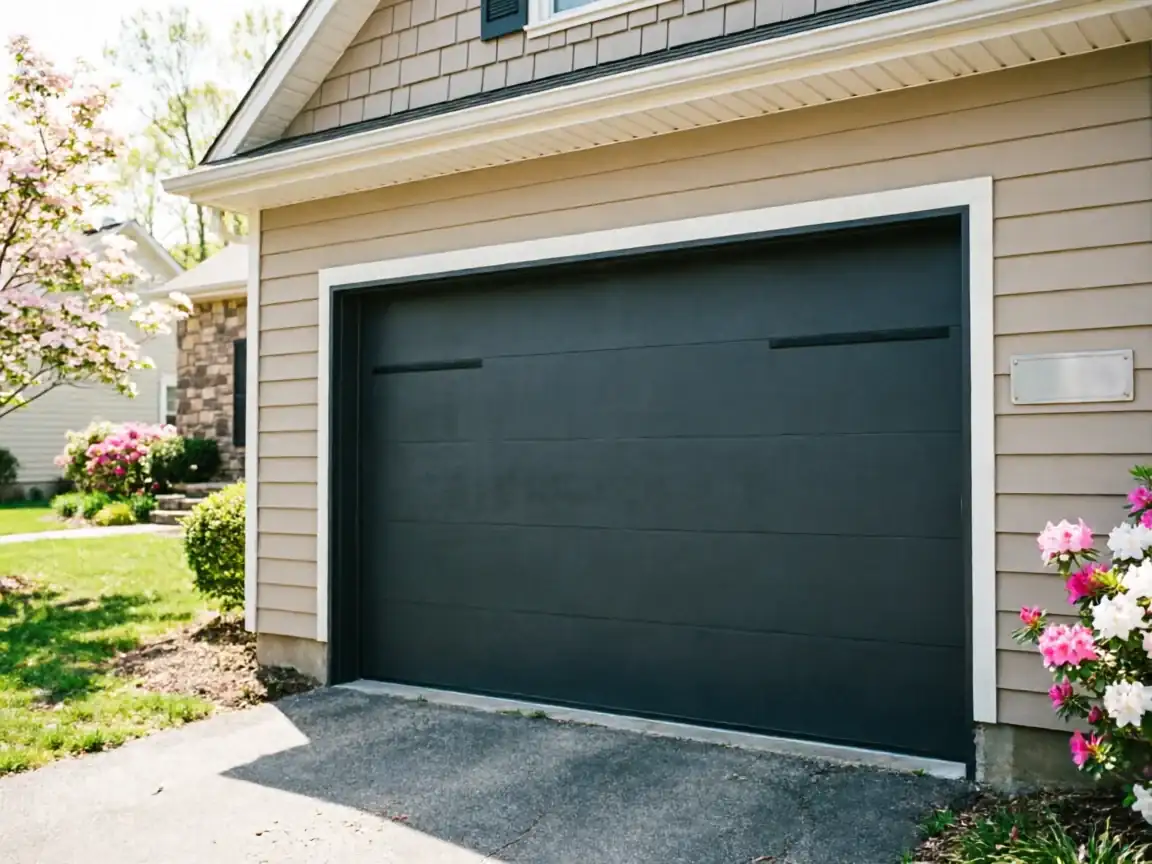
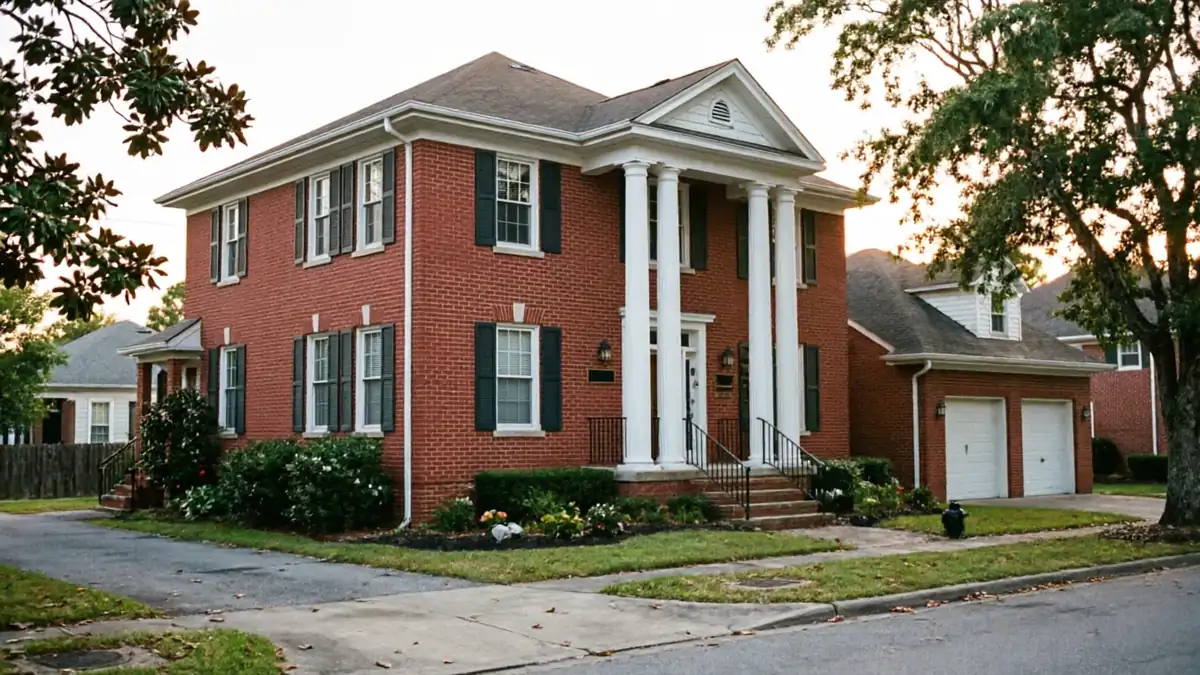
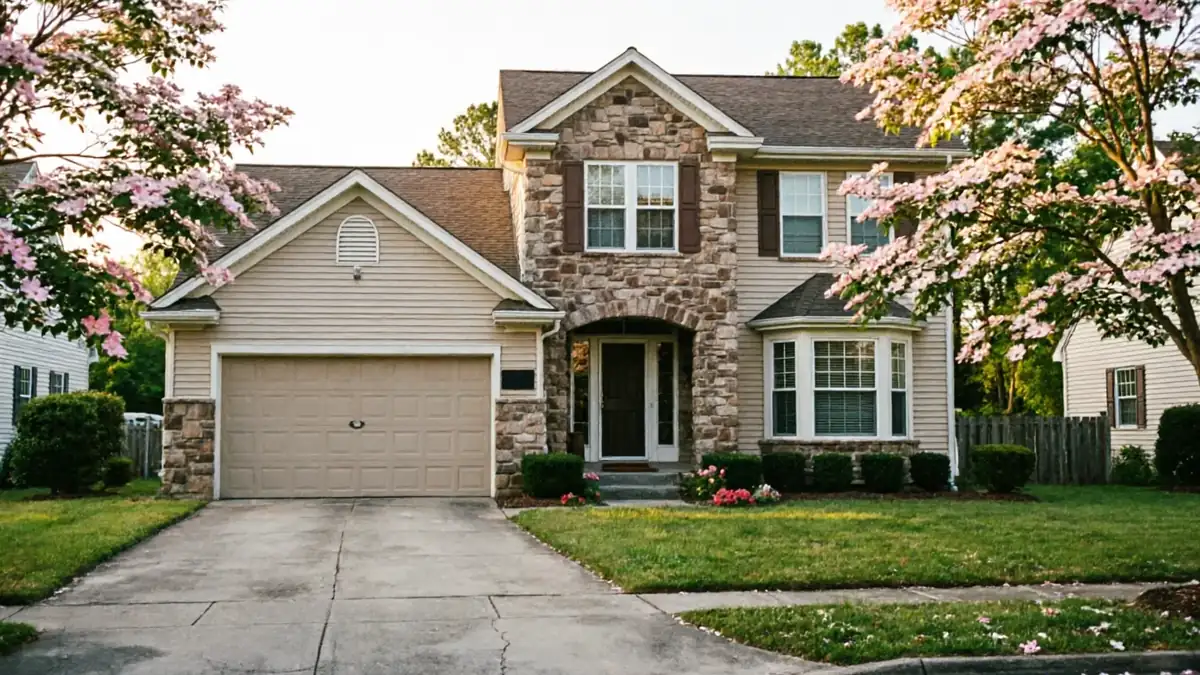
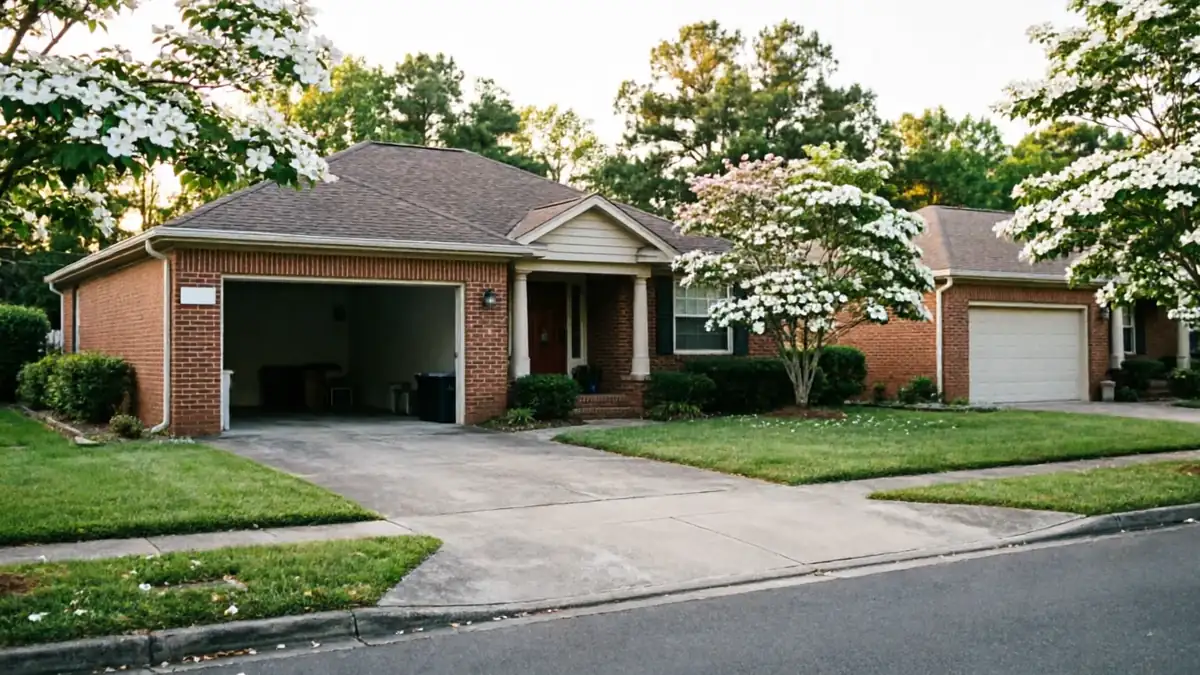
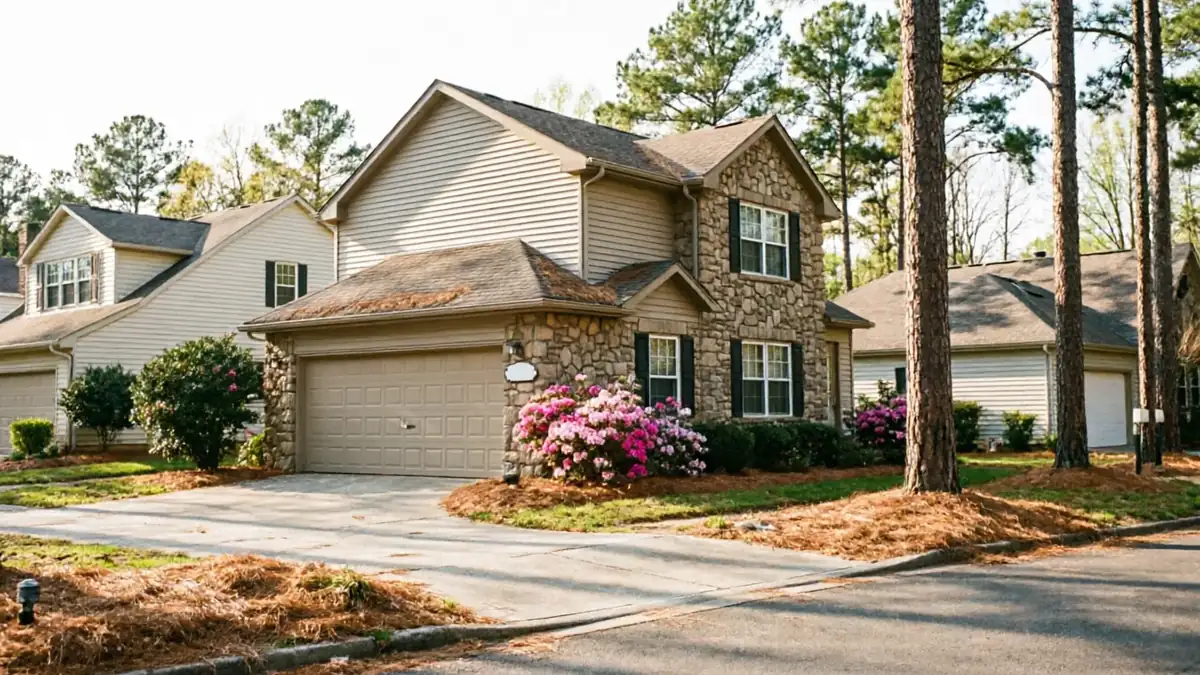
The median home in Yorkshire was built around 1985, which puts most garages here squarely in the era of steel sectional doors on extension or early torsion spring setups, paired with chain-drive openers that are long past their original circuit boards. That's a different animal than the pre-1960s one-piece doors you'd find elsewhere on the county's older stock, and it's a different animal than new-construction doors with factory steel-ball bearings and sealed torsion systems.
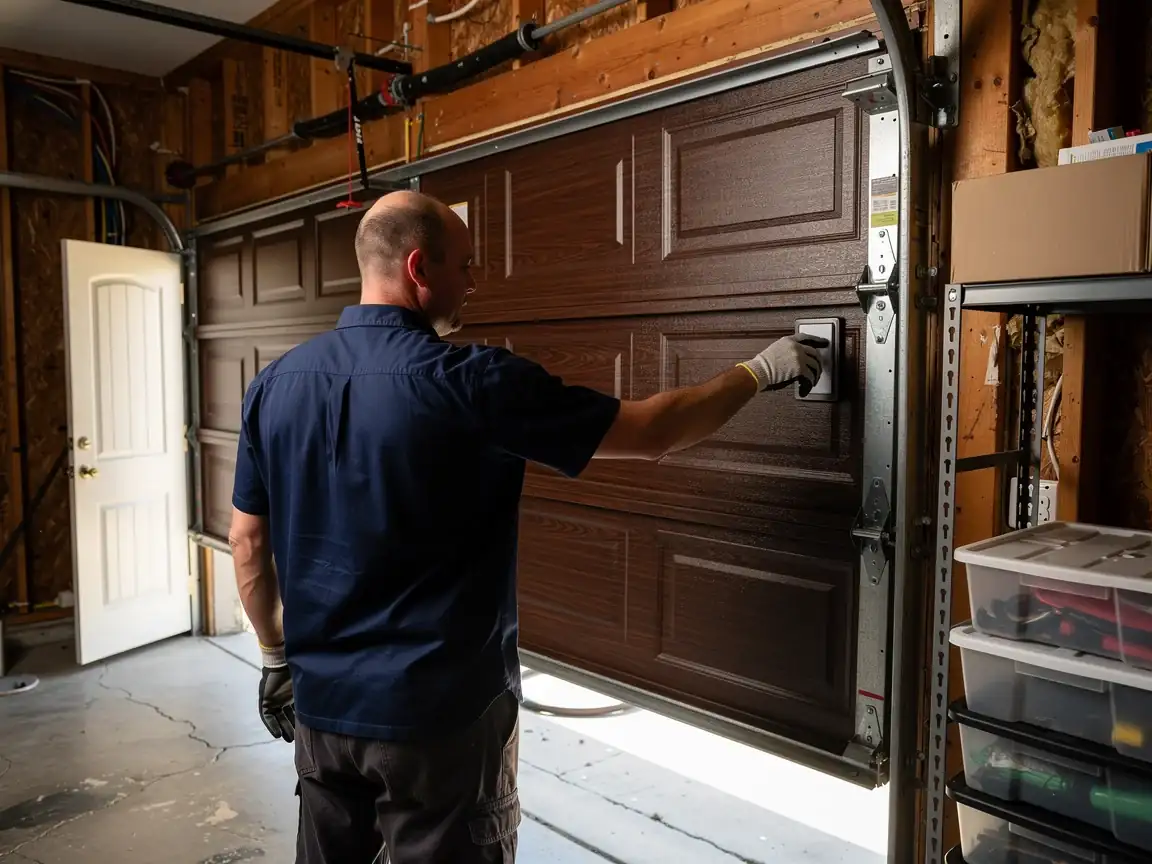
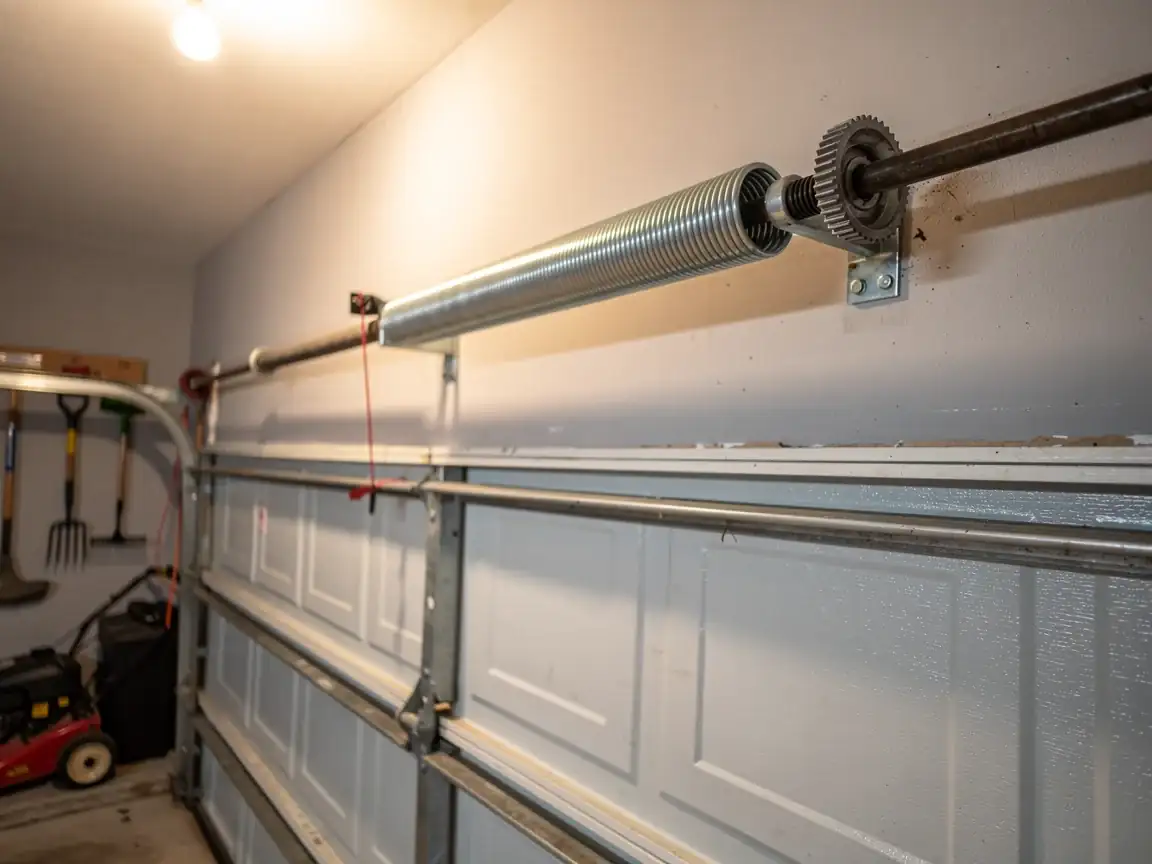
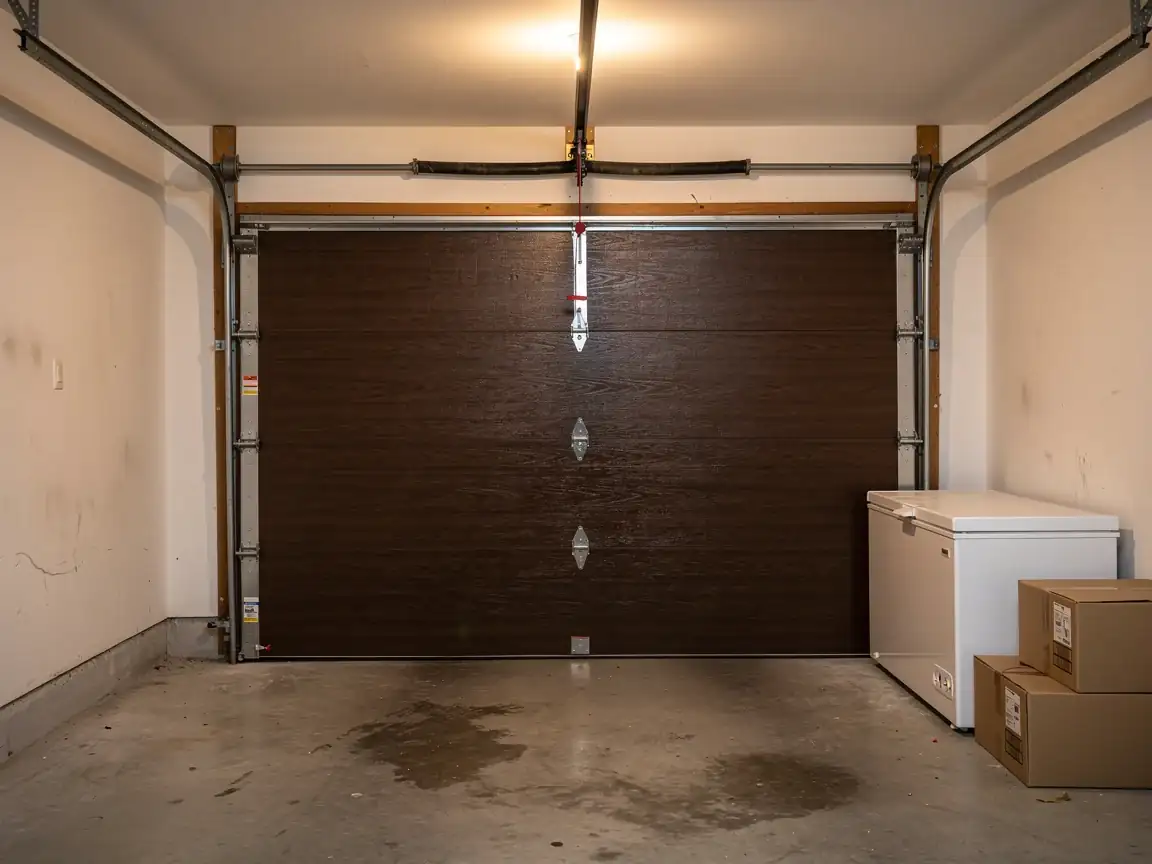
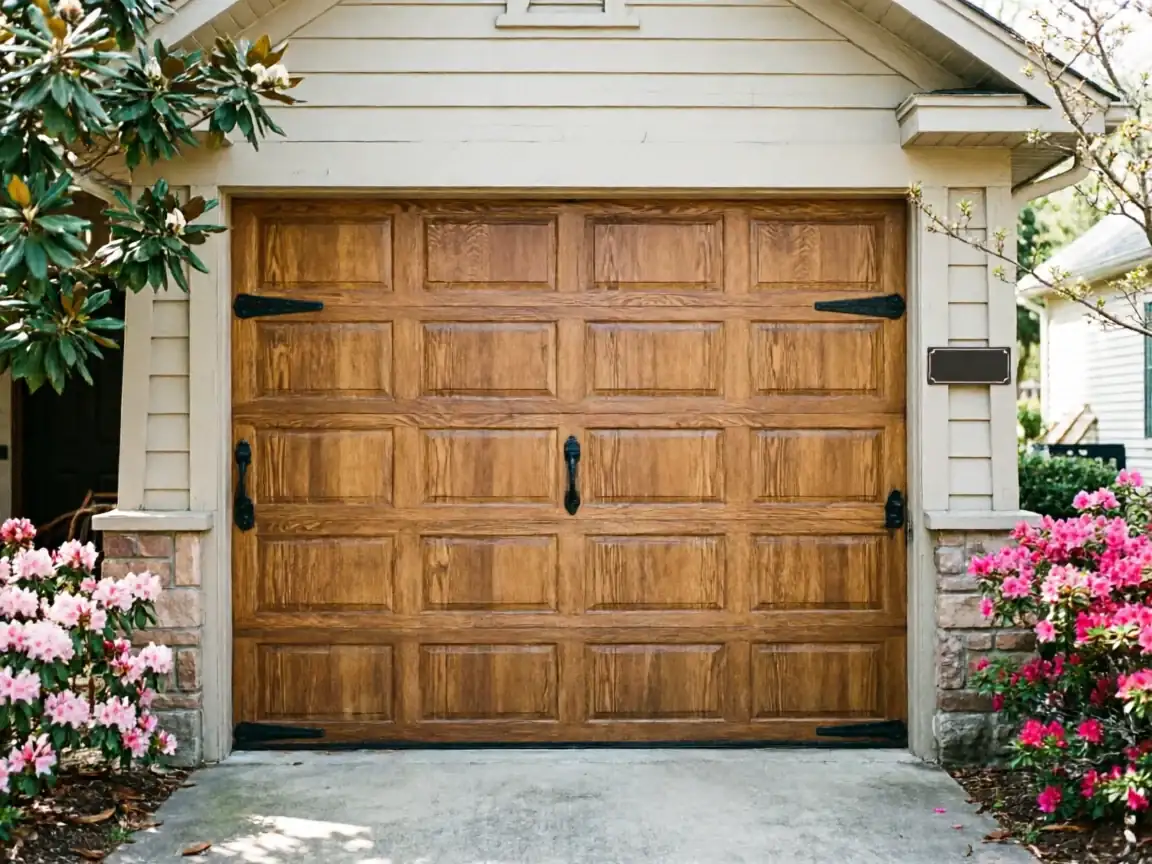
What we actually see at the door in Yorkshire: galvanized track that's pitted from 35-plus years of temperature swings, rollers that have gone from nylon to bare steel because nobody replaced them on schedule, and openers with safety sensors that were bolted on after the fact rather than built in. Springs on doors this age are usually original or one replacement in, and when they go, they go without warning.
None of this is a guess dressed up as expertise - it's just what a mid-1980s build year does to a garage door over three decades. A door built in 2015 down the road doesn't have the same problems yet. A door built in 1985 does.
How We Get to You
We run the 10 miles from Gainesville with the parts most likely needed for a Yorkshire-era door already on the truck
Torsion springs sized for 1980s-90s steel doors, standard rollers, and the sensor and logic parts that fail most often on chain-drive openers from that period. If your job turns out to need something unusual, we'll say so on site rather than guess and leave you with the wrong part installed.
- 10 miles
We ask a few questions before we roll out
Roughly when the house was built, whether the door is wood or steel, whether it's one spring or two. None of that is paperwork for its own sake - it's how we decide what's riding in the truck before it leaves Gainesville.
One honest limit: we don't stock every opener model ever sold
And if yours is an obscure or discontinued unit, the part may need to be ordered before we can finish the job in one visit. We'll tell you that up front instead of after we've already made the drive.
What Was Built Here
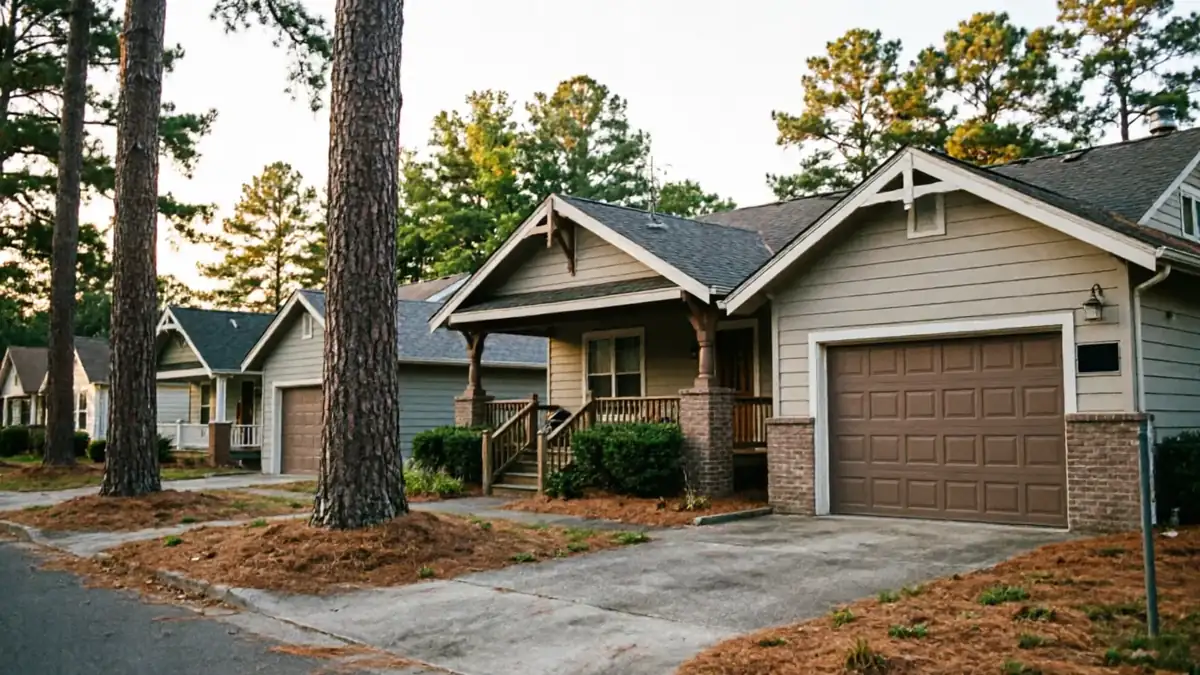
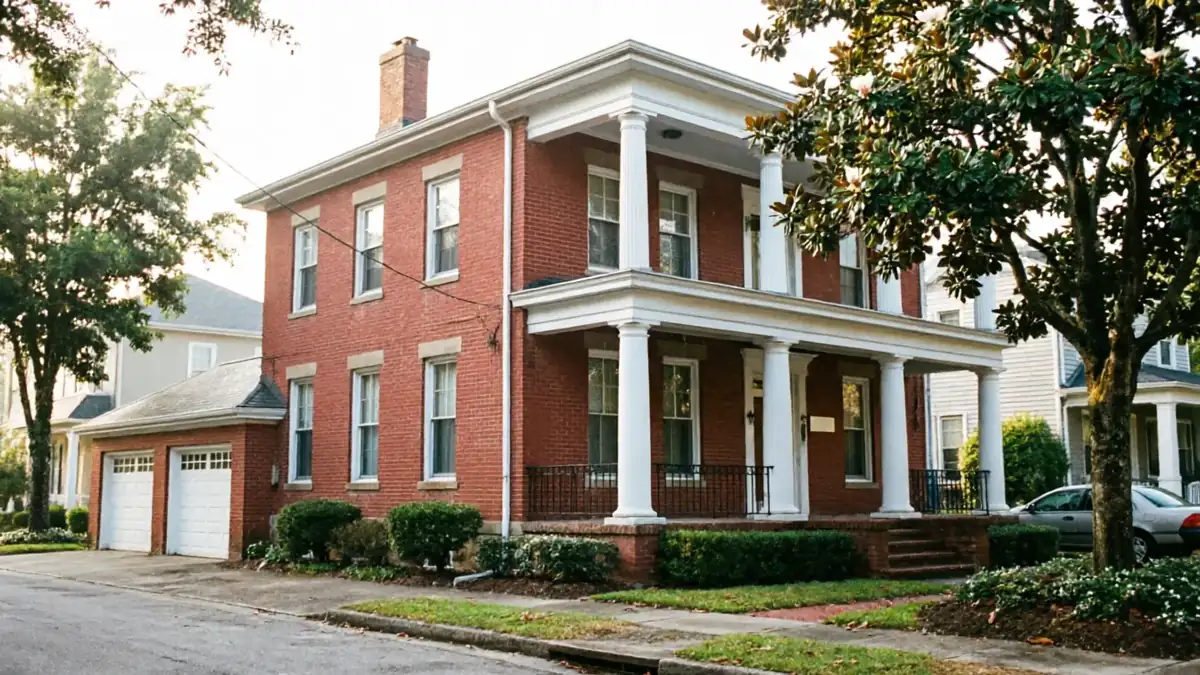
Housing in the broader Gainesville service area runs from 1938 up through 2015, with a median build year of 1982 - but Yorkshire itself centers closer to 1985, squarely in the stretch of development that favored steel sectional doors over the wood and one-piece styles that came before. That one small gap between the area median and Yorkshire's own number is the difference between a door that still uses obsolete extension springs and one built for the torsion hardware that's still common today.
Median household income here runs around $107,283, which is close to the wider area's $111,503 - not identical, but close enough that we don't see a lot of homeowners patching a door with mismatched parts just to save money. Most people here replace a failing spring system properly rather than rig a workaround, and the hardware on hand usually supports that.
Winters in this part of Virginia fall into what climate data calls a severe cold band, and steel doors from the mid-1980s weren't built with the insulation standards used today. That's worth knowing before you decide whether to repair or replace.