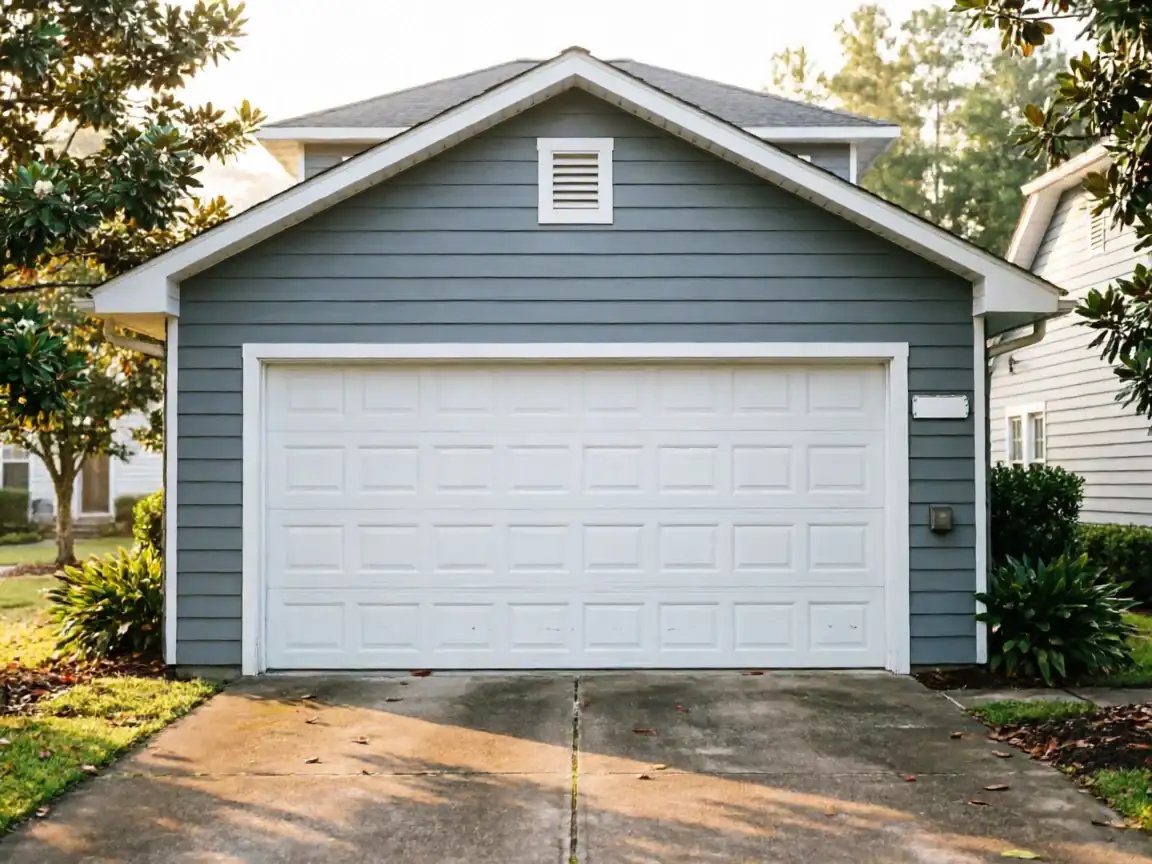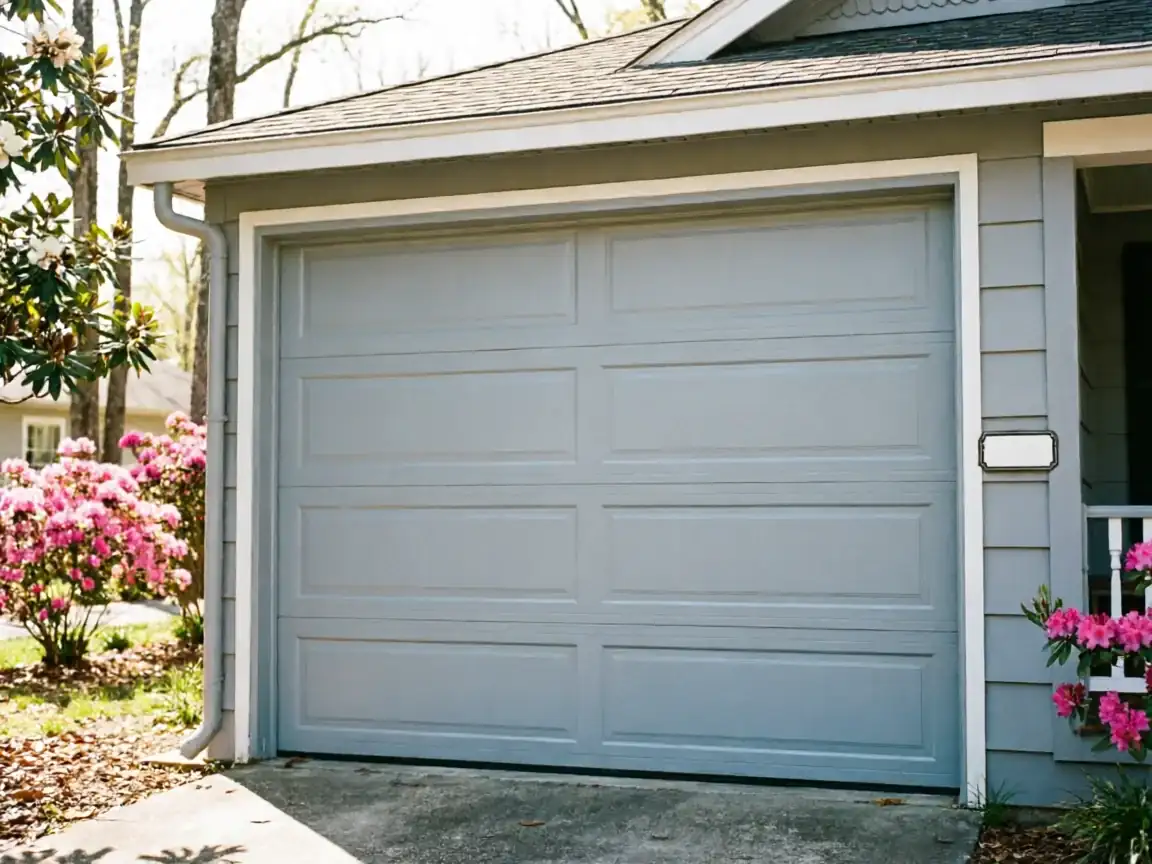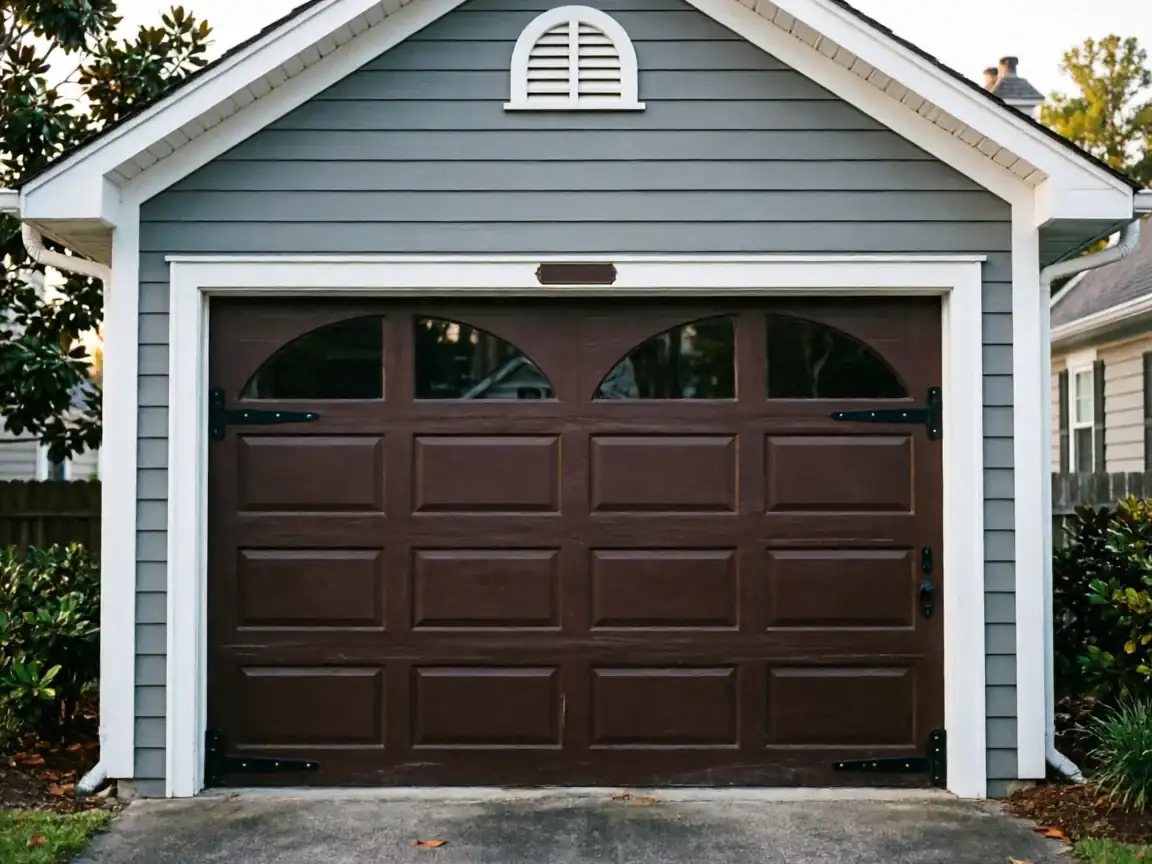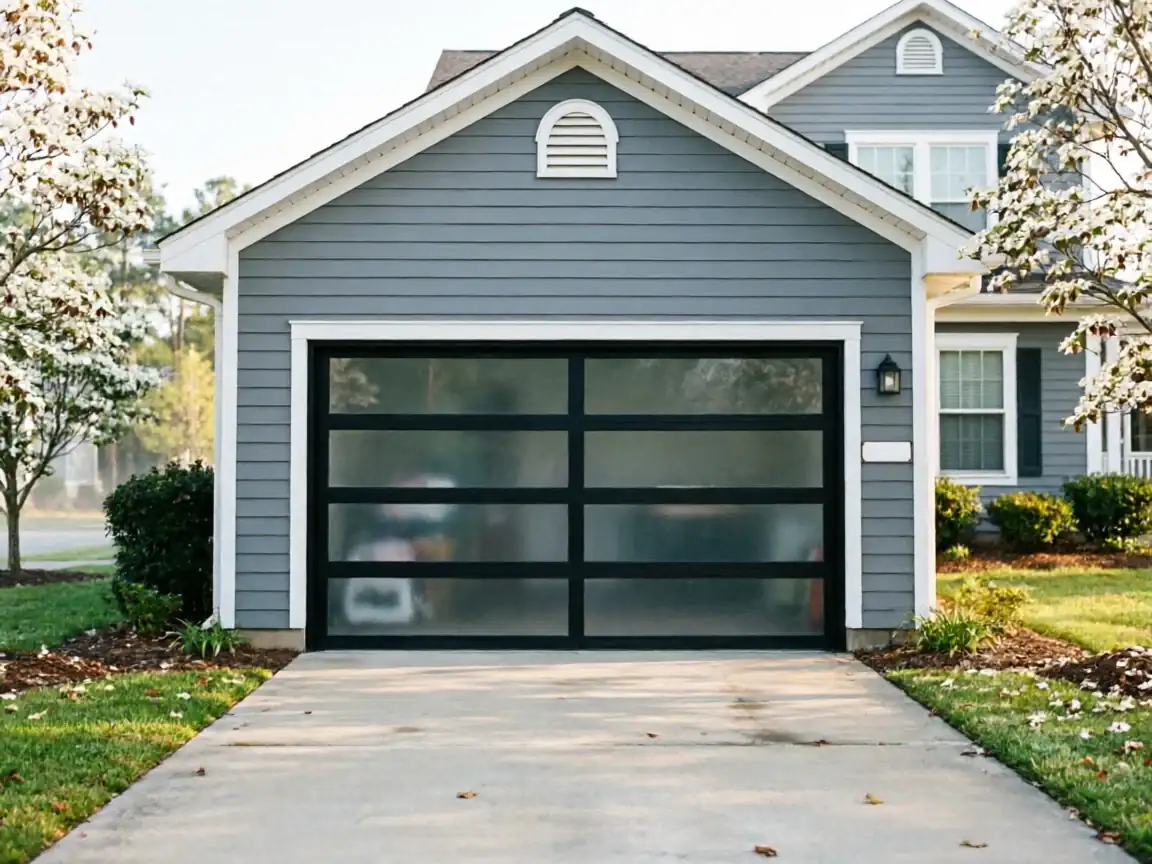
Why This Fails Locally
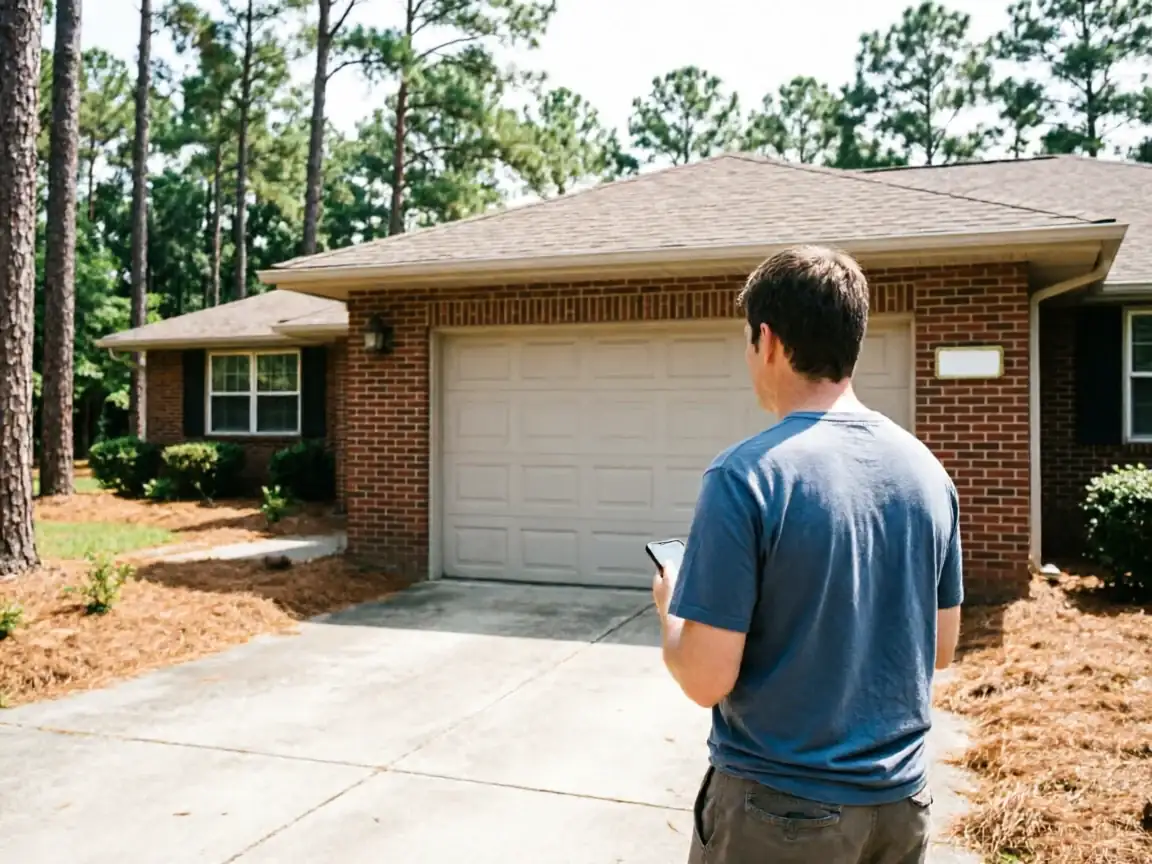
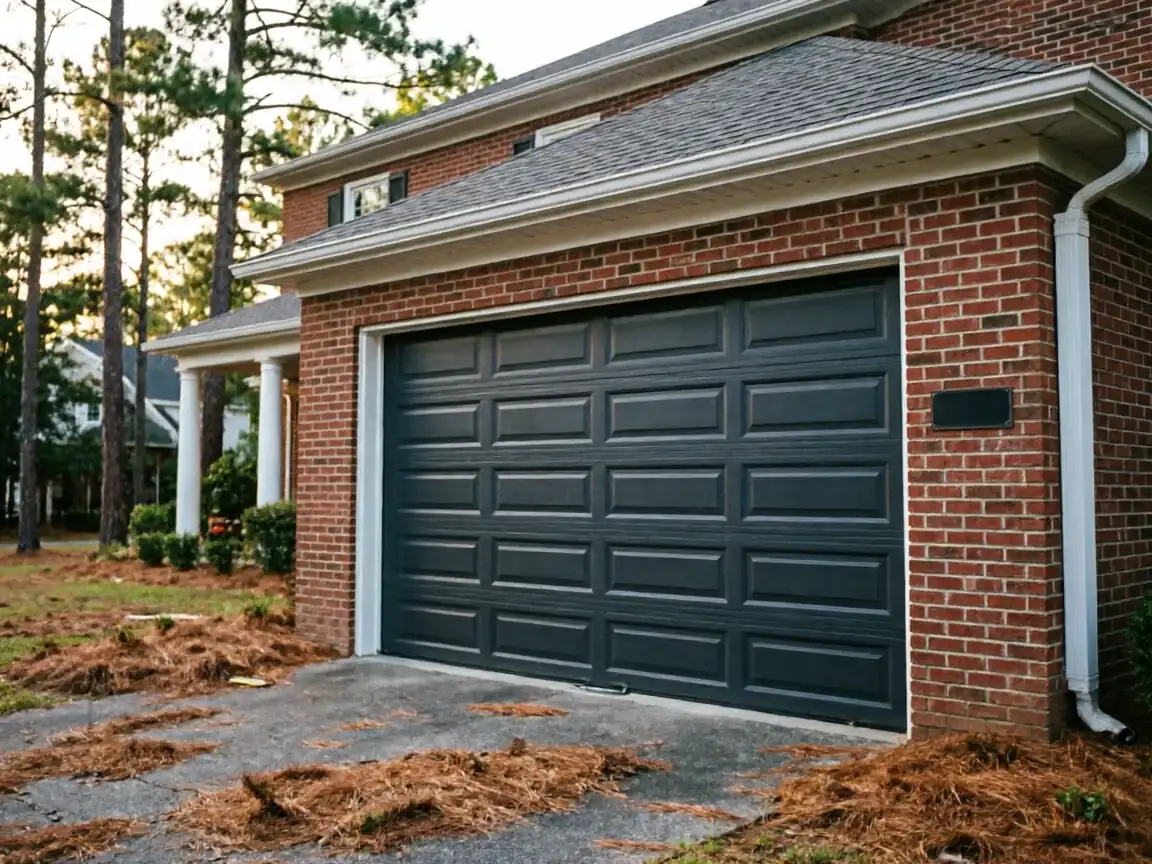
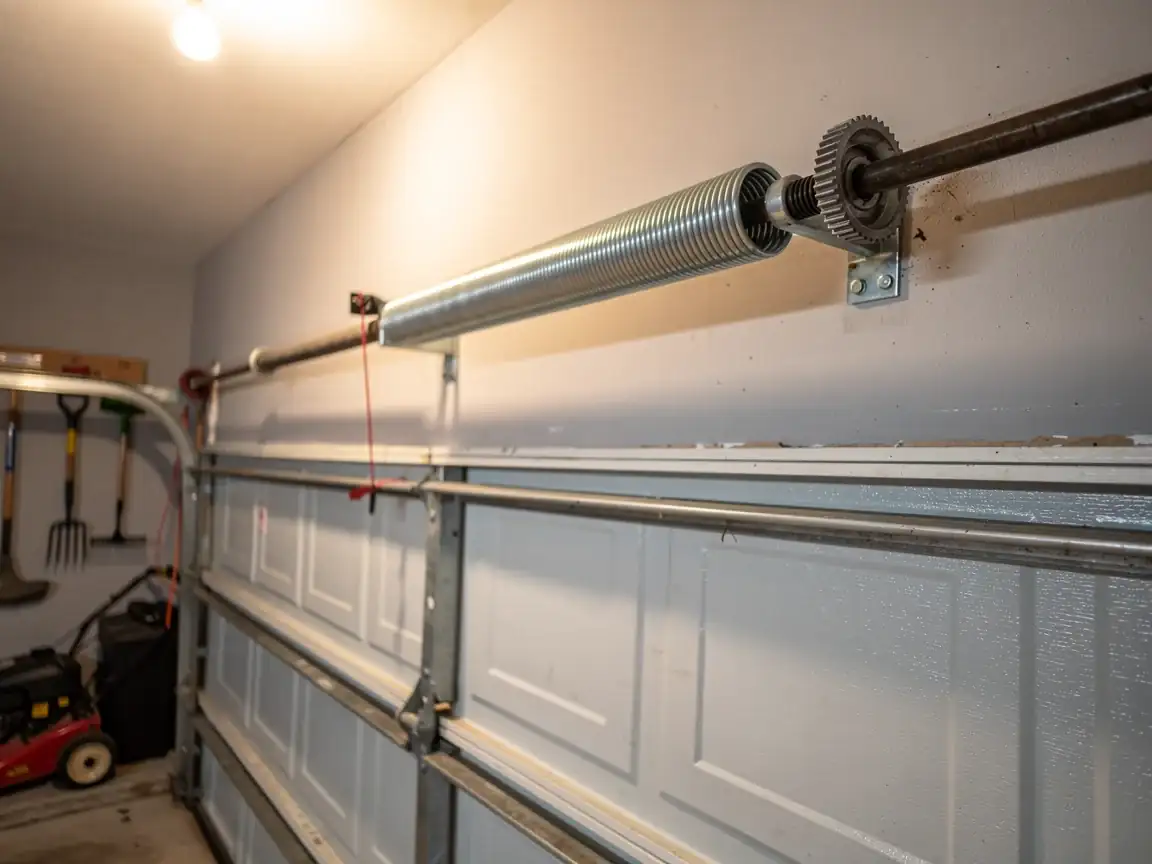
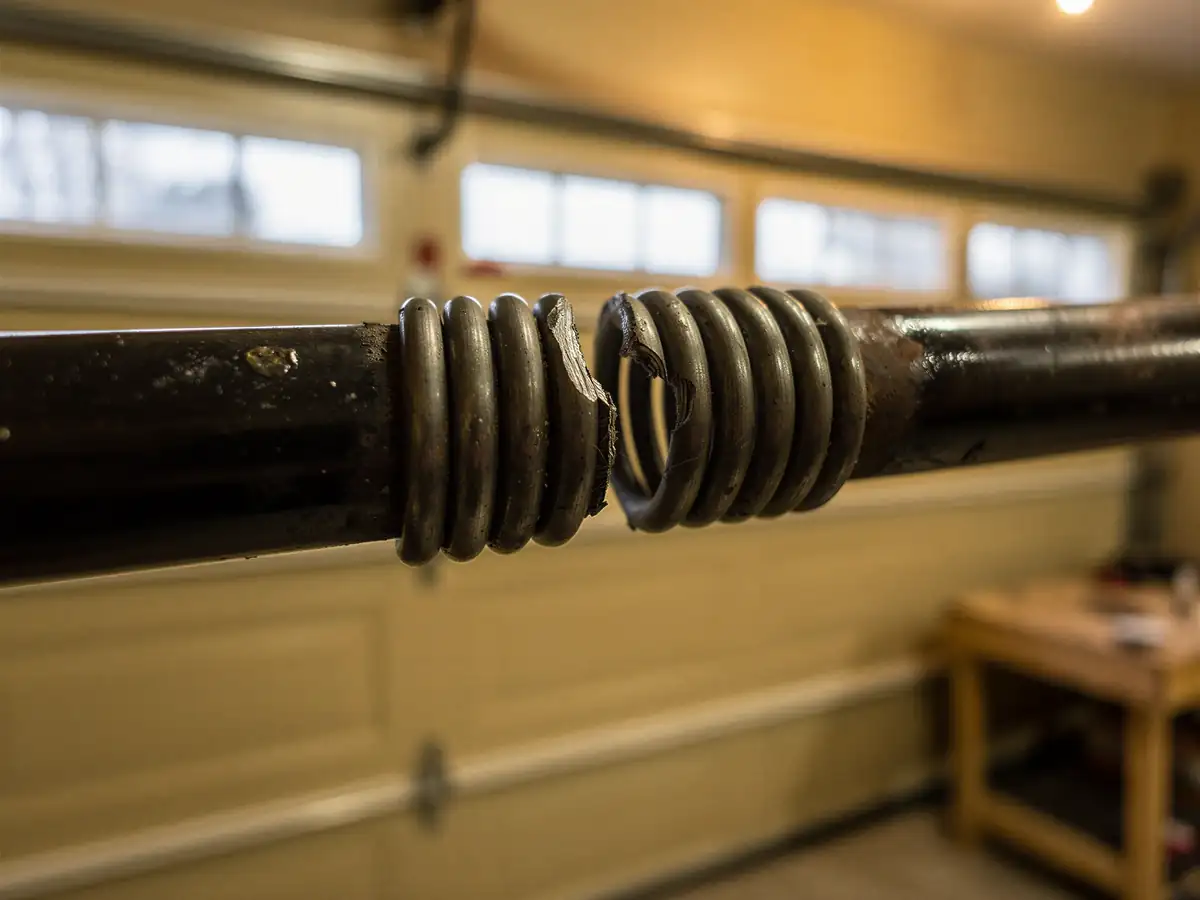
Most of the houses we get called to around Gainesville went up in the 1980s and 90s, with the broader service area spanning construction from 1938 to 2015 and a median build year around 1982. That matters because a torsion spring is rated for a set number of open-close cycles, not years, and a door installed when a house was built in 1984 has now put in three to four decades of daily cycles on the original hardware. Add in the severe cold winters this area sees, and steel springs that have already lost temper from age get stiffer and more brittle in January and February, which is when they let go. We're not talking about a design flaw in these doors - they were fine for their era. The problem is that nobody budgets for spring replacement the way they budget for a water heater, so the first sign of trouble is the door not moving at all. Across the roughly 9,660 owner-occupied houses we could be serving, a large share are sitting on original or first-replacement torsion hardware that's due, whether the owner knows it or not.
What You Are Seeing
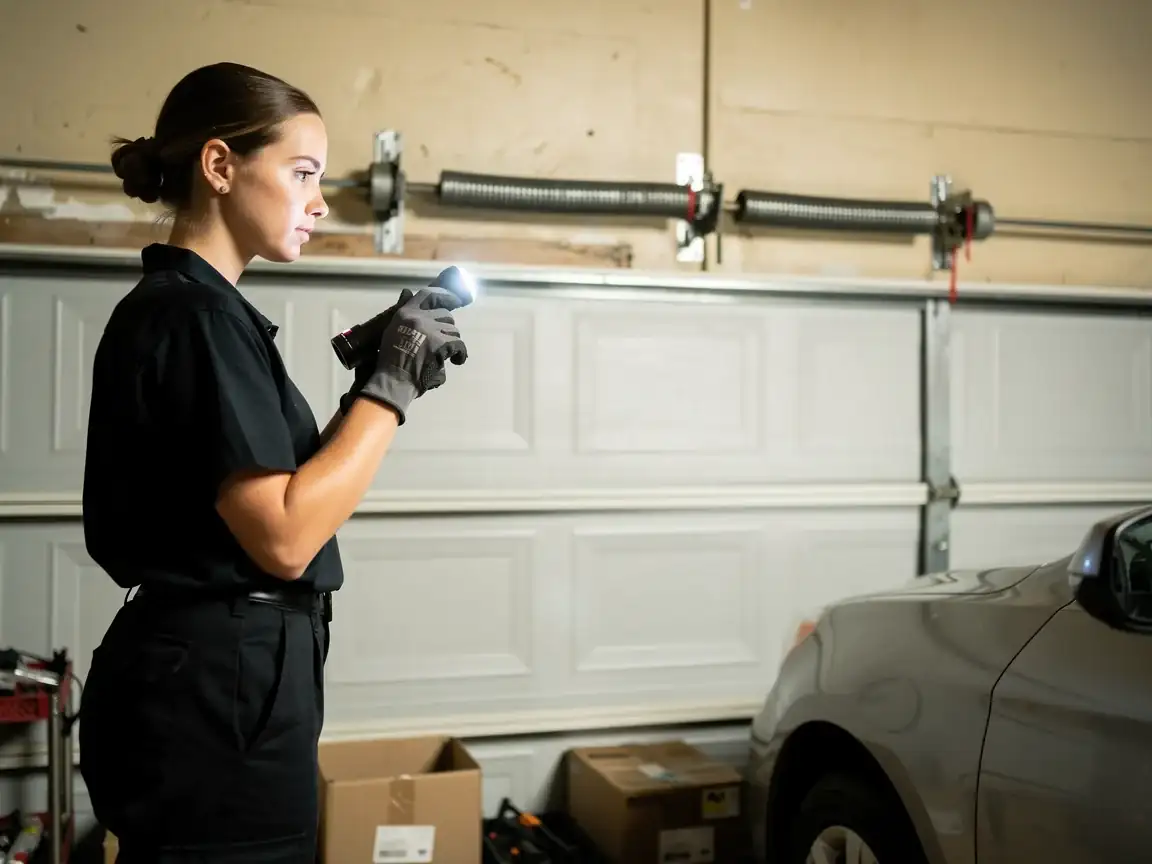
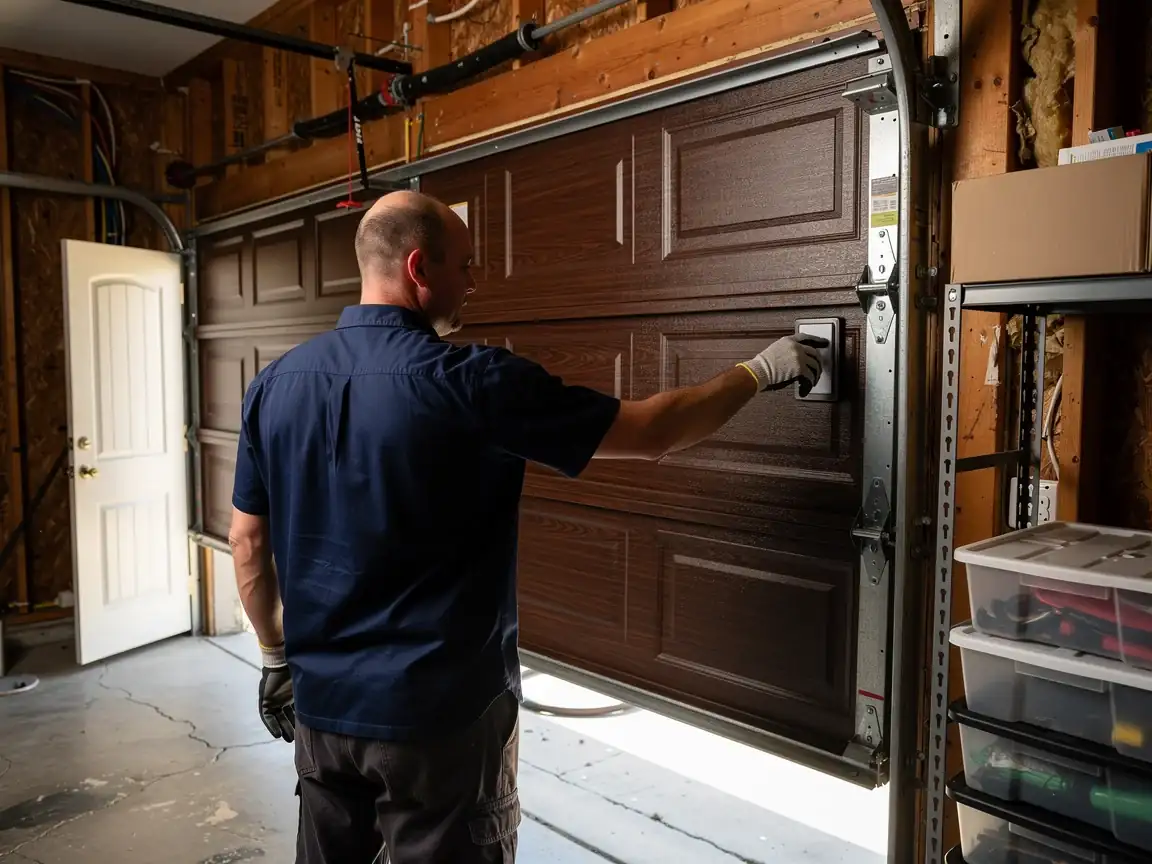
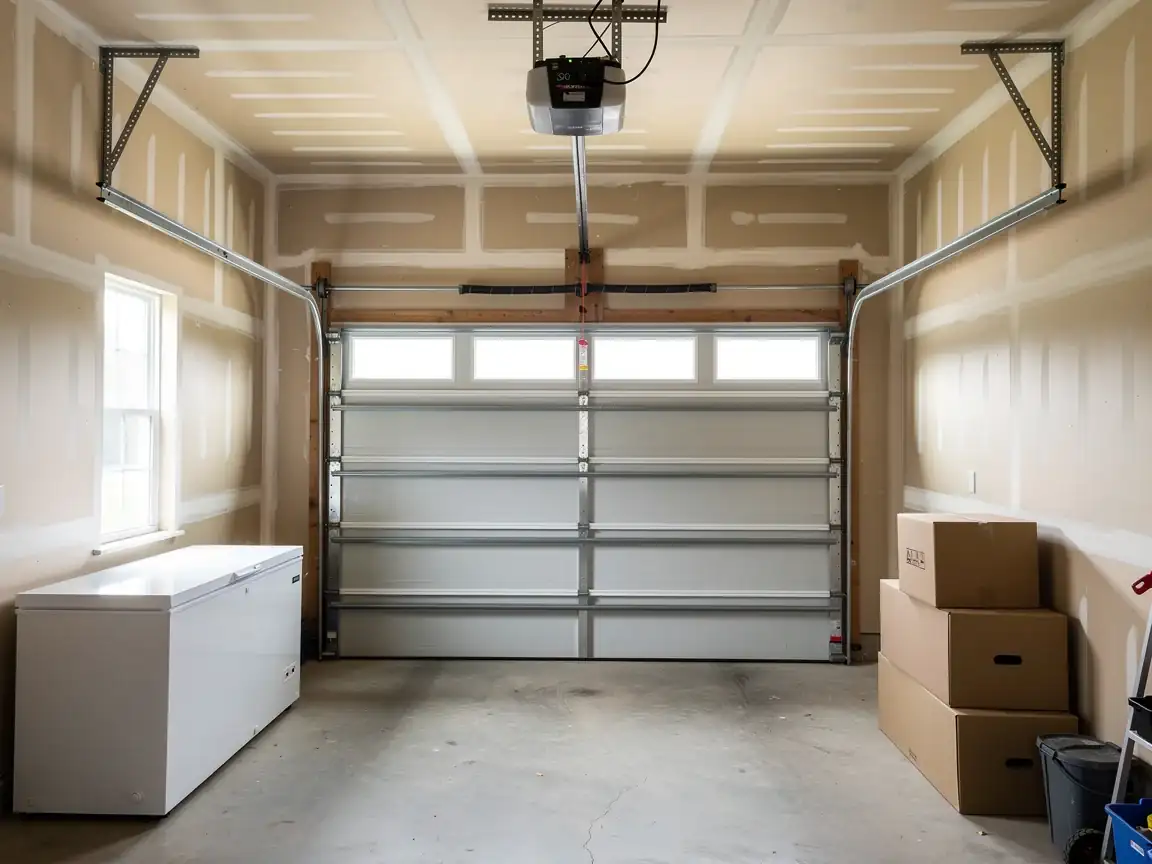
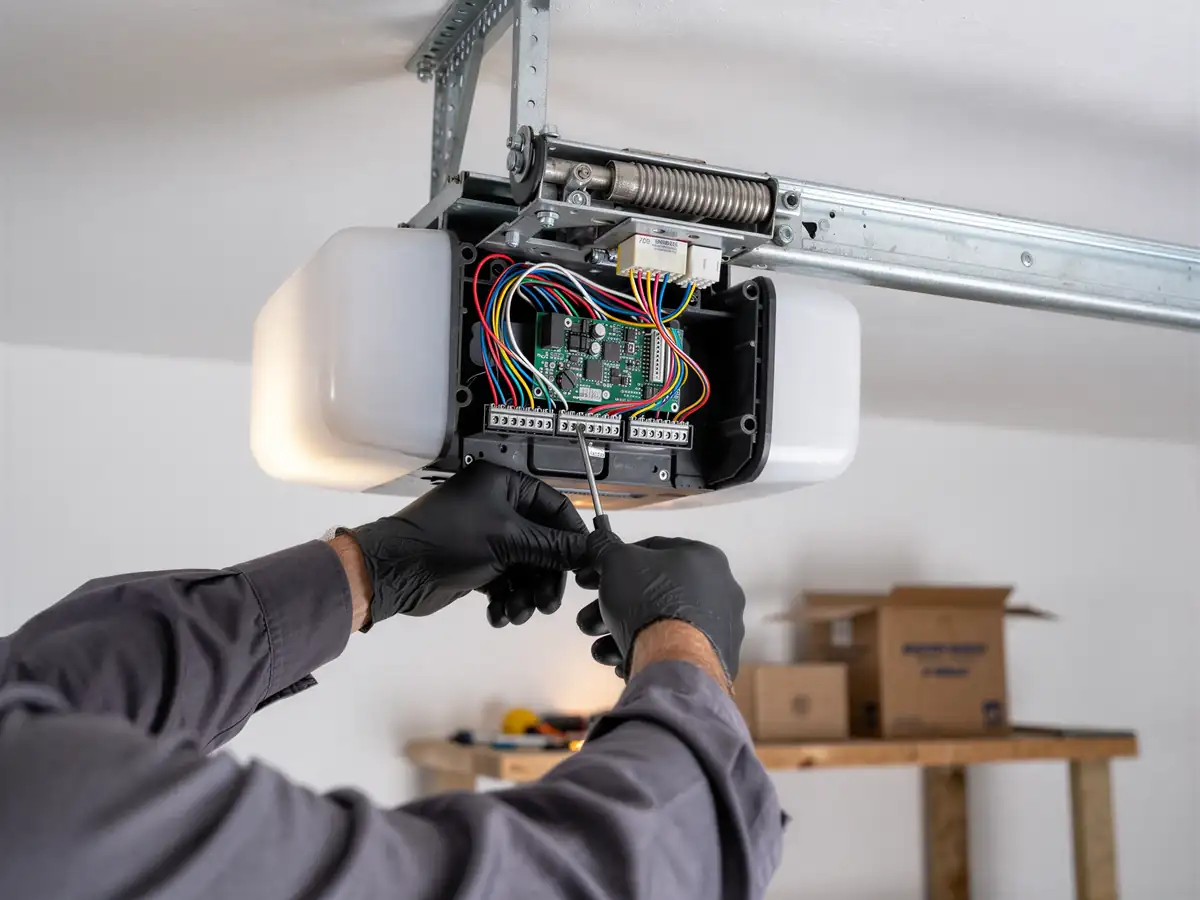
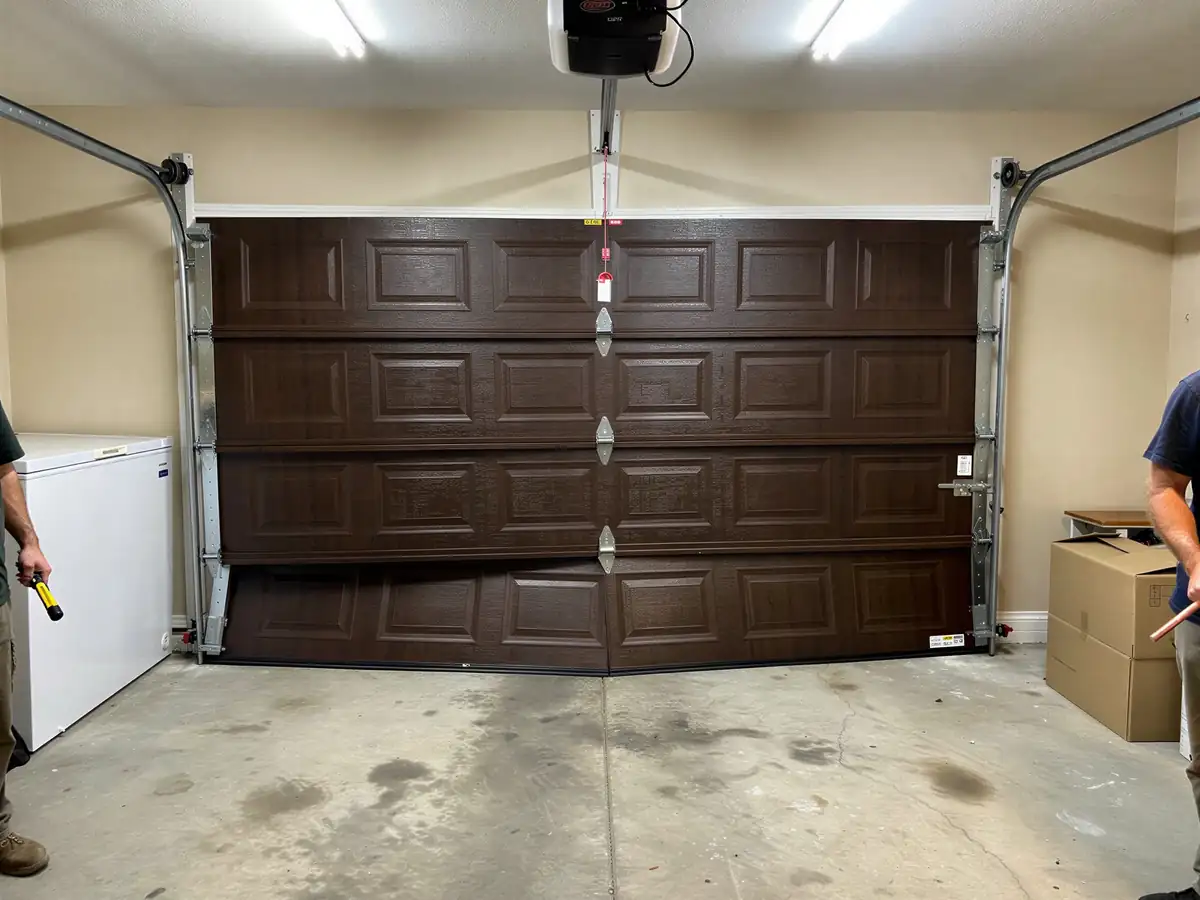
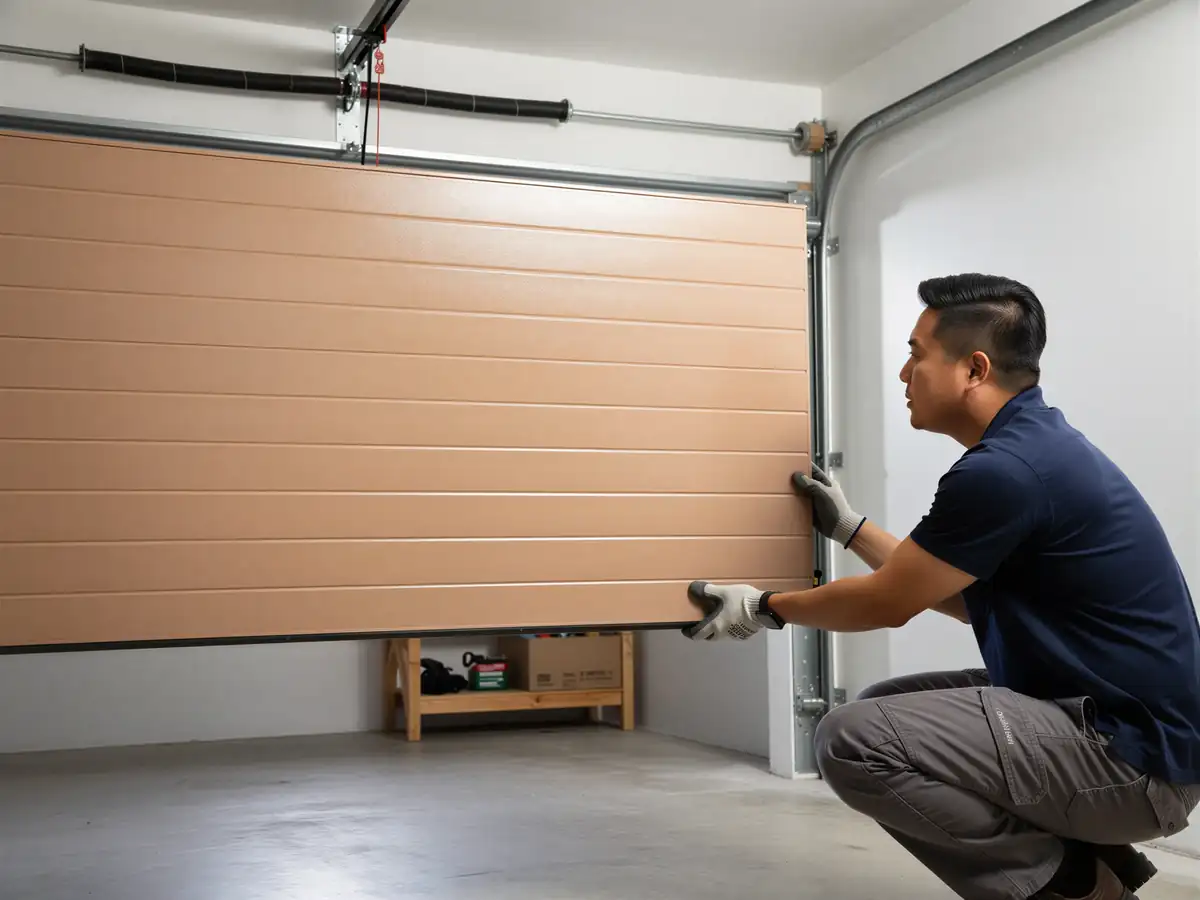
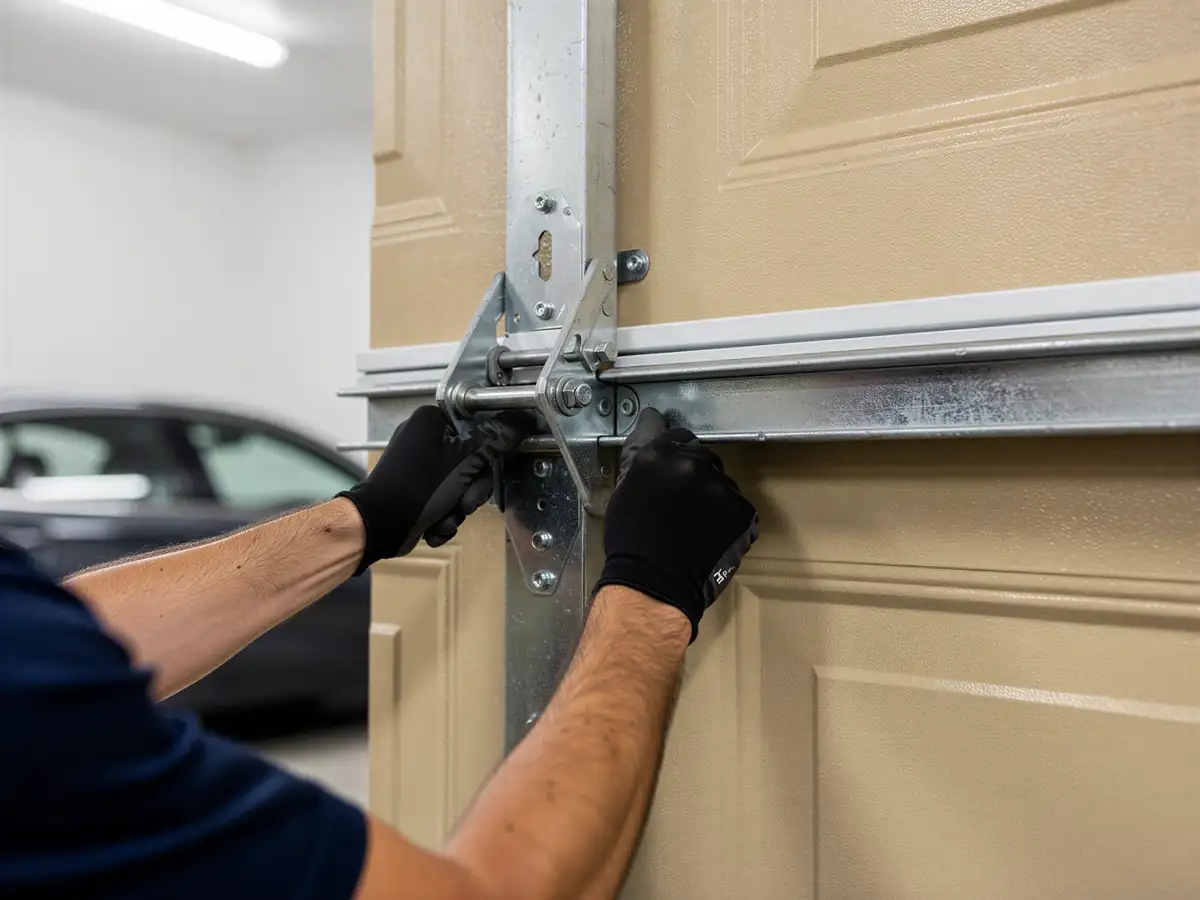
The door won't lift, or it lifts a few inches and stops. You hear a bang from the garage - that's usually the spring itself, not the opener. On older doors from the 80s and 90s stock common here, you might also see a track that's pulled slightly away from the frame, because wood jambs from that era shift more than the newer framing you'd find in houses built after 2000. In cold snaps, openers that are otherwise fine can also stall because the extra resistance from a stiff, under-lubricated spring is more than the motor is calibrated to push through. If your door reverses halfway up on a cold morning but works fine by afternoon, that's the spring telling you it's close to done, not the opener failing.
Stocked Parts
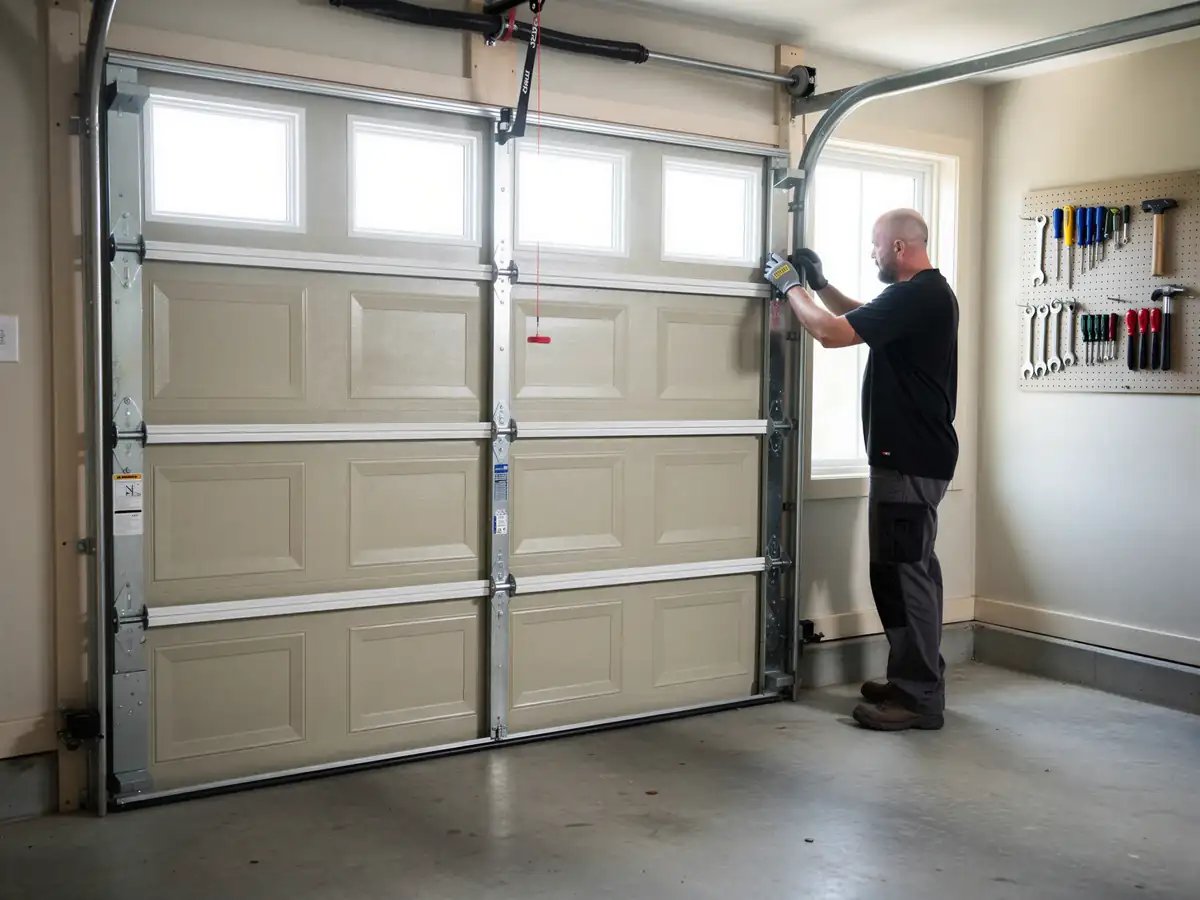
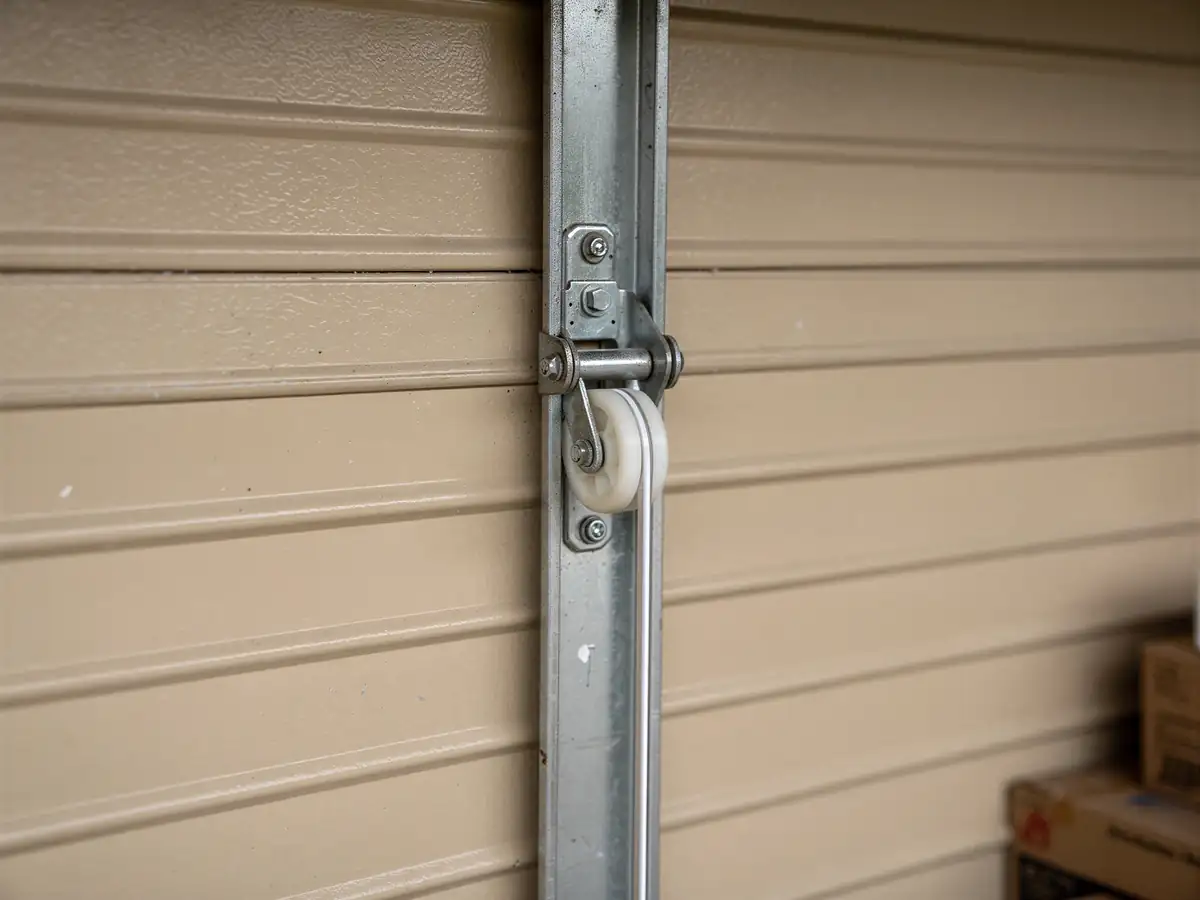
We carry common torsion spring sizes, standard-lift cables, and end bearings on the truck, which covers most of what fails on the 1980s and 90s stock that makes up the bulk of homes in this area. Rollers and hinges we also stock in standard sizes. What we don't keep on hand are odd custom-width doors or specialty opener boards for less common brands - those can mean a short wait on parts, and we'll tell you up front if your job falls into that category rather than guessing at a timeline.