Why This Fails Locally
Gainesville-area houses went up anywhere from 1938 to 2015, with the typical build landing around 1982, so on any given street you've got openers, torsion springs, and track hardware spanning four or five different manufacturing eras, each with its own lubricant spec and tension setting. A tune-up that works on a 2010 build can be the wrong move on a 1985 one.
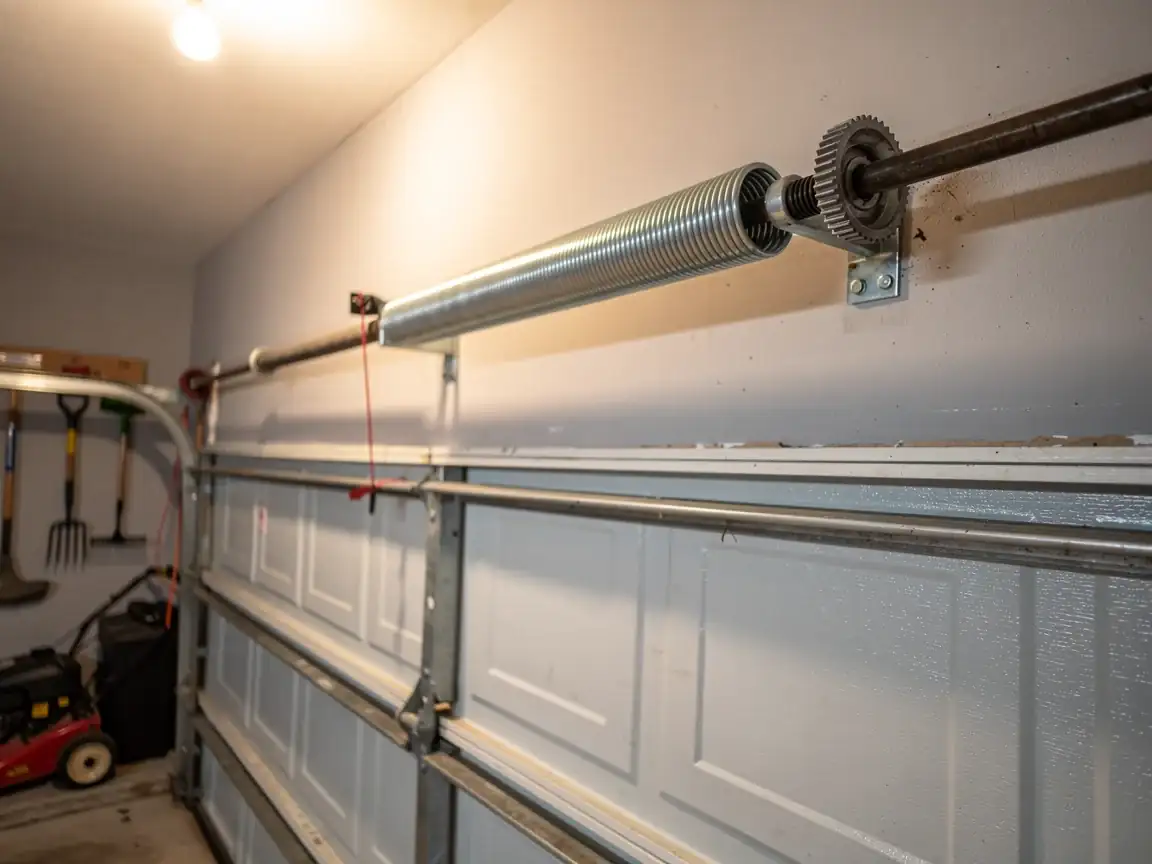
Most of the stock across the service area's 17 named communities dates to the 1980s and 90s, which means a lot of extension springs, steel rollers, and chain-drive openers that are now thirty-plus years old and were never designed to run maintenance-free that long. Add in a COLD severe climate band, where sub-freezing nights thicken old grease on tracks and rollers until the opener motor strains just to get the door moving, and you've got a door that fails earlier here than it would in a milder climate on the same hardware.
This isn't a once-and-done fix. A door that's fine in October can bind hard by January once the grease sets up. Skipping fall maintenance in favor of spring is the single most common reason we get emergency calls in the first cold snap.
What You Are Seeing
The early signs are easy to miss because the door still opens. You'll notice the opener taking a beat longer to start moving, a grinding or squeal from the rollers that wasn't there last summer, or the door stopping short of fully closing on cold mornings before finishing the cycle a few seconds later. Some owners describe it as the door feeling "heavier" in winter - that's usually hardened lubricant on the track and rollers adding drag, not a structural problem.
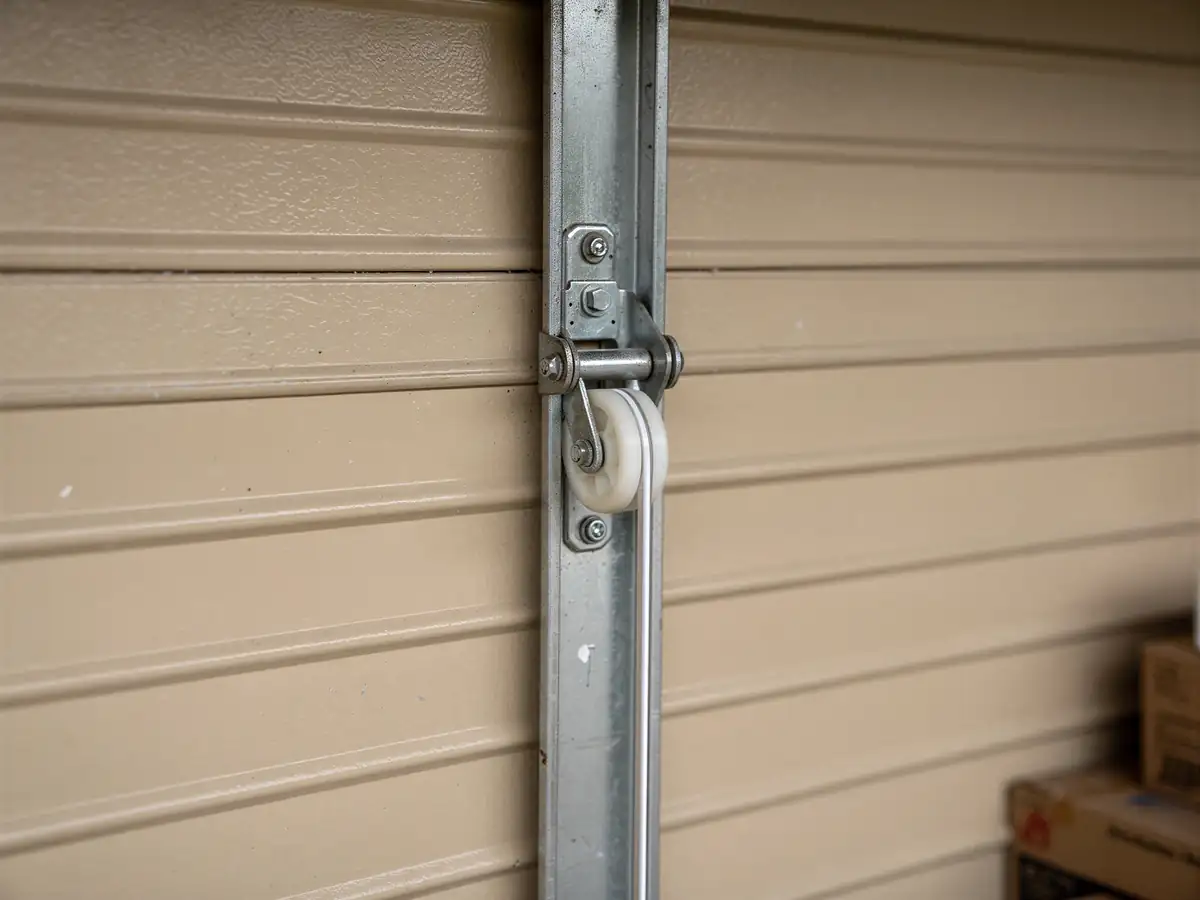
On older stock from the 1980s and 90s, you'll also see surface rust starting at the bottom roller brackets and hinges, especially on the side of the door that catches more weather. Cables can fray near the drum before anyone notices, because they're hidden behind the bottom bracket until you're looking for it.
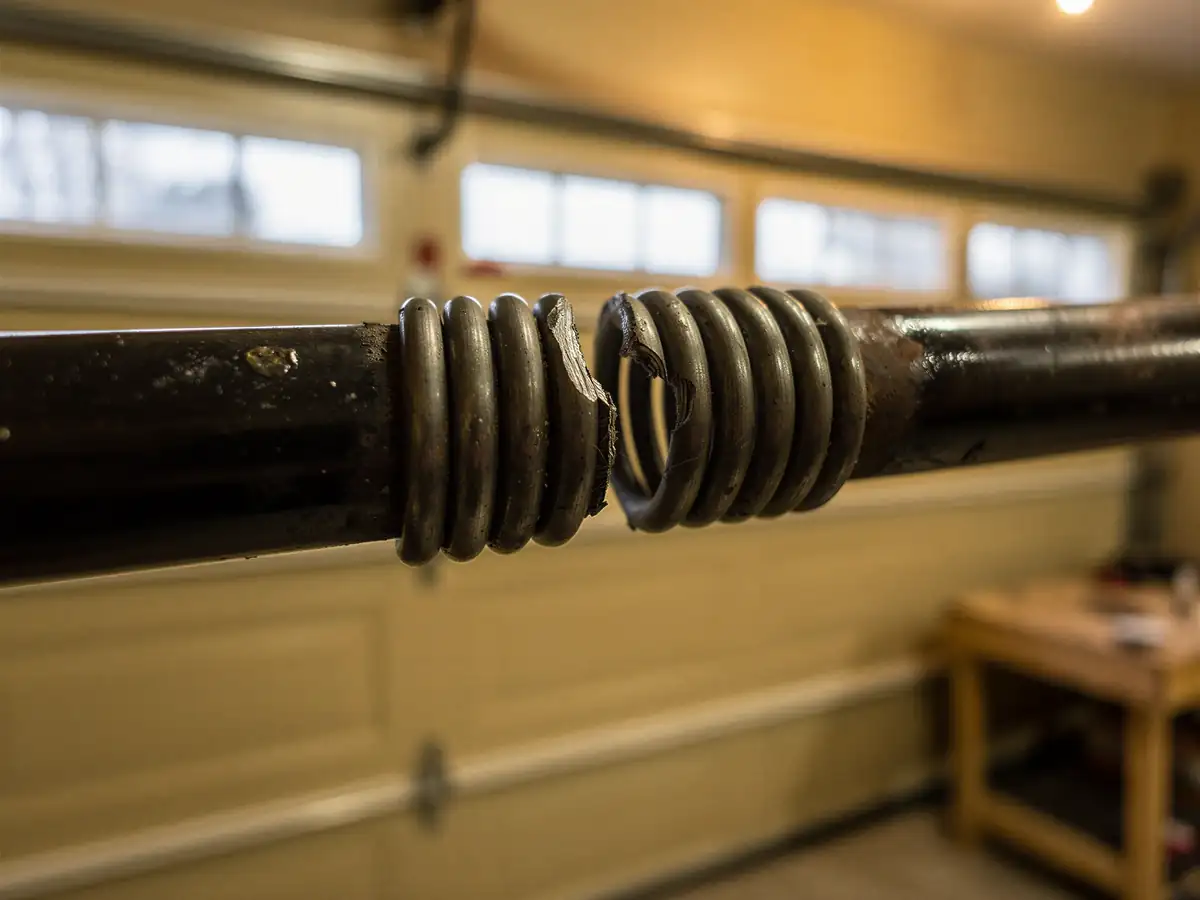
None of these are emergencies by themselves. They're the warning signs that come before an emergency - a seized roller that finally snaps a cable, or a spring that's been working harder than it should for months before it lets go. Catching them during a maintenance visit is cheaper and a lot less disruptive than catching them when the door won't open at all.
How We Fix It
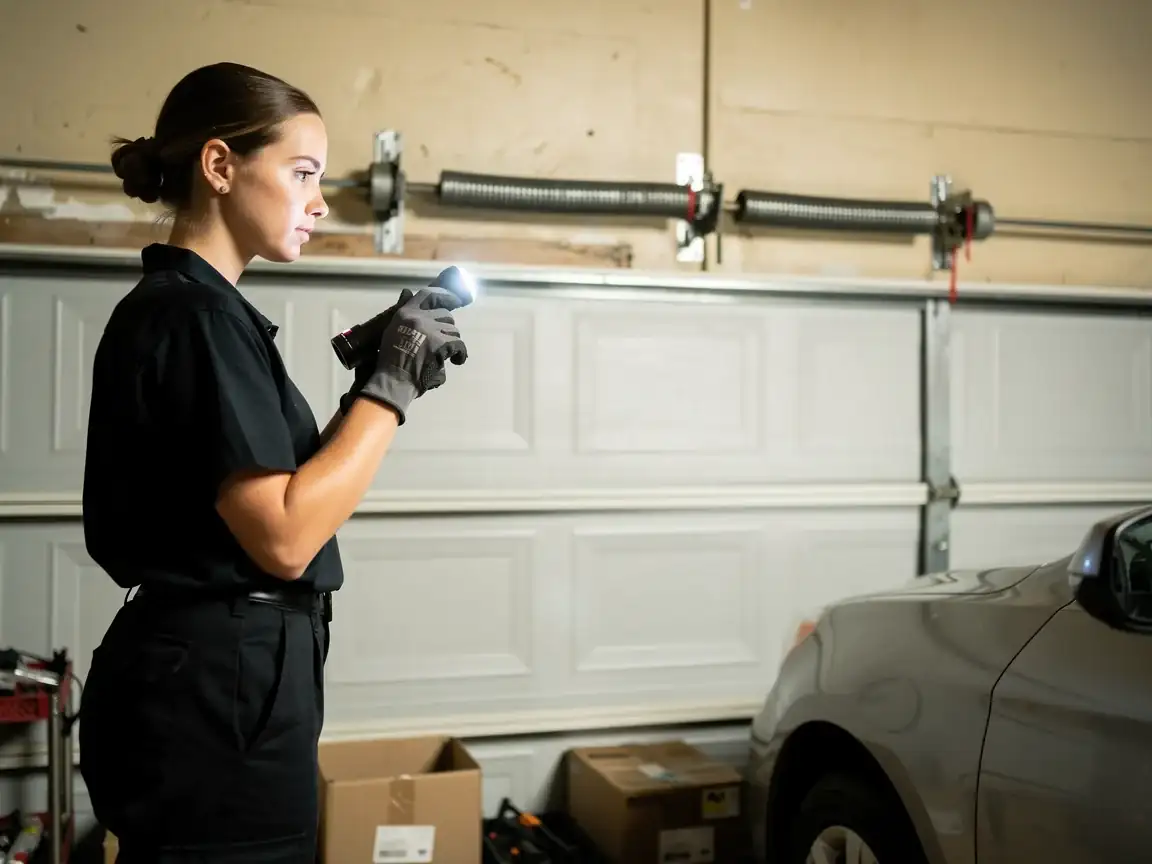
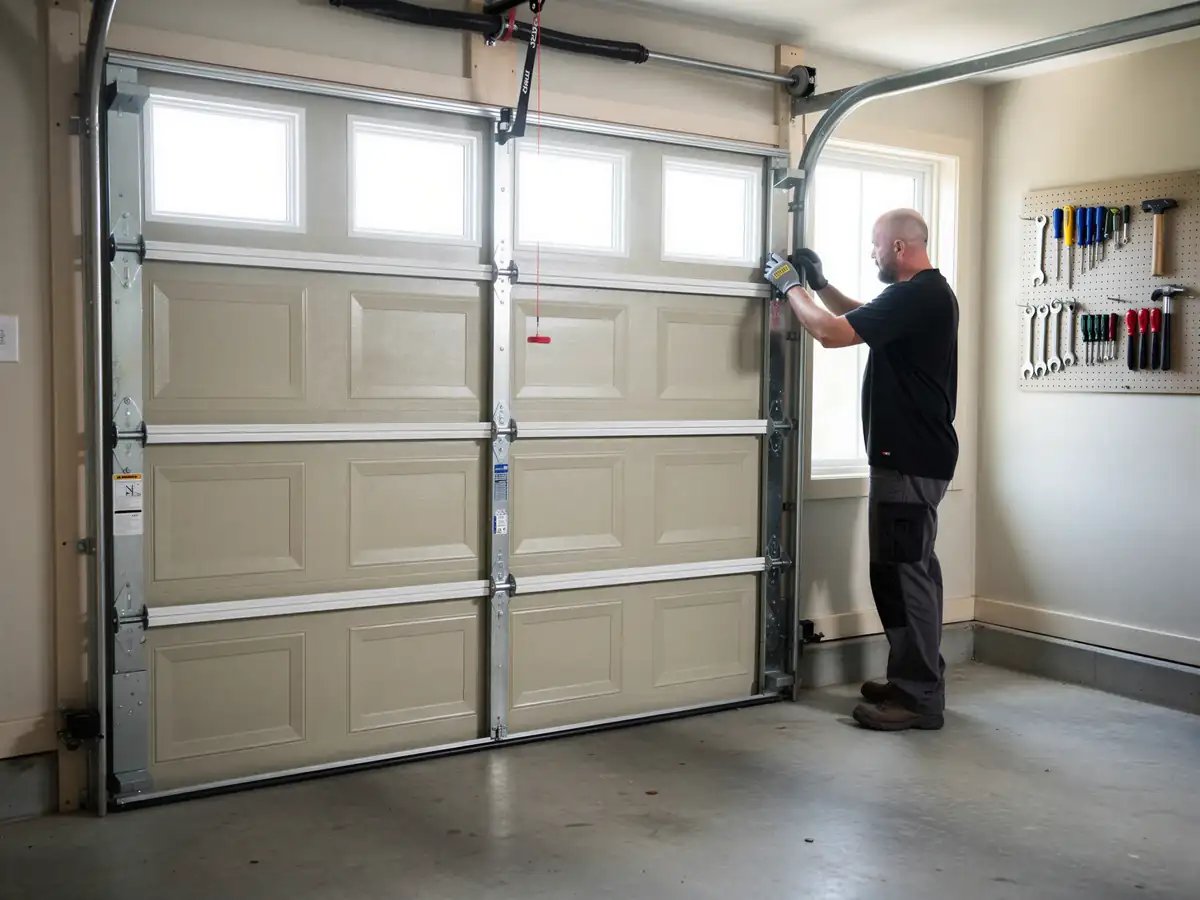
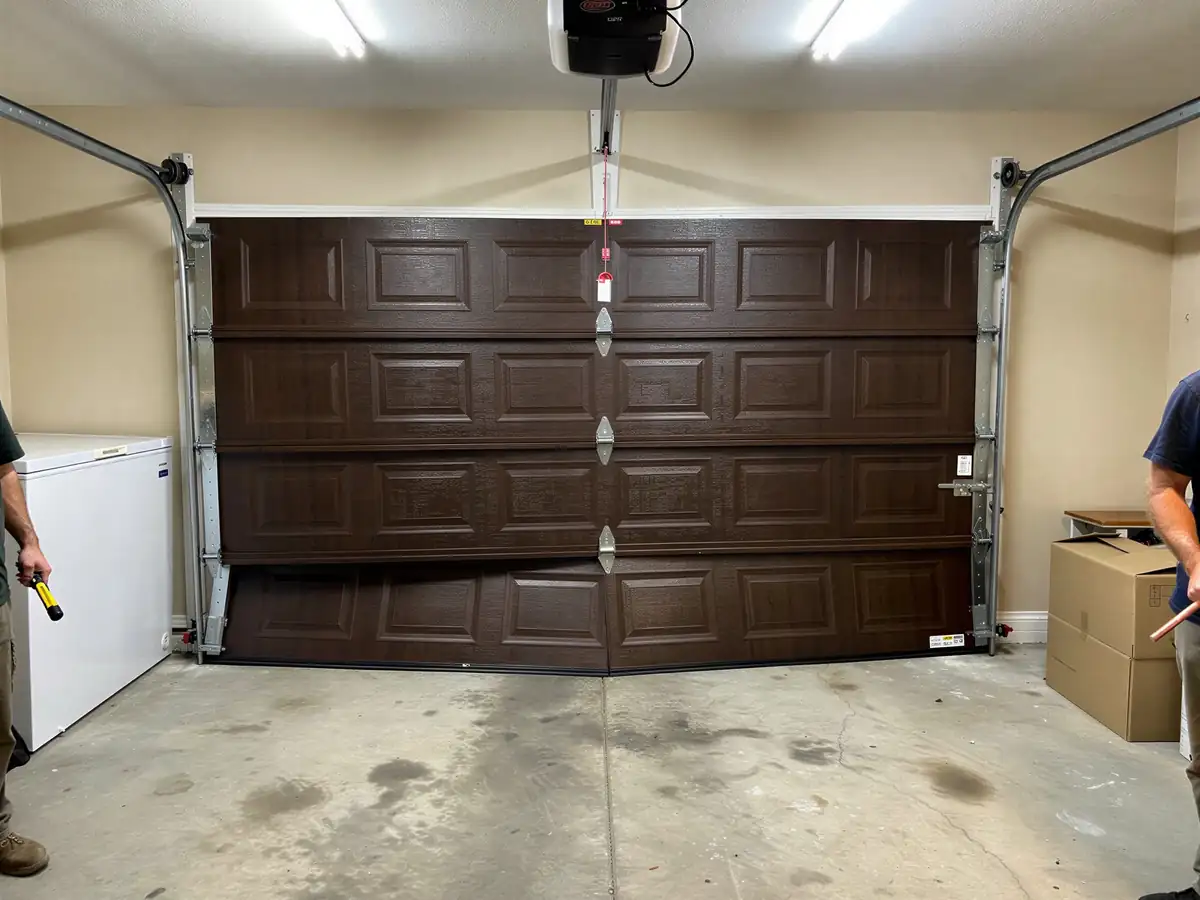
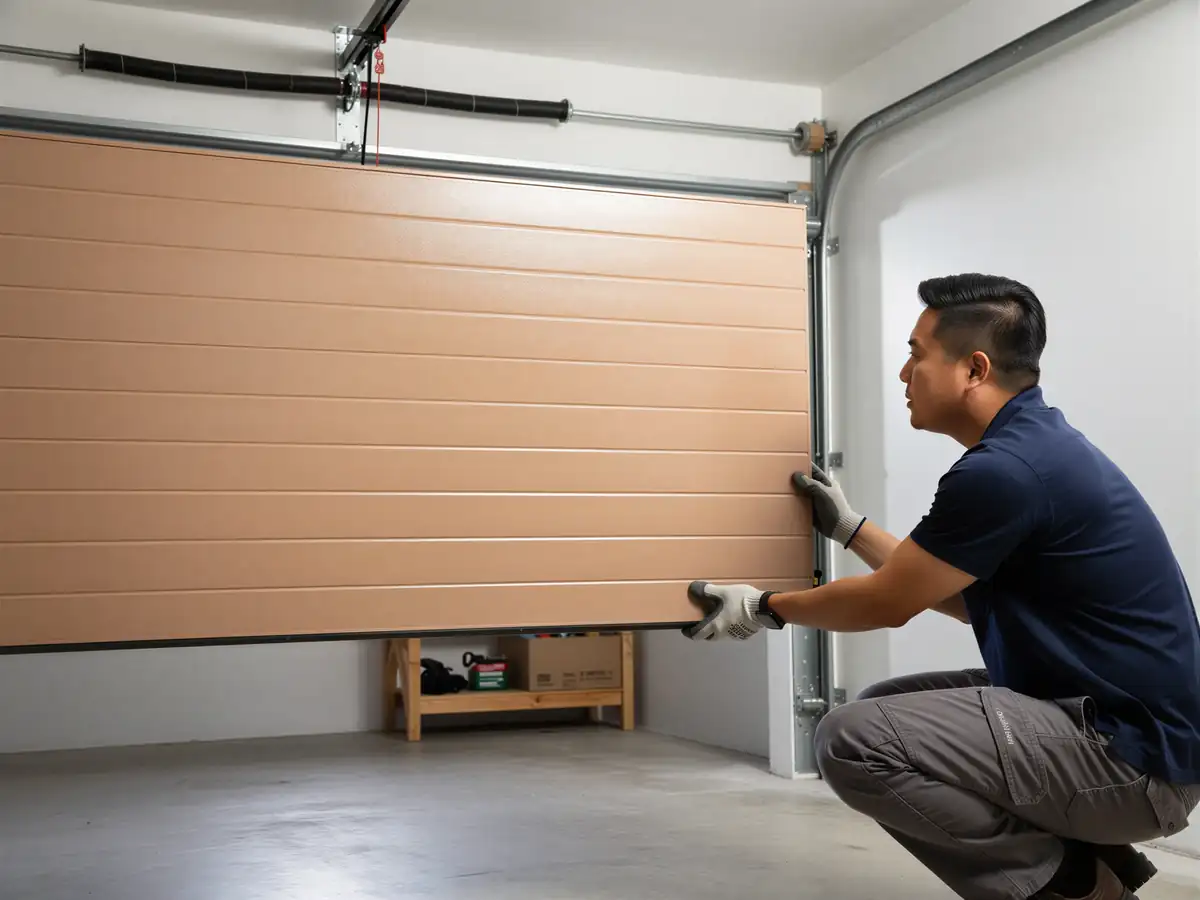
A maintenance visit starts with checking spring tension and balance
Since an out-of-balance door puts extra load on the opener motor and shortens its life regardless of the door's age. We lubricate rollers, hinges, and track with a lubricant rated for the temperature swings this climate band sees, not a generic household spray that gums up again by the next cold snap.
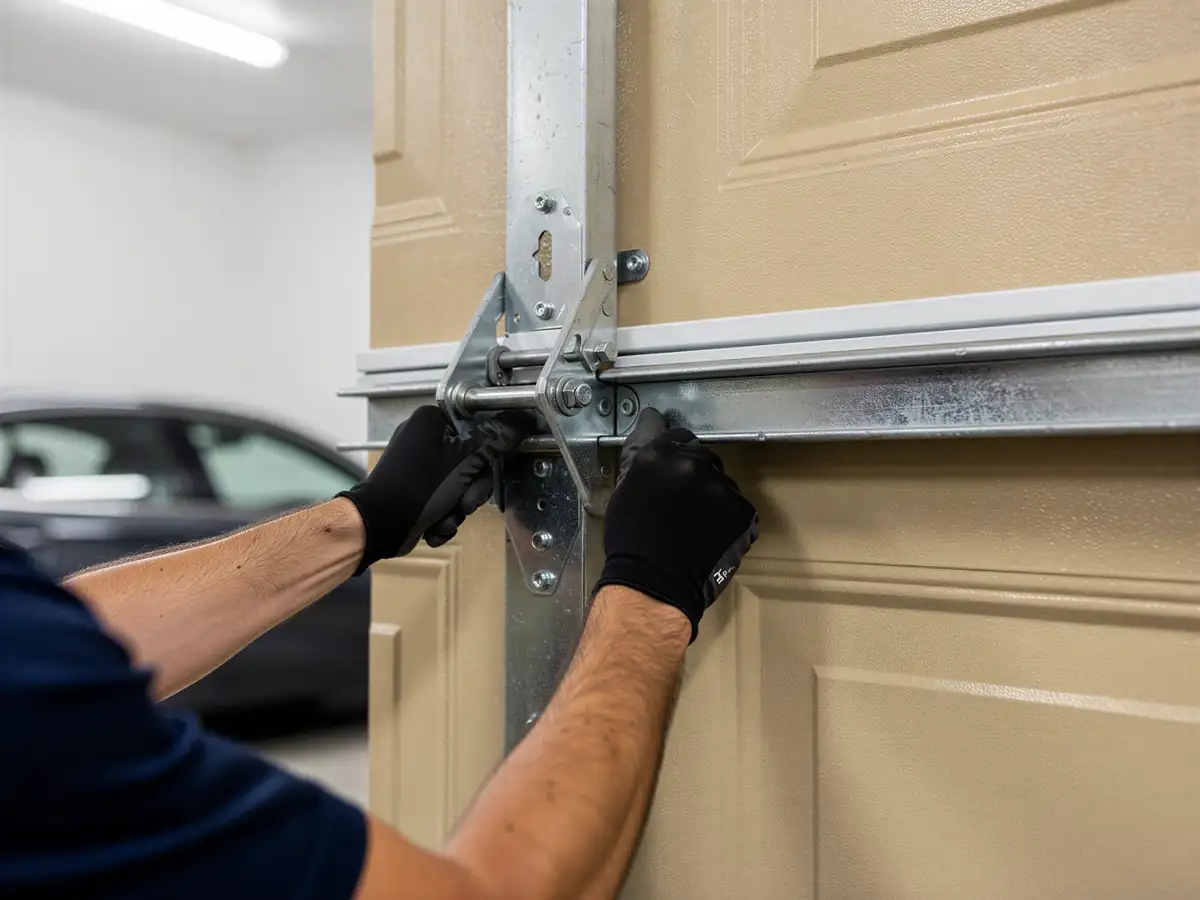
We inspect cables, bottom brackets, and the drum for fraying or rust
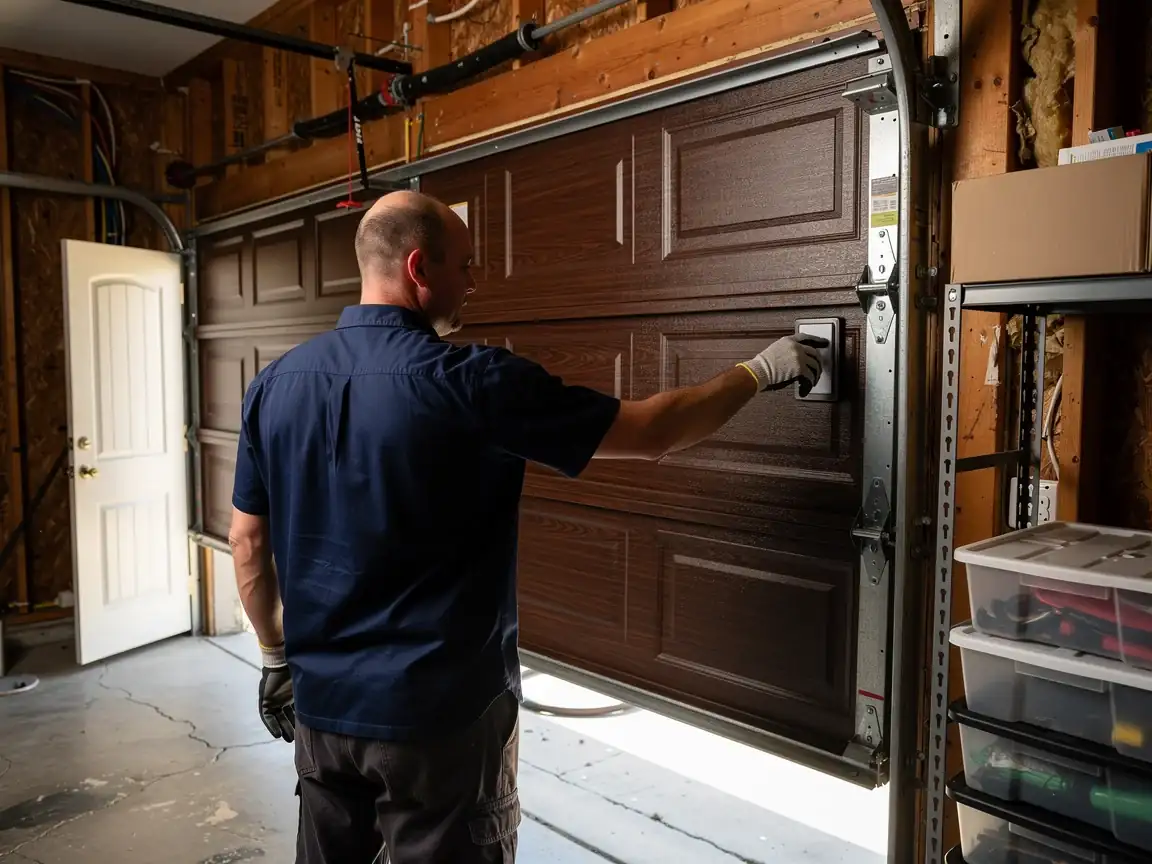
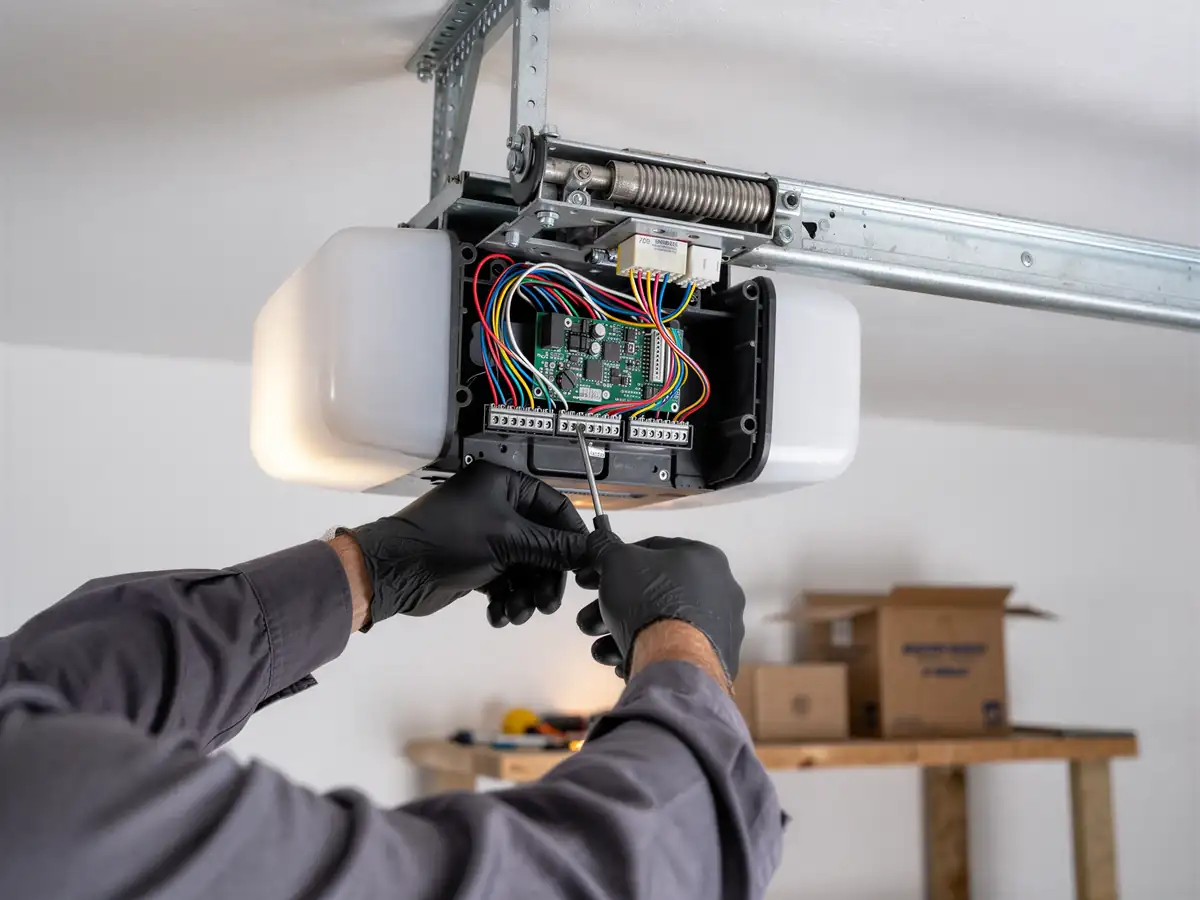
Tighten hardware that's worked loose from years of cycling, and check the opener's force and travel limits - settings that drift over time and are a common cause of a door that reverses or won't fully close in winter.
We'll also tell you when a repair isn't worth it
If a spring system or opener is at the end of its service life, piling maintenance dollars into it instead of planning for replacement is a bad trade, and we'll say so rather than keep billing a visit every few months. One honest limitation: we service what's on the door and track - we don't rebuild rotted jamb framing or structural wood around the opening, that's carpentry work outside what a maintenance call covers.
Stocked Parts
Because the housing stock here runs from 1938 to 2015 with a concentration in the 1980s and 90s, we keep rollers, hinges, and standard-gauge cables on the truck that fit the torsion and extension spring setups common to that era, so a worn part found during a tune-up can usually be swapped the same visit instead of waiting on a special order.
We also carry lubricant suited to the COLD severe conditions this area sees, rather than relying on whatever's on the shelf at a hardware store, since the wrong lubricant is part of why tracks gum up every winter in the first place.
What we don't keep on hand is obsolete opener control boards or manufacturer-specific parts for openers that have been discontinued for years - those can mean a lead time of a few days if your unit is old enough. We'll tell you up front if that's the case rather than guess at a timeline.