Doing Nothing For Now
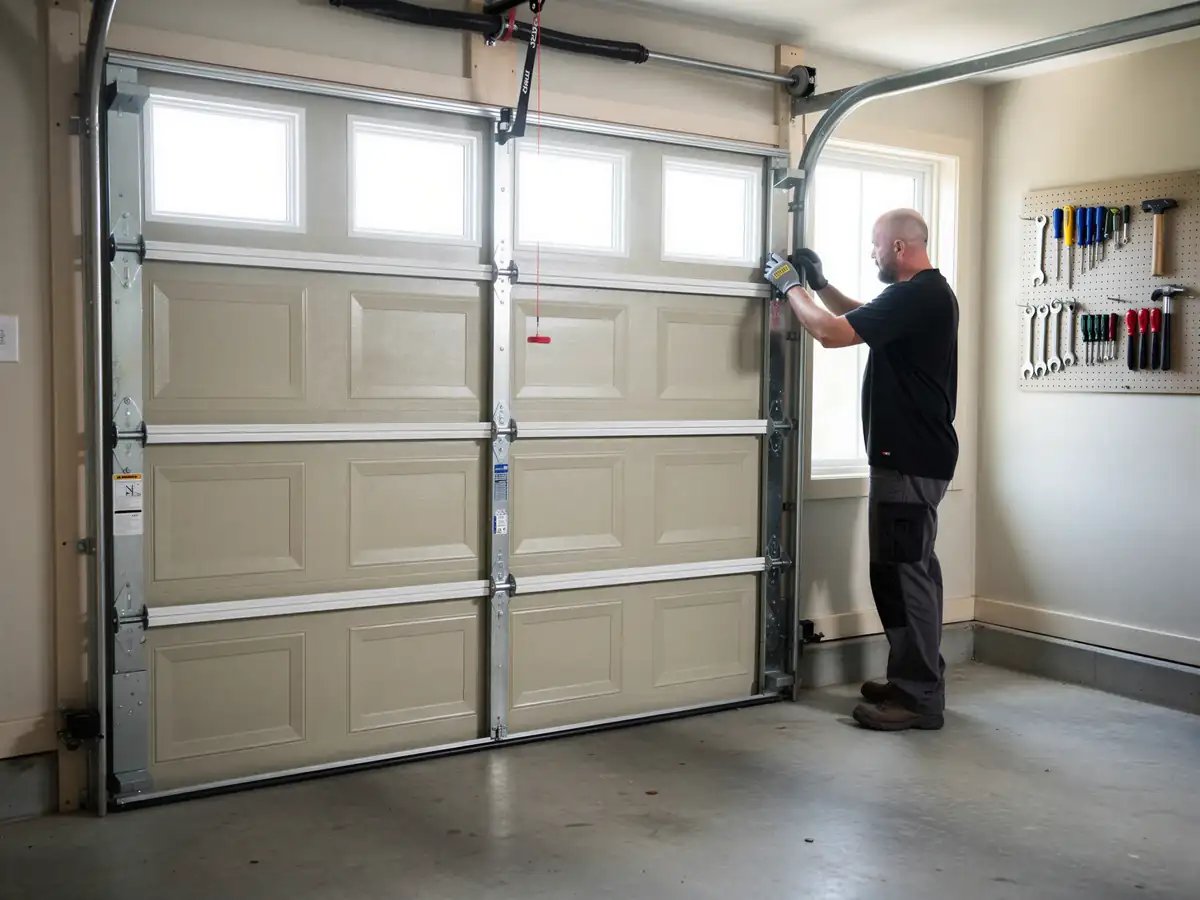
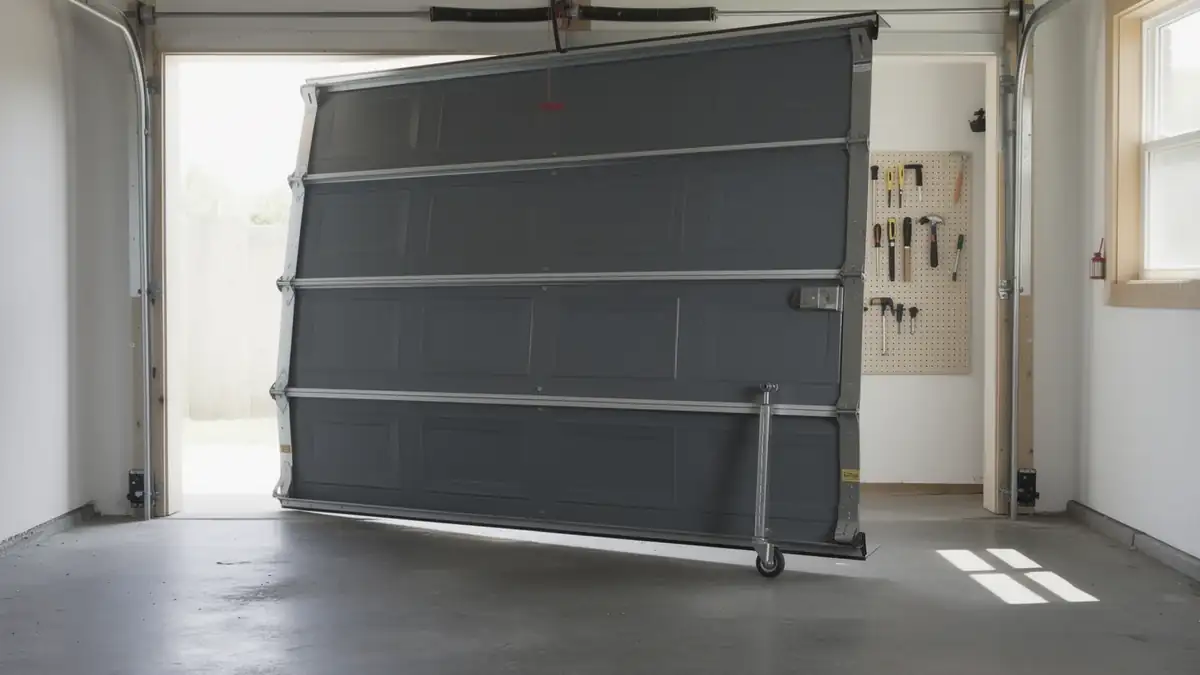
If your door is rattling off its rollers but still closing, you can wait on it, within reason. A door that's slightly misaligned won't fall on anyone tomorrow. But waiting has a cost curve, not a flat line. Once a roller rides outside the track, every open-close cycle grinds the edge of the track a little wider, and the track itself can bend. On houses built in the 1980s and 90s, which is most of what's standing in Gainesville's 17 named subdivisions, the original track gauge is lighter than what goes in today. It tolerates less abuse before it bends instead of springing back.
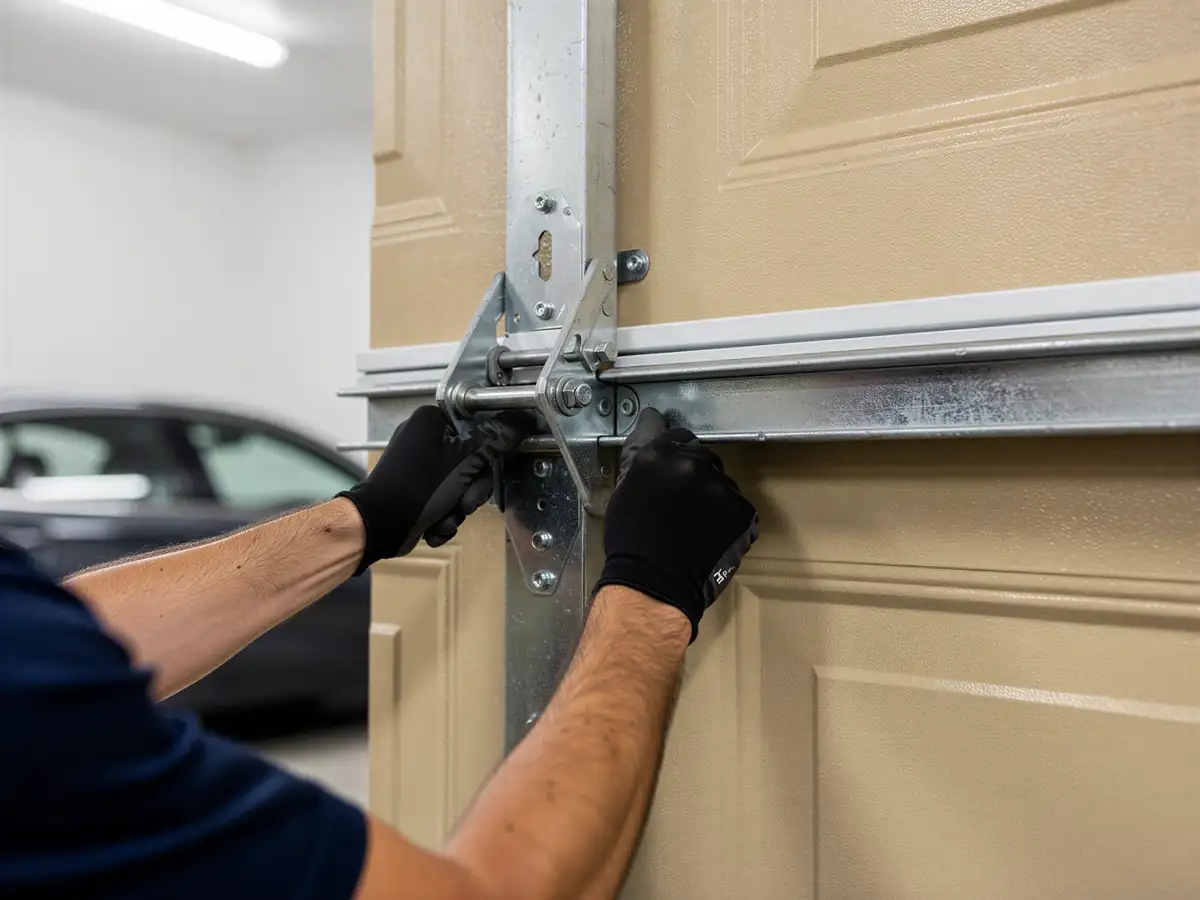
Here's the honest limit: if the track is already bowed or the mounting brackets have pulled loose from the framing, realignment is a patch, not a fix. We're not going to charge you to nudge a bent track back into place and call it solved. That's a track replacement job, and we'll tell you so on the call before we tell you on the invoice.
What Local Conditions Do
Gainesville sits in a severe cold climate band, and that matters more to a track than most homeowners expect. Steel track contracts in deep cold, and the fasteners holding it to the jamb are a different material expanding and contracting at a different rate. Over enough winters, that mismatch works the mounting bolts loose a fraction of a turn at a time. You don't feel it happening. You feel the result, which is a door that suddenly binds on one side in January and runs fine again in July.
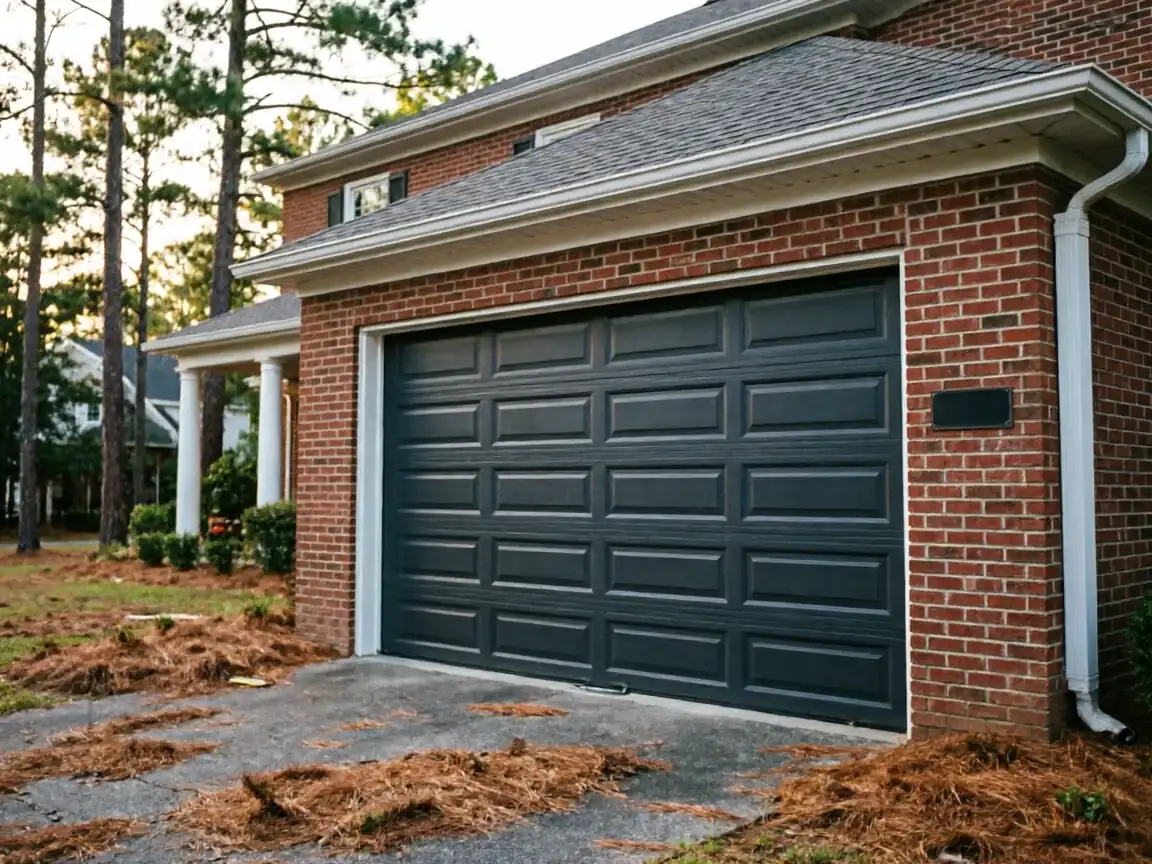
Houses here span a wide build range, 1938 through 2015, with the bulk from the 80s and 90s. Older framing in the pre-1980 homes has had more decades of seasonal movement, so brackets anchored into that lumber loosen sooner than ones in newer construction. If your house predates most of the neighborhood around it, that's worth mentioning when you call.
The Cost of This Job
We don't have a universal number for you here
And anyone who quotes one over the phone without seeing the door is guessing. What drives the cost is whether this is a track adjustment, a track replacement, or a roller and track replacement together, which is common once a door has been grinding for a few months. A straightforward realignment on a door that hasn't bent anything is the cheapest version of this job by a wide margin.
What we can tell you is what we see most often across Gainesville's housing stock
Doors from the 1980s-90s era tend to need bracket re-anchoring more than track replacement, because the track itself was built heavier than the hardware holding it. Give us the age of your house and what the door is doing, open, closing, or both, and we can narrow it down before a truck even comes out.
What Is Going On
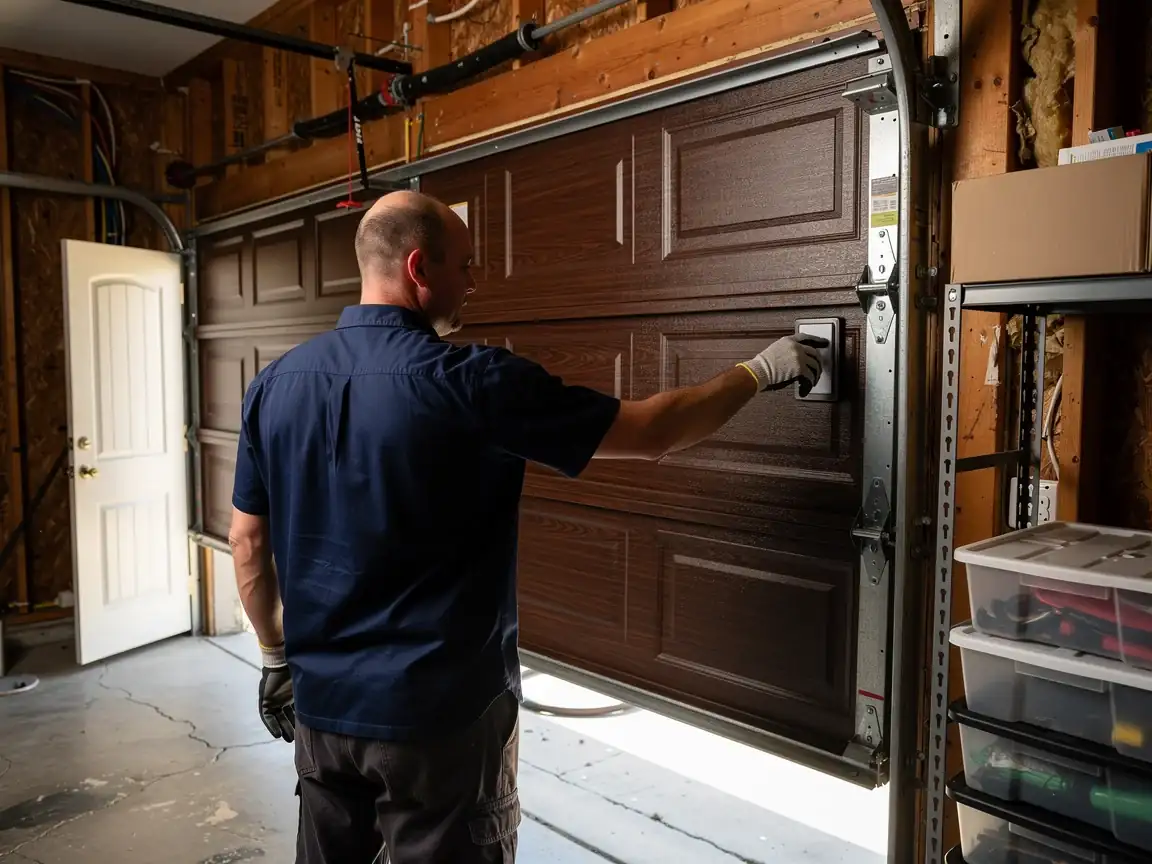
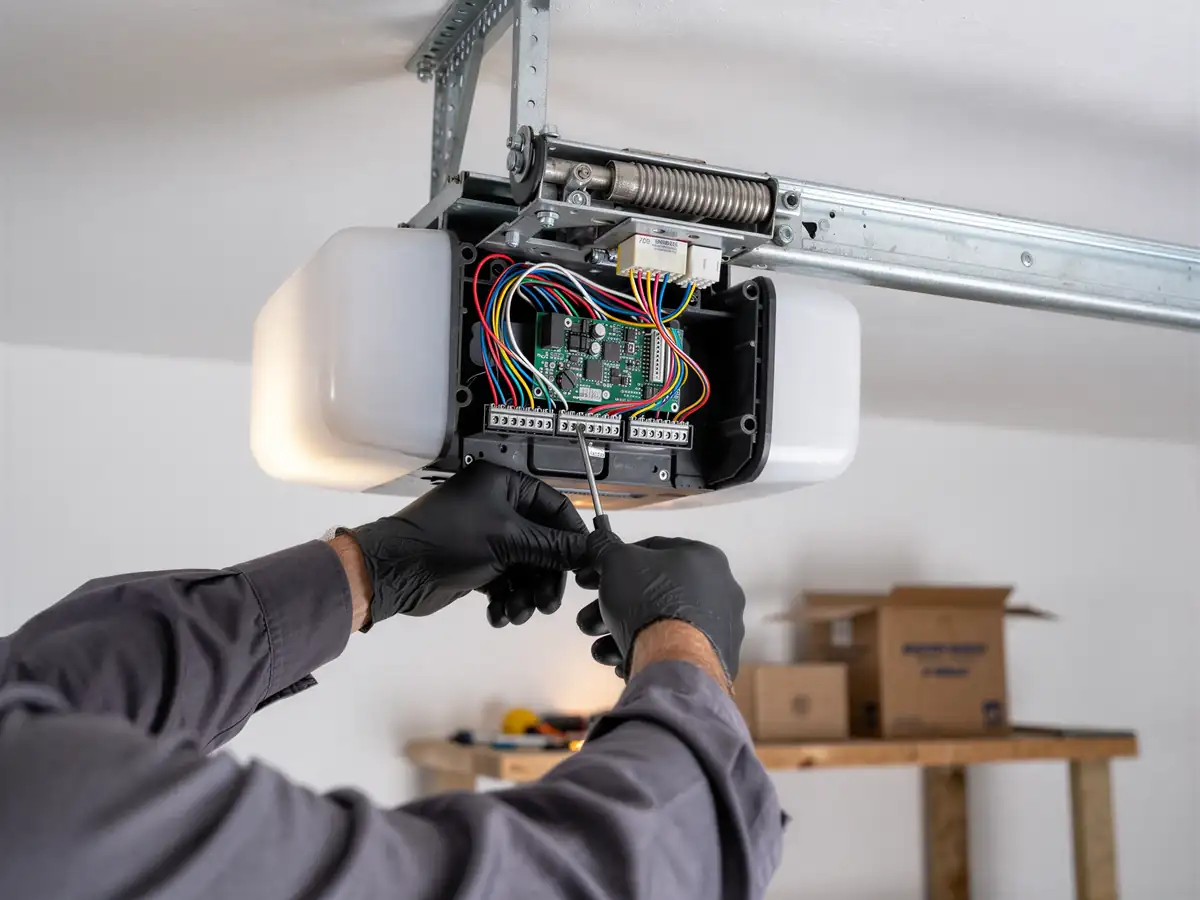
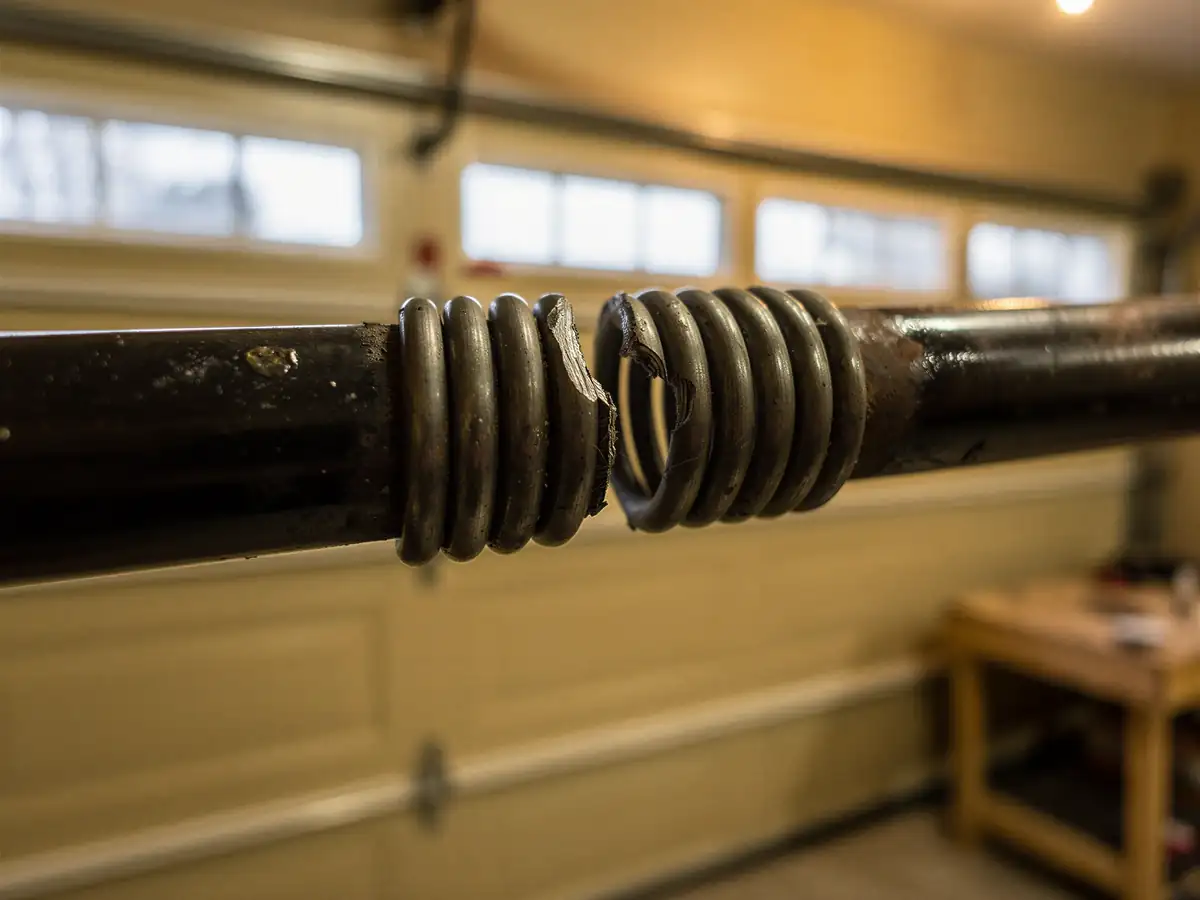
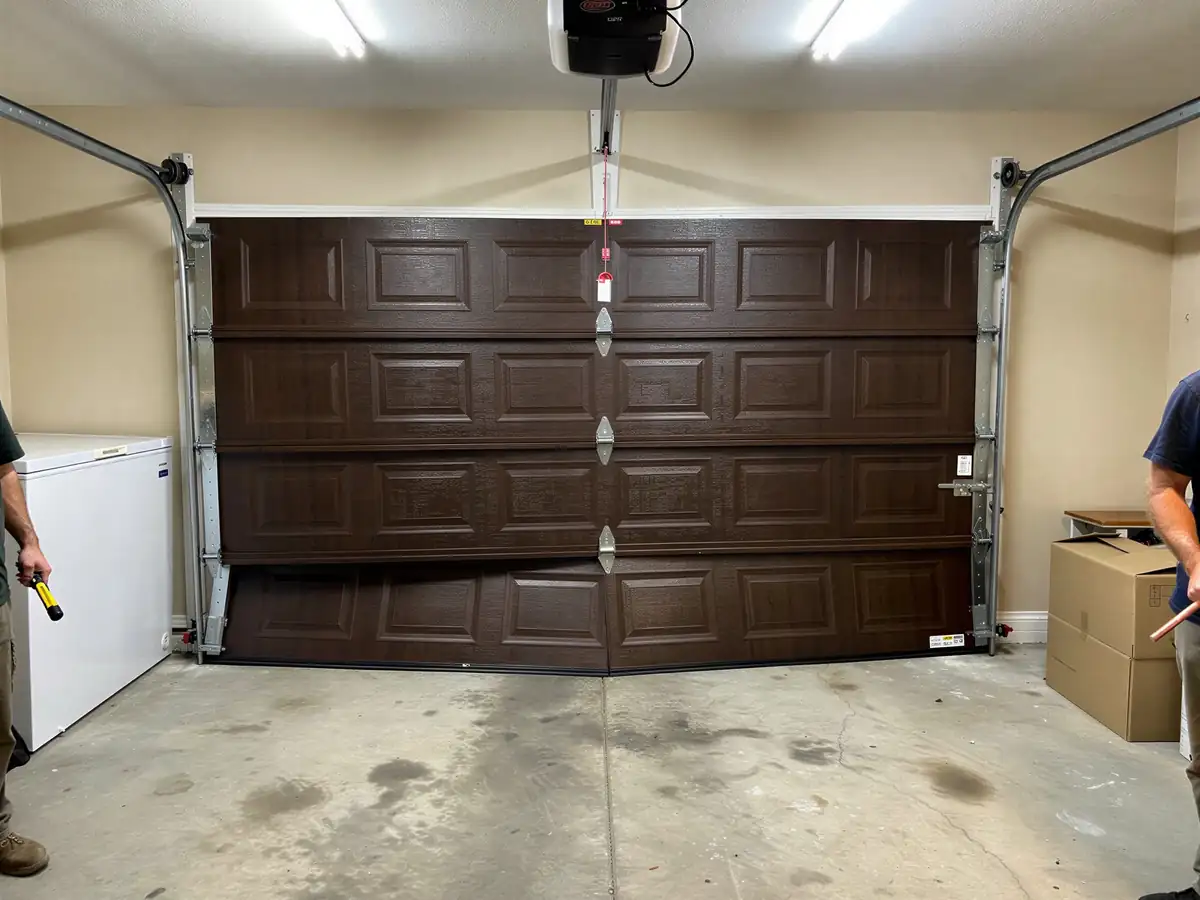
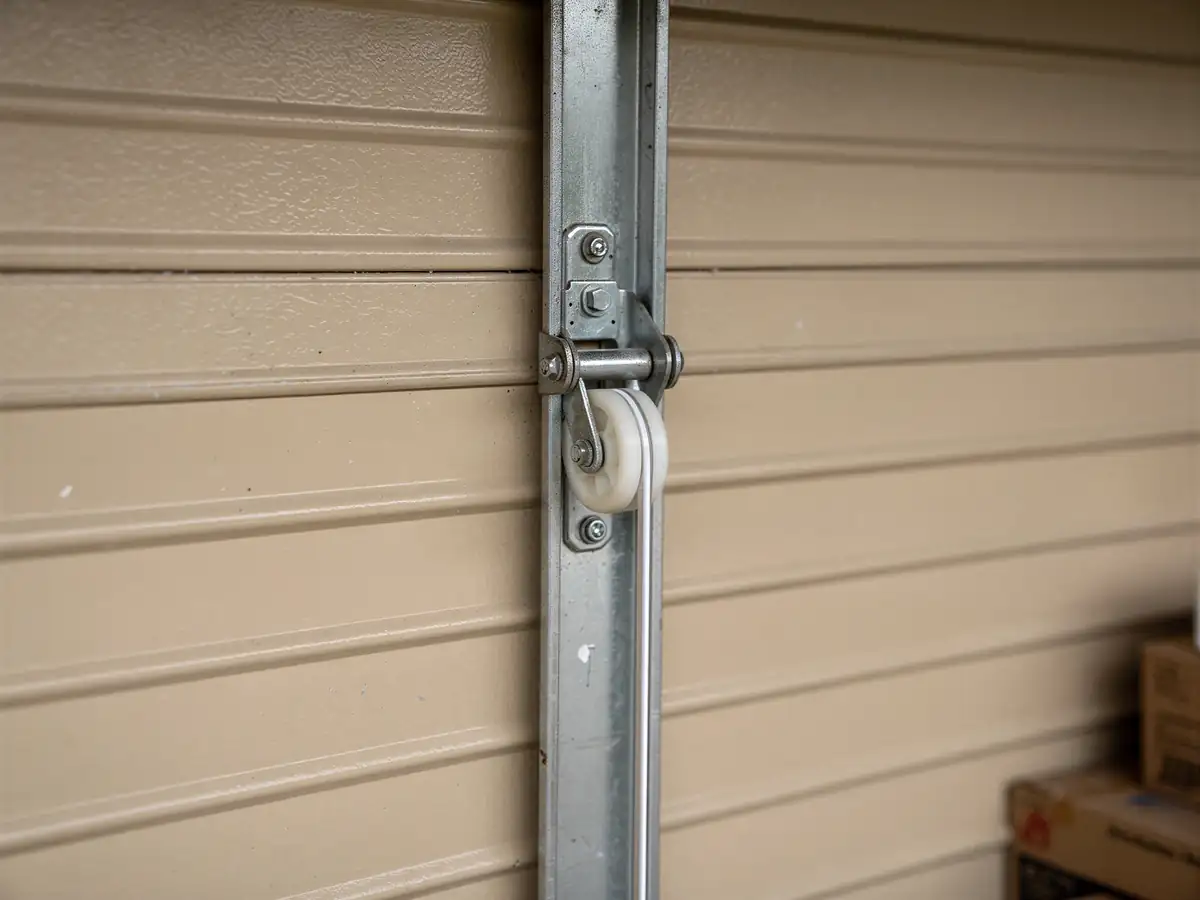
A door goes off track for one of a handful of reasons, and in this area they cluster. First, loose mounting brackets from years of thermal cycling in a severe cold climate. Second, a bent track from a door that's been run off-track already, even briefly. Third, worn rollers, especially the original rollers on houses from the 80s and 90s that have never been swapped out. Fourth, and less common but real, a broken cable or spring throwing the door's weight unevenly onto one side, which drags that side's rollers out of the channel.
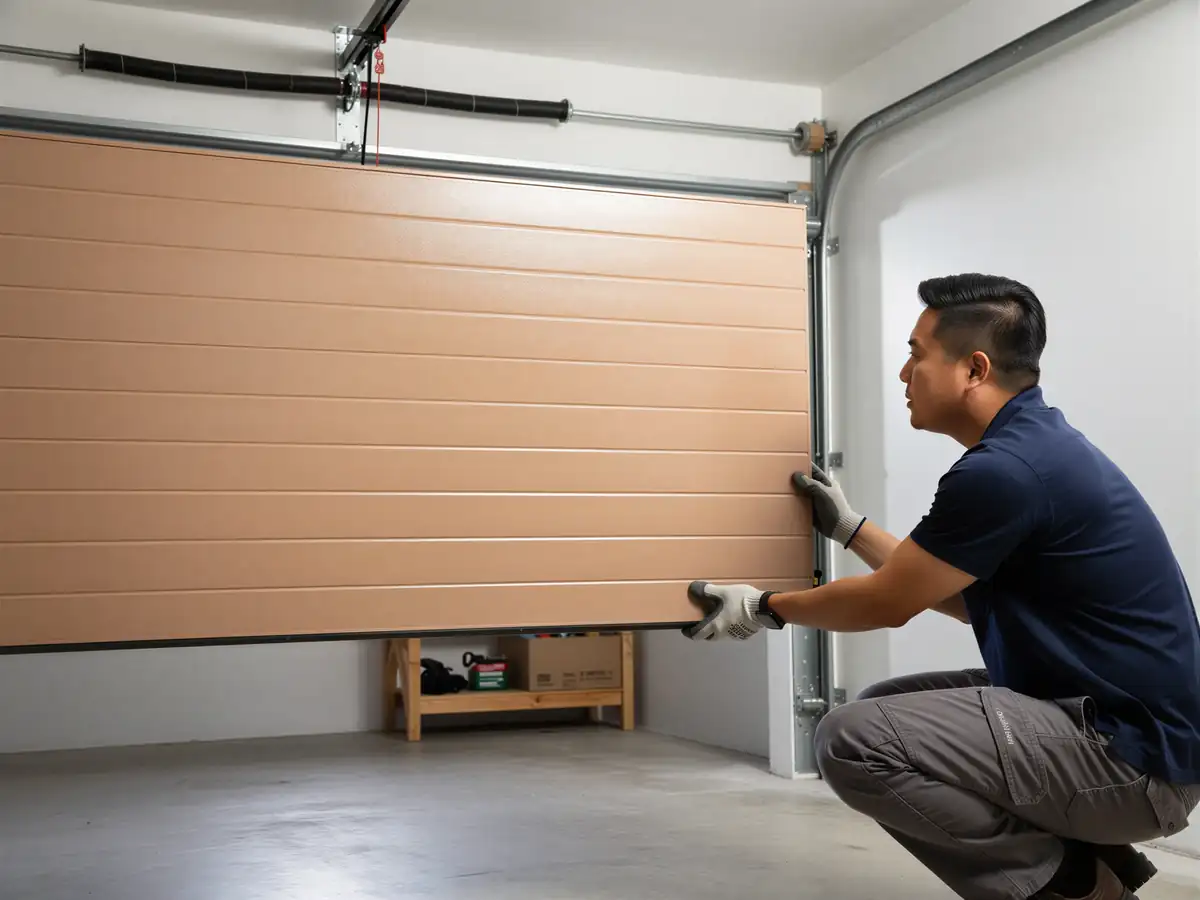
The fix depends entirely on which of those four you've got, and they look similar from the driveway. A door that's merely loud is often just worn rollers. A door that's visibly crooked when it's halfway up is a track or hardware problem. We check all four before we touch a wrench, because fixing rollers on a door with a bent track just means you call us back in a month.