Why This Fails Locally
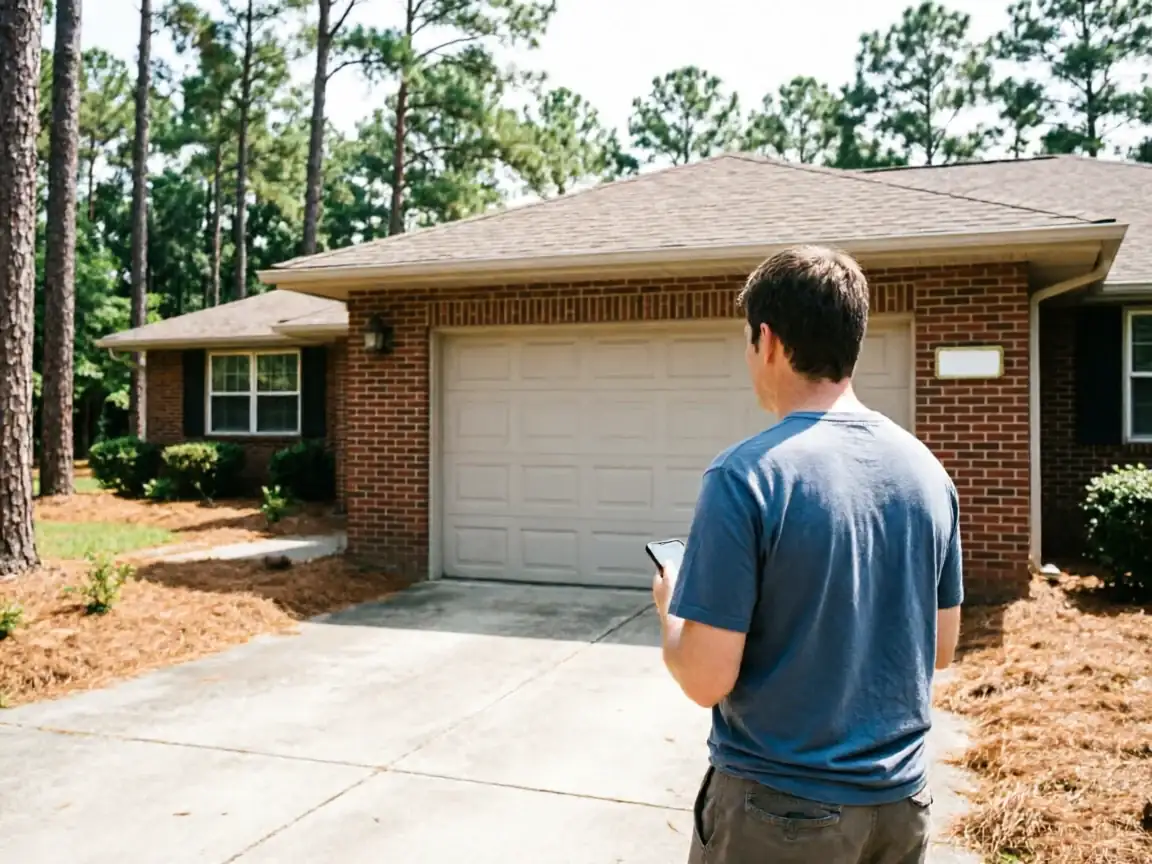
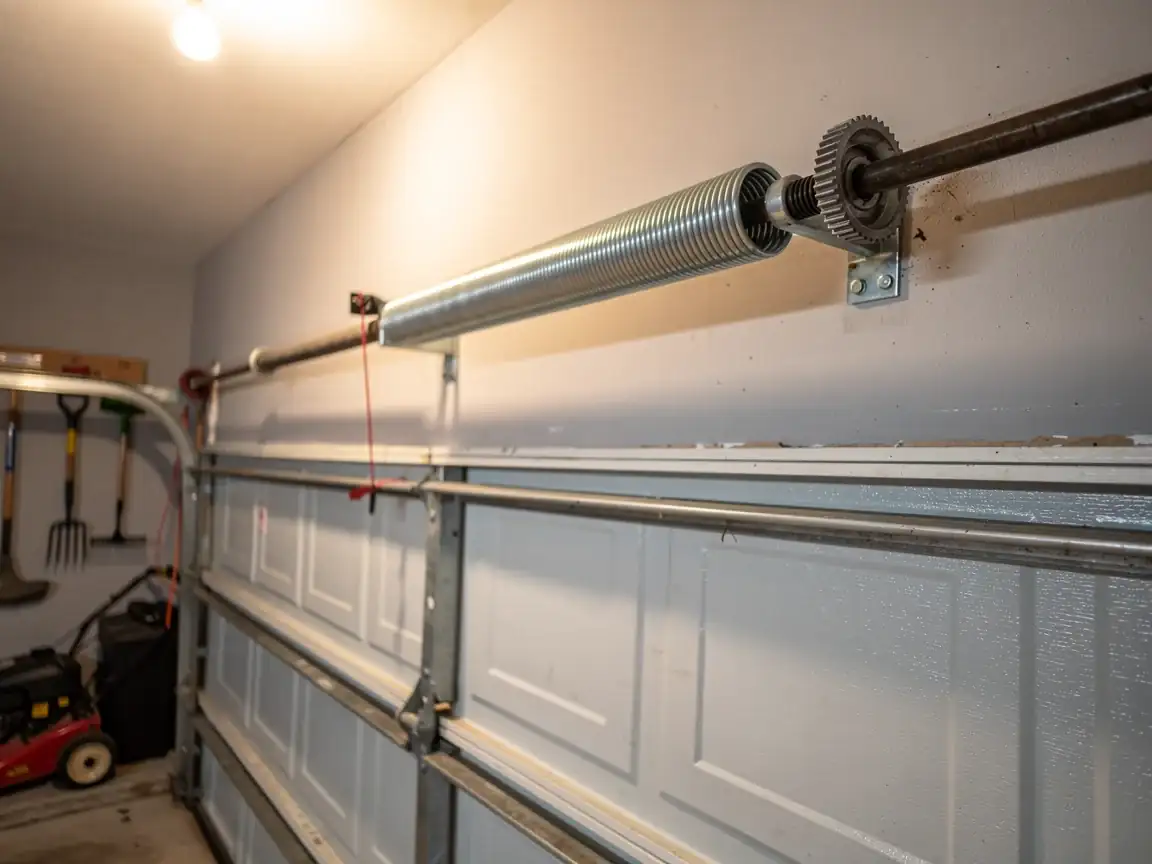
Most houses in Gainesville's service area went up between 1938 and 2015, but the bulk of the stock across the 17 named neighborhoods here clusters in the 1980s and 90s, with a median build year around 1982. That matters because torsion springs have a service life measured in cycles, not years, and a door installed in 1985 has been through four decades of temperature swings in a cold-winter climate. Steel contracts in the cold. A spring that's already fatigued from 20,000 cycles loses tension faster once nighttime lows drag the coil through repeated contraction. That's the combination we see on calls out here: an original or first-replacement spring, on a door that's old enough to have outlived two openers already, finally giving out on a January morning. It's not bad luck. It's the math of a 1980s door meeting a severe cold climate on schedule. Newer construction in the area, built after 2000, tends to show different symptoms - worn nylon rollers or opener logic boards instead of spring failure - because the hardware generation is different. Knowing which decade a house falls into tells us what's likely wrong before we even open the garage.
What You Are Seeing
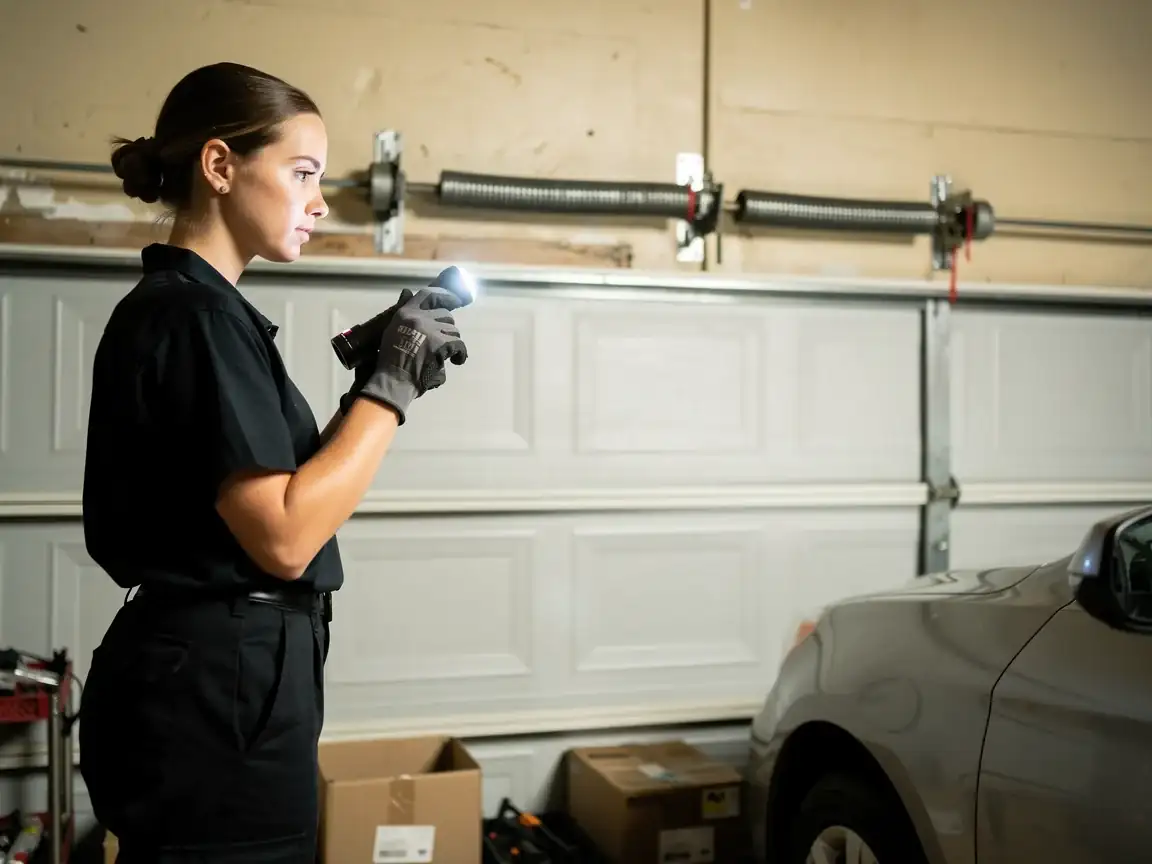
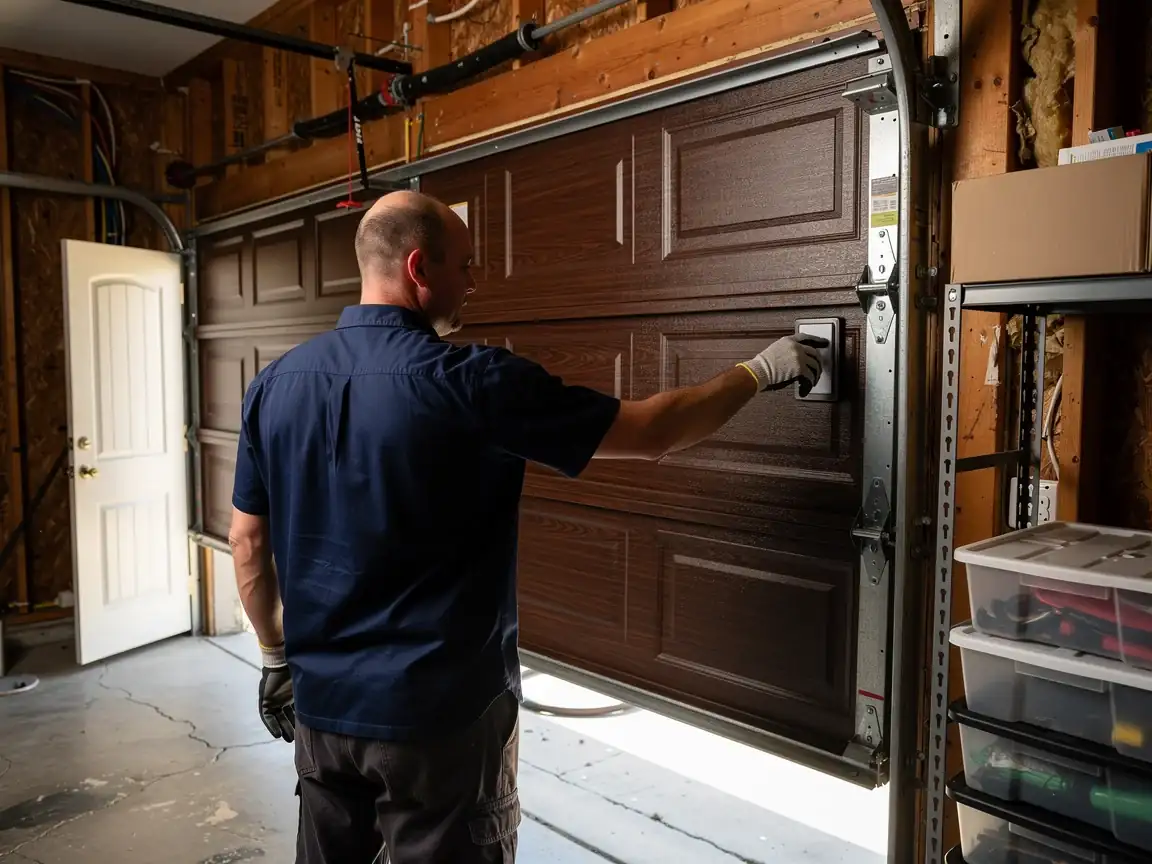
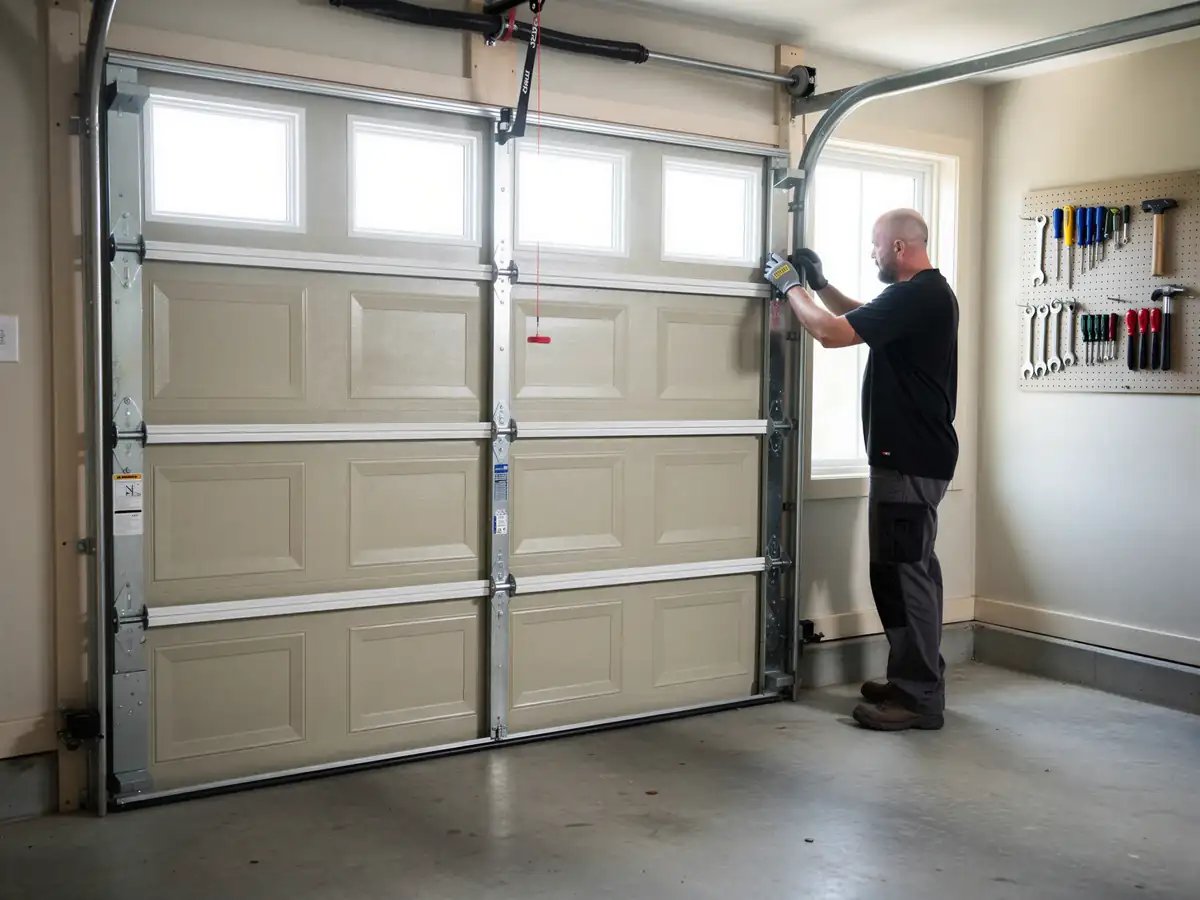
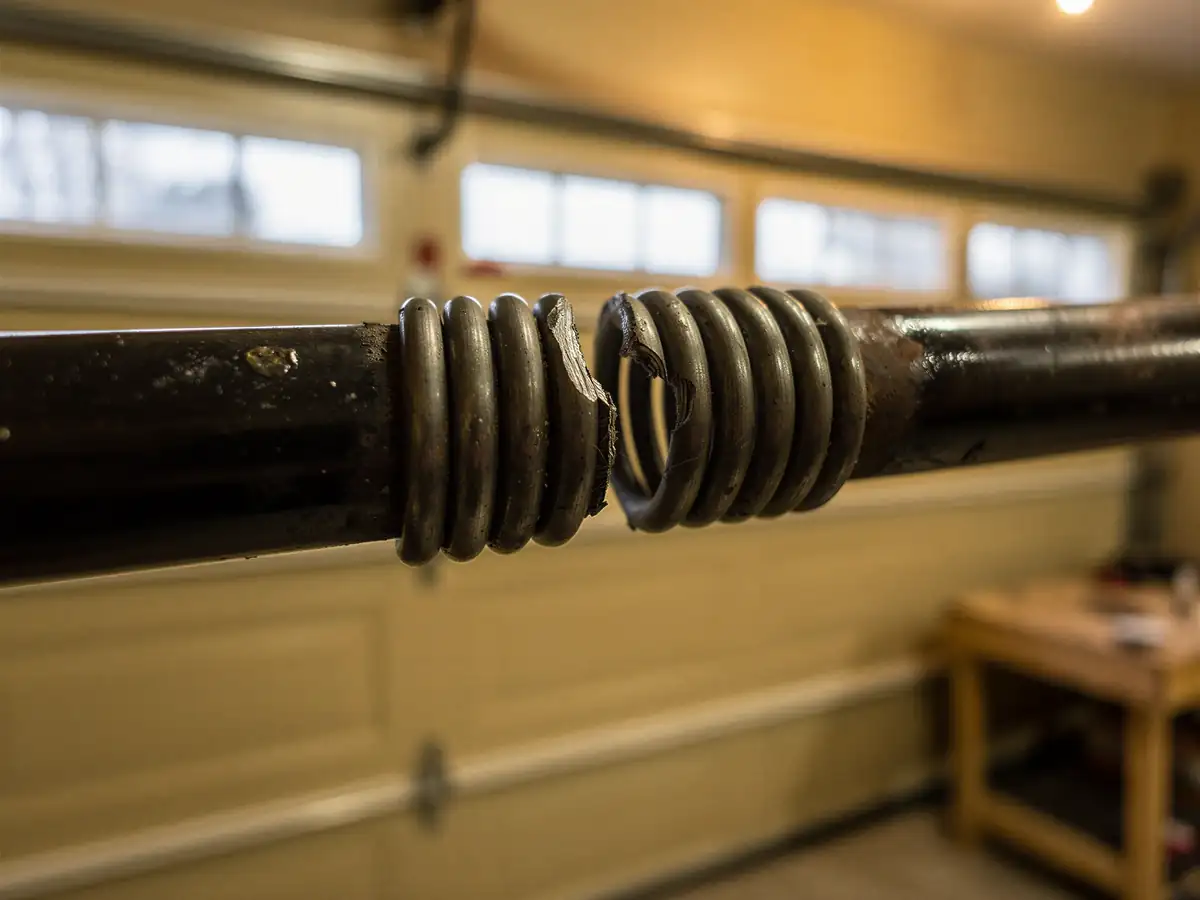
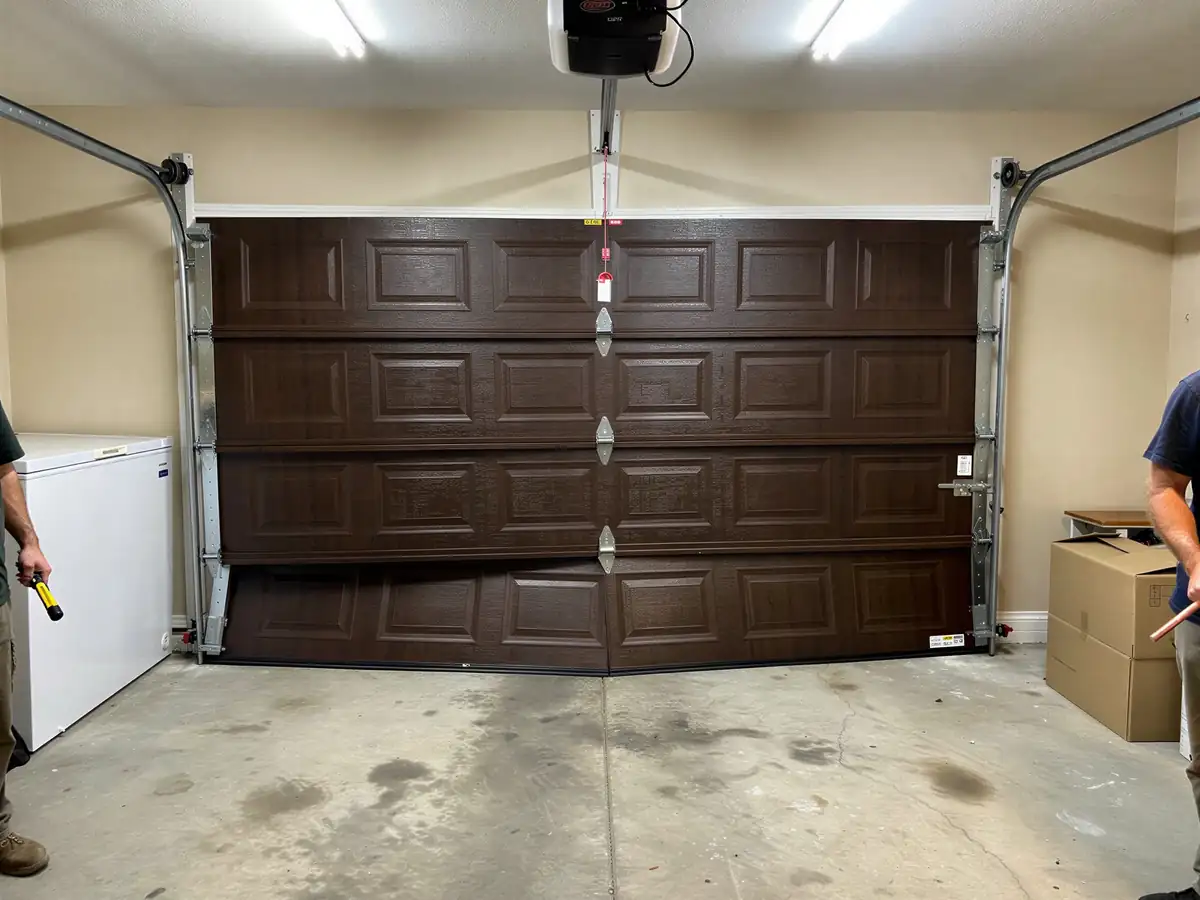
The door is heavy to lift by hand, or it won't stay up past waist height - that's a spring that's lost most of its tension. You hear a loud bang from the garage and now the door won't move at all on the opener; that's usually the spring letting go outright, not the opener motor. In cold mornings specifically, some owners notice the door moves slower or the opener seems to strain before it ever gets to the spring - that's often grease that's gone stiff in a severe cold band, or a torsion bar that's slightly out of round from age. On older doors in this area, cable fraying at the drum is common too, since original cable from the 1980s and 90s wasn't rated for the cycle counts these doors have now put in. None of these are opener problems first, even though the opener is what the owner interacts with, so it's what gets blamed.
Stocked Parts
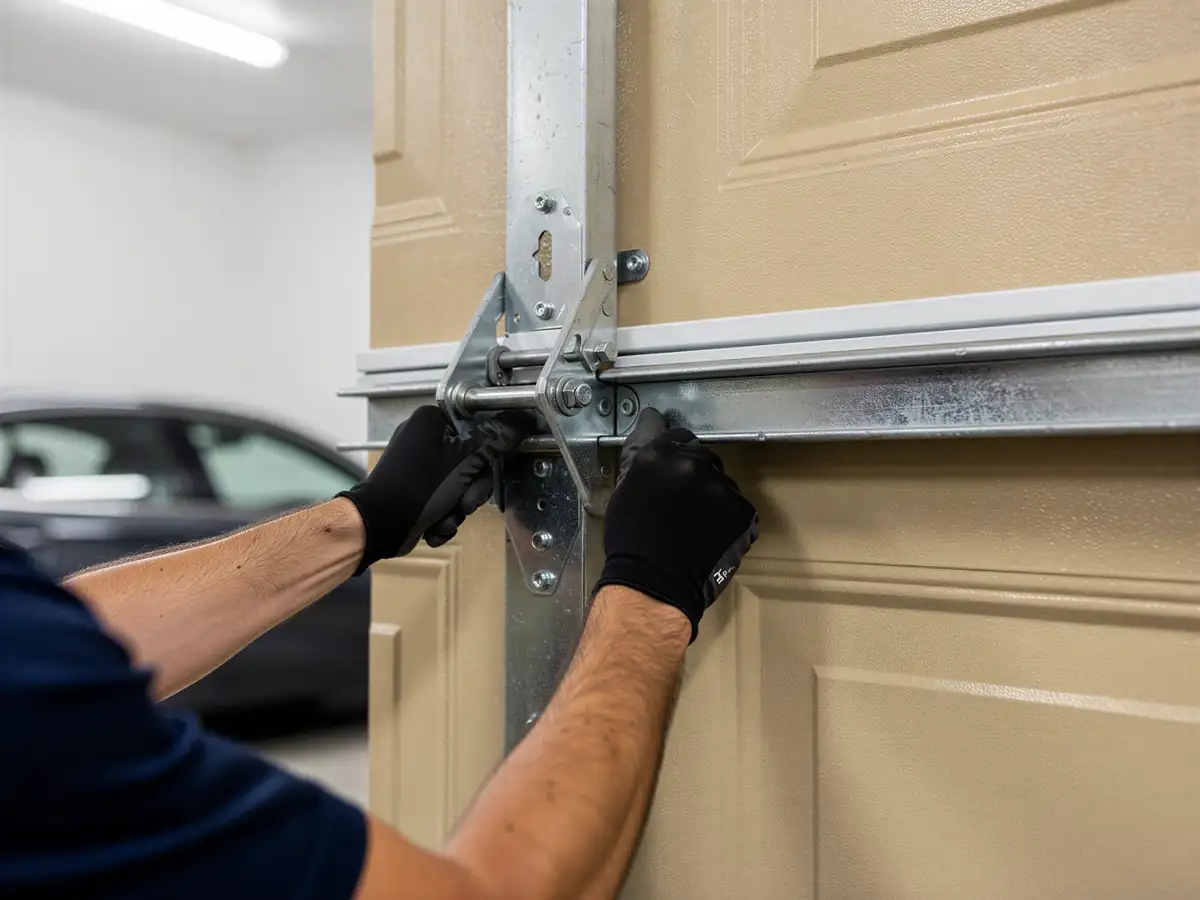
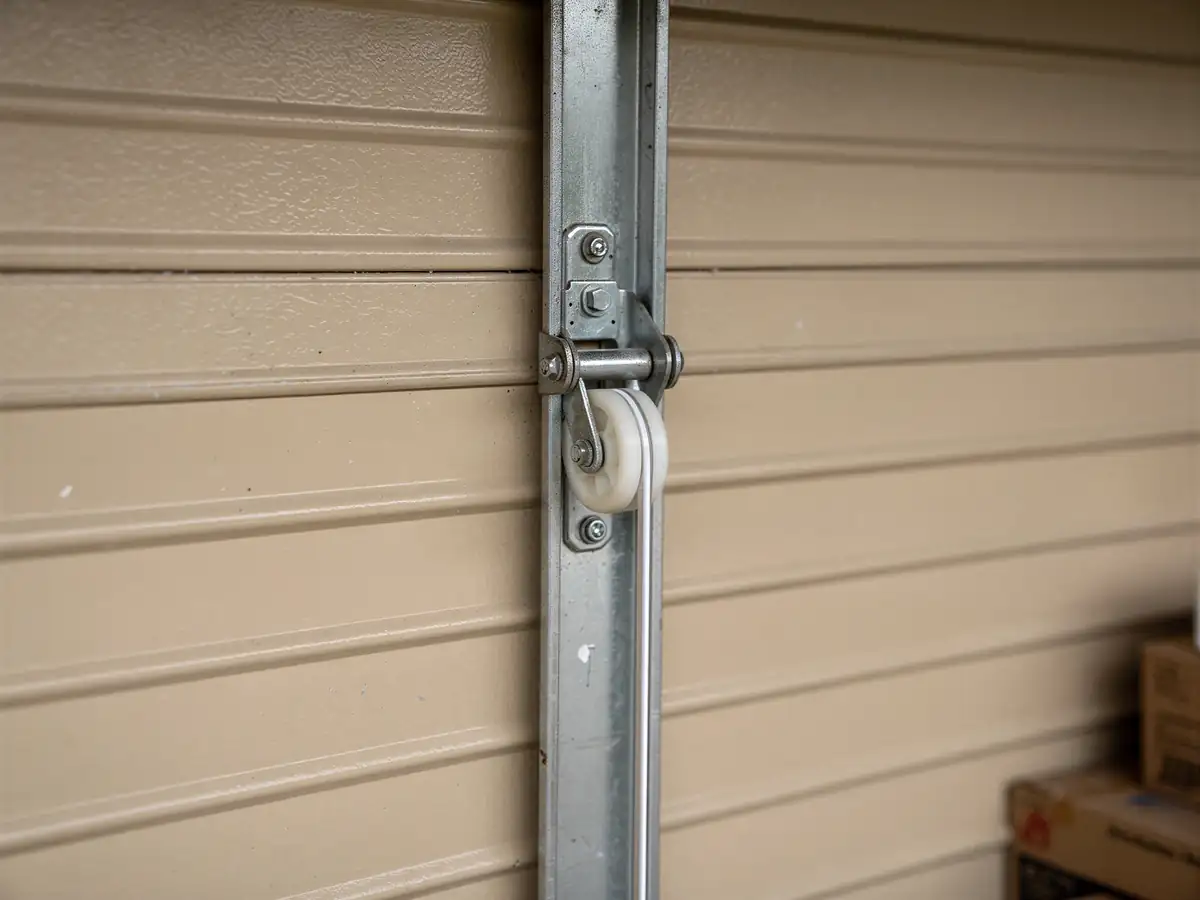
We carry common torsion spring sizes for the residential door weights that show up most in Gainesville's 1980s-90s housing stock, along with standard-length torsion bars, steel cable rated for cold-climate use, and the roller and hinge hardware that wears out fastest on original doors that have been in service since the 1980s or 90s. What we don't keep on the truck is specialty hardware for oversized custom doors or doors built outside the common sizes - those parts usually need to be ordered, which can mean a short wait if your door falls outside the standard range. For most of the service area within about 10 to 20 miles of Gainesville - Haymarket, Nokesville, Warrenton, and the rest of the named areas - that's a small slice of calls, but it's worth knowing up front rather than promising a same-visit fix we can't back up.