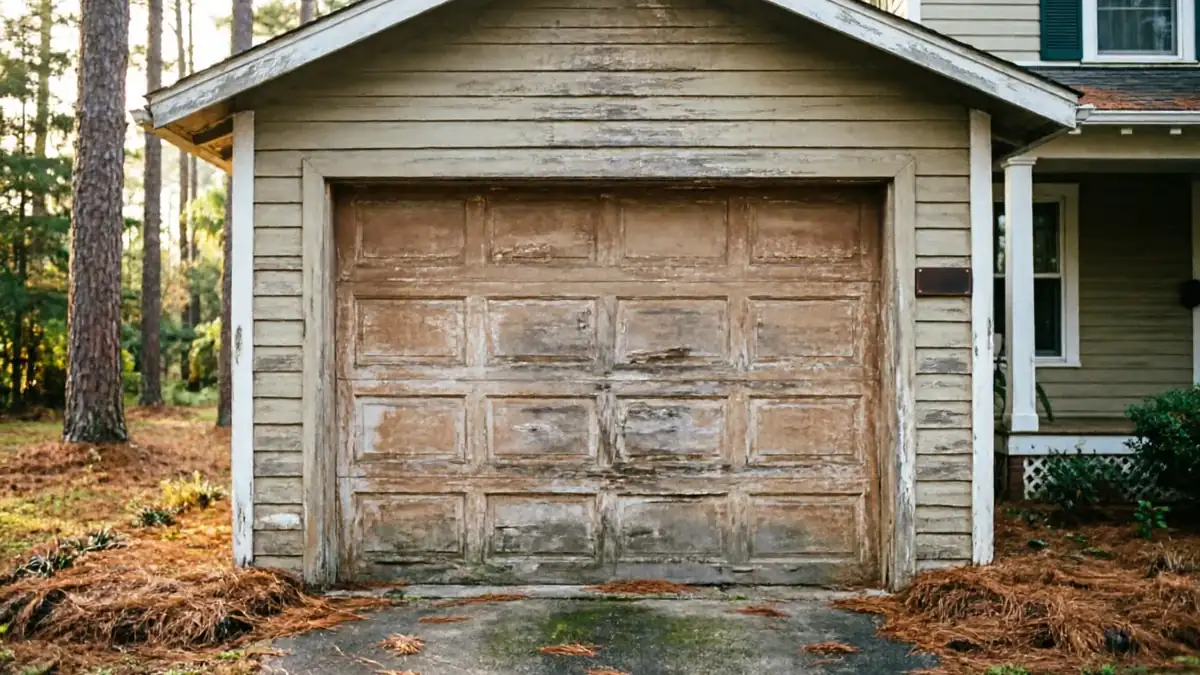
Doing Nothing For Now
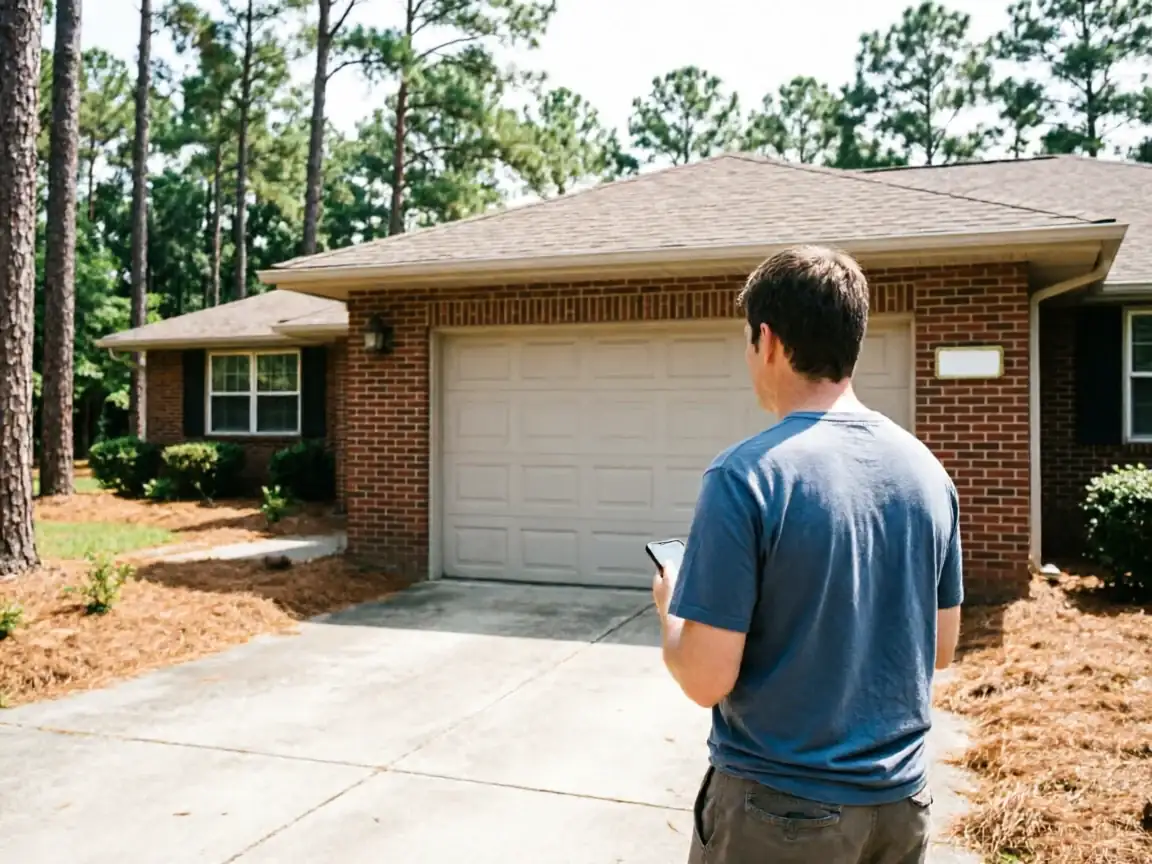
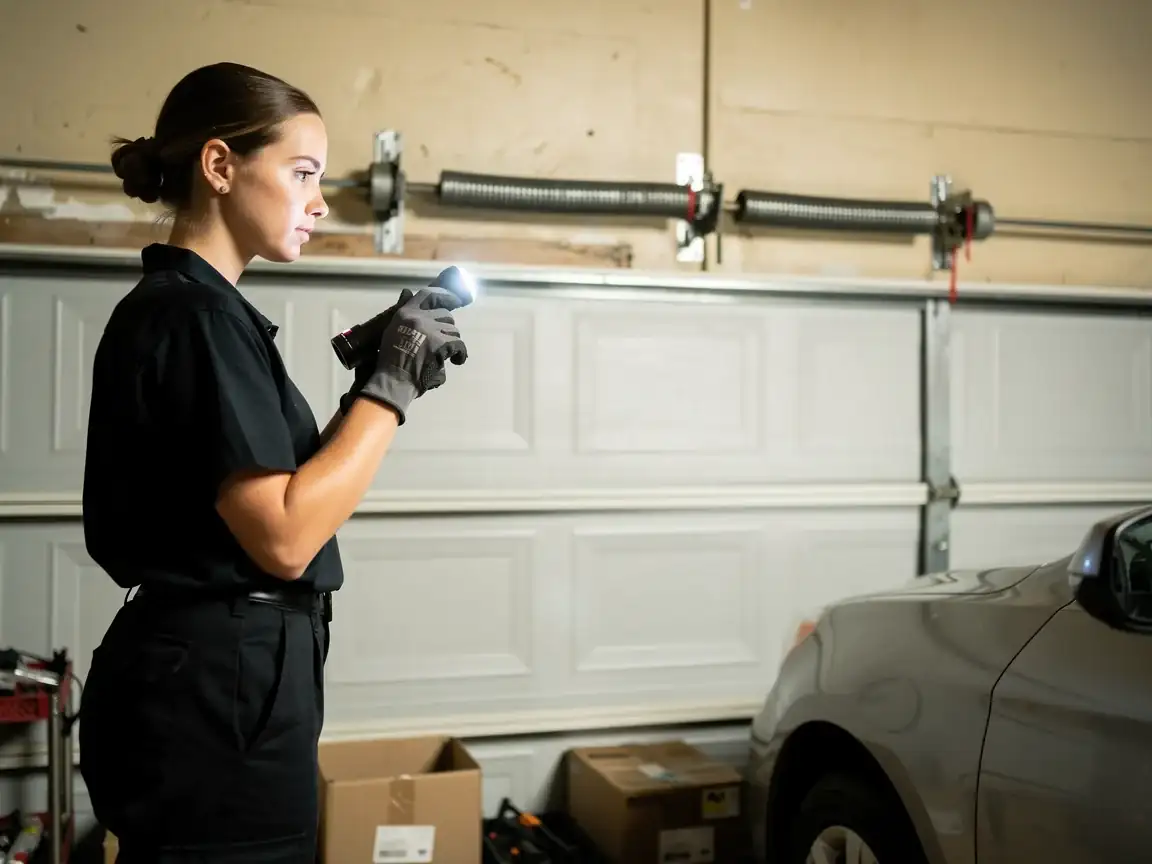
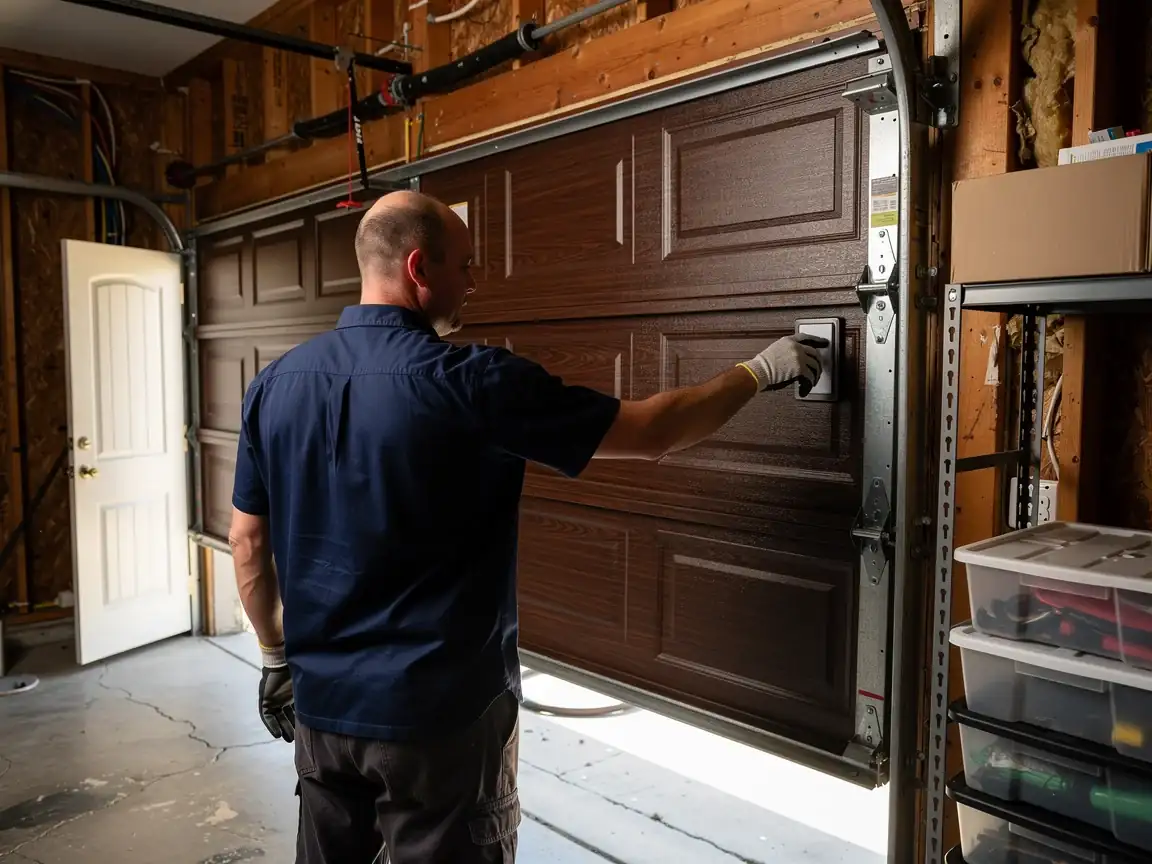
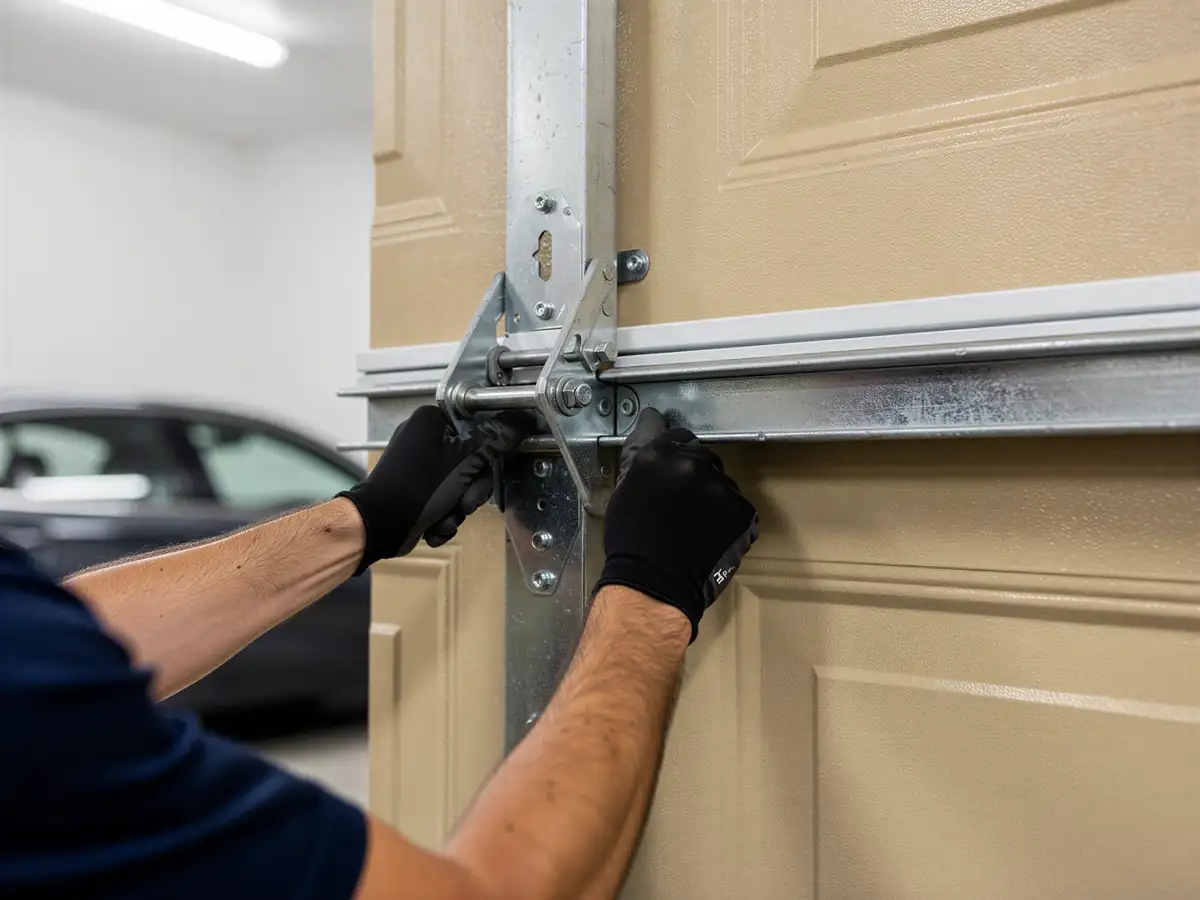
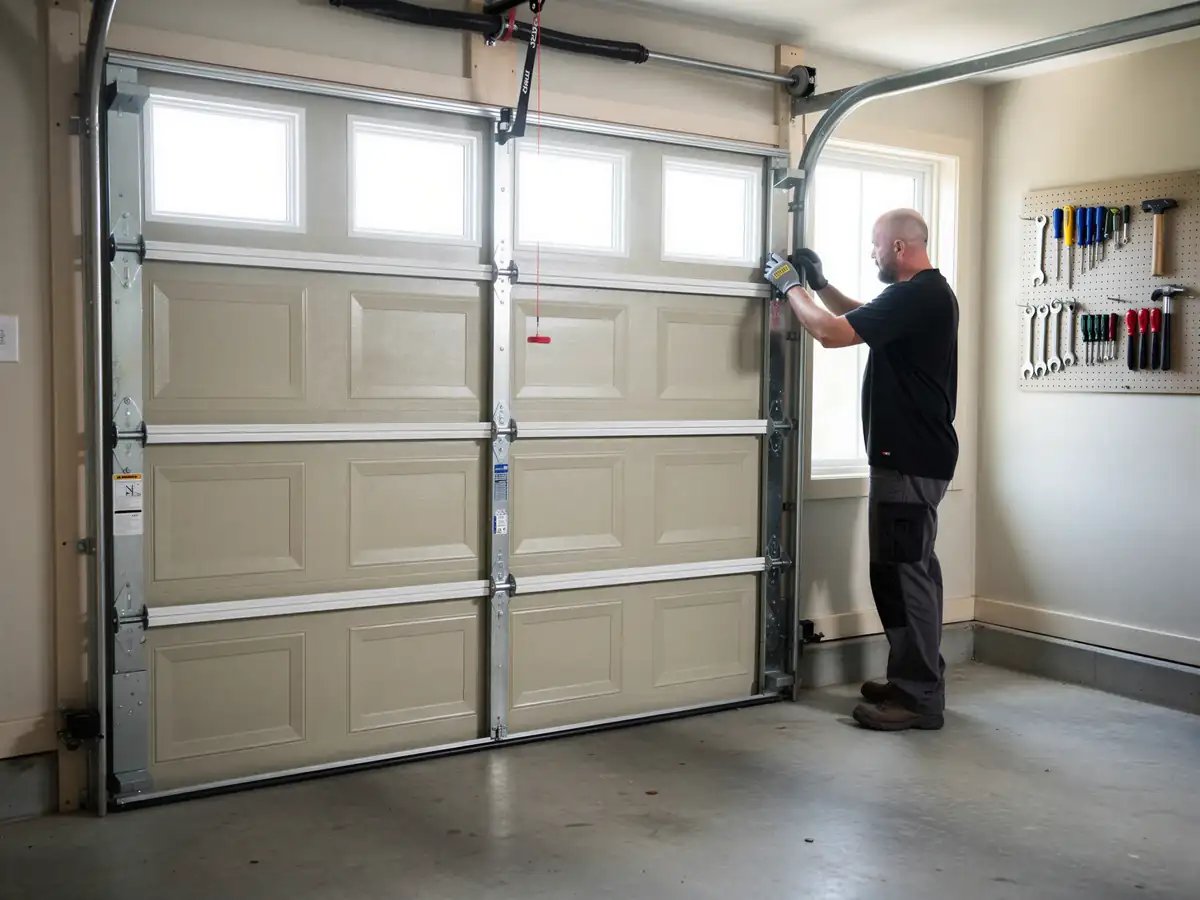
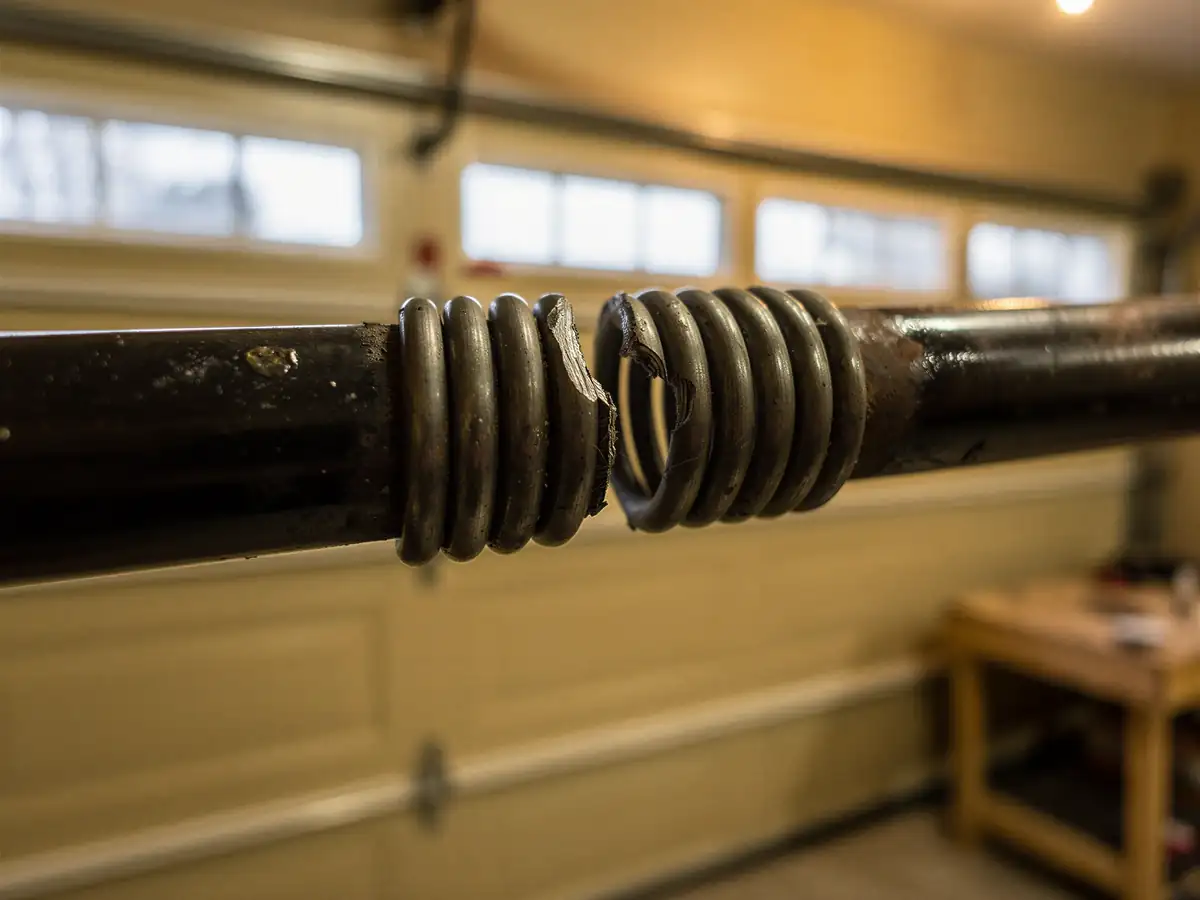
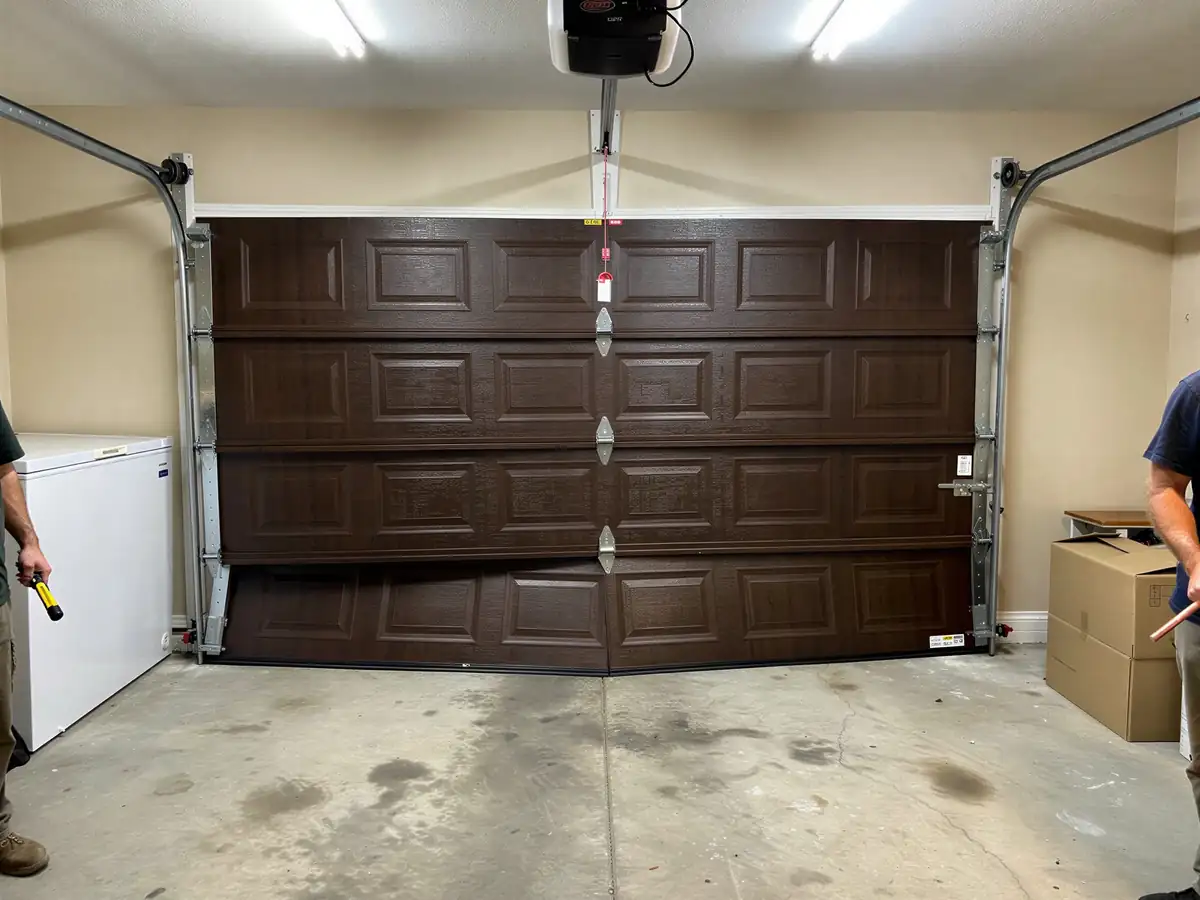
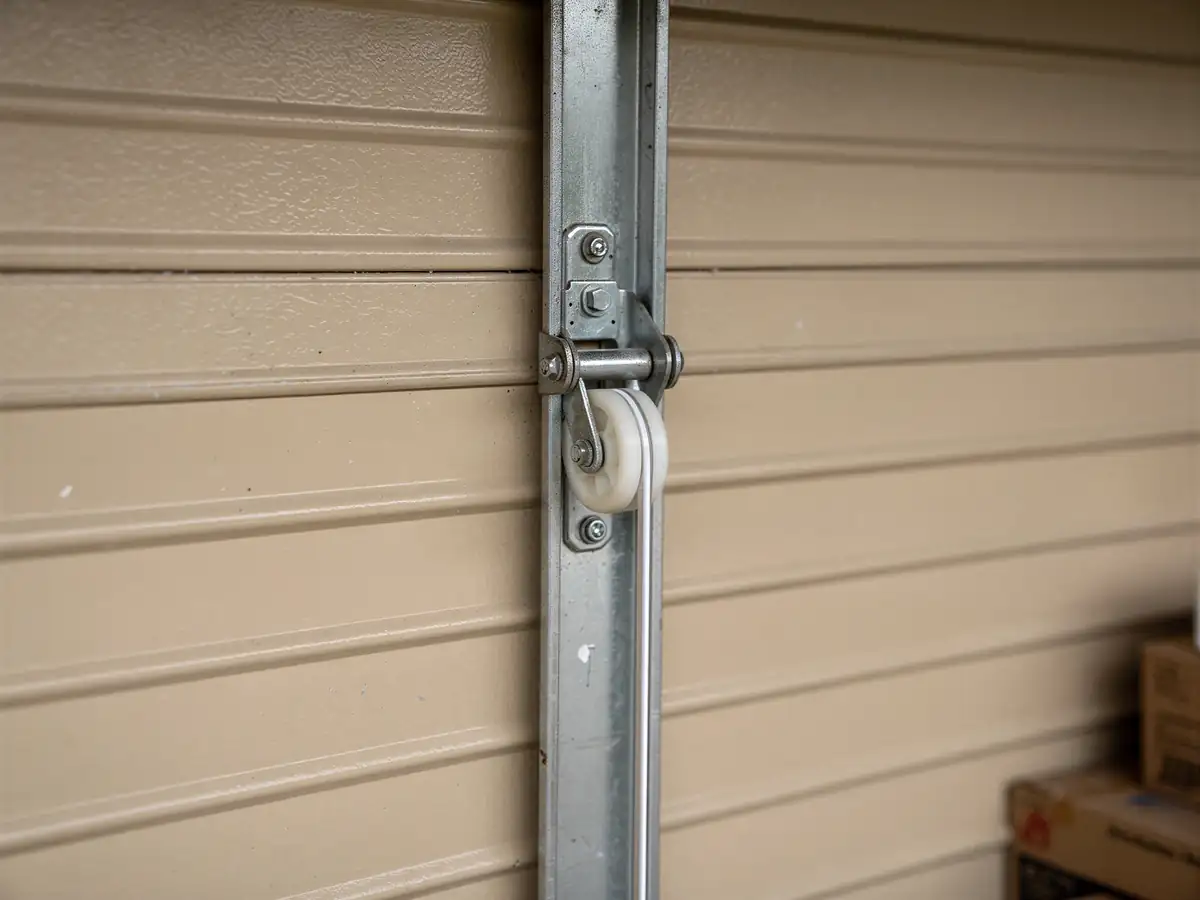
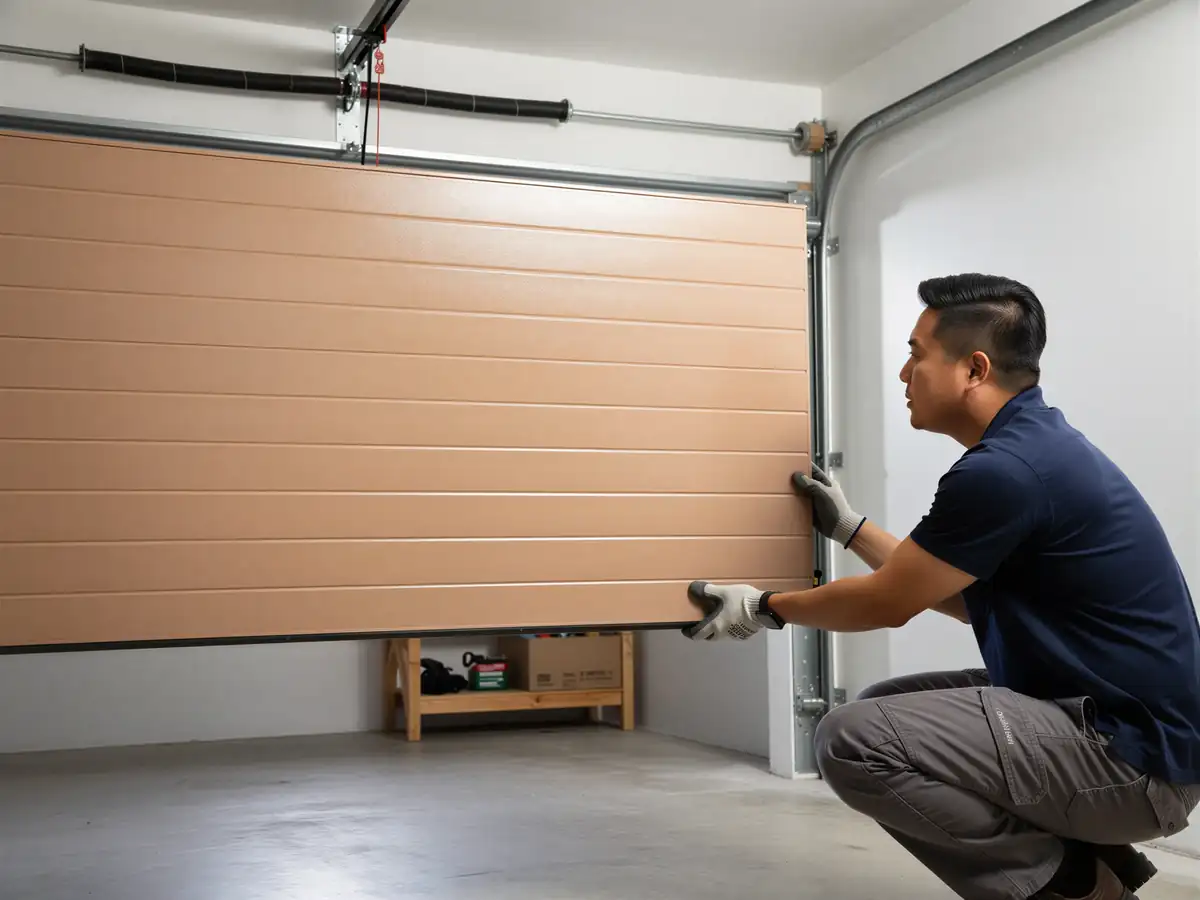
If your door opens and closes without grinding, jumping, or hanging up halfway, you can leave it alone for now. A lot of the houses we work on in Gainesville were built between 1938 and 2015, with the median landing around 1982, and plenty of those doors are still running on original torsion springs and tracks. Old doesn't mean broken. What we watch for is a spring that's starting to sag unevenly, a track pulling away from the frame, or rollers that have worn down to bare metal wheels - those are the signs a door is on borrowed time, not just old. If none of that is happening, put the money toward something else this year. We'd rather tell you to wait than sell you a job you don't need yet, and that's true even on a door pushing forty years old, as long as the hardware is sound and the panel isn't buckled from a winter freeze-thaw cycle.
What Local Conditions Do
Gainesville sits in a cold-severe climate band, and that matters more for an older door than for a new one. Steel and wood doors built before the 1990s weren't engineered with the same weatherstripping or insulated cores that later stock got, so repeated freeze and thaw cycles work on the seams, the bottom seal, and the panel joints over decades. A door from the 1980s-90s stock that's common across the 17 named areas we see work in has usually already been through thirty-plus winters of that cycle. That's not a reason to replace it outright, but it is why a spring or hinge that looks fine in July can fail in January. Cold makes steel brittle and lubricant thick, so a marginal part that was limping along in warm months often picks winter to finally let go. If your door is original to a 1980s build, budget for that timing, not just the part.
What Is Going On
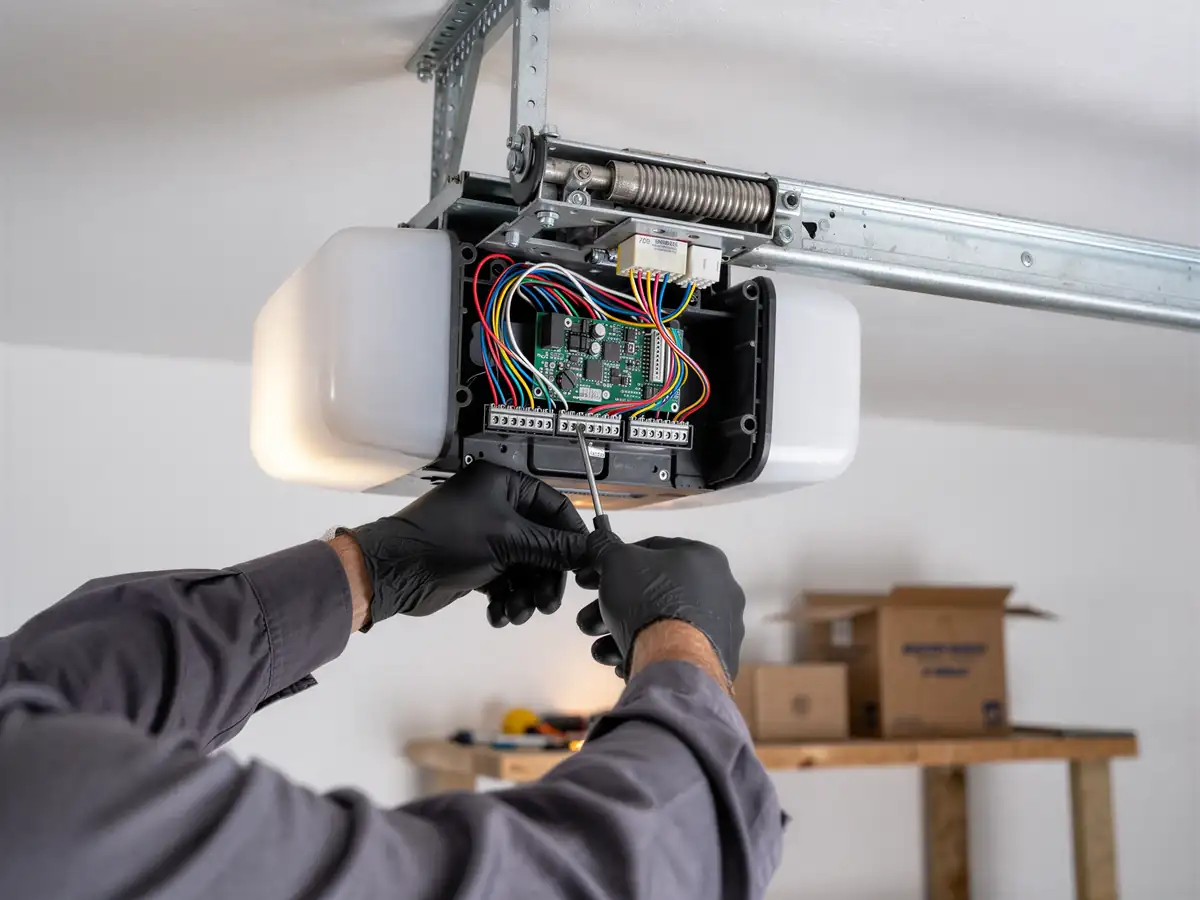
Most of what we see on service calls in Gainesville isn't a door that's simply old, it's a door whose hardware has reached the end of what it was built to do. With a median build year around 1982 across this area, a lot of homes are sitting right at that thirty-to-forty-year mark where torsion springs, original openers, and steel rollers start failing in clusters rather than one at a time. That's a cycle, not bad luck. If one part just went, the parts next to it made from the same era and under the same stress aren't far behind. The honest read on your door depends on the specific hardware and how it's held up through the winters, which is why a call-out to look at it beats guessing from a description.