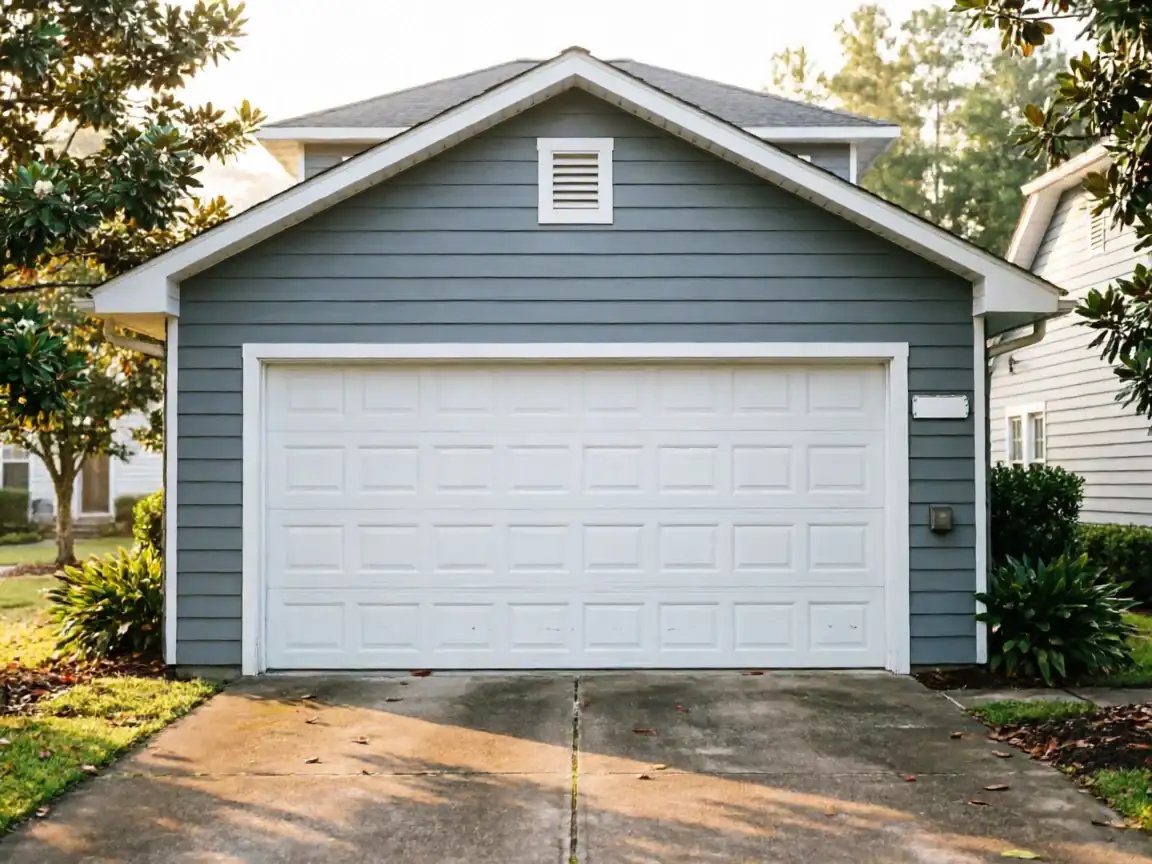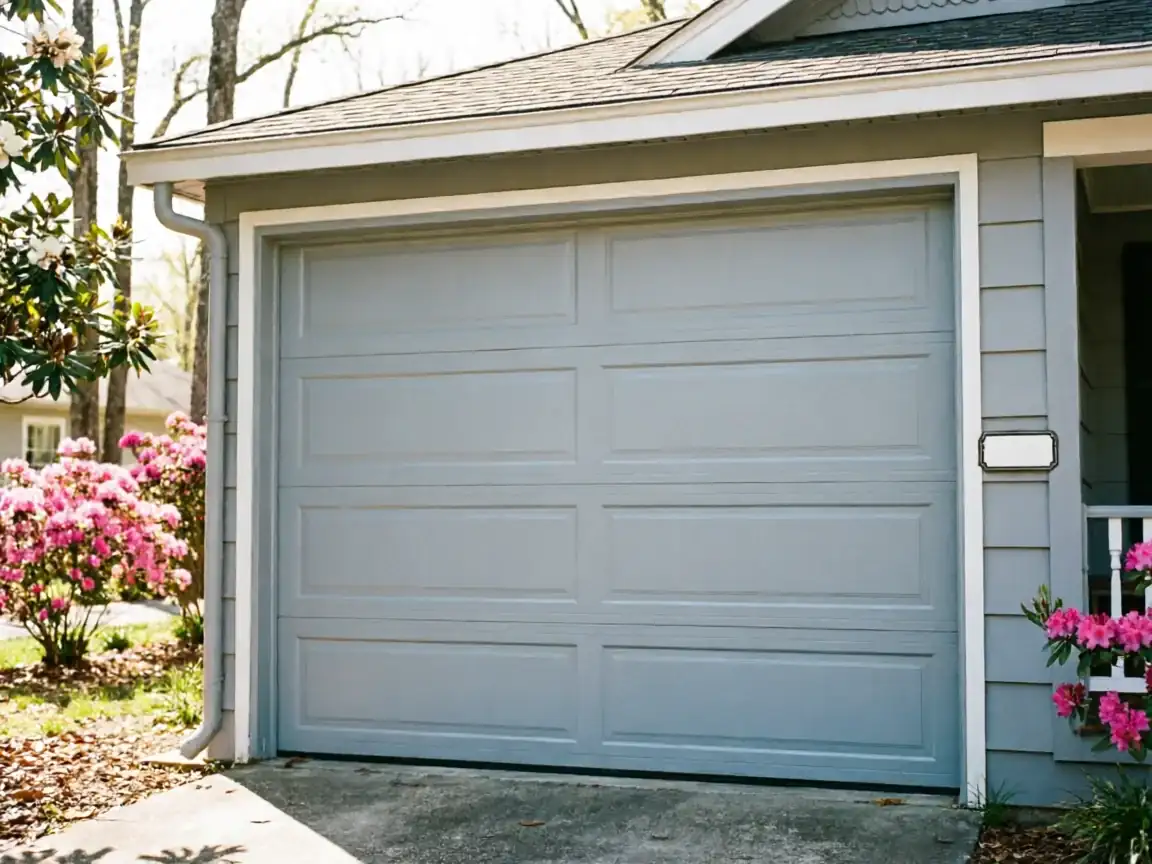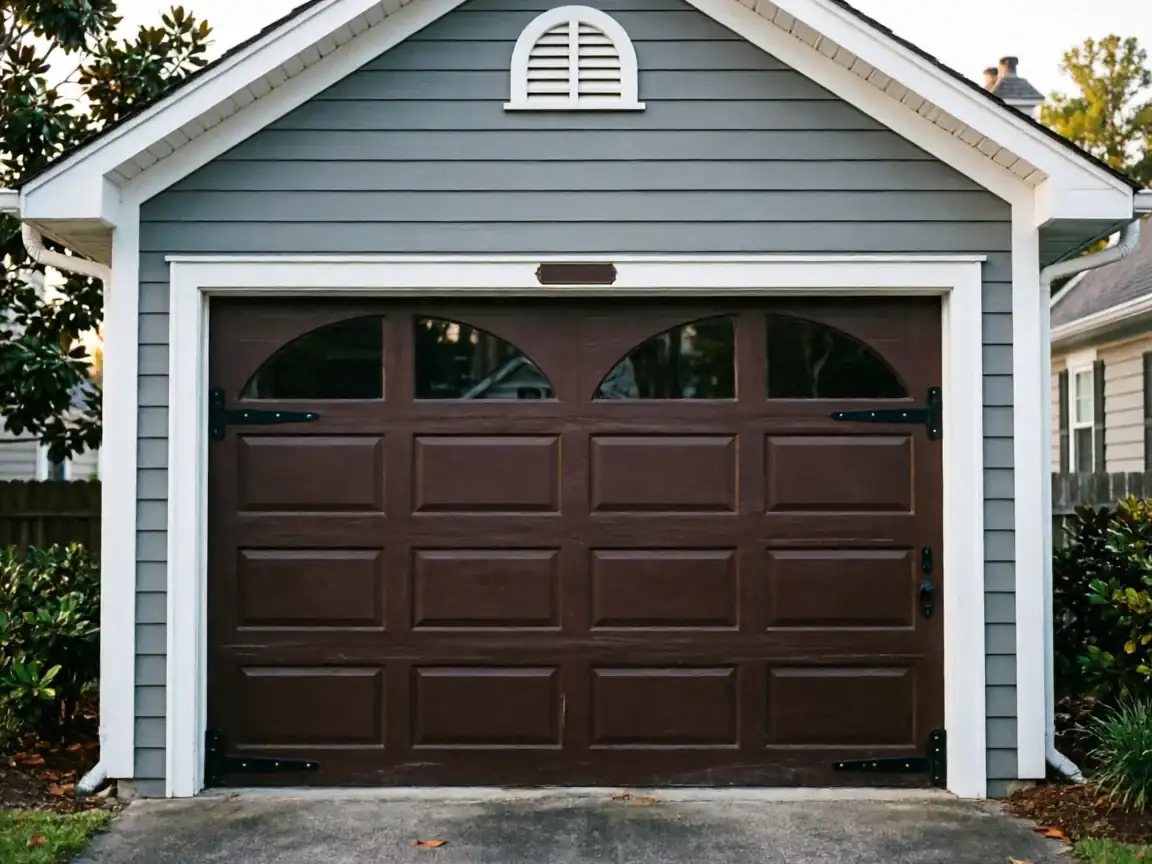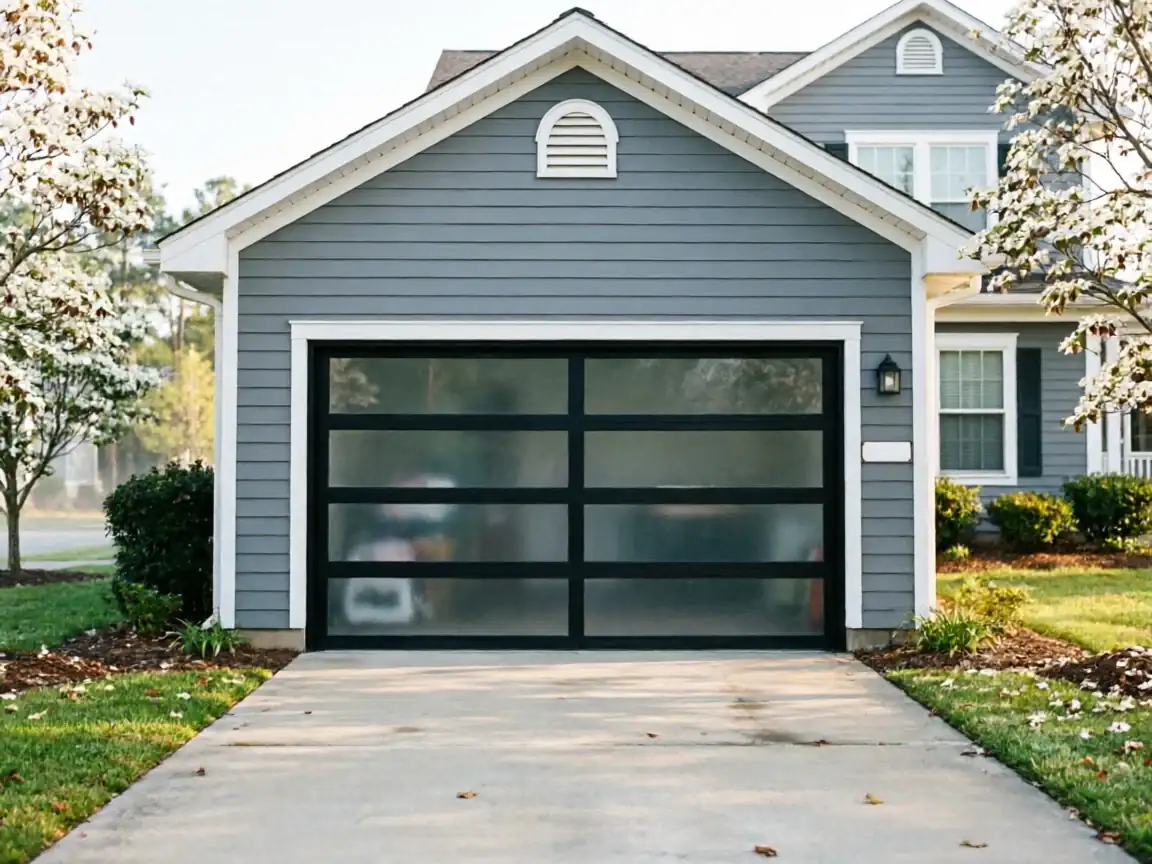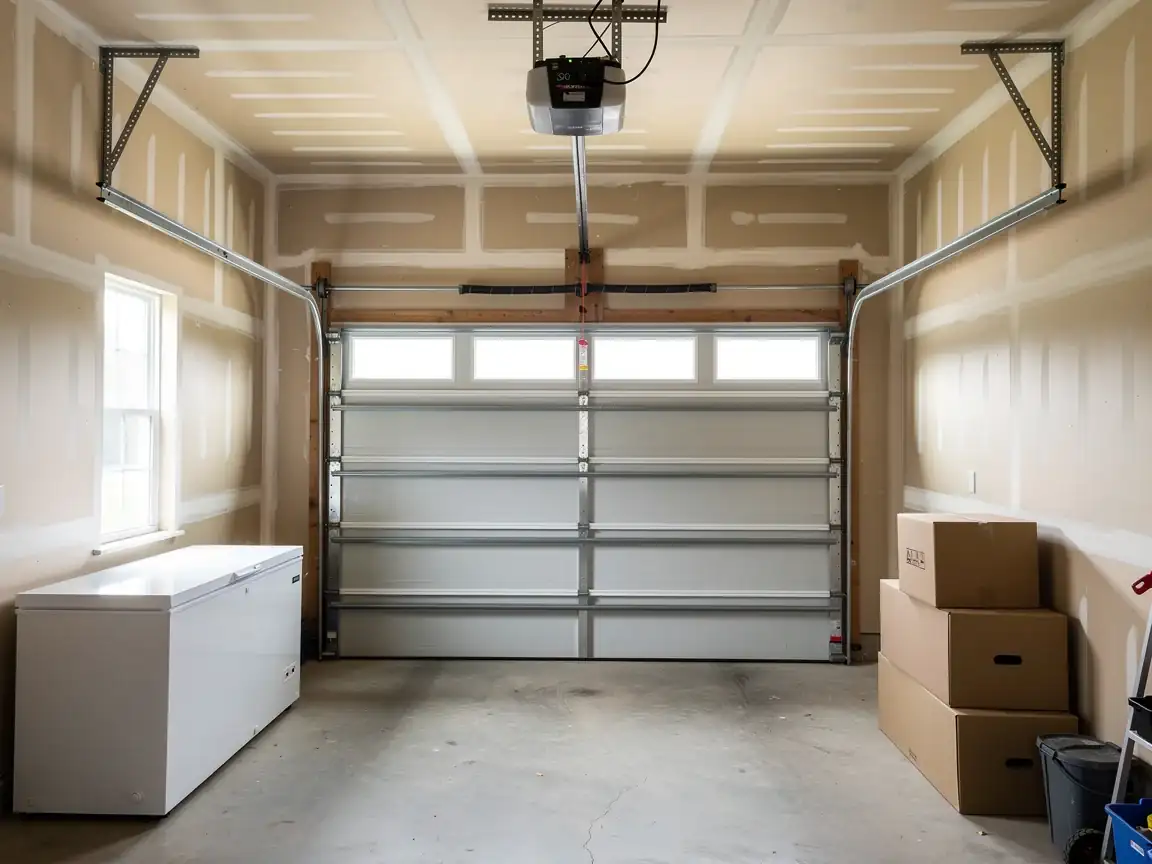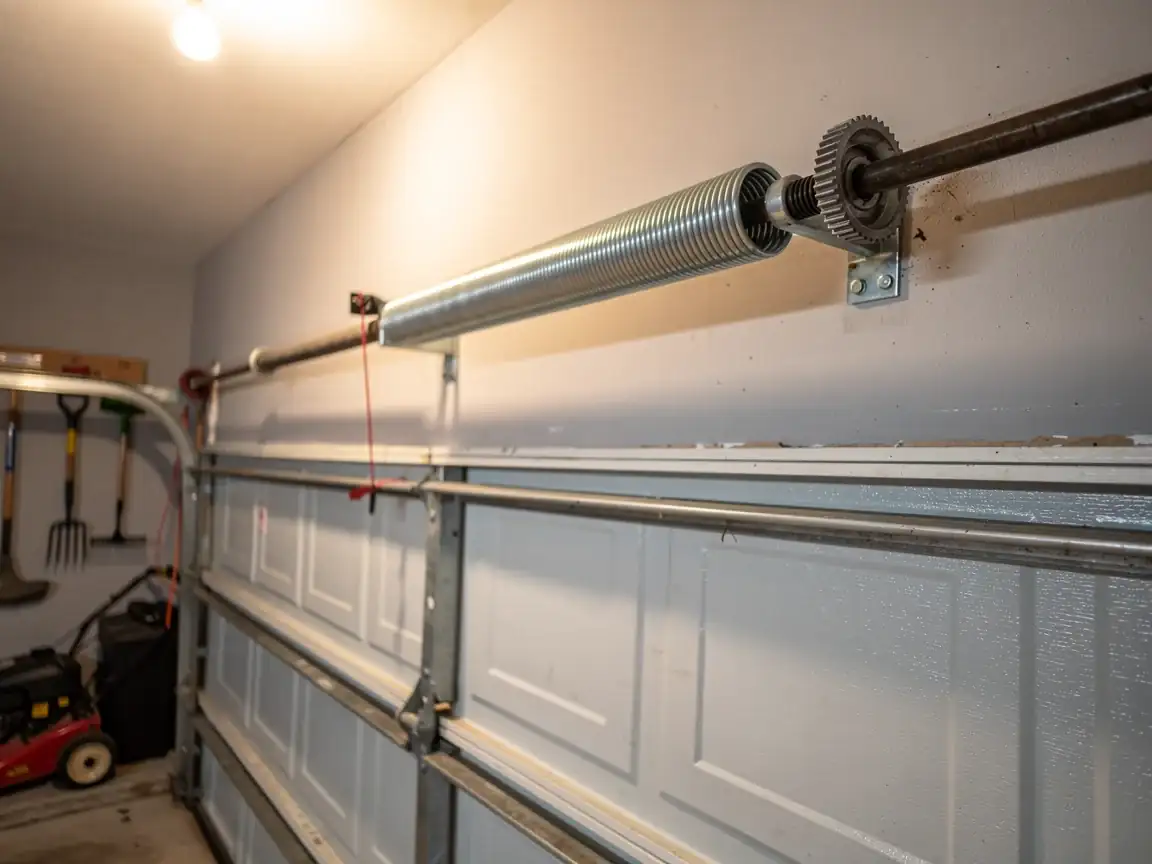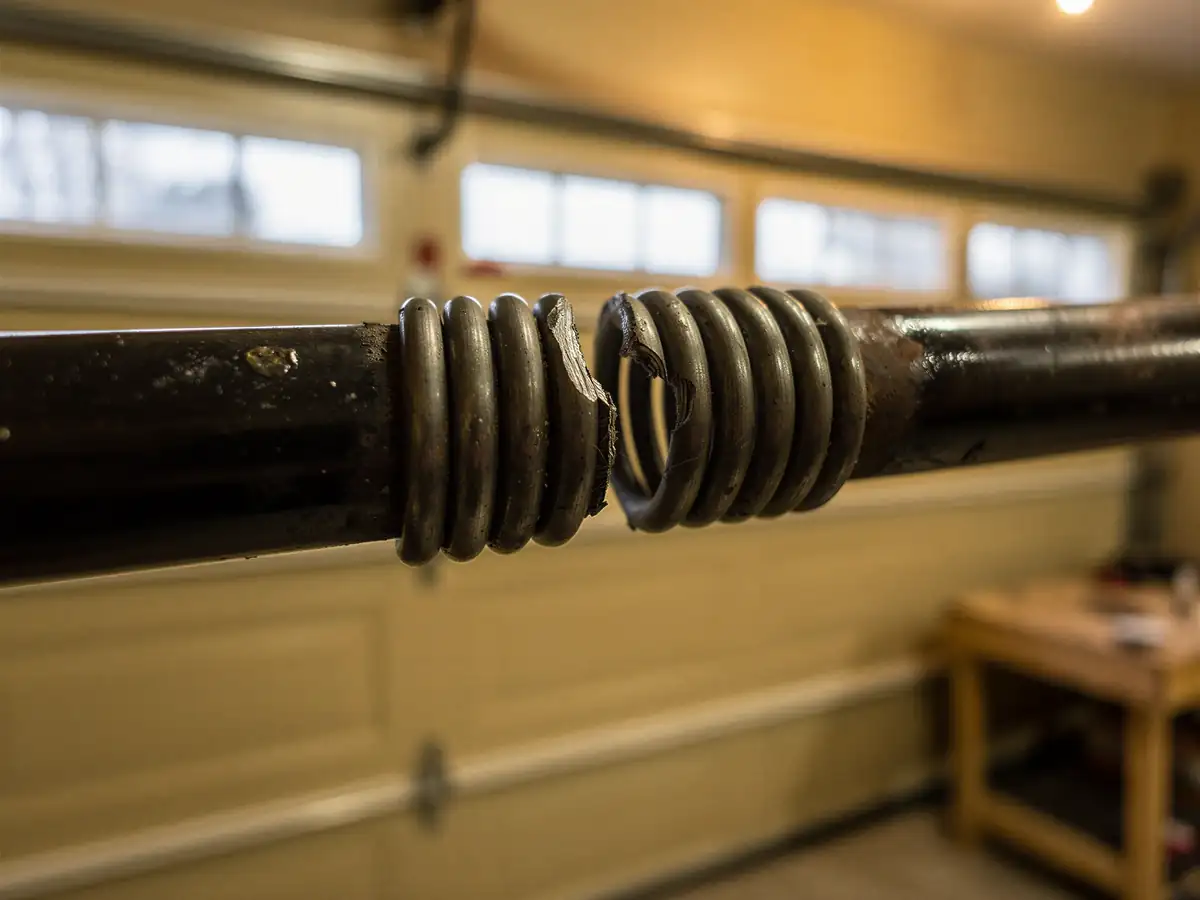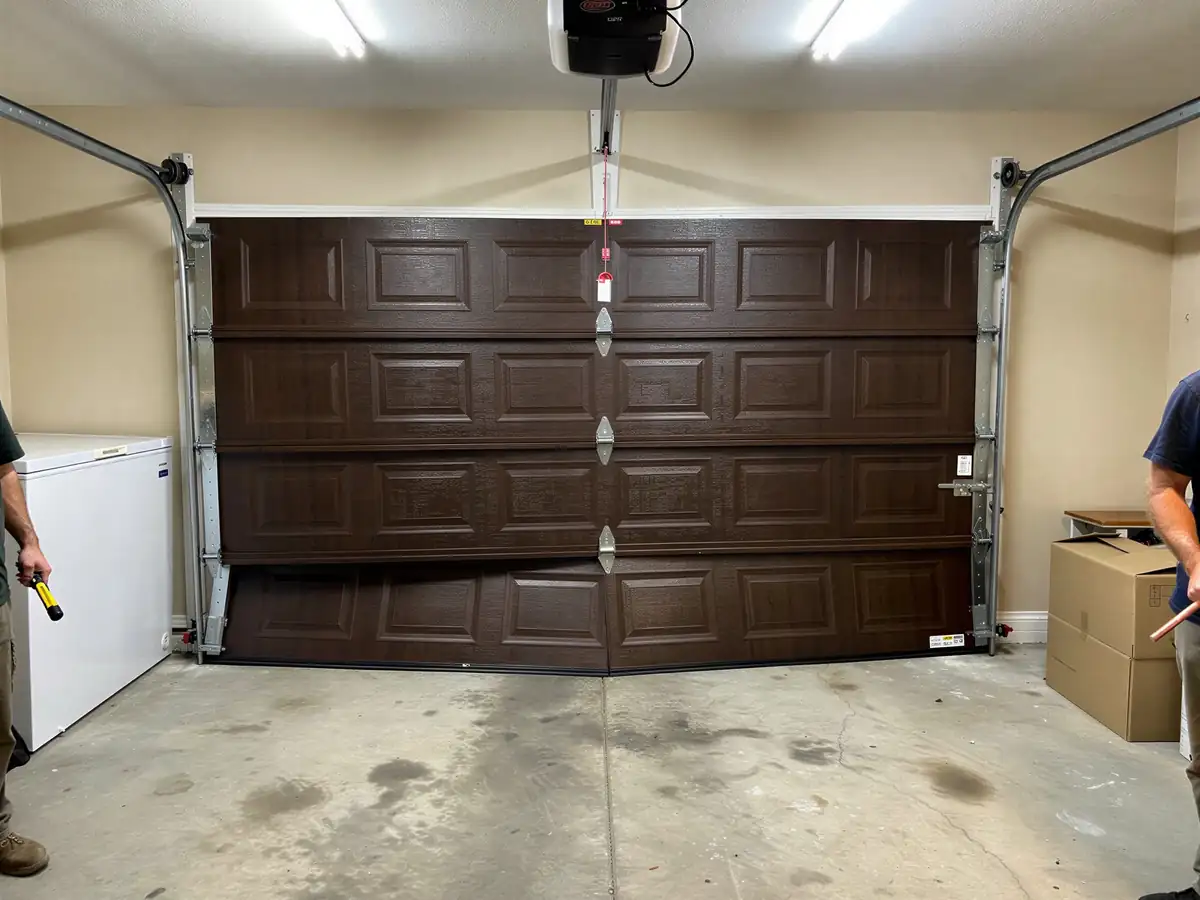
Why This Fails Locally
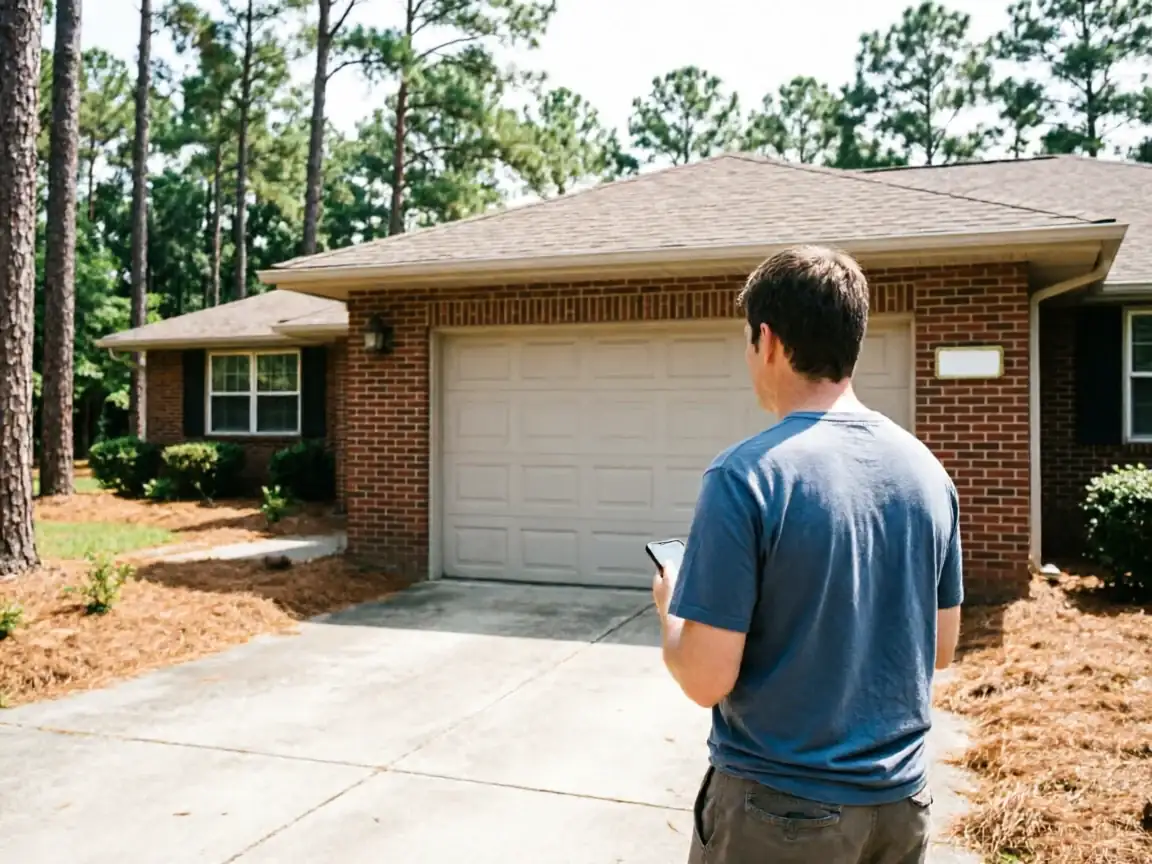
Housing across our Gainesville-area service territory went up between 1938 and 2015, with most of it concentrated in the 1980s and 90s build-out spread across the 17 communities we cover. That matters for openers because most of those units are original to the house or are the first replacement the owner ever bought - chain-drive boxes from a build era when nobody worried about cold-weather lubrication or surge protection on the circuit board.
Our winters fall into the cold-severe band. That's not a line from a brochure, it's the reason opener logic boards, limit switches, and photo-eye sensors take a beating every year that houses in milder climates never see. Metal gears contract in January and expand again by June. Wiring insulation that was fine in 1988 gets brittle after thirty-plus winters of that cycle. A door that opens fine in October and refuses to budge in February isn't a coincidence - it's the house's age meeting the season.
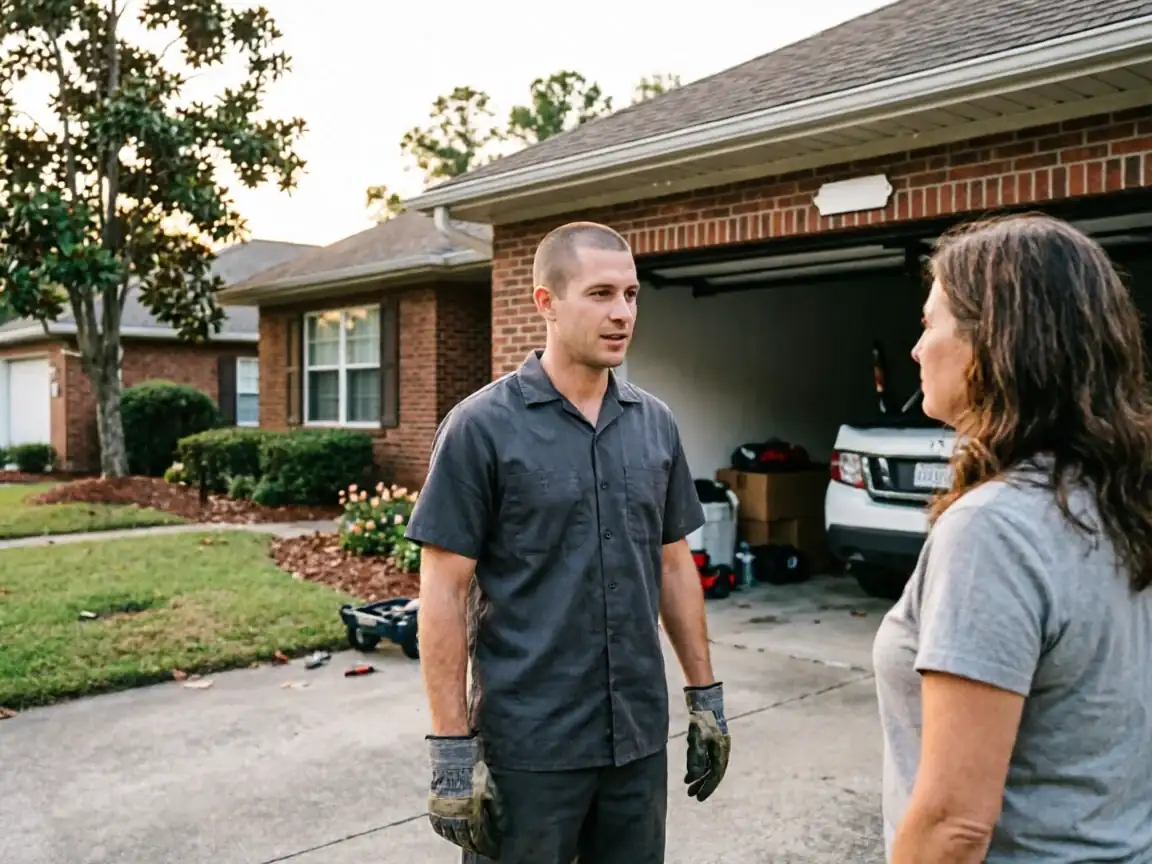
So when a homeowner in this area calls about a dead opener, we're not guessing at a generic cause. We're working from what the housing stock and the climate band actually predict: aging motors, brittle wiring, and gear sets that were never built to run forty years.
What You Are Seeing
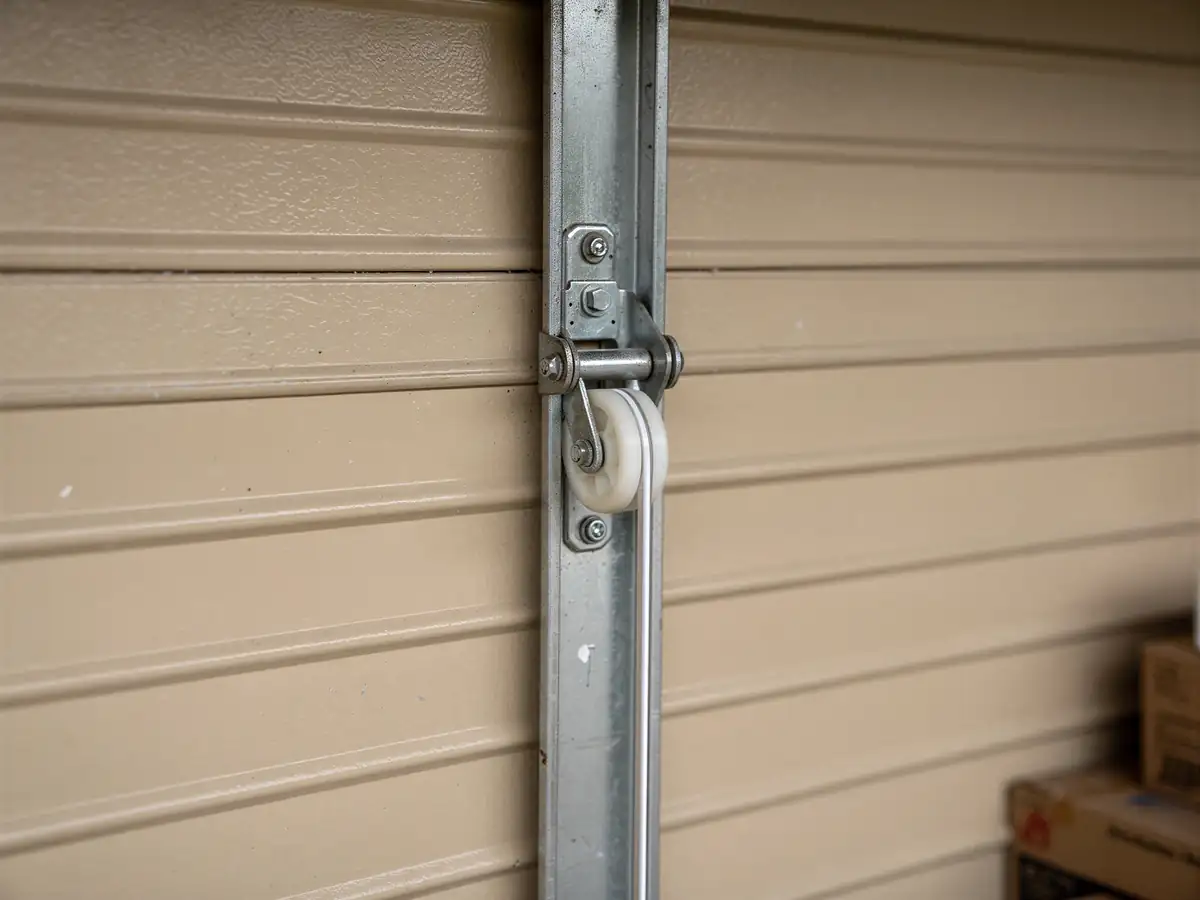
The opener hums but the door doesn't move - that's a stripped gear, and it's the single most common call we get from the older stock in this area. You'll also see the light blink a set number of times and stop responding to the remote, which usually means the logic board has flagged a safety fault, often tied to a photo-eye that's gone out of alignment from years of garage temperature swings.
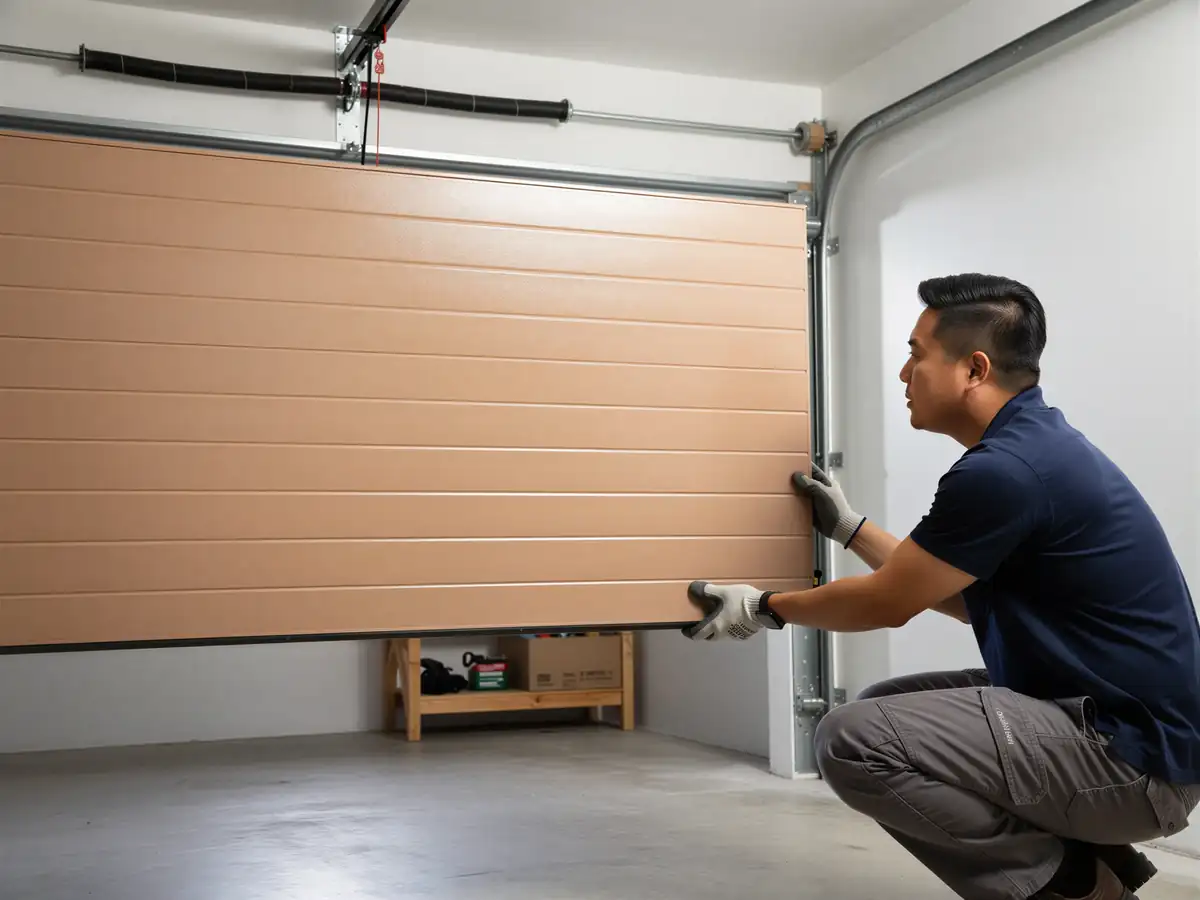
Some owners describe a door that reverses halfway up for no reason. That's the travel limit drifting, common on units old enough to predate digital limit setting. Others get nothing at all - no light, no hum, no click - which points to the board itself or the transformer feeding it, not the motor.
A smaller but real group of calls: the remote works from the driveway but not from inside the car. That's a weak antenna or a board losing range after years of vibration and heat cycling in an unconditioned garage. None of these are mysterious once you've seen the pattern enough times across homes built in the same few decades.
How We Fix It
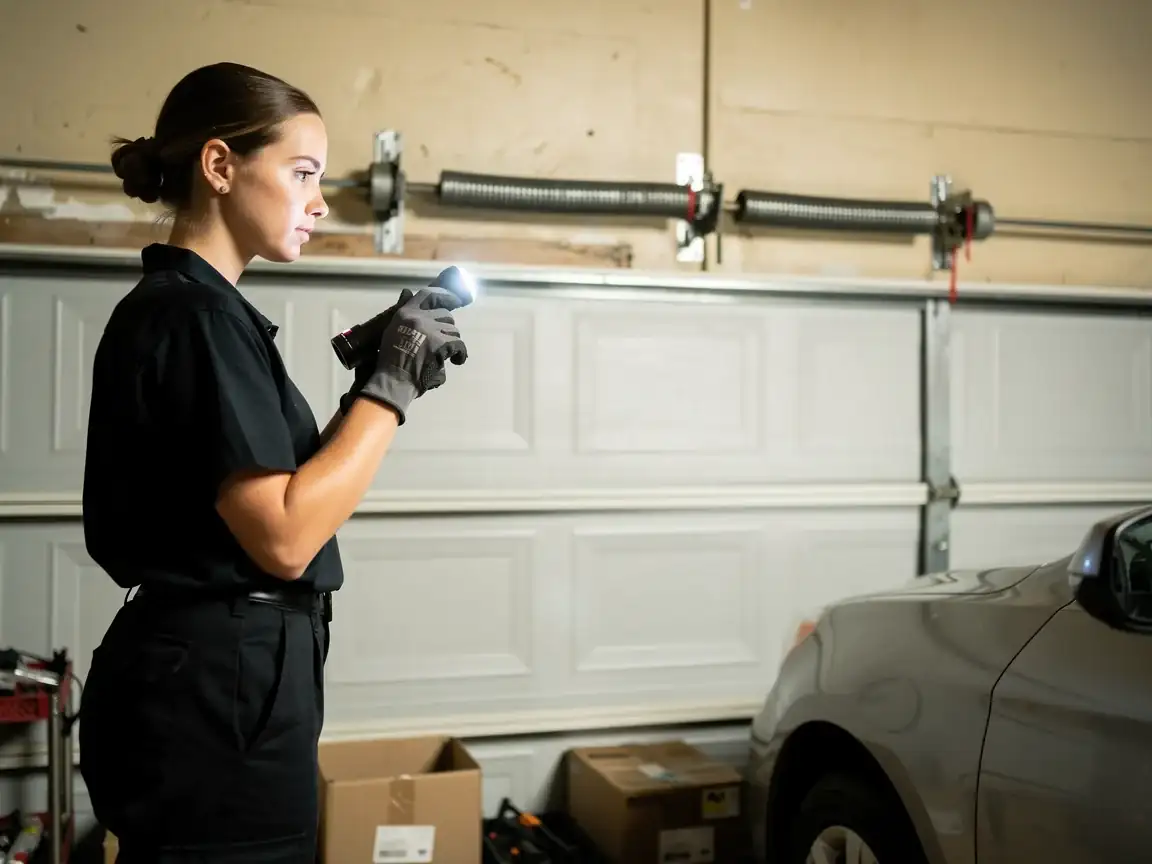
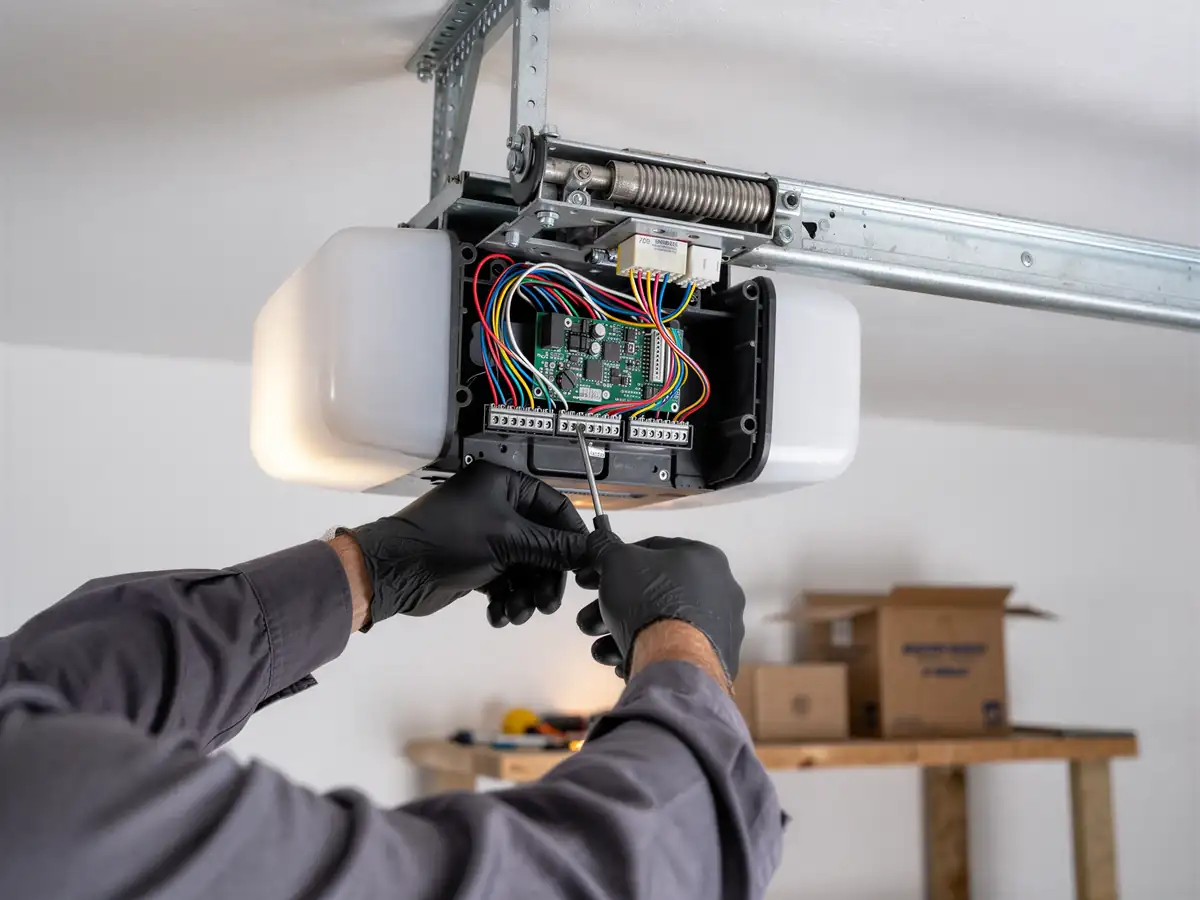
We start by testing the board before replacing anything
A lot of openers get thrown out over a $20 sensor that's just knocked out of alignment. If the gear's stripped, we replace it on units where the motor and board are otherwise sound; it's a cheaper fix than a full opener swap and it's often all an older unit needs.
When the board itself has failed
And on units from the 80s and 90s that's common after this many winters - we replace the opener rather than chase parts for a board that hasn't been manufactured in years. That's the honest call: patching a dead board on a thirty-year-old chassis usually costs close to what a new opener runs, and the new one comes with modern safety reversal and a warranty the old one never had.
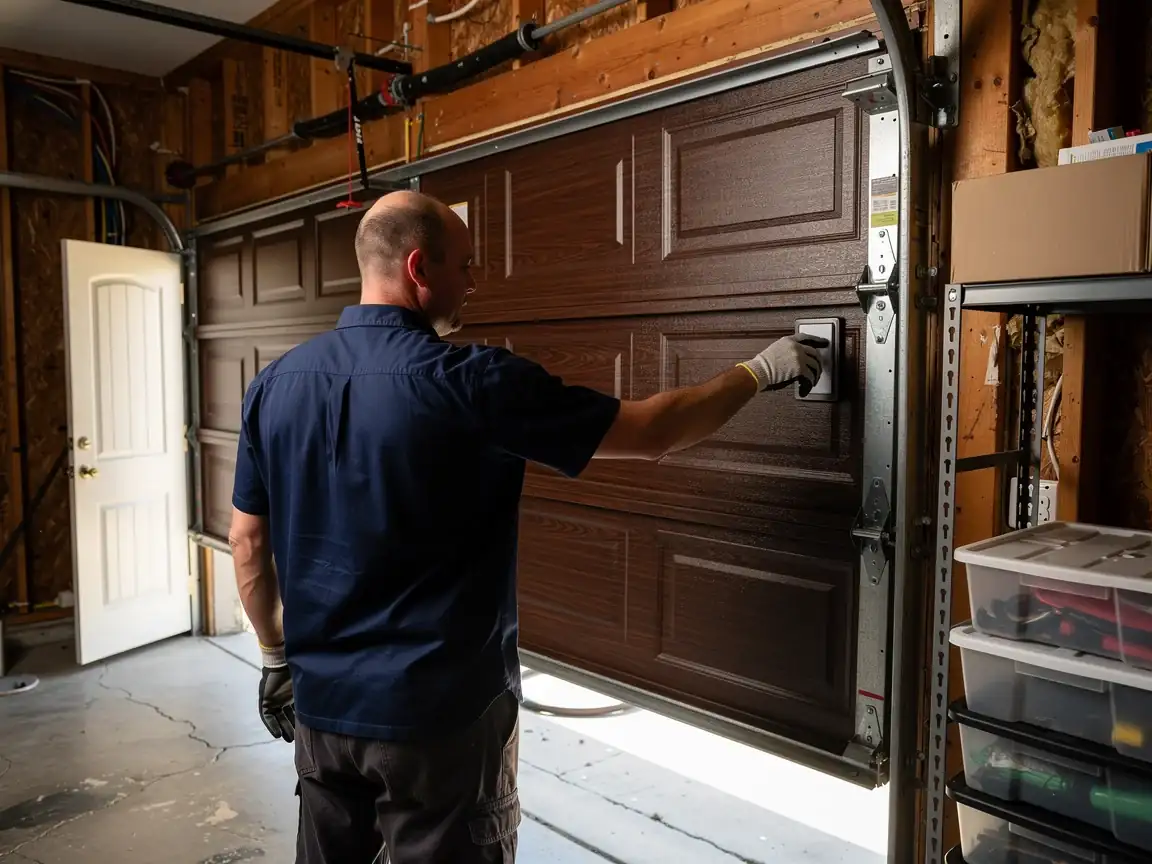
We also reset and square the travel limits and photo-eye alignment on every call
Even when that's not what brought us out, because a door that's drifted once will drift again if we don't fix the root cause while we're there.
Stocked Parts
We carry logic boards, drive gears, and sensor kits for the chain and belt-drive openers most common across this area's 1980s and 90s housing stock, plus the circuit boards and remotes for mid-2000s screw-drive units. What we don't carry on the truck is parts for openers old enough to predate digital control boards entirely - those jobs usually move straight to replacement rather than a special order, since the part may no longer be made.
With 9,660 owner-occupied houses across our service area, a large share of them original builds, that replace-versus-repair call comes up often enough that we've stopped treating it as unusual. Median household income here runs $111,503, which is part of why most owners choose a new opener with a real warranty over sinking money into a board nobody stocks for a motor that's already thirty years old.
If your opener is a known brand and model still in production, we can usually get the part same week. If it's older than that, we'll tell you straight rather than quote a part we can't actually get.