Doing Nothing For Now
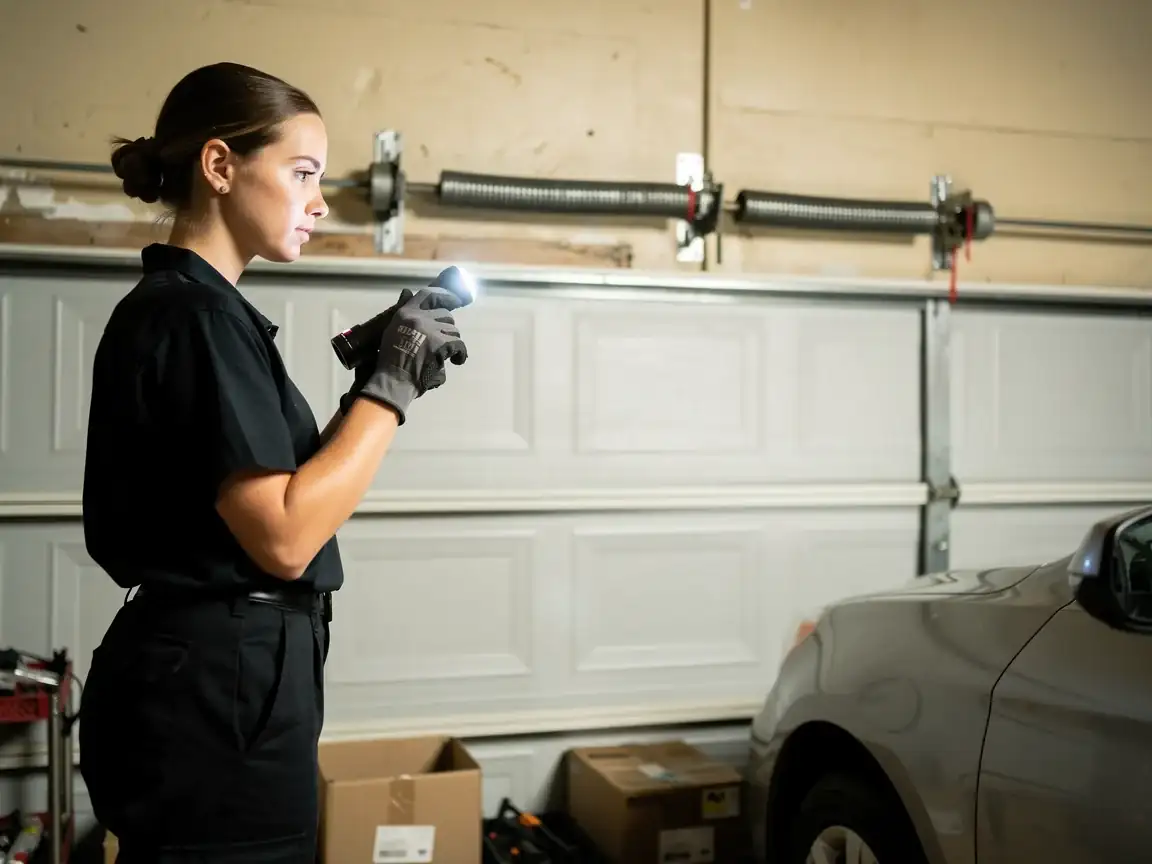
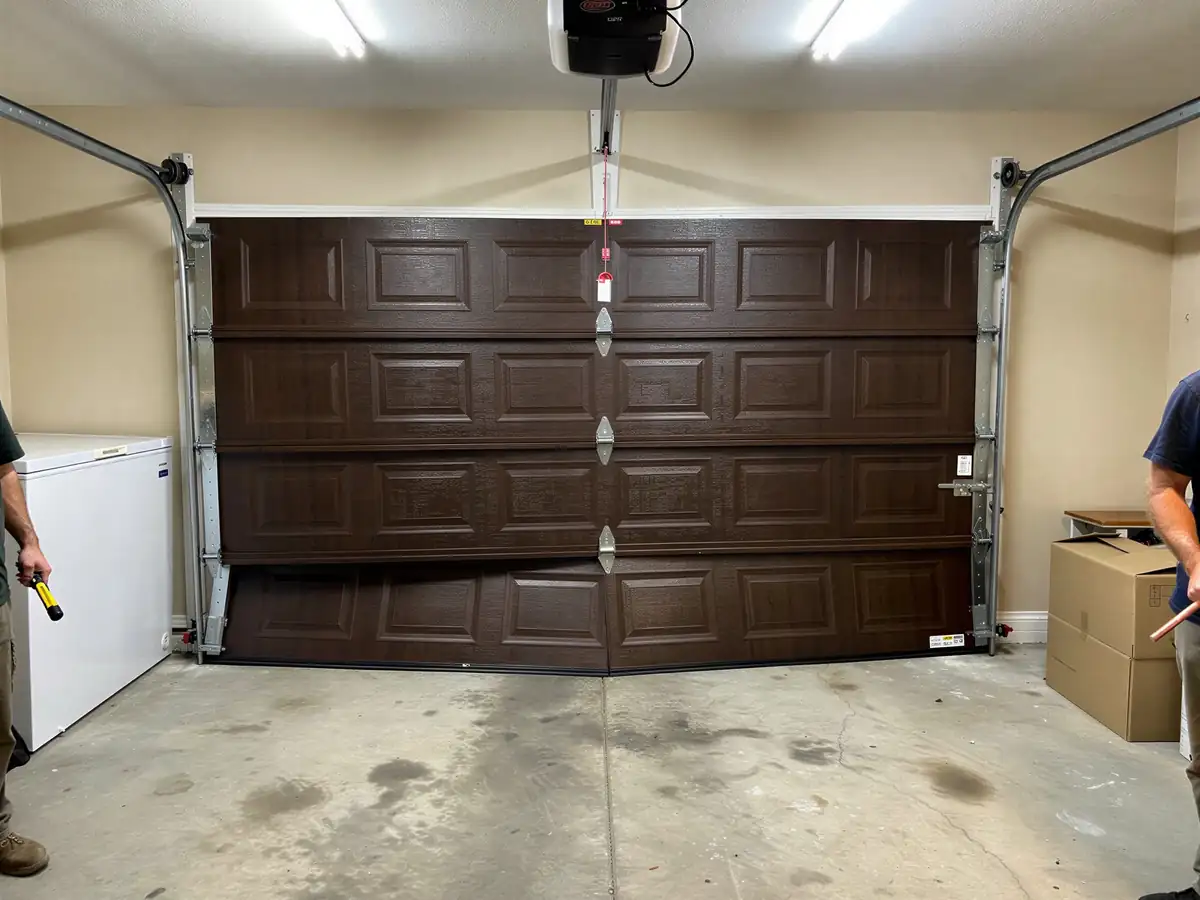
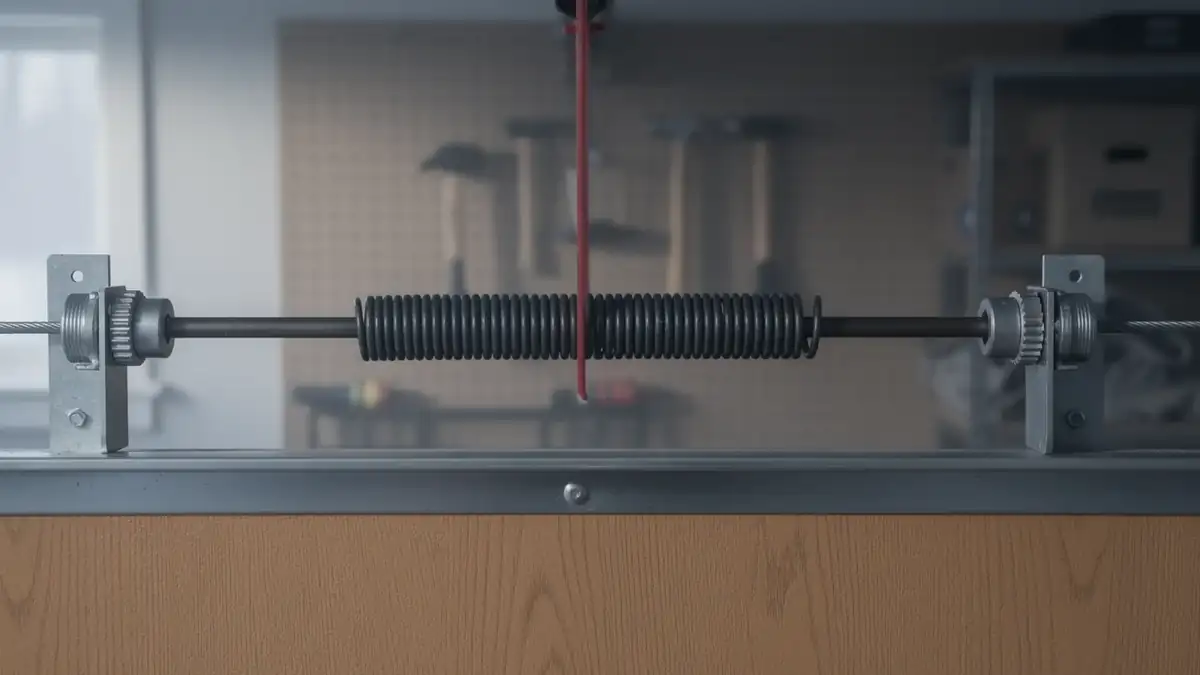
If your door is sticking or the spring looks stretched but hasn't snapped, you can wait, but you're gambling on timing. A torsion spring under tension doesn't get safer with age, and in a severe cold climate like this one, the metal contracts and loses flex right when you need it most. Most owners around here notice the problem on the first hard freeze of the season, not before. If the door is still opening and closing without grinding or sagging on one side, you have some runway. But a spring that's already showing gaps between coils, or a door that slams the last six inches instead of lowering smooth, is close to done. Waiting on that one usually means it breaks on a morning you're trying to leave for work, not on a weekend when you planned for it. We'd rather you call before it snaps than after, but we understand not everyone wants to spend money on something that still technically works. Just know that in this climate, cold is the trigger, and it doesn't wait for a convenient day.
What Local Conditions Do
This area sits in a cold, severe climate band, and that matters more for garage doors than most people think. Steel torsion springs lose tensile flexibility as temperature drops, and the older the spring, the less margin it has left before a cold snap pushes it past its limit. Housing here was built across a long stretch, from 1938 up through 2015, with the median landing around 1982 and most of the stock concentrated in the 1980s and 90s across the seventeen named areas in this service footprint. A lot of those doors are still running original hardware from that build era, meaning springs and torsion bars that have already seen three or four decades of temperature swings. Add a real cold winter on top of that aging metal and you get a predictable pattern: calls spike after the first sustained freeze. It's not bad luck, it's metal fatigue meeting a cold morning. Newer builds in the area handle this better simply because the springs haven't logged the cycle count yet, but even those aren't immune once temperatures stay low for days at a time.
What Is Going On
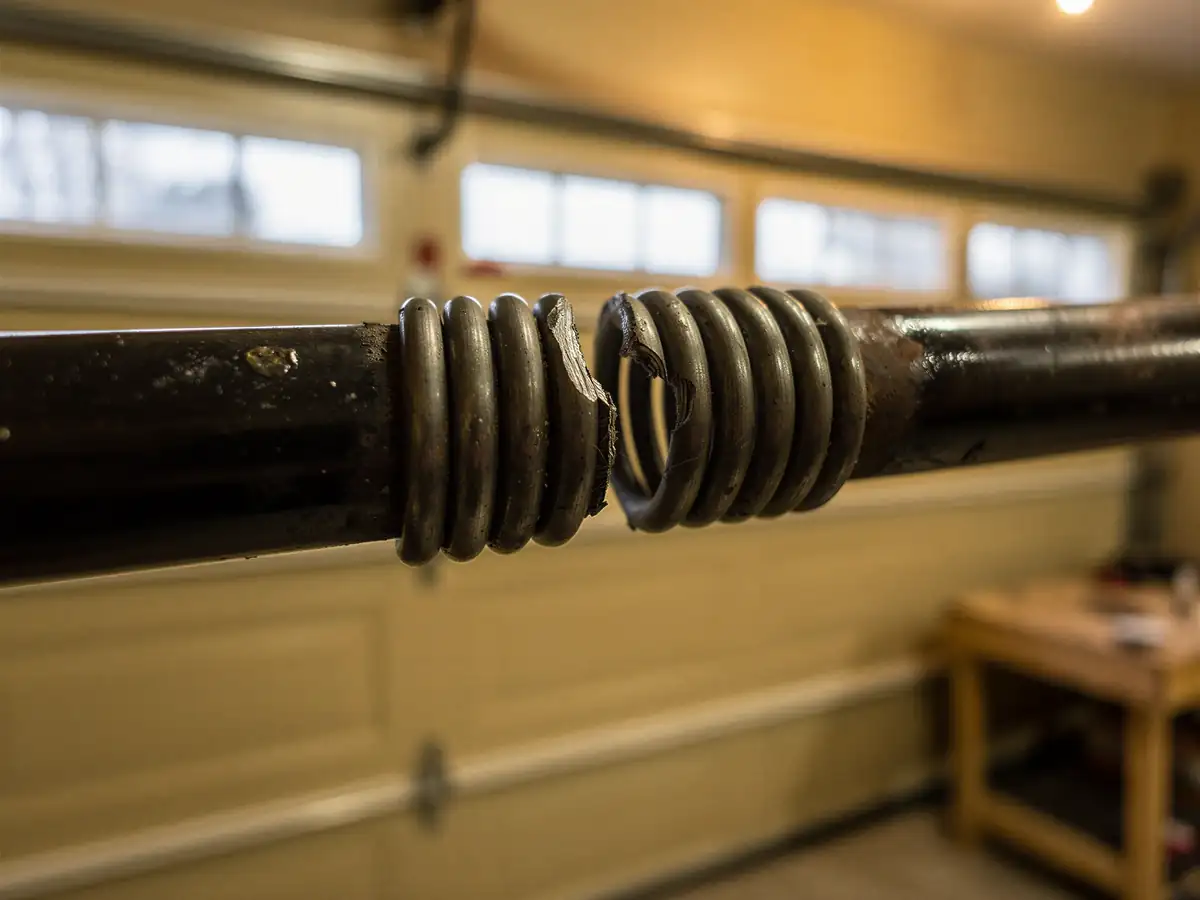
When a spring goes in cold weather, it's almost always because the metal has been cycling through temperature drops for years and finally hit a stress point it couldn't absorb. You'll hear it before you see it, usually a loud bang from the garage, and then the door either won't move or drops hard when you try to open it. Don't force the opener once that happens. The opener motor isn't built to lift the door's full weight without the spring doing its share, and running it anyway can burn out the motor or snap a cable next. Across the seventeen communities we work in, from Haymarket a mile out to Remington twenty miles down the road, the pattern holds the same: older torsion hardware plus a hard freeze equals a broken spring. It's mechanical, not mysterious, and it's why we see more calls in the cold months than any other time of year.