Where We Stop
Fairfax Station sits about 16 miles from our shop in Gainesville, out past Bull Run and Clifton on the way in from the west side of the county. It's one of the farther stops on our board, not the closest, and we say that upfront because we don't run a depot here. Every truck that shows up at your door has driven out from Gainesville, same as it would for a job in Nokesville or Midland.
That distance matters less for scheduling than people assume, but it's real, and we'd rather tell you that than pretend we've got a crew parked around the corner. What it does mean is we batch calls out this way when we can, so if you're not in a lockout situation, a little flexibility on timing helps us get a second or third job in the same trip, which keeps the drive worth it for everyone.
Fairfax Station itself is part of a wider stretch of the county we cover, from Haymarket a mile out to Remington 20 miles the other direction. You're on the far eastern edge of that map, closer to the Fairfax County line than to our shop, which is just the geography of the area.
What That Means for Doors
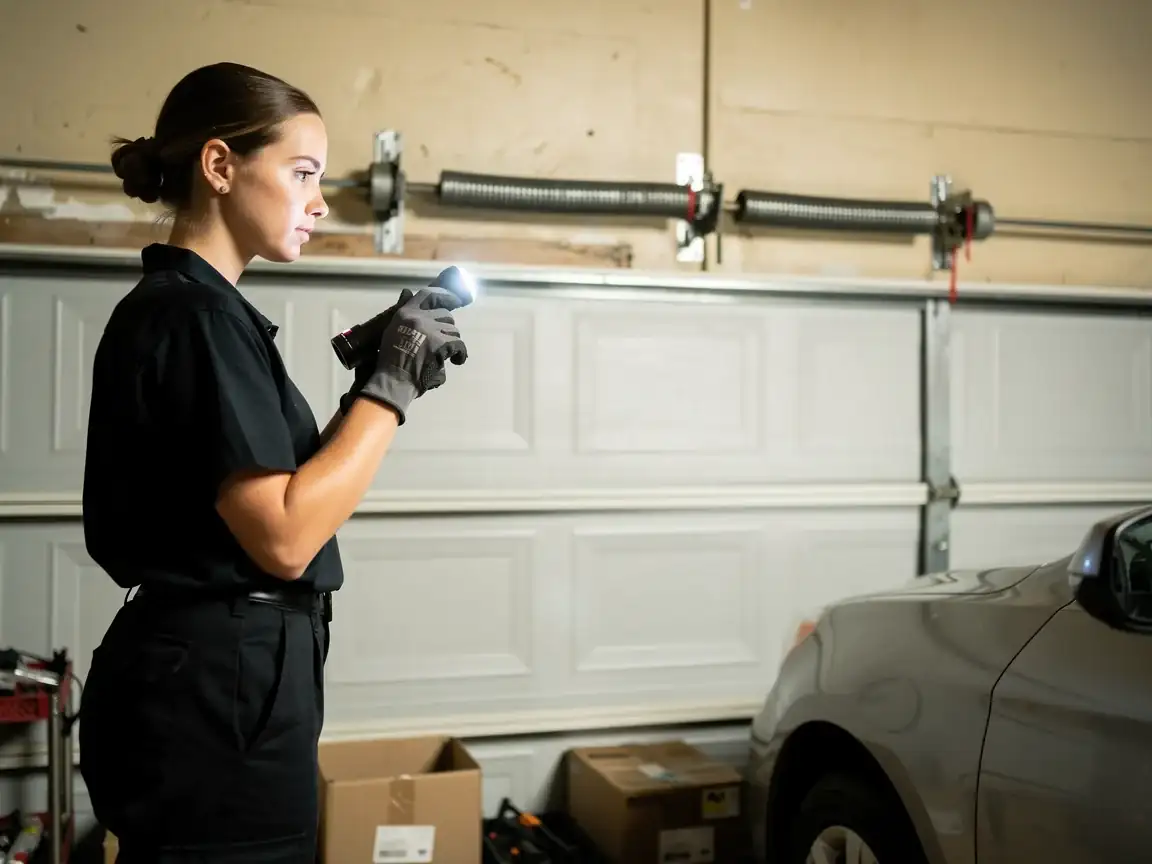
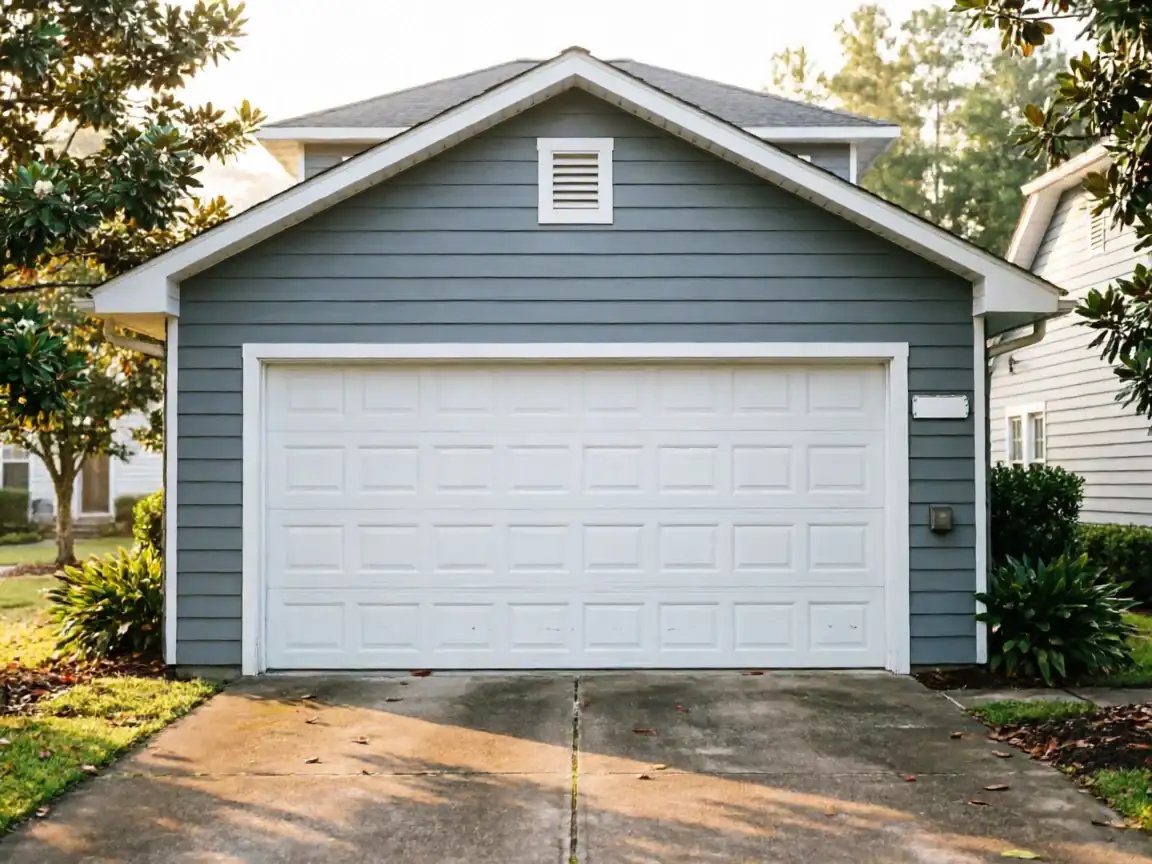
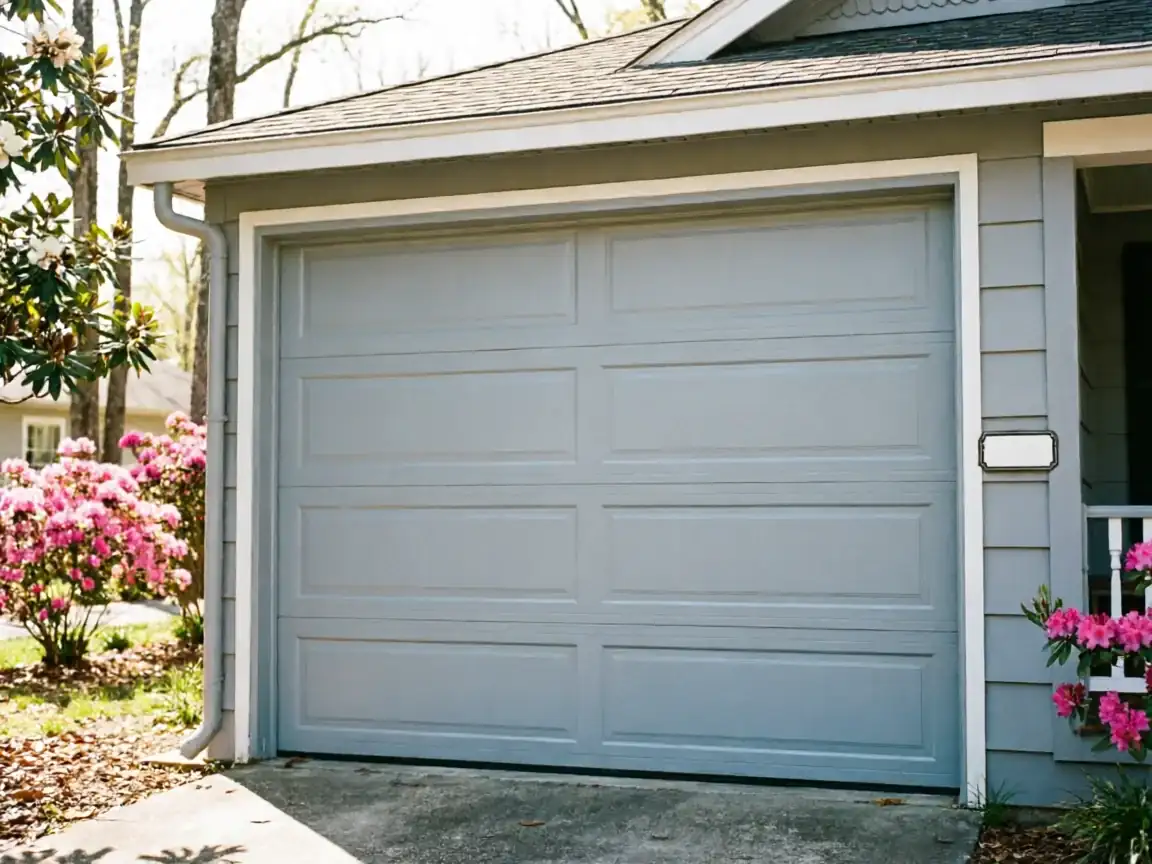
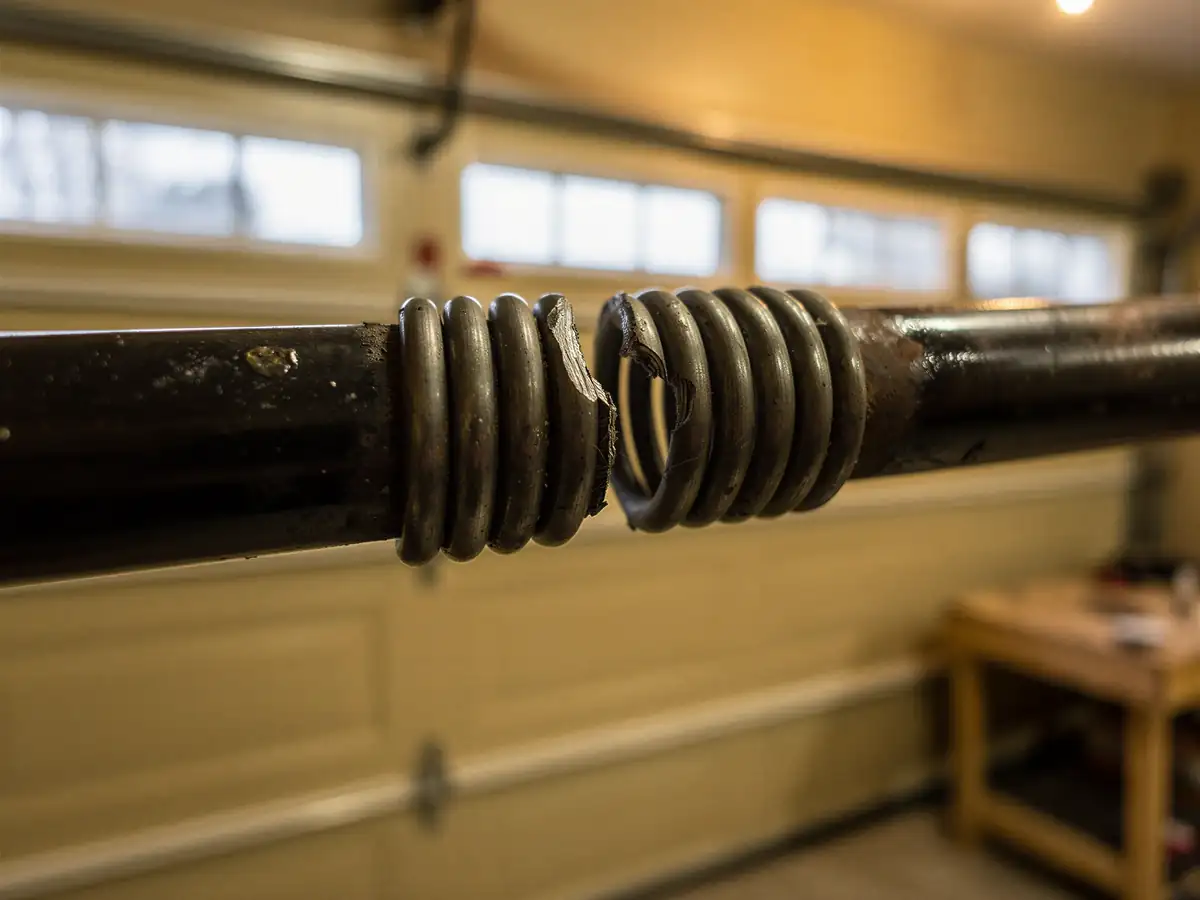
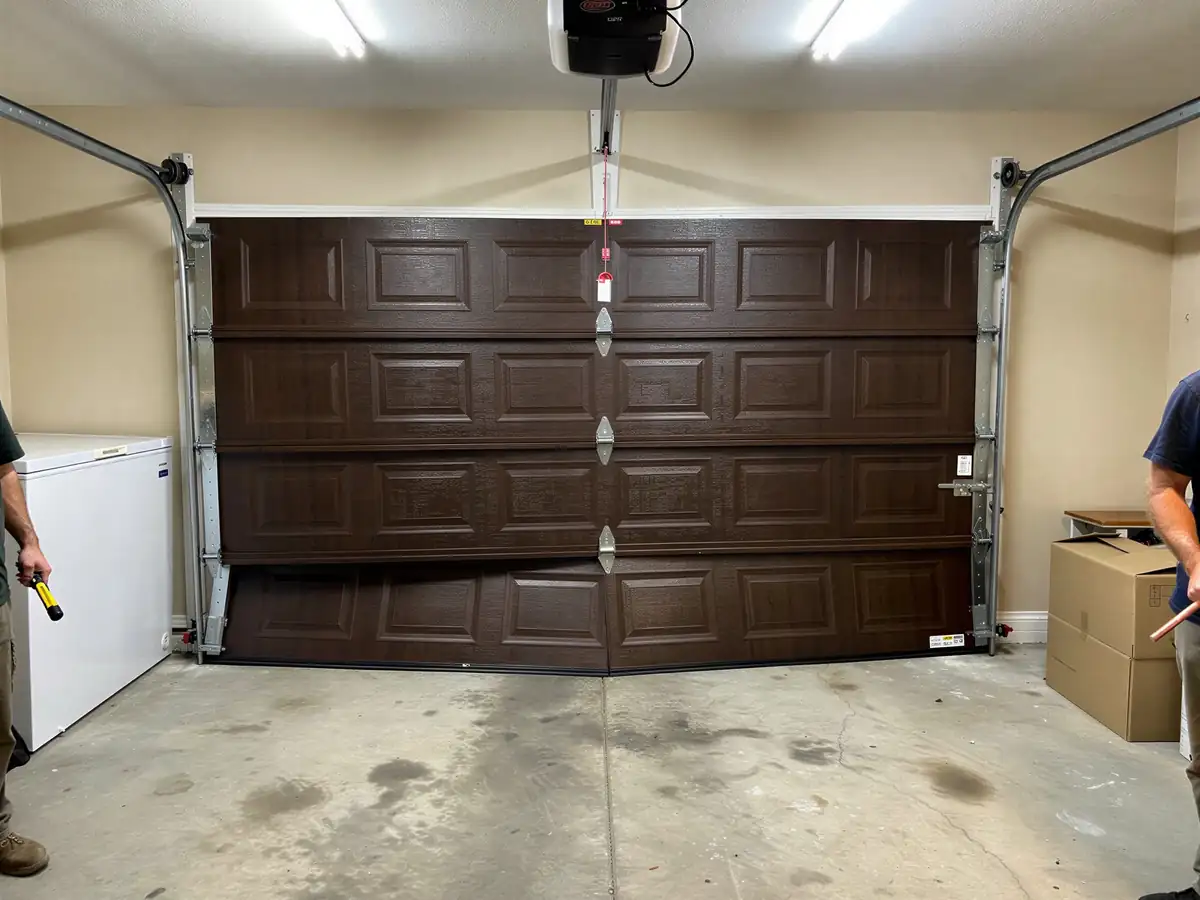
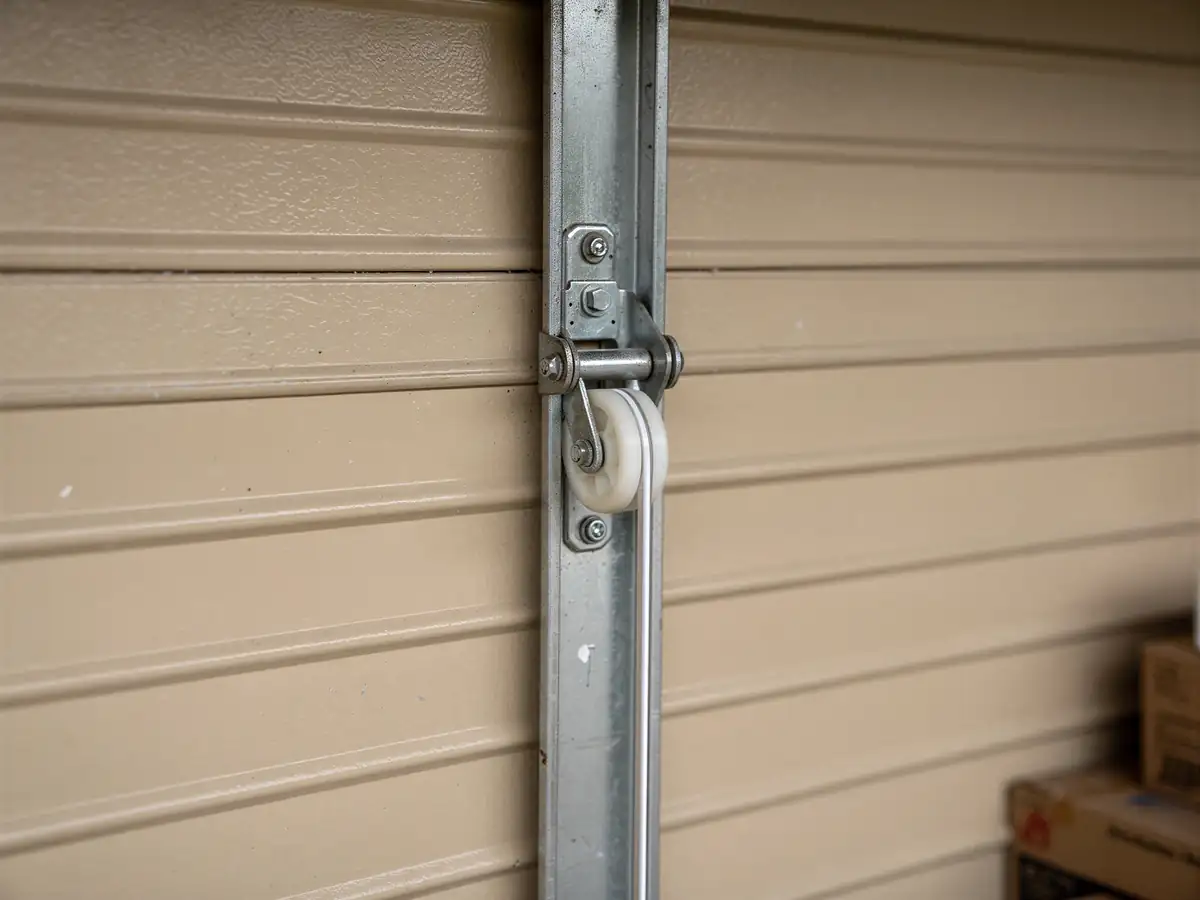
The housing stock out here traces back to a median build year of 1982, same era that shows up across most of the broader service area we work. That means a lot of doors on steel tracks and torsion springs sized for the lighter panel doors builders used through the 80s and 90s, not the heavier insulated steel or composite doors that have become standard since. If your opener is original to the house, it's pushing forty years old, which is well past the point where parts get hard to source new.
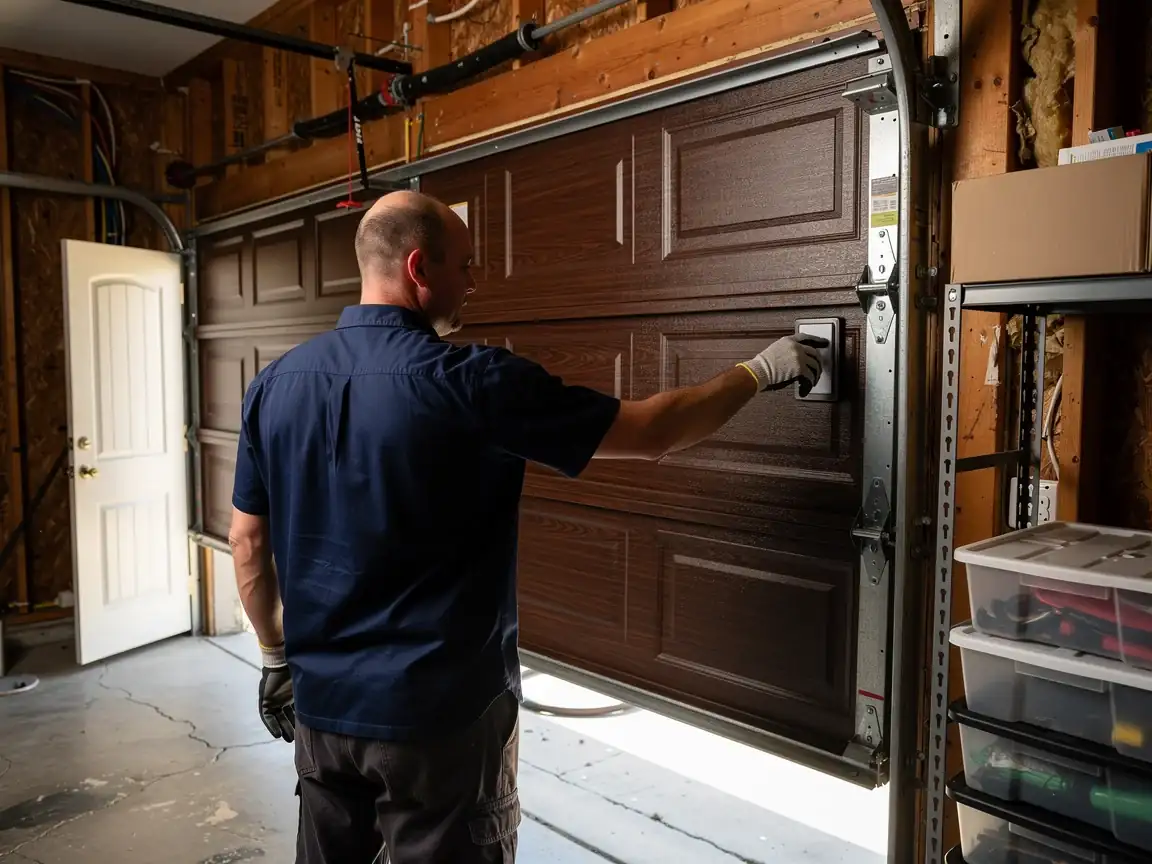
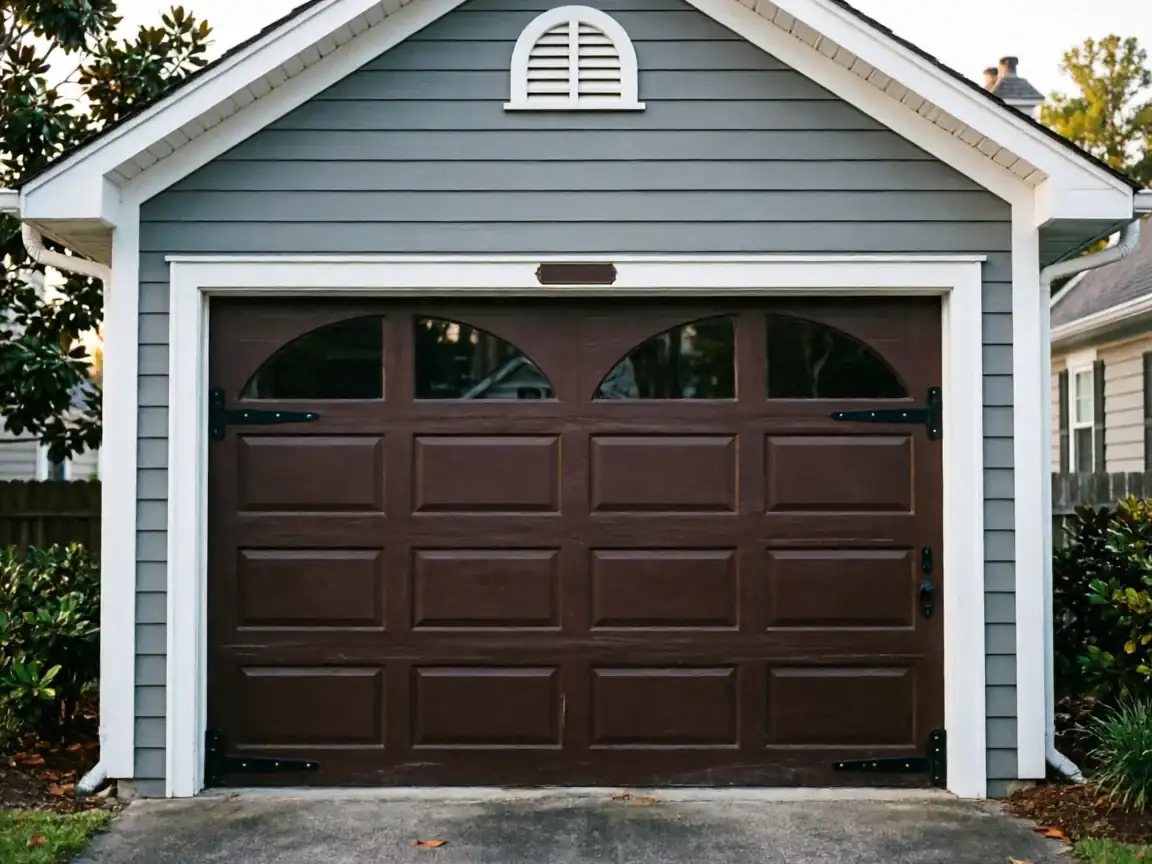
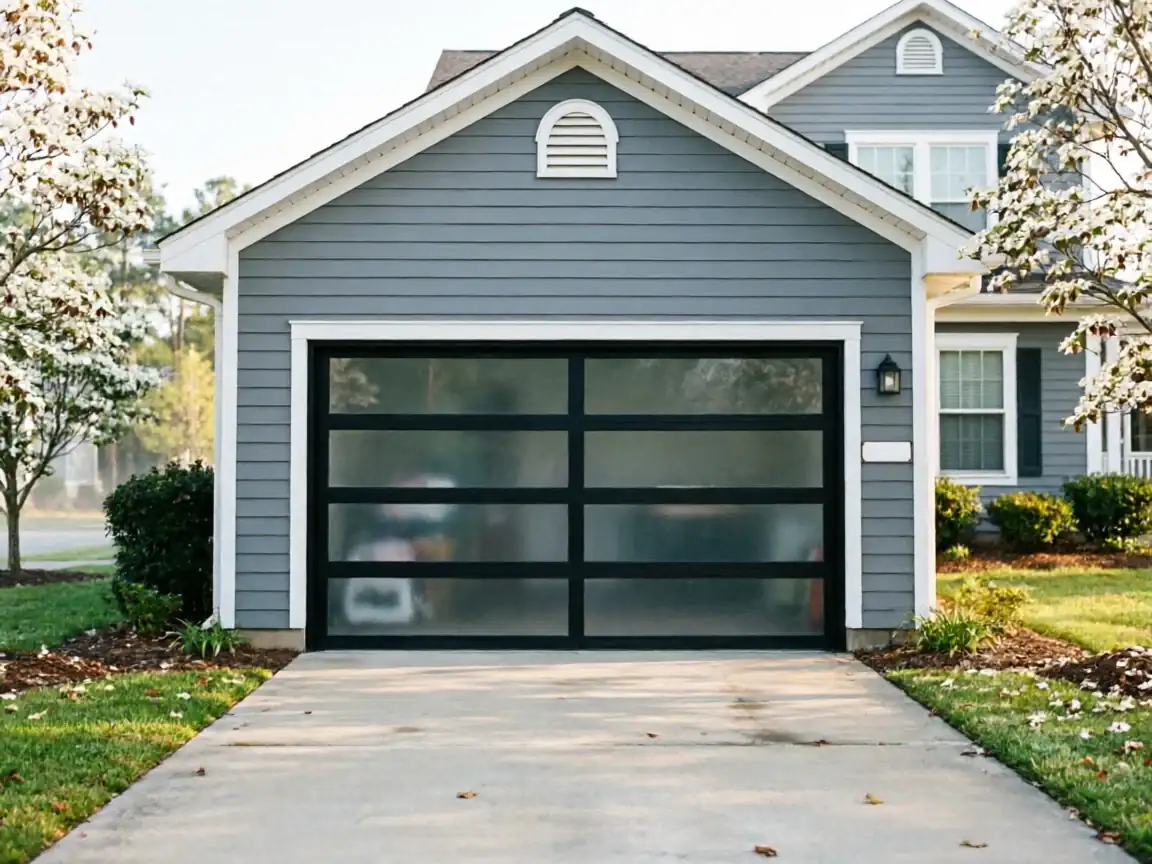
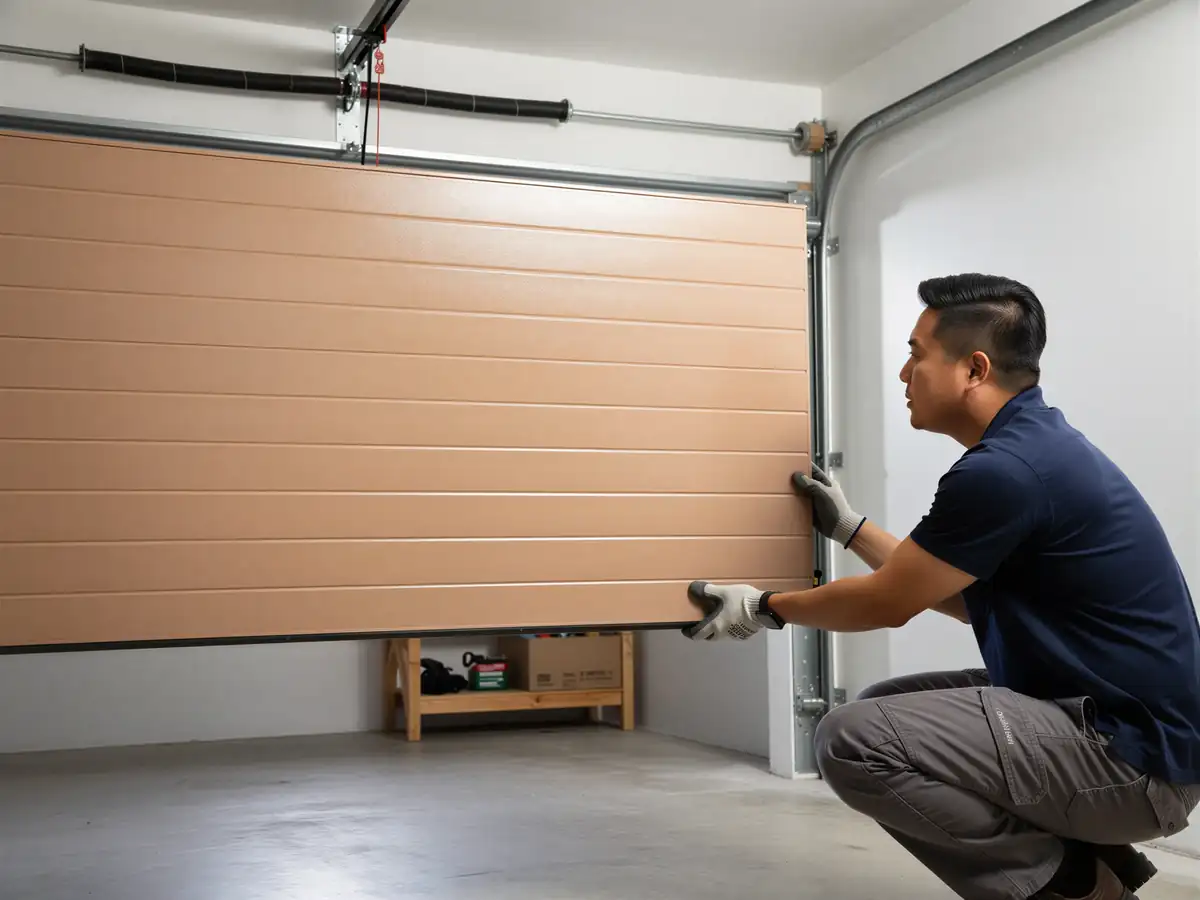
What's different about Fairfax Station specifically is the income profile - median household income here runs around $212,128, nearly double the figure across the wider service area. In practice we see that show up as more owner-initiated upgrades: insulated doors swapped in ahead of failure, openers replaced before they strand a car in the garage, rather than repaired piecemeal after a spring lets go. We still get the original-hardware calls too. Both kinds of job exist here, just in different proportions than you'd find in an older, less-renovated pocket of the county.
How We Get to You
With roughly 4,159 households in Fairfax Station, this isn't a dense pocket of the market
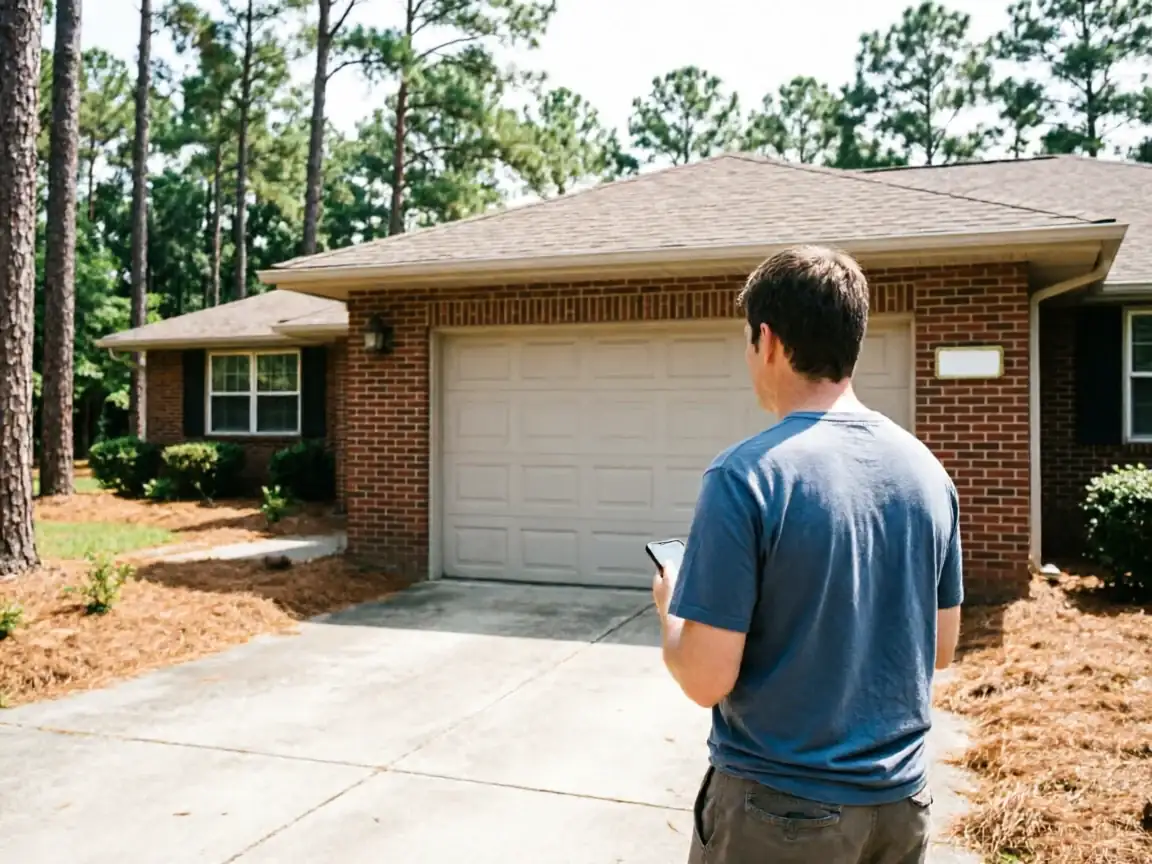
And most of what we see are single-family garages, two- and three-car, built for the era rather than retrofitted additions. We route trucks out here the same way we do for Clifton or Fairfax Station's other neighbors on the list - Bull Run, Clifton, and the stretch toward Fairfax County - grouping calls where the timing allows.
- 4,159 households
One honest limitation
Because this is one of the longer drives from Gainesville, we can't promise a same-day stop for every non-emergency call. A spring that's snapped and a door that won't open at all jumps the line. A noisy roller or a cosmetic panel dent can usually wait a day or two for us to route it efficiently, and that's often better for your bill anyway since it avoids an emergency trip charge.
What Was Built Here
Across the wider area, housing ranges from 1938 up through 2015, with that median landing at 1982 - and Fairfax Station tracks right with that median rather than skewing older or newer. That puts a lot of homes here squarely in the torsion-spring, steel-track era, before insulated doors and belt-drive openers became the default builders reached for.
The cold-climate factor matters more here than people think. This area sits in a severe cold climate band, and a 40-year-old door with worn weatherstripping or a non-insulated panel is going to show it - stiff springs in deep cold, condensation on an uninsulated steel face, openers straining on mornings when the grease in old bearings thickens up. None of that is unique to Fairfax Station, but combined with the age of the housing stock here, it's a predictable pattern we plan for rather than a surprise.