How Long It Takes
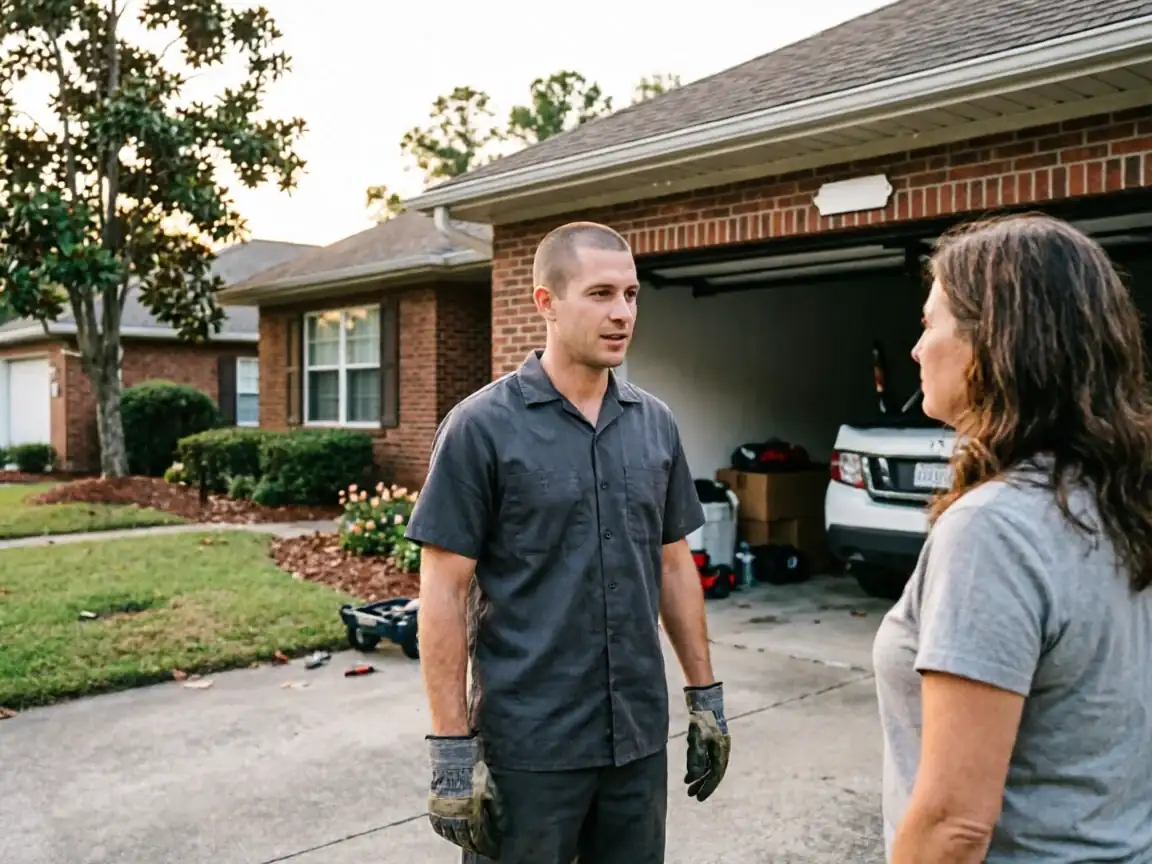
Fairfax Station sits 16 miles from our shop in Gainesville, which is the first thing to understand about a spring call out here. That's not a same-block response - it's a real drive, mostly on roads that slow down during the morning and evening commute. We build that into how we schedule: a broken spring call from Fairfax Station gets a window, not a guess, and we'd rather tell you the truck is 25-30 minutes out than promise something we can't hold to from this distance.
What this means for you practically: if your spring goes at 7am on a weekday, we're planning around the same traffic you'd hit driving the other direction into Gainesville. We stage spring stock on the truck before we leave, specifically because Fairfax Station is far enough out that going back for a part turns a one-trip job into two. The drive is part of the job here, not an afterthought to it.
How We Fix It
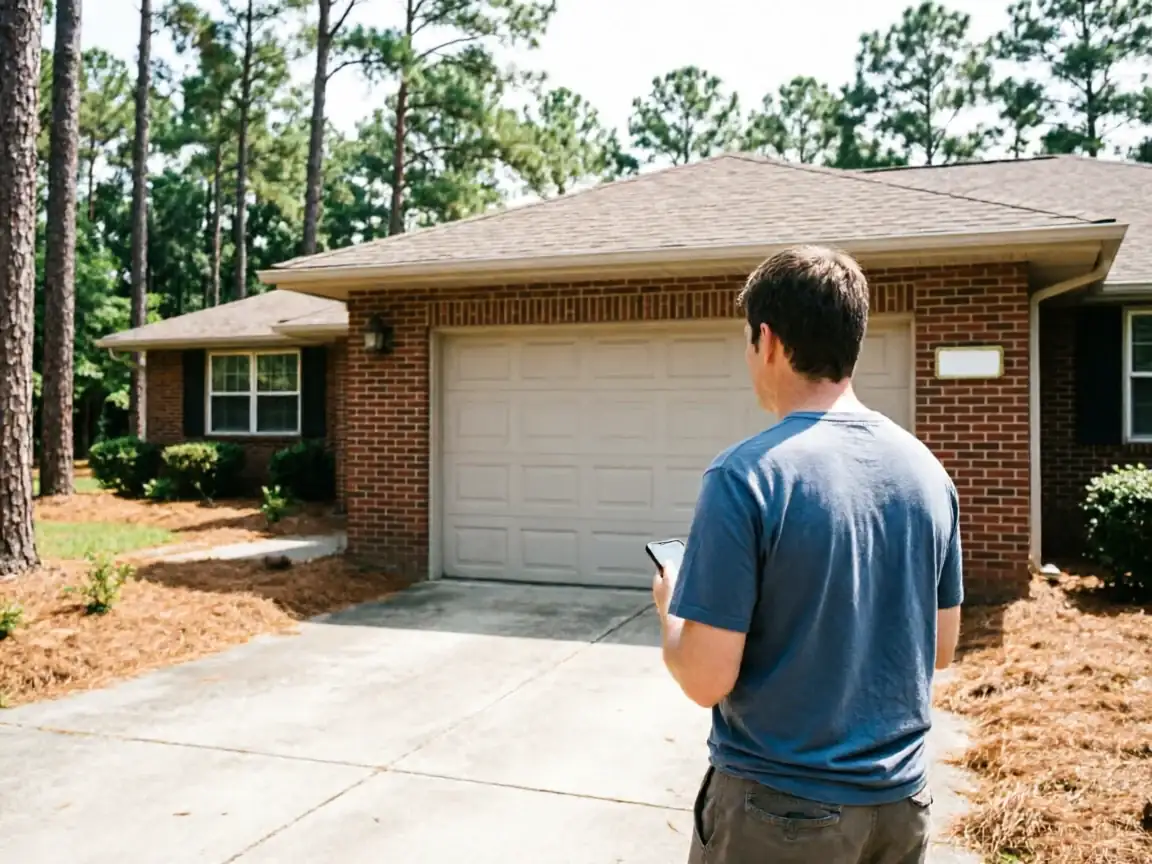
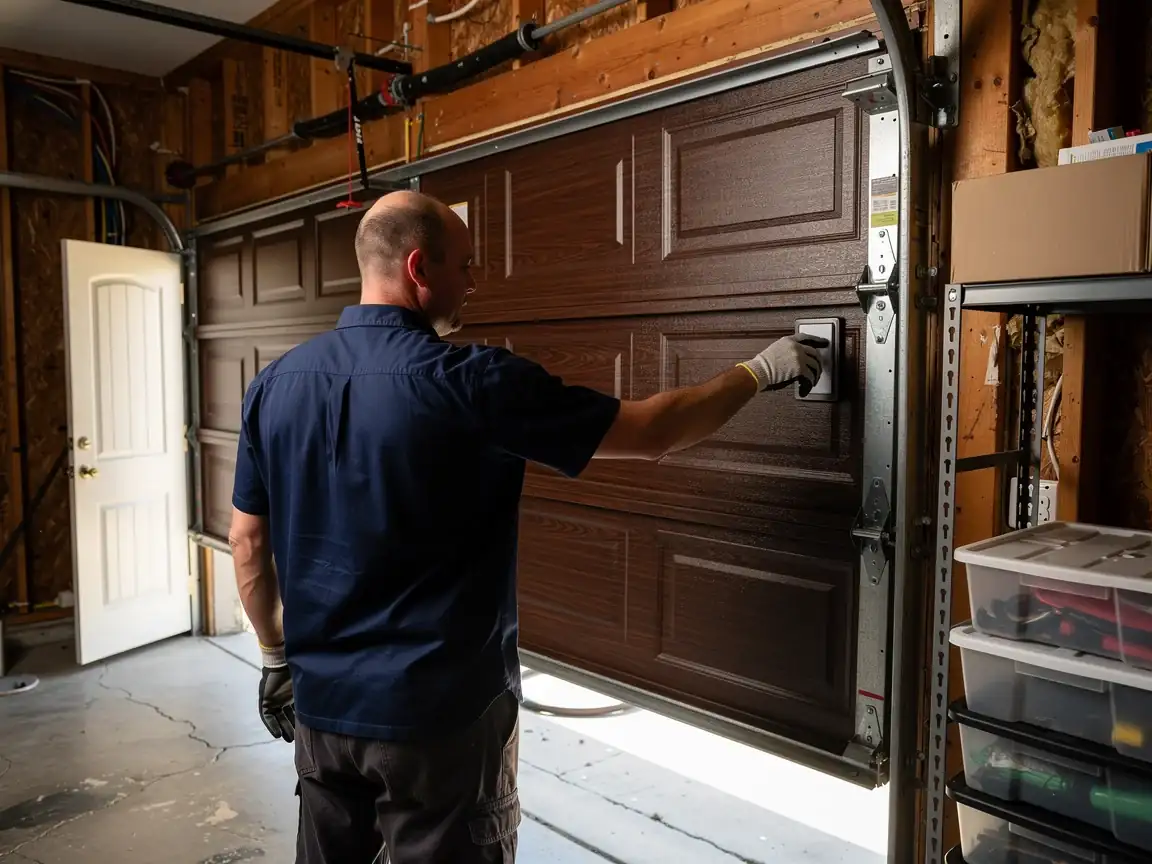
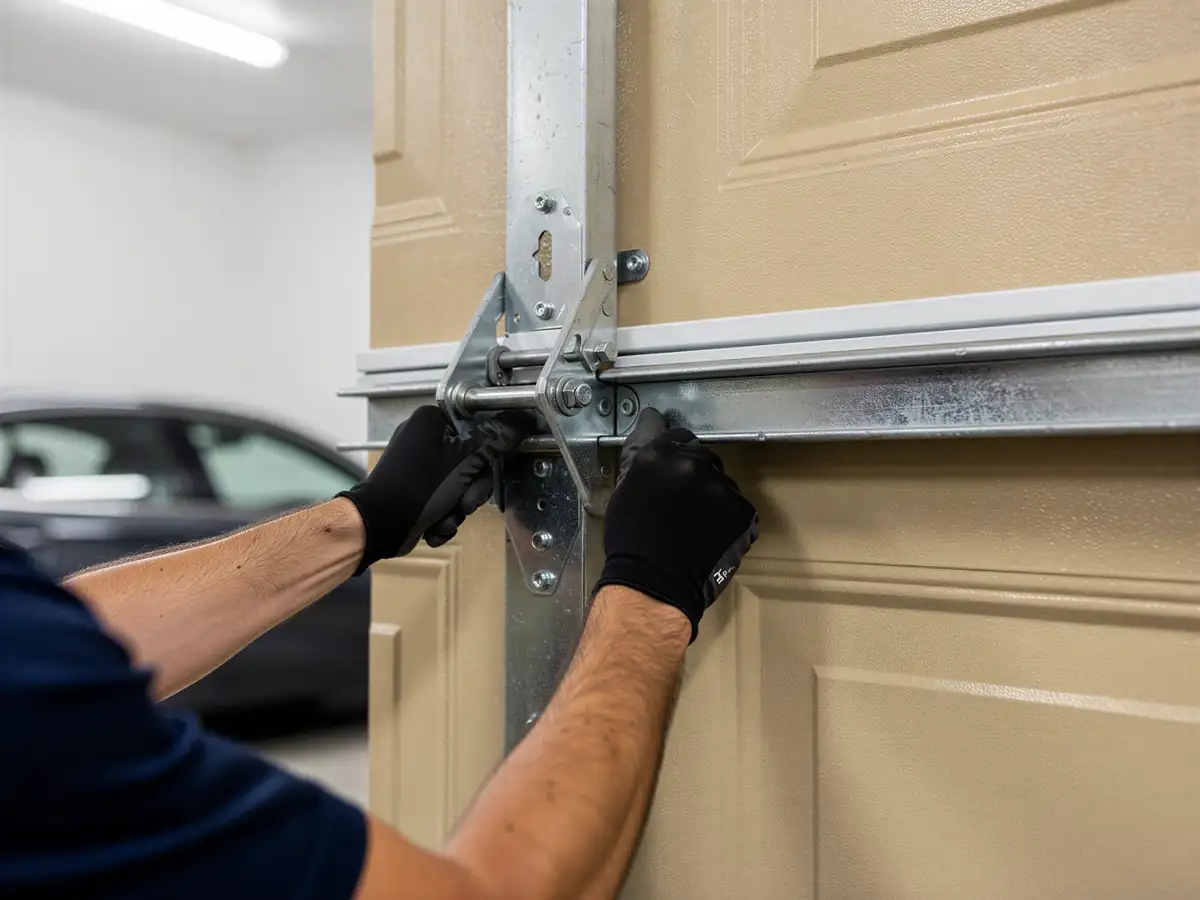
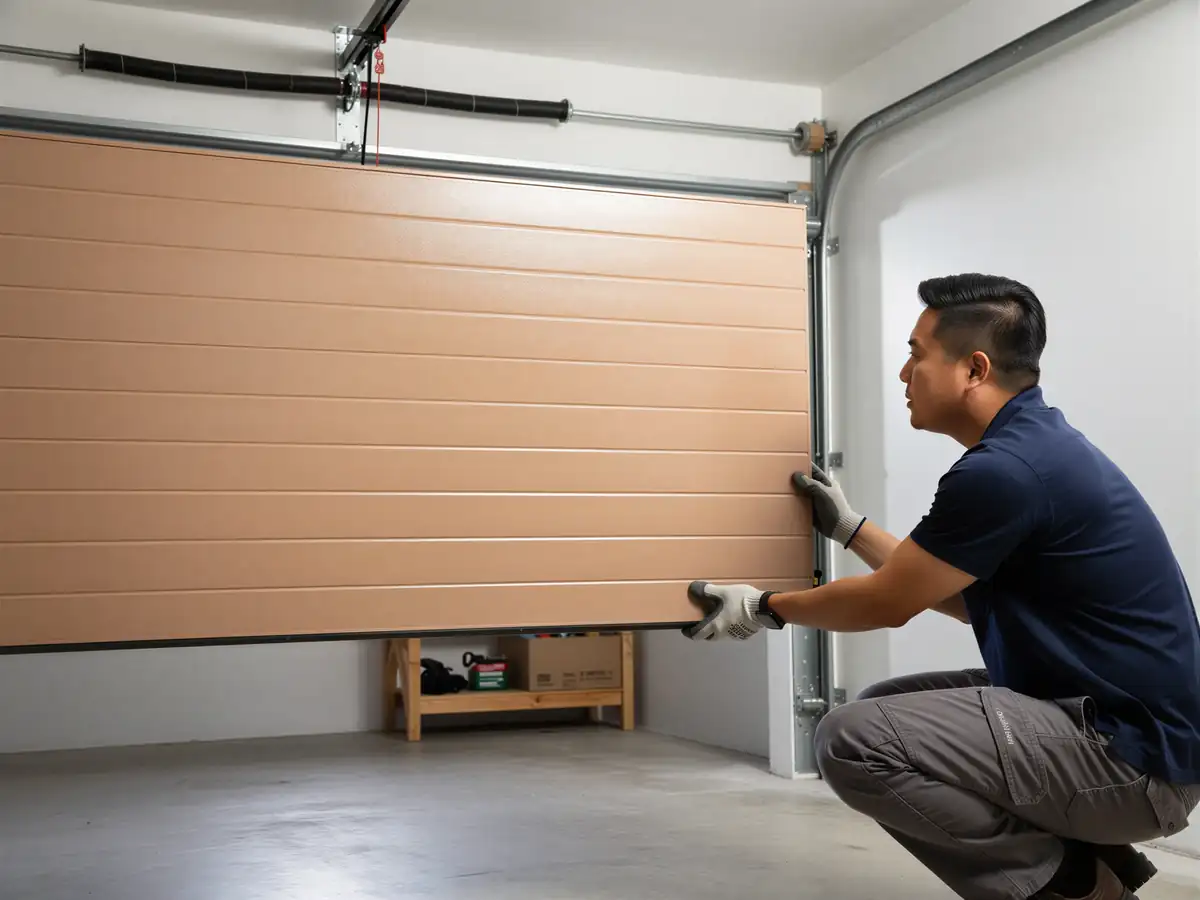
A torsion spring repair is the same core job anywhere - wind down the broken spring, pull the shaft, replace both springs as a matched pair, re-tension to the door's actual weight. What changes house to house is the hardware we're pulling off, and in Fairfax Station that hardware mostly dates to houses built around 1982, the median year for this area. That's the tail end of a build window that ran from 1938 up through more recent construction, but the bulk of what we see on service calls here is early-80s stock: steel torsion shafts, center-mounted bearing plates, springs sized to lighter wood or early steel doors rather than today's heavier insulated panels.
We measure the door, not the age of the house, before we quote a spring size - a 1982-era door that's been swapped for a heavier replacement panel at some point needs a different wind count than the original hardware called for, and that's a common mismatch we find once we're actually standing in the opening.
Why This Fails Locally
This region sits in a cold-climate band with real seasonal swing
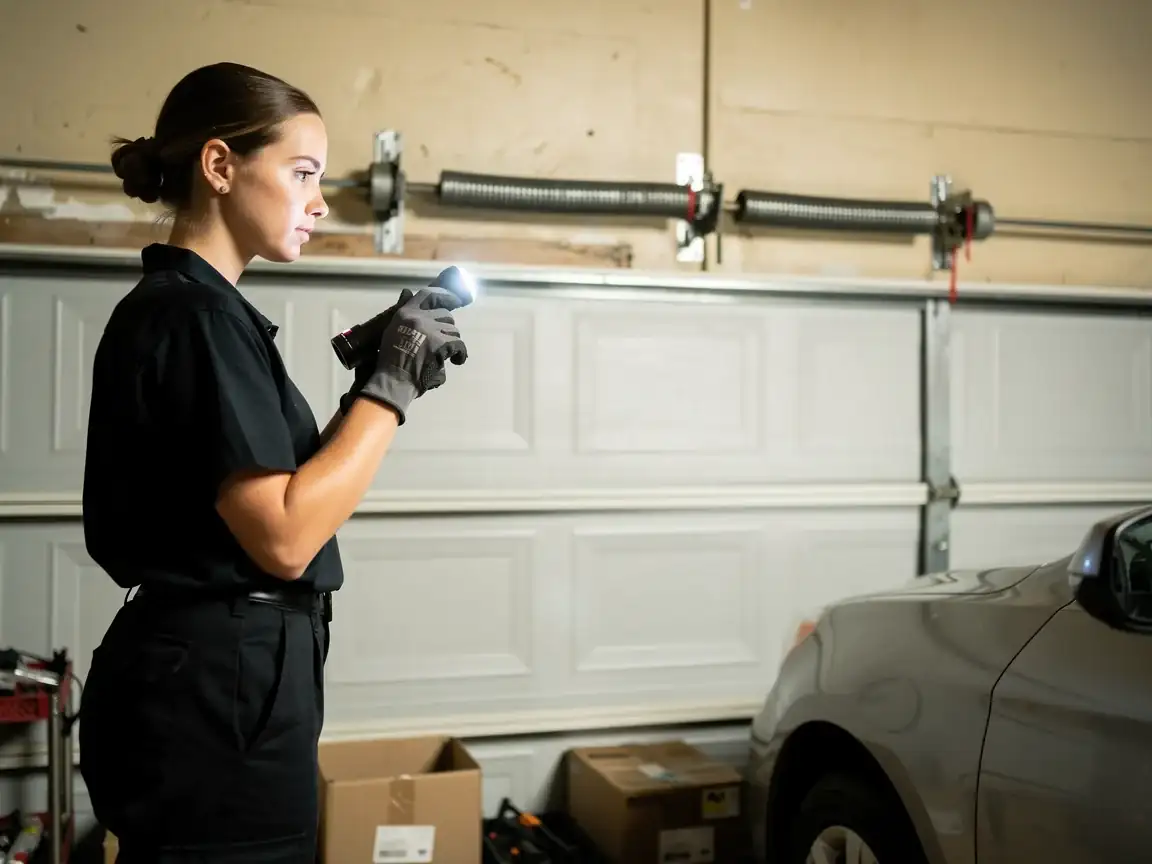
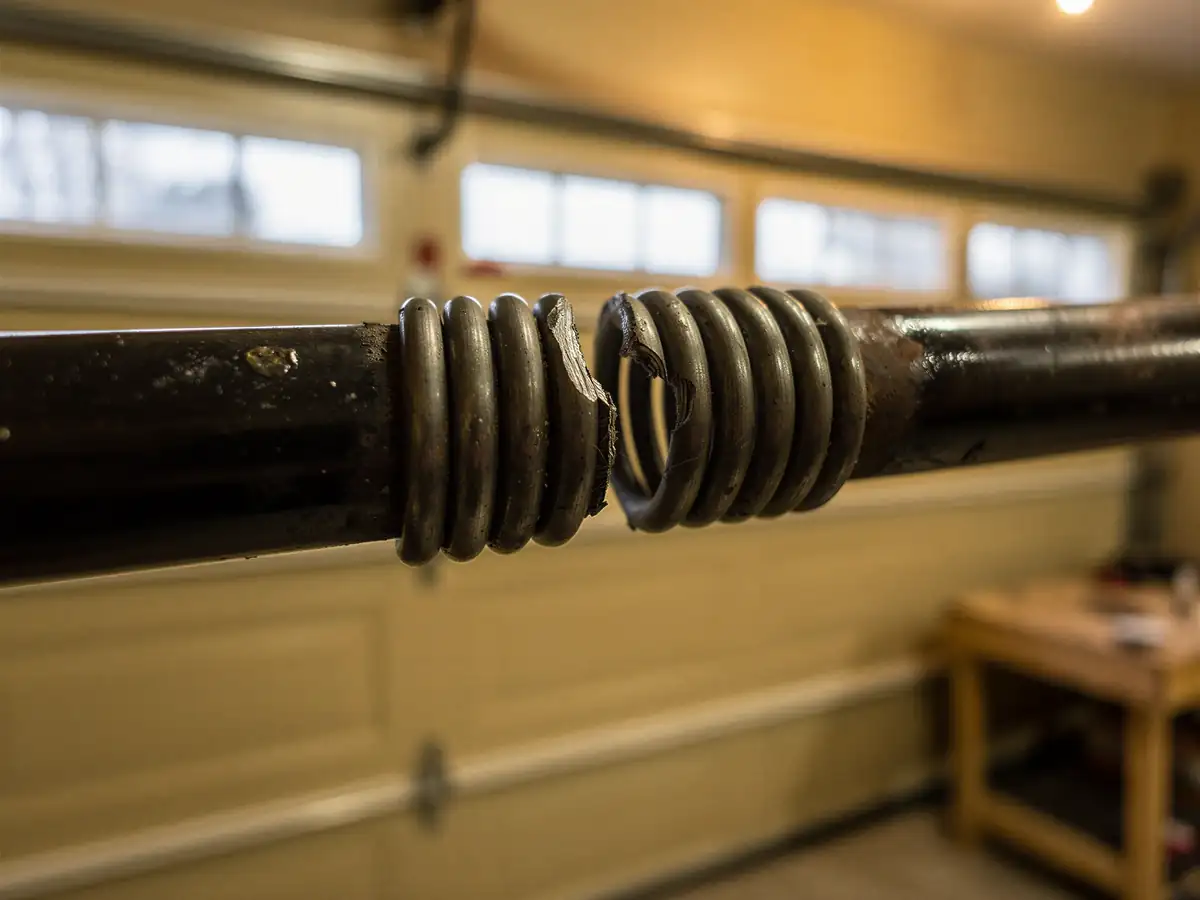
And steel contracts in winter the same way it does everywhere else - but a spring that's already fatigued from 30-plus years of cycling is the one that actually snaps on the cold morning, not the one that's been recently replaced. Houses built in the early 1980s that still carry their original torsion springs are running on hardware that's well past any reasonable service life, and the failure usually shows up as a sudden full break rather than a slow fray, because galvanized torsion springs tend to go all at once.
We also see mismatched spring pairs on these older doors
One side replaced at some point, the other original - which puts uneven tension on the shaft and accelerates wear on whichever spring is newer. It's not a Fairfax Station-specific defect, but the age of the housing stock here means we run into it on a regular share of our calls to this area.
Stocked Parts
We carry common torsion spring sizes on the truck, which covers the bulk of what fits doors from the early-80s building era that makes up most of this area. What we don't stock is anything for a nonstandard or custom door - an oversized opening, an unusual drum size, or hardware from a manufacturer that's gone out of production. If a house here has had a custom door installed at some point, that's a part we may need to order rather than carry, and we'll tell you that on the spot rather than make you wait at the curb while we guess.
Given the drive out from Gainesville, having the right spring on the truck the first time matters more here than it would on a closer call - a second trip for a part costs real time on a 16-mile round trip, so we'd rather over-stock common sizes than under-stock and come back.