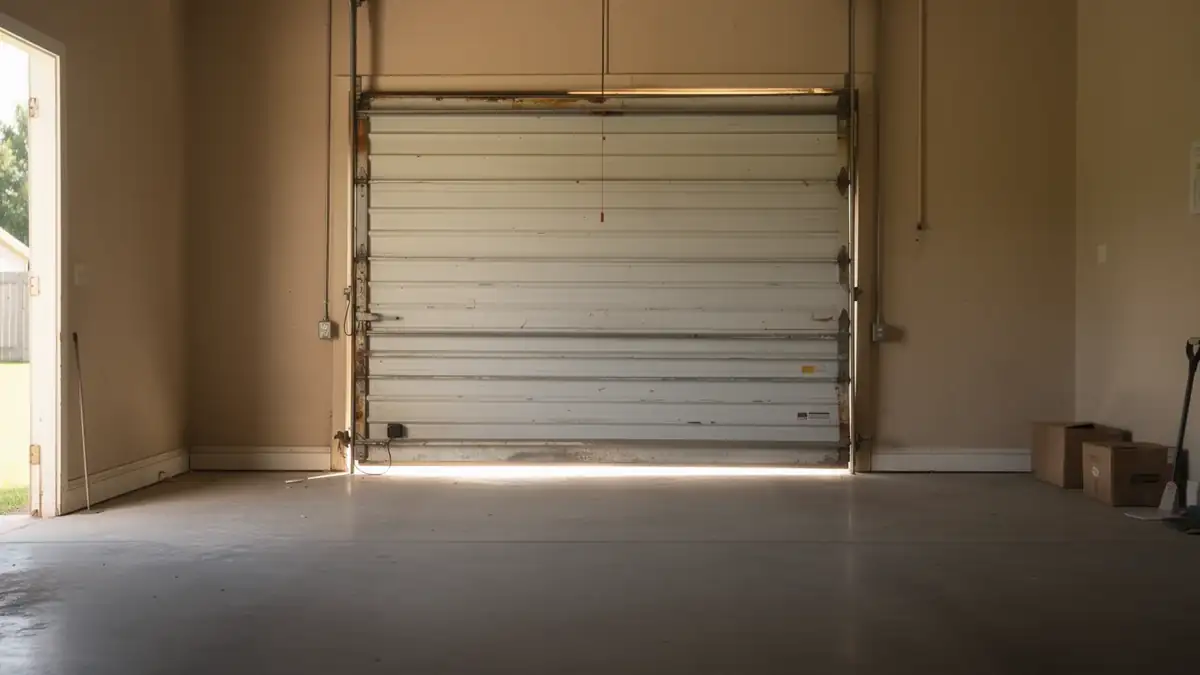
Doing Nothing For Now
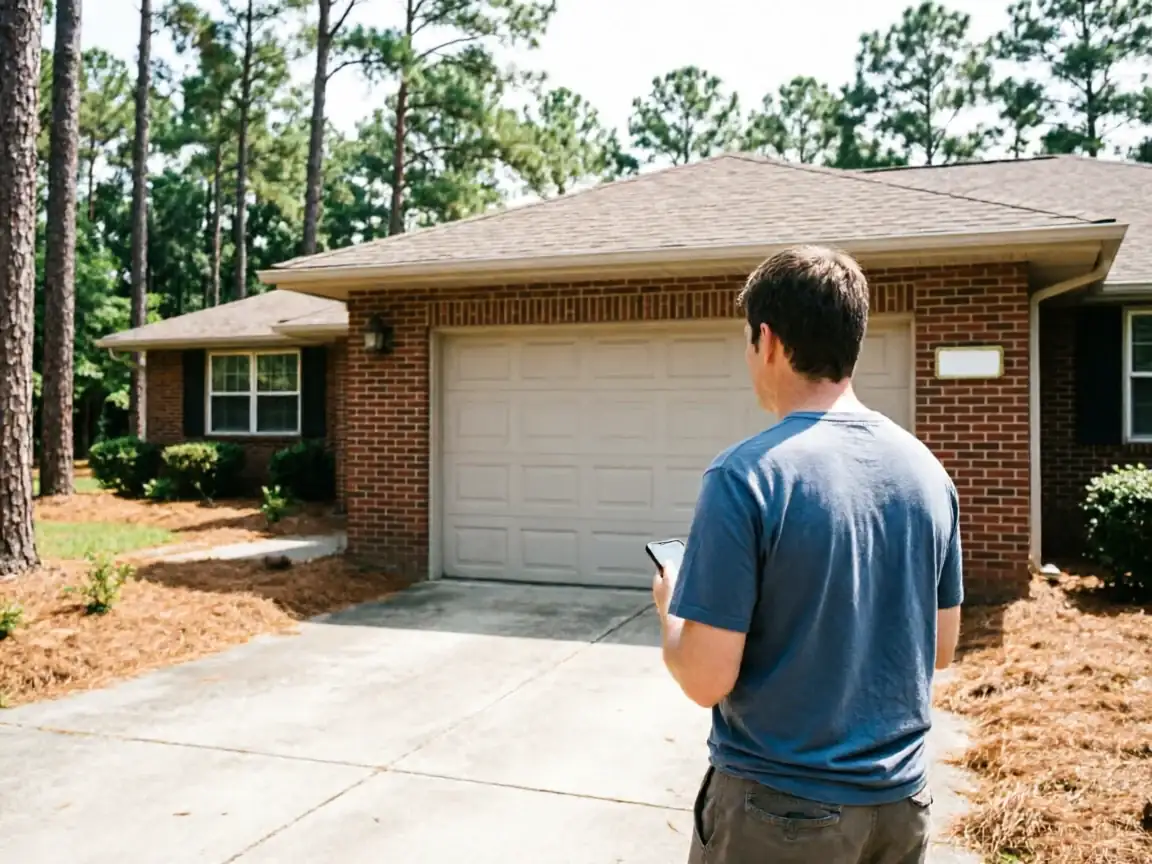
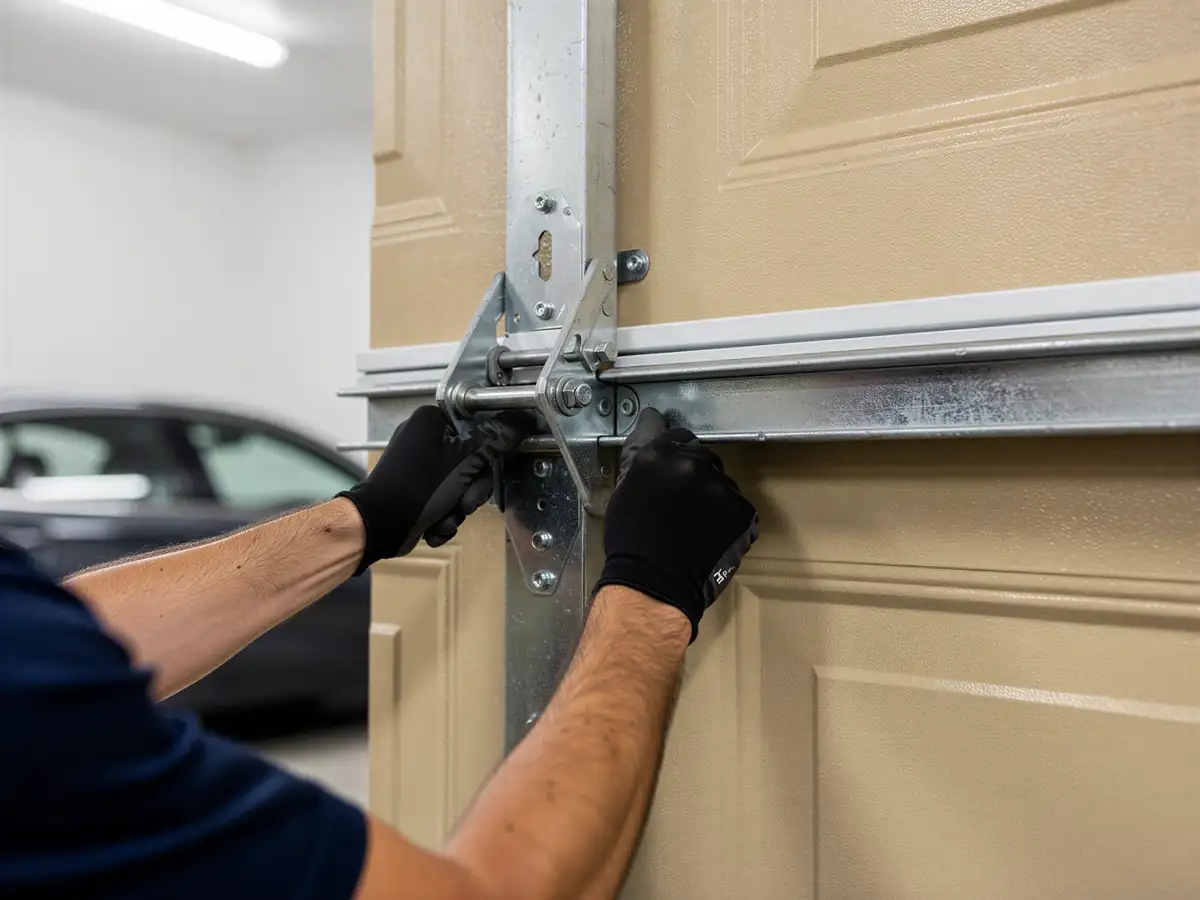
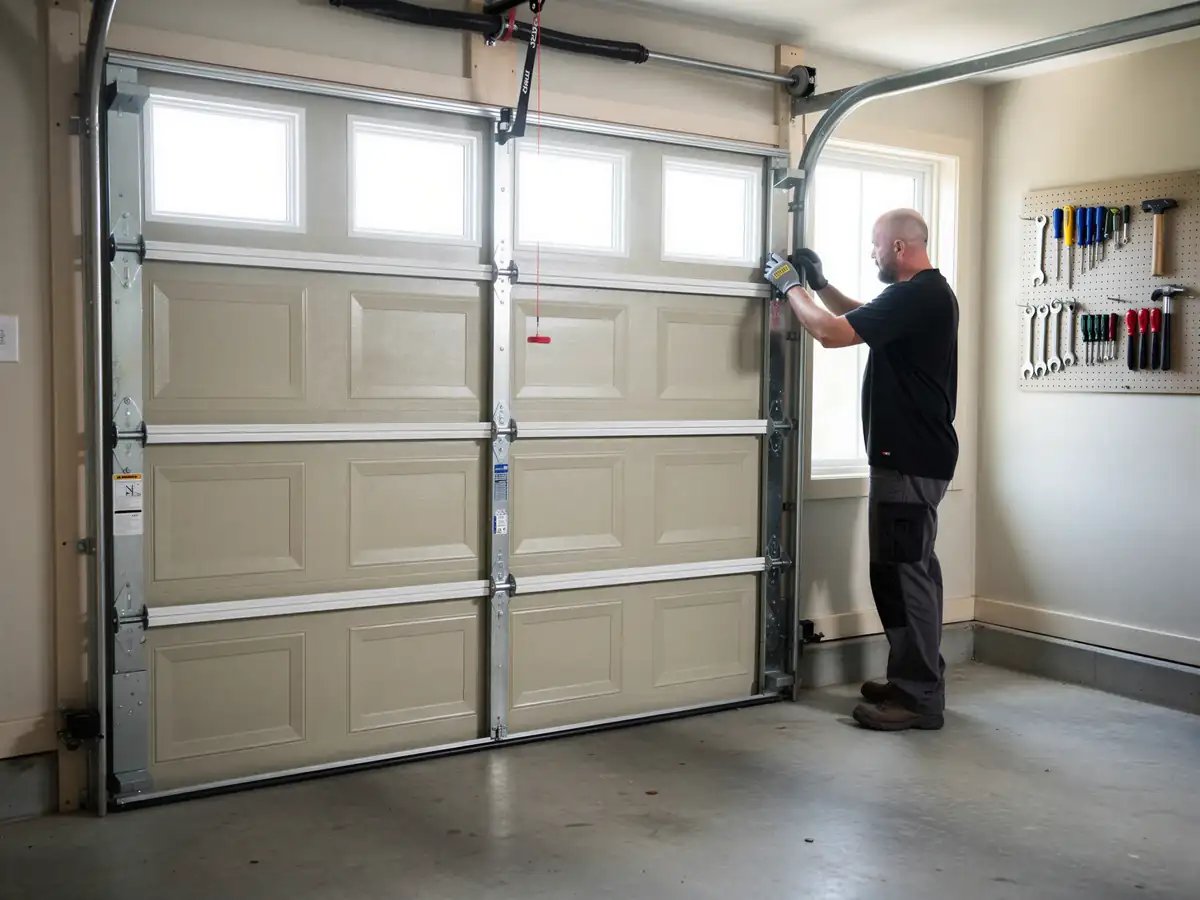
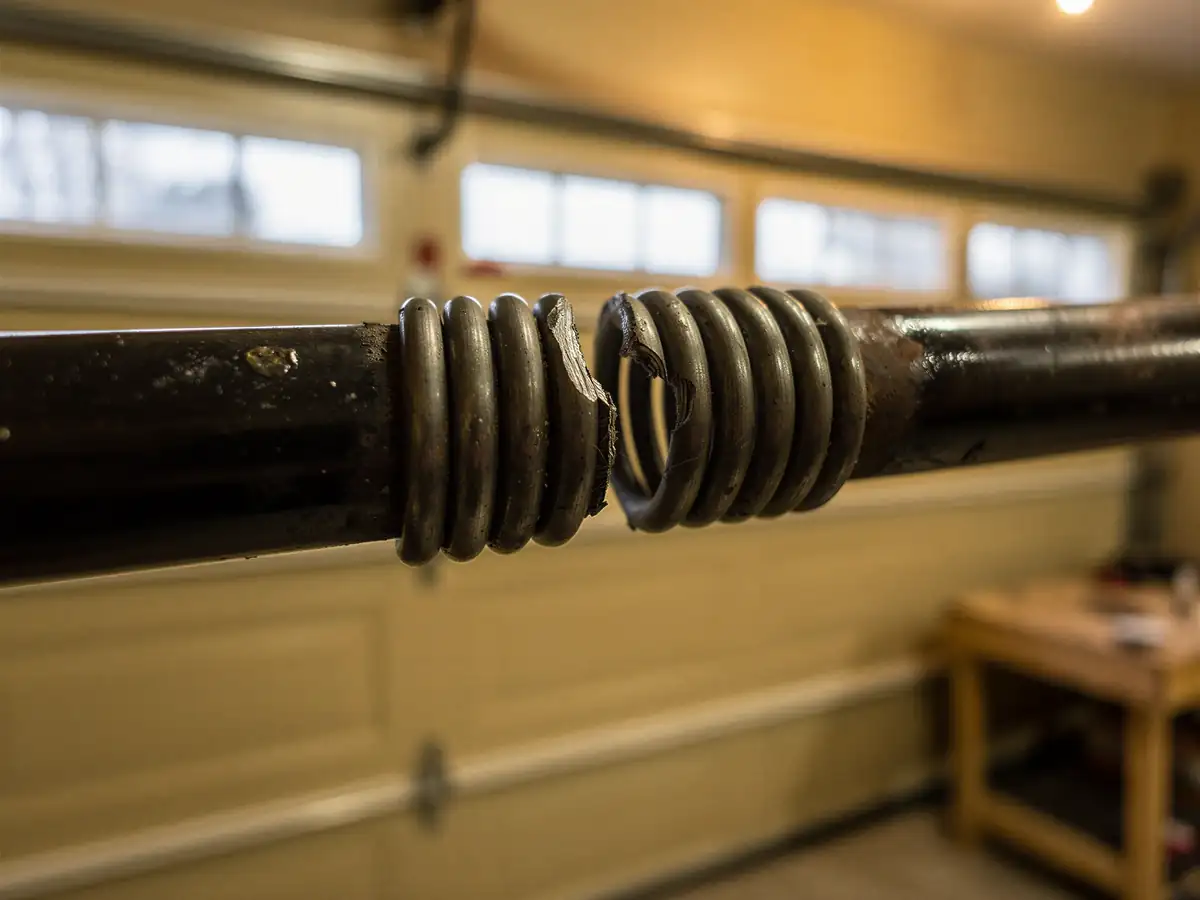
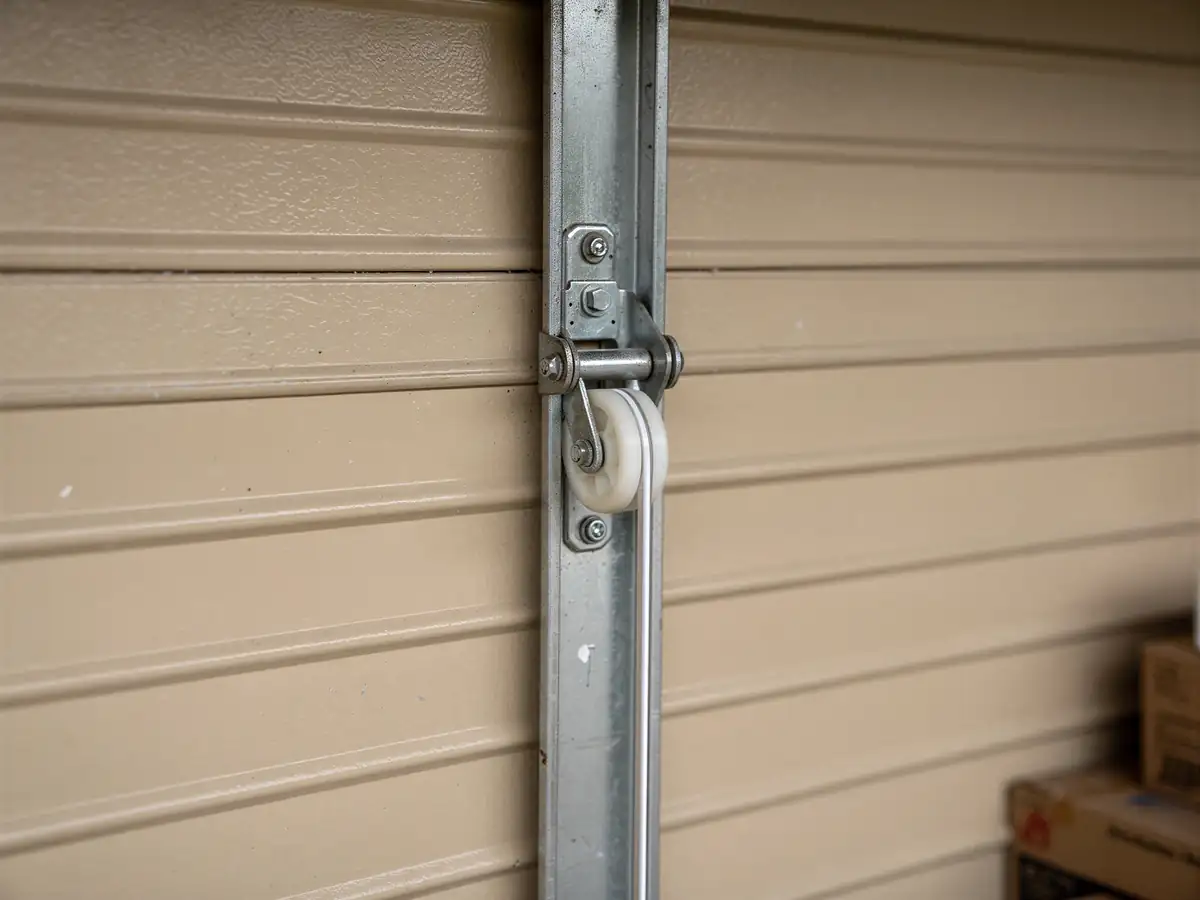
A lot of homeowners in Gainesville put off a garage door repair because the door still opens. That's fair reasoning for plenty of things in a house, but not for a door with a bad spring or a bent track. Housing in this service area was built between 1938 and 2015, with most of it going up in the 1980s and 90s, which means a big share of the doors out there are original hardware pushing thirty or forty years old. A spring that's starting to sag or a roller that's chipped doesn't fix itself with time. It gets worse, usually at the worst moment - cold morning, car half in the driveway, door stuck halfway.
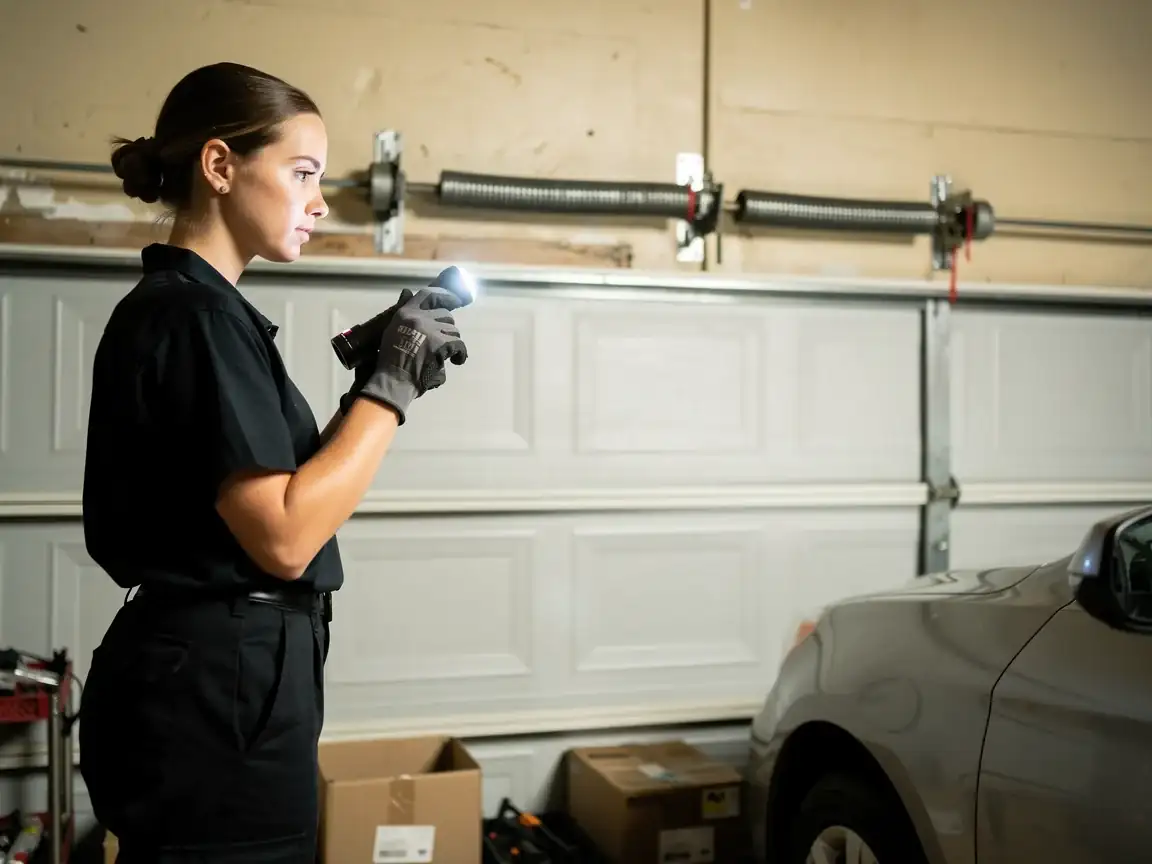
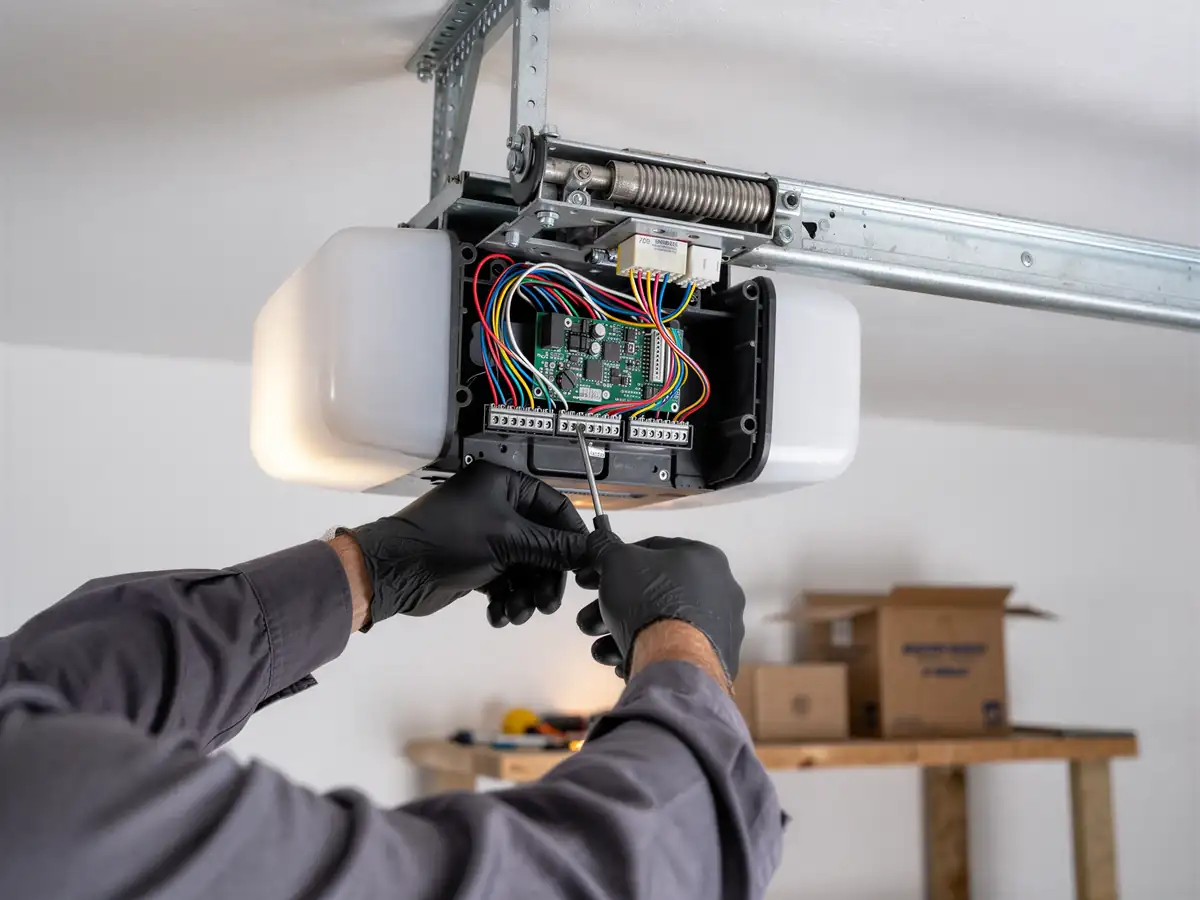
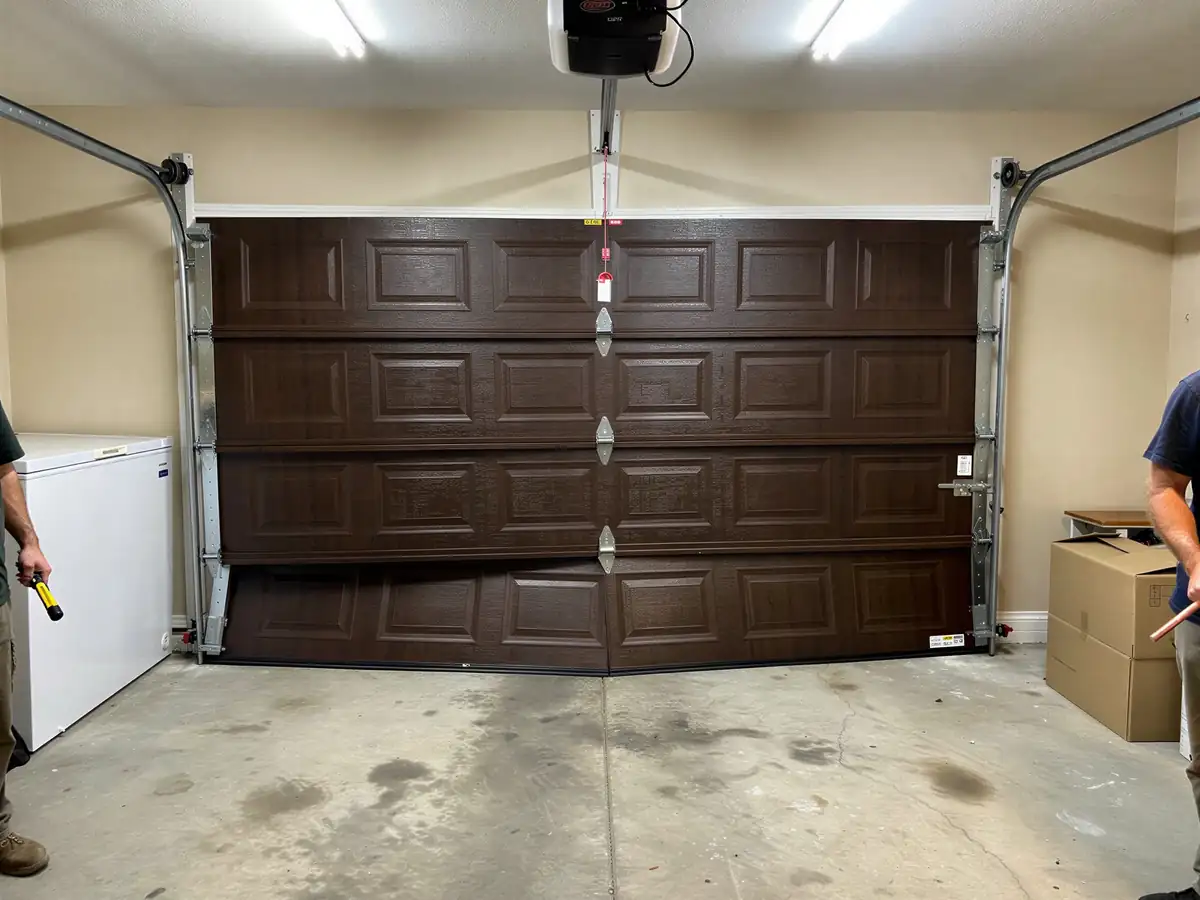
Waiting costs you in two ways. First, a small problem (a worn roller, a loose cable) turns into a bigger one (a snapped cable, a door off its track) that costs more to fix and takes longer to get parts for. Second, a door that's working hard against a bad spring puts extra load on the opener motor, which is a more expensive part to replace than a spring. If your door is making noise, binding, or closing unevenly, that's the system telling you something before it quits outright.
What Local Conditions Do
This area sits in a severe cold climate band, and that matters more for garage doors than most people think. Steel contracts in cold weather. On a door with worn weatherstripping or a track that's slightly out of alignment, a hard freeze is what turns a minor misalignment into a door that won't seat right or a seal that lets wind through. Grease that was fine in October gets stiff in January, which is when a lot of our calls for a opener straining or a door that won't fully close come in.
Houses built in the 1980s and 90s - the bulk of the stock across the 17 named areas in this service area - mostly have single-layer steel doors without the insulation standards that came later. Those doors move more with temperature swings than a modern insulated panel does, and the hardware holding them takes more of that movement over the years. It's not a flaw in the house, it's just the era it was built in. Knowing that is the difference between chasing a symptom - a squeak, a shudder - and understanding why it's happening when the temperature drops.
The Cost of This Job
I don't have a price list to hand you here, and I'm not going to make one up
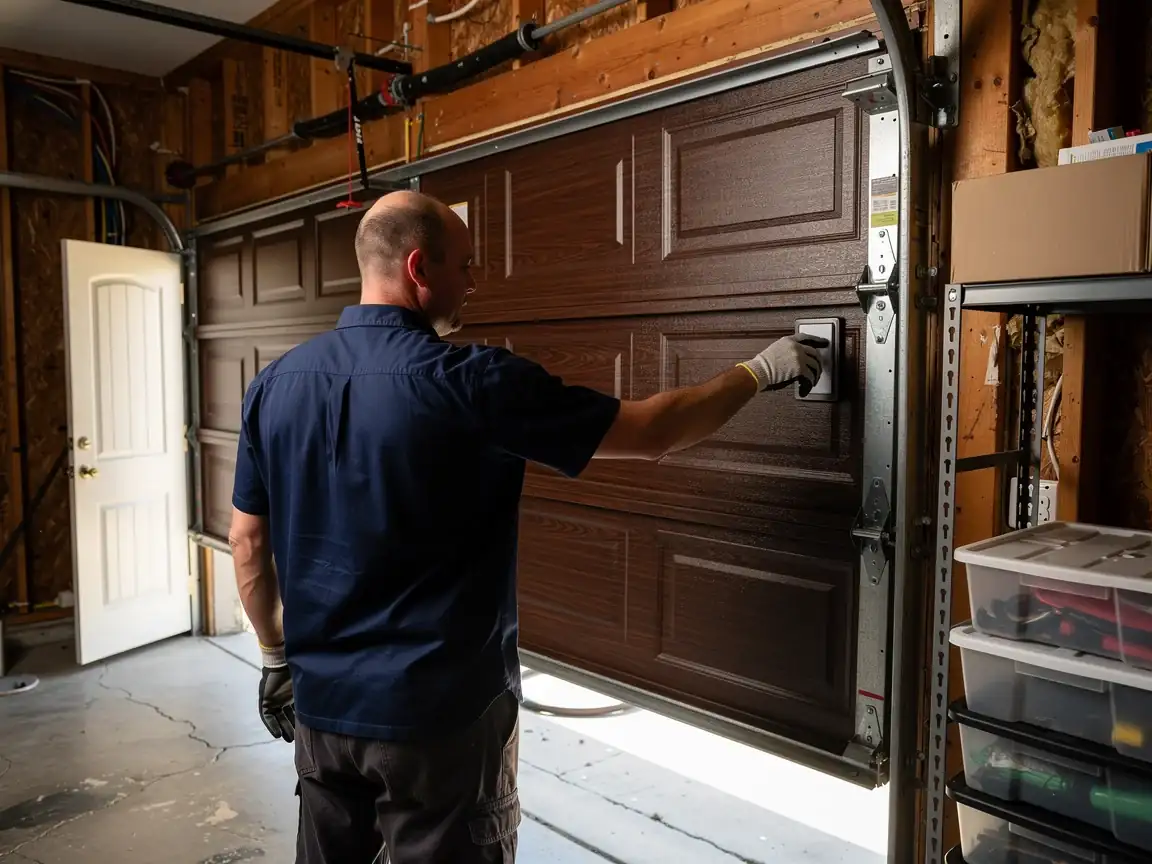
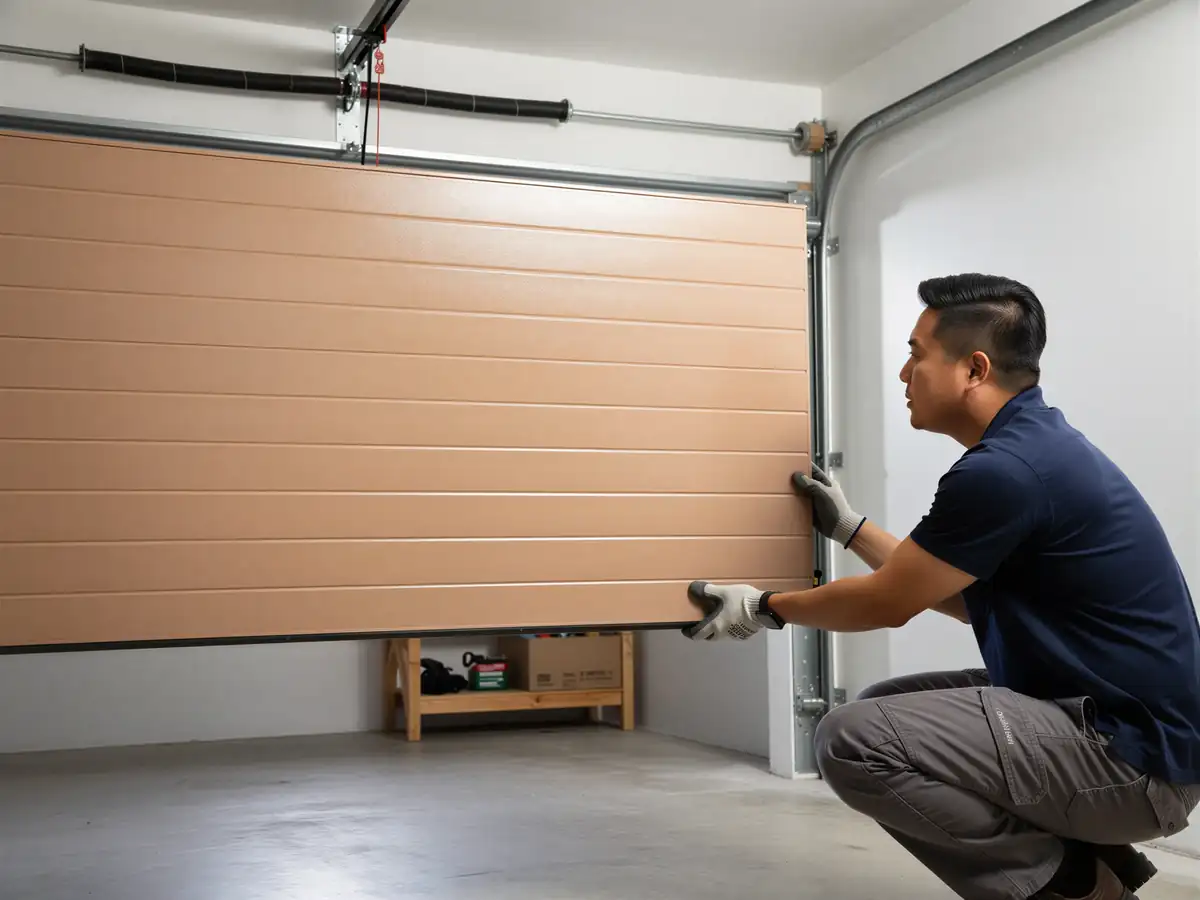
What I can tell you is what drives the cost on a given job: whether it's a spring or a full opener, whether the track needs realignment or replacement, and how old the existing hardware is. A door original to a 1980s or 90s build in this area is often at the point where patching one part means the part next to it is close behind - that changes the math on repair versus replace.
Median household income across this service area runs over $111,000
And that's relevant because it shapes what gets fixed versus replaced. A lot of households here choose to replace an aging opener or door rather than keep patching 30-year-old hardware piece by piece, especially once a cold-weather failure happens more than once in a season. That's a reasonable call. The honest limitation: if your door or opener is genuinely near the end of its life, a repair might buy you one winter, not many. I'll tell you straight when that's the case instead of running up a bill on a part that's not worth saving.
What Is Going On
Most of the service calls we see fall into one of two buckets: age and cold. Age because the housing stock here spans 1938 to 2015 with a median build year of 1982, which puts a huge number of doors and openers well past their expected working life. Cold because this area sits in a severe cold band, and steel hardware that's already worn doesn't flex the same way it did ten winters ago.
The pattern we see most: a door that's fine all summer starts binding, squealing, or refusing to close fully once overnight temperatures drop. That's usually a spring losing tension or a track shifting slightly out of alignment - both things that get worse with repeated cold cycles, not better. If your house falls in the 1980s-90s range that makes up most of the stock across the 17 named areas here, there's a decent chance the door or opener is original. That's not a guess about your specific house - it's what the housing data for this area says, and it's worth checking before winter, not during it.