Doing Nothing For Now
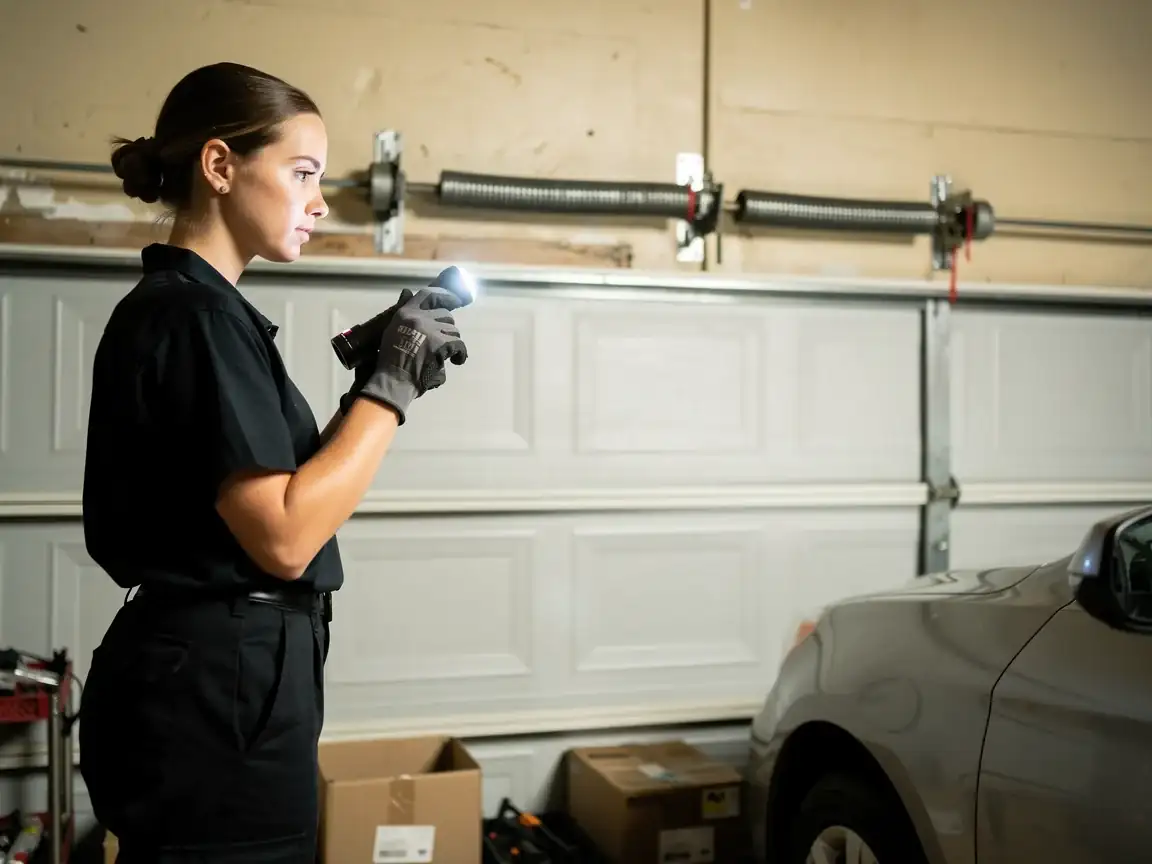
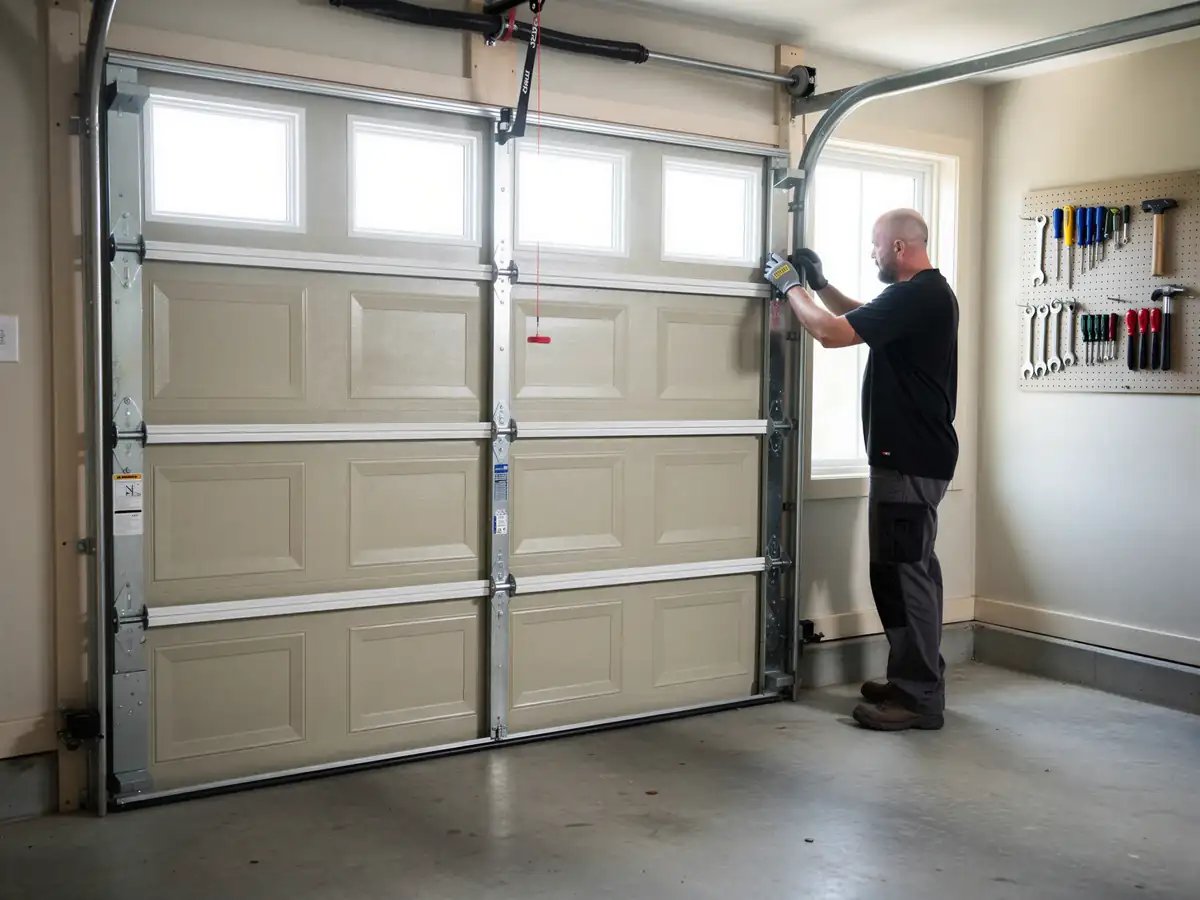
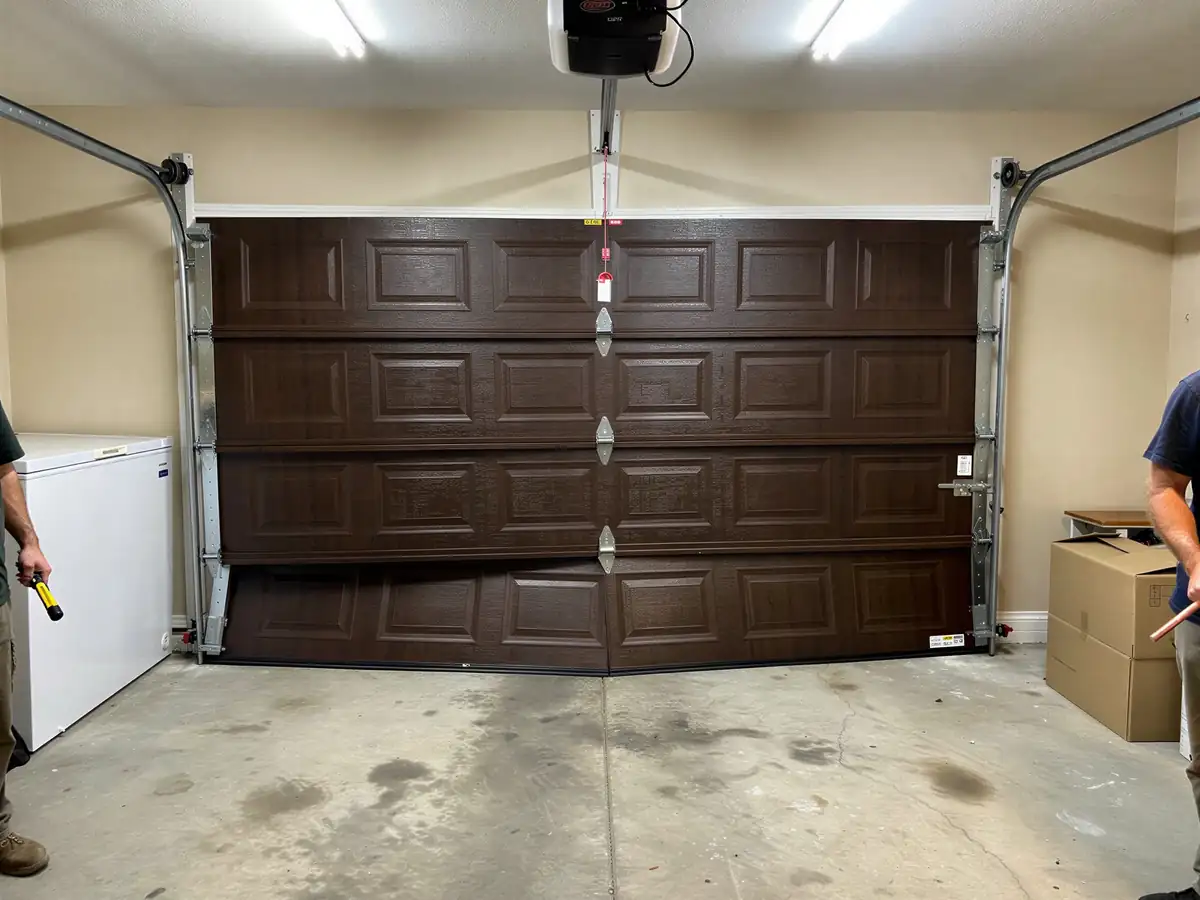
If your door is opening and closing without grinding, slamming, or hanging crooked, you can usually wait. That's true even here, where a lot of the housing went up between 1938 and 2015 with the bulk of it dating to the 1980s and '90s. A door that's 30-plus years old and still tracking straight doesn't need a truck out just because it's old. What changes the math is noise that's new, a spring that looks stretched or gapped, or a door that's started reversing on its own. Those are the signs that waiting turns a $150 call into a $500 one. One honest limitation: we can't tell you over the phone whether a noise is a dying bearing or a loose bracket. Some things need eyes on the hardware before anyone can say wait-or-call.
What Local Conditions Do
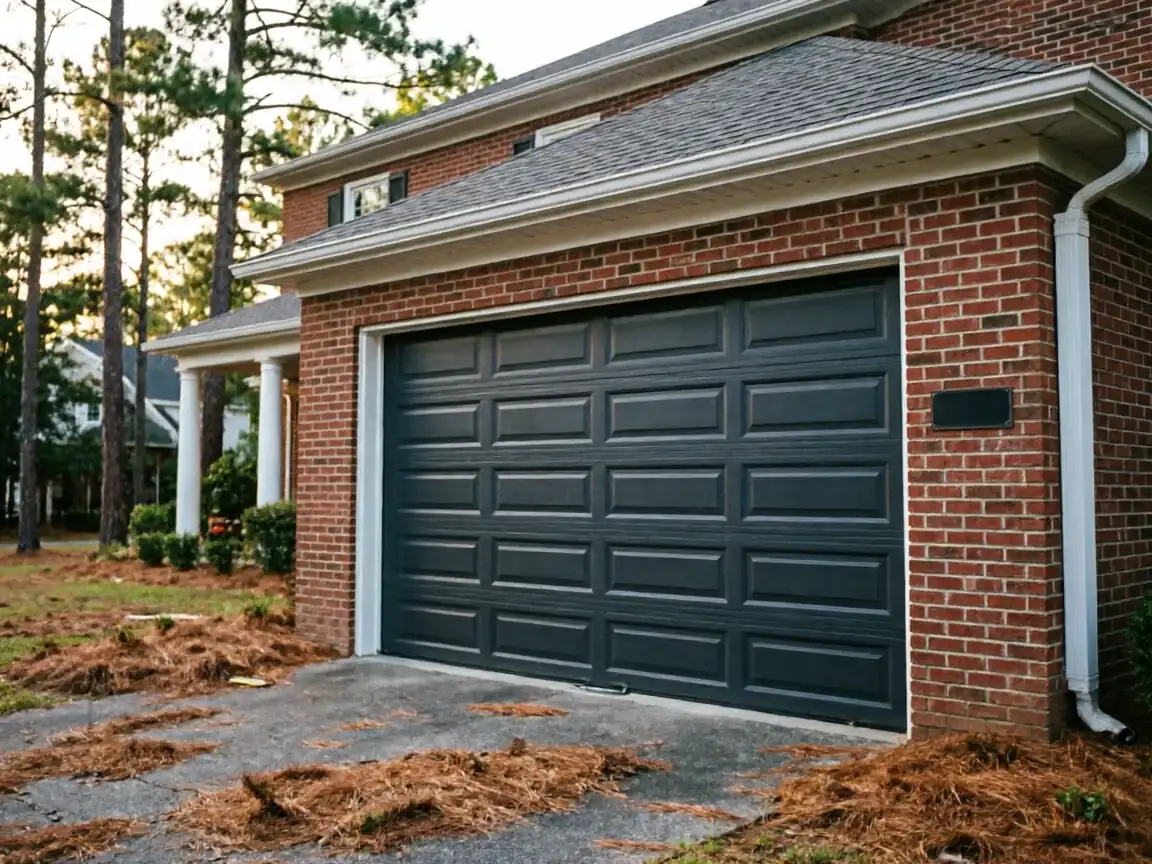
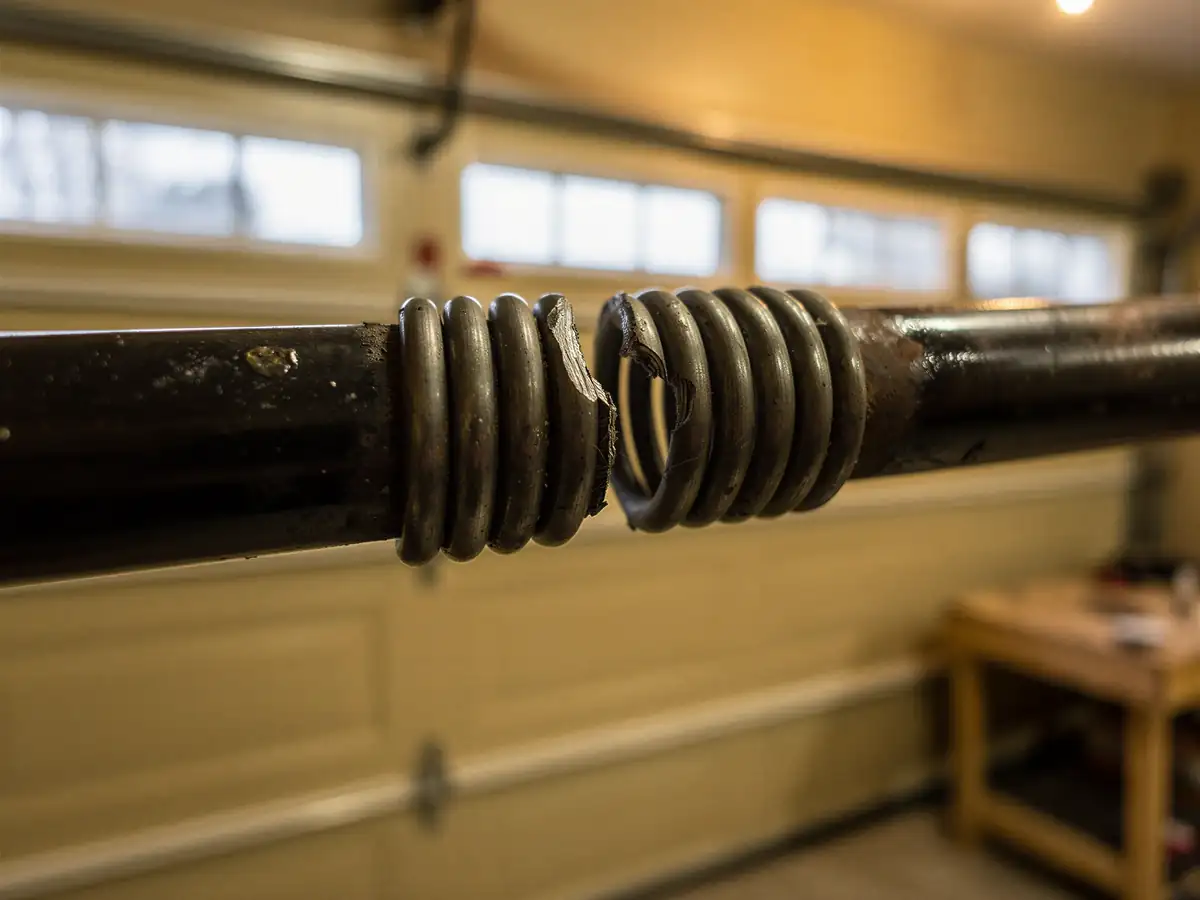
This area sits in a cold-severe climate band, and that matters more to garage door hardware than people expect. Steel torsion springs lose temper faster with repeated freeze-thaw cycling, and the grease in older rollers and bearings thickens in cold snaps, which is what makes a door sound rough on the first open of a cold morning but fine by afternoon. On houses built in the 1980s and '90s - which is most of what's standing across the service area's 17 named sections - that means original galvanized torsion springs are now well past the point where cold weather causes visible strain: sagging coils, flat spots, or a spring that's clearly lost its factory curve. Weatherstripping on these same-era doors also hardens and cracks with cold exposure, which lets in more cold air than the door was built to block. None of this is Gainesville-specific drama - it's just what cold-severe winters do to 30-to-40-year-old steel and rubber, and a lot of this area's housing stock is right in that window.
What Is Going On
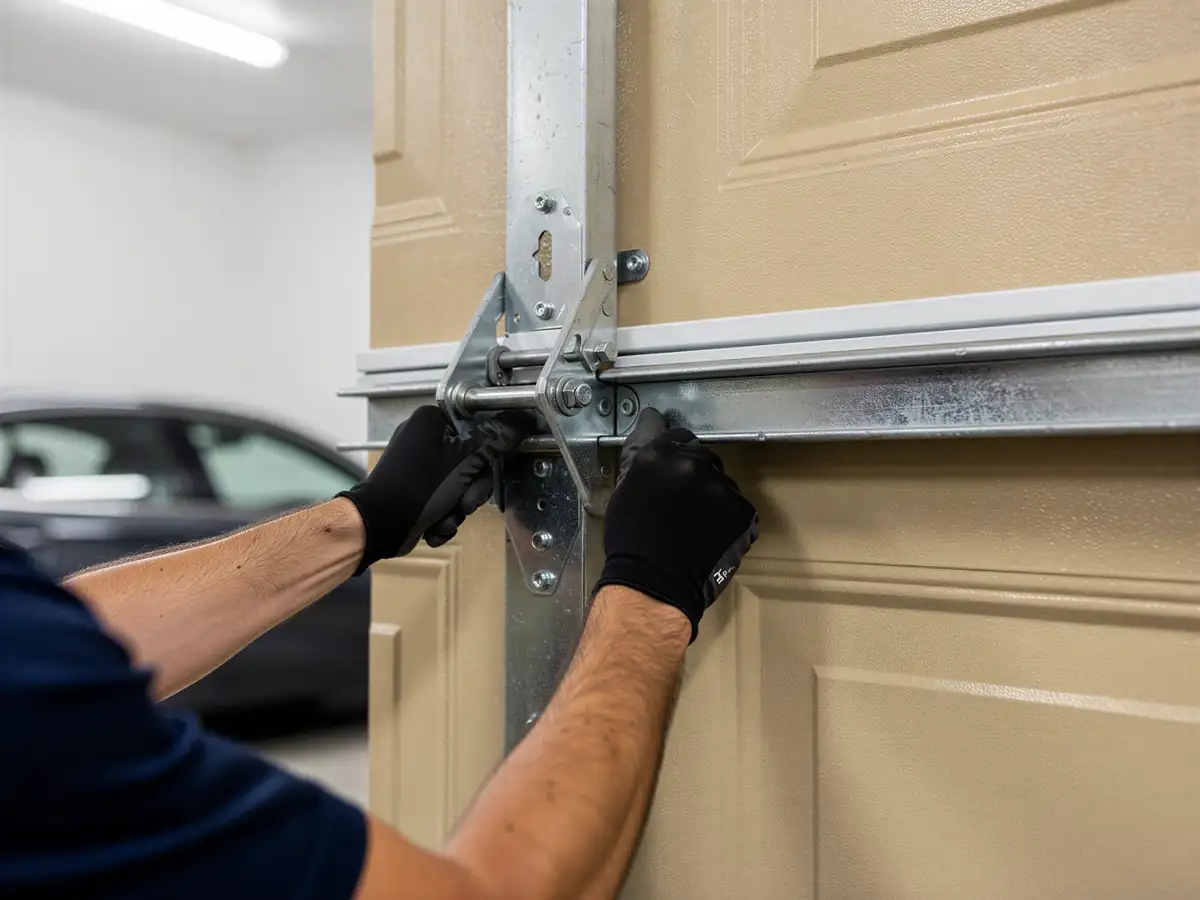
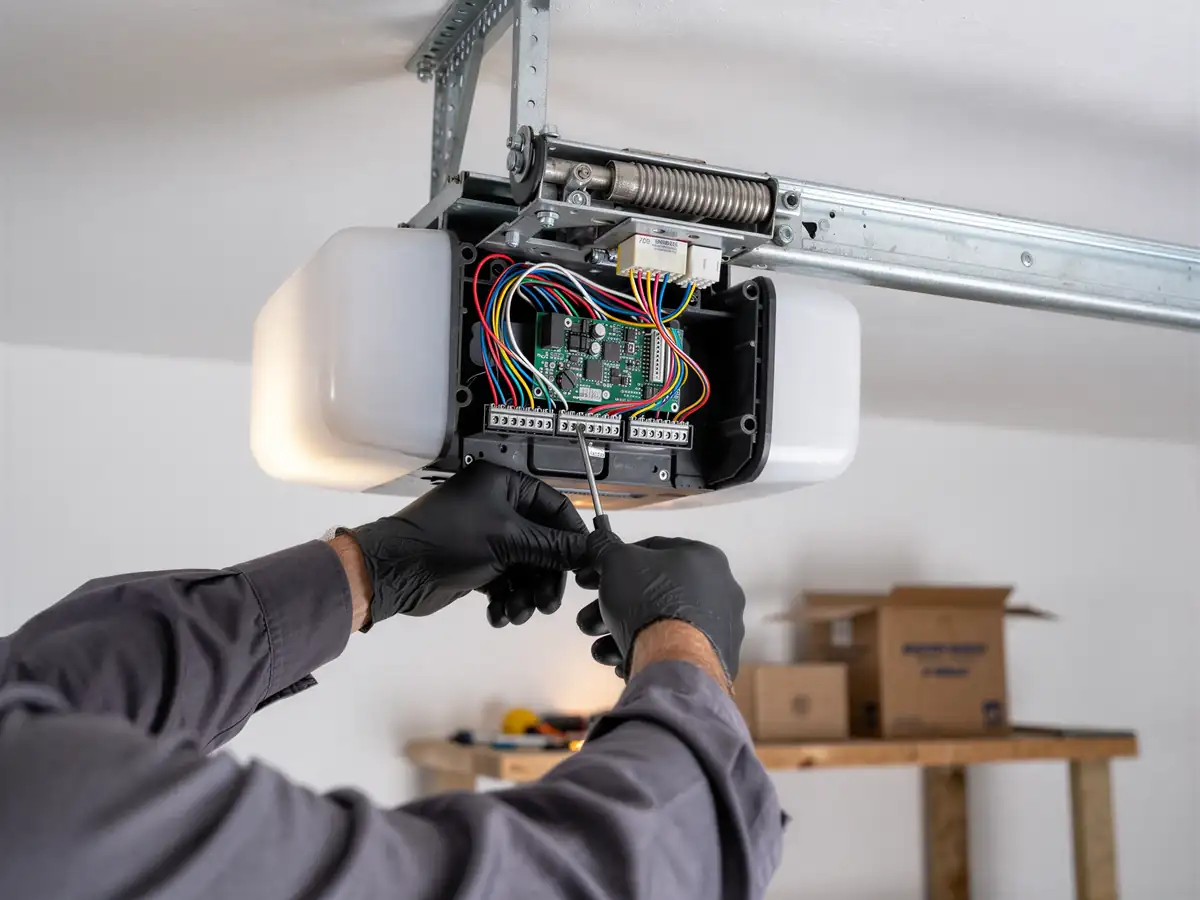
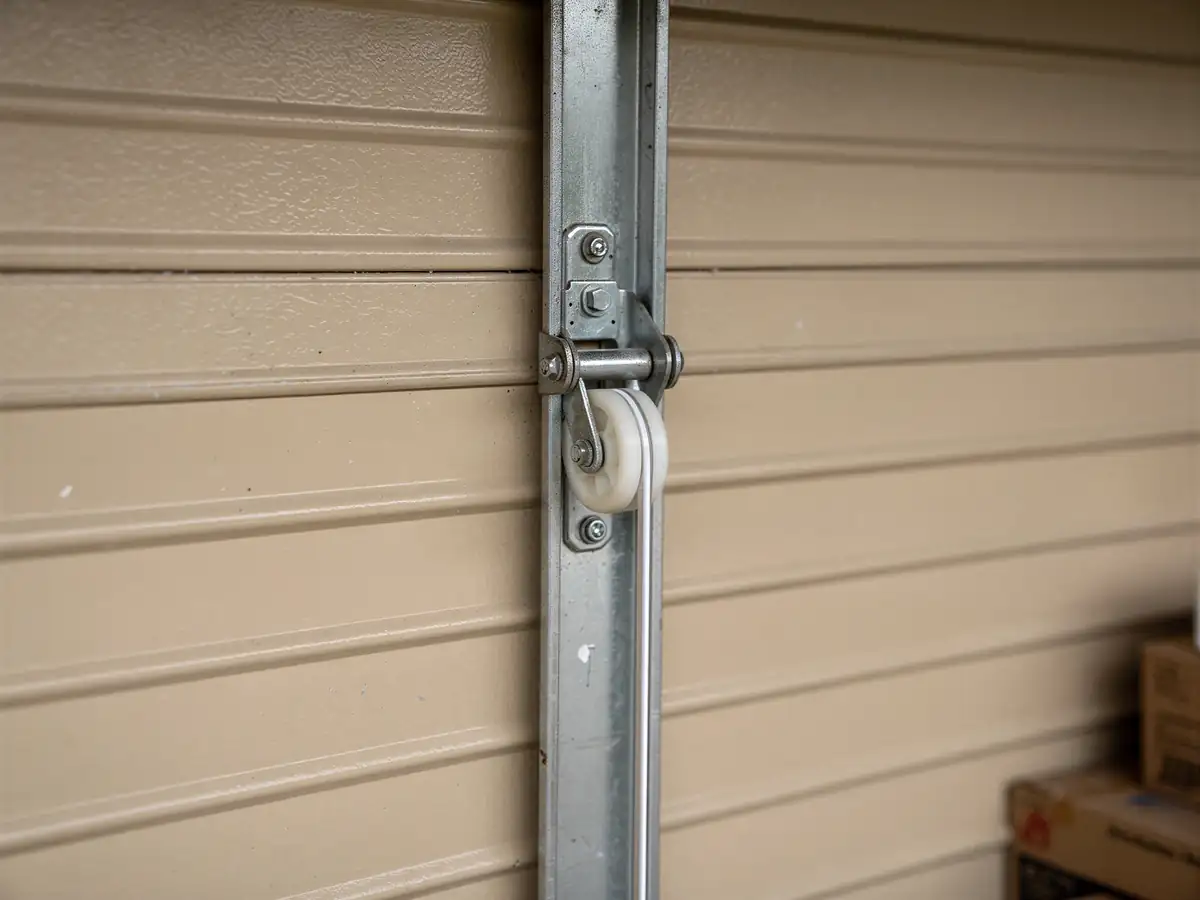
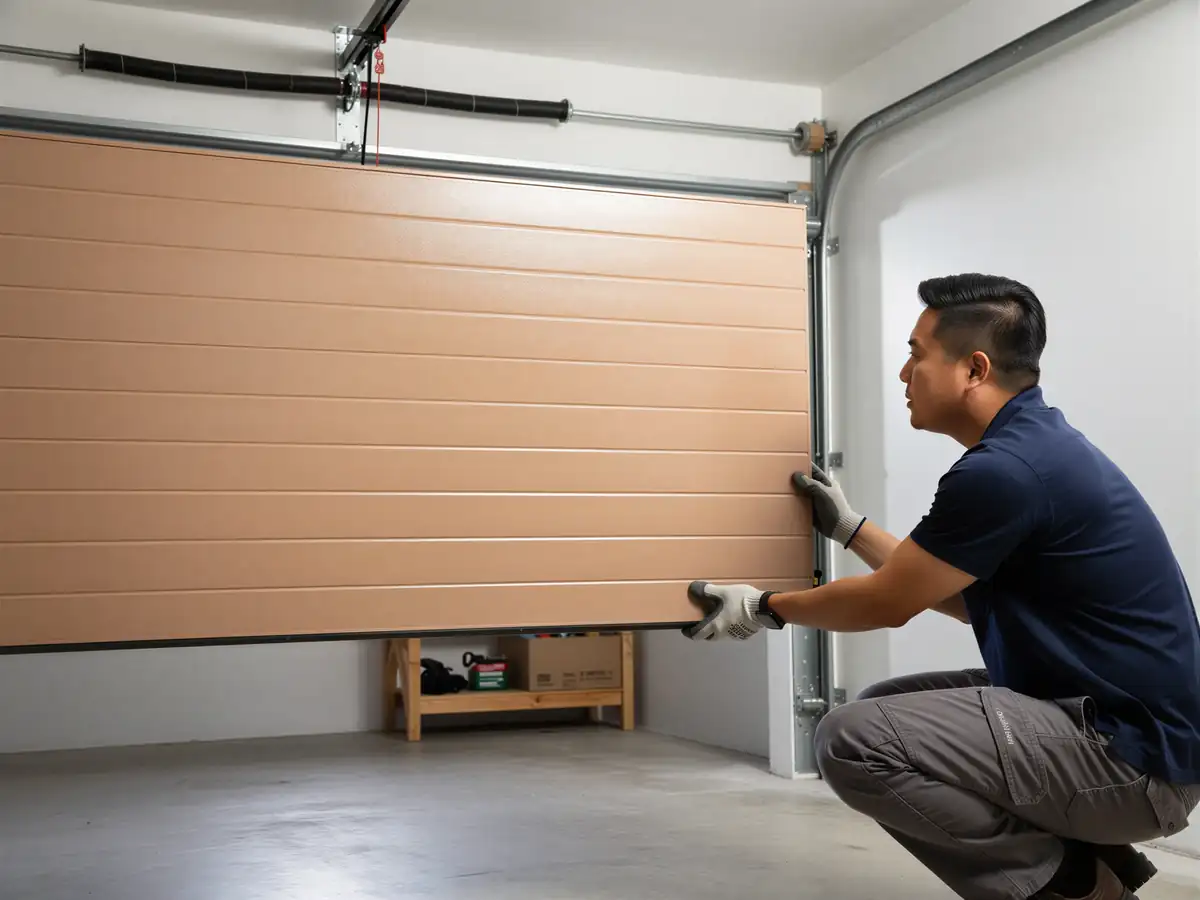
Most calls here fall into a handful of patterns tied directly to the age of the stock. Houses from the earlier end of the 1938-2015 range are starting to show failures in original hardware that's simply reached the end of its service life - springs, cables, and rollers don't last forever even with no damage. The bulk of the stock, built in the 1980s and '90s, is at the age where torsion springs commonly fail outright rather than just wearing. Newer construction closer to 2015 tends to bring in opener and sensor calls instead of mechanical failures, since the steel and tracks are still fresh. When we show up, we're usually not guessing blind - the build era of the house narrows down what's likely wrong before we even open the panel.