Where We Stop
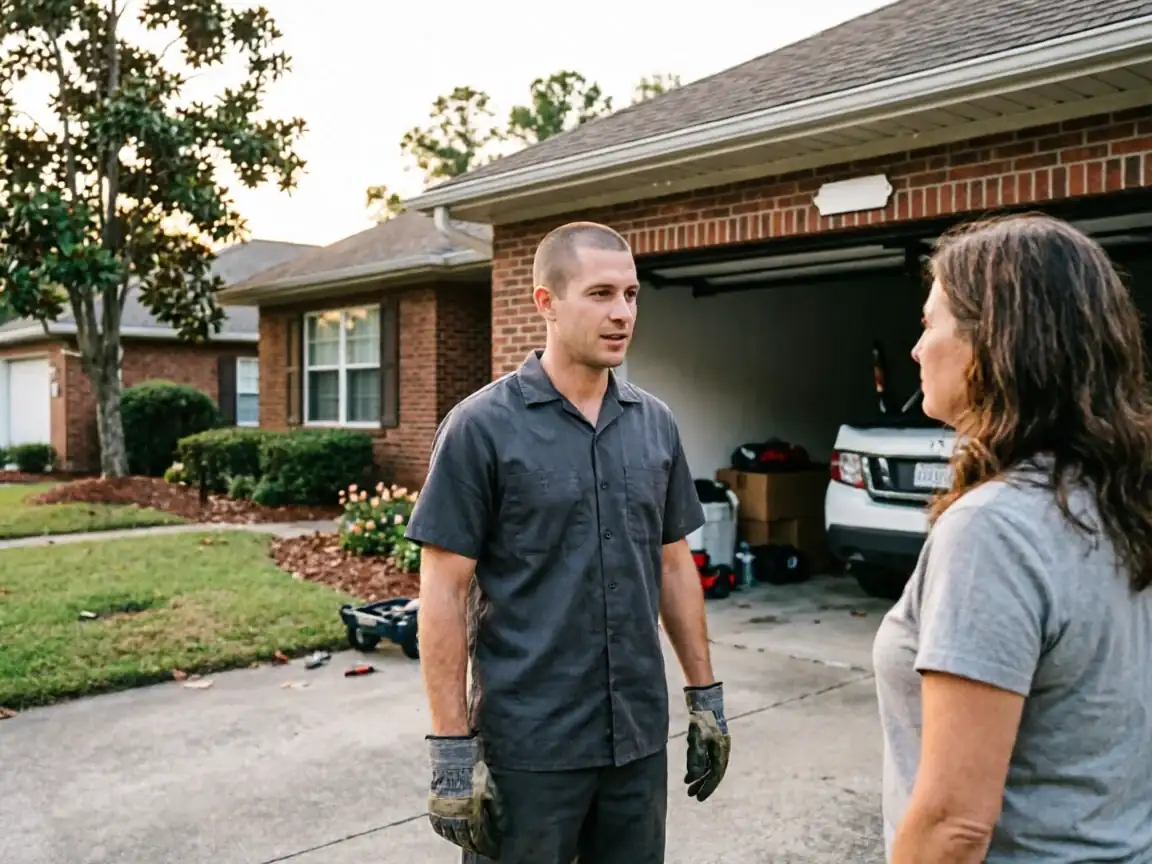
Haymarket sits about a mile from our shop in Gainesville, which puts it at the near end of every route we run. We don't keep a depot or a drop box in town - we work out of Gainesville and drive to you, same as we'd drive to Nokesville eight miles out or The Plains nine miles out. The difference with Haymarket is how short that drive is. A one-mile hop means less time between the call and the truck pulling into your driveway than almost anywhere else we cover, and it means we can fit a Haymarket job into a gap between two other calls without reshuffling the whole day. That's a logistics fact, not a promise of a specific arrival time - we're not going to quote you a number we don't have. What it does mean is that Haymarket jobs rarely get pushed to the end of the list for being out of the way, because they aren't out of the way. Across the wider service area we cover 17 named communities with very different ages of housing, and Haymarket's position close to Gainesville doesn't change what's actually on the house - that's a separate question, and it's the one that actually determines what parts we bring.
What That Means for Doors
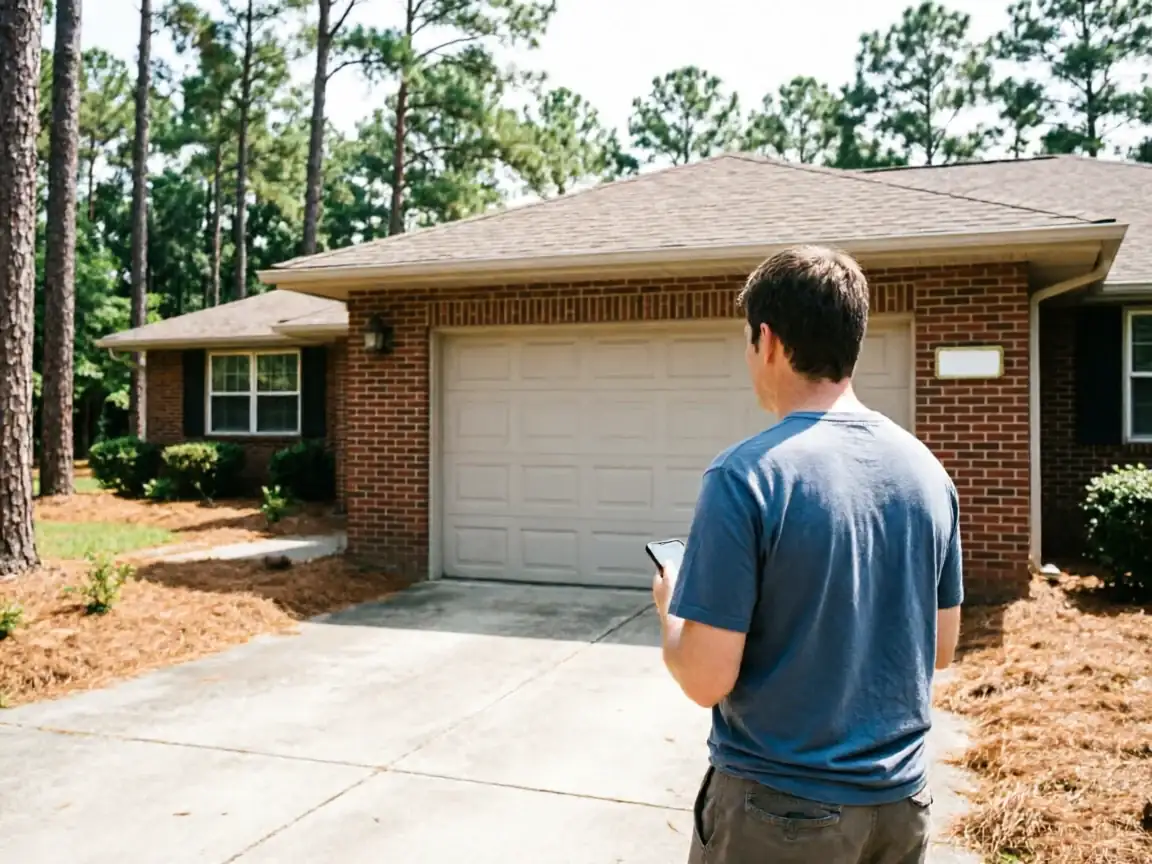
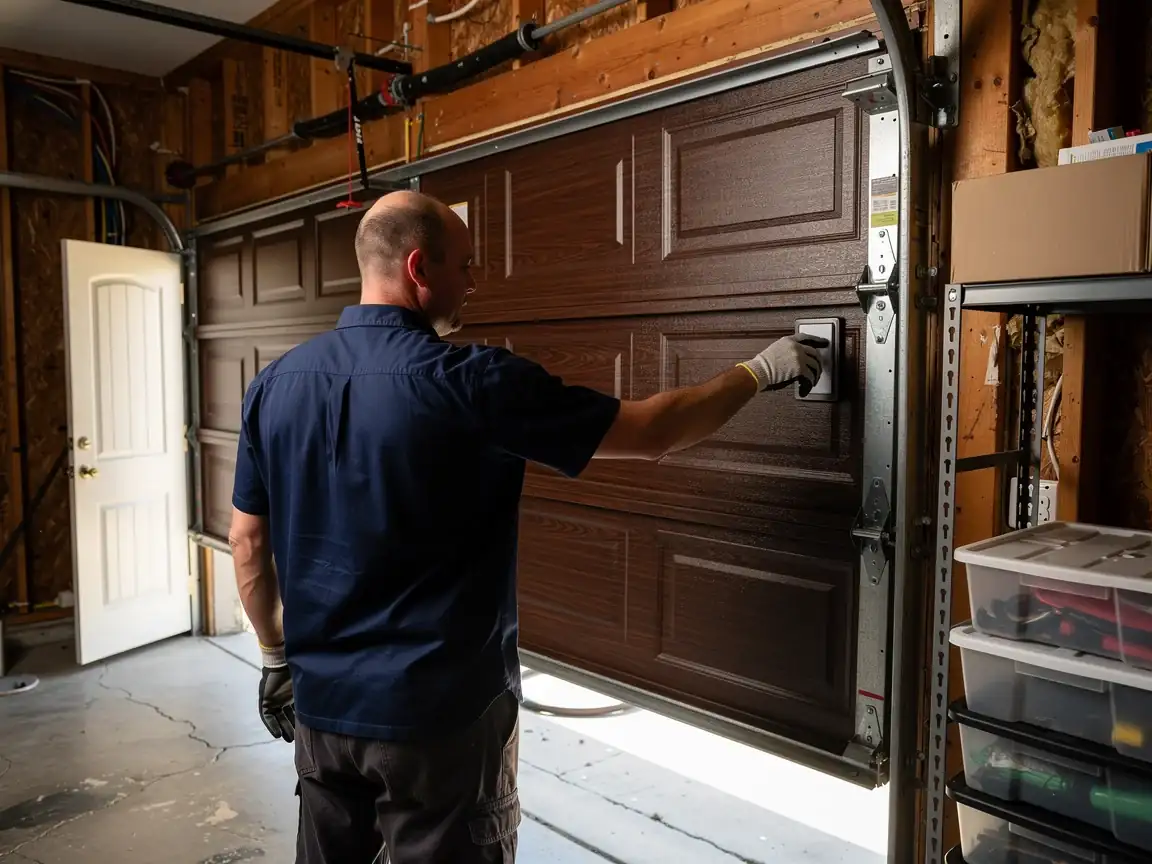
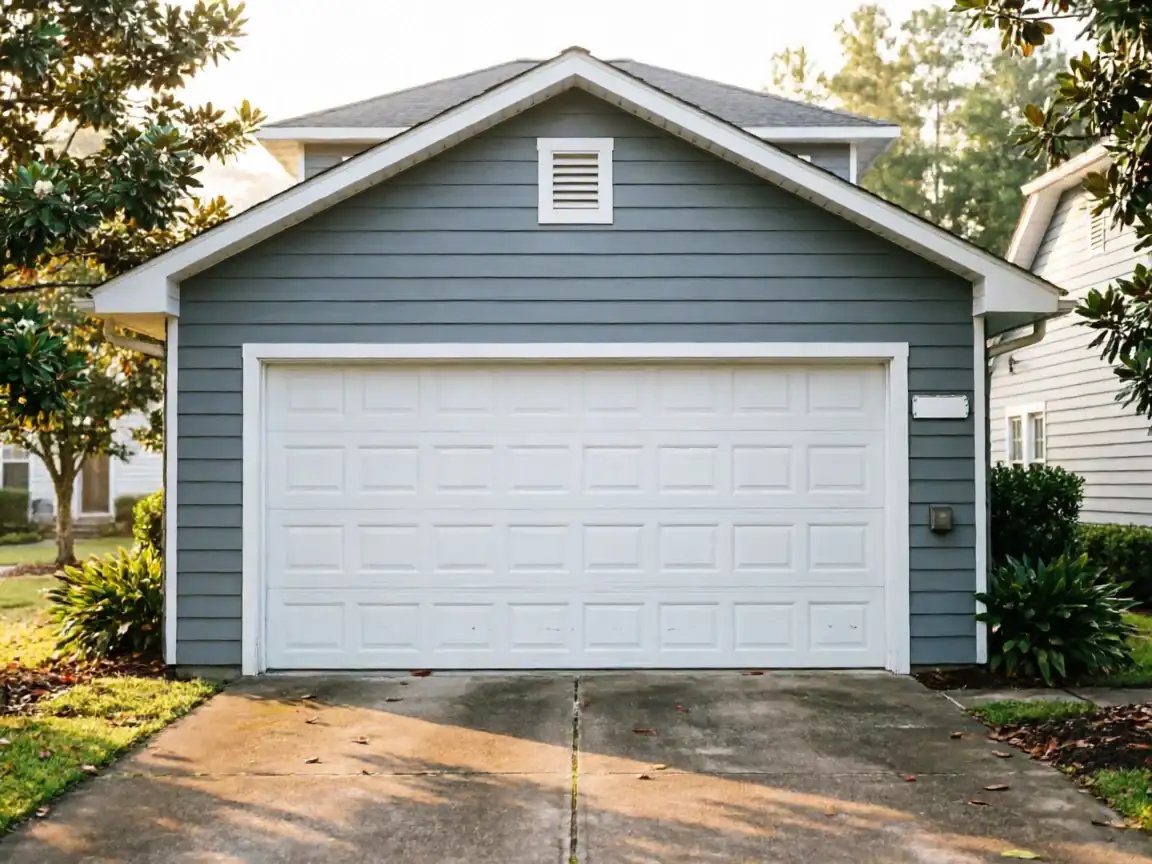
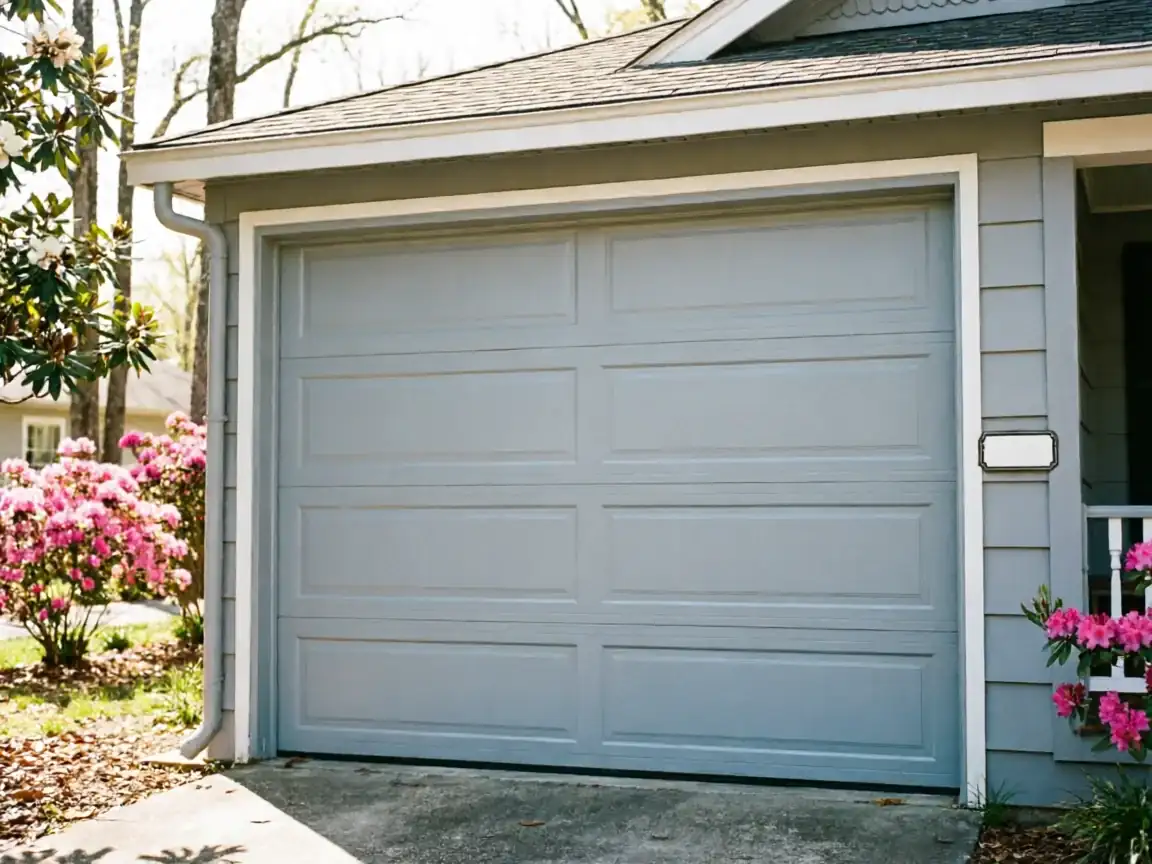
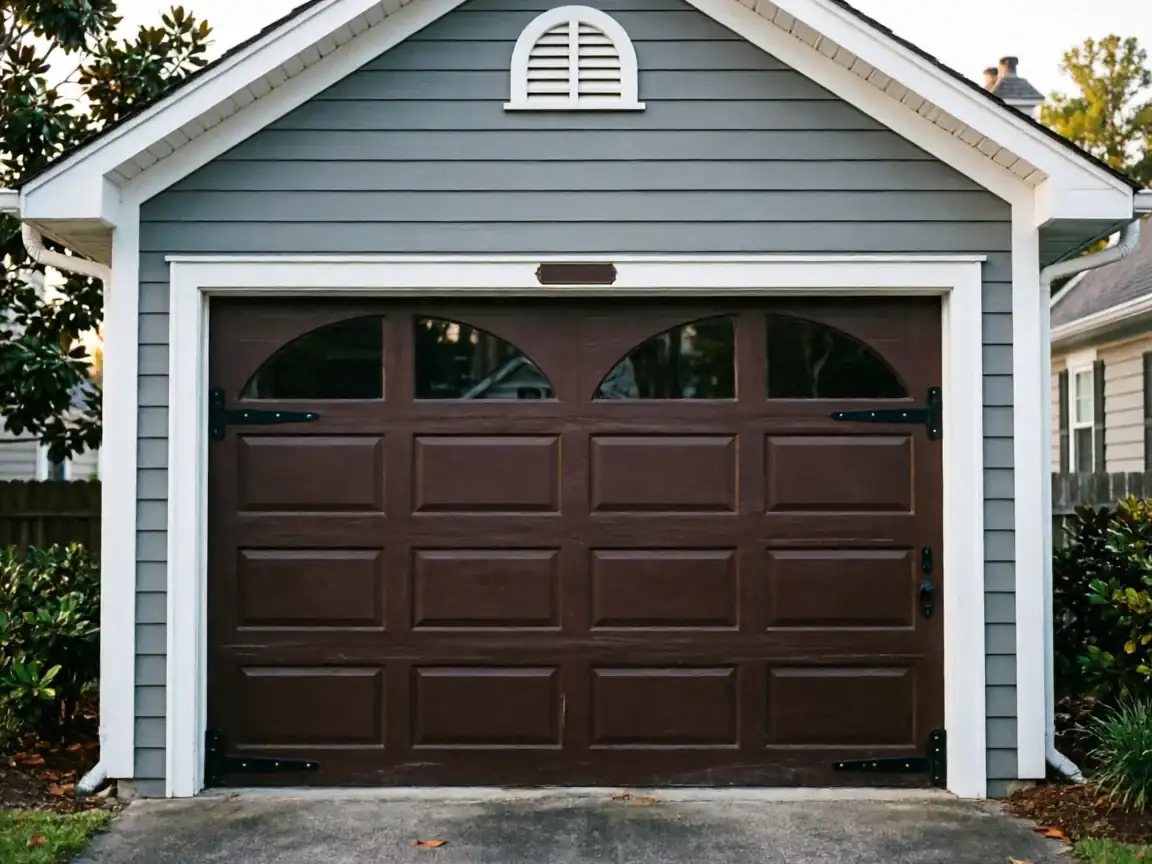
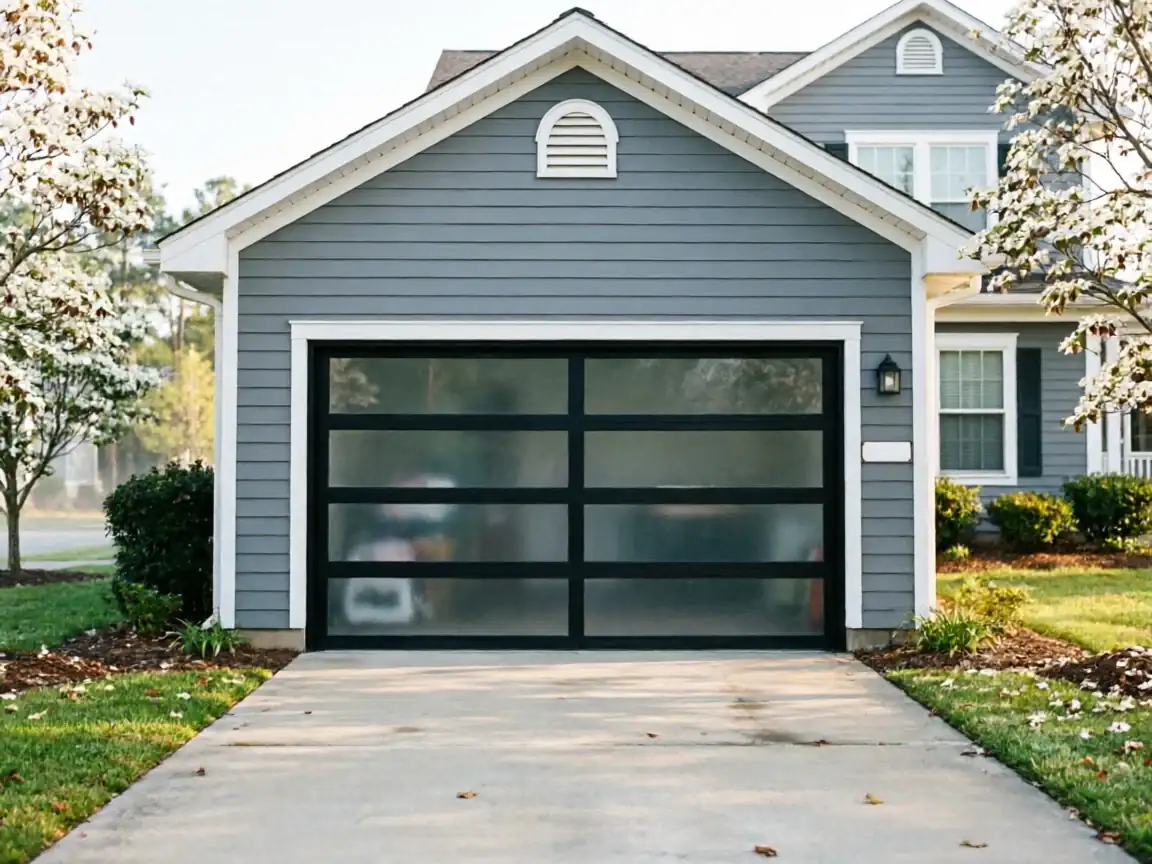
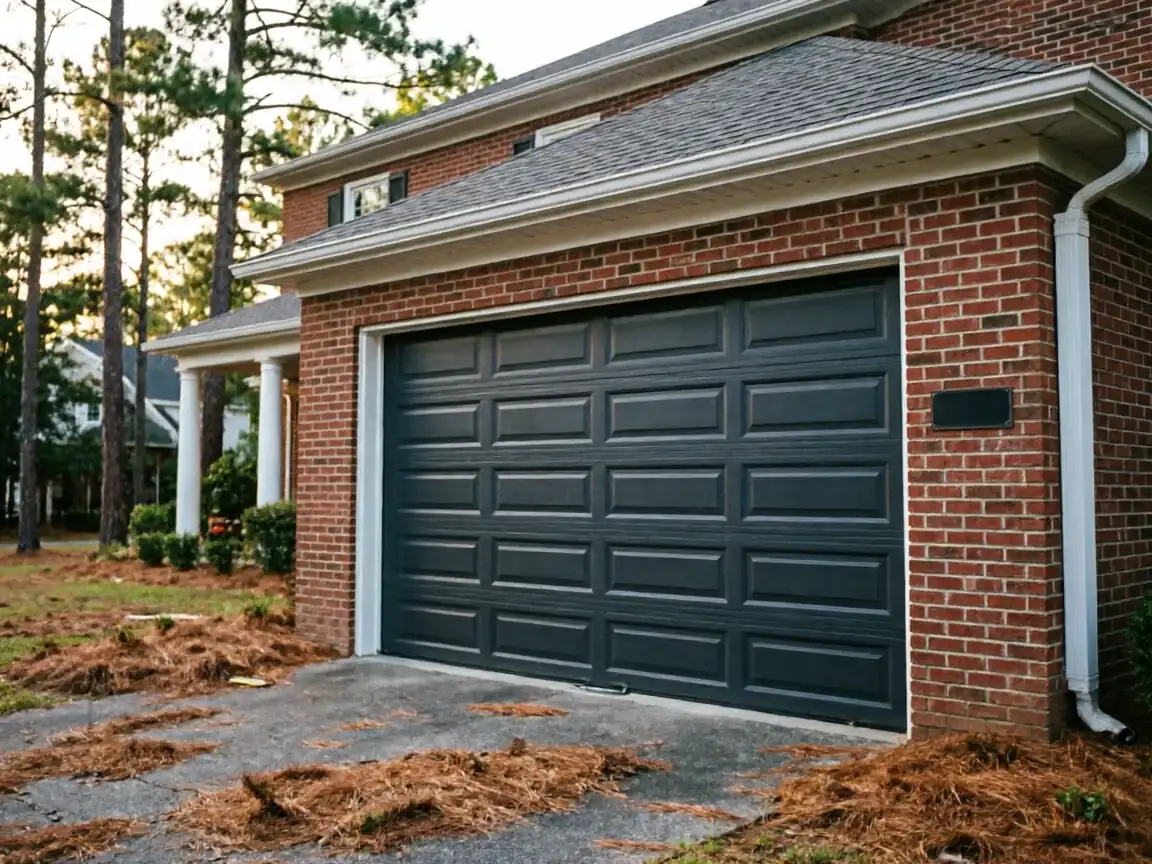
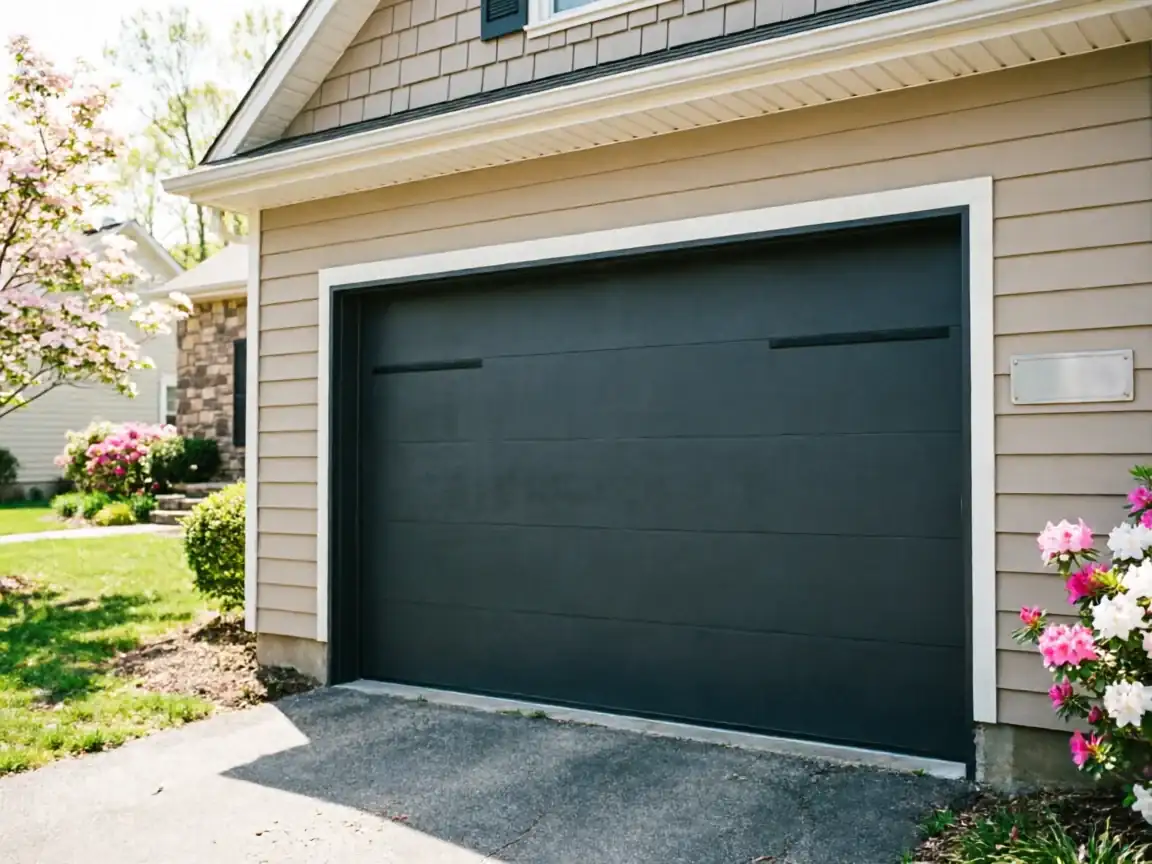
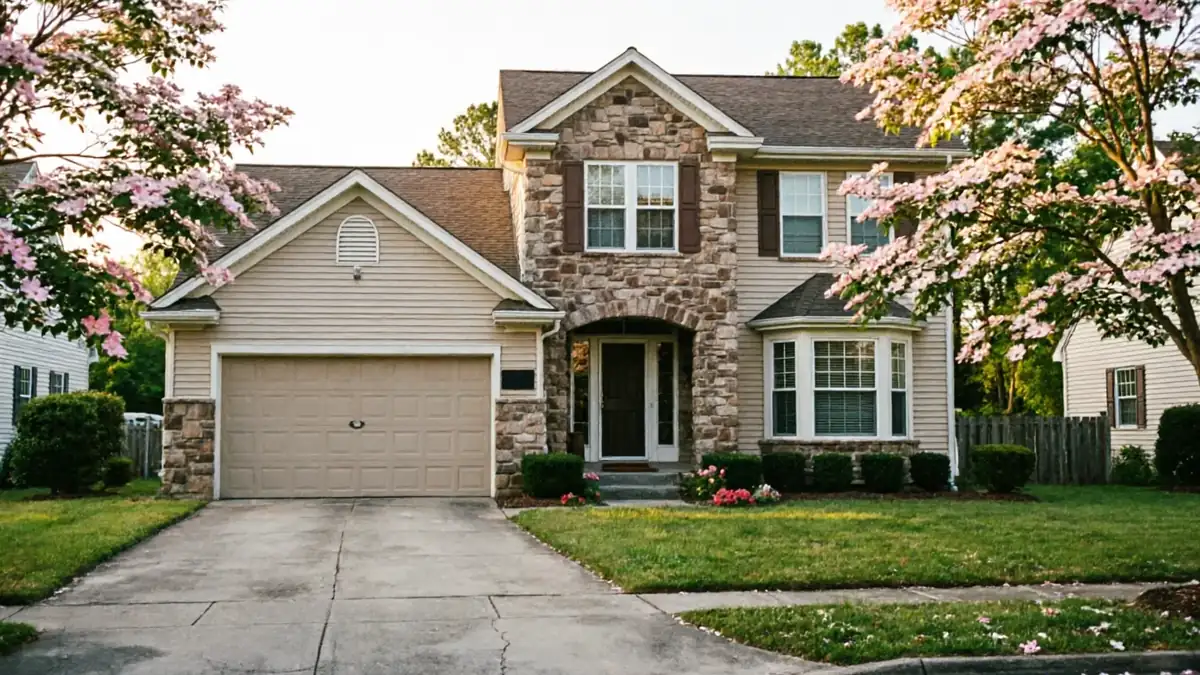
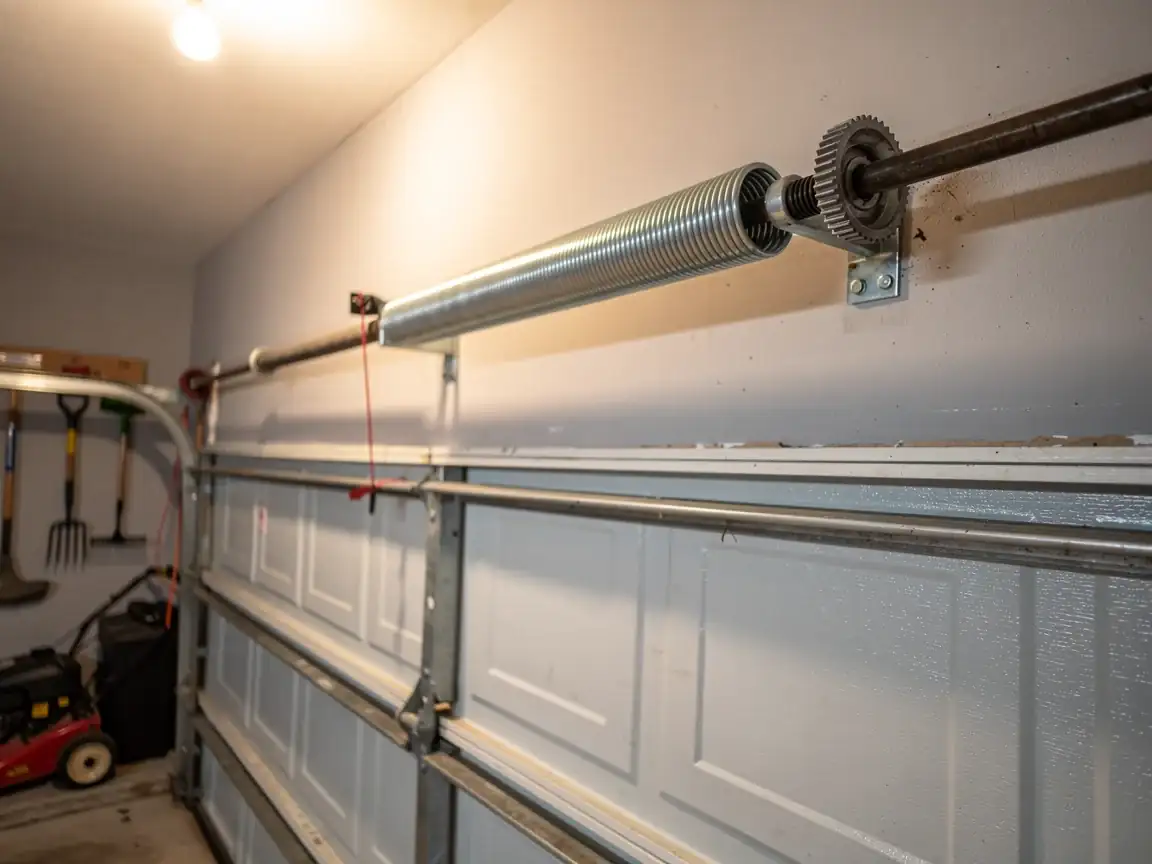
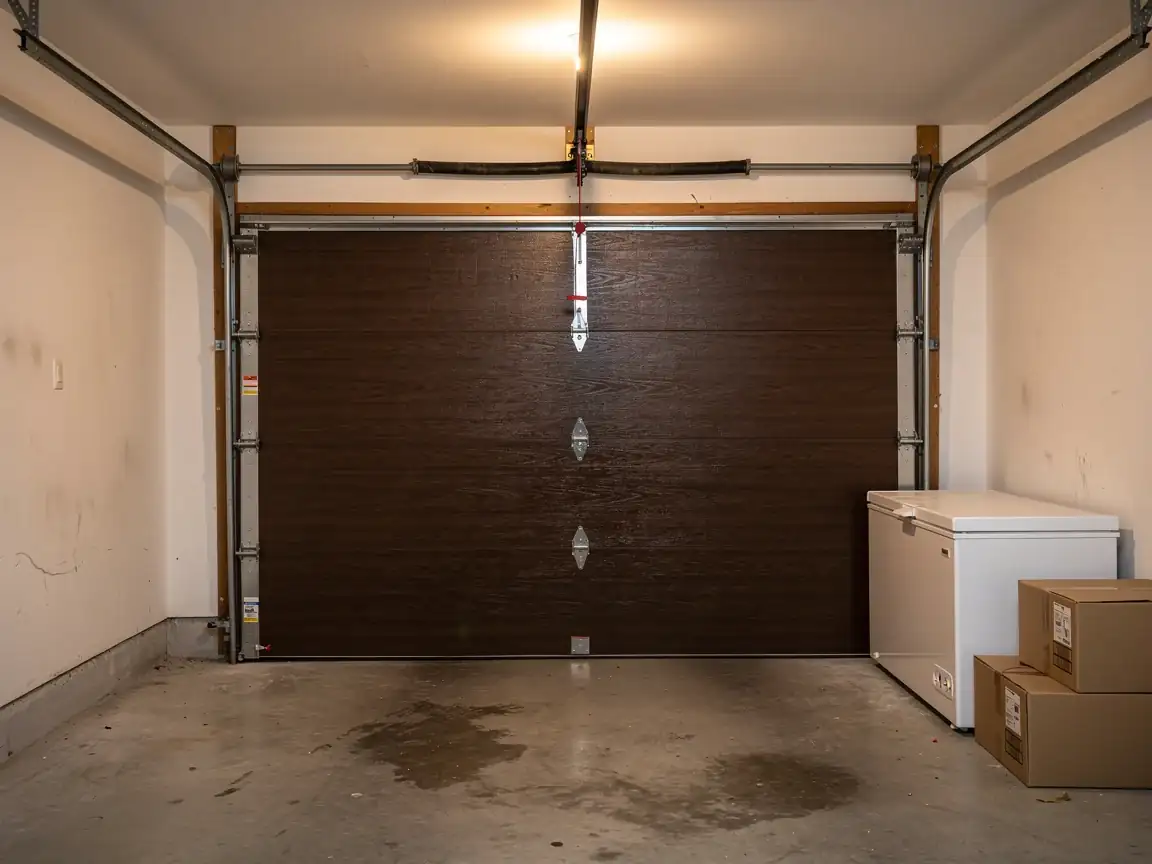
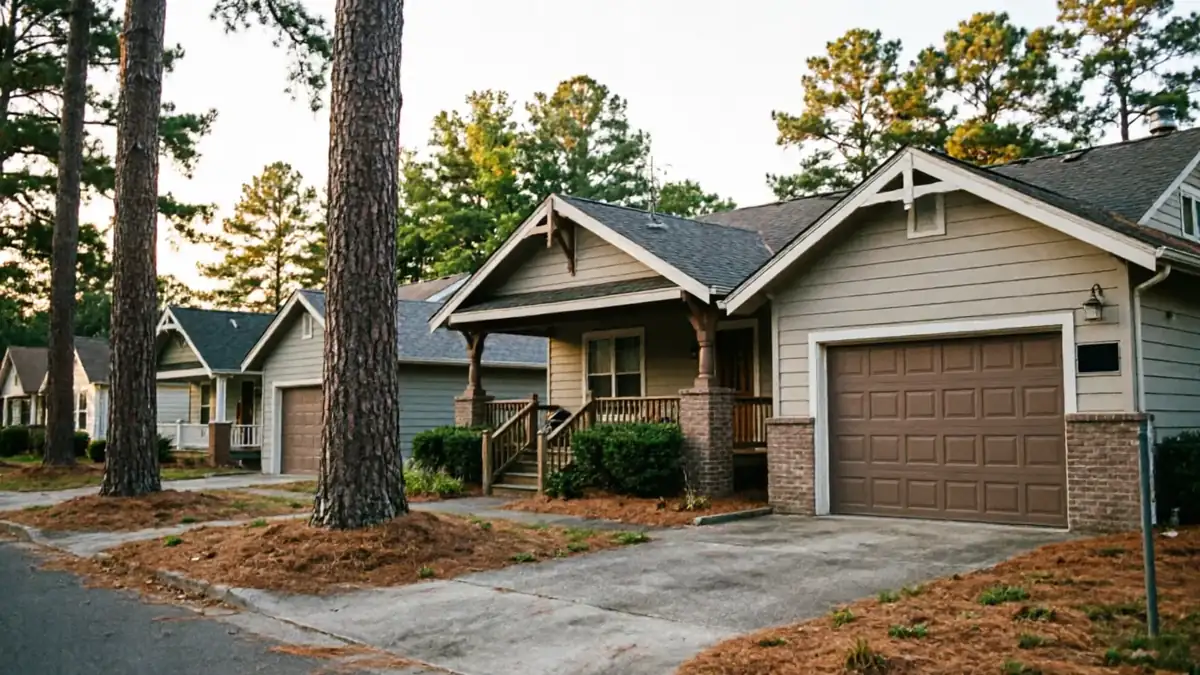
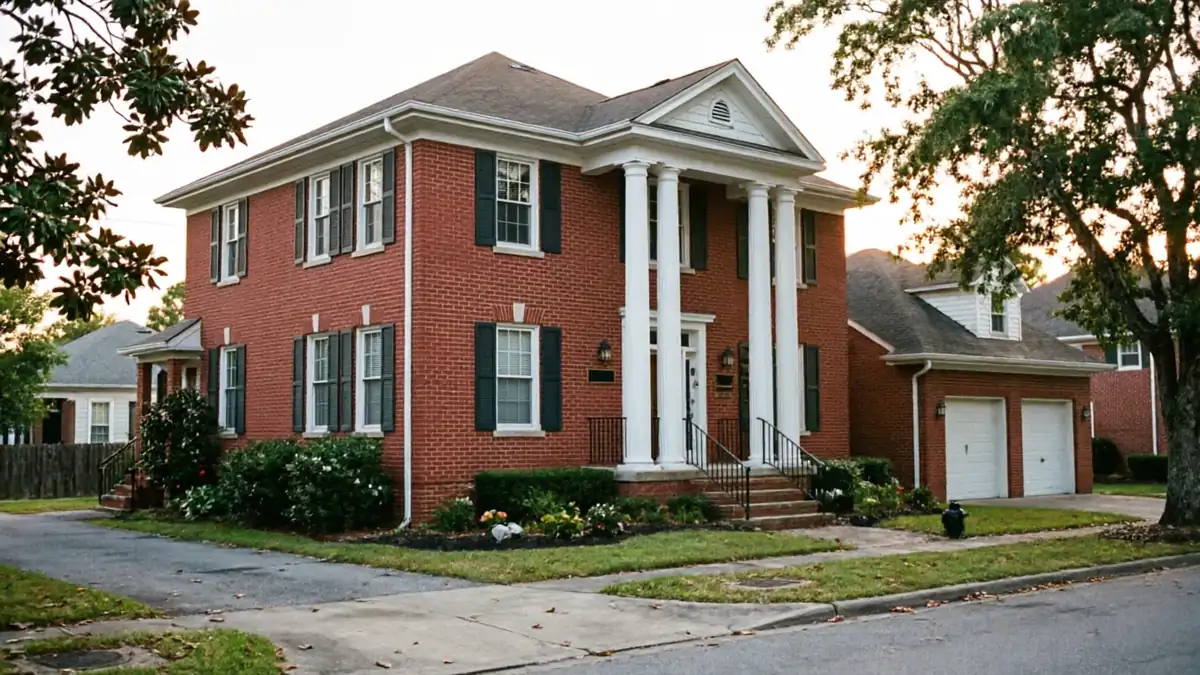
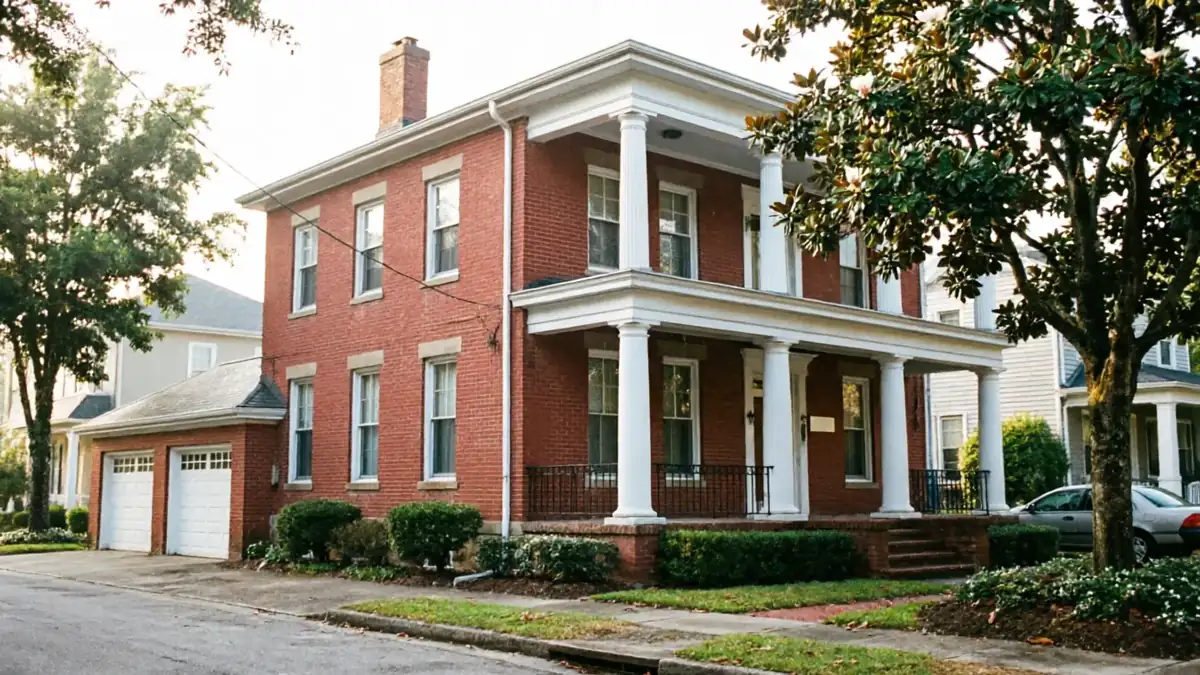
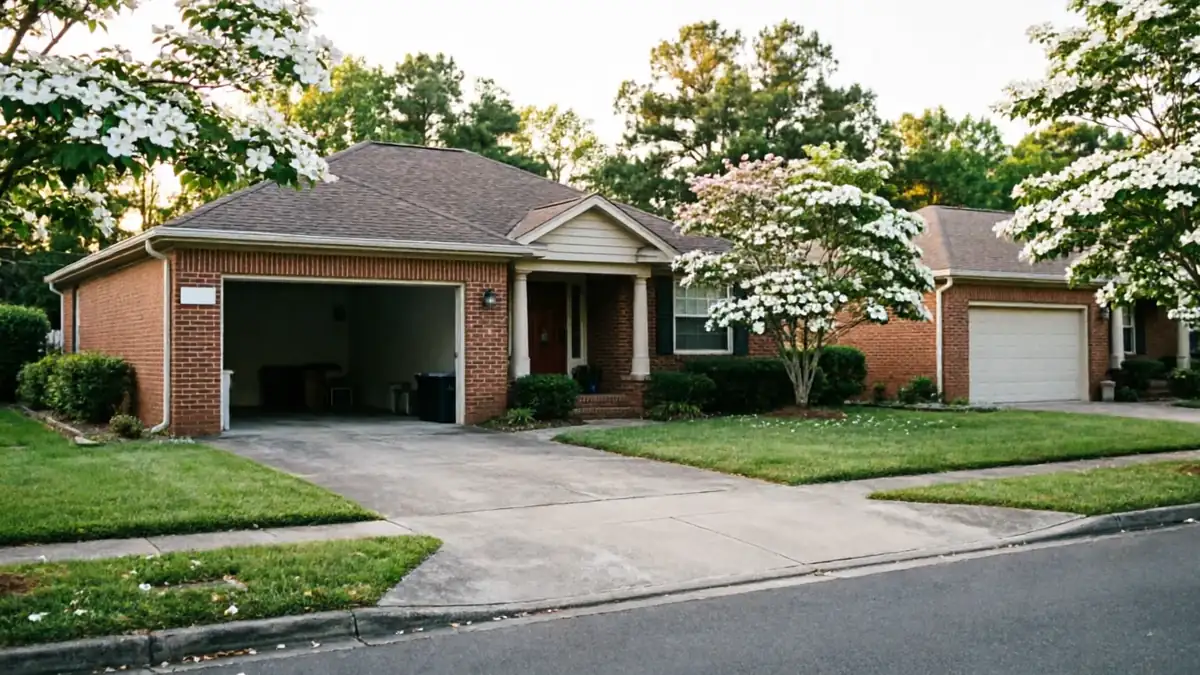
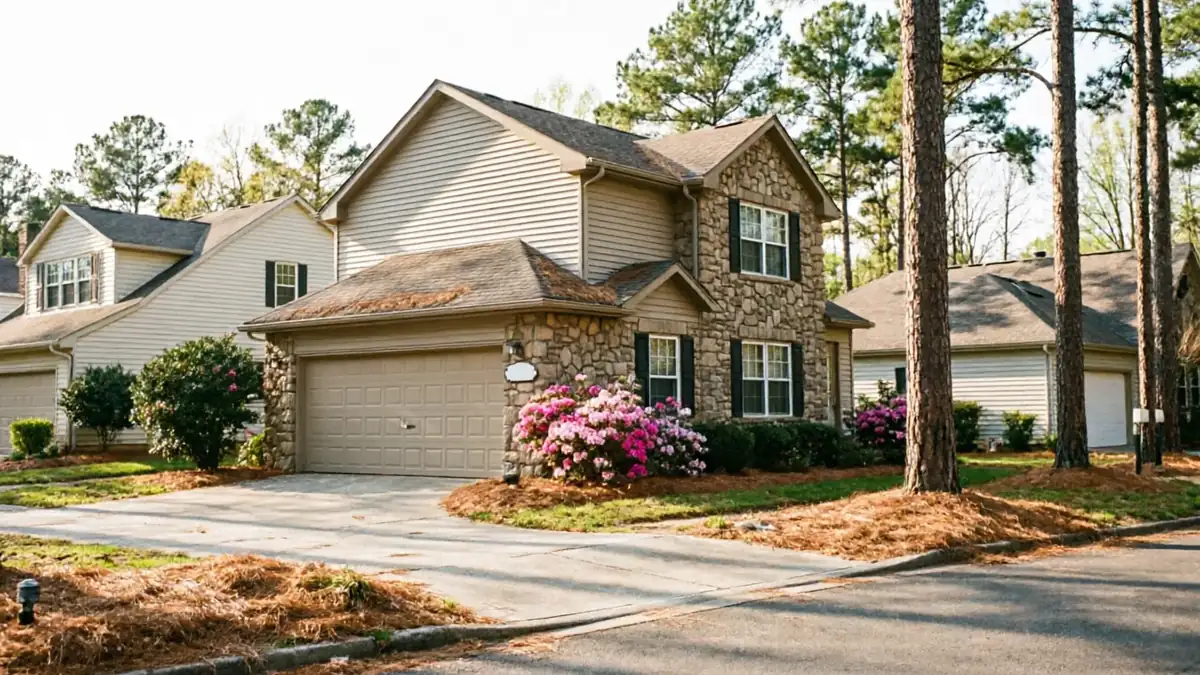
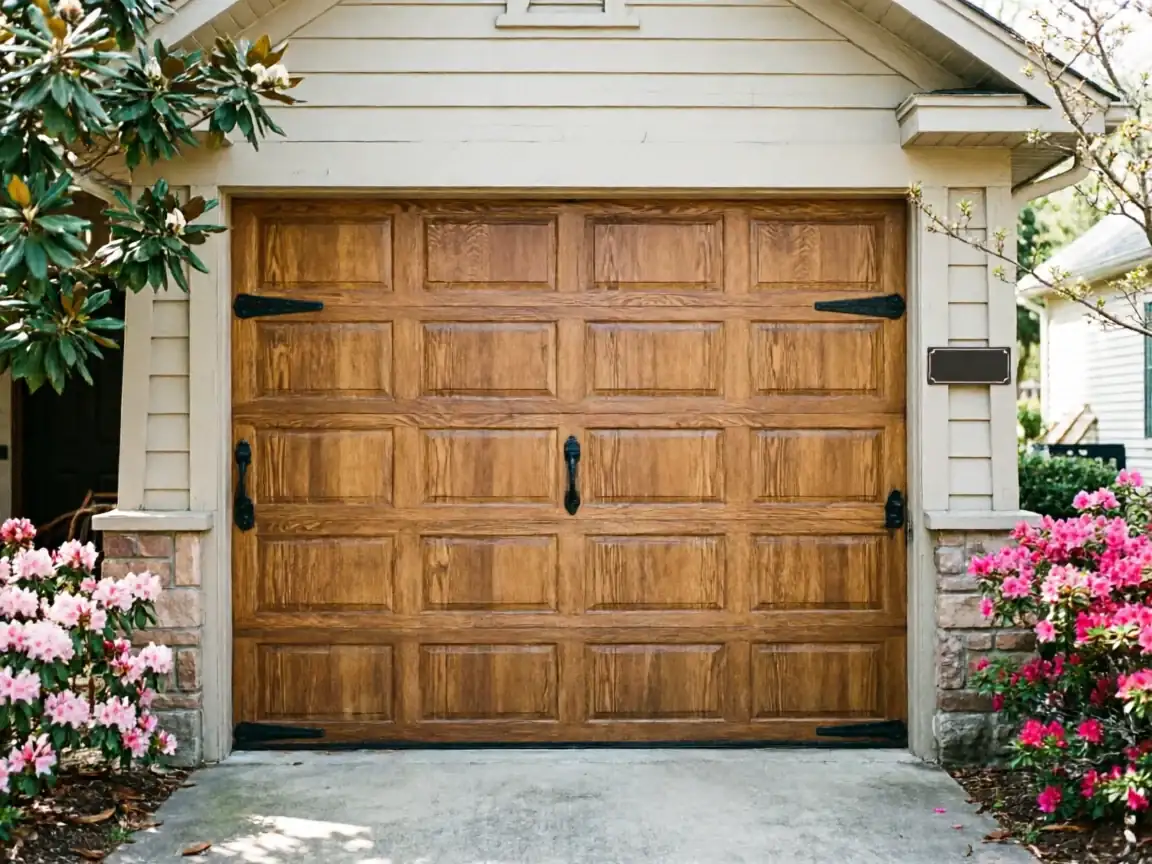
The houses in Haymarket mostly went up around 1997, which puts the neighborhood squarely in the modern steel-sectional era - a good decade or two newer than the median 1982 build year across the broader service area we cover from Gainesville. That gap matters more than it sounds. A 1982 house is as likely as not to still have its original one-piece door or early sectional hardware with a mechanical opener that's been swapped once or twice. A 1997 house almost never has that problem. What it does have is 25-plus-year-old torsion springs reaching the end of a normal duty cycle, galvanized tracks that have started to pit, and first-generation chain-drive openers that are loud, slow, and parts-scarce now that most manufacturers have moved three or four opener generations past them. We see a lot of cracked bottom brackets and worn nylon rollers on these doors - wear-and-tear failures of a specific vintage, not the structural fixes an older original door usually needs. One honest limitation: if your opener logic board is from this era and the manufacturer has discontinued the model, we may not be able to source an exact replacement part, and a full opener swap ends up being the faster, cheaper call than chasing parts.
What Was Built Here
The area sits in the same cold-climate band as the rest of our coverage region - a real factor for garage doors, since cold snaps are what take out a borderline spring or a stiffened opener chain that was already due for replacement. A 1997-era Haymarket house generally has better weatherstripping and insulation specs on its original door than a 1982 house does, simply because code and manufacturer standards moved forward in that window. But