How Long It Takes
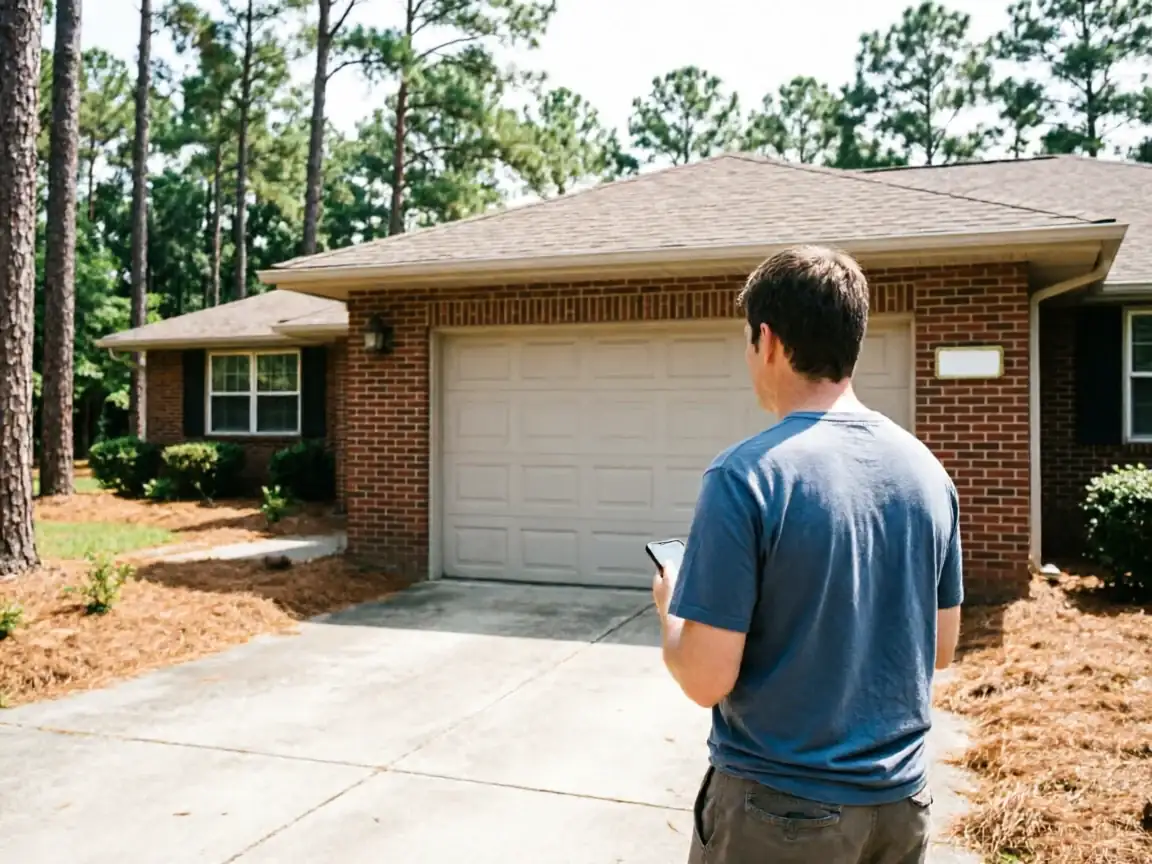
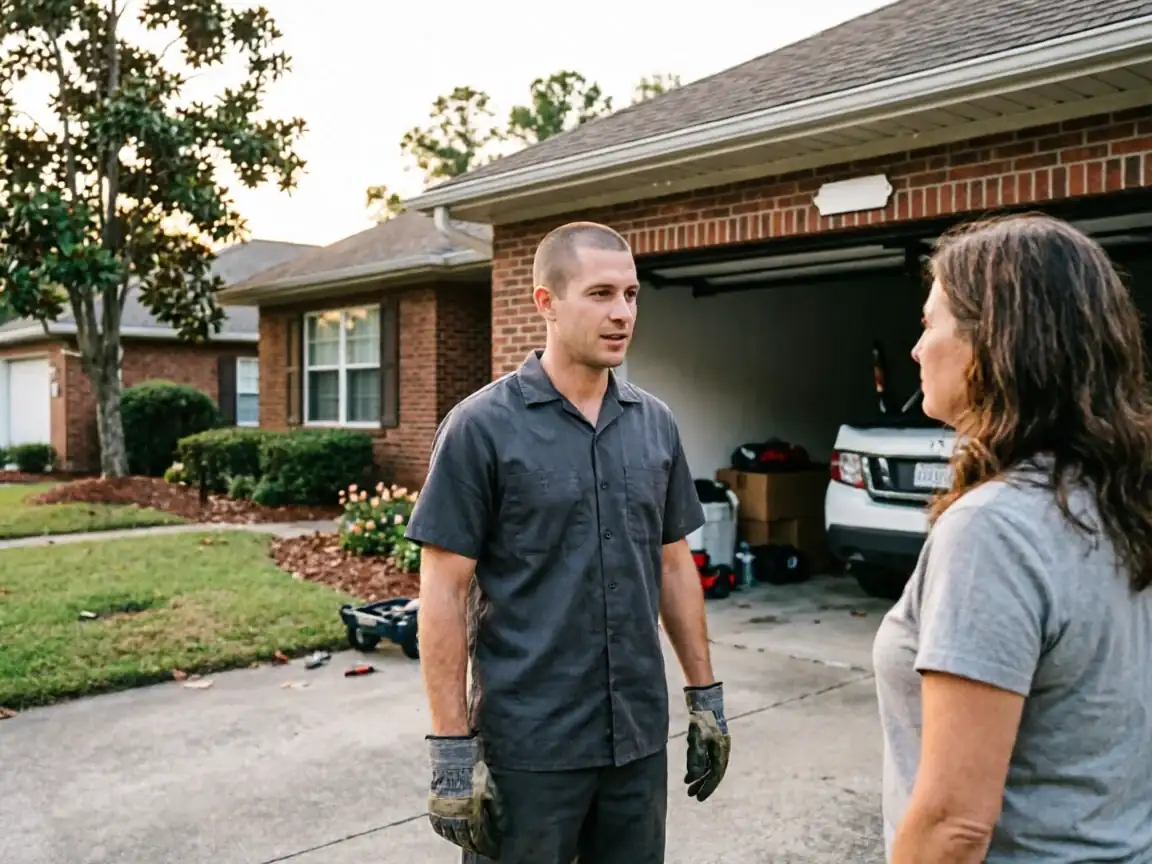
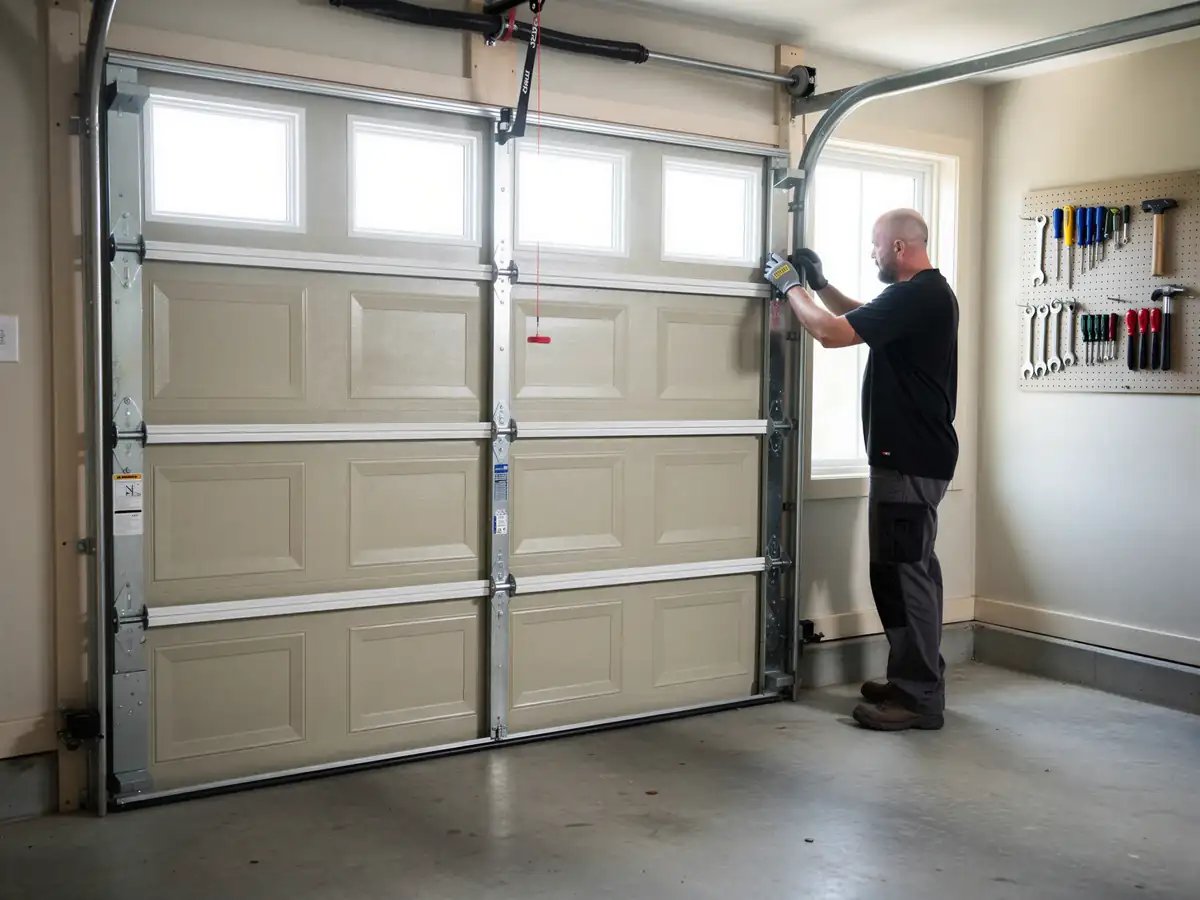
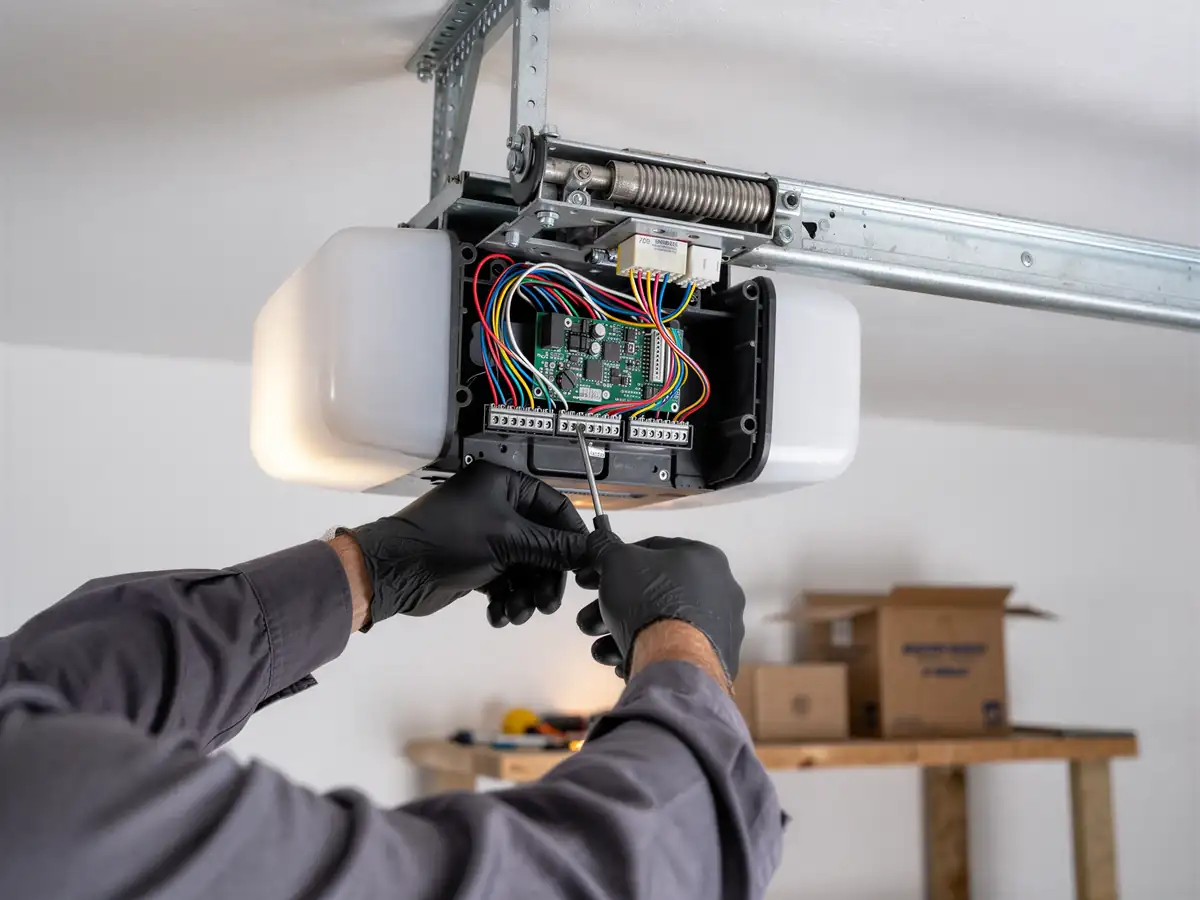
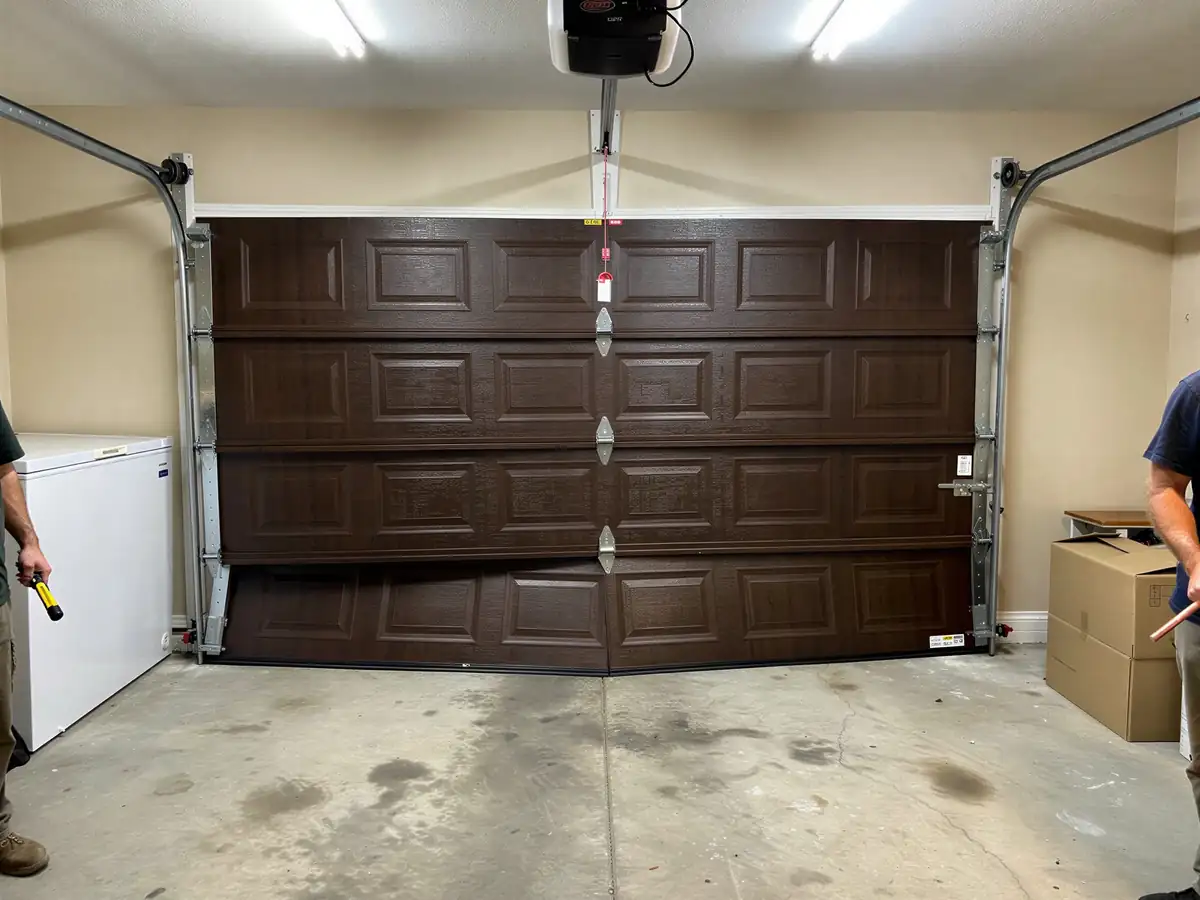
Haymarket sits about a mile from our shop in Gainesville, so getting a truck to you isn't the slow part of this job - diagnosing what's actually wrong usually is. Most of the houses here went up around 1997, which puts the original torsion springs, openers, and cable drums well past their expected cycle life. A spring rated for 10,000 cycles has likely already been swapped once by a previous owner, or it's hanging on by a thread right now. We don't guess at a repair window before we've looked at the door - a stripped gear on a chain-drive opener is a same-visit fix, but a bent track from a car bumping it needs us to check whether the opening still squares up before we order anything. What we can tell you is that a door built to late-90s spec uses standard hardware sizes, which keeps parts easy to source instead of a special order that holds the job up.
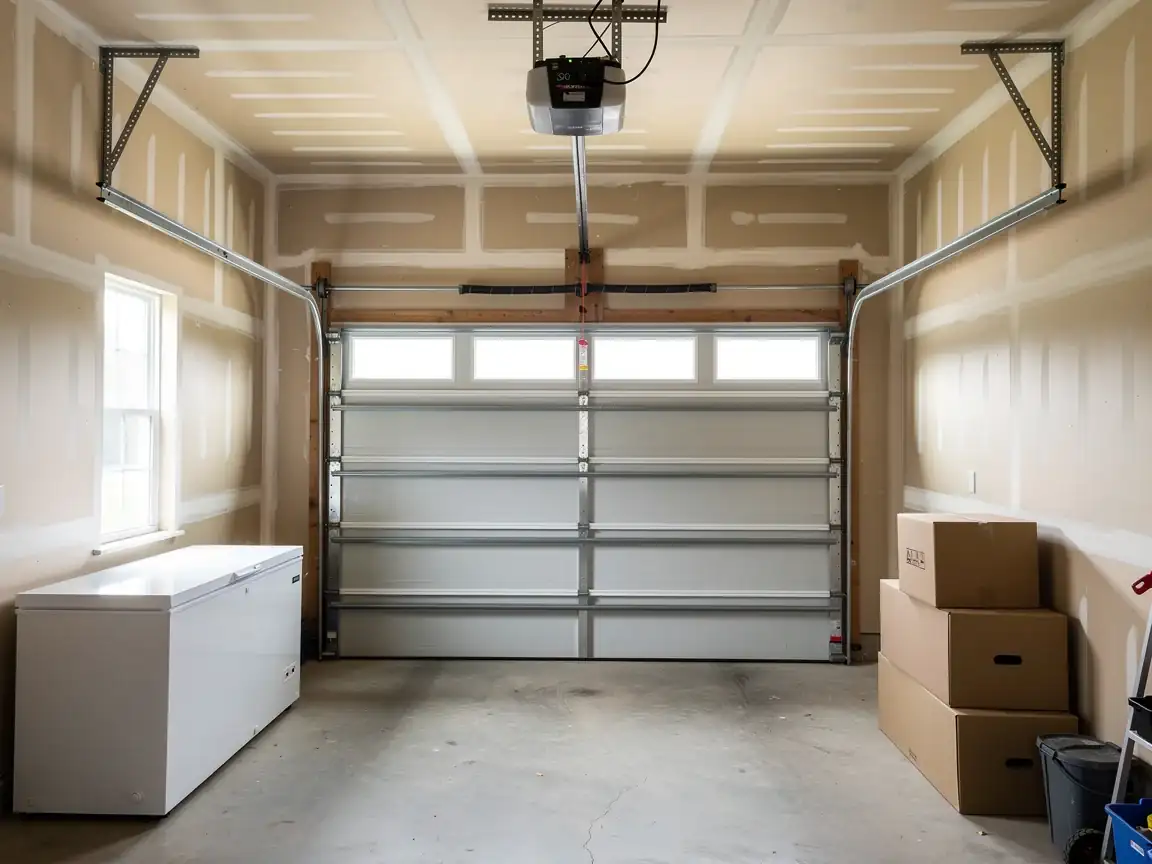
The one thing that does add time is anything behind drywall or finished garage ceilings - common in homes this age where owners finished the space - since we have to work around it rather than through it.
The Cost of This Job
With roughly 503 households in Haymarket and a median income well above the wider service area, we see more owners asking for a full opener upgrade instead of a patch repair - belt-drive units, battery backup, rolling-code boards - rather than keeping a 1997-era chain drive limping along. That's a choice, not a requirement; a worn drive gear or a dying logic board on an older opener is often a cheaper fix than replacement, and we'll tell you straight when the repair makes more sense than the upgrade.
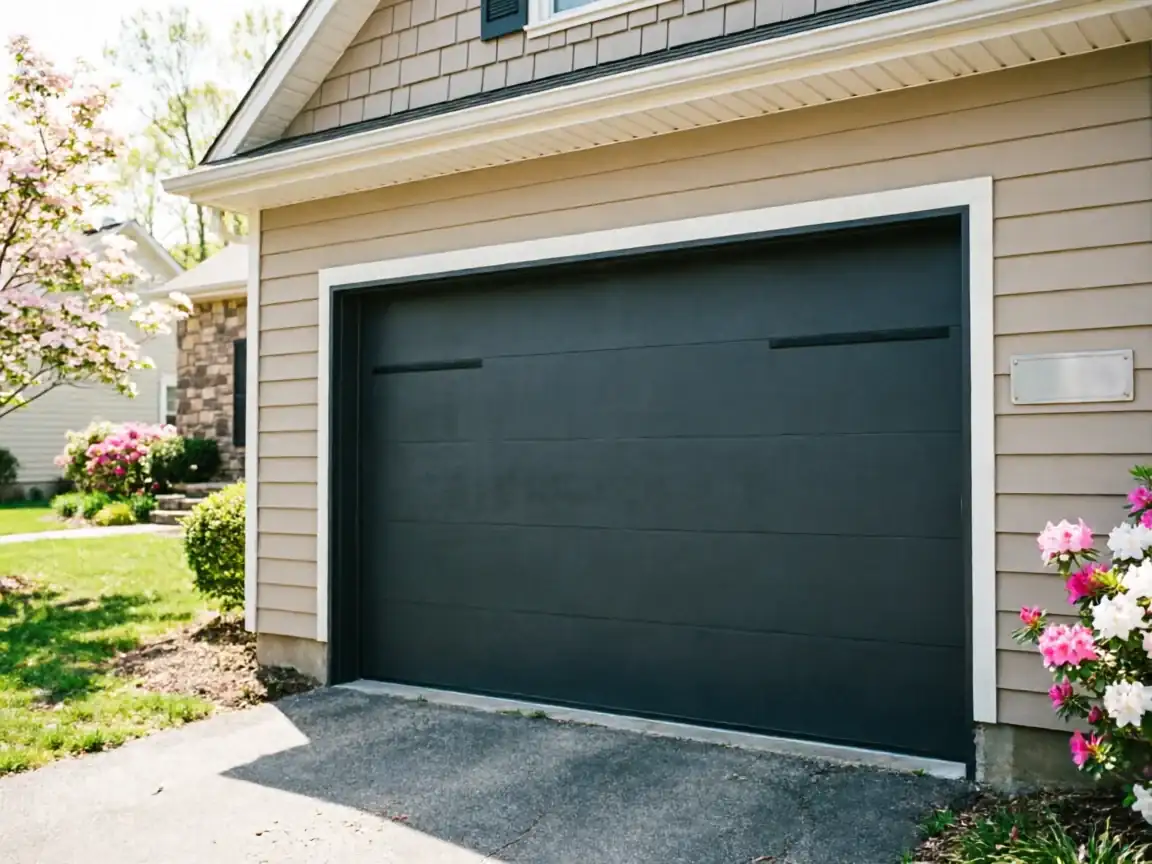
We don't quote a flat price here because spring size, opener horsepower, and whether the track needs realignment all move the number, and we're not going to publish a figure we can't back up for your specific door. What we can say is that newer builds like most of Haymarket's housing stock tend to use standard door widths and heights, which keeps panel and hardware costs predictable compared to the custom sizes you'll find on older or converted garages elsewhere in the area.
The Complications
This area sits in a cold, severe winter climate band
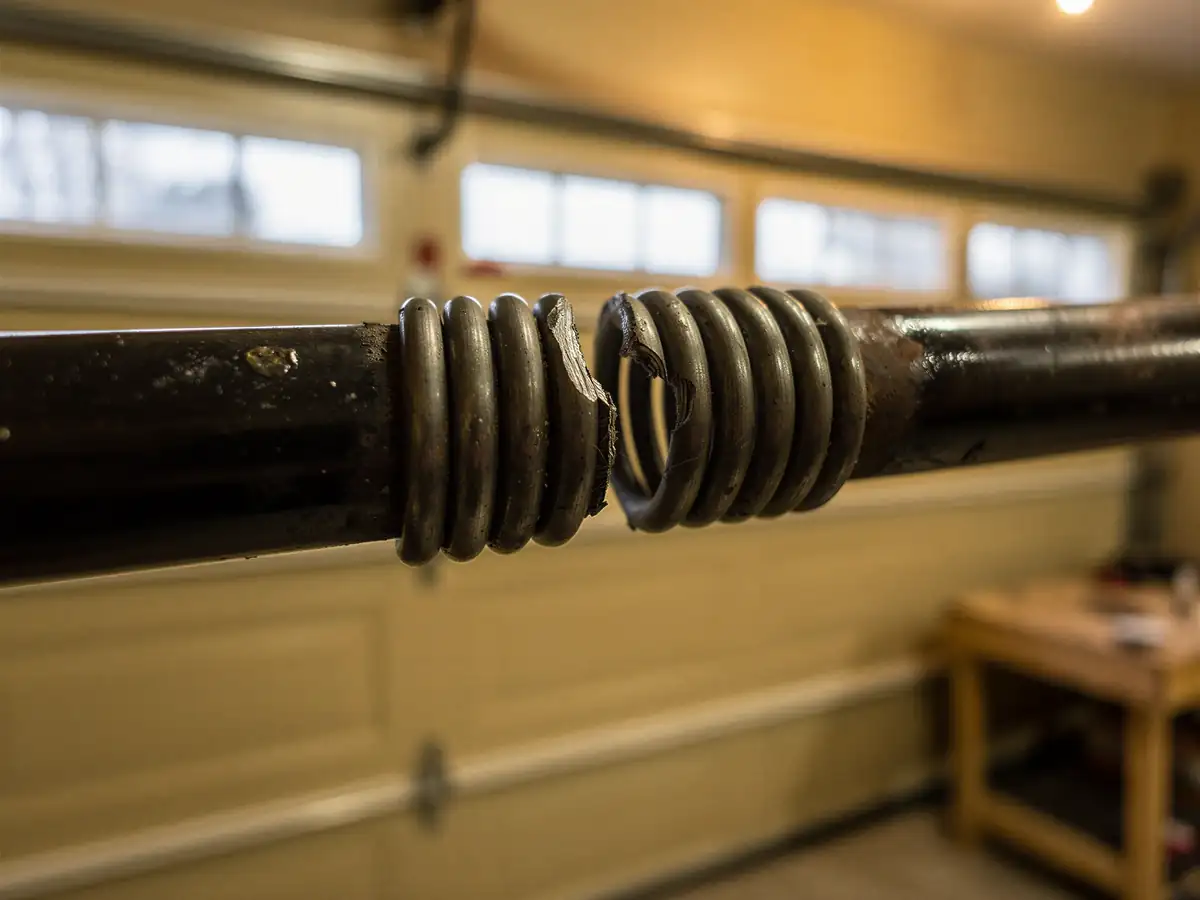
And that matters more for a 1997-built garage than you'd expect. Steel torsion springs lose tension as they cool, and a spring that's already near the end of its cycle life is far more likely to snap on the first hard freeze of the season than in July. We get more emergency calls here in January than in any other month, and it's rarely a coincidence - it's a spring that was going to fail anyway, finished off by the cold.
The other complication is less dramatic but just as real
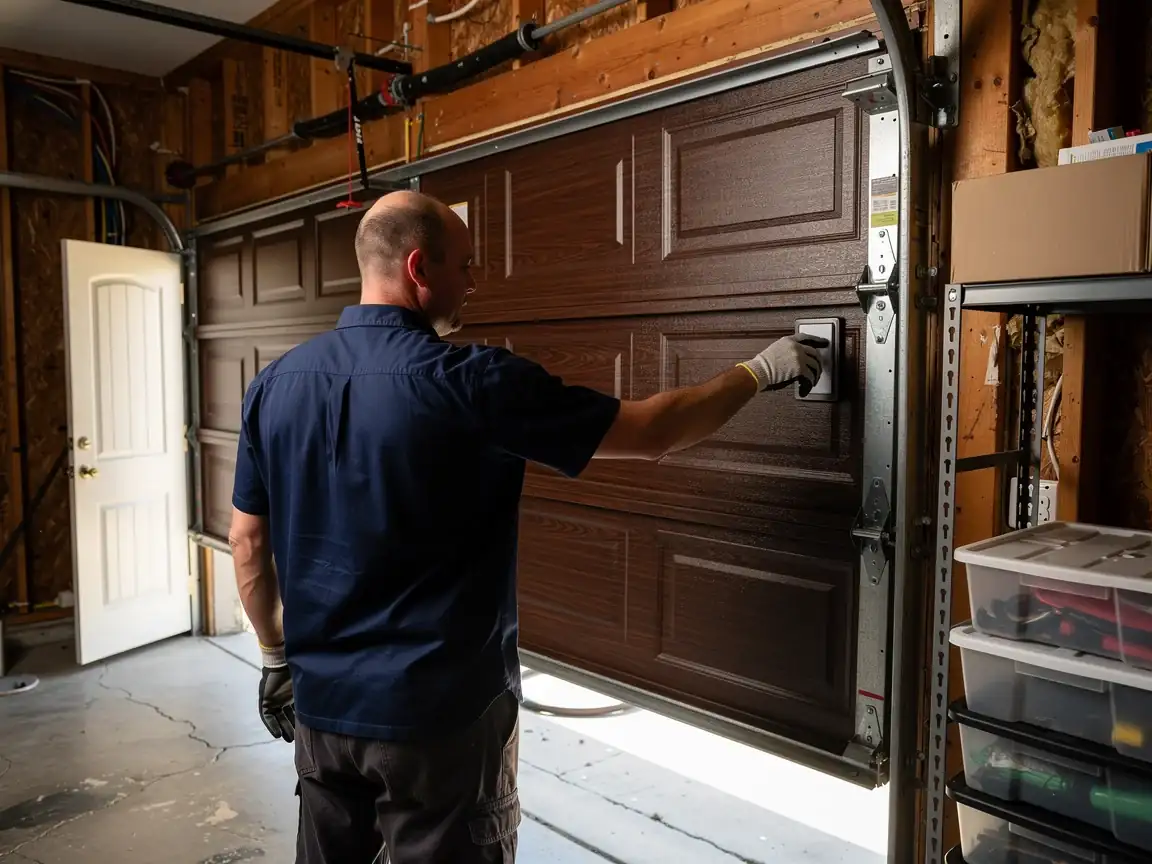
A lot of Haymarket garages were finished out as living or storage space after the original build, which means insulation, drywall, or shelving now sits where the opener's safety sensors and wiring used to be exposed. That slows down any job that involves running new wire or replacing a sensor bracket, because we're working around a finished wall instead of open studs.
We don't do structural garage conversions or framing work
If the complication turns out to be something built into the room rather than the door itself, that's outside what we handle on this call.
What You Are Seeing
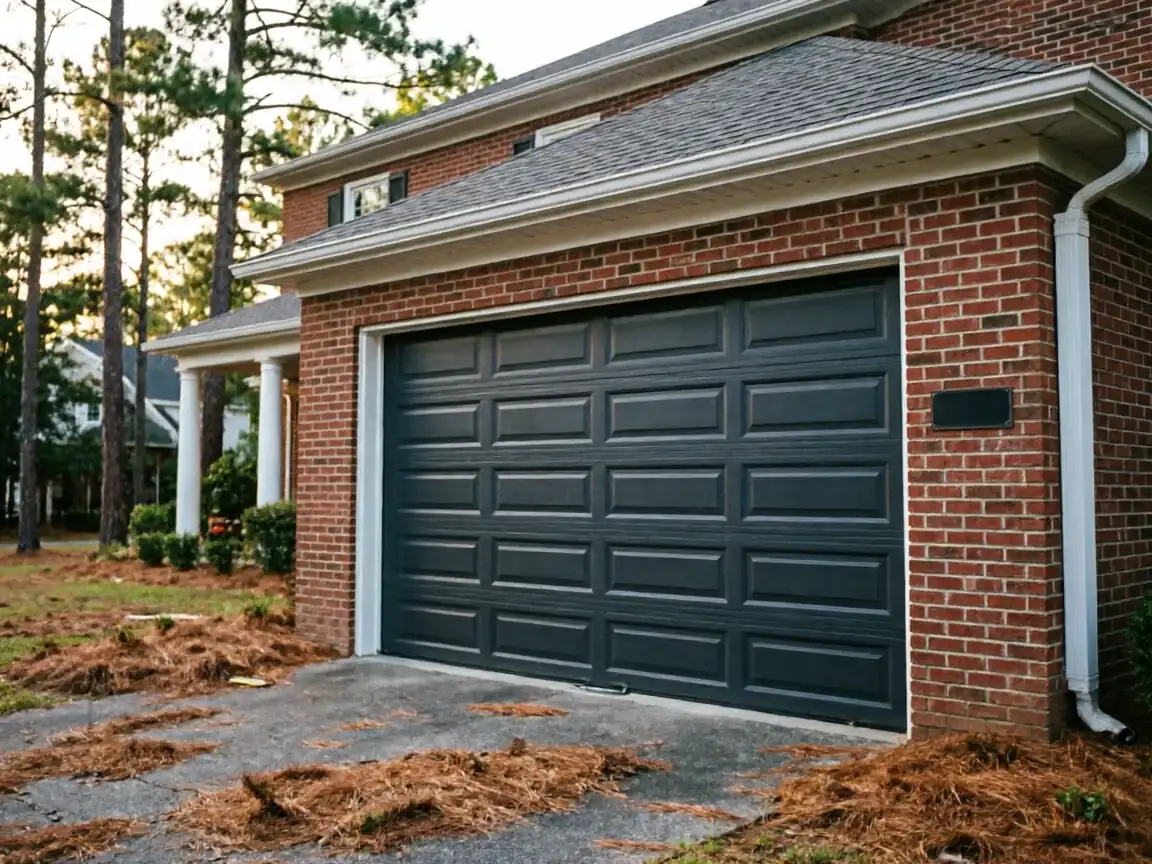
If your house in Haymarket went up anywhere near 1997, which is the typical build year for this suburb, there's a good chance the garage door hardware you have right now isn't original - but the opener motor often is. Springs and rollers wear out fast enough that most homeowners replace them without thinking twice; openers get ignored until the logic board fails or the gear strips, which is usually a slow grind-then-stop rather than a sudden break.
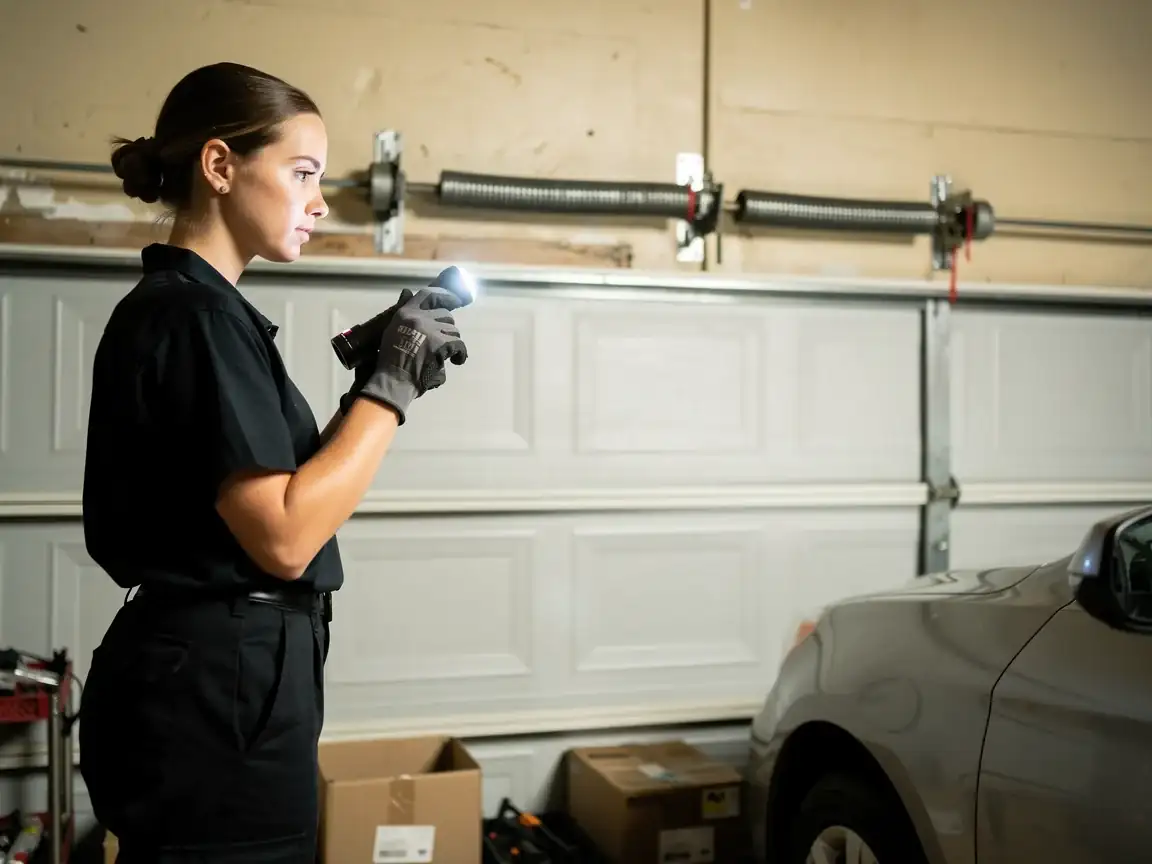
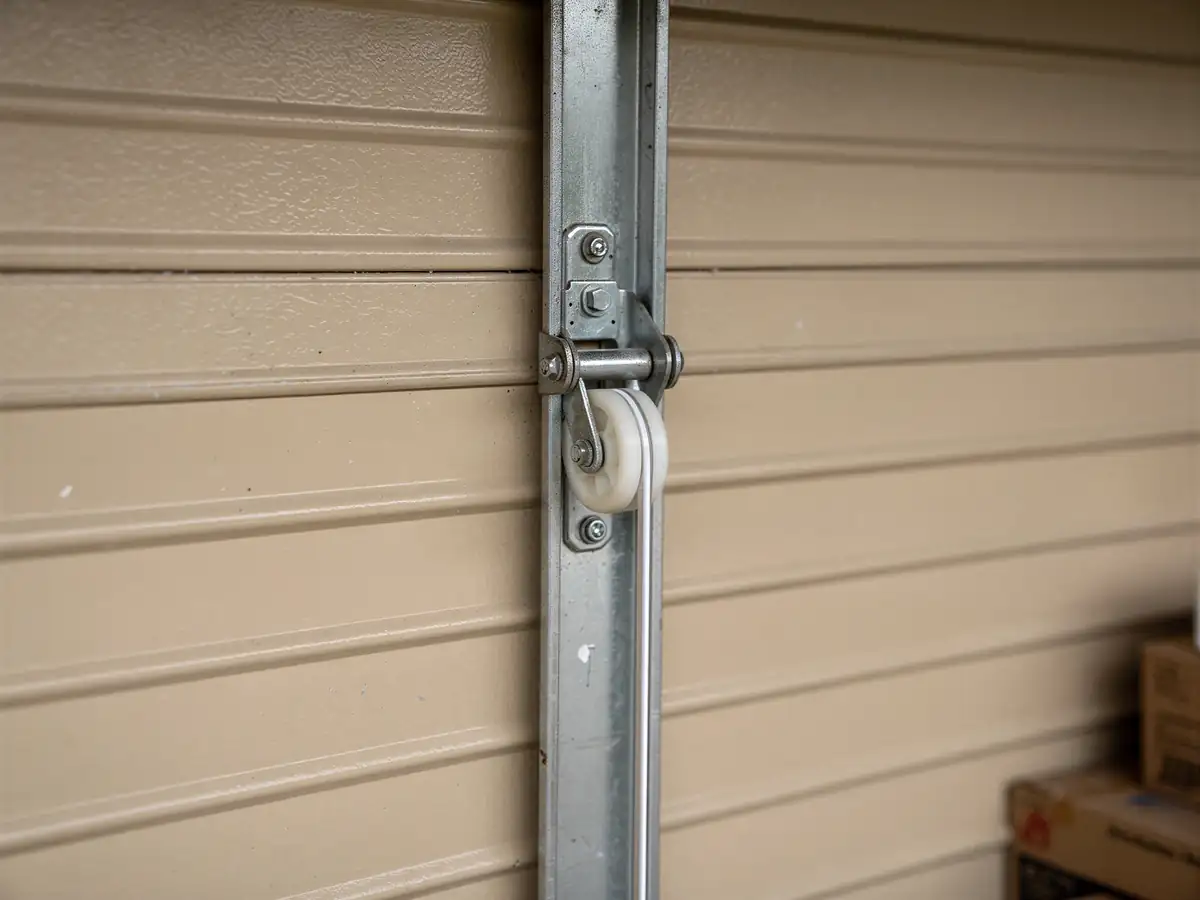
What we actually see on these calls: a chain-drive opener from the original build straining louder every month before the drive gear finally shears, a torsion spring that's visibly stretched or has a gap in the coil, and cables starting to fray at the drum after two decades of the same door cycling twice a day. None of that means the door itself is bad - panels from this era typically hold up fine. It means the moving parts, the ones nobody thinks about until they stop moving, are due.