How Long It Takes
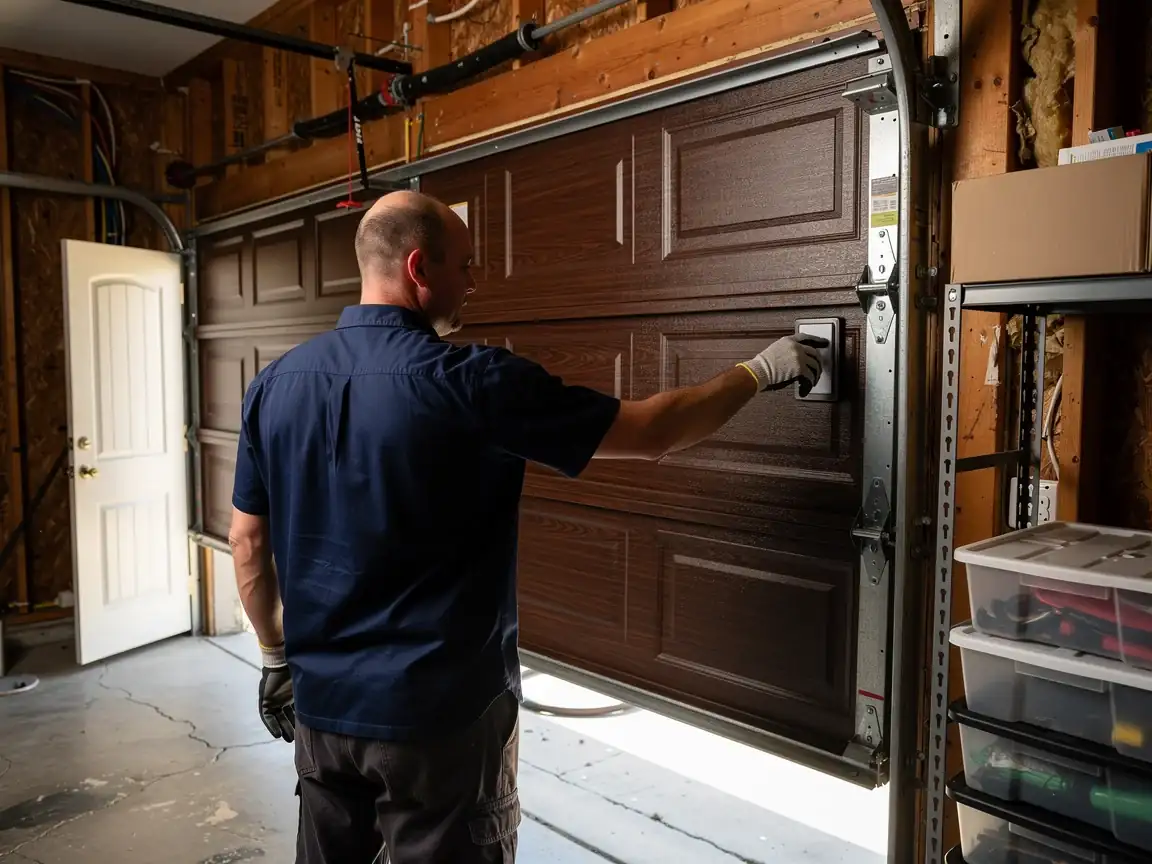
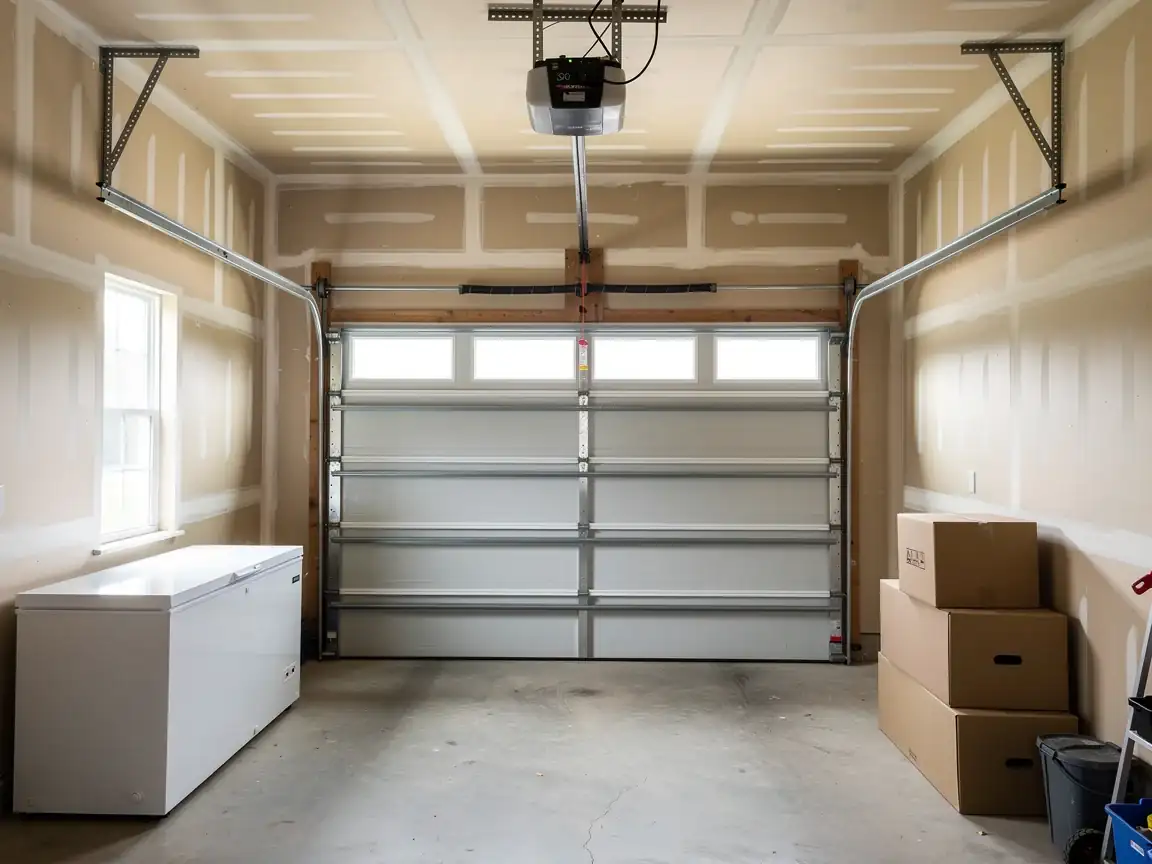
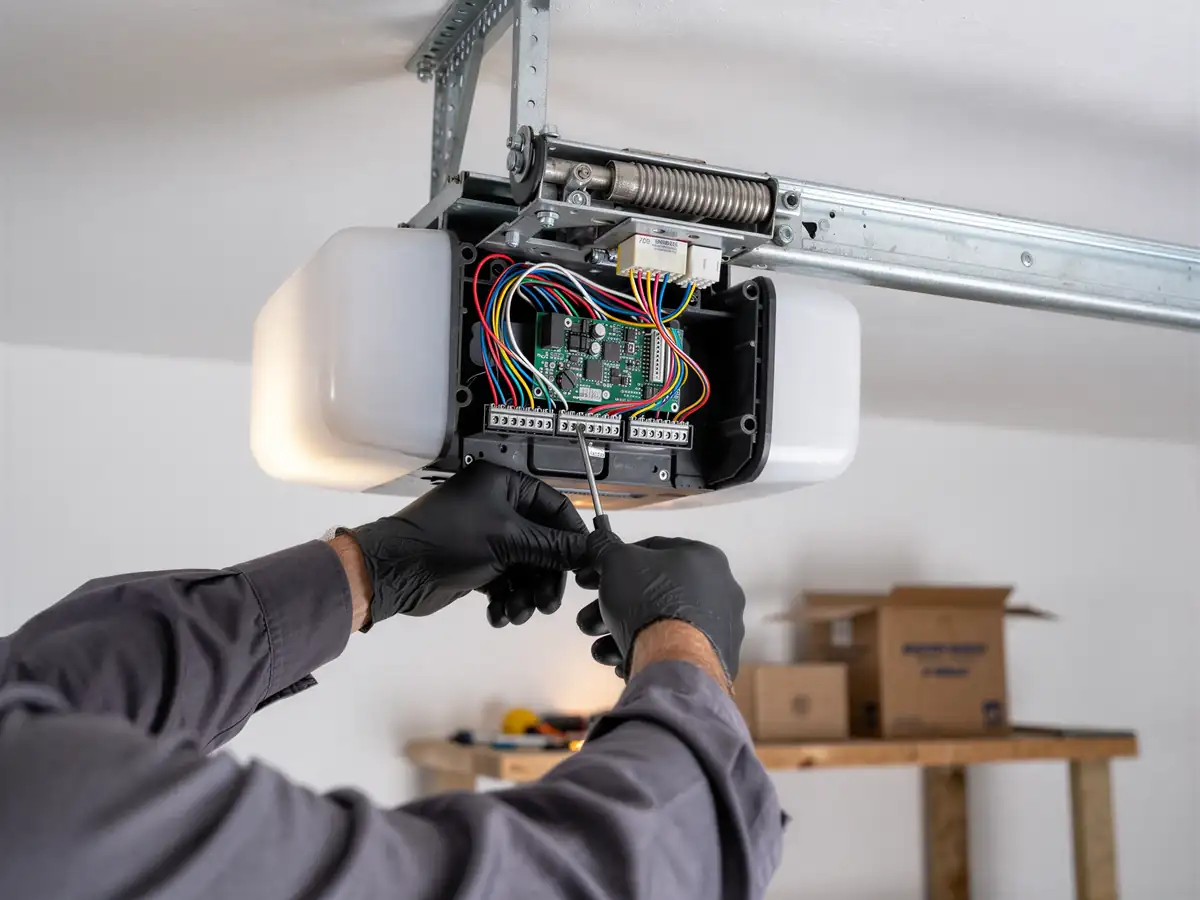
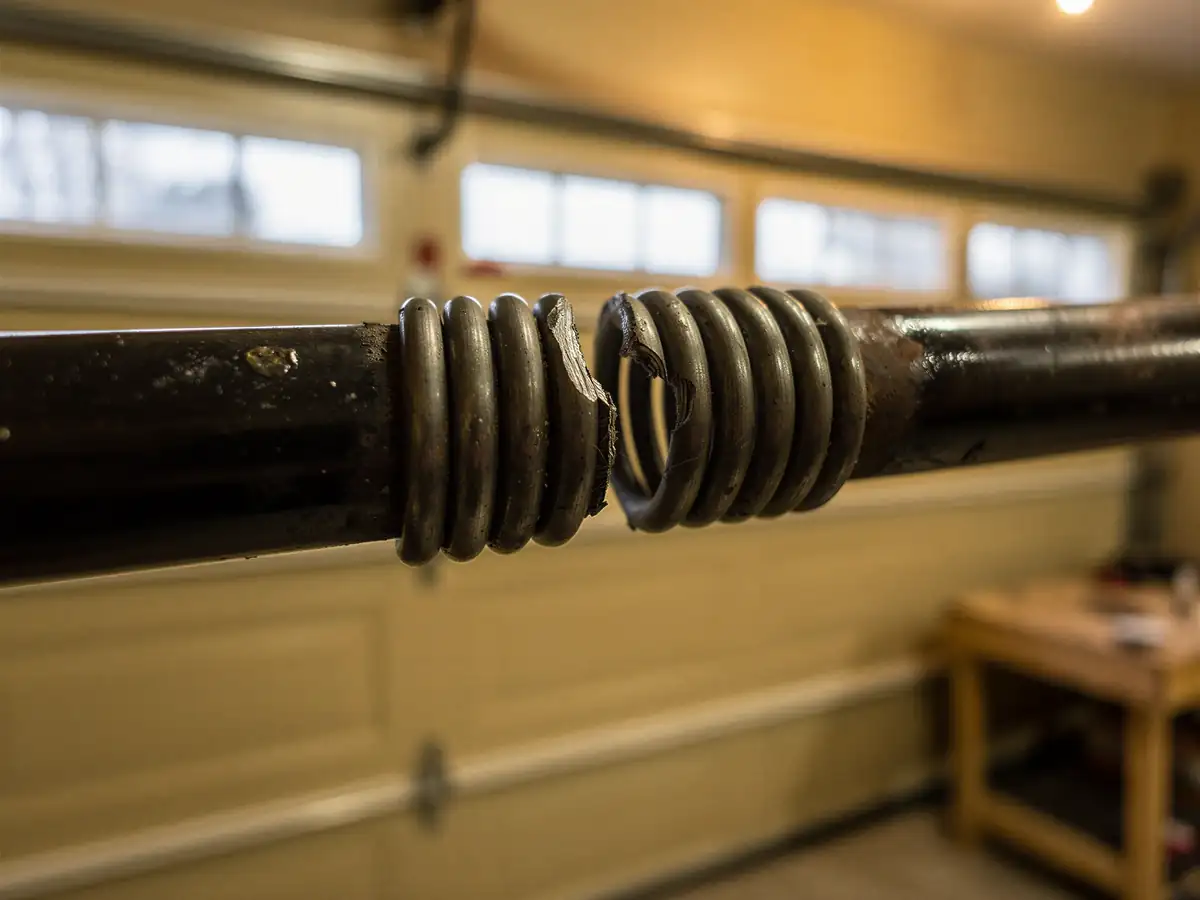
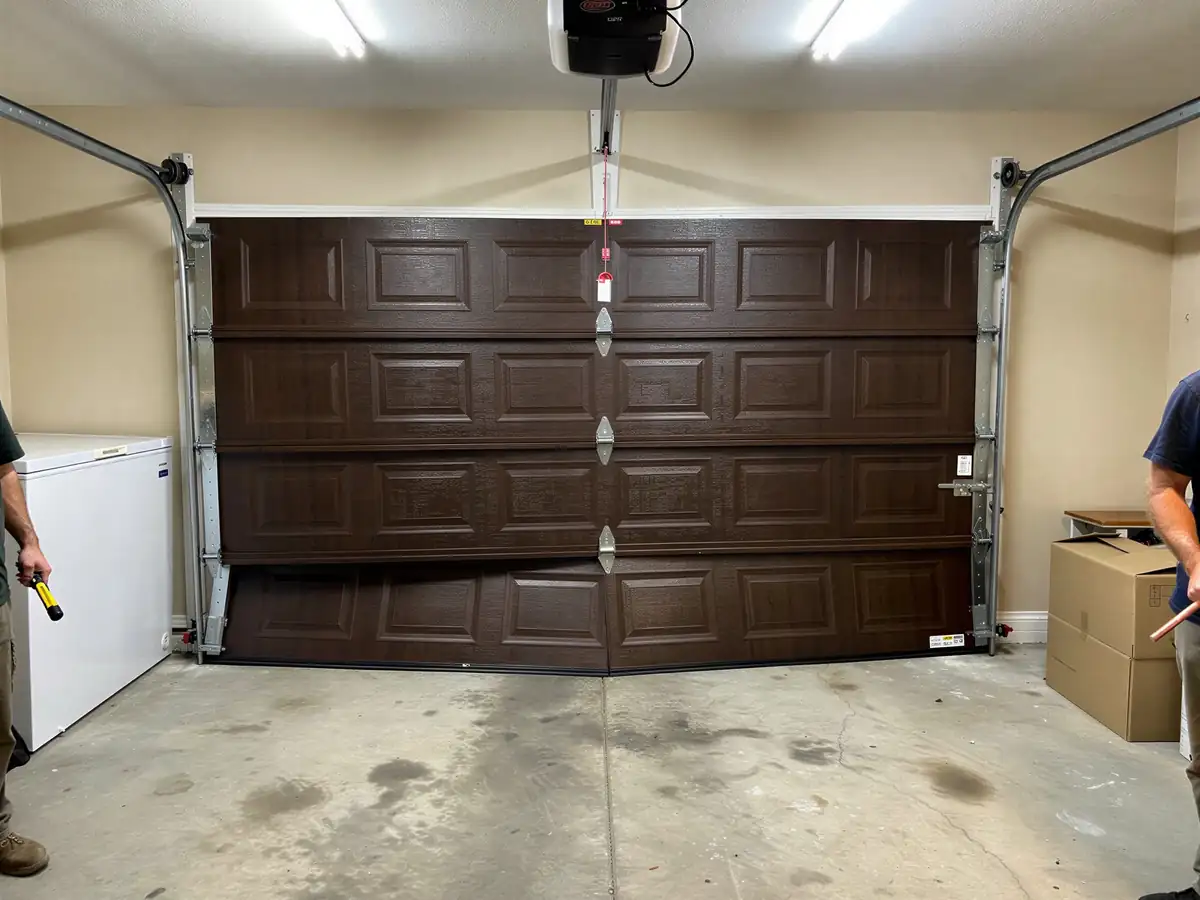
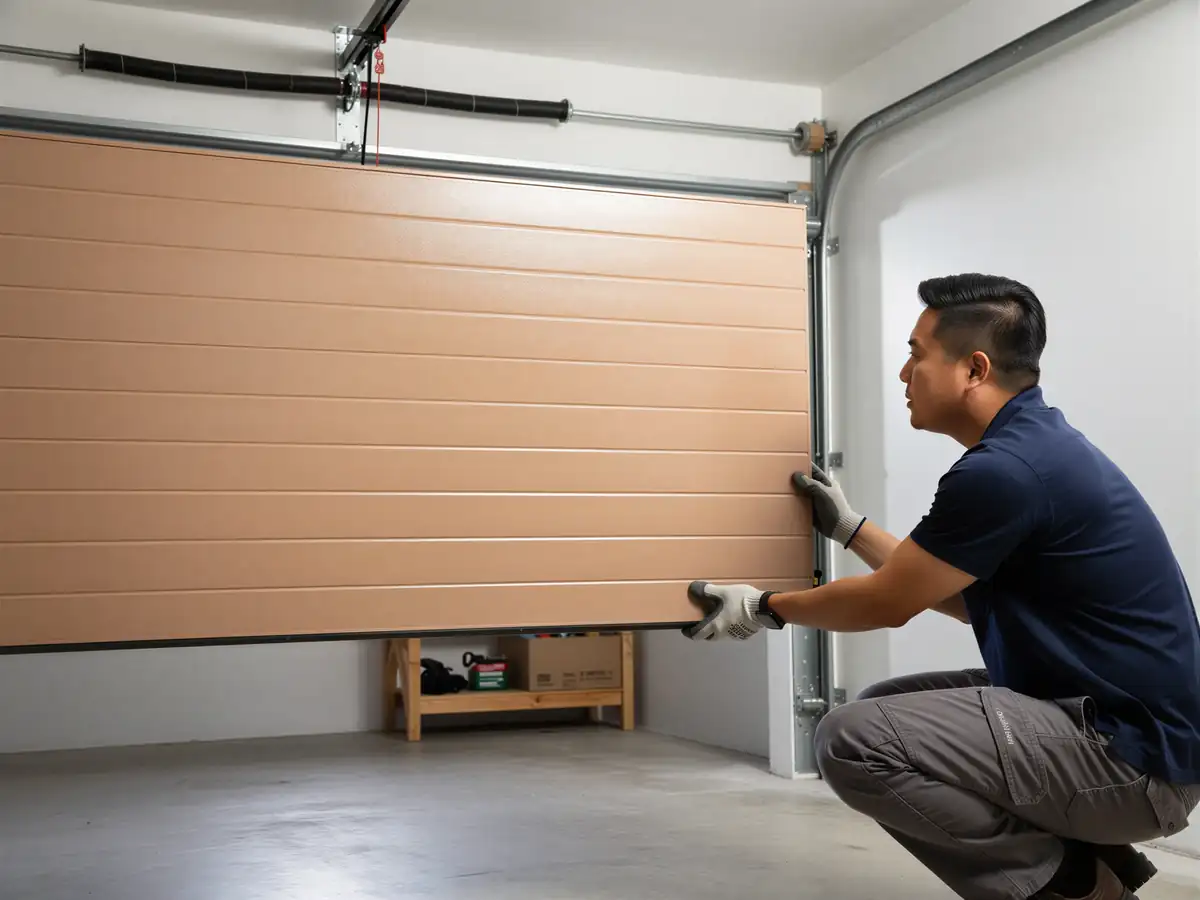
Most of Haymarket went up around 1997, which puts the original garage doors at roughly 25-plus years old if they haven't already been swapped once. That's a steel sectional door on a torsion spring rated for a set number of cycles, and by this age the spring is usually past it even if the door still looks fine. A straight swap on that kind of opening - same size, same track configuration - is typically a single visit: pull the old door and spring assembly, set the new track and panels, balance it, and move the opener over if it's being reused. Jobs run longer when the opening has settled or squared poorly over 25 years, which isn't rare in a house this age, or when you're changing the door's width or going from a single to a double. We travel the one mile out from Gainesville for the job; we don't keep a branch in Haymarket, so the schedule runs on the install slot, not on drive time. If your opener predates 2000, we'll also check whether it has a working auto-reverse safety function - some from that era don't, and we won't leave one running without it.
The Cost of This Job
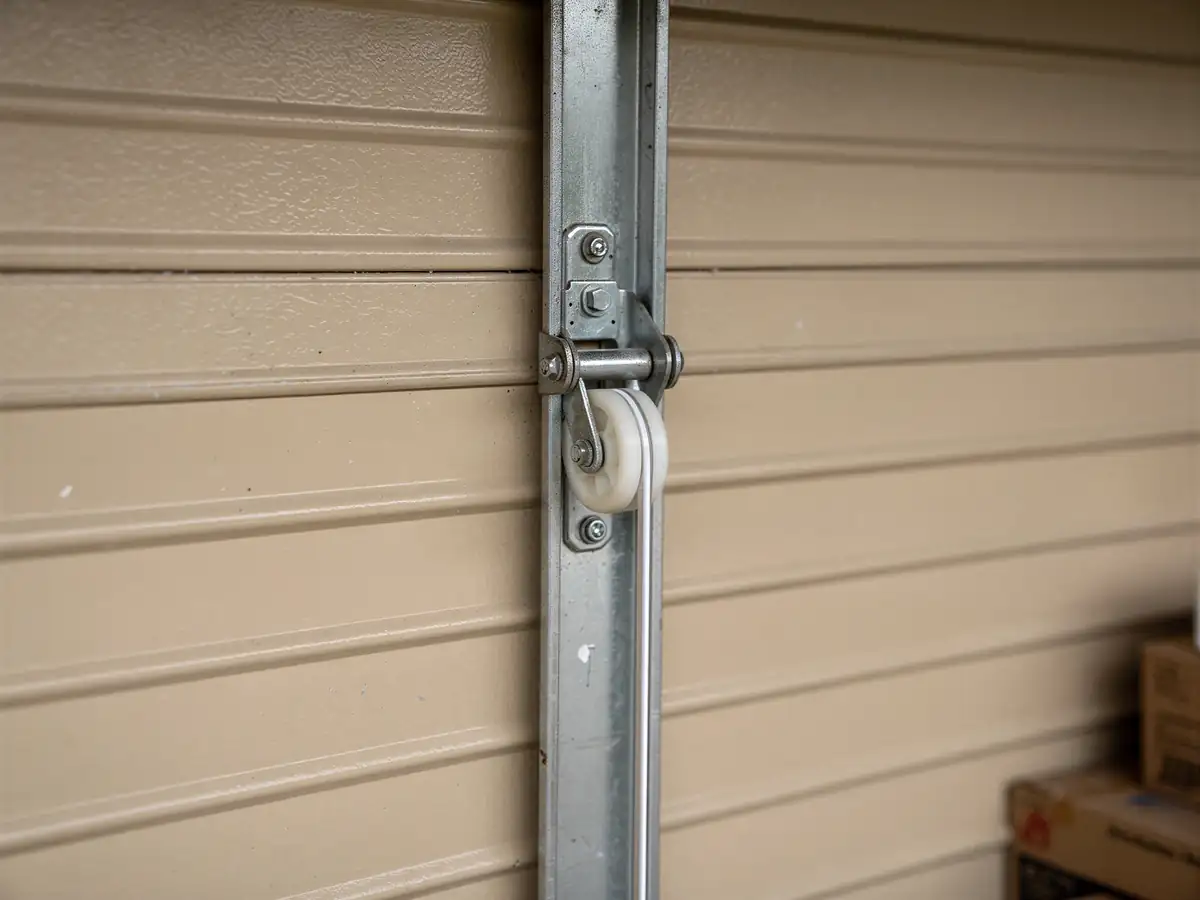
What drives the price on a house like yours isn't the install labor, it's the door itself and what the opening calls for. A standard steel sectional in a common width is a different number than an insulated door sized for a wider two-car opening, and Haymarket's household income runs well above the wider service area's median of $111,503 - in practice that means more of these jobs come in as insulated or higher-end door requests rather than the bare-minimum option. Springs, cables, and track hardware are priced separately from the door panel itself, and if your 1997-era torsion spring hasn't been replaced yet, expect that to be part of the quote even on a 'just the door' job, since putting a new door on a spring that's near failure is a waste of the new door. We quote the job after seeing the opening, not off a phone estimate, because a door that's 25 years old can hide track wear or a bent jamb that only shows up once the old panels come down.
What You Are Seeing
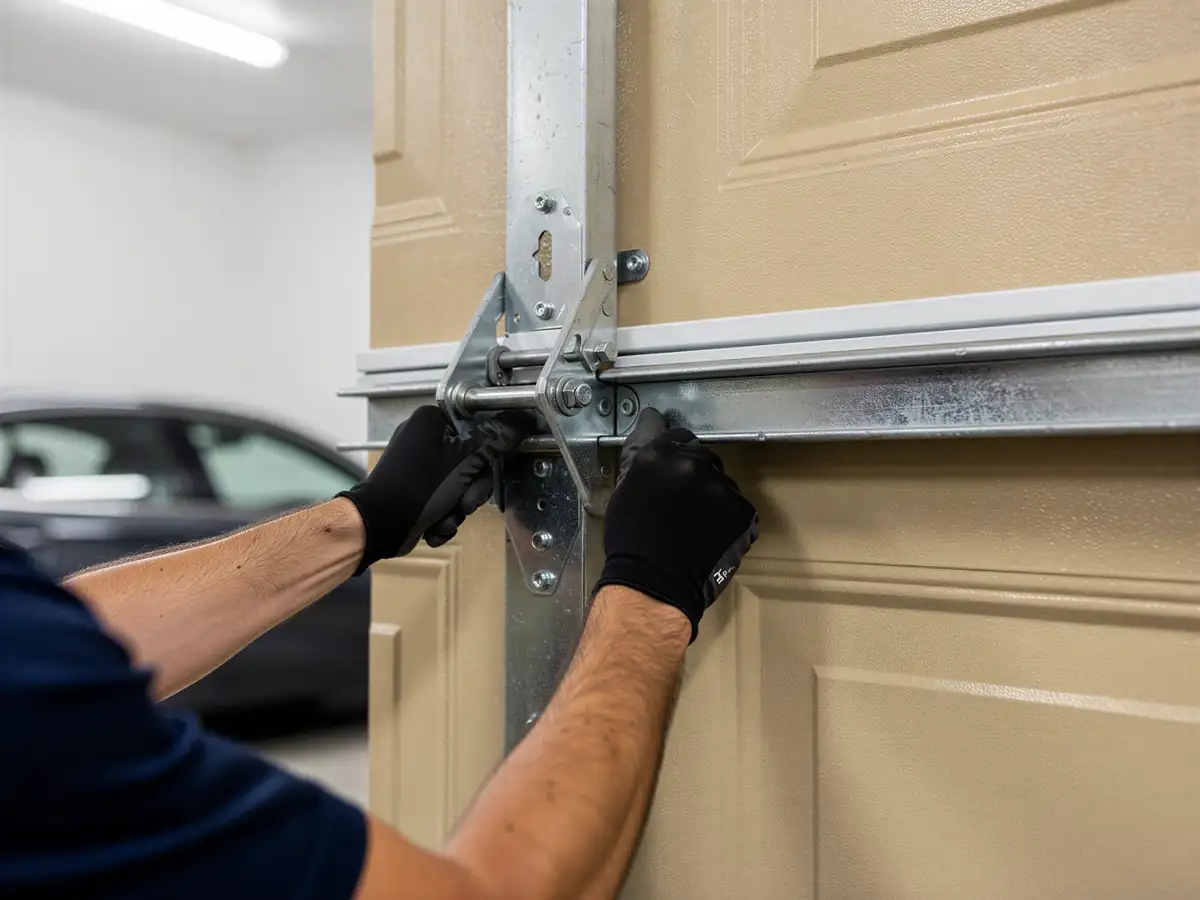
If your door is original to a 1997 build, the signs are usually the same: a spring that looks fine but takes more effort to lift by hand than it used to, a track with visible surface rust from 25 winters, or panels that have started to oil-can - that faint rippling in the steel - under their own weight. None of that means the door is unsafe today, but it does mean you're closer to a spring failure than a slow decline. With roughly 503 households in Haymarket, most built in the same narrow window, a lot of these doors are aging out on a similar timeline, which is part of why we see the same failure pattern repeatedly on this side of the service area. If you're not sure whether what you're looking at is wear or failure, that's a fair thing to ask us to look at before you commit to a full replacement - sometimes a spring and cable job buys years, and the door itself doesn't need to go yet.