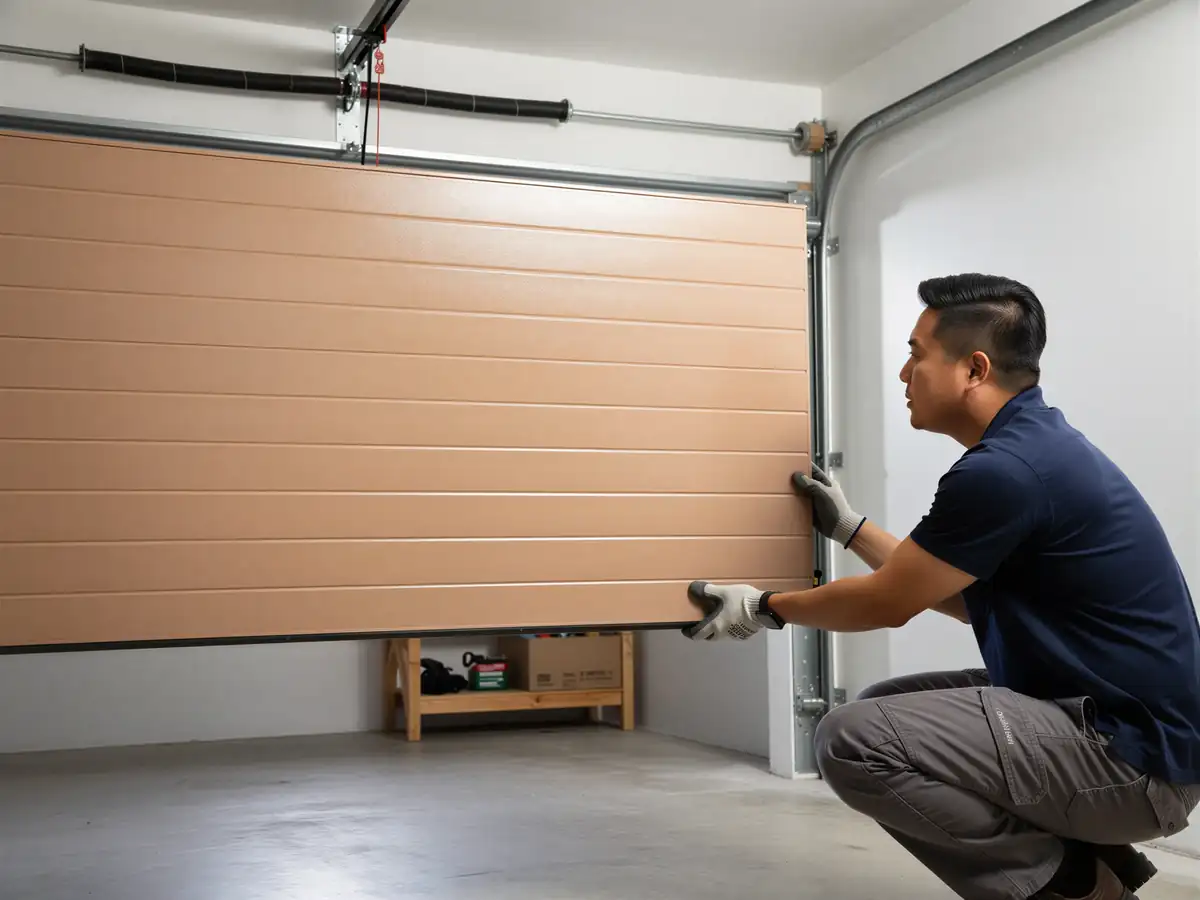
How Long It Takes
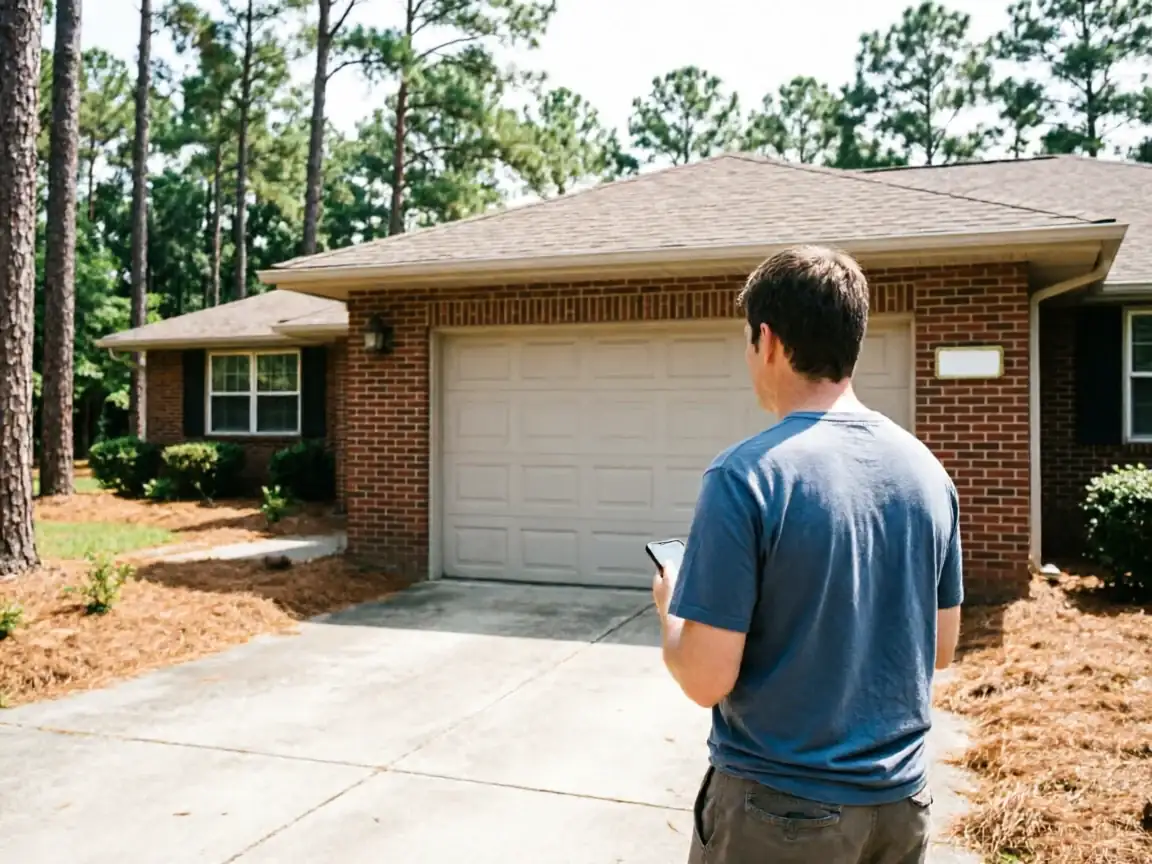
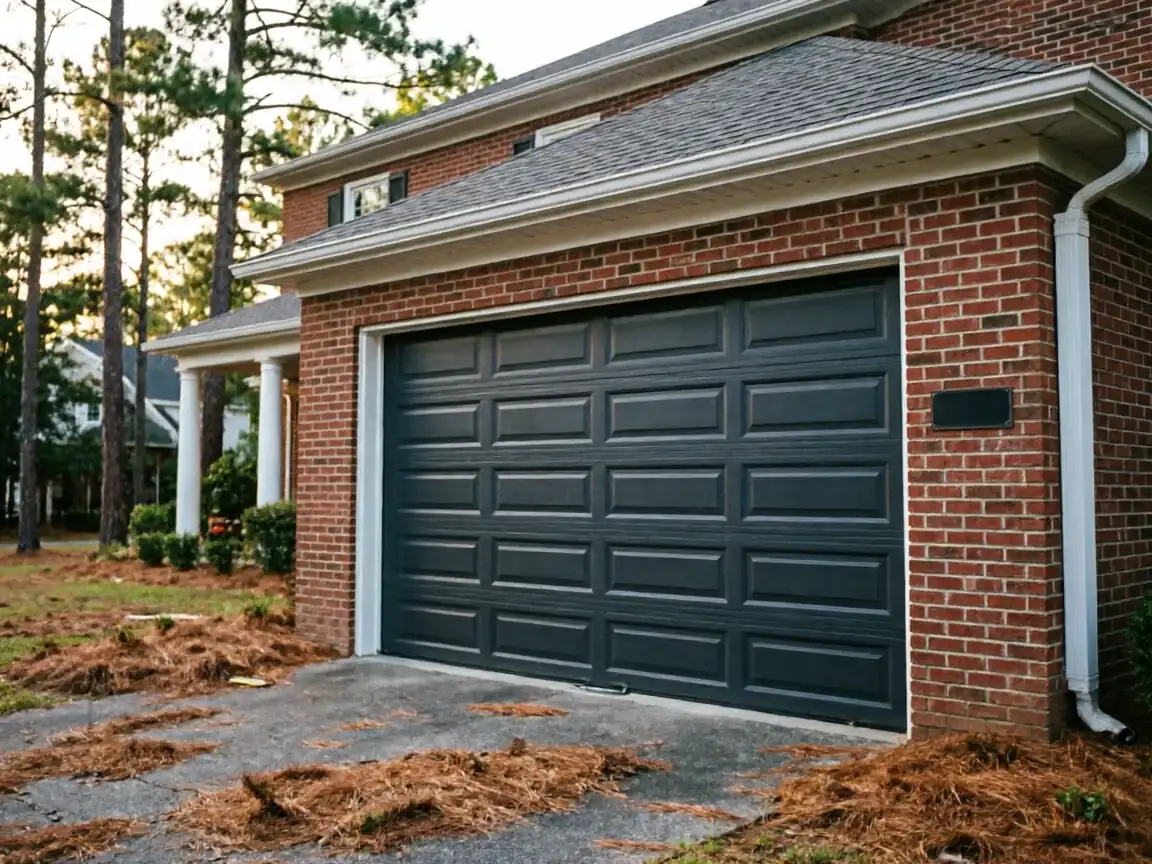
Most of Haymarket went up around 1997, which puts it well ahead of the broader service area, where the median build year sits closer to 1982. That fifteen-year gap matters for this job. A door from 1982 has often already had one round of hardware swapped out by a previous owner or a prior repair call. A door from a 1997-built Haymarket house is more likely still running its original builder-grade rollers - the plain steel ones with no bearing, pressed into a track that's never been touched.
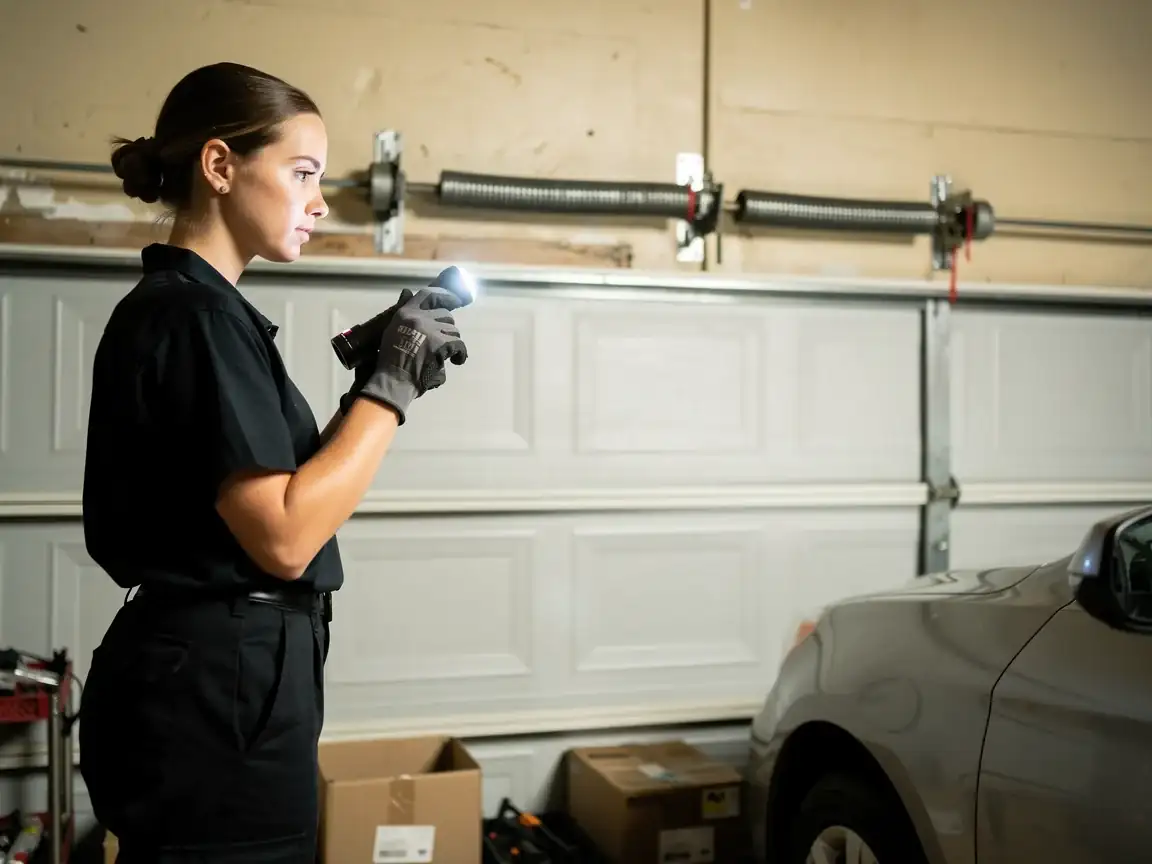
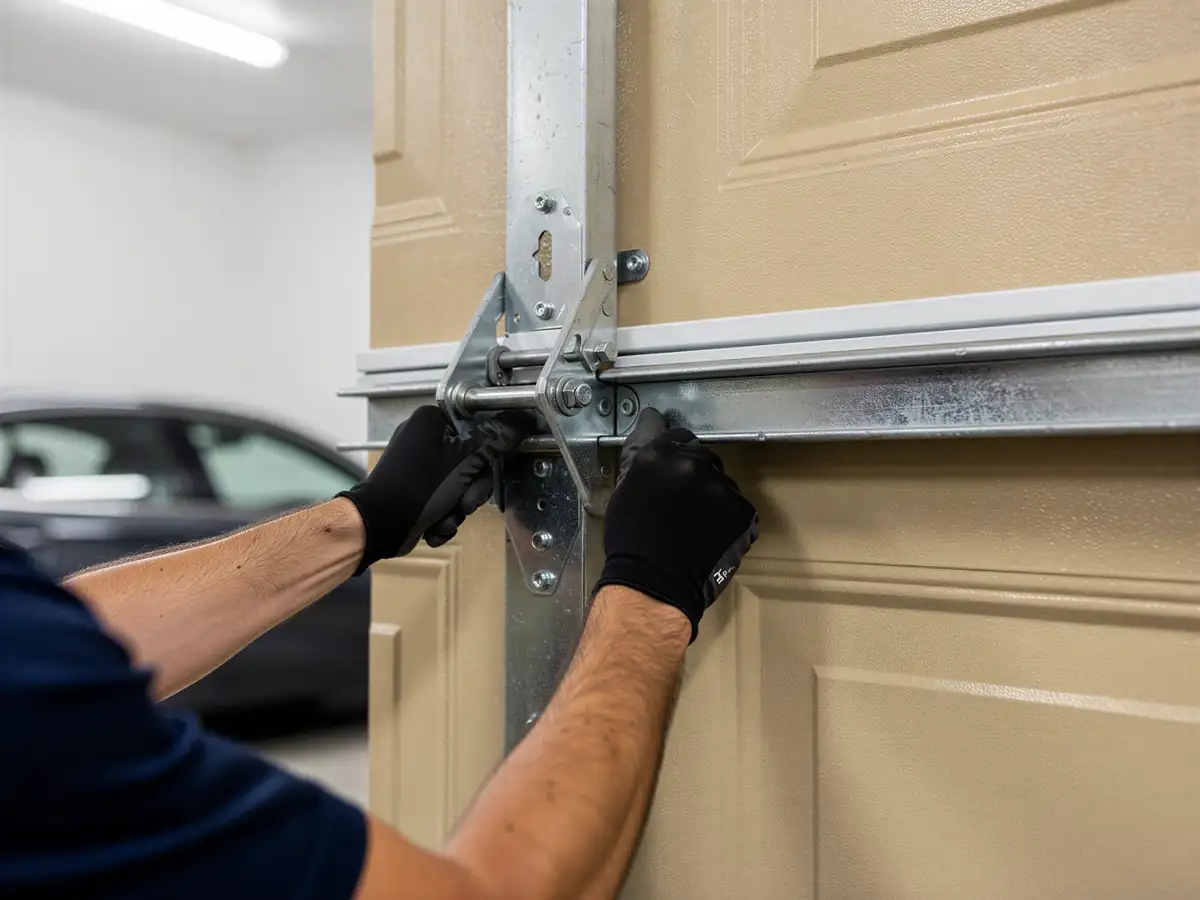
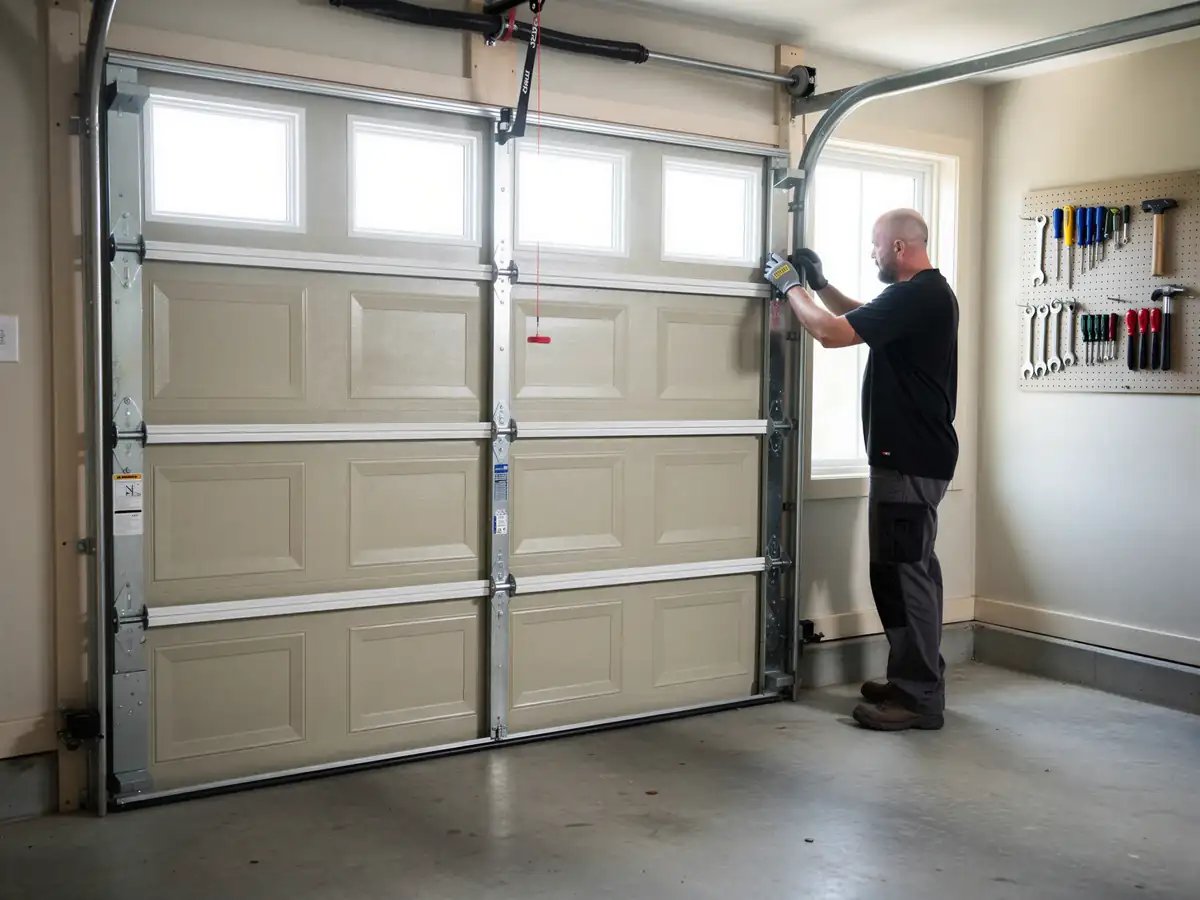
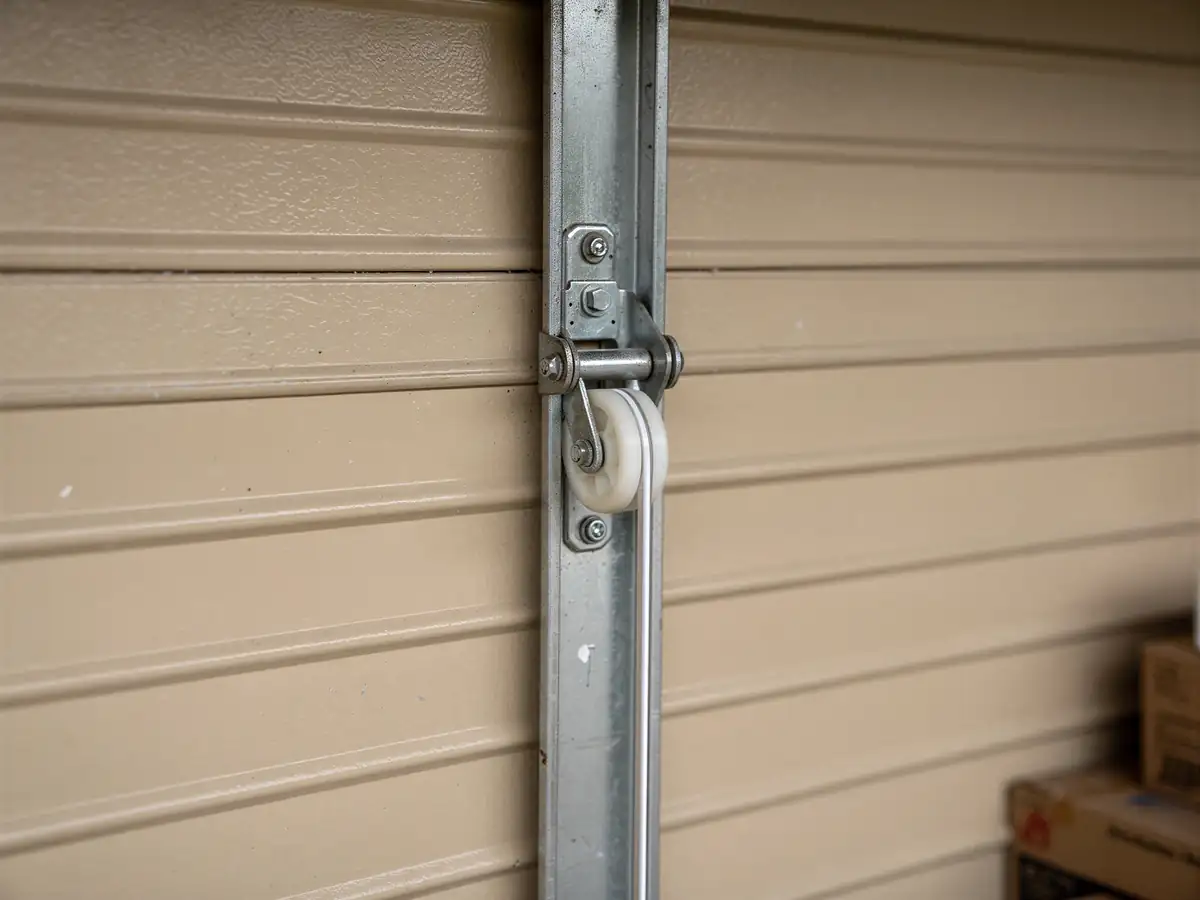
That's actually a simpler job in most cases. We're not guessing at what's behind an older retrofit or working around mismatched hardware from a past repair. We pull the old rollers, check the track for wear at the bend radius, and set new ones. A full set on a single door is usually finished in one visit, same day we're on site. Where it runs long is if the track itself has worn oval at the curve - common once rollers go this many years without attention - because then the track needs straightening or replacing before new rollers will ride true.
The Cost of This Job
We don't have a posted price for this one, and giving you a number without seeing the door would be a guess, not a quote. What we can tell you is what drives the cost up or down.
A straight swap of worn rollers on a track that's still true is the cheap end of this job. Add a bent track section, a cable that's walked off a drum, or a hinge that's cracked along with the rollers, and the job grows. The other variable is roller type. Plain steel, open-bearing rollers are the cheapest and the loudest. Sealed-bearing nylon rollers cost more up front and run quieter, and we see a fair number of Haymarket homeowners choose that upgrade when they're already paying for the labor to open the door up.
One honest limit here: we don't carry every roller stem length on the truck. Most houses in this area use a standard stem, but if yours has a nonstandard one from a past repair, that might mean a short return trip rather than a same-visit fix.
The Complications
The service area sits in a cold climate zone with real winter severity
And that's the thing that quietly ages rollers faster than the manufacturer's spec sheet suggests. Nylon rollers get brittle in a hard freeze and can crack at the hub if the door gets forced open on a cold morning when a roller's already binding. Steel rollers don't crack that way, but they dry out and start grinding without regular lubrication, and a lot of original builder-grade rollers from the late 1990s never saw a drop of oil in their life.
The other complication specific to a house this age is the track mount
A door installed in 1997 was set to the codes and hardware standards of that period, and the horizontal track brackets on some of those installs are lighter gauge than what gets used today. Swap in heavier rollers without checking the bracket, and you can end up with a track that flexes under the new load. We check that before we button anything up. If the bracket's marginal, that's a conversation about reinforcing it, not just a roller swap.
What You Are Seeing
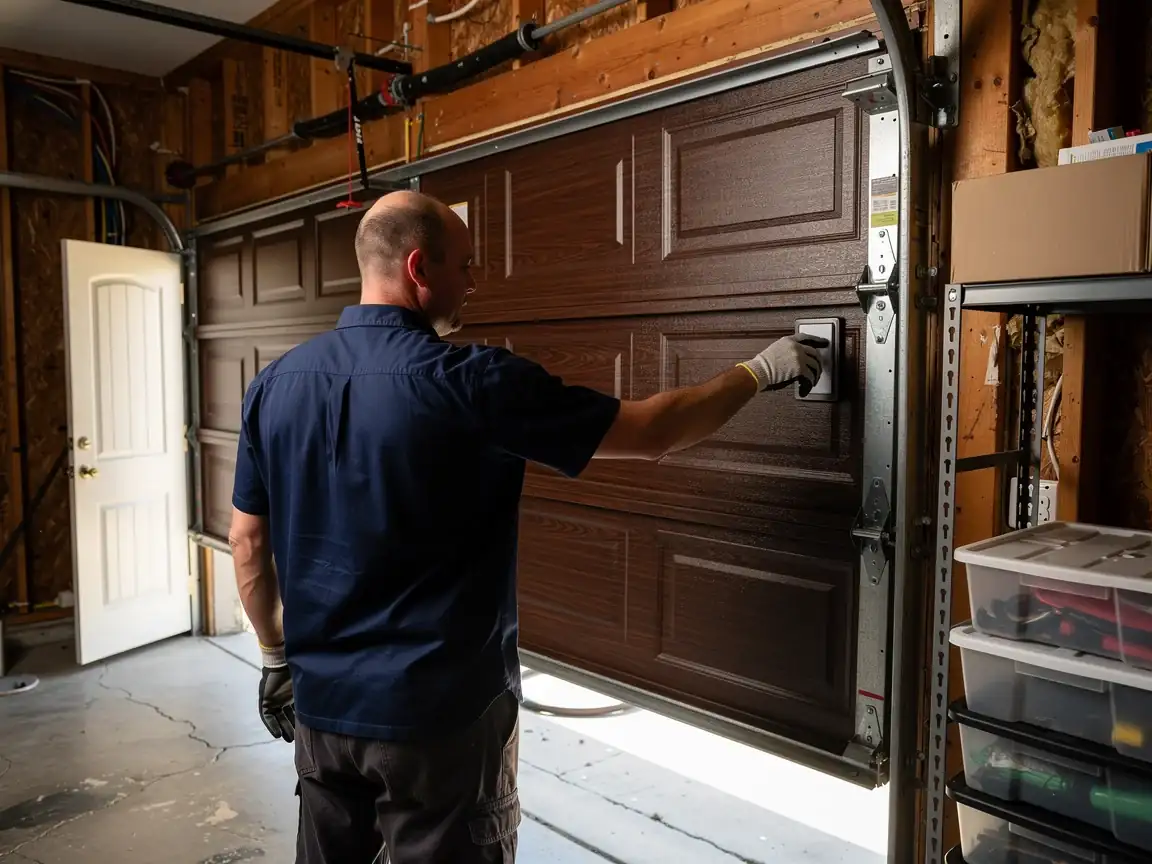
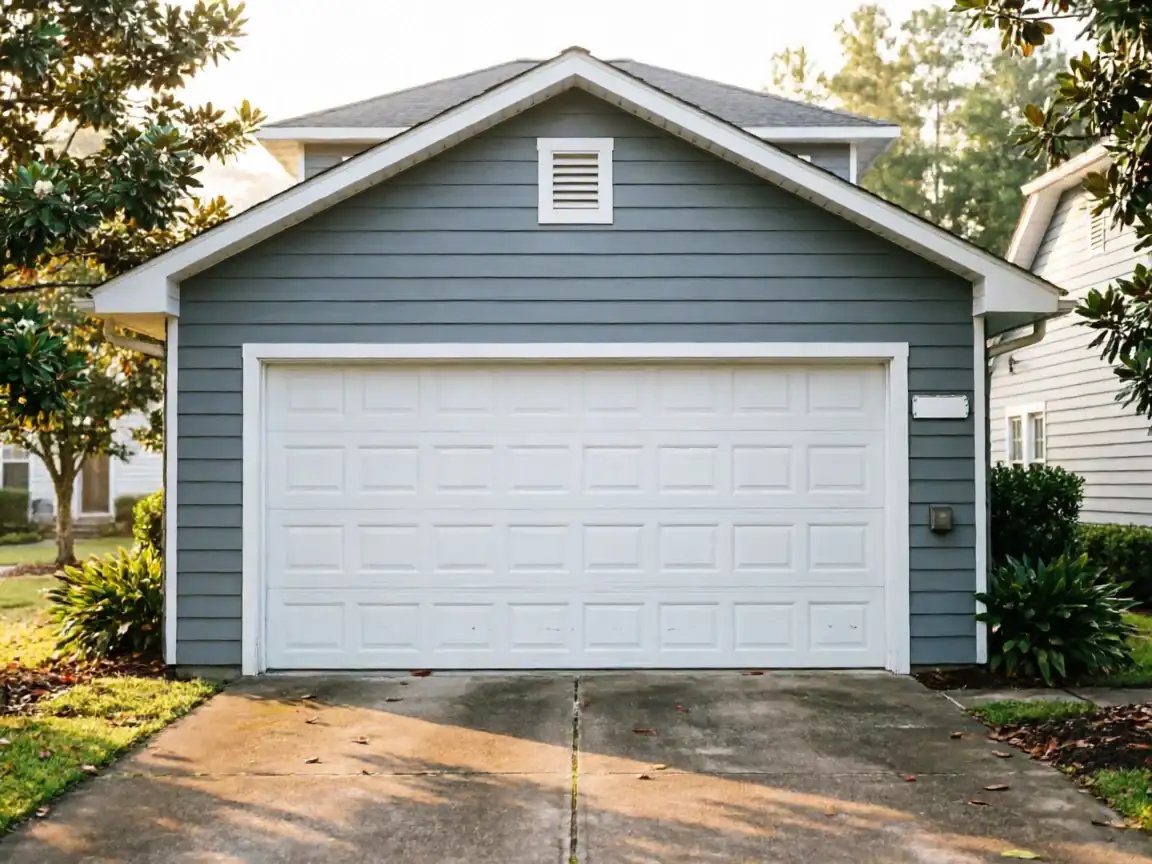
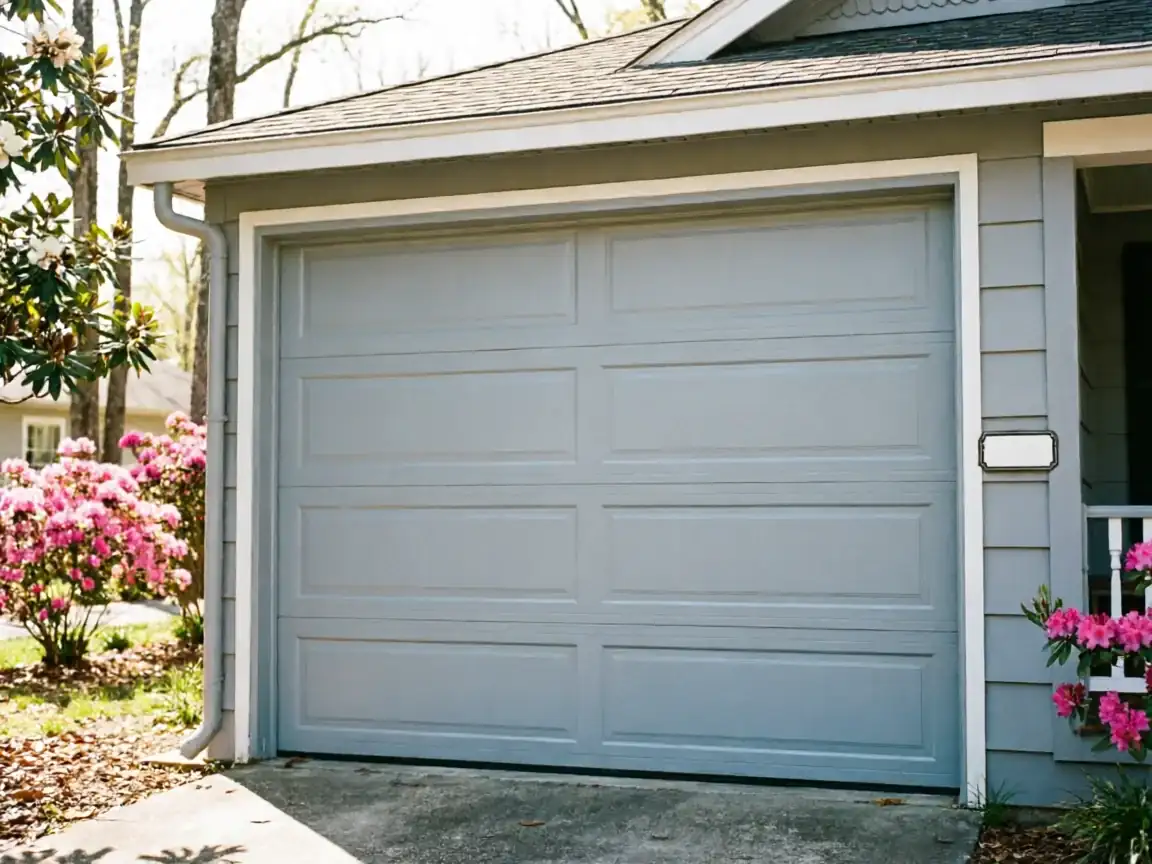
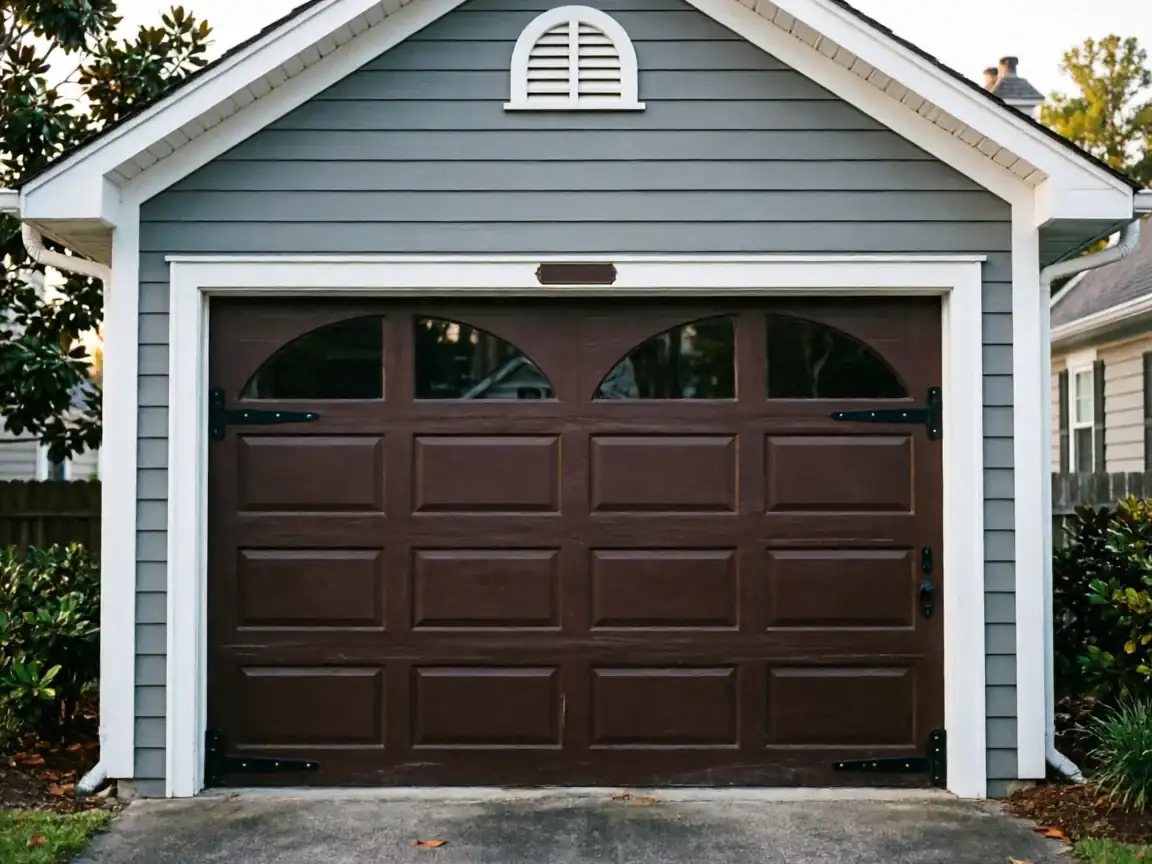
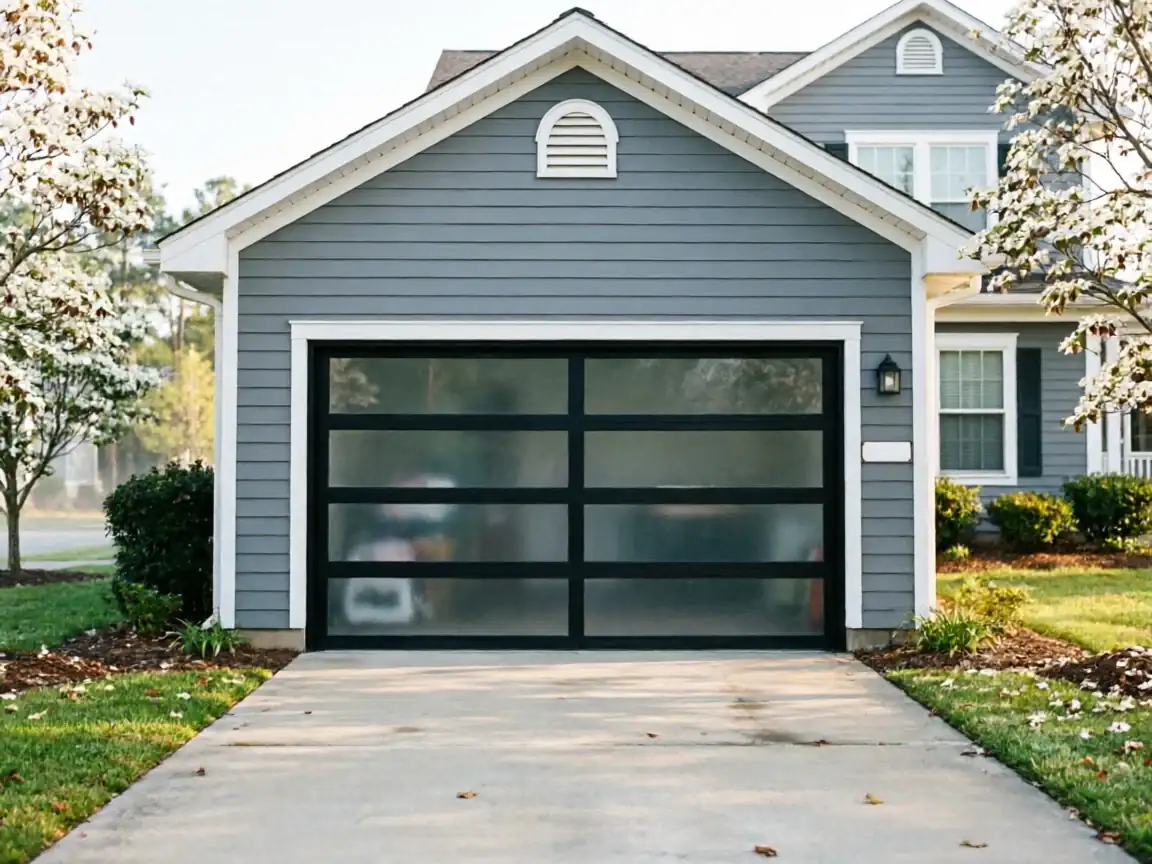
A door that's started grinding instead of rolling, or that jerks at one or two spots on the way up - same spots every time - is usually a roller problem, not a spring or opener problem. On a Haymarket house built close to 1997, that door and its rollers are now pushing toward three decades of use, which is past the point most steel rollers were built to last.
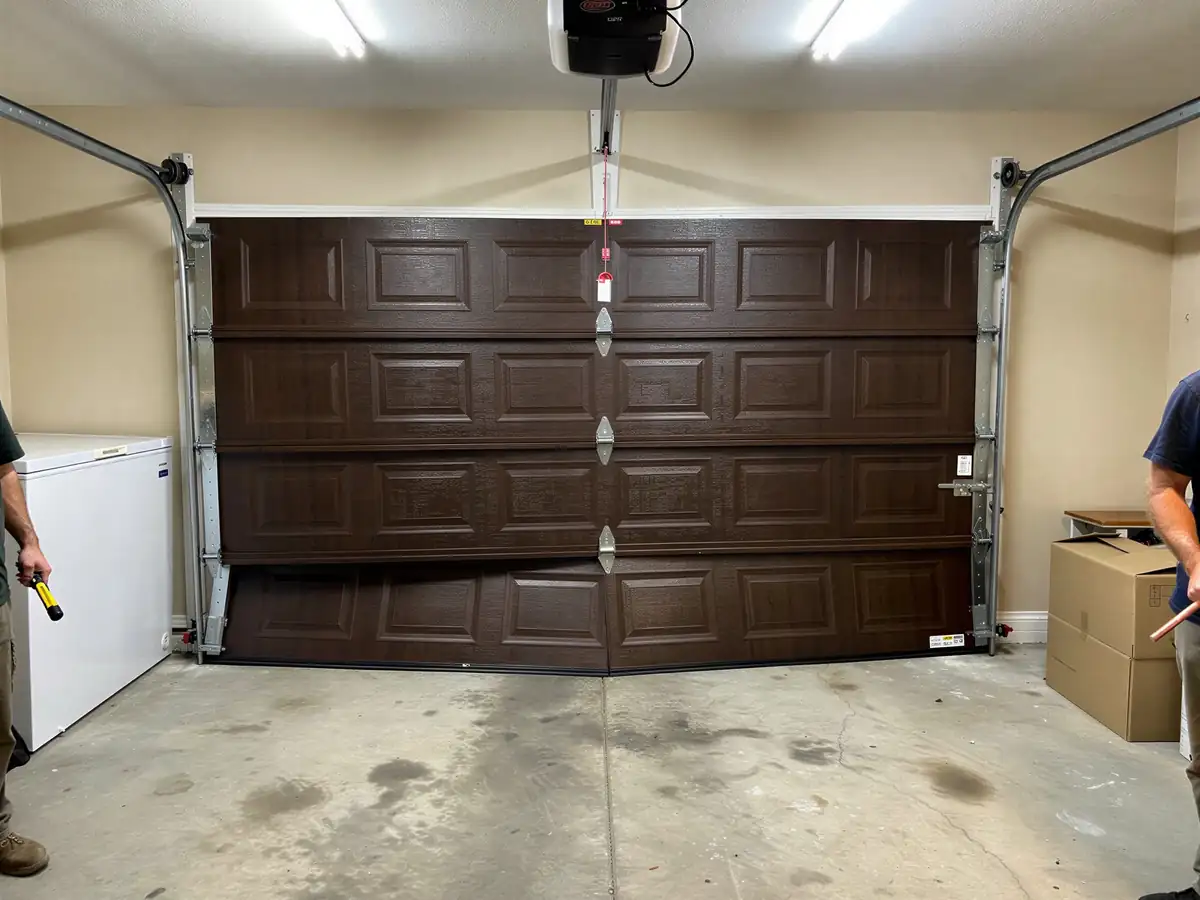
Other signs: the door looks like it's walking slightly off-track as it travels, there's visible wear flats on the roller wheel itself where it's gone from round to slightly faceted, or you can see rust streaking down from the roller stem onto the track. If only one or two rollers are bad, we'll still recommend doing the full set - mixing old, worn rollers with new ones on the same track just means the new ones are doing extra work and wearing early. We won't push a full set if the door's only a year or two old and one roller failed from a defect, but on original 1997-era hardware, a full set is almost always the honest call.