Why This Fails Locally
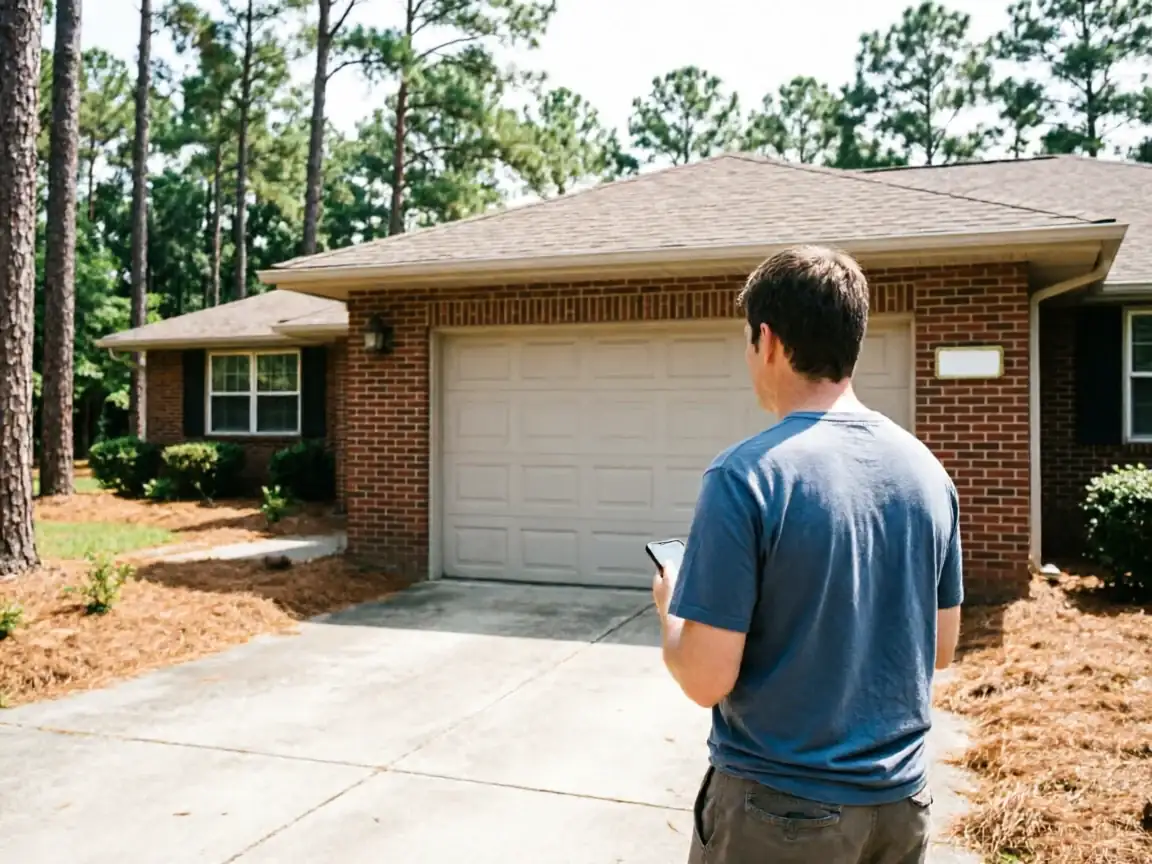
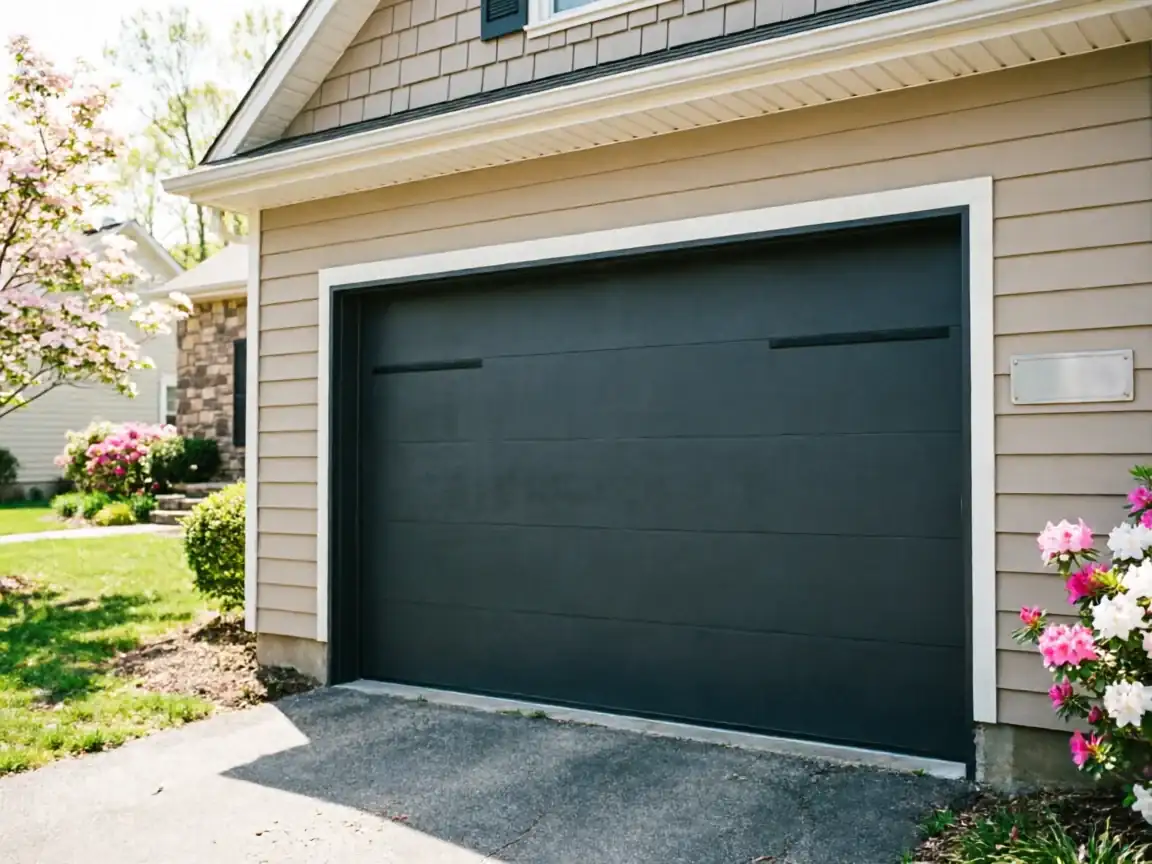
Homes across the Gainesville service area were built between 1938 and 2015, with the median landing in 1982, which puts most garage openings on 1980s single-layer steel doors that were never rated for the cold-severe swings this region sees. Those doors went in when insulation wasn't part of the spec and the opening itself was often framed a half-inch off square - fine for the door it came with, a problem the day you want something newer.
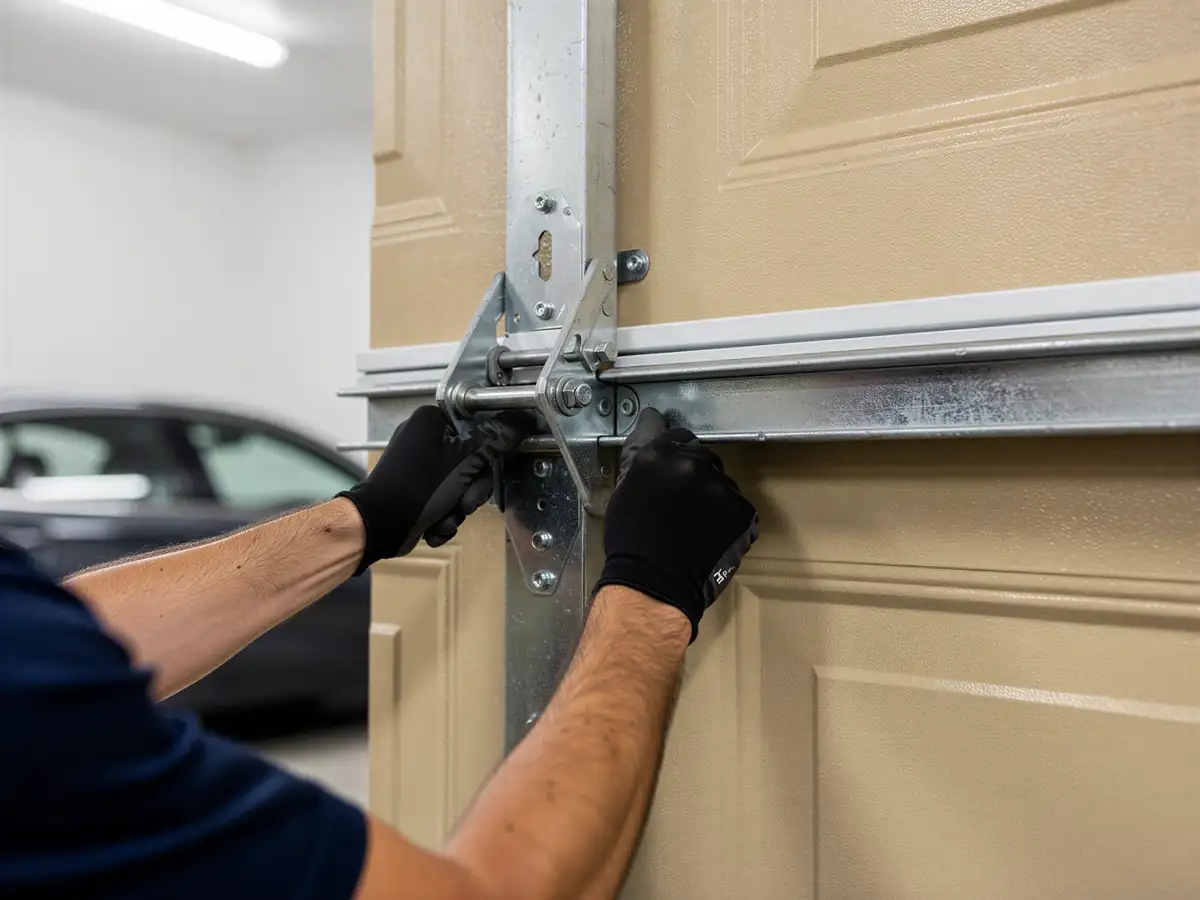
Gainesville sits in a cold-severe climate band, so a steel door without a thermal break will crack its seams at the hinge points in a hard freeze, and the track hardware that shipped with a 1980s or 90s build corrodes faster than the door panel does. From Haymarket a mile out to Remington twenty miles down the road, the 17 named communities we cover share that same door stock, which is why replacement calls tend to cluster by neighborhood and by decade, not by random breakdown.
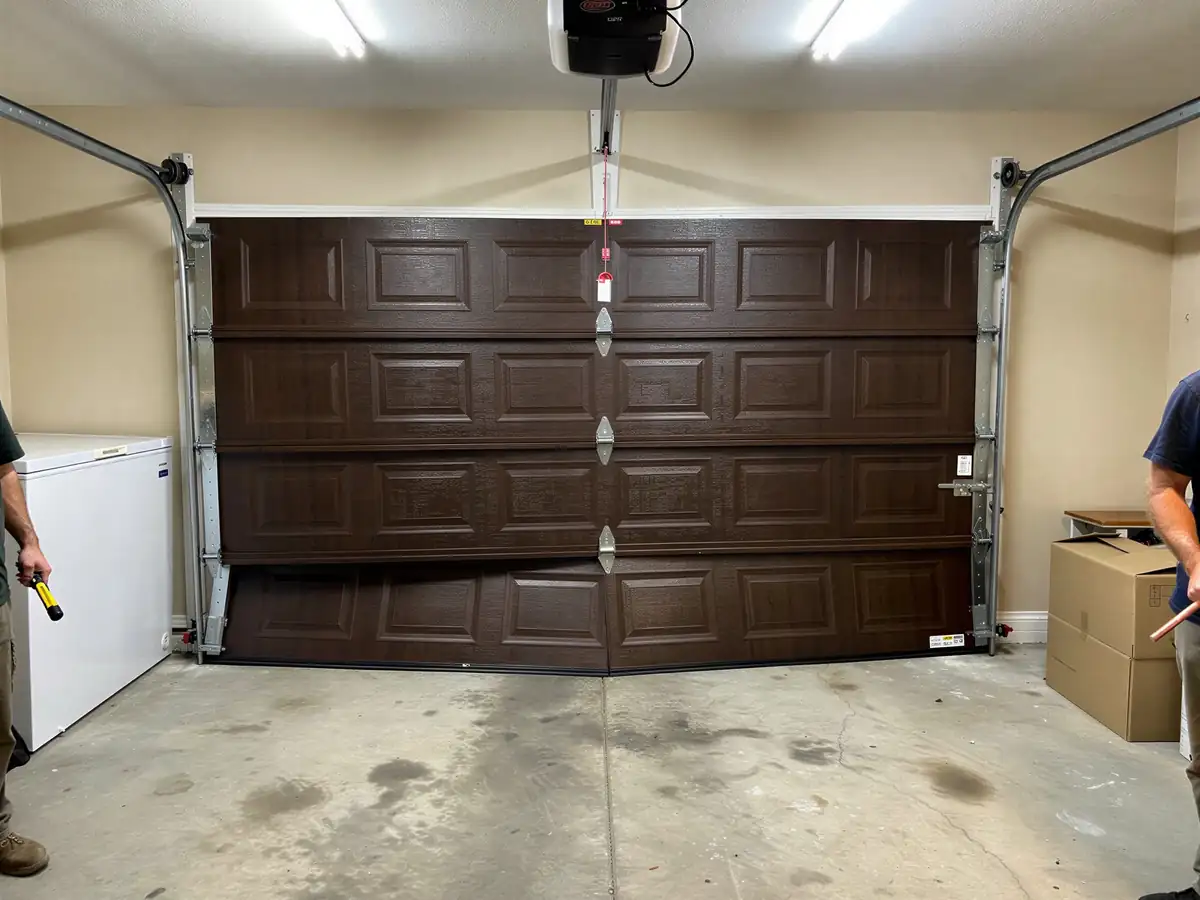
A straight swap-in replacement without resizing the track and header clearance is the most common mistake we see - it looks fine for a season, then binds once the old jamb settles further out of square.
What You Are Seeing
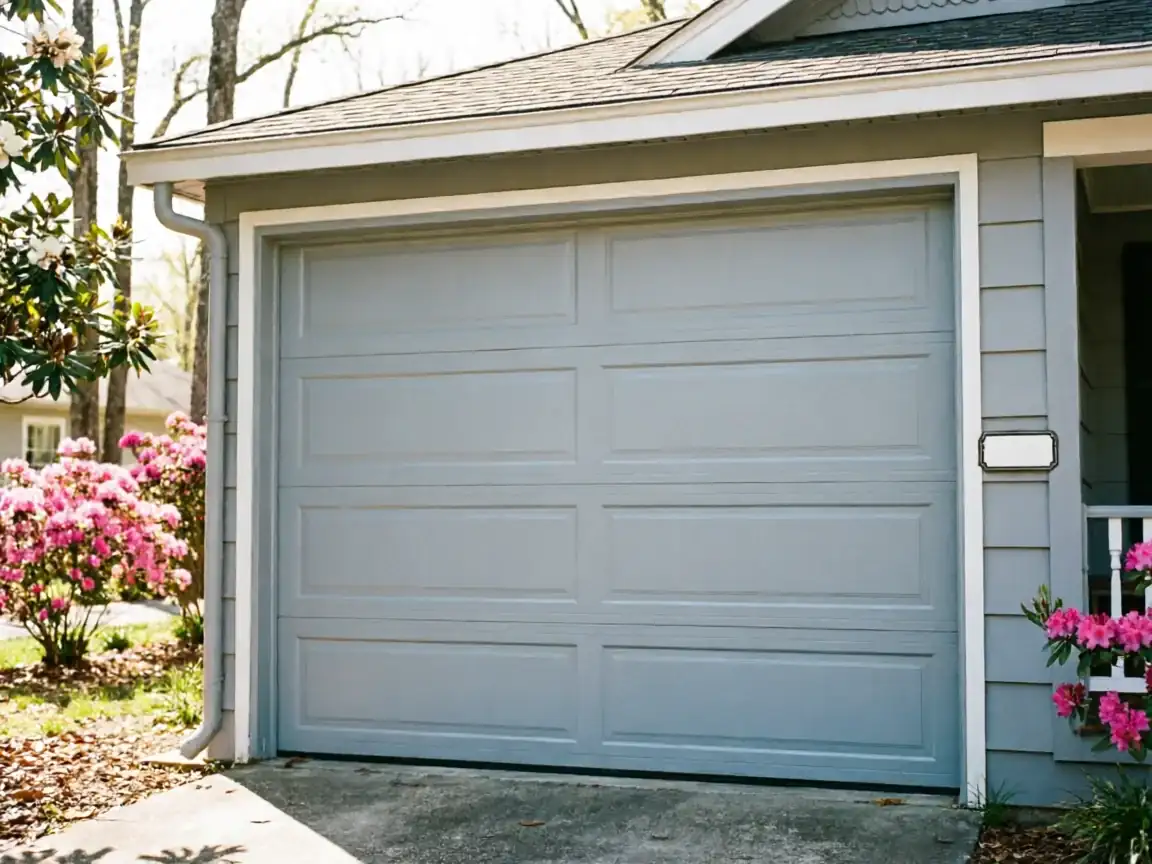
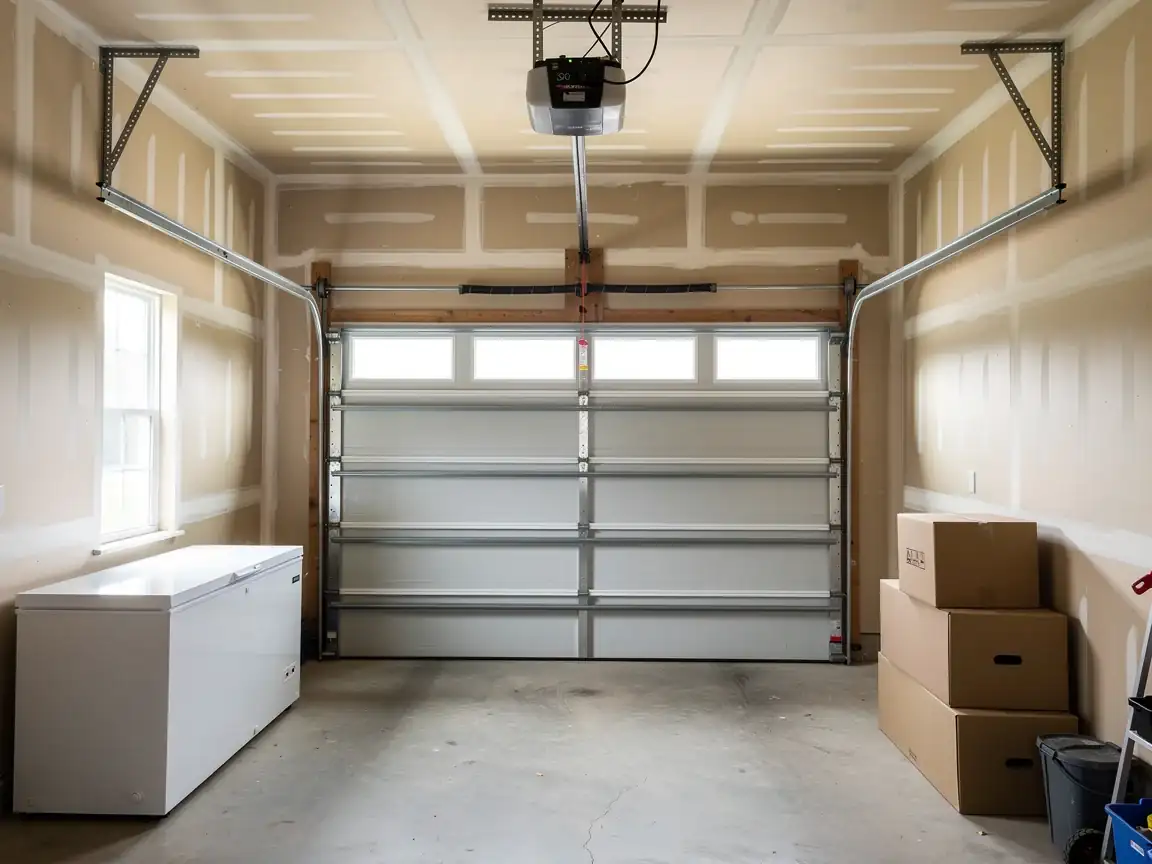
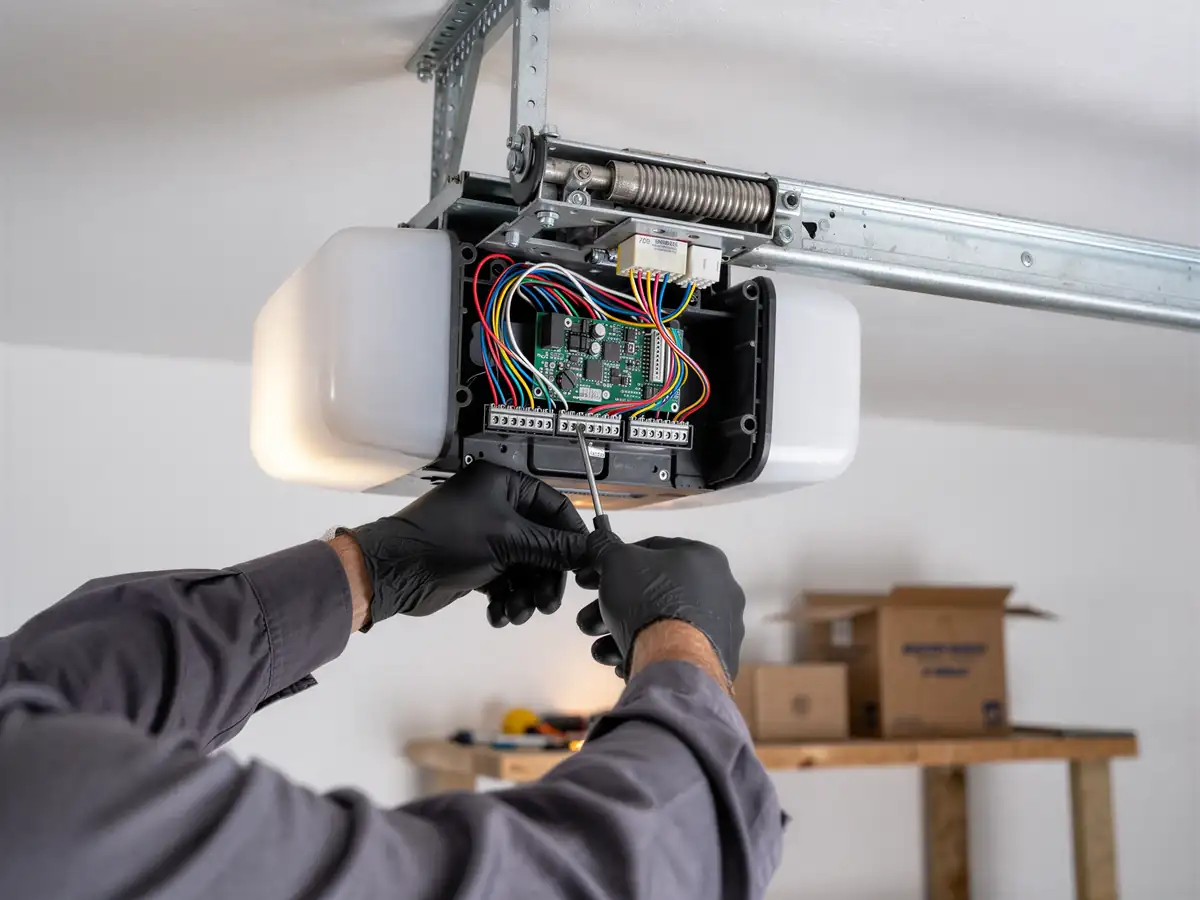
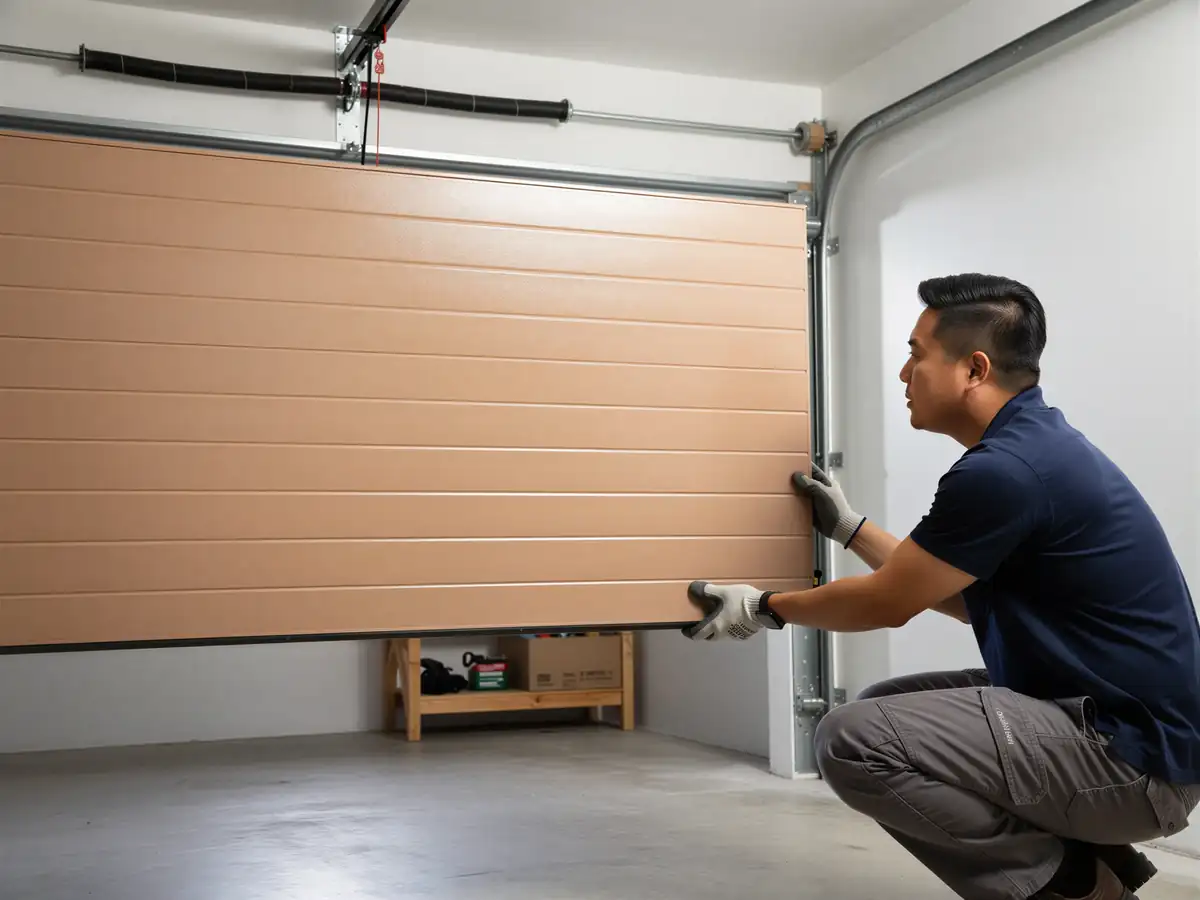
If your door is from that original 1980s-90s build, you're probably seeing daylight at the top corners when it's down, a bottom seal that's gone flat and lets cold air pool along the slab, or a panel that's started to bow where the old single steel skin flexes in a freeze-thaw cycle. Openers from that era usually run slower than what's sold now and sometimes without a working safety reverse - worth checking before you spend money on a new door and keep the old opener.
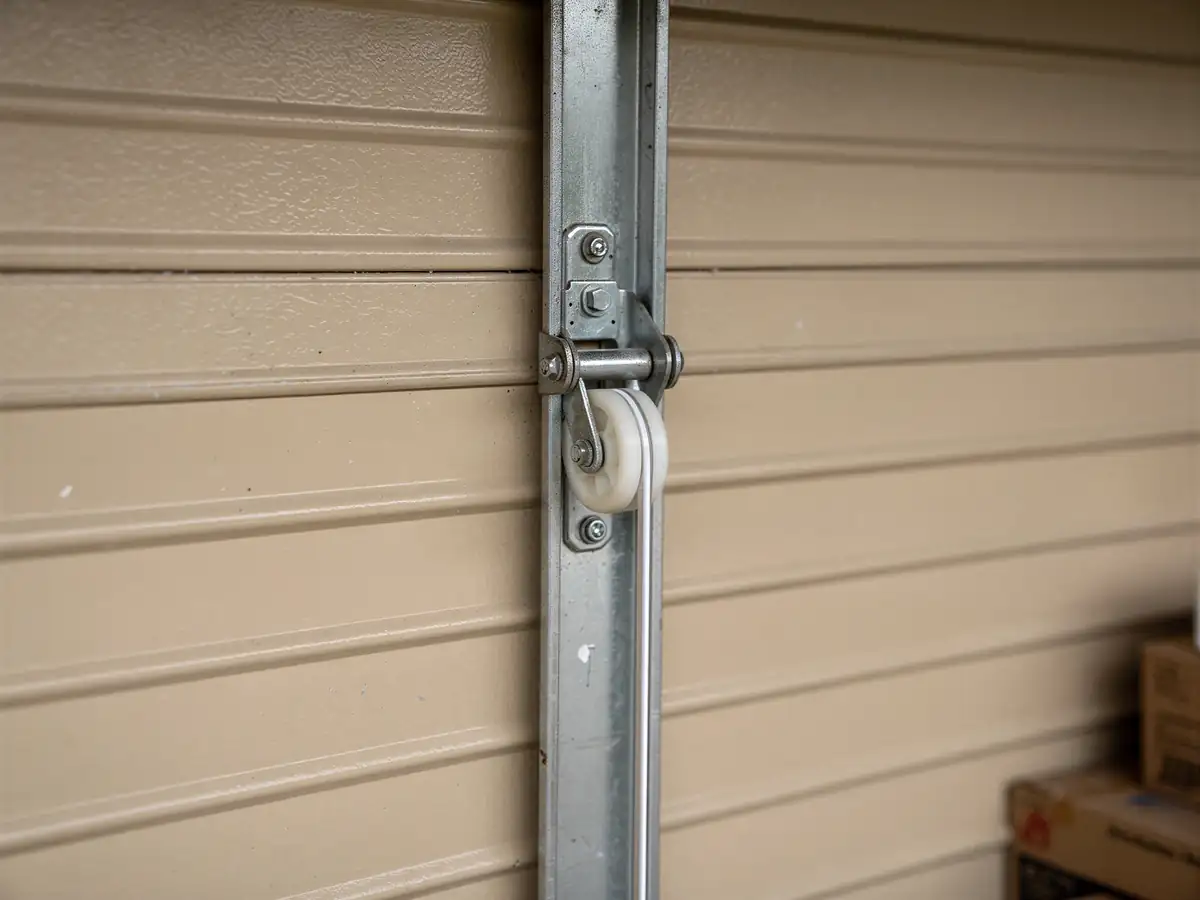
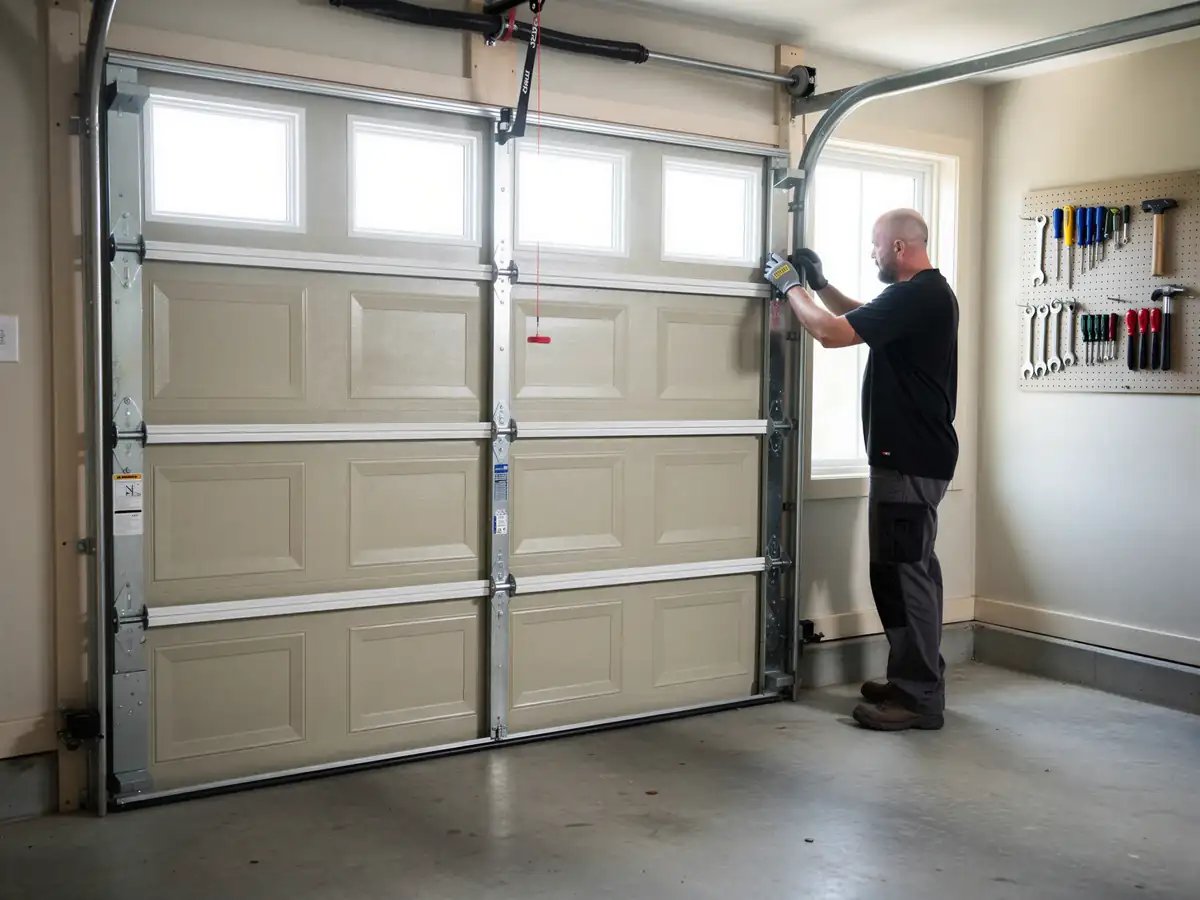
On the newer end of the 1938-2015 build range, the issue is usually track alignment rather than the door itself: a slightly out-of-plumb jamb from settling means the rollers ride the edge of the track instead of the center, and that wear shows up as a grinding sound long before anything fails outright.
We also see doors that were sized for an opening that's since been re-trimmed or re-sided, so the measurements on record don't match what's actually there anymore. That mismatch is the single biggest reason an install quote changes once we're on site with a tape measure.
How We Fix It
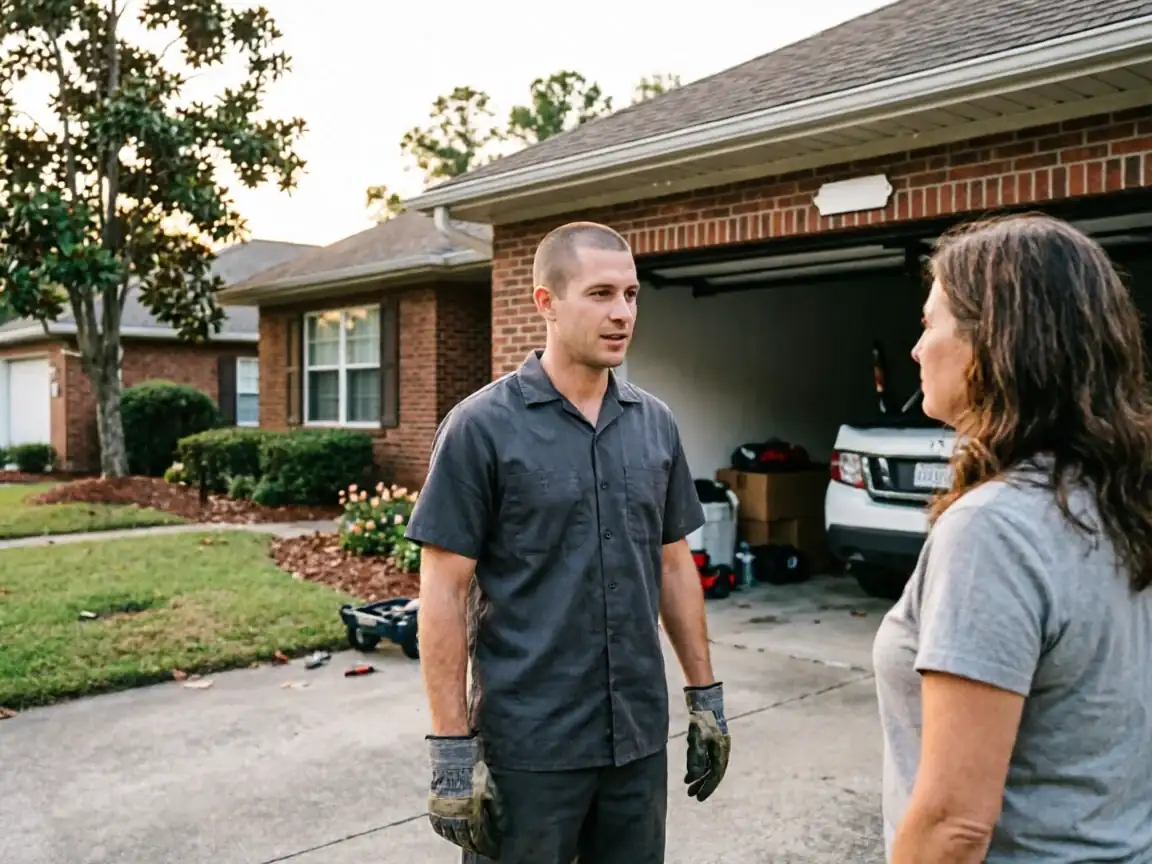
We measure the actual opening, not the door you're replacing
Width, height, headroom for the track radius, and side room for the spring system - because in housing built across 1938 to 2015 those numbers vary more than owners expect. For a cold-severe climate like Gainesville's, we spec an insulated steel or composite door with a continuous thermal break and a bottom seal rated for sustained low temperatures, not just a cosmetic upgrade.
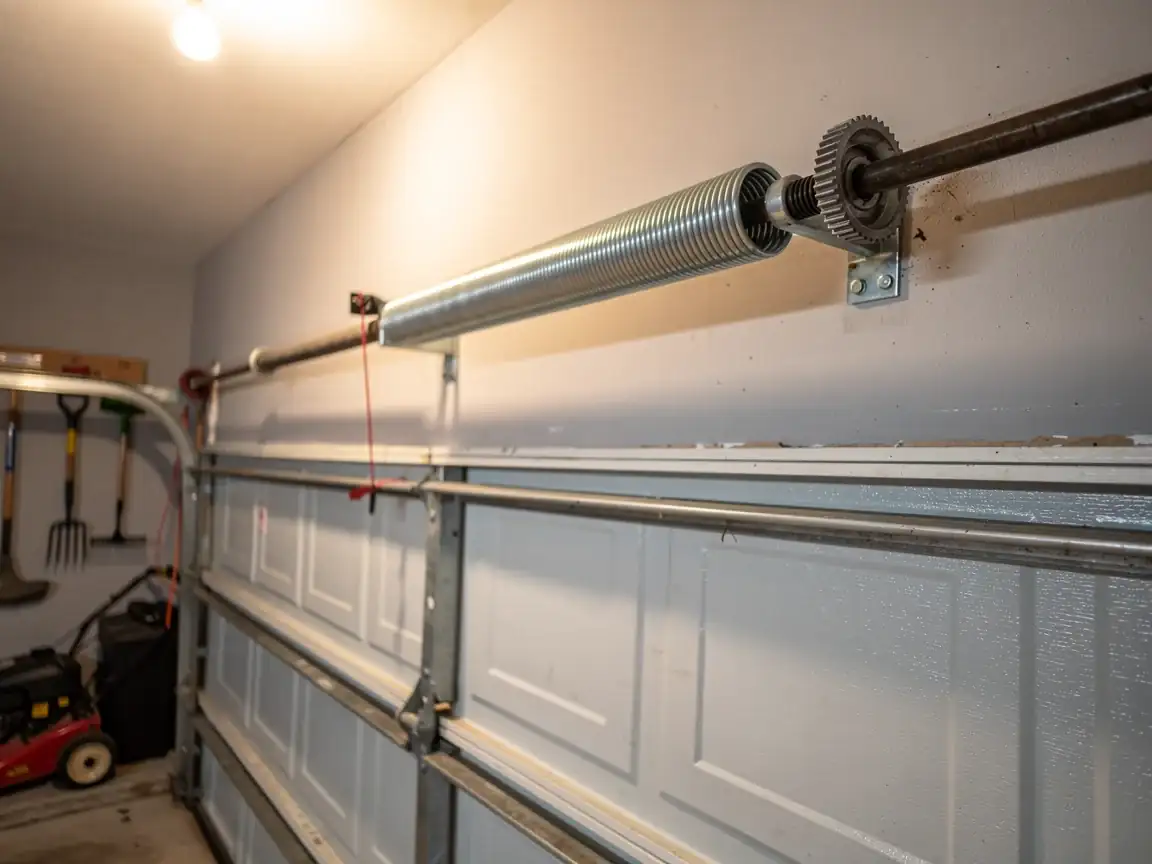
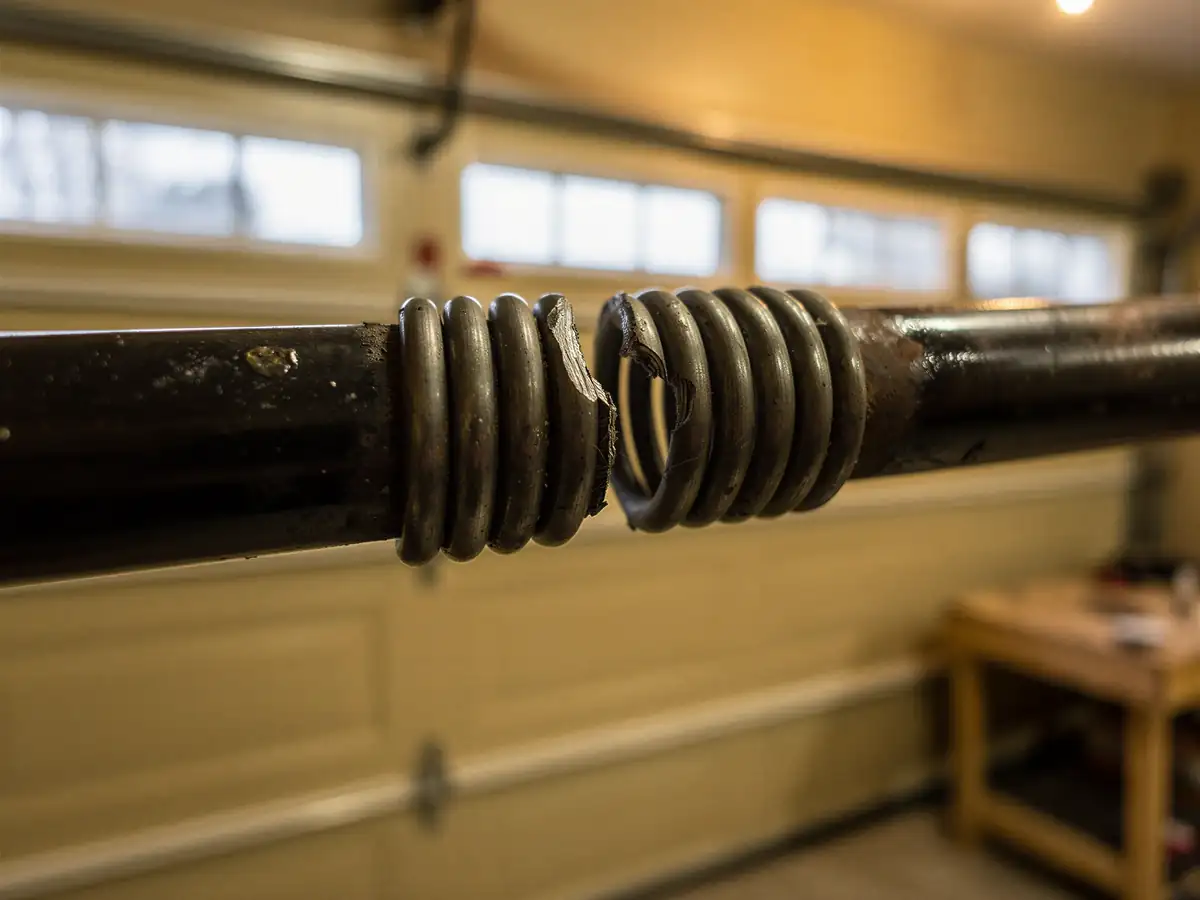
Torsion spring sizing gets matched to the door's actual weight once insulation is added
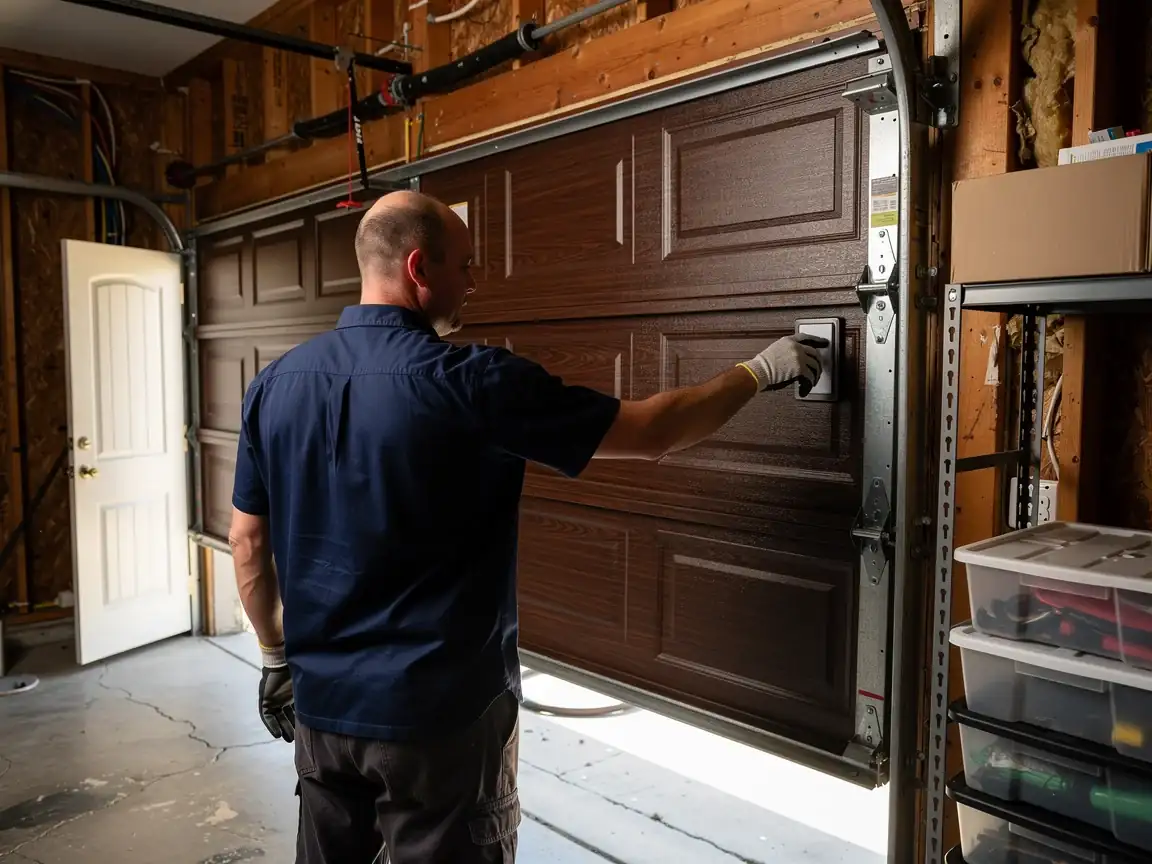
Since an underpowered spring is the most common callback on new installs - the door feels heavy at the opener and the opener burns out trying to compensate. We set the track plumb to the current jamb, not the original 1980s framing line, and we test the opener's force and reverse settings before we leave.
One limit worth saying plainly
If the header or jamb framing has shifted enough that the rough opening is out of square by more than we can correct with standard jamb brackets, that's a carpentry fix first. We'll tell you that up front instead of forcing a door into an opening that will fight it for years.
Stocked Parts
The service area runs 18,943 households and 9,660 owner-occupied houses, a big enough base that we stock torsion springs in the sizes those 1980s and 90s doors actually used, along with standard track sections, rollers, and insulated bottom seals sized for cold-severe weather rather than a mild-climate gasket that won't hold up here.
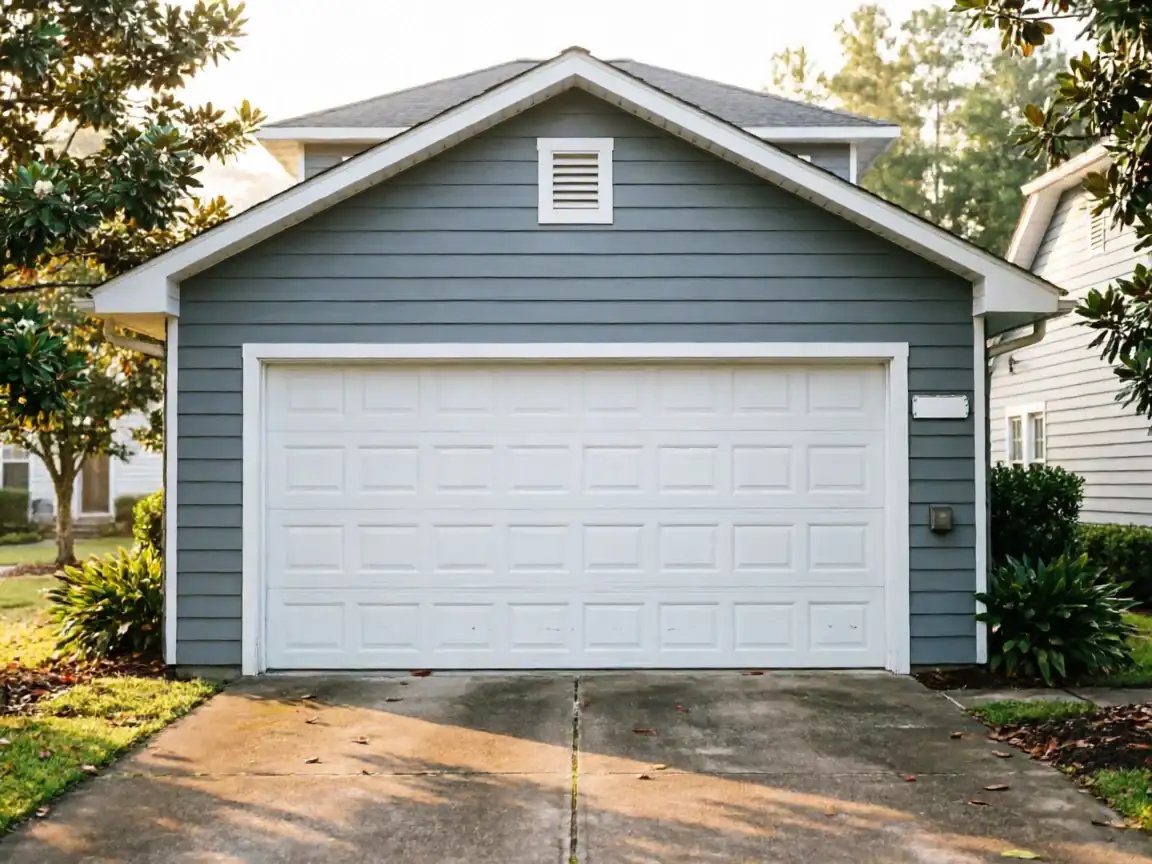
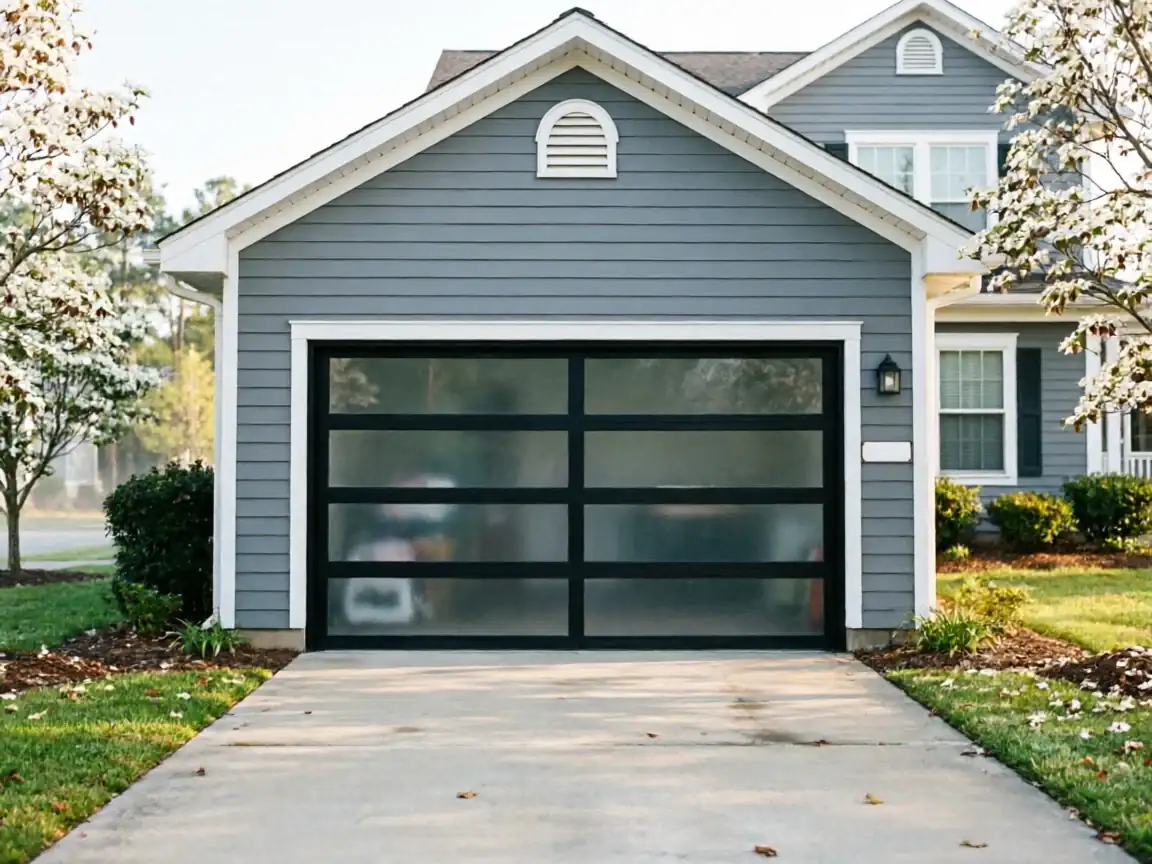
With a median household income of $111,503, most Gainesville owners choose a full insulated steel replacement over a patch job once the door is past 25 years old, so we keep common double-door and single-door insulated panel sets on the truck rather than special-ordering for every job. What we don't stock is custom wood or specialty glass-panel doors - those are a lead-time order through a supplier, and we'll give you a straight timeline instead of guessing.