Where We Stop
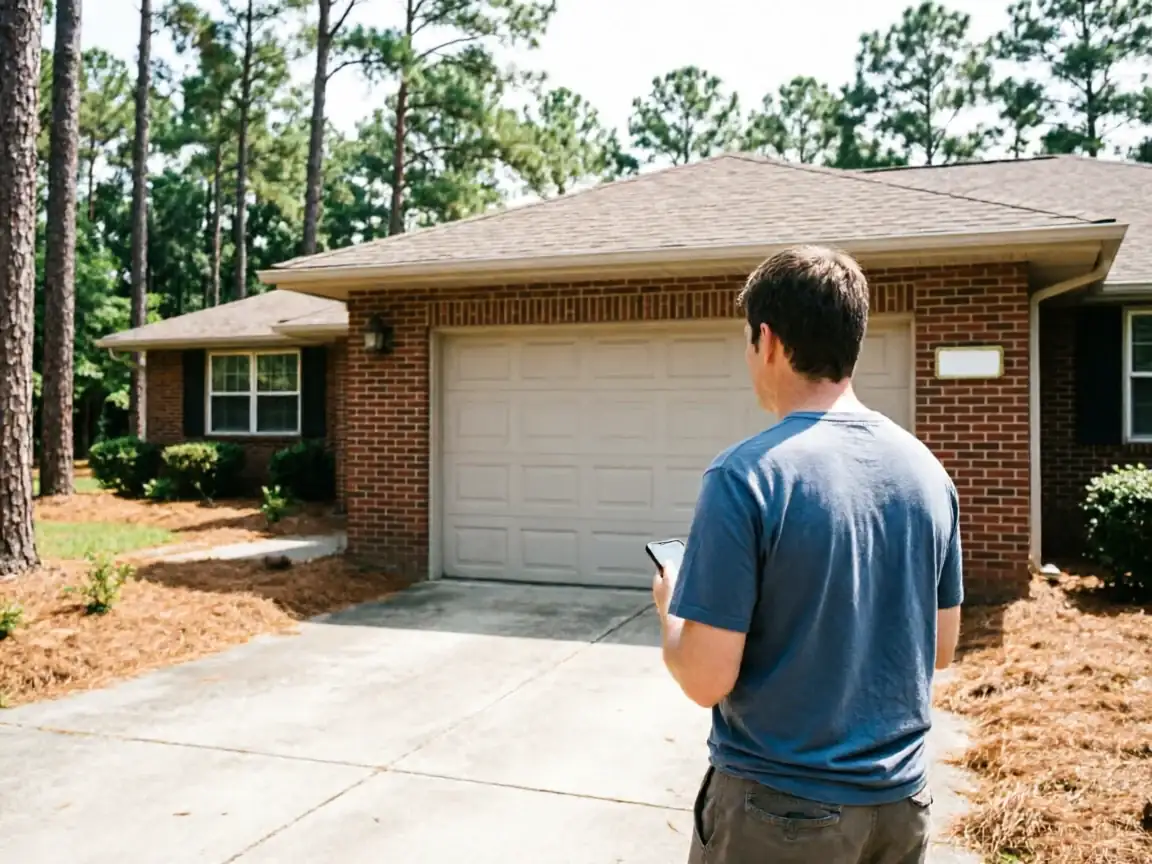
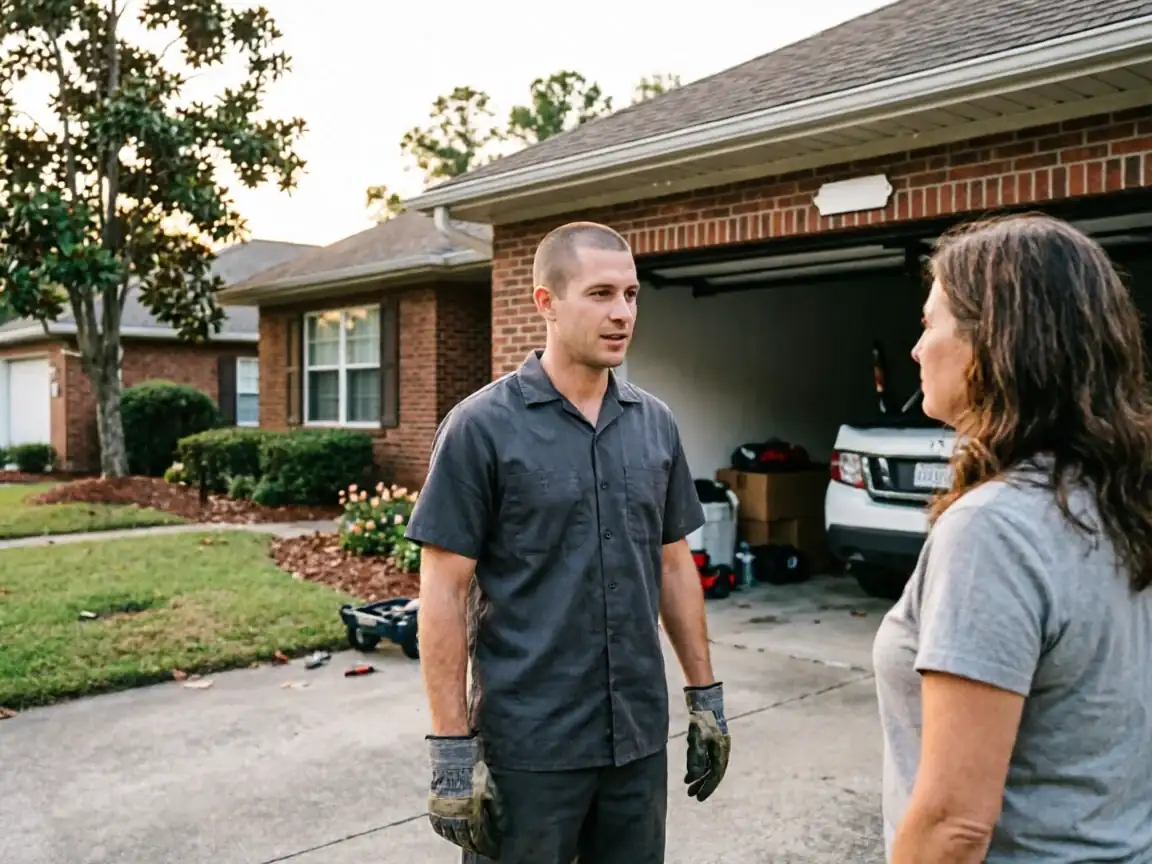
Bull Run sits about 9 miles out from our shop in Gainesville, and it's one of the stops on our regular route through this part of the county. We don't keep a depot or a crew stationed here - every job starts with a truck leaving Gainesville and driving out to you. That's worth saying plainly so nobody's surprised by the drive time on the invoice or the schedule.
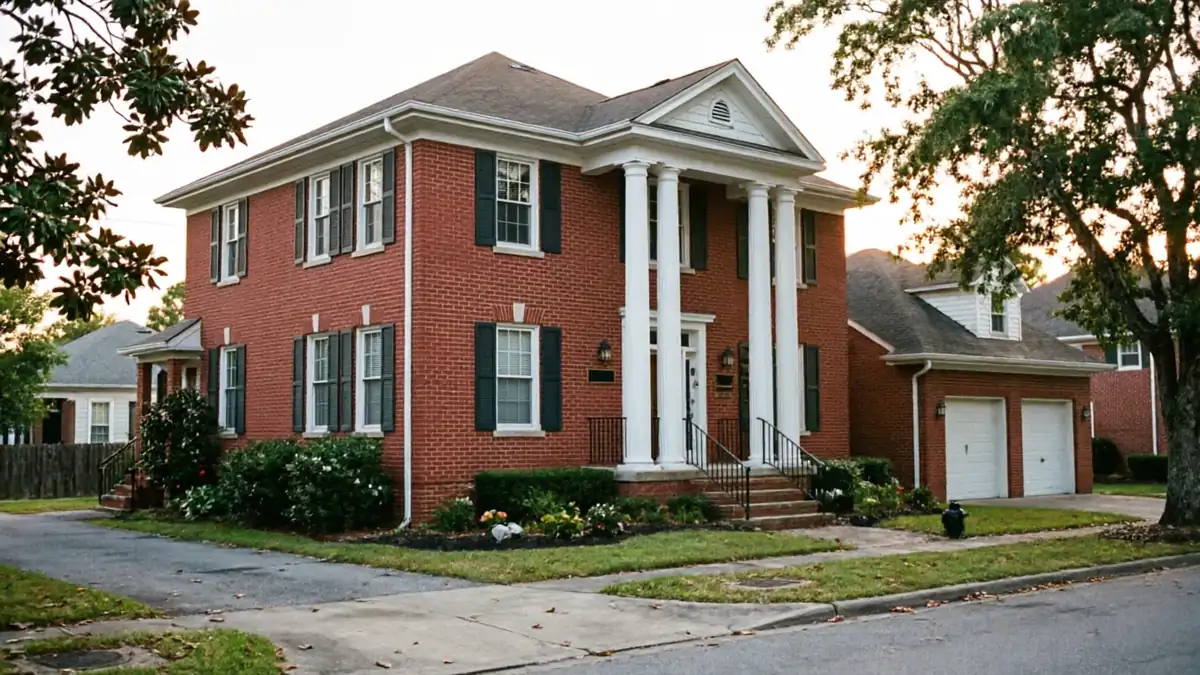
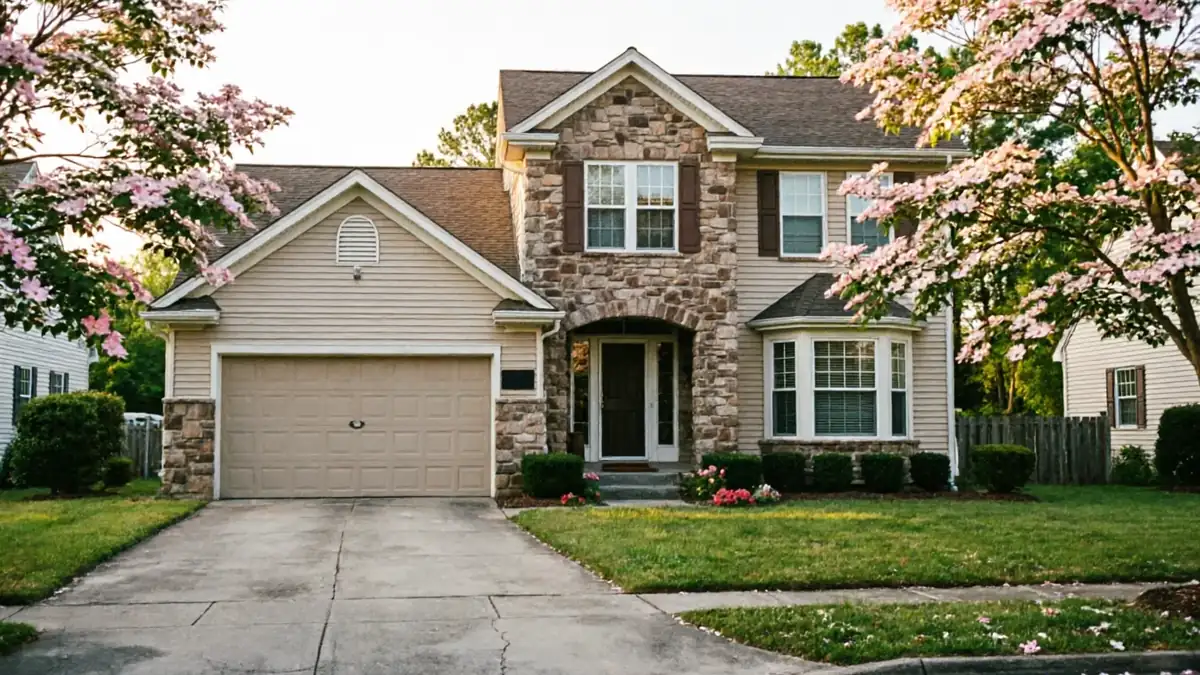
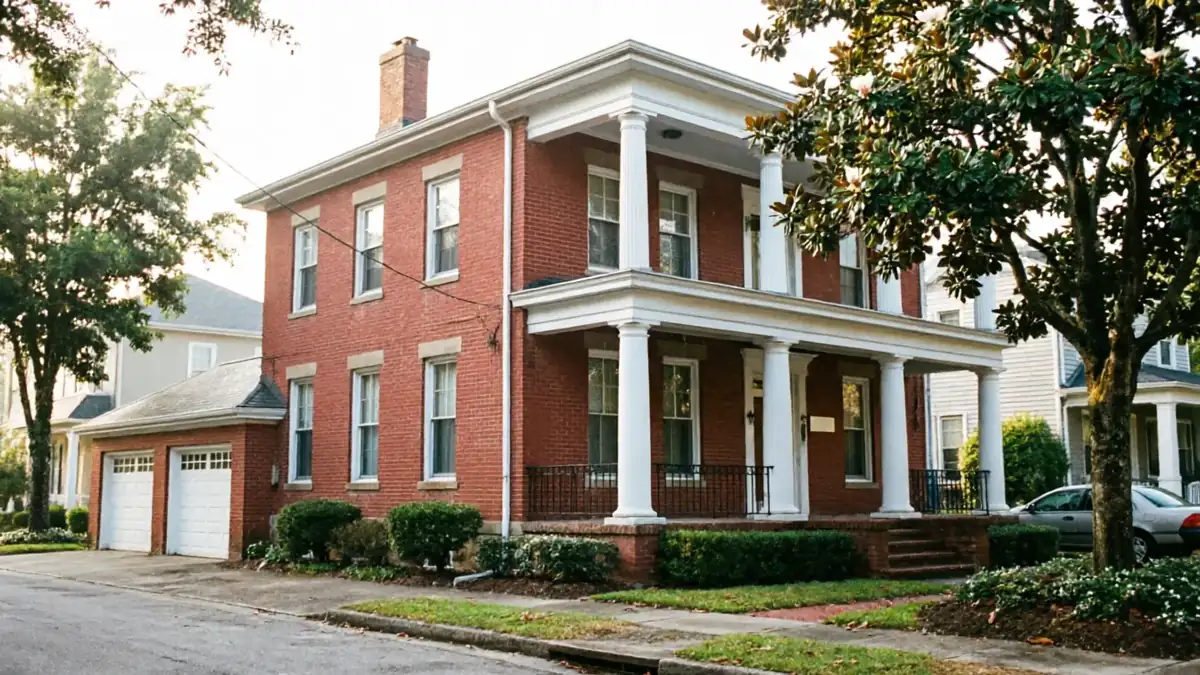
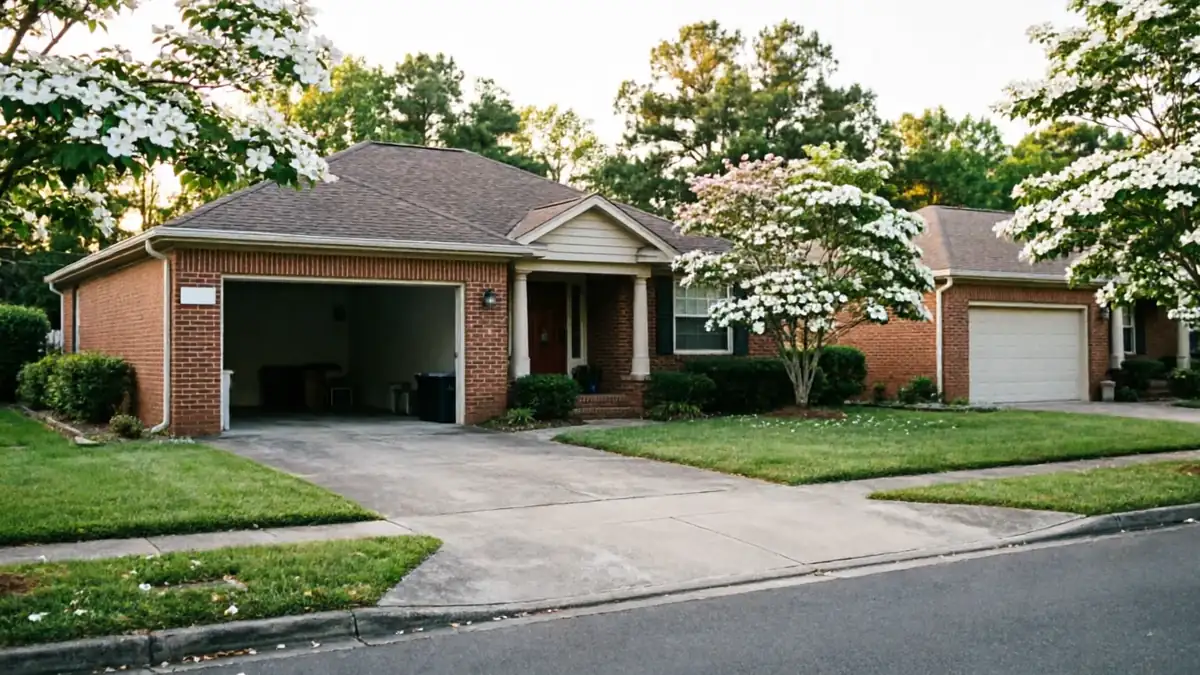
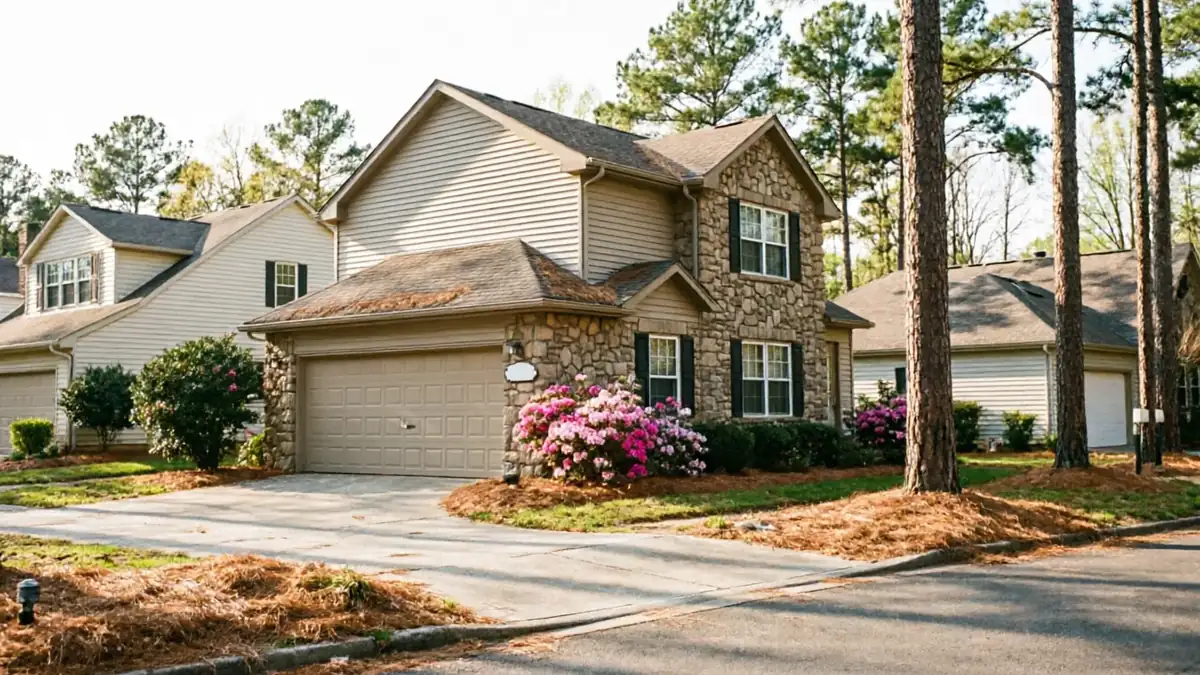
What makes Bull Run worth treating as its own area, rather than just a pin on the Gainesville map, is the housing. The homes here went up mostly after 1988, which is noticeably newer than the mixed 1938-2015 stock across our wider coverage area. A neighborhood built in one era behaves differently, mechanically, than one stitched together from several decades. Doors age on a curve, and Bull Run is further along a specific part of that curve than most of our other stops.
With roughly 2,224 households in the area and median income near $238,500, this isn't a neighborhood where people are patching a door to squeeze one more year out of it. Most calls here are about getting the job done right the first time, not about finding the cheapest fix.
What That Means for Doors
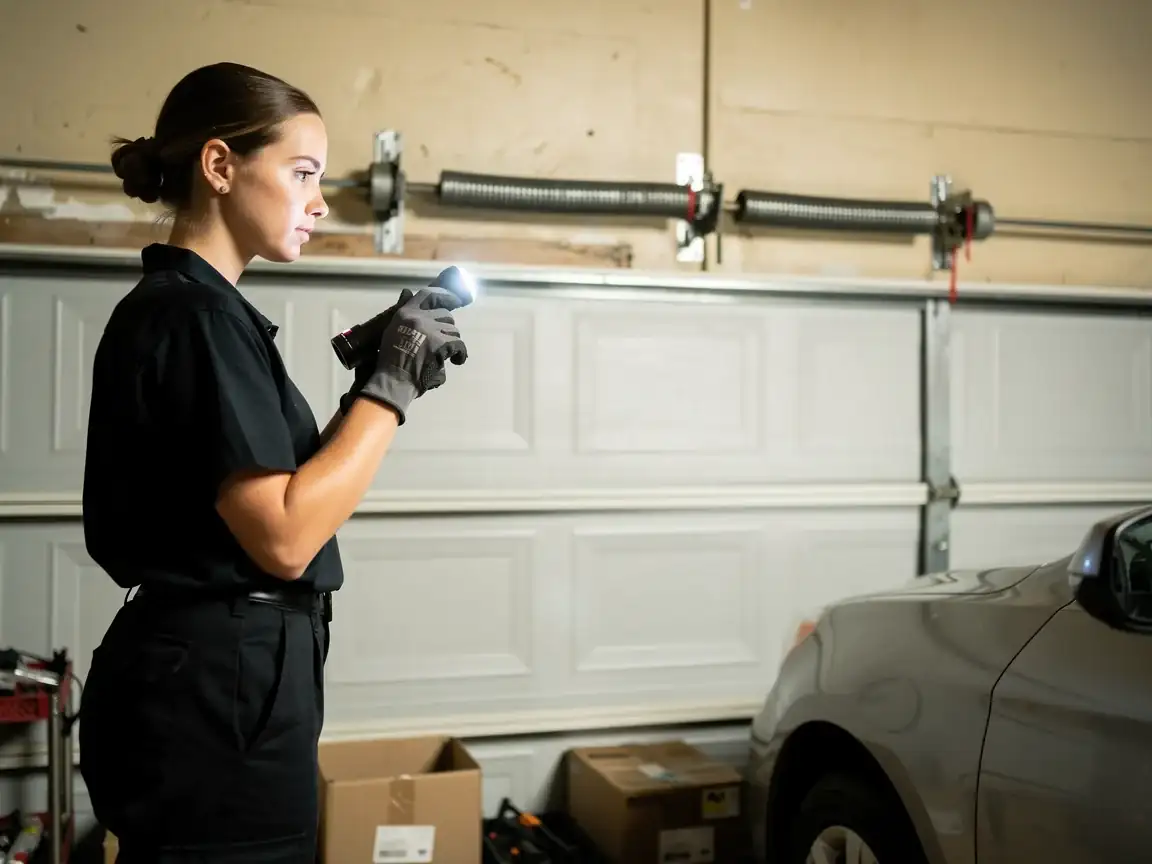
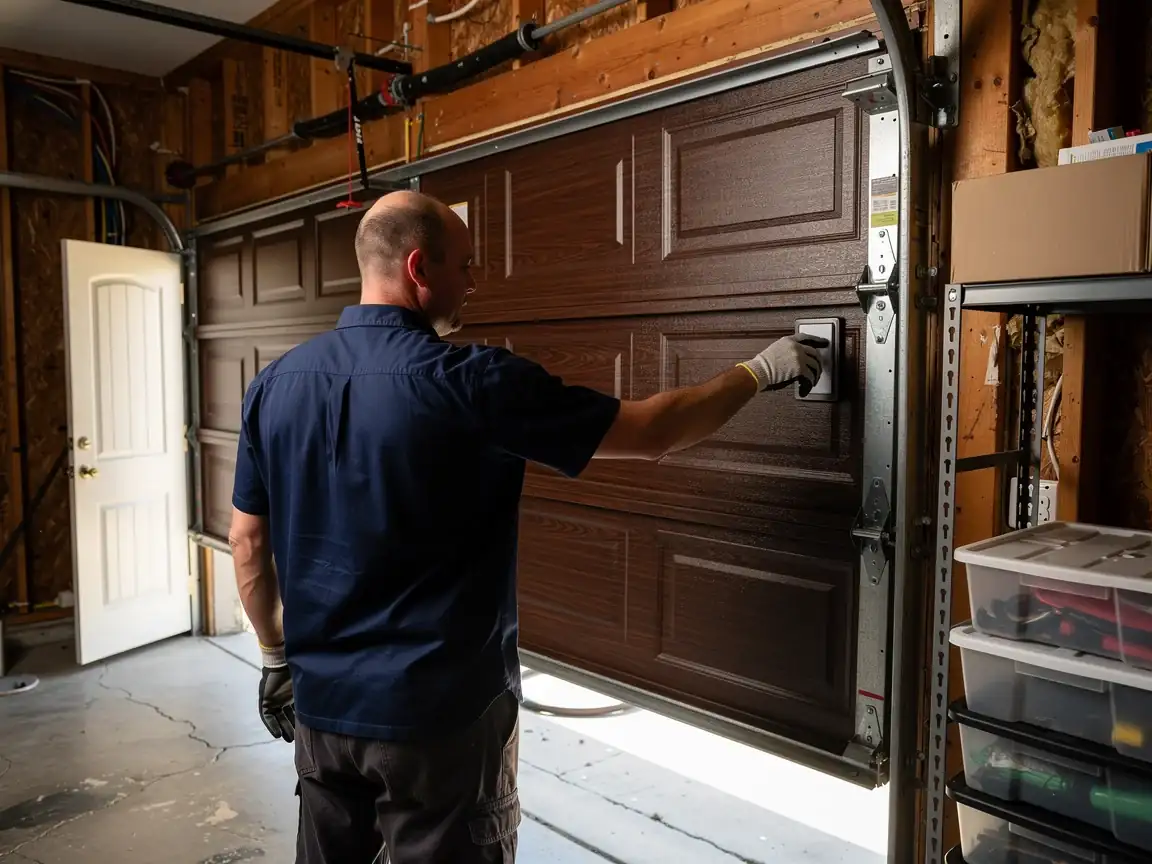
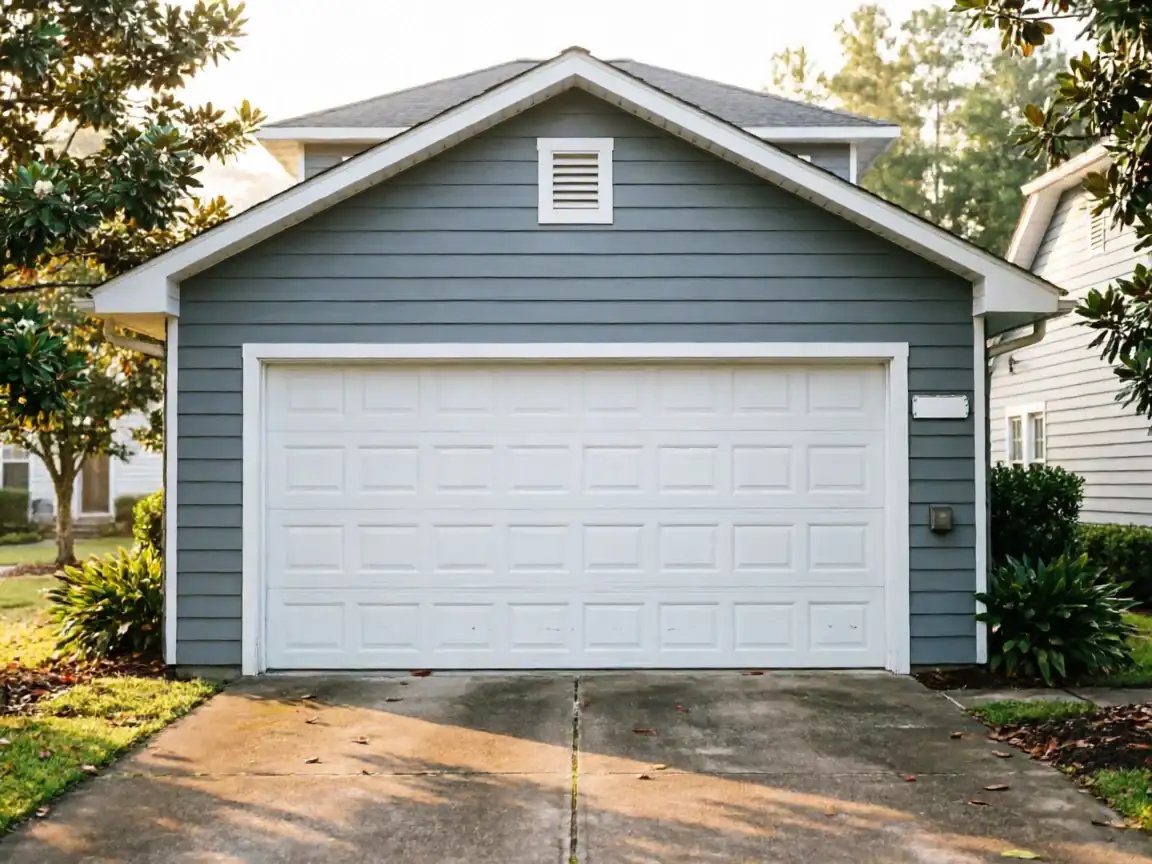
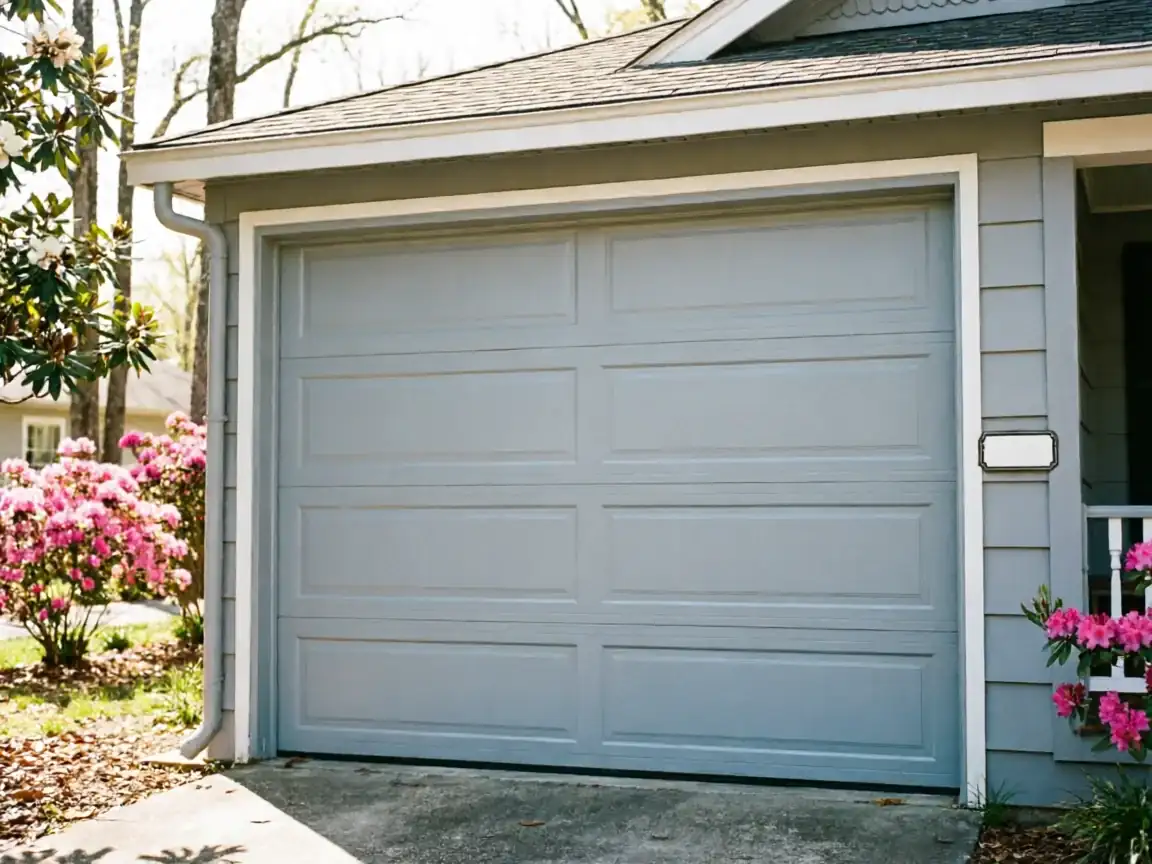
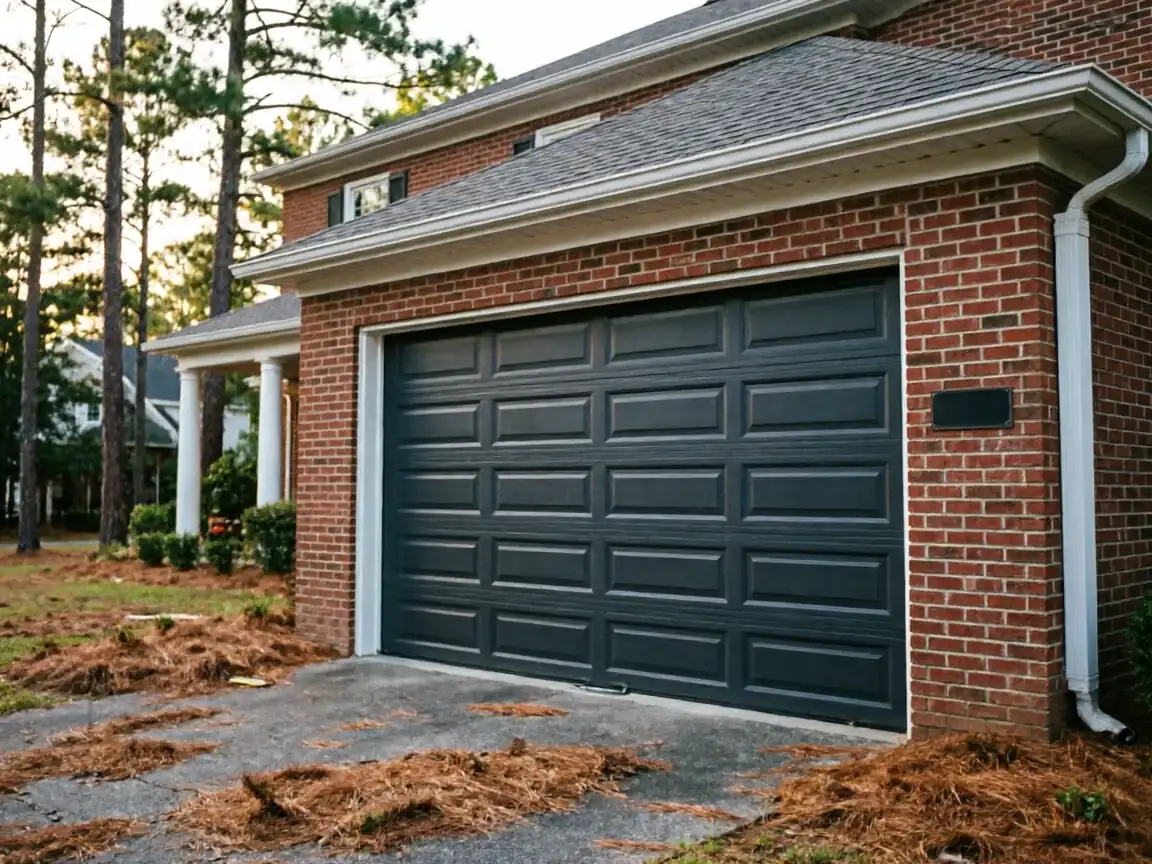
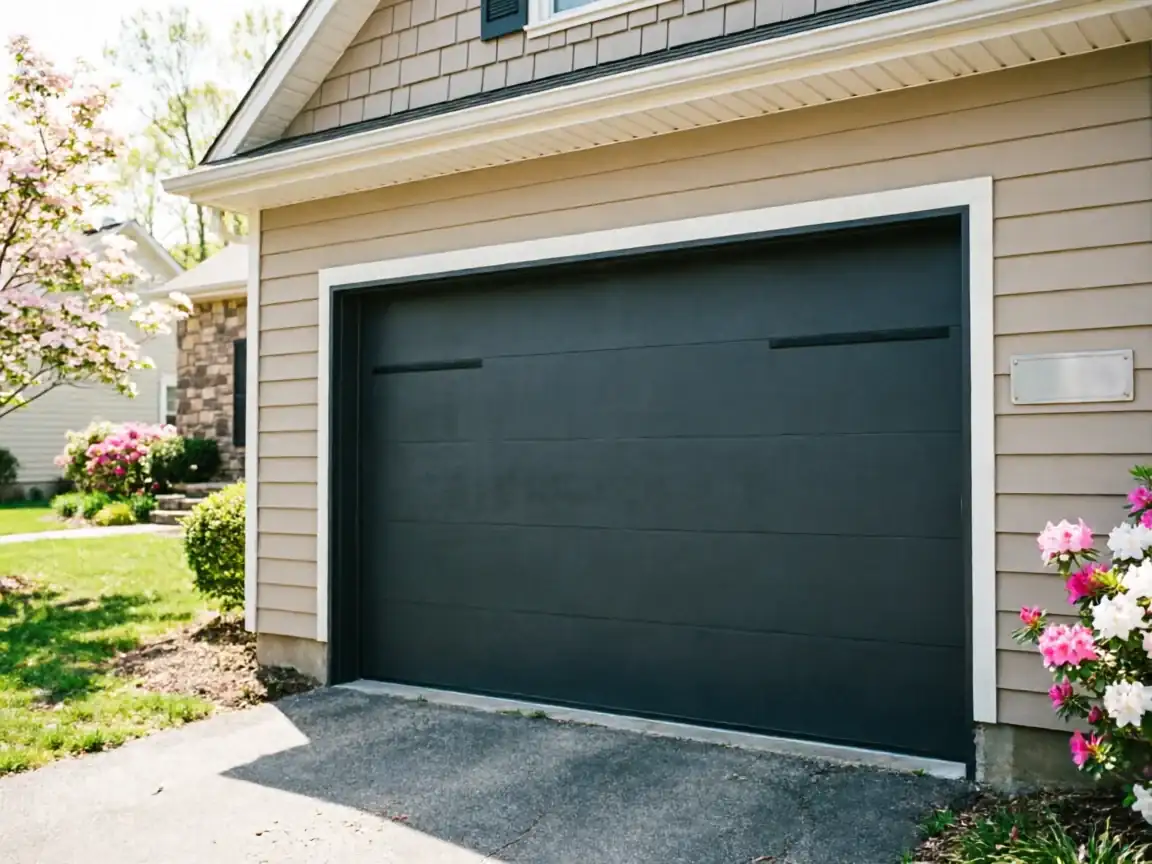
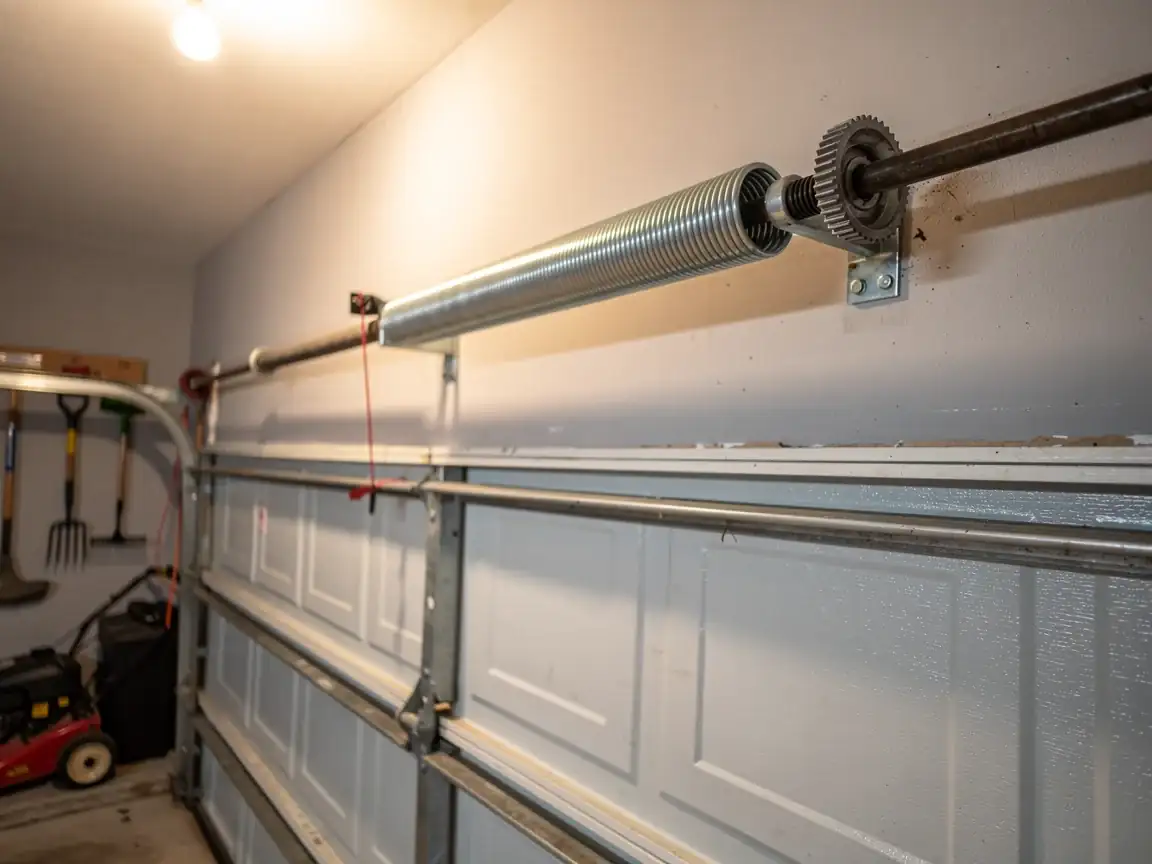
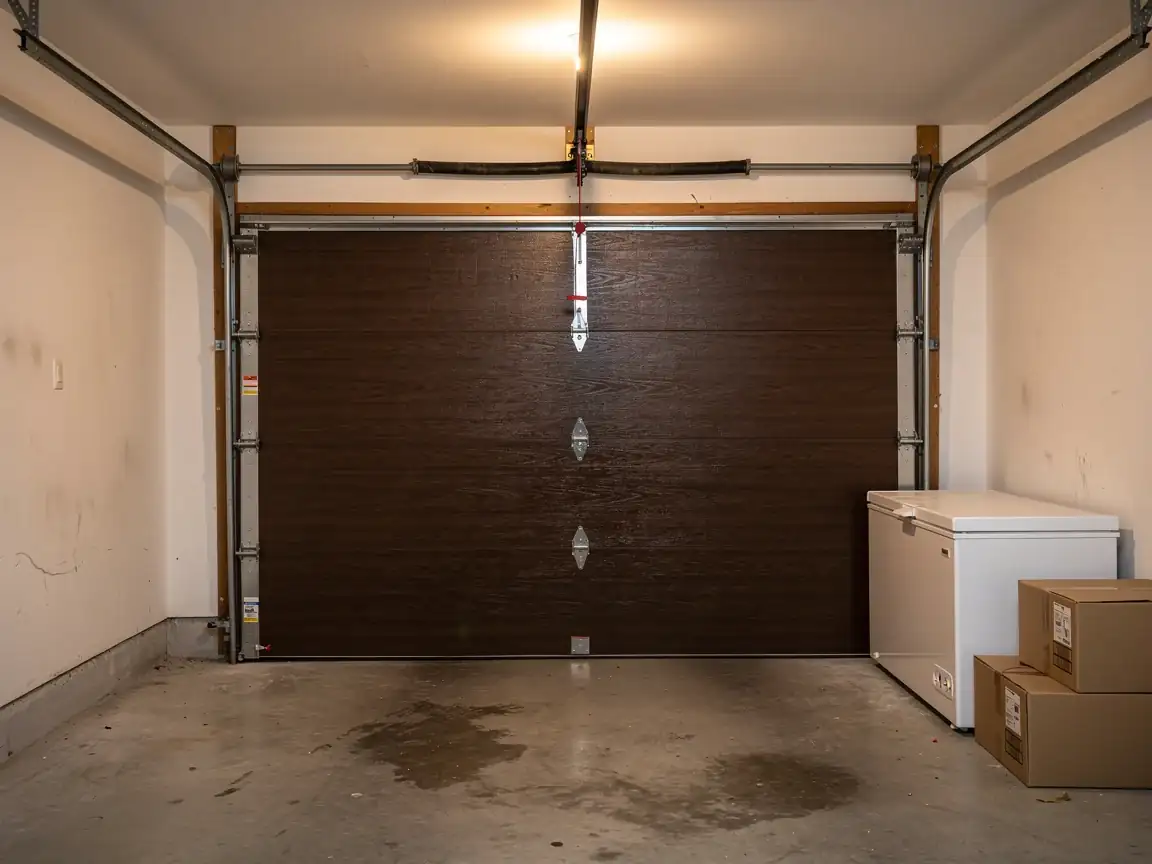
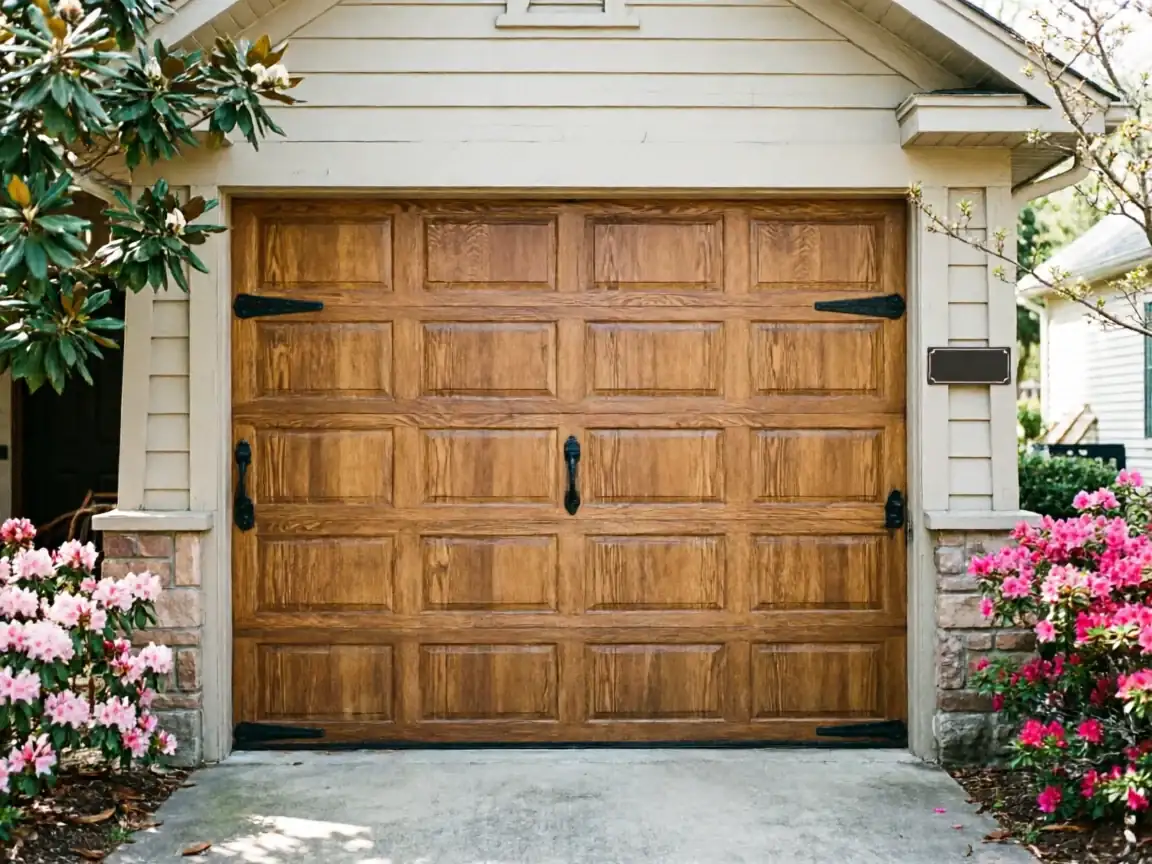
A house built around 1988 almost always has a steel sectional door, not the old one-piece slab doors you'd find on a 1950s build. That's good news in one sense - the hardware is more standardized, parts are easier to source, and most of it is torsion spring rather than the older extension-spring setups that fail in uglier ways. The common failure on a door this age is a worn torsion spring, a opener that's outlived its logic board, or rollers that have gone dry and loud after three decades of use without ever being lubricated.
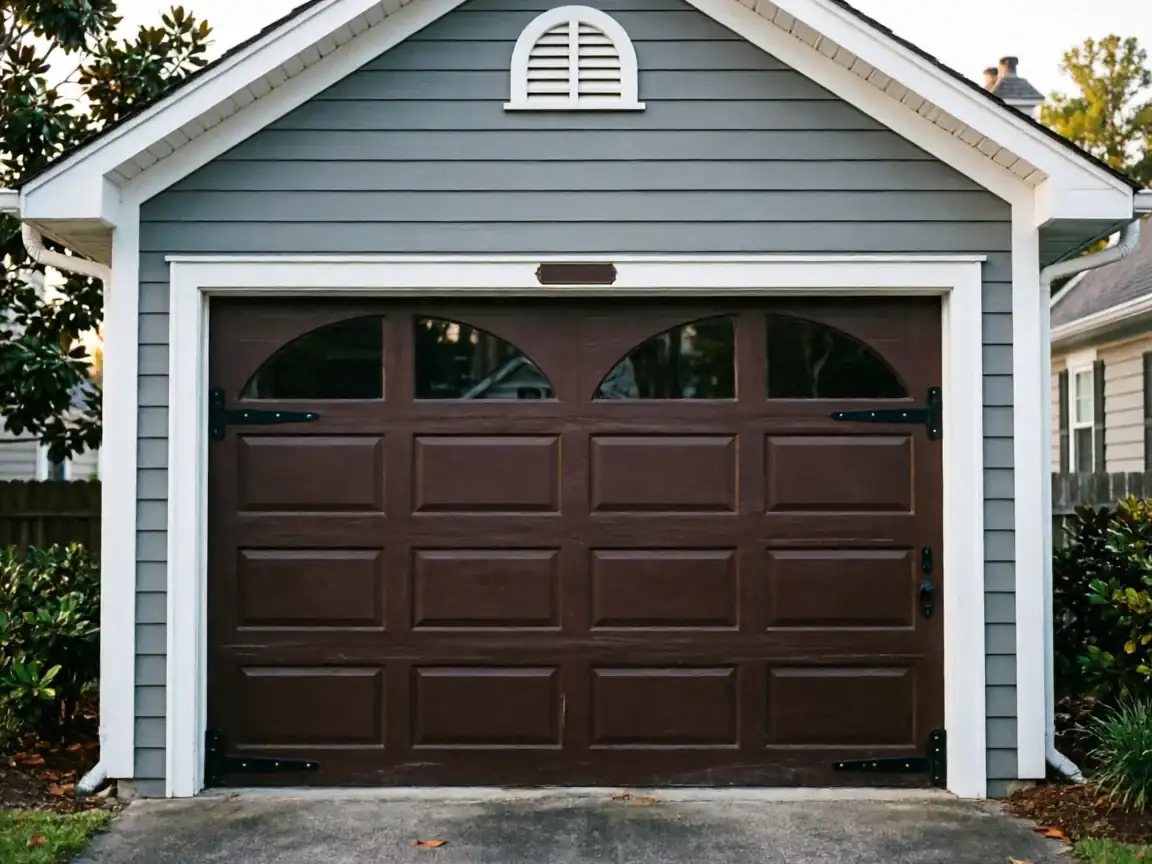
What you don't see much of out here are the oddball problems that come with much older housing stock - non-standard track widths, obsolete low-headroom hardware, panels that don't match anything still in production. A late-80s door is, mechanically, a known quantity. That cuts both ways: the fix is usually straightforward, but a door of this age that's never had the spring replaced is also at the point where failure is less a question of if than when.
One honest limit here - if a specific panel or opener model has been discontinued, we may need to order a replacement part rather than carry it on the truck, and that adds a day or two.
How We Get to You
The drive from Gainesville to Bull Run is short enough that it rarely changes how we schedule the day
It's one of the closer stops on the route. We don't promise a same-day window as a blanket policy, because that depends on what else is on the schedule that day, but the distance itself isn't the bottleneck here the way it can be for calls out toward Remington or Upperville.
We load the truck based on what's typical for the housing stock we're heading to
Which for Bull Run means torsion spring kits sized for newer sectional doors and opener parts that fit systems installed from the late 1980s onward. That's a different kit than what we'd bring to an older part of the service area, and it's part of why knowing the build era before we leave the shop actually matters, instead of just being a line on a form.
What Was Built Here
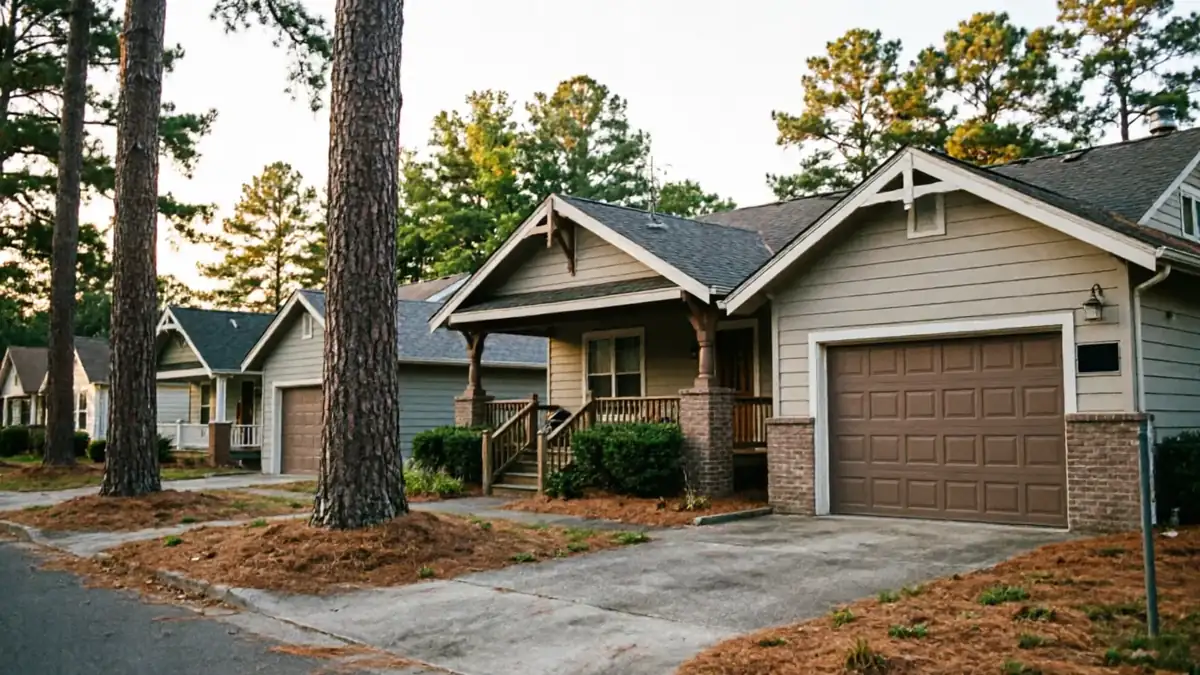
The median year built for homes in Bull Run is 1988, which puts most of the housing stock about a decade or two newer than a lot of what we see across the rest of our coverage area. That's a meaningful gap - a house built in 1988 was framed to a different code, wired for a different generation of opener, and built with garage doors that were already moving toward steel sectional construction instead of the older wood or aluminum slab designs.
This area also sits inside the broader cold-climate band that covers our whole service territory, which matters for anything with a motor or a spring under tension - cold makes steel brittle and lubricant thick, and that shows up as stiff openers and springs that snap on the first really cold morning of the season, not gradually.
At 2,224 households, Bull Run isn't a huge area, but it's consistent - builds cluster tightly enough around 1988 that we can walk into most jobs already knowing roughly what we're dealing with before we open the garage.