The Complications
Bull Run is nine miles out from our Gainesville shop, far enough that we don't send a truck out without rollers, bearings, and track brackets already loaded in the right sizes. That drive matters because a job here almost never calls for a quick fix and nothing else - the roller problem is usually one symptom of a door built around 1988, and that age brings its own list of wear points along with it.
Most garage doors on this side of the county date to the late 1980s and 1990s, the same stock steel-roller doors that went into thousands of houses across the wider service area between 1938 and 2015. In Bull Run specifically, with roughly 2,224 households built in that same decade-long wave, the rollers are reaching the end of their working life at close to the same time. Steel rollers on stamped-steel stems don't fail gracefully - they wear down unevenly, one side more than the other, and that uneven wear pulls the door off true in the track.
Add the cold-weather side of it. This area sits in a severe-cold climate band, and steel rollers without sealed bearings stiffen and bind faster once the temperature drops, grinding harder against the track edges every winter. By the time a homeowner calls, it's rarely just noise - it's rollers close to coming off the stem.
How to Book
Because every job out here starts with the drive from Gainesville, we load the truck for roller work before we leave the shop rather than guessing on-site and coming back a second time. Check the Bull Run coverage page for where we currently work in this area, or start from our roller replacement page for Gainesville if you want the full rundown on how we price and schedule this job before you call.
One limit worth saying plainly: we quote roller jobs over the phone based on door age and symptoms, but we don't guess at a bent track from a description. If the door's been grinding long enough that it's walked off the track on one side, that's a look-and-quote job, not a phone quote, because track damage changes the parts list.
Stocked Parts
For doors from the 1988 wave that's common out here
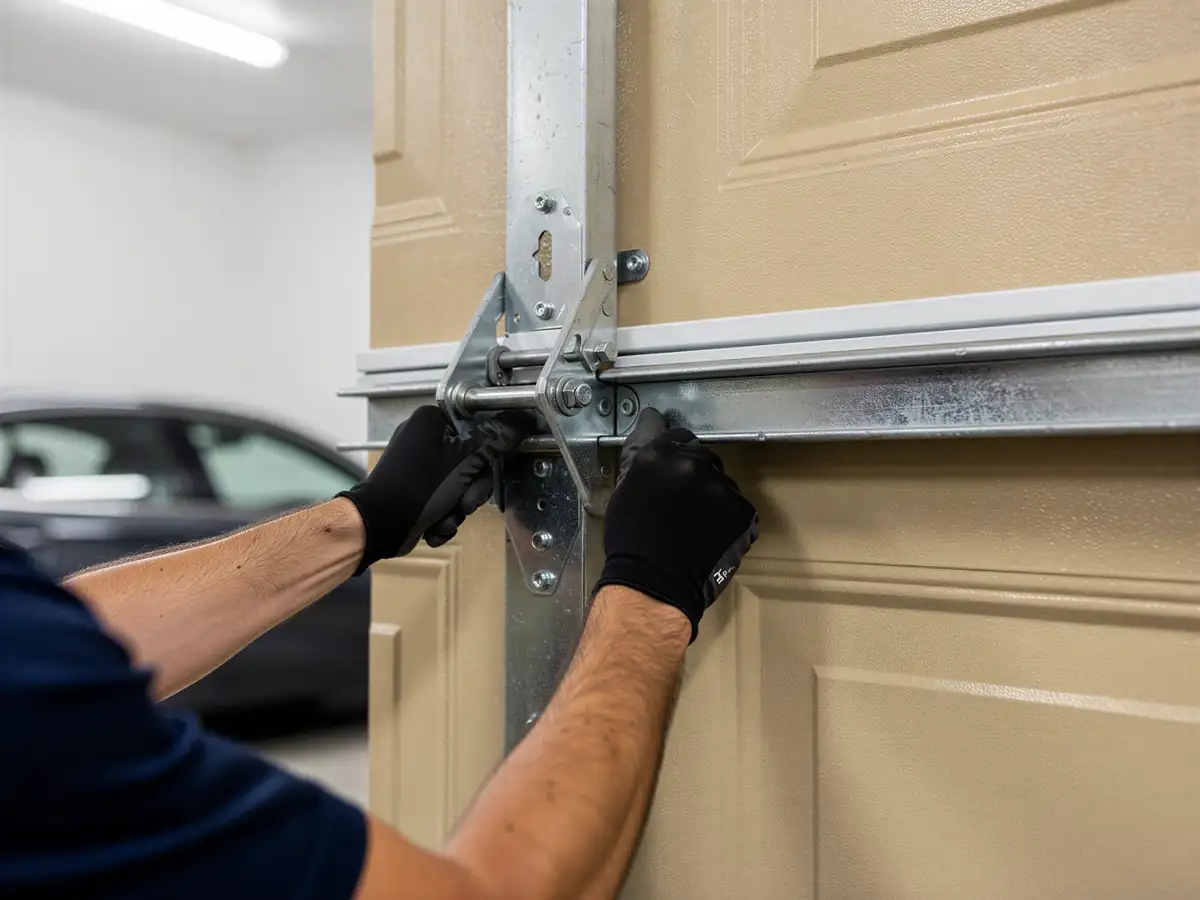
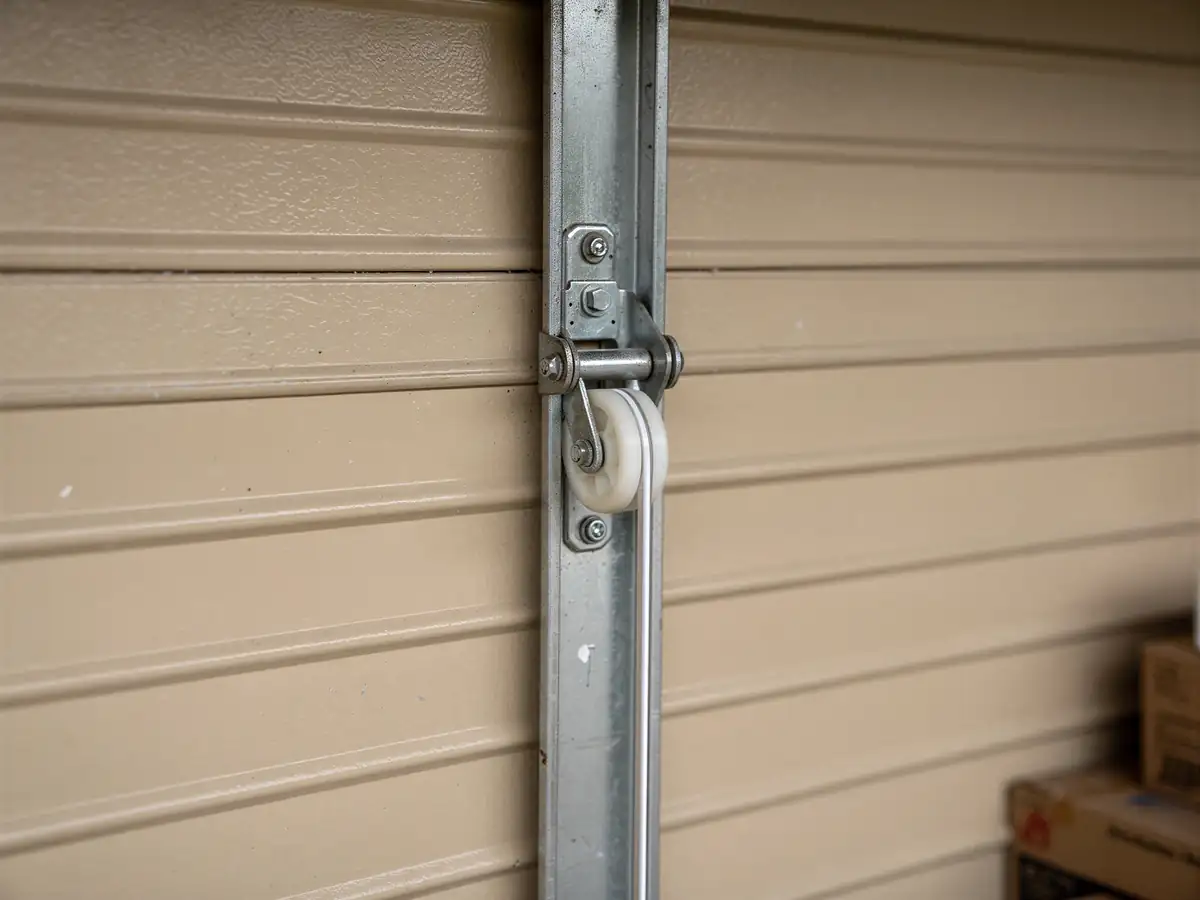
The rollers coming off are almost always 2-inch stem steel, running in the same tracks that've held up since the door went in. We carry sealed 10-ball nylon rollers in both 2-inch and 4-inch stem lengths, which fit the same bracket spacing without any track modification, and that's what we put on for most swaps on doors this age.
We also carry the ball-bearing steel option for owners who want to match what's already there rather than switch materials, along with the stems, clips, and bearing brackets that wear alongside the rollers themselves
What we don't stock is custom or oversized track hardware for doors outside the standard 1980s-90s residential sizing - if a door was a custom build, that part gets ordered and the job gets scheduled around it rather than finished the same visit.
What You Are Seeing
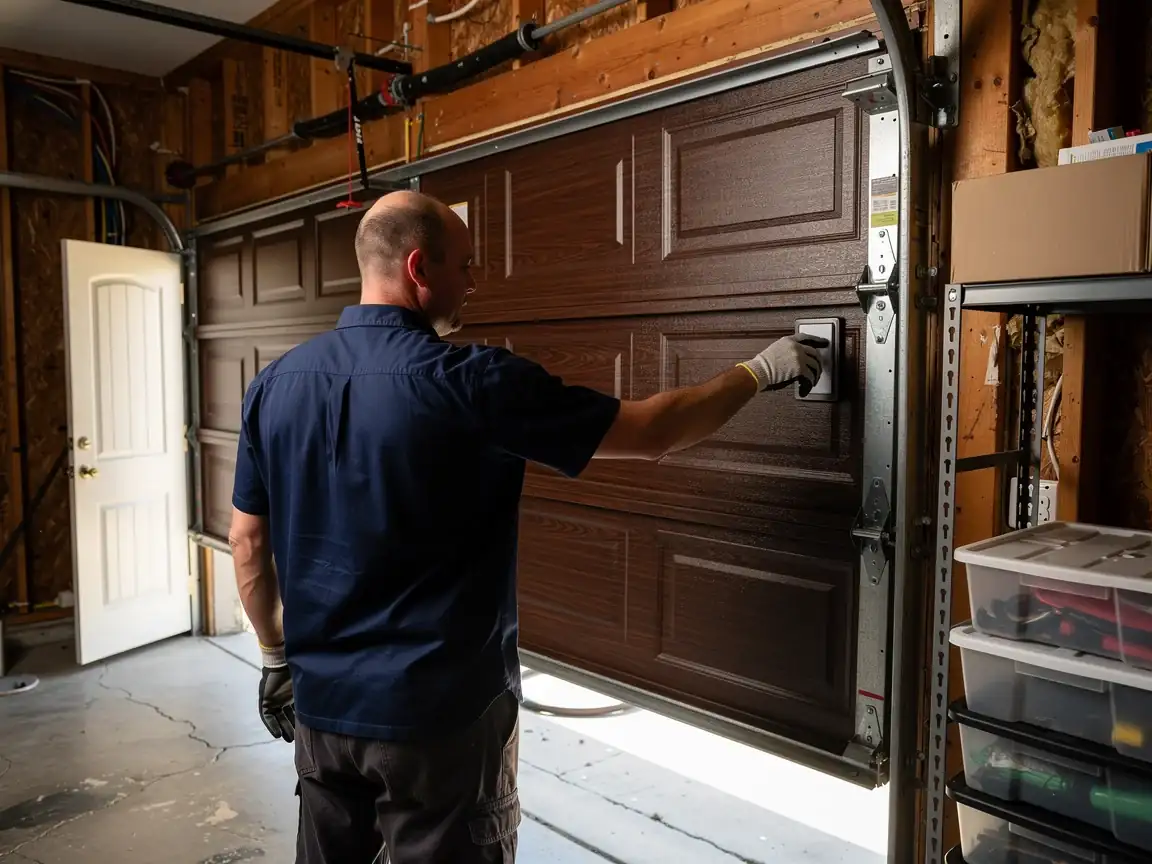
A grinding or popping sound every time the door moves, worse on cold mornings, is the clearest sign steel rollers are wearing out on a door from this era. Look at the track itself: if you see bright metal scrape marks low on one side, that's a roller that's worn down enough to ride the track edge instead of rolling through it.
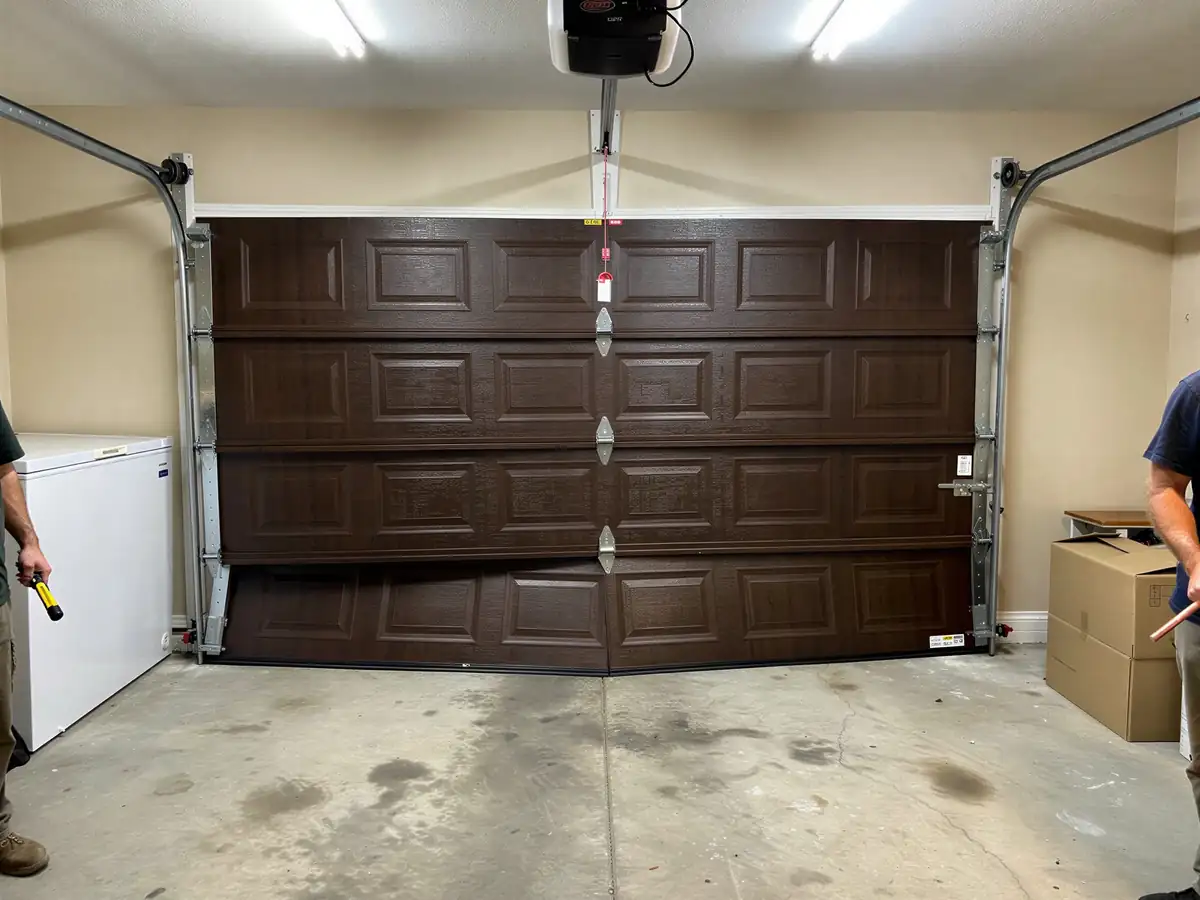
The other sign is the door sitting slightly crooked when it's down - not enough to notice at a glance, but enough that one side closes a half-inch before the other. That's uneven roller wear pulling the panel out of square, and on a door built when the housing stock here went up, that wear has had three decades to accumulate. Left alone, it doesn't stay a roller problem; the uneven pull eventually stresses the track brackets and the hinges between panels.
If your door is doing this and was installed anywhere near the late 1980s, odds are good it's still running the original steel rollers it left the factory with.