The Complications
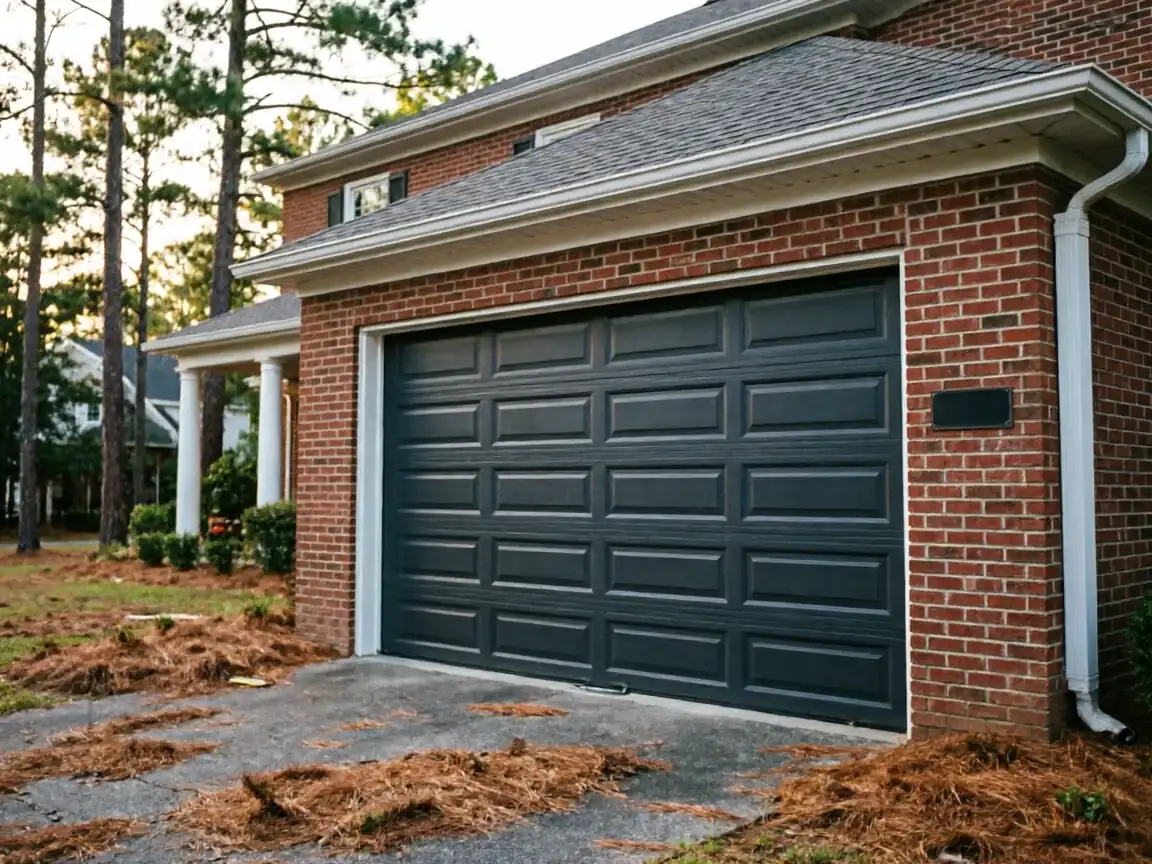
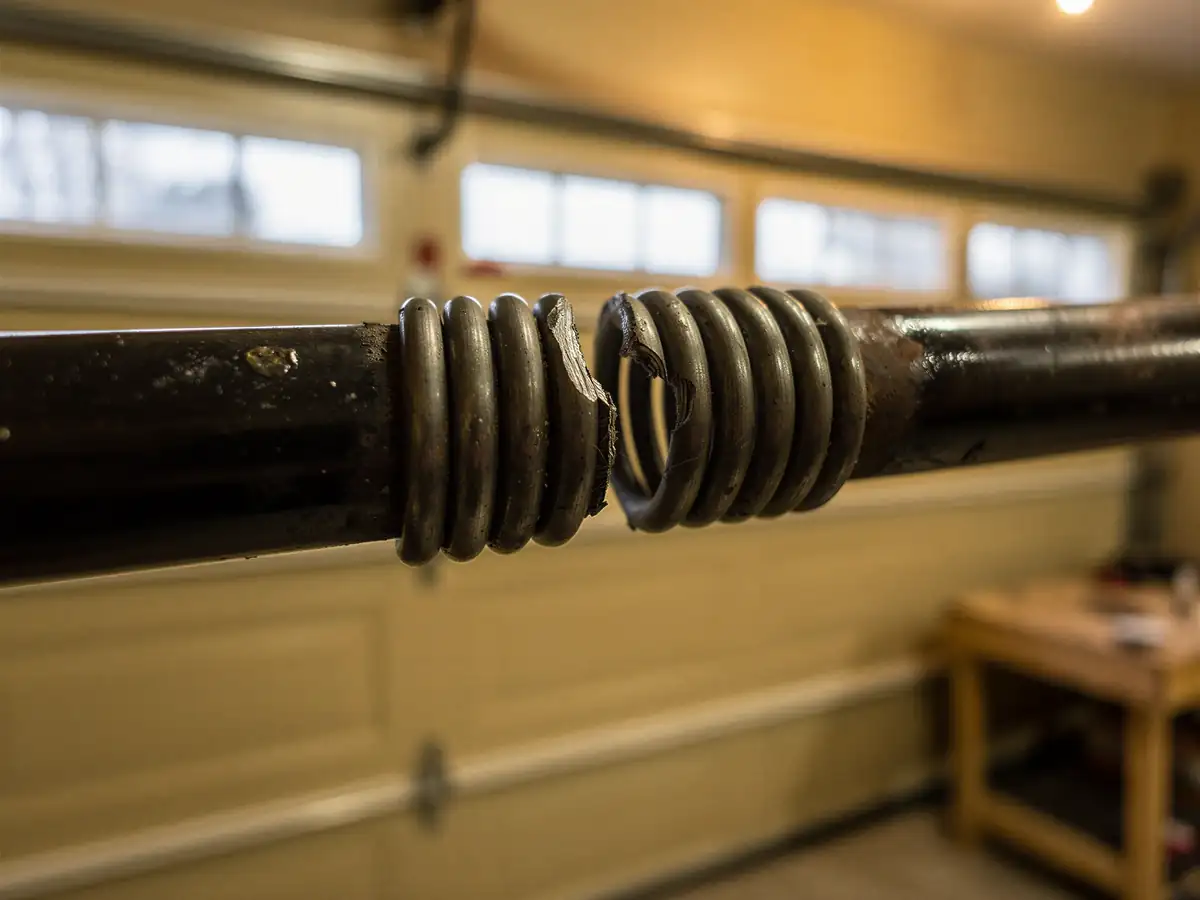
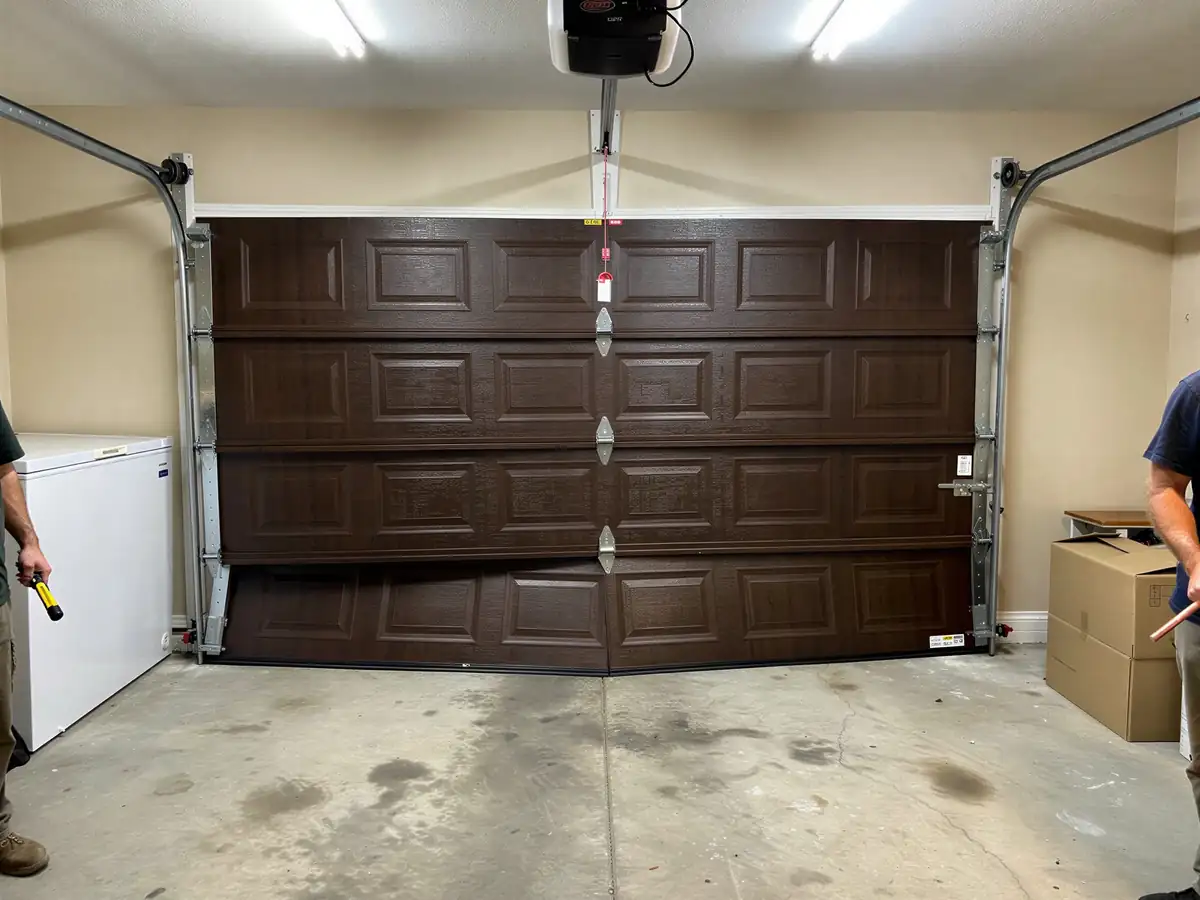
The fault we see most in Bull Run isn't age exactly - it's what builders used when the area was built up. Most of this pocket went in during the late 1980s, and a 1988 median build year means a lot of these garages still carry their original builder-grade door: single-layer steel, no insulation core, a torsion spring sized for a lighter panel than anything on the market now. That spring has had three and a half decades of cold-weather cycling to work on it.
That timing matters more here because of the climate band this part of Virginia sits in - winters cold enough that an uninsulated steel slab transmits cold straight into the garage, and the temperature swings are hard on old spring steel and nylon rollers alike. A door that's fine in October can bind or sag by January because the hardware never had any insulation or weatherstripping to begin with, just a flat sheet on a frame. On a wider income band, that's a quick swap. Here, where the local median household income runs well above the service area's overall $111,503, a lot of owners are choosing to upgrade the whole door rather than patch the original - heavier insulated panels, better seals, a quieter opener - instead of nursing 1980s hardware along.
With only about 2,224 households in Bull Run against roughly 18,943 across the whole service area, this isn't a neighborhood where we're swapping out five doors a week. It's a smaller, steadier pocket of homes hitting the same age wall around the same time.
How to Book
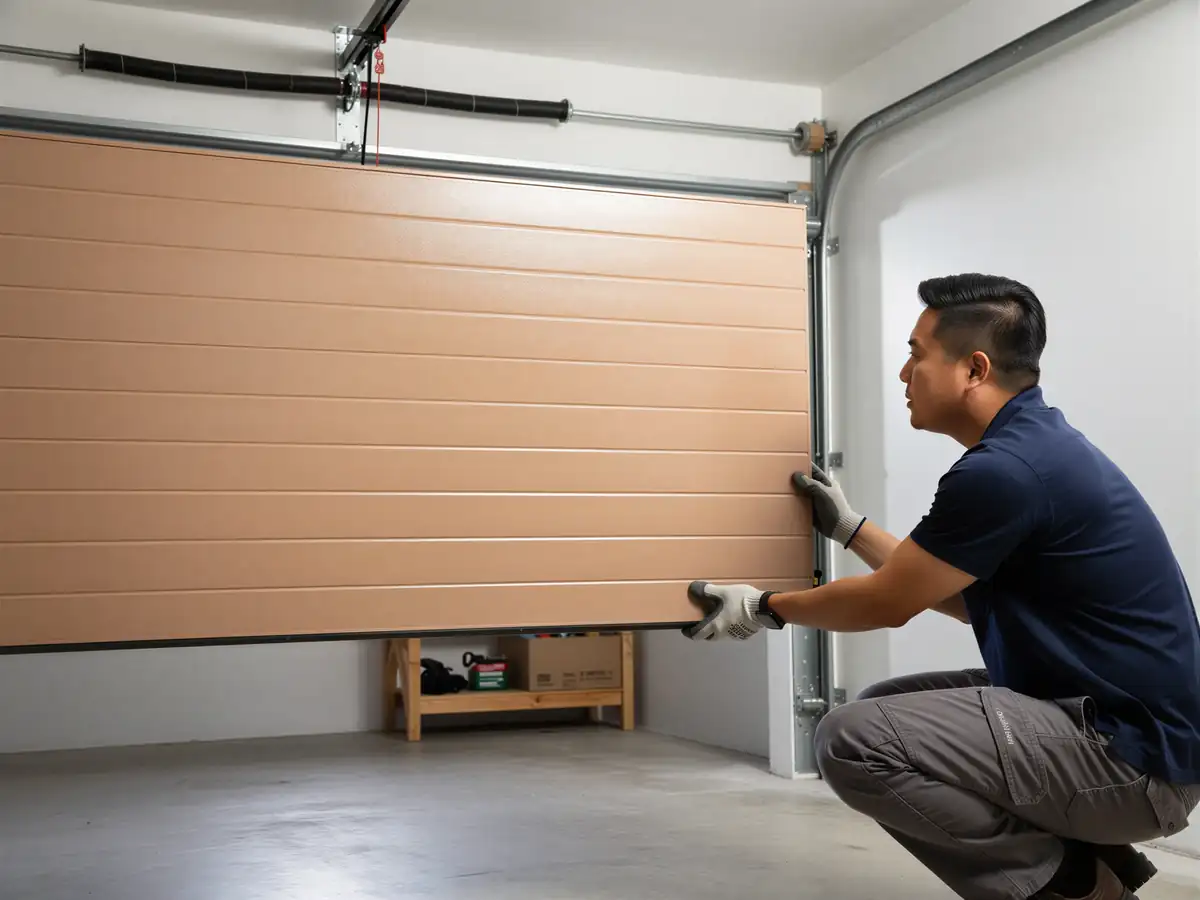
We run new installs in Bull Run out of Gainesville, about 9 miles away. There's no branch or crew stationed in Bull Run itself - we schedule the job from Gainesville and bring the door, the track, and the opener on the truck.
Start on the coverage page for Bull Run to confirm we're covering your stretch of the area, then book the install. If you want to see the full rundown of install options, sizing, and opener choices before you commit, that detail lives on the Gainesville installation page - this page is specifically about what we find and fit once we're at a Bull Run house, not the full menu of door styles.
One honest limit: because we're traveling in rather than based there, same-day emergency swaps in Bull Run depend on the truck's route that day. For a planned new-door install, that's not an issue - we schedule it like any other job - but if a spring snaps on a Sunday, slotting you in fast isn't something we can promise just because we cover the area.
Stocked Parts
For a 1988-era Bull Run house, the usual swap is the full section
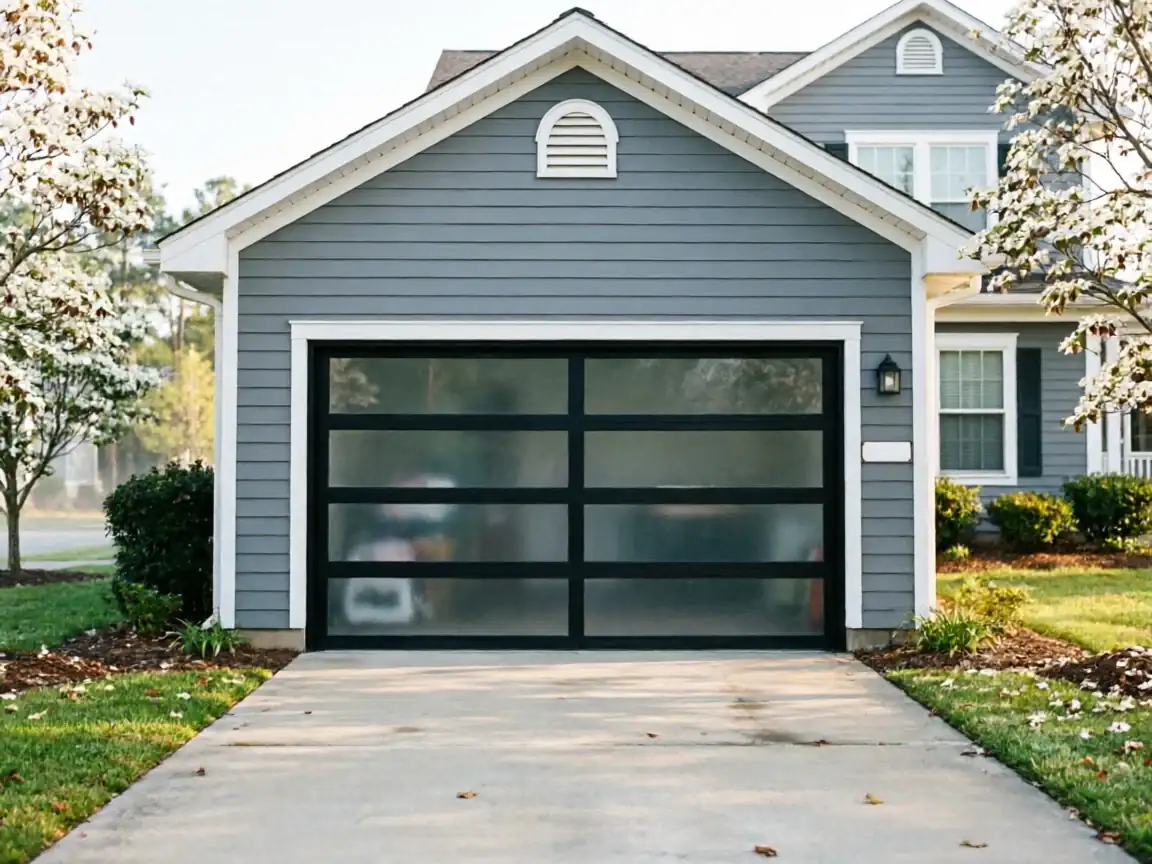
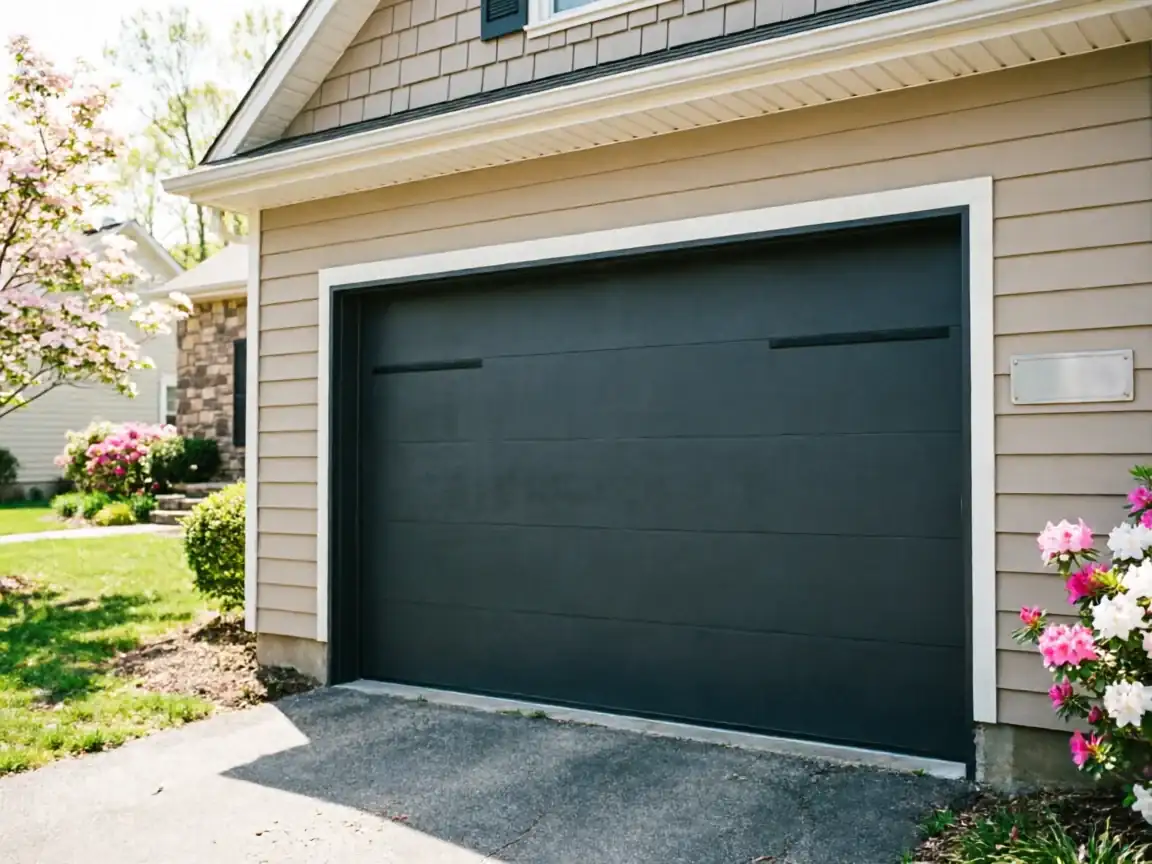
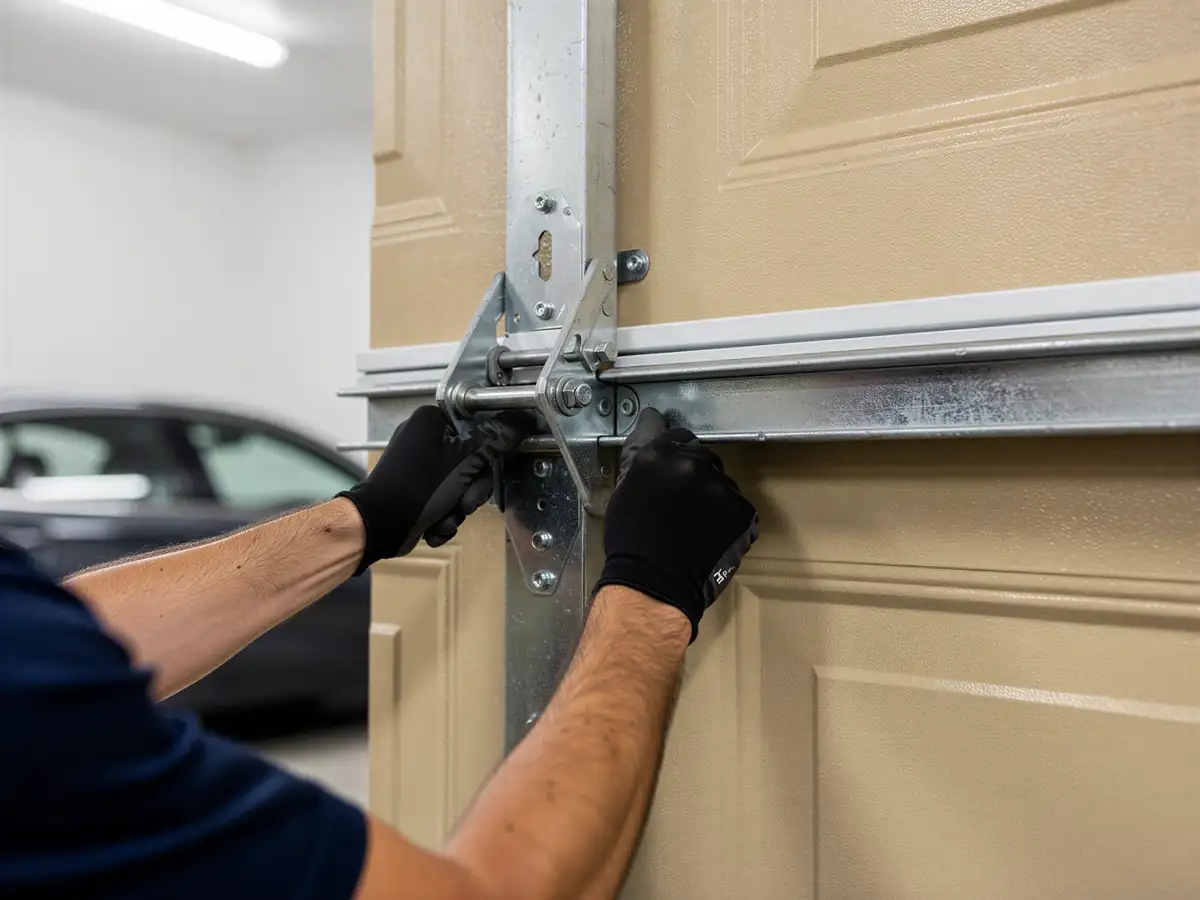
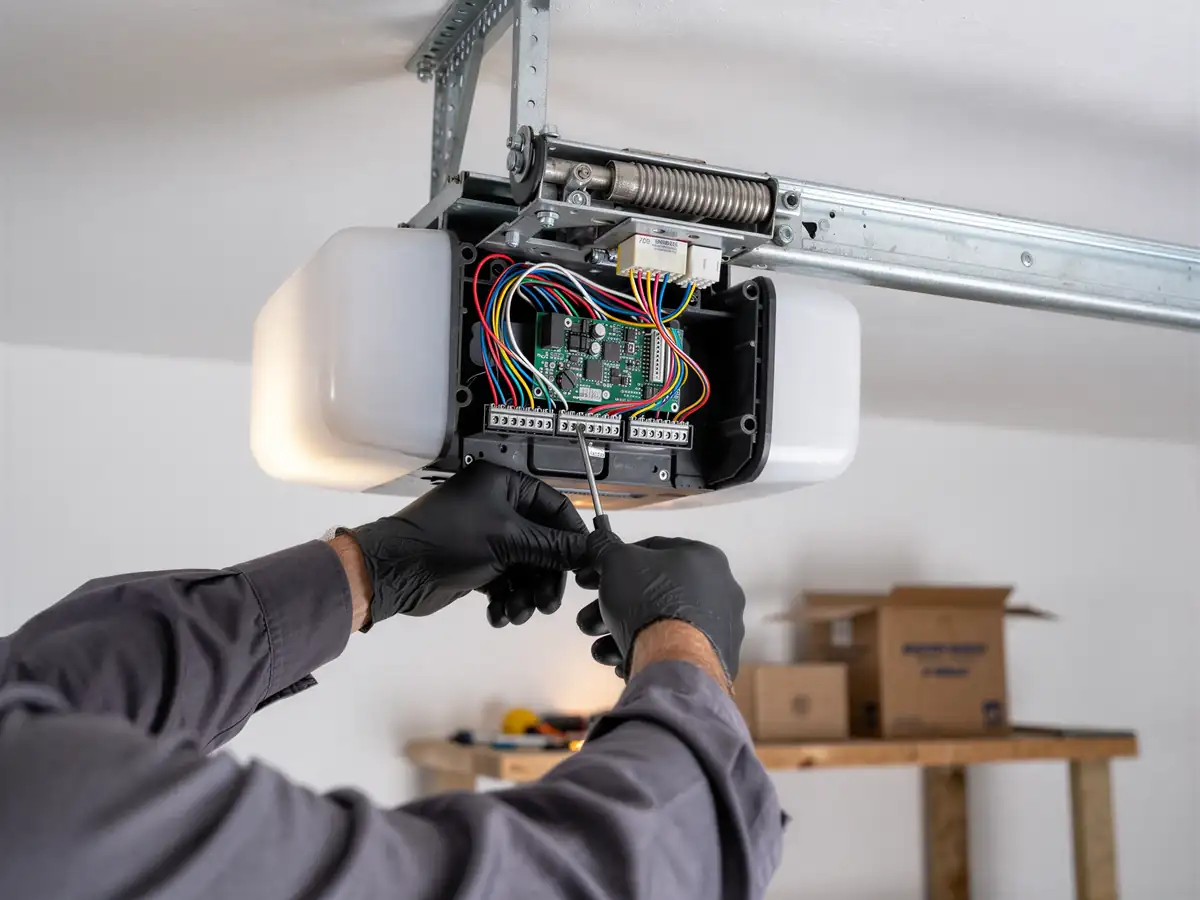
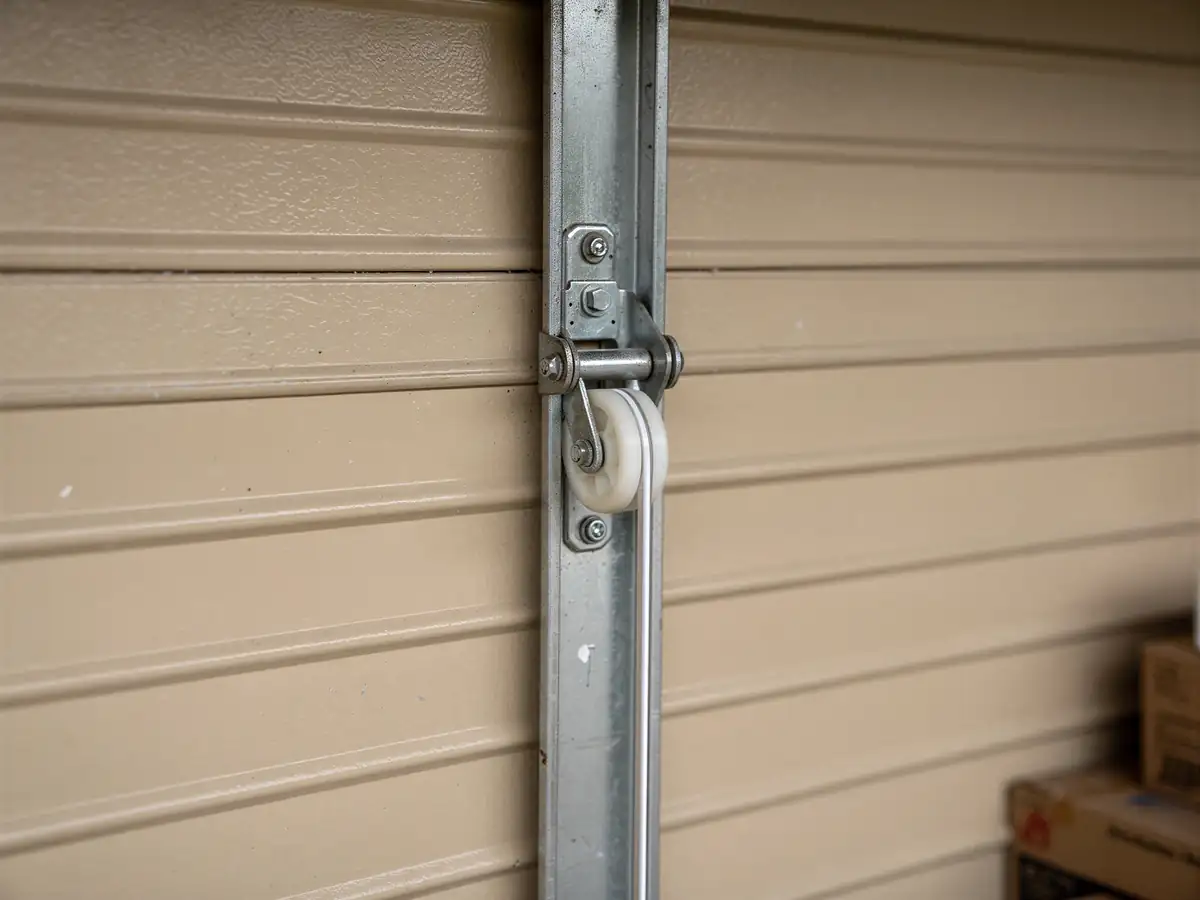
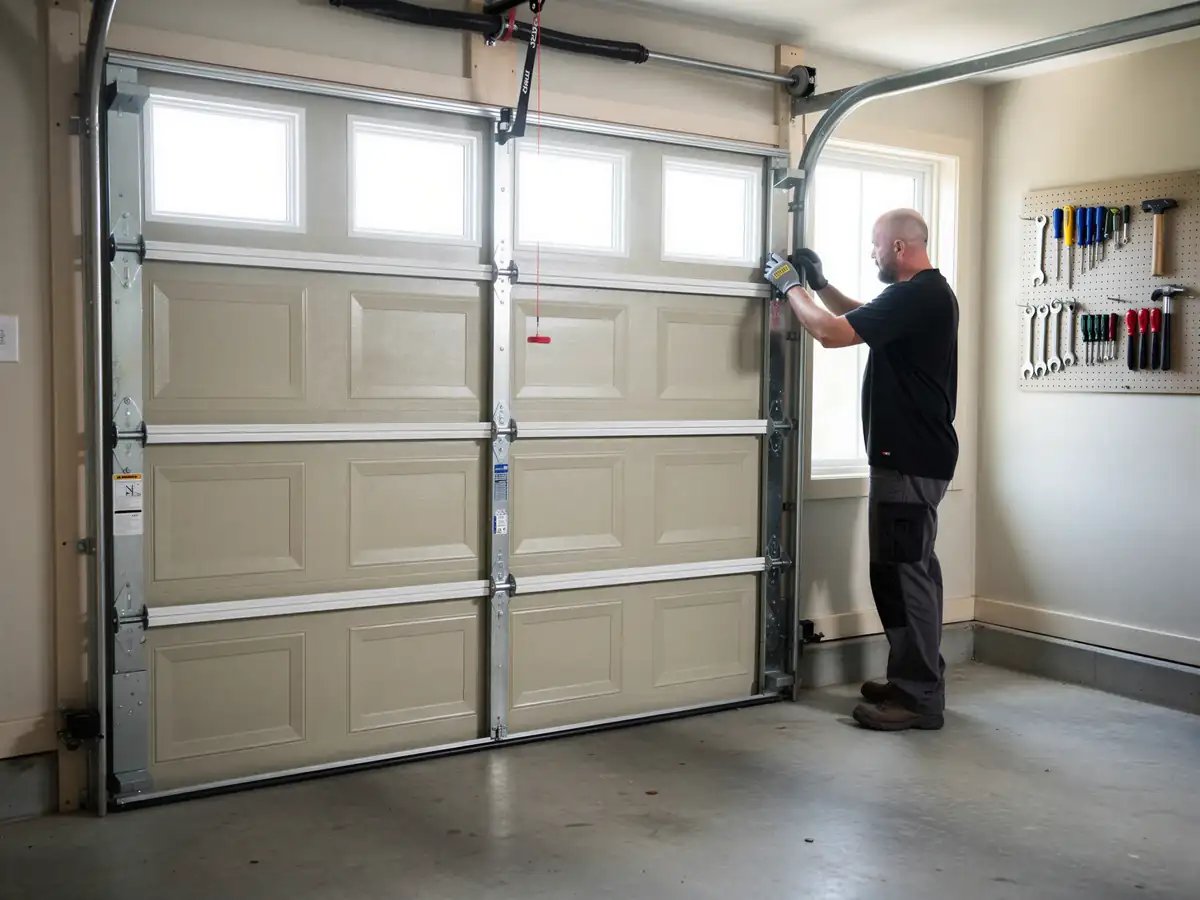
Door, track, torsion spring, and opener - rather than a patch job, because the original hardware is sized for a door that's lighter and less insulated than what goes in now. We carry insulated steel sections in widths that match the builder-grade openings common to this age of construction, along with torsion springs rated for the heavier panel weight.
Given the cold band this area sits in, we default to doors with a thermal break and sealed bottom astragal rather than the bare single-layer steel that shipped originally
It's a meaningful difference in a garage that shares a wall with living space, which a lot of these late-80s floor plans do.
What we don't stock on the truck
Specialty custom panel finishes or oversized commercial-width doors. Those are special order, and if your opening is non-standard we'll say so before we quote rather than after.
What You Are Seeing
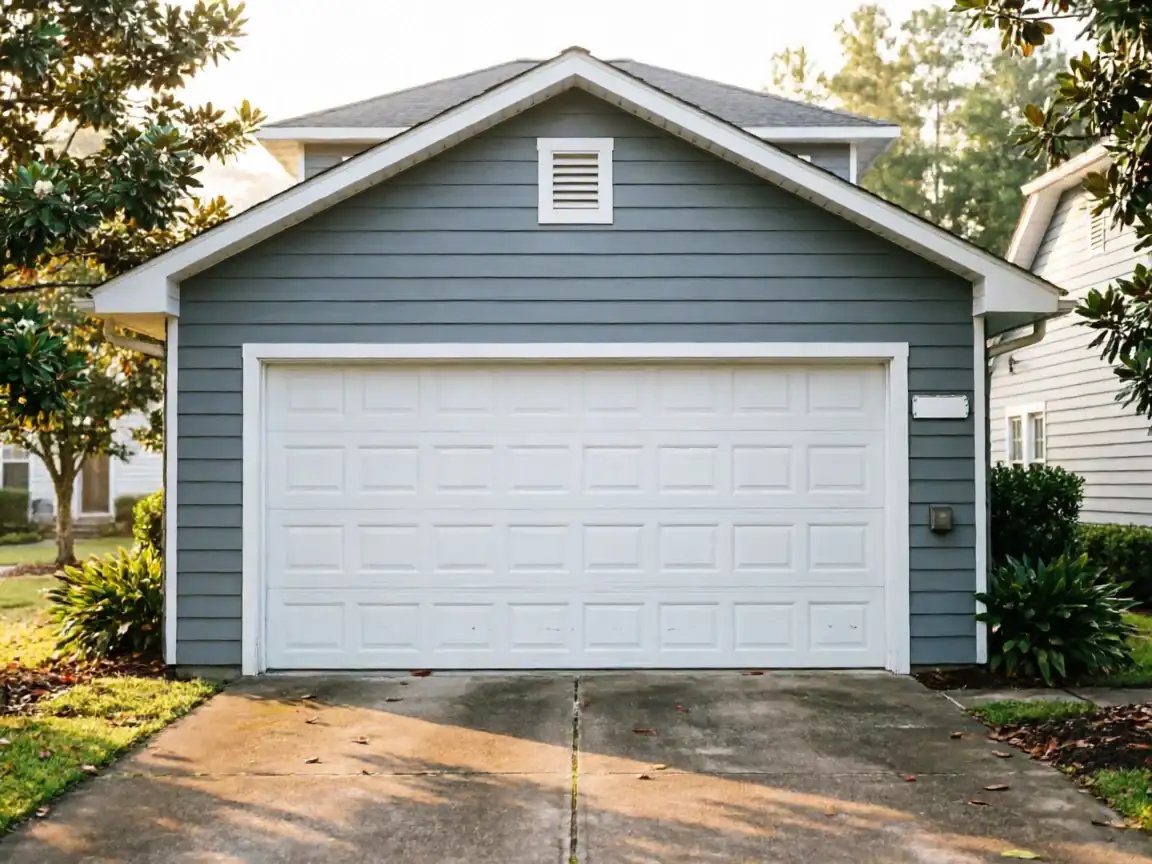
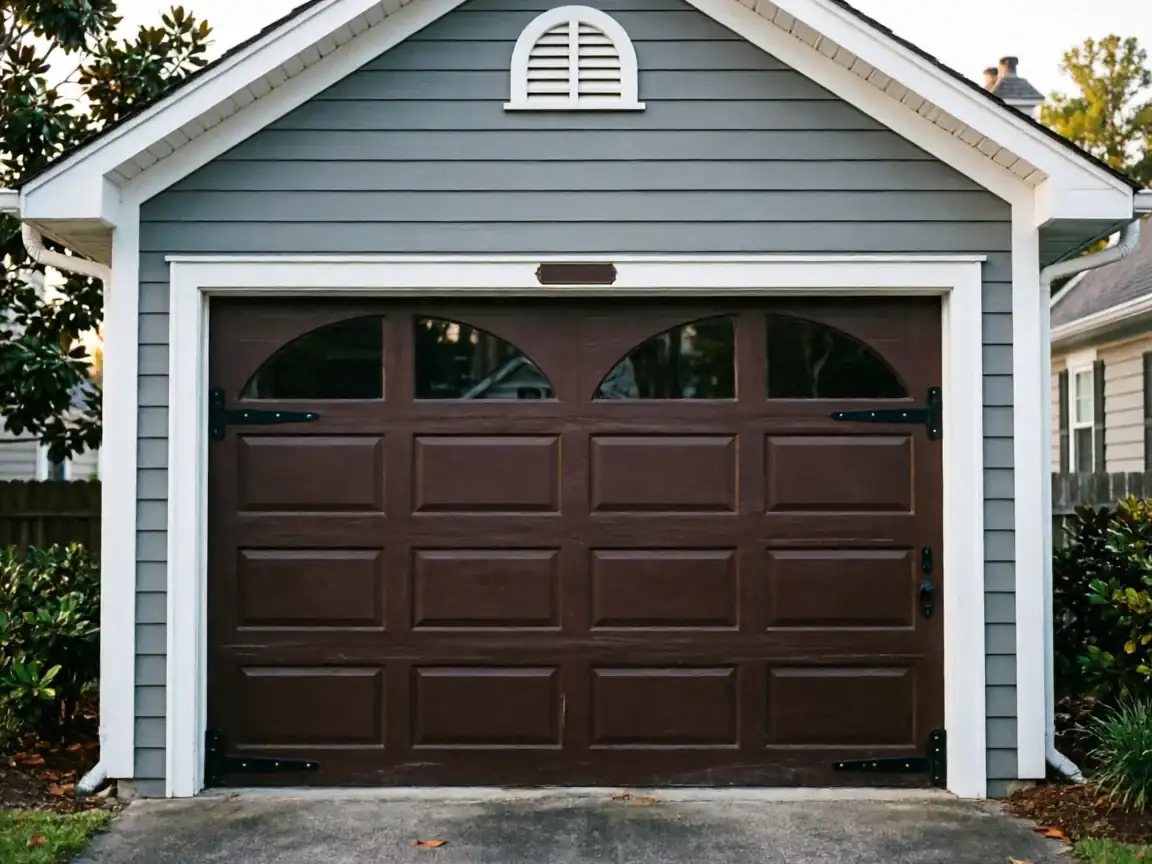
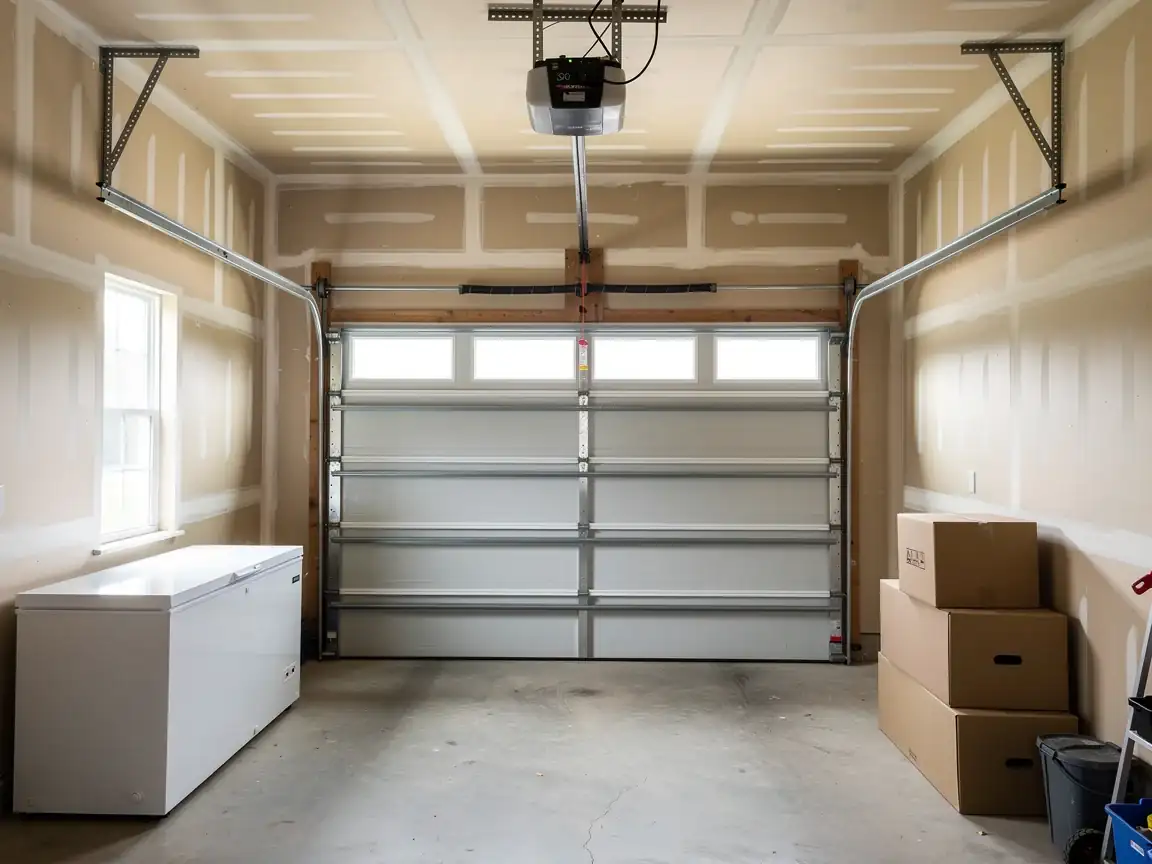
If your door is original to the house, you're likely looking at a flat, uninsulated steel slab, a single torsion spring mounted center, and an opener that's had at least one motor or logic board replaced since the Reagan era. That's not a guess - it's what a 1988 median build year across this stretch tends to produce, consistently enough that we price the swap the same way most visits.
The tell is usually noise and temperature, not just looks: a cold garage in winter, a door that groans on the way up, a spring that looks fine but has lost tension unevenly. None of that is cosmetic - it's the spring and the insulation both reaching the end of what 1980s hardware was built to do.