How Long It Takes
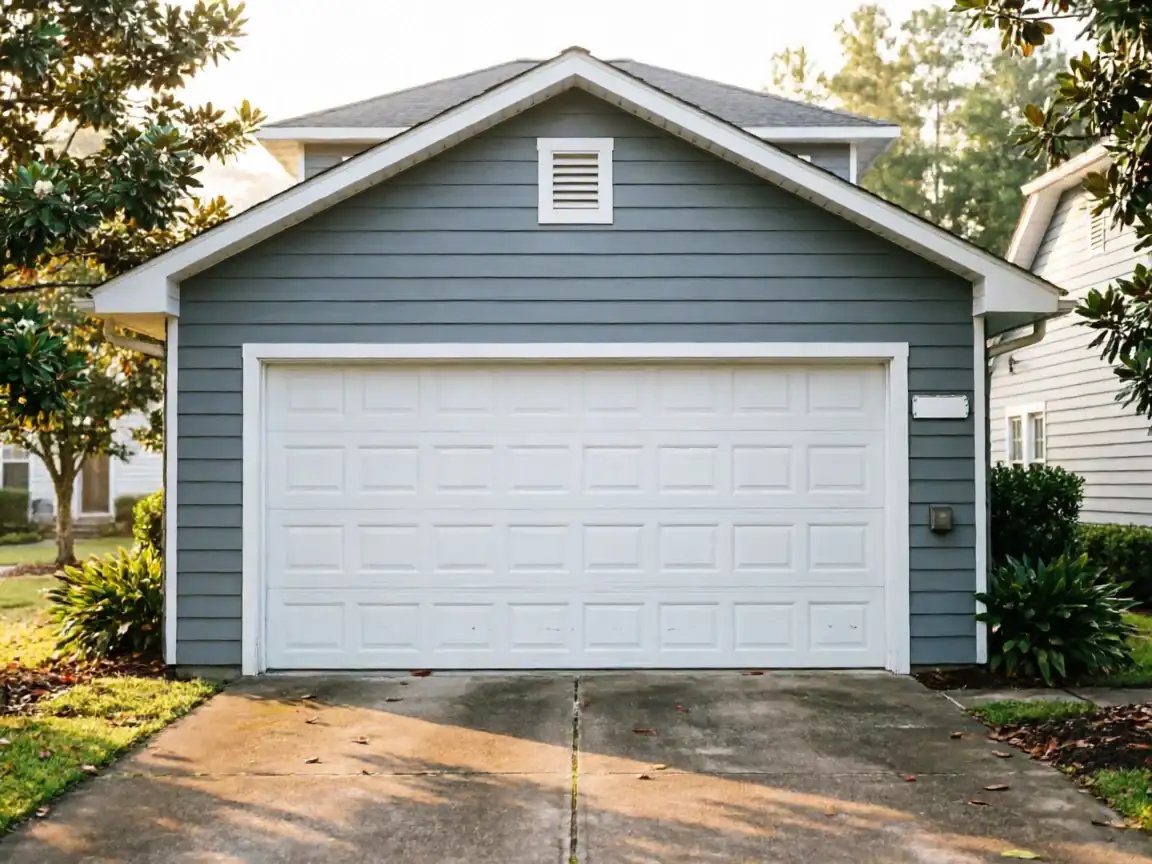
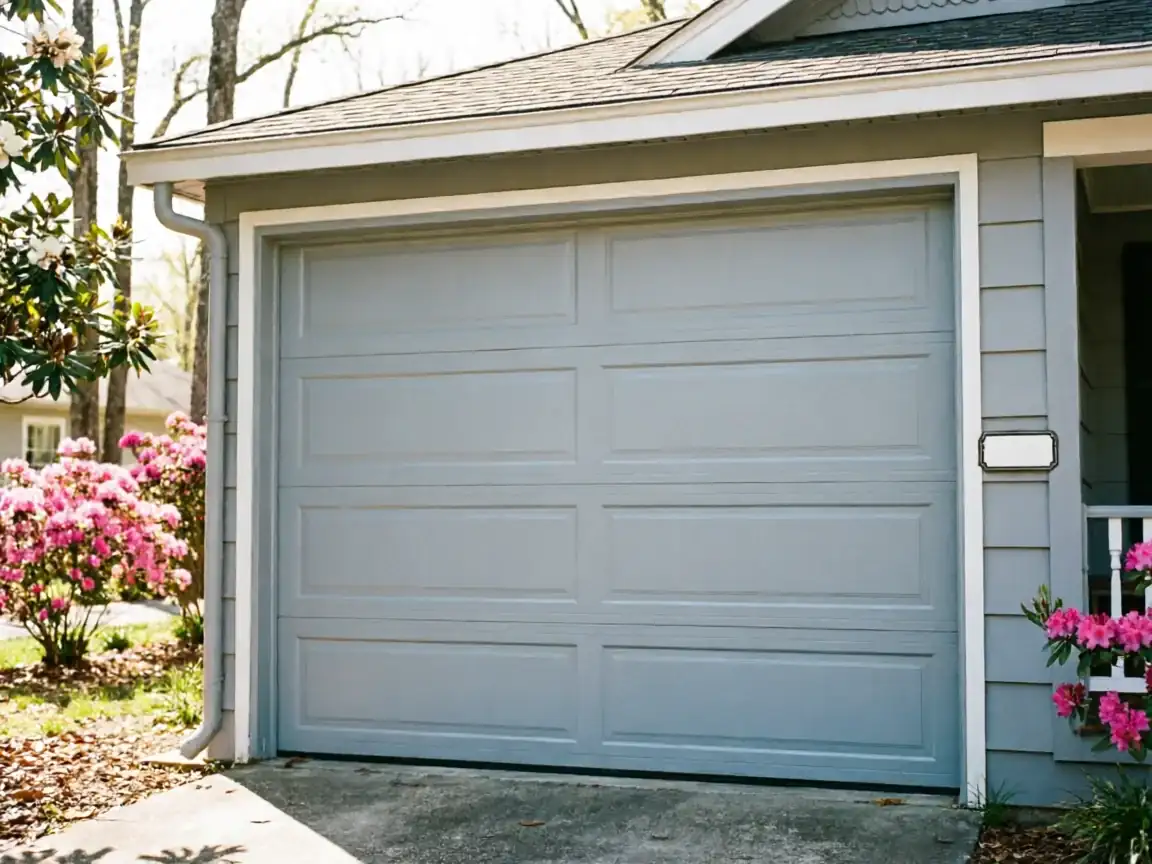
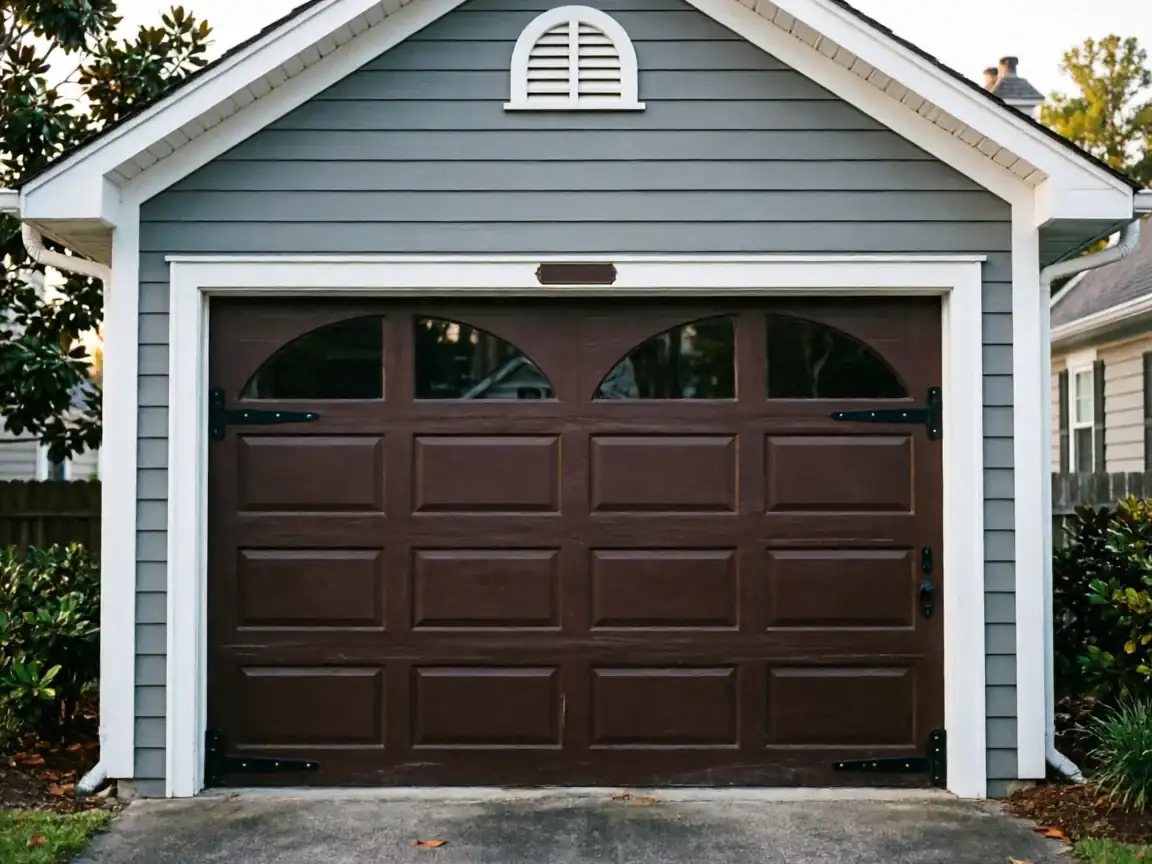
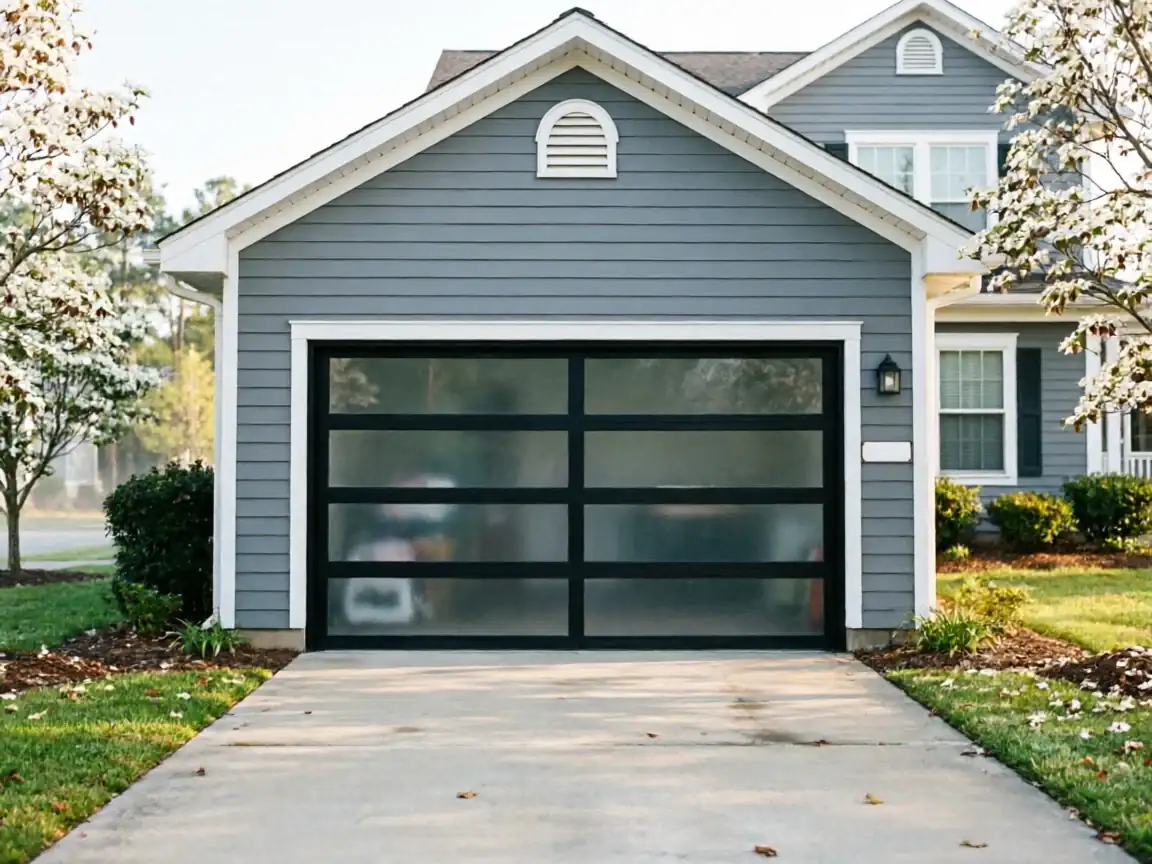
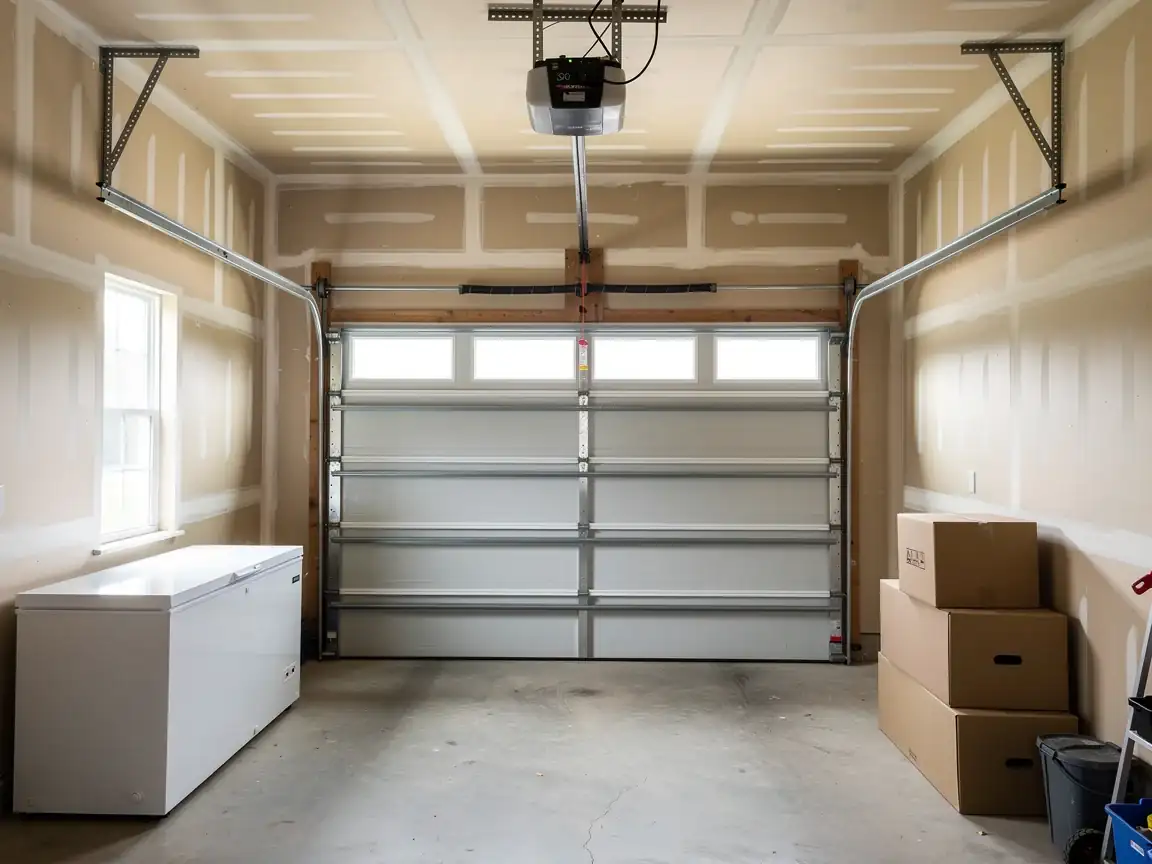
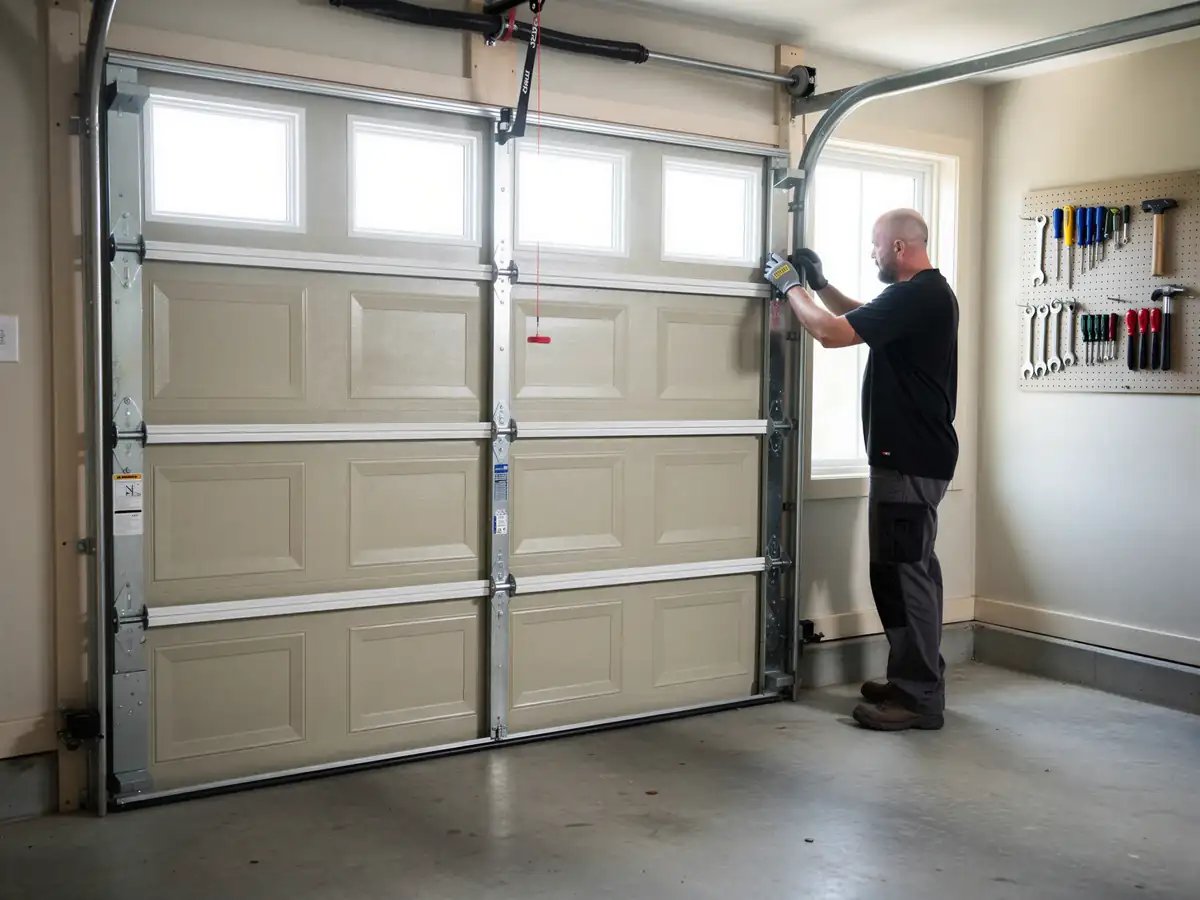
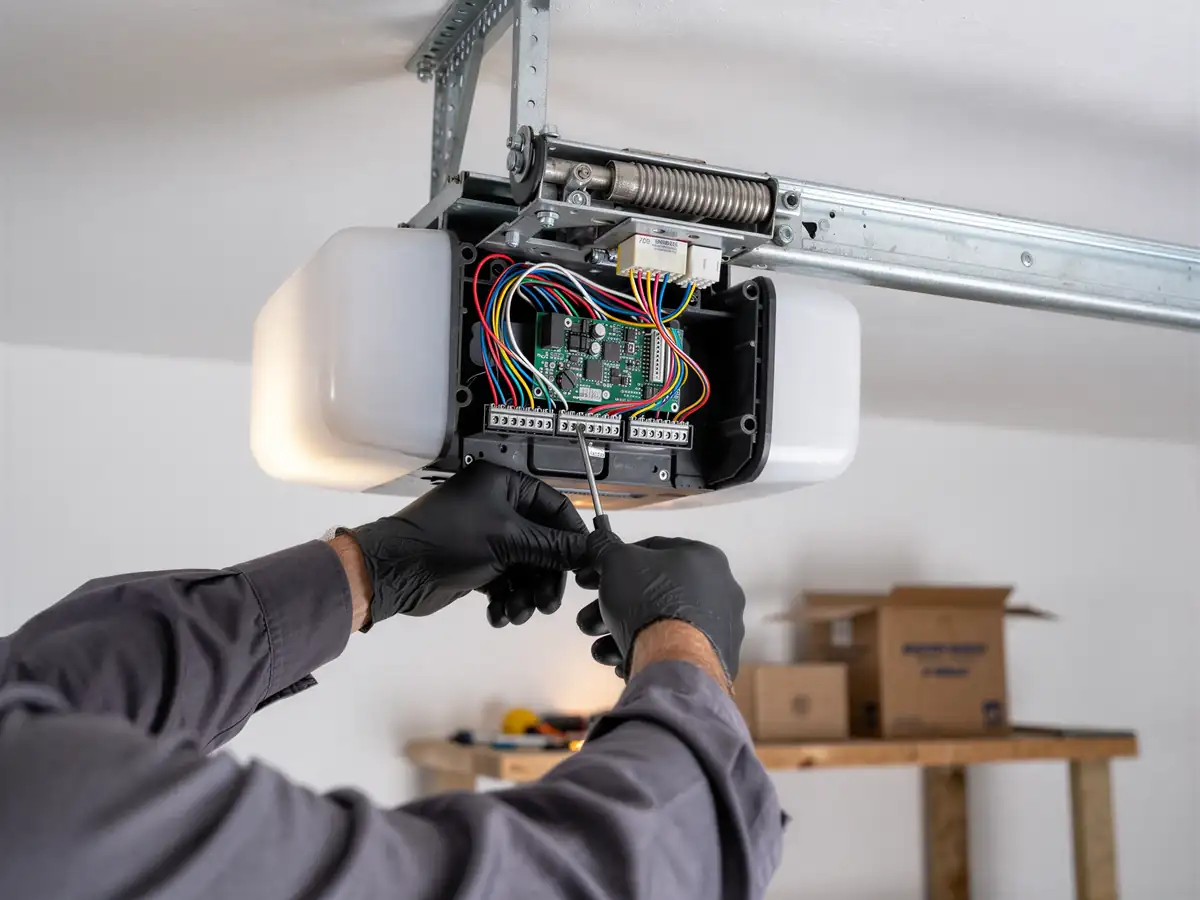
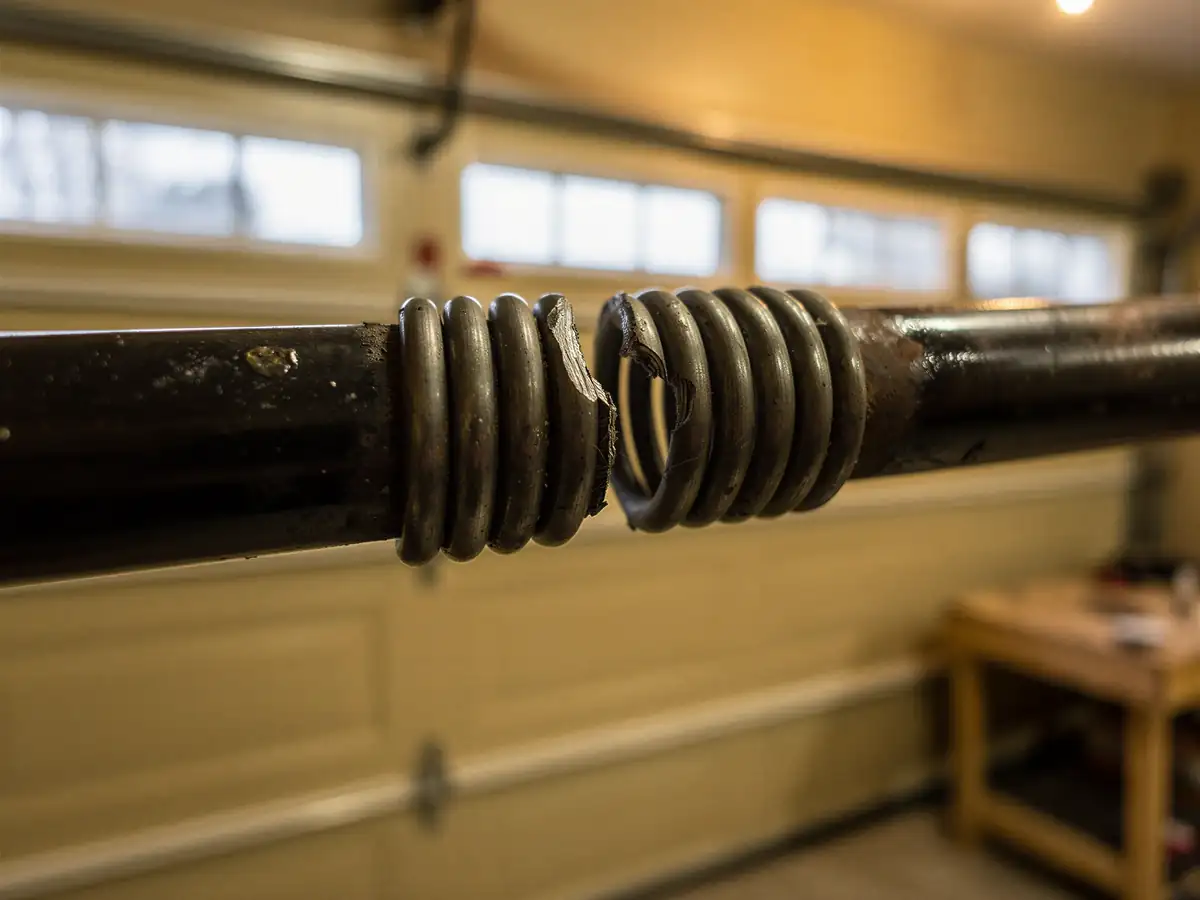
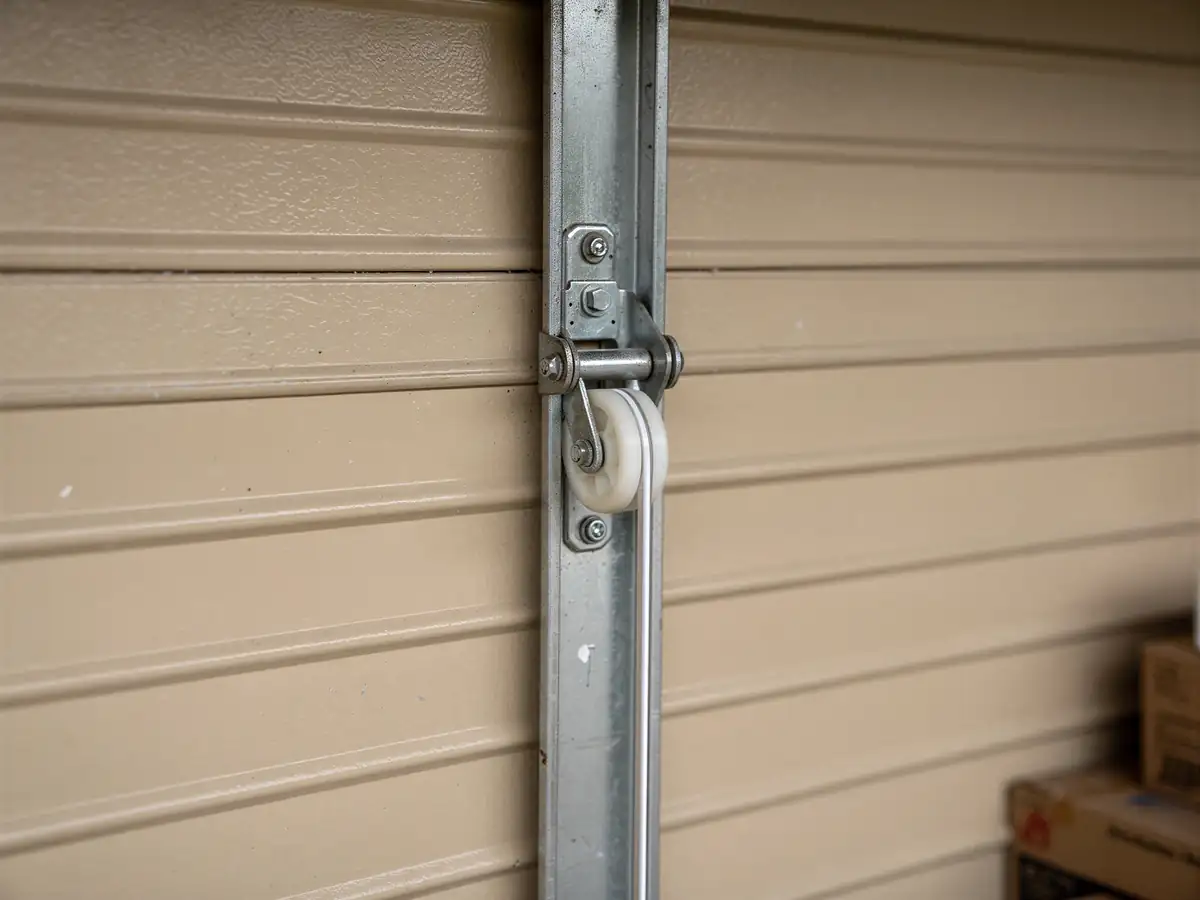
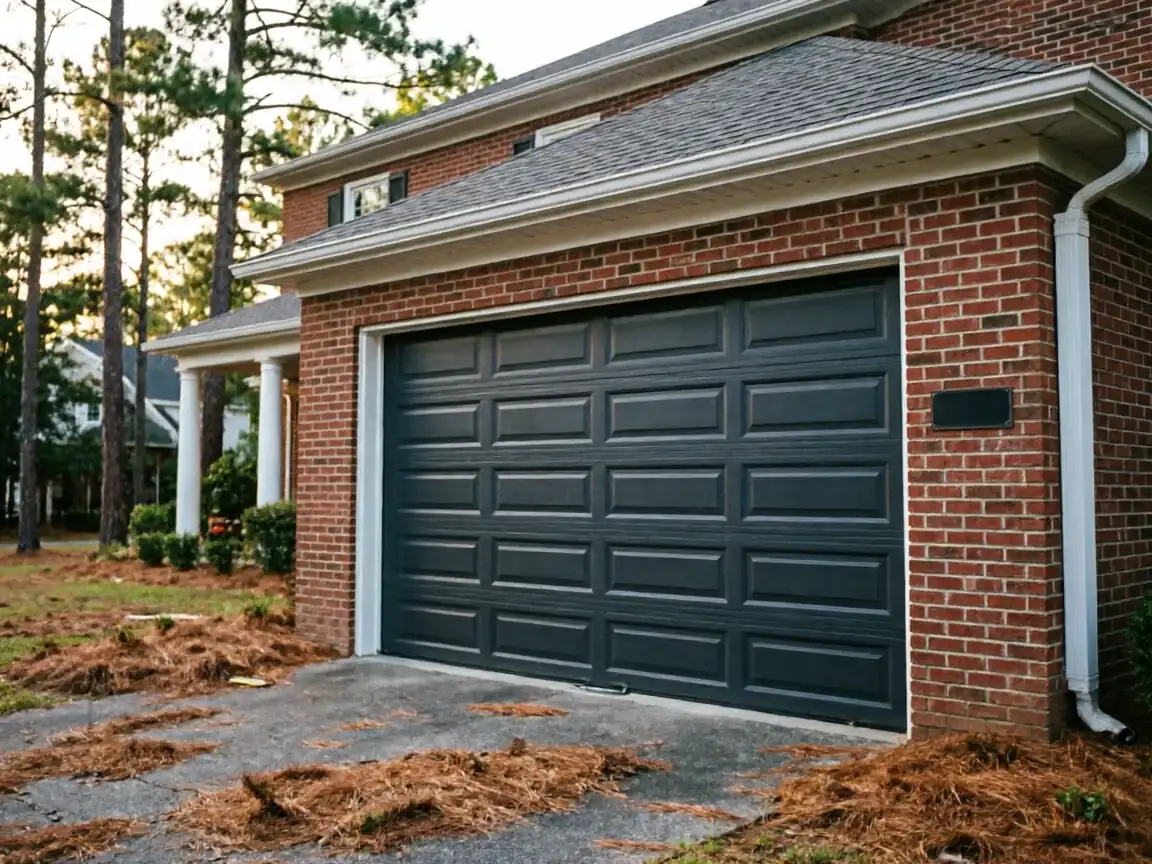
Haymarket sits about a mile from our shop in Gainesville, so drive time here is never the holdup. What takes longer is parts matching. Most houses in Haymarket went up around 1997, well after the area's overall median of 1982, so you're mostly looking at steel sectional doors on standard torsion springs rather than the older one-piece or wood-panel doors still common elsewhere in the service area. That's good news for turnaround - these doors use hardware that's still stocked, not discontinued parts we have to source. A broken spring or a bad roller on a door this age is usually a same-visit fix once we're on site. Openers from the mid-to-late 1990s are a different story if the circuit board has failed; some of those models are out of production, and if a replacement board isn't available, we're into a full opener swap instead of a repair. We'll tell you straight which situation you're in before we start the clock on labor.
The Cost of This Job
Haymarket's median household income, at $174,306, runs well above the wider service area's $111,503, and that shows up in what we see on these jobs - double-car insulated steel doors, heavier-duty openers, and owners who tend to replace rather than nurse a door along for another winter. That doesn't mean every job here is a replacement. A torsion spring job or a cable replacement on a standard 16x7 door costs what it costs regardless of the house around it. But with roughly 503 households in Haymarket and most of the housing stock sitting in that late-1990s window, we don't run into the odd legacy sizing or custom track work that drives up cost on older homes elsewhere in the area. Straightforward hardware keeps the estimate straightforward too. Where cost climbs is on insulated doors with broken seals or on openers where the logic board is the failure point - those are judgment calls we walk through with you before any work starts, not after.
What You Are Seeing
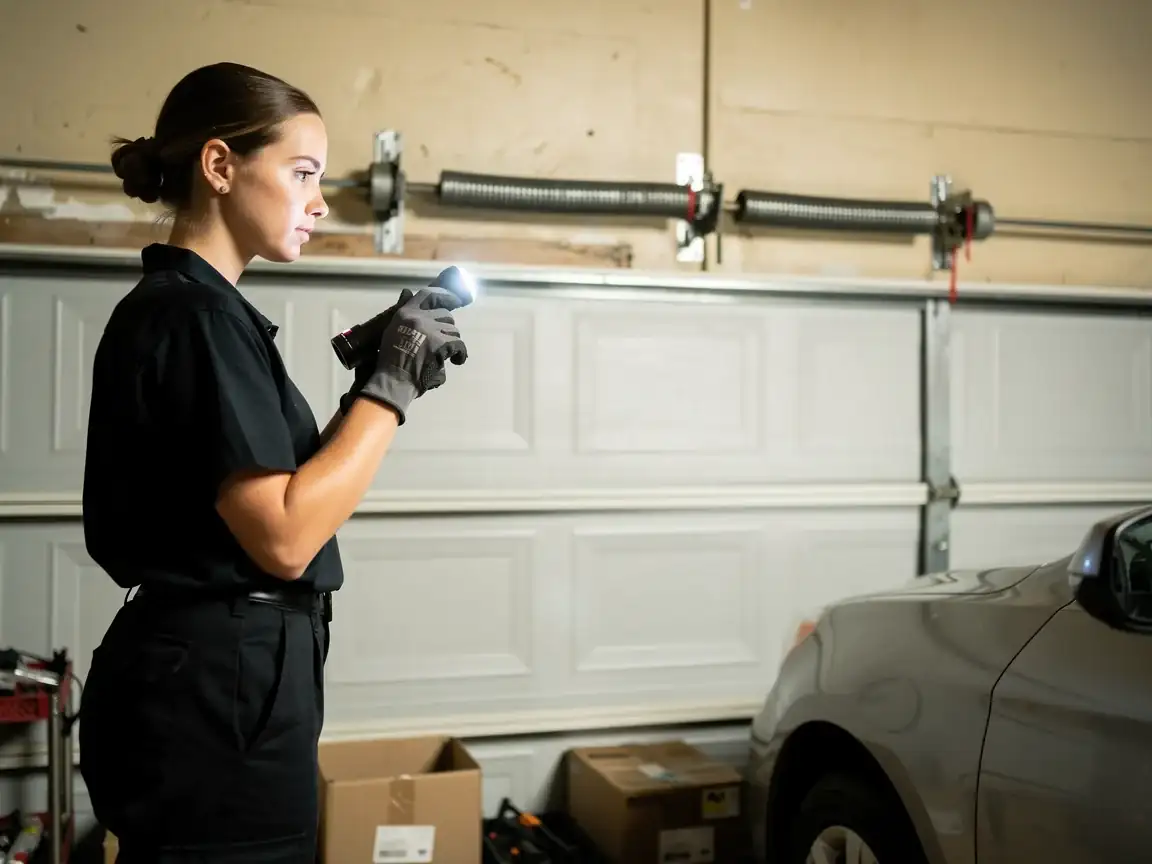
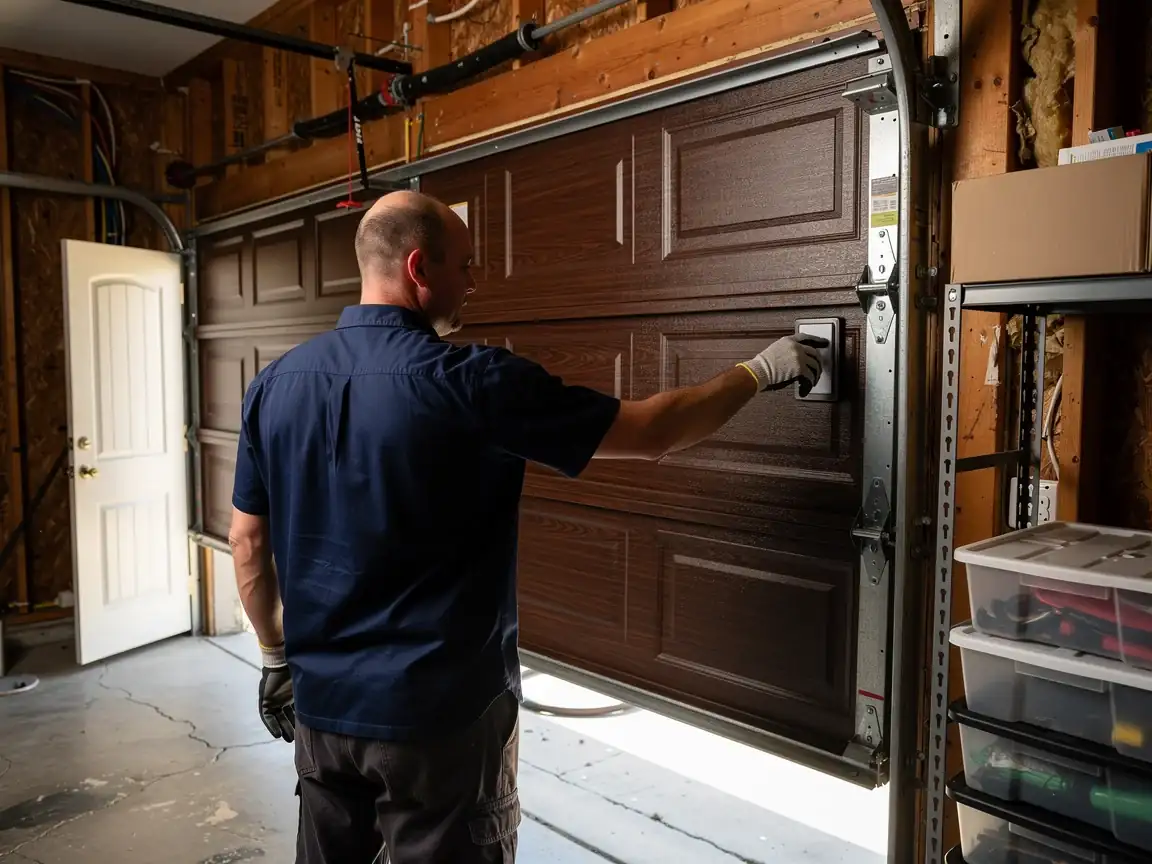
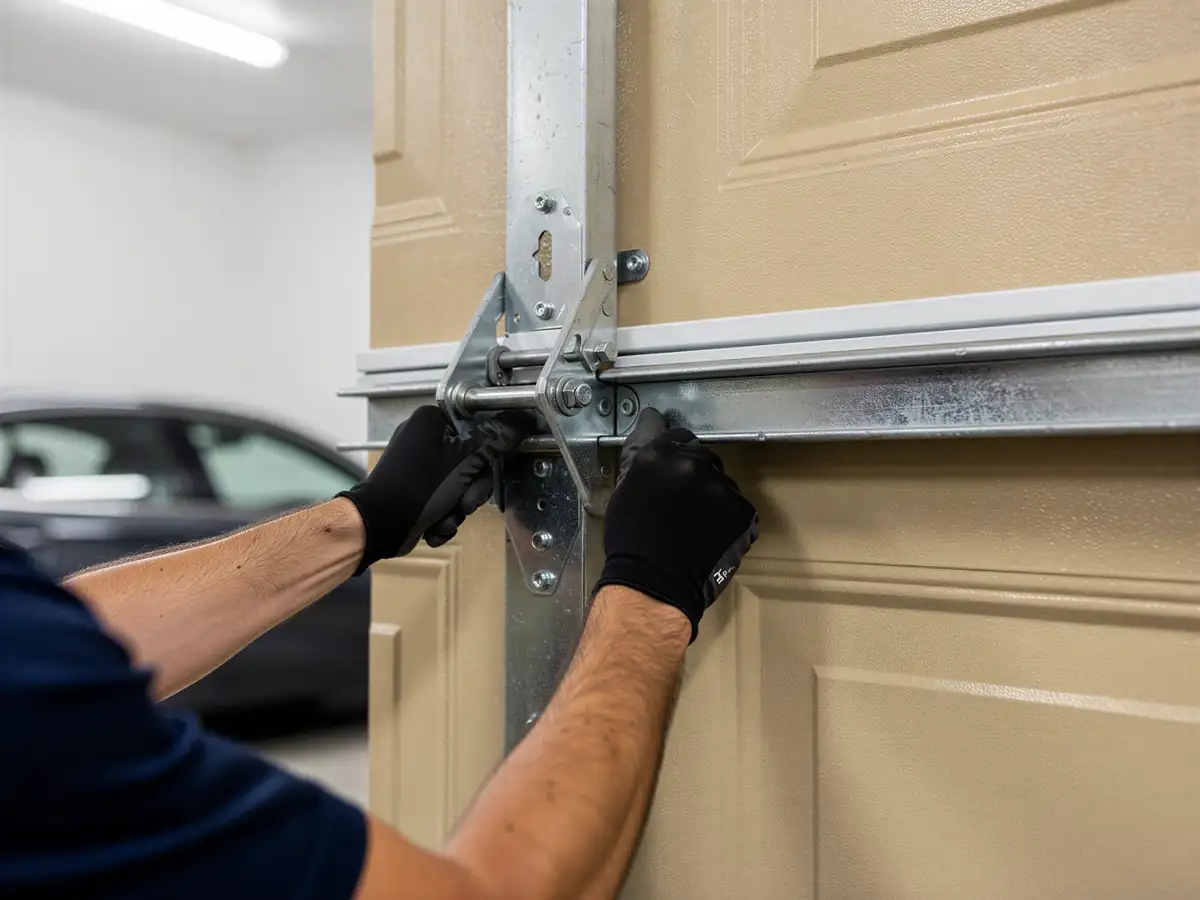
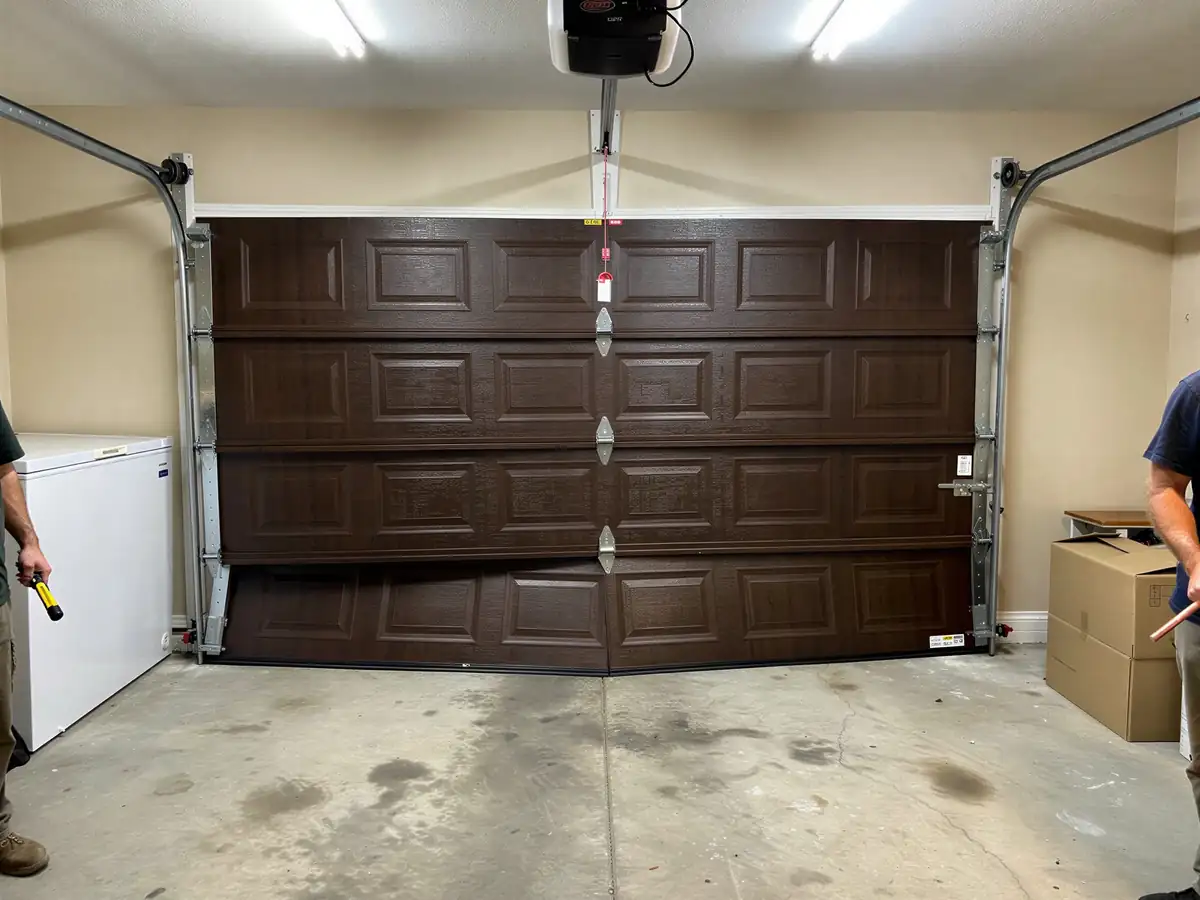
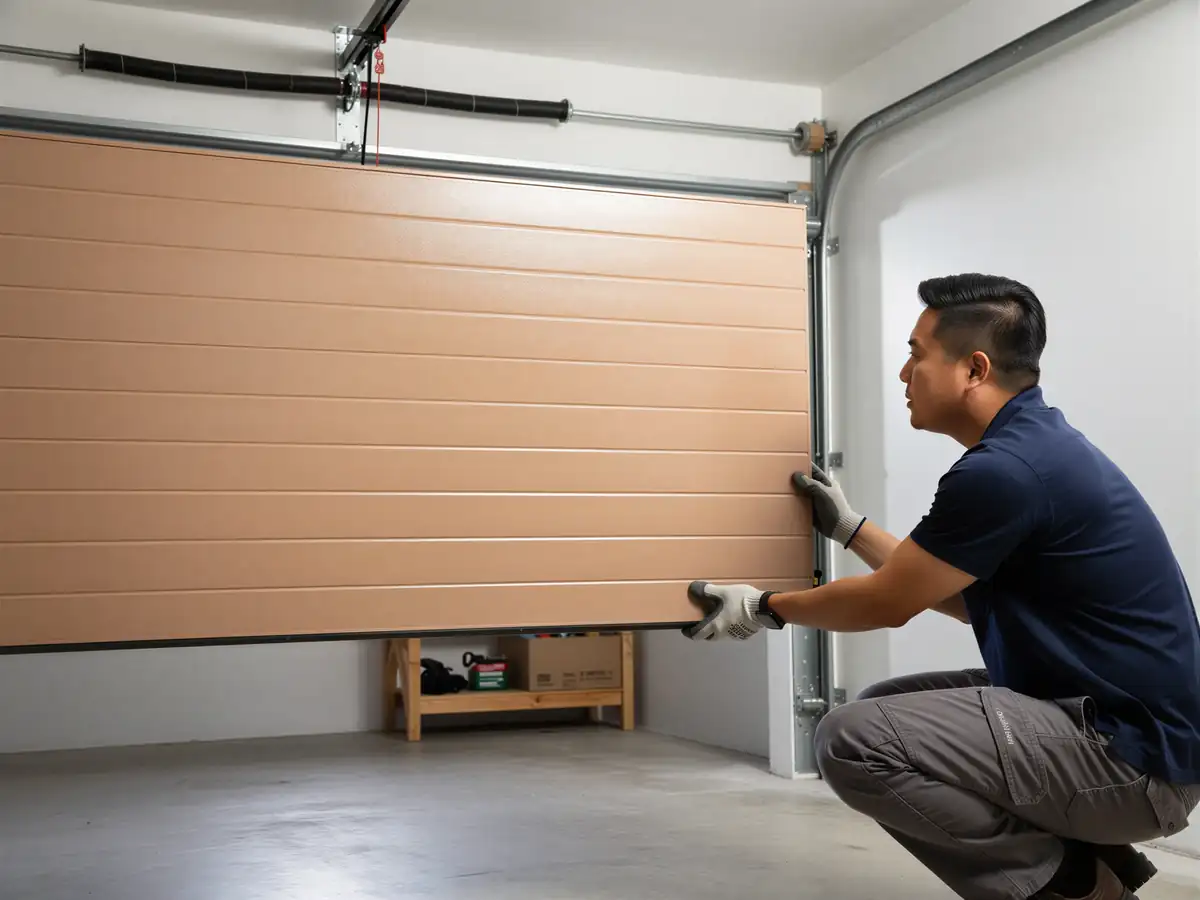
If your door is sticking, slow to close, or making a grinding sound partway through the cycle on a Haymarket house built in the 1990s, you're most likely dealing with a torsion spring losing tension or a roller that's worn its track groove - standard wear for a door pushing 25 years old, not a sign something was installed wrong. A door that won't fully seal at the bottom, letting in a cold draft along the slab, usually means the astragal seal has hardened and cracked, which happens faster in a severe-cold climate than in milder regions. If the opener motor runs but the door doesn't move, check the drive gear before anything else - that's a common failure point on openers from this build era. What you're not likely seeing in Haymarket, compared to older pockets of the service area, is warped wood panels or side-mounted hardware from the 1960s. The housing stock here is younger, and the failures track with that.