How Long It Takes
Fairfax Station sits about 16 miles out from our Gainesville shop, so a new install here is a full-day trip, not a drop-by. We build the schedule around that distance: one crew, one house, no back-and-forth. Most homes in this part of the service area were built right around 1982, which puts a lot of Fairfax Station garages at roughly the same age and the same rough-opening sizes as the broader area we cover - that's useful, because it means we're not guessing at header clearance or track length before we arrive.
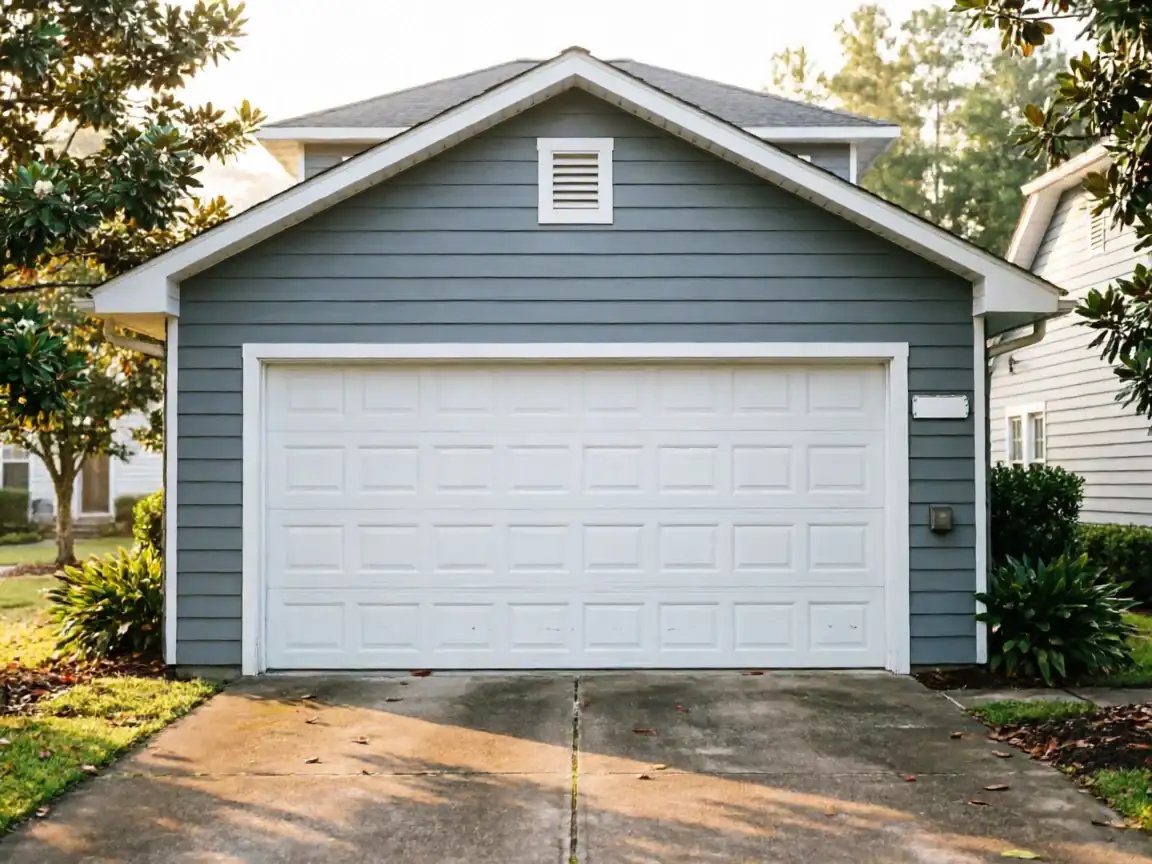
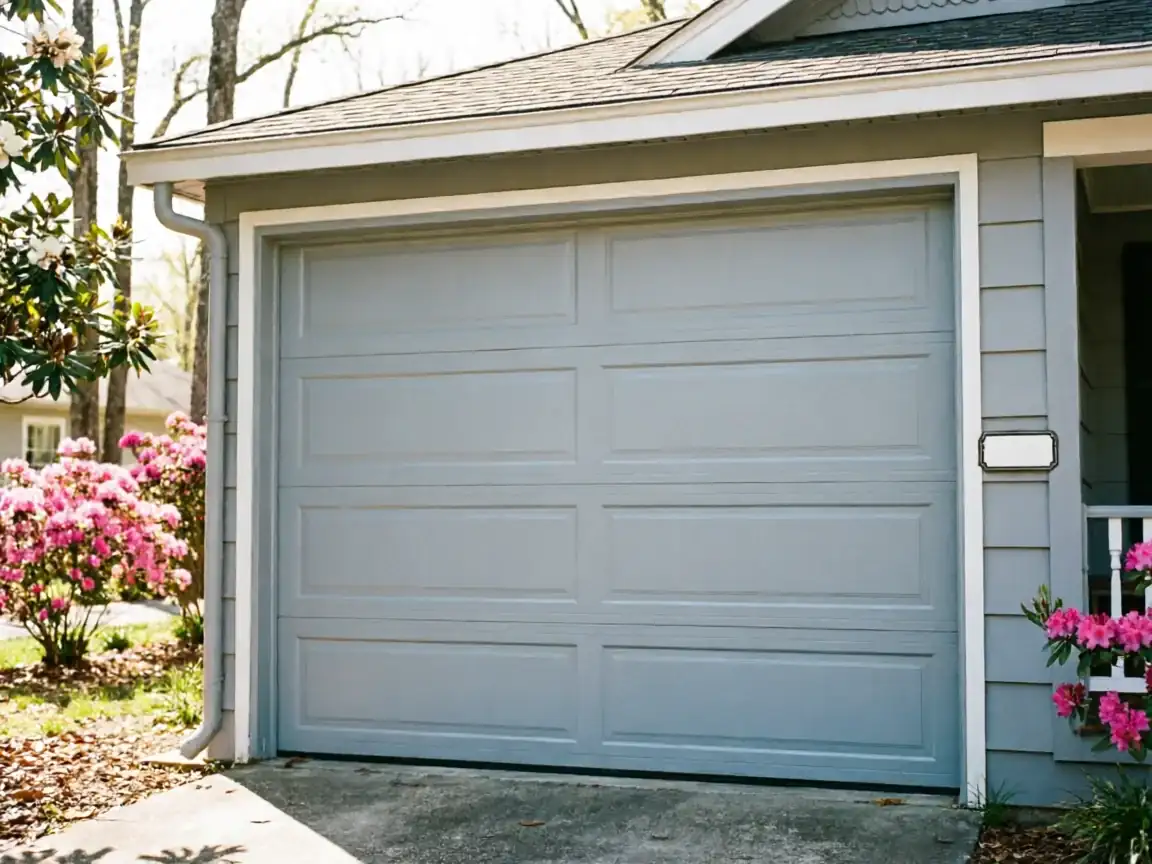
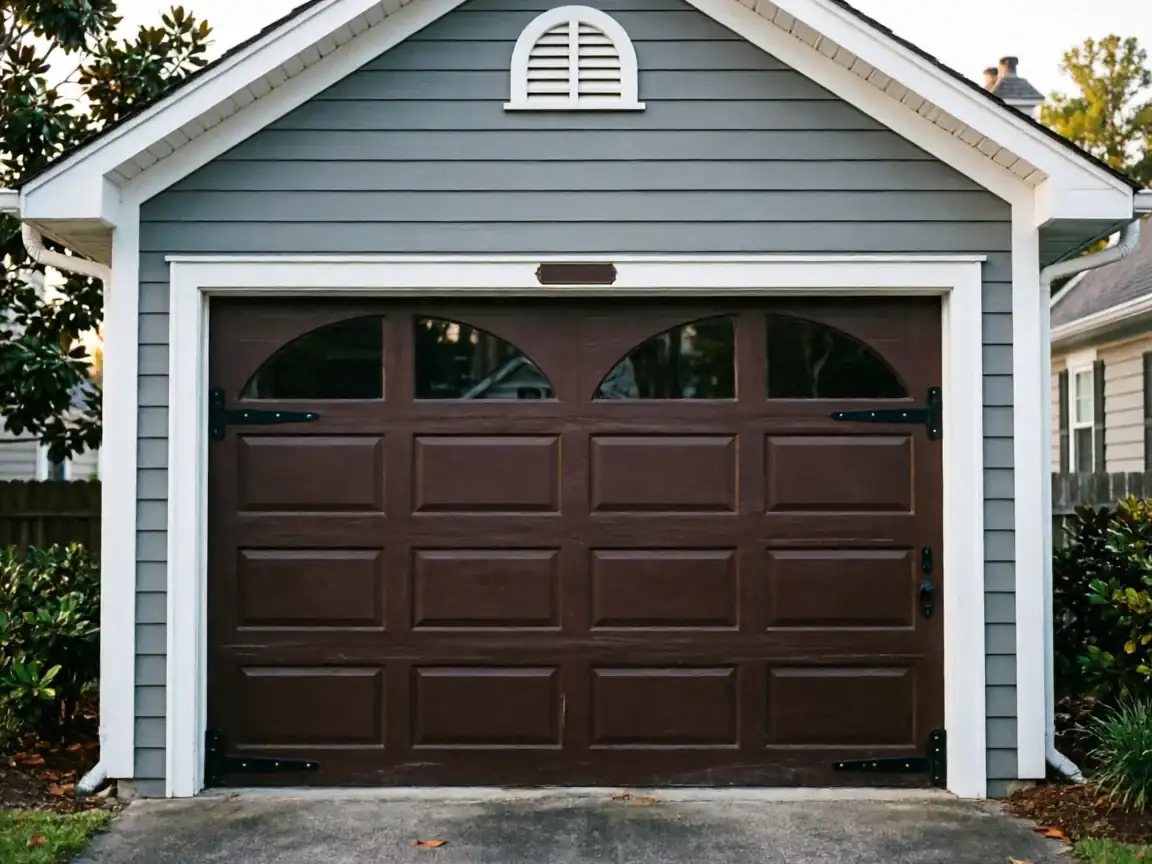
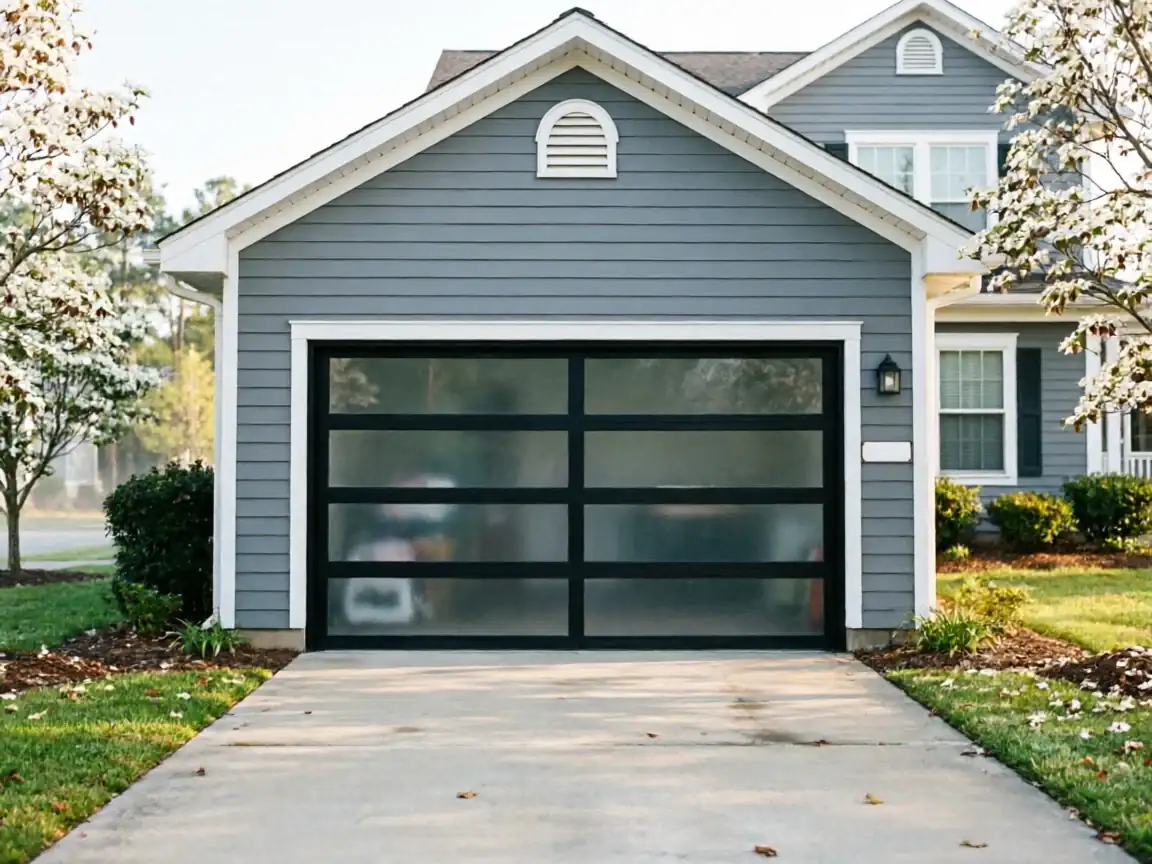
What changes the clock here isn't the door itself, it's the trim-out. Household income in Fairfax Station runs well above the service area median - $212,128 against $111,503 across the wider area - and that shows up in the job as upgraded insulation packages, matched hardware finishes, and sometimes a second opener for a side garage. Those choices add time on the install day, not because the door is harder to hang, but because there's more to dial in once it's hung. A bare single-door swap can be a half-day; a full two-car install with insulated panels and a smart opener tends to run the whole day once travel is in.
We don't do emergency same-day installs out here - with the drive, it isn't realistic to promise, and we'd rather say that than overbook you.
How We Fix It
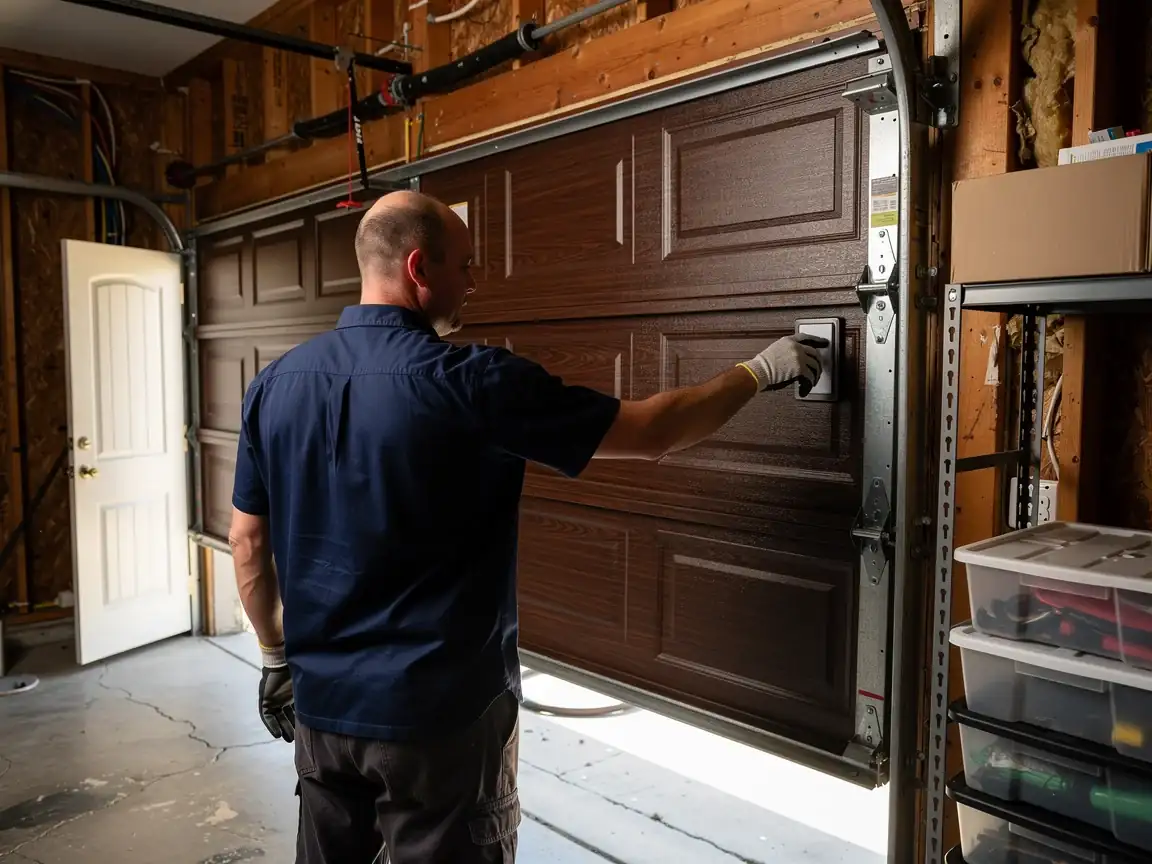
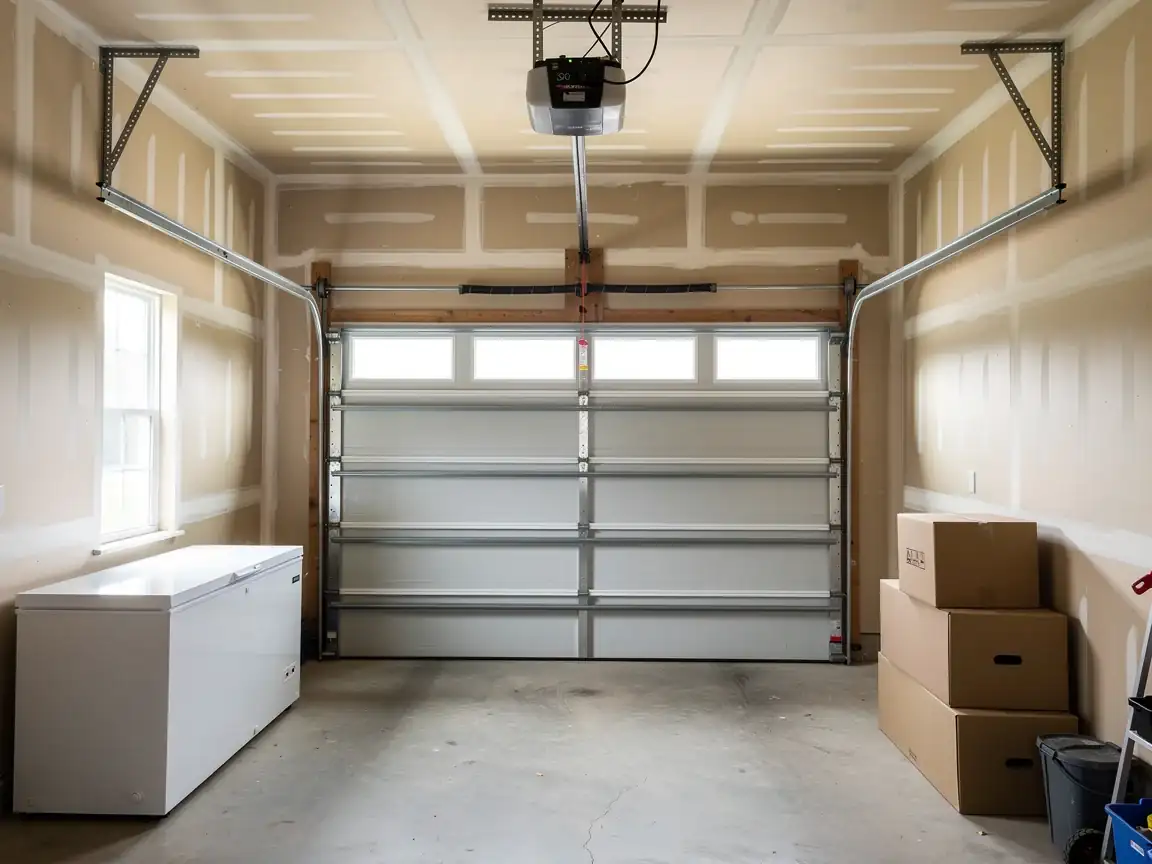
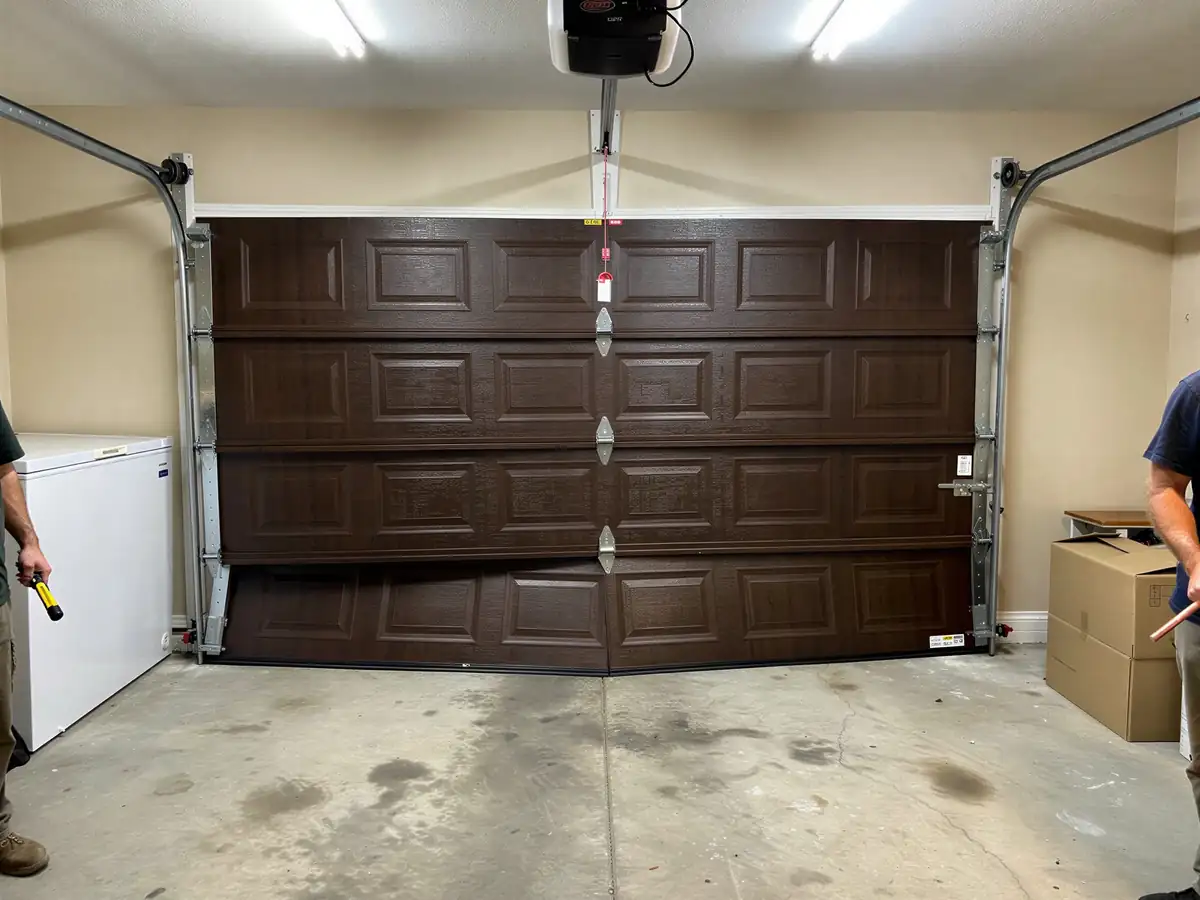
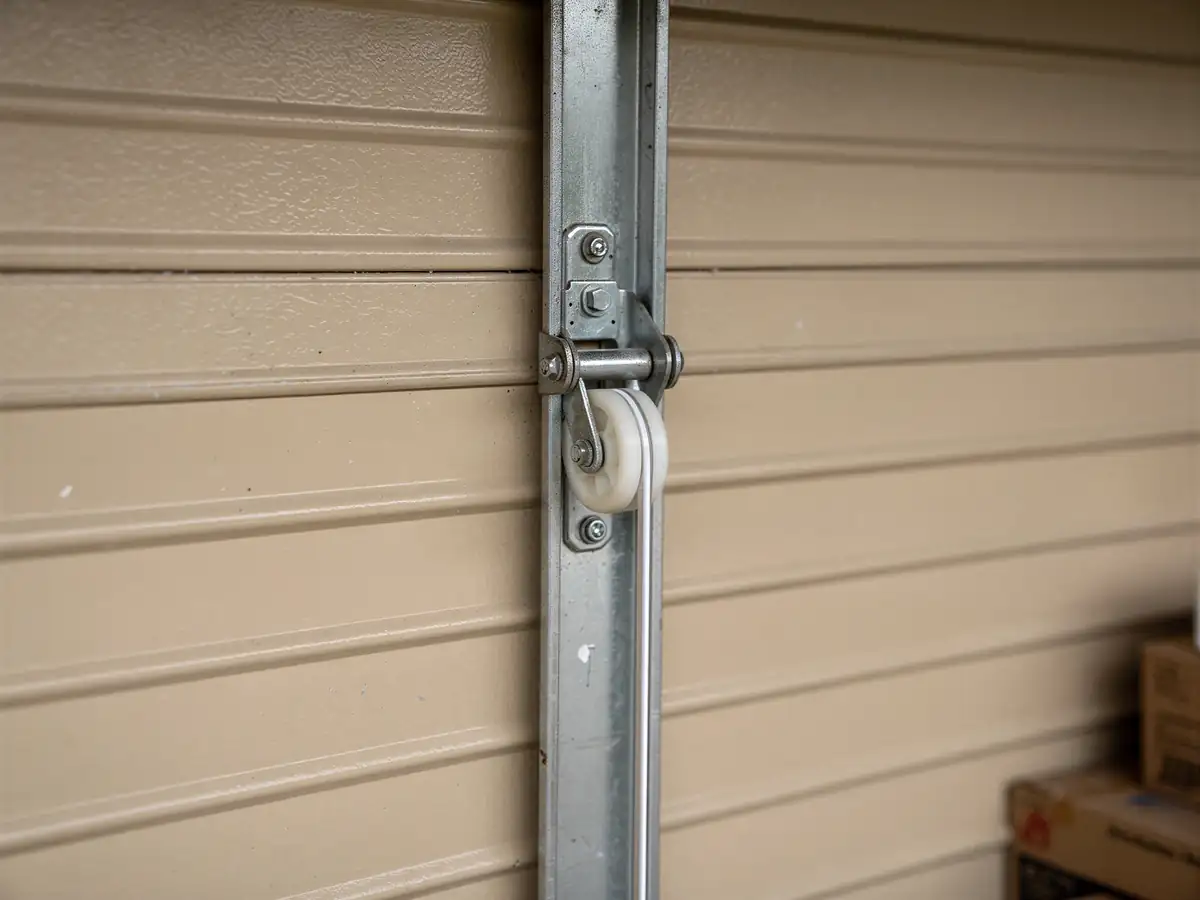
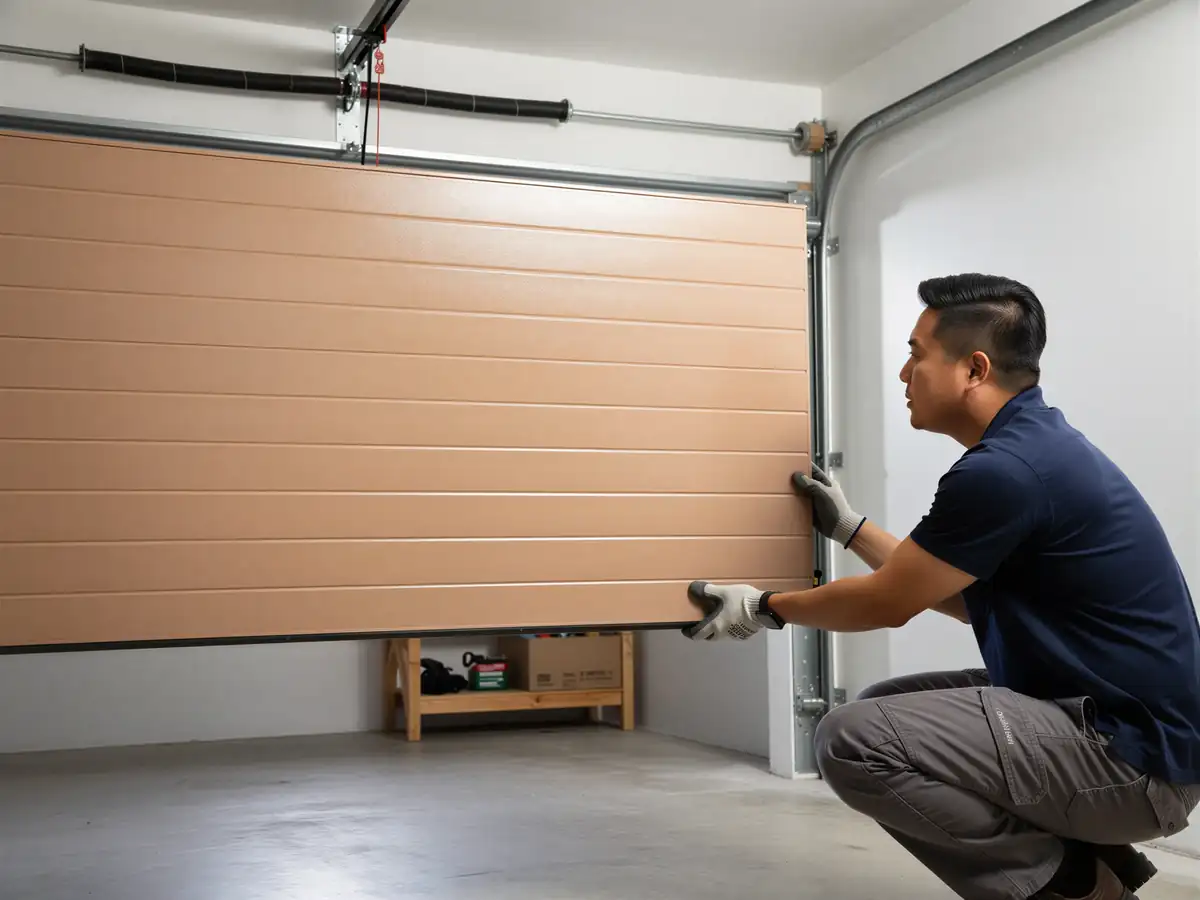
"Fix" for a new install really means getting the opening right before the door goes in. On houses built around 1982, we're regularly finding rough openings and track clearance built to the standards of that era - fine for the original door, but often short on headroom for a modern insulated panel or a jackshaft opener. We measure the opening, check the header for the counterbalance, and confirm headroom before we order anything, rather than showing up with a box and hoping it fits.
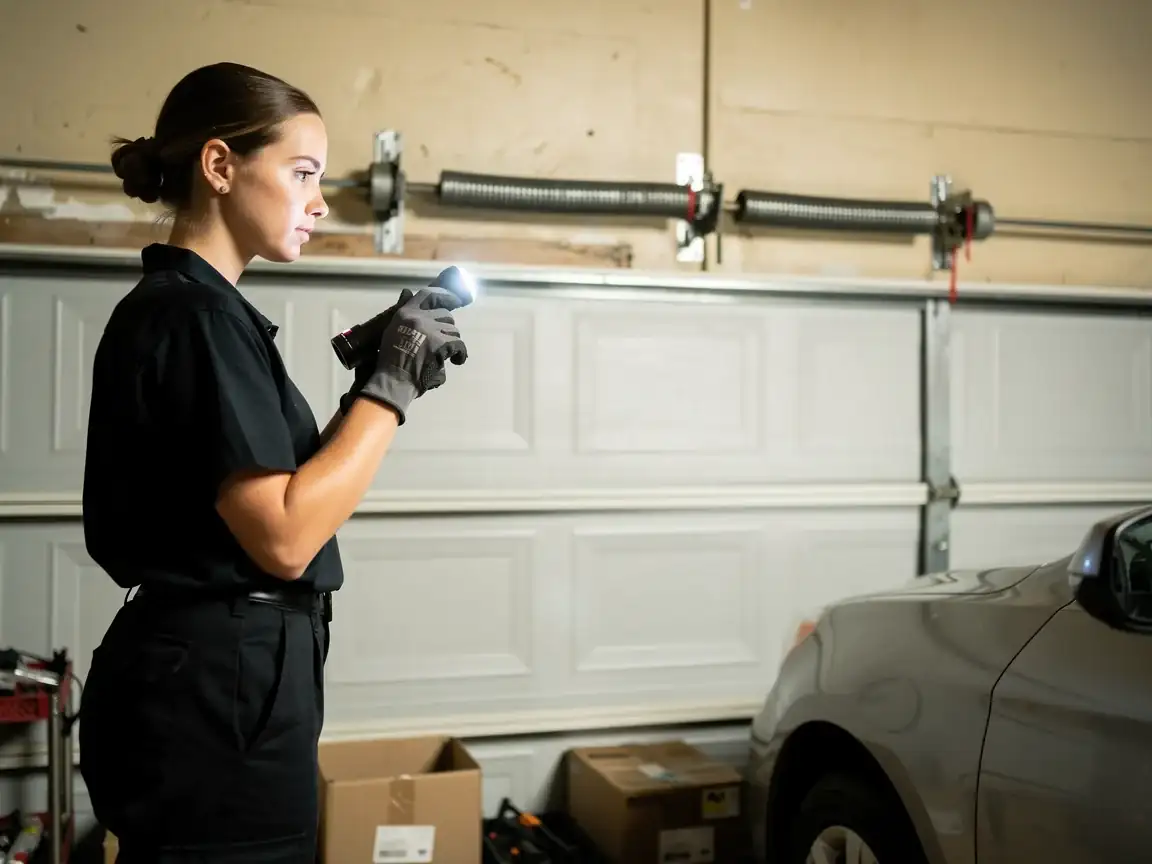
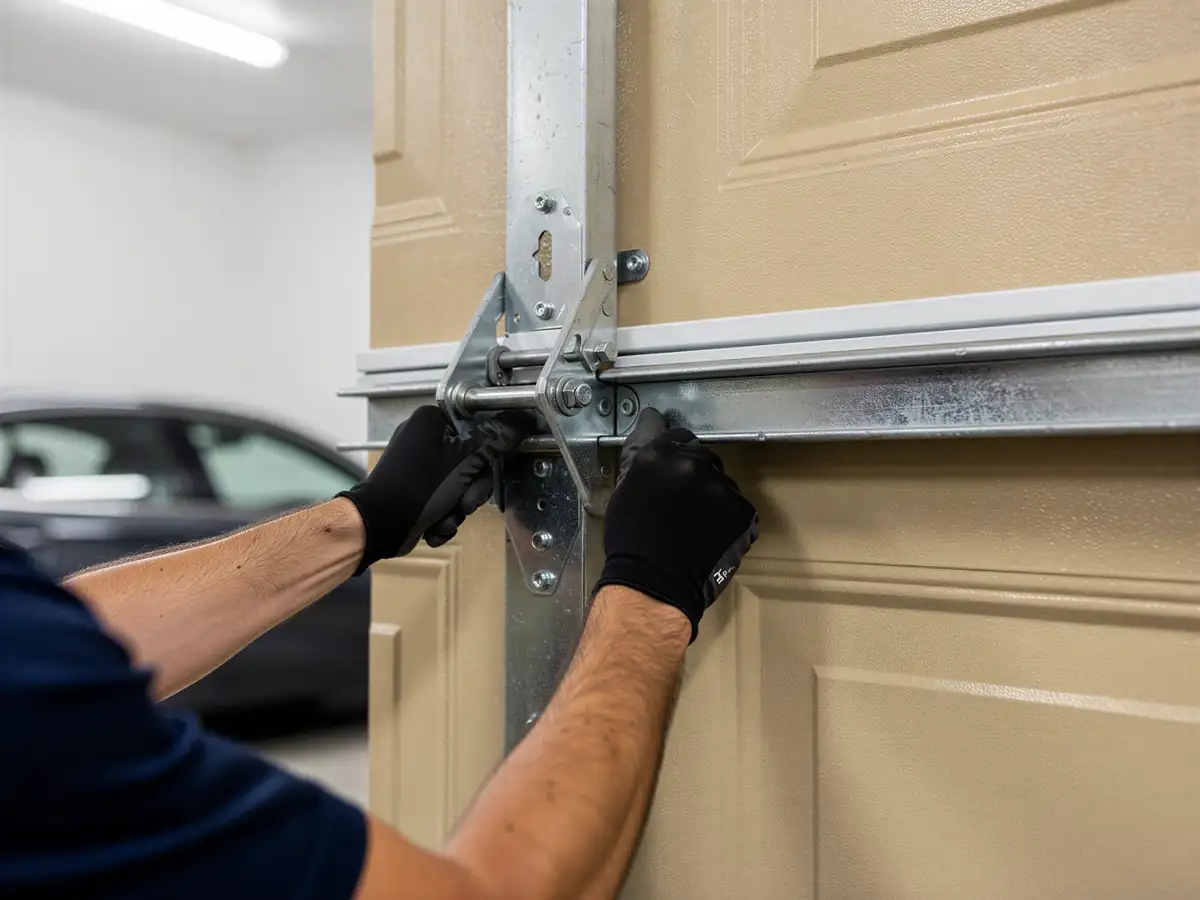
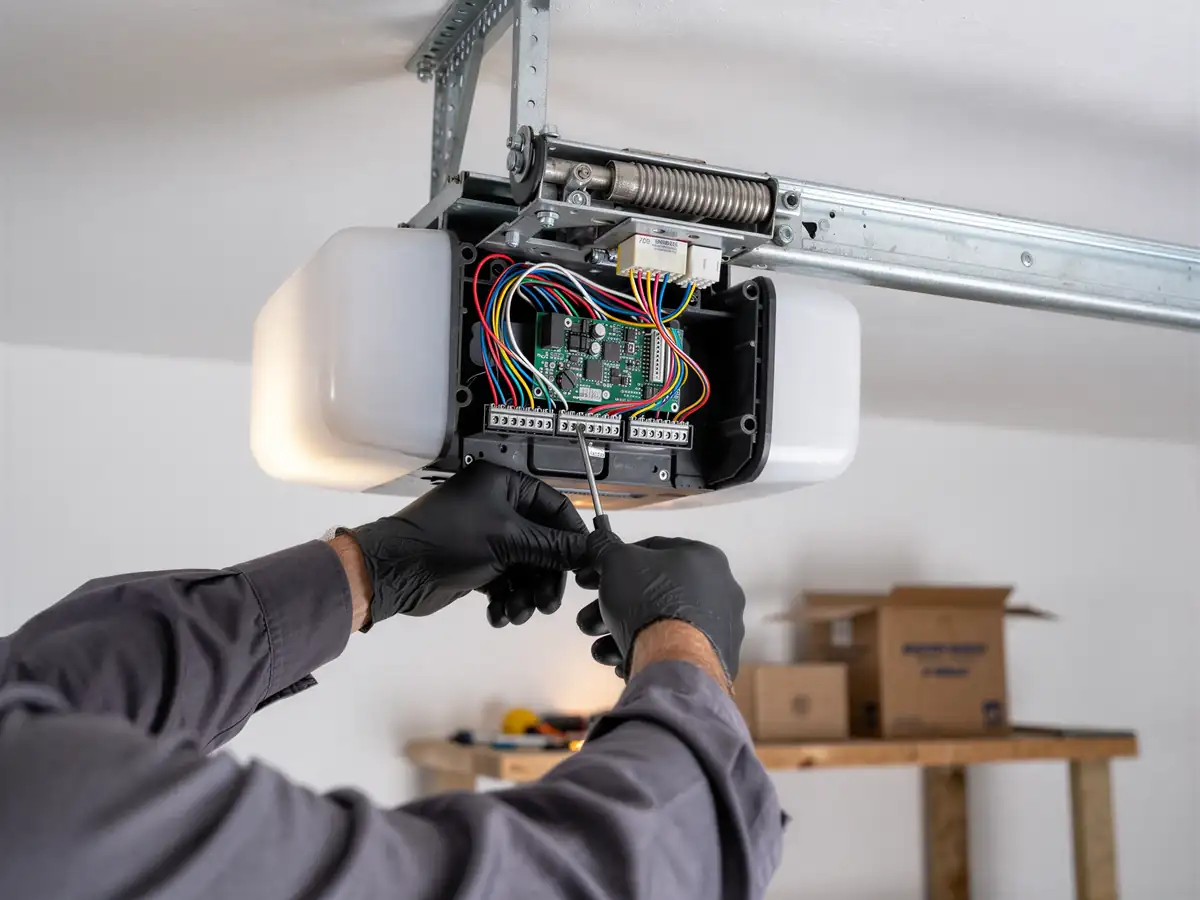
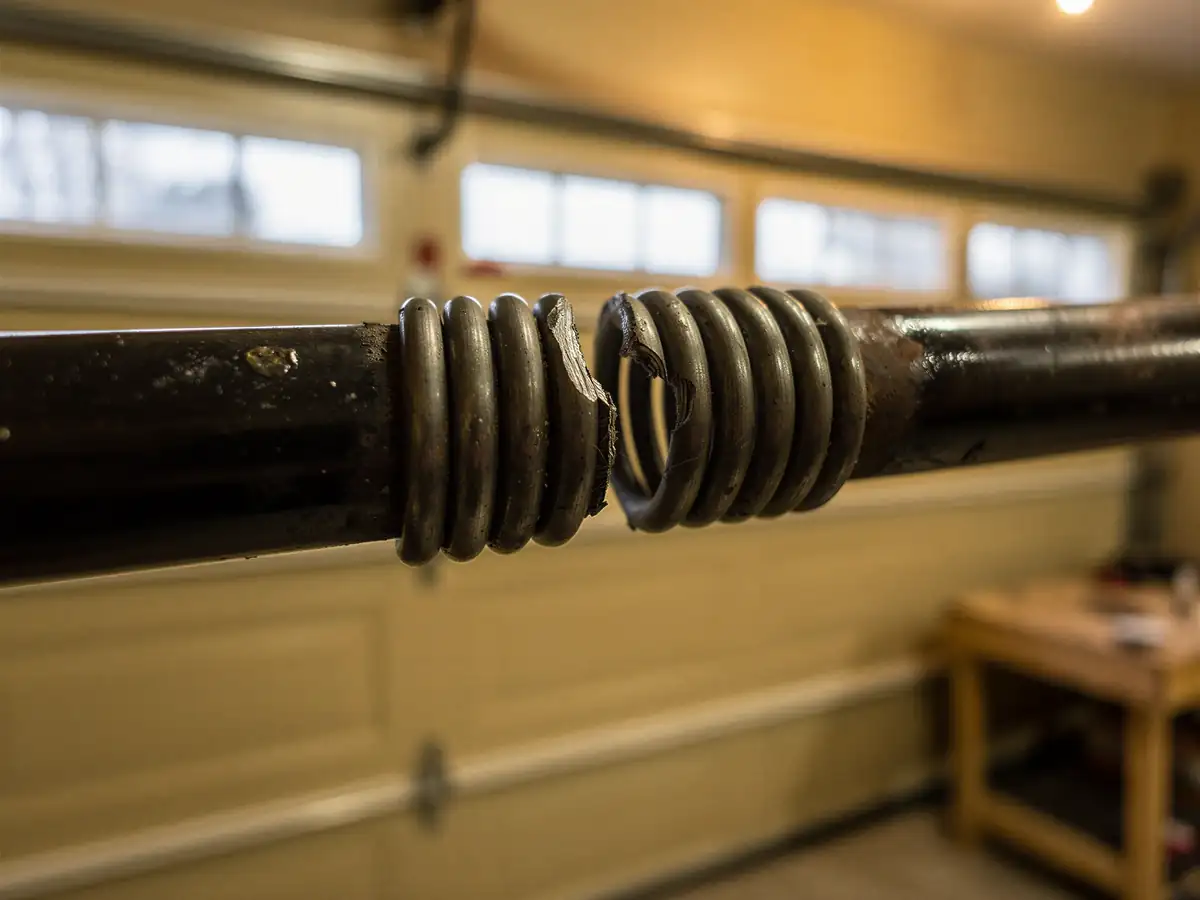
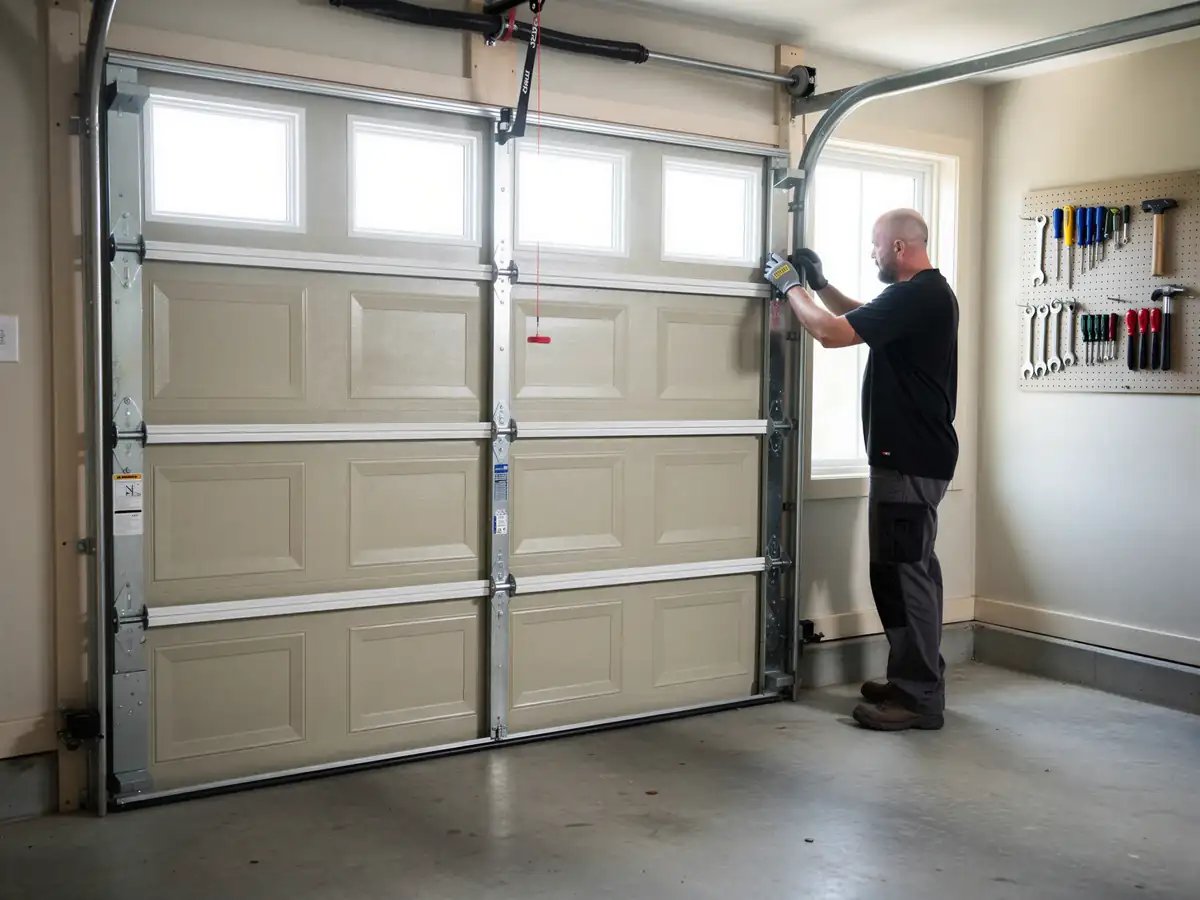
Because this area runs a cold, severe winter climate, we spec torsion springs and weatherseal to that load, not to a mild-climate default. A spring sized for a lighter climate will wear out fast here, cycling through real cold and real temperature swings over a Virginia winter. We set the torsion bar, balance the door to the counterweight needed for the climate band, and route the opener wiring once the door is tracking clean and square.
One limitation worth saying plainly: if the existing framing is out of square or rotted at the jamb, that's carpentry, not garage door work, and we'll flag it before the new door goes in rather than hang a good door on bad framing.
Why This Fails Locally
The failures we see on Fairfax Station installs almost never come from the door itself
They come from mismatching the door to what the house already has. A home built near 1982 often still has its original header and jamb dimensions, and a new door ordered off a generic size chart without checking that first is how you end up with a gap at the top or a door that won't seal at the climate-rated threshold we use for cold, severe winters.
The other local mismatch is opener load
Higher-income households in this part of the service area - median $212,128 here versus $111,503service-wide - tend to ask for heavier insulated panels, which means the opener and the torsion spring both need to be sized up, not left at a standard residential default. Put a standard-duty opener on an upgraded insulated double door and it'll strain on the first cold morning, not the first year.
Neither failure shows up on the day of the install
They show up on the first hard freeze, when the spring that was sized wrong finally gives out, or the seal that wasn't climate-rated starts letting in draft at the bottom panel. That's the gap we're closing by measuring the actual opening and the actual door weight before we quote anything.
Stocked Parts
For a new install in Fairfax Station, the parts that matter are the ones sized for an older rough opening and a cold-severe climate, not generic stock. We carry torsion springs rated for that climate band, insulated panel sections sized to fit openings consistent with early-1980s framing, and weatherseal rated for the temperature swings this area actually gets - not the mild-climate default that comes standard on some off-the-shelf doors.
With roughly 4,159 households in Fairfax Station and a housing stock that leans toward that same early-1980s build window as the rest of our coverage area, we see the same handful of rough-opening sizes over and over, which is why we stock for them rather than special-ordering every job. What we don't stock is anything custom-fabricated to non-standard dimensions - if a framing issue has shrunk or warped the opening, that part gets ordered, and we'll tell you the lead time before you commit to a date.
See our Fairfax Station coverage page for what else we cover out this way, or the Gainesville installation page for the full rundown of install options we offer across the service area.