How Long It Takes
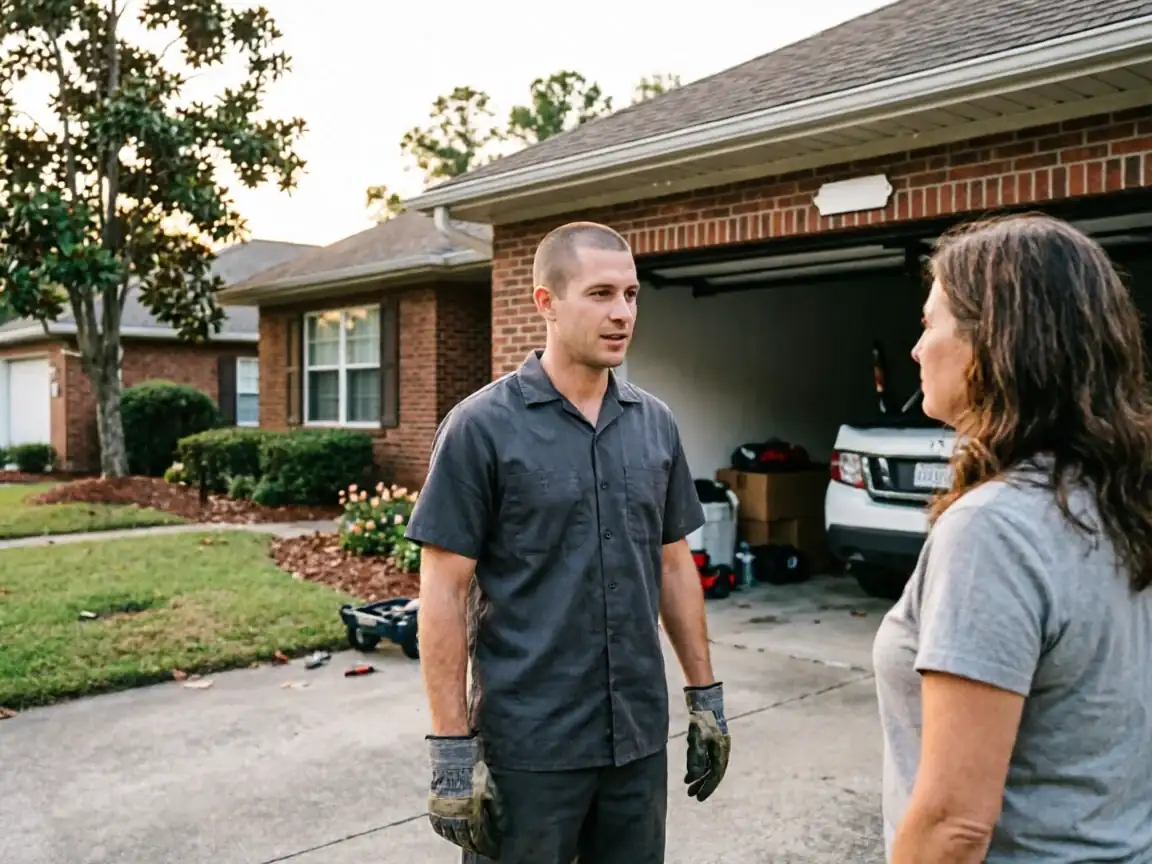
Start with the money, because it changes the decision before we even get the door open. Fairfax Station's median household income runs $212,128 - almost double the $111,503 median across the rest of our coverage area. That gap matters here specifically: a repair that makes sense for a tighter budget somewhere else often doesn't make sense here, because the cost of living with a half-working door for another month outweighs the cost of just replacing it. We're not going to upsell a $900 opener to someone who needed a $40 roller, but we're also not going to talk a homeowner into patching a 40-year-old torsion system when a new one pays for itself in quiet operation alone.
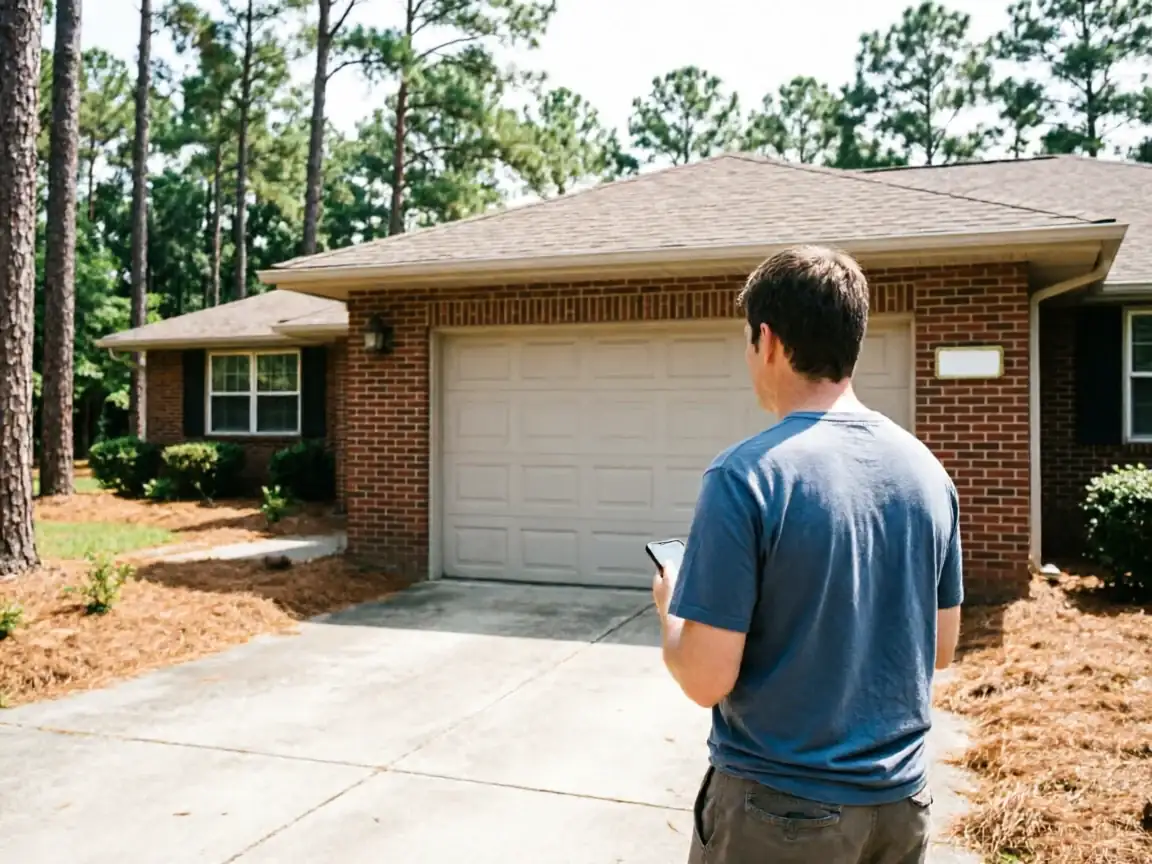
We're coming from Gainesville, about 16 miles out - the longest regular run in our service area, per our own coverage map. That distance doesn't change the quality of the work, but it does mean we schedule the trip rather than treat it as a drop-by, so a same-day call works best when it comes in before early afternoon. We don't keep a branch or a drop point in Fairfax Station itself, so every job here is a dedicated truck trip, not a stop between other calls.
How We Fix It
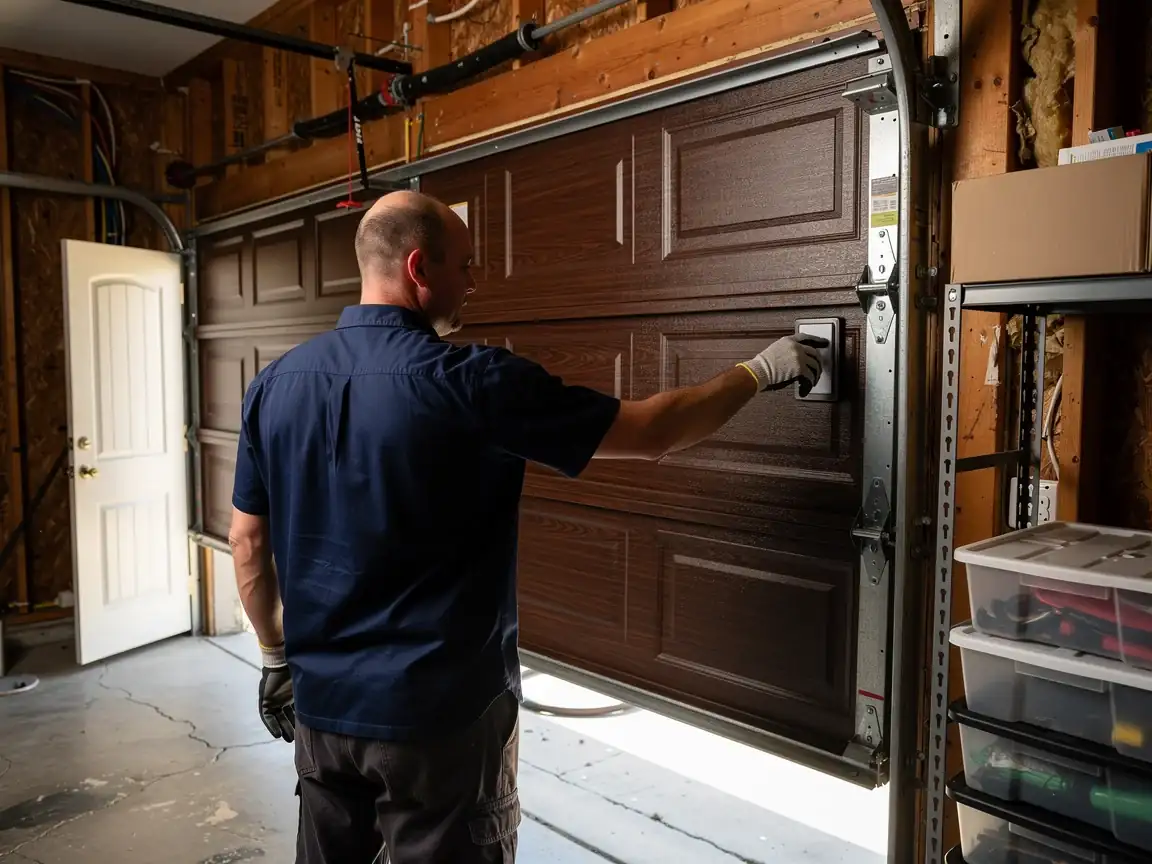
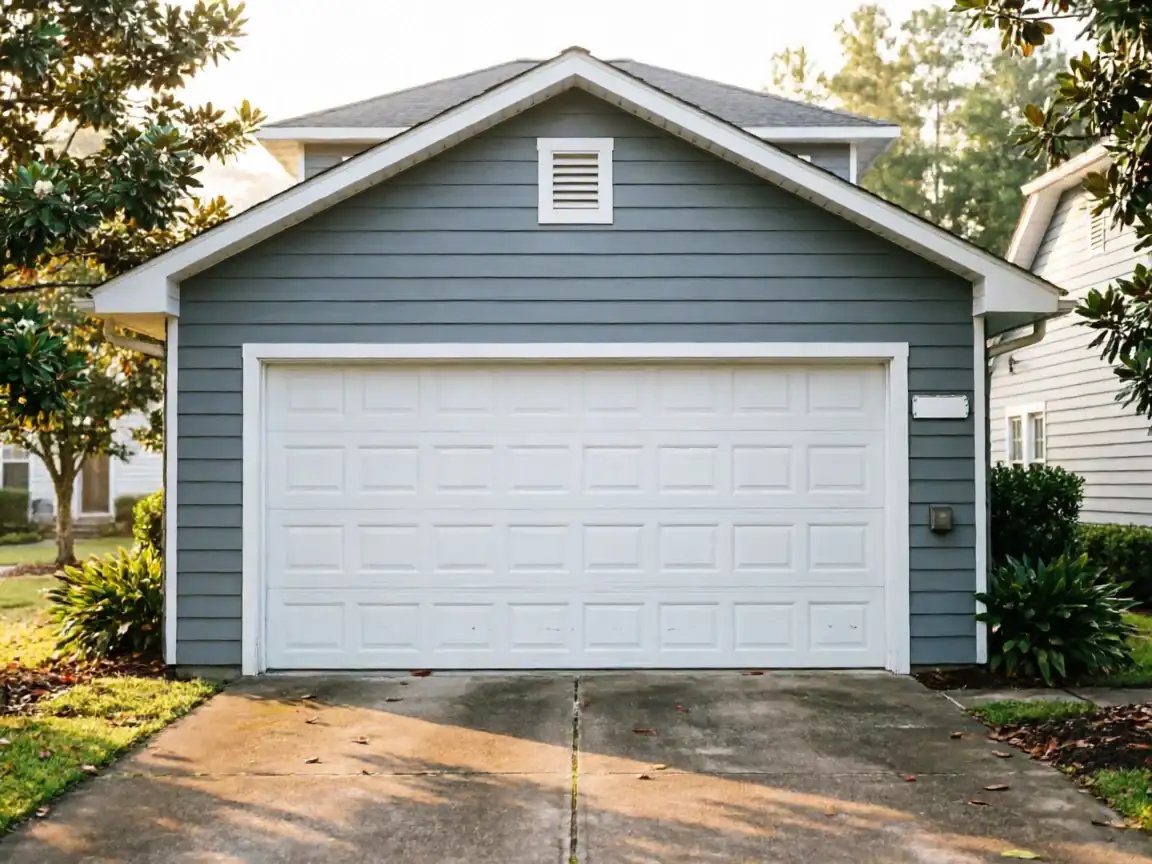
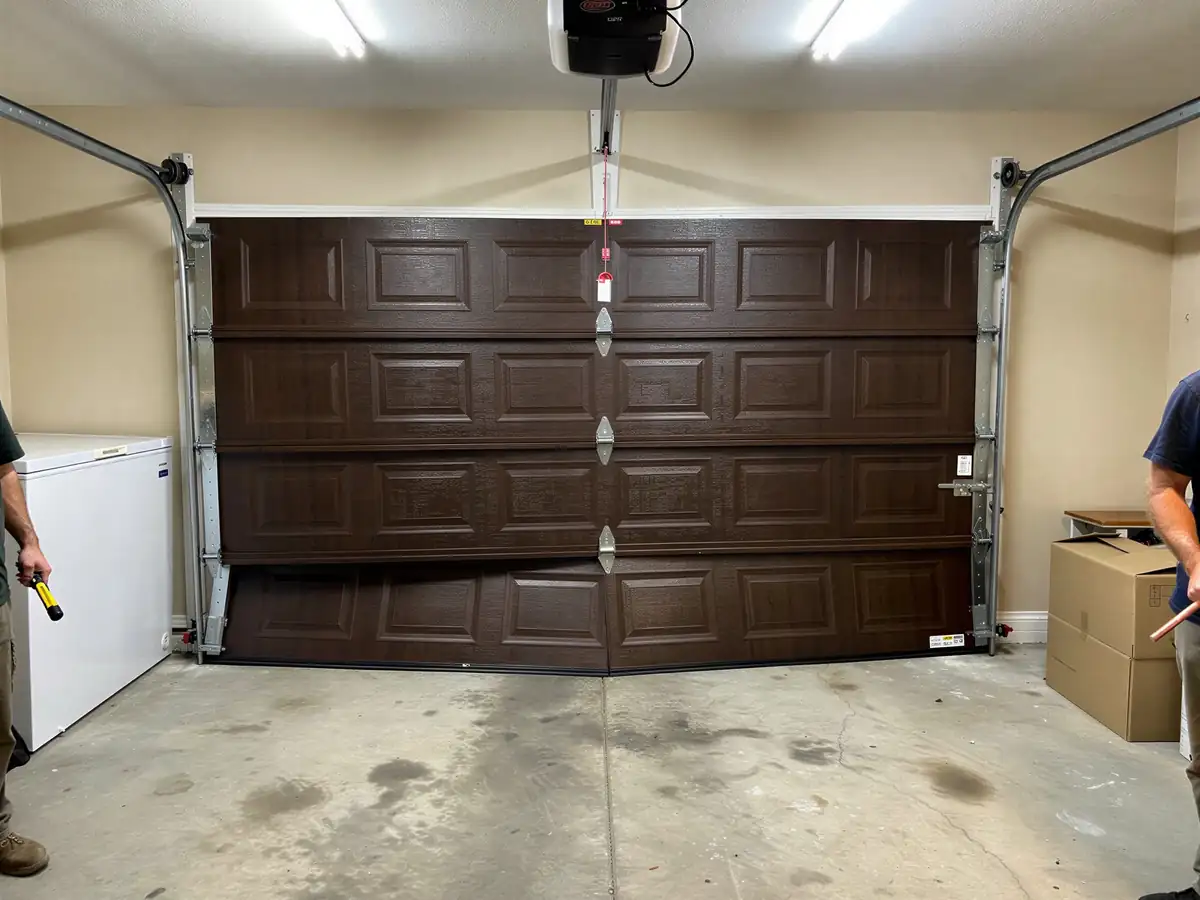
Fairfax Station sits almost exactly on the service area's median build year of 1982, which tells us something concrete: a large share of the doors we touch out here are original units or first-generation replacements from the early-to-mid 1980s. That means steel sectional doors on torsion springs sized for the lighter panels of that era, often paired with openers that have already been swapped once by a previous owner.
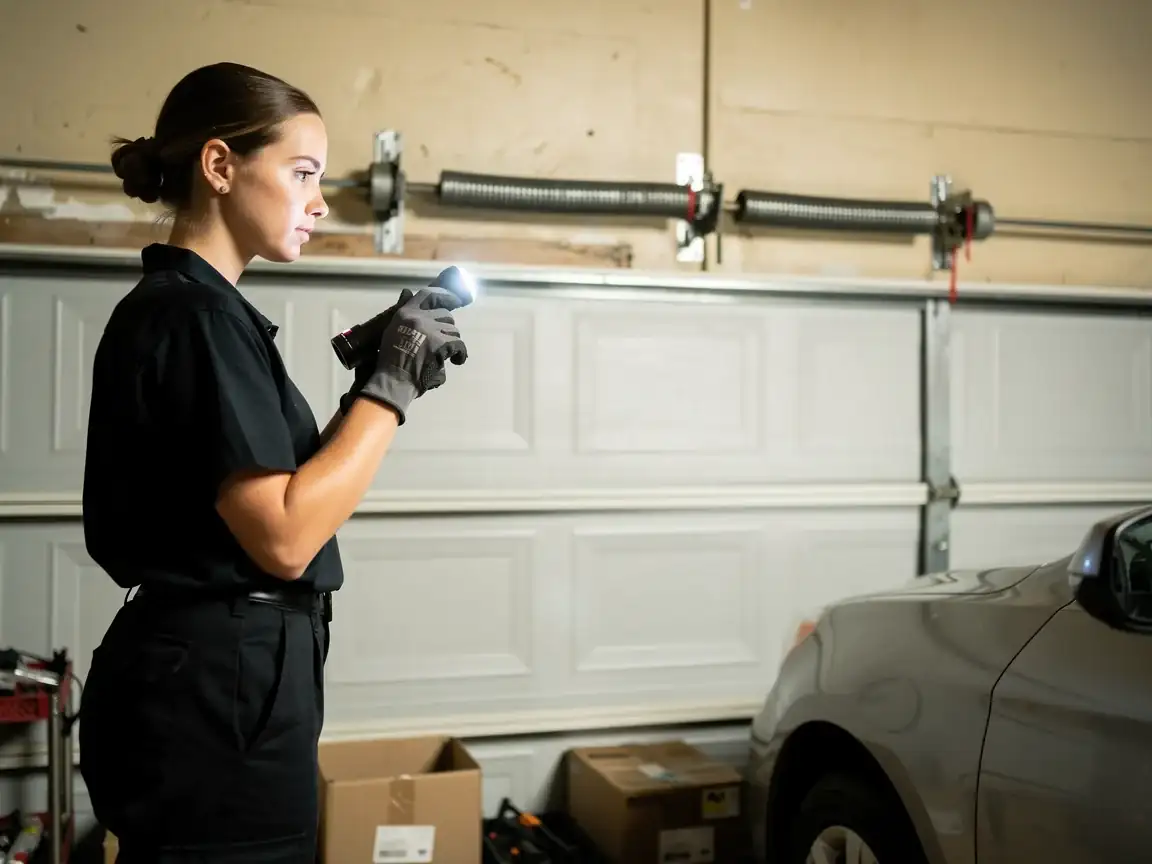
Our approach is the same regardless of the house's age - diagnose the actual failed part before replacing anything - but what we diagnose differs by decade. On a 1982-era door, the torsion spring is usually original-to-the-house or a single later replacement, meaning it's had 40-plus years of cycles even if nobody remembers it ever breaking. We check spring wind count against door weight, not just age, because a correctly sized spring from the 1980s can still have years left while an undersized replacement installed ten years ago can be close to failure now.
Why This Fails Locally
We're in a severe cold climate band here
And a 1982-vintage steel door wasn't built with the weatherstripping or insulation standards that came later. On an older door, the bottom seal and vinyl stop that once sealed tight have usually shrunk or cracked from decades of freeze-thaw, which lets cold air into the garage and, on an attached garage, into the house itself. That's a comfort problem more than a safety one, but it's the complaint we hear most from this stretch of houses.
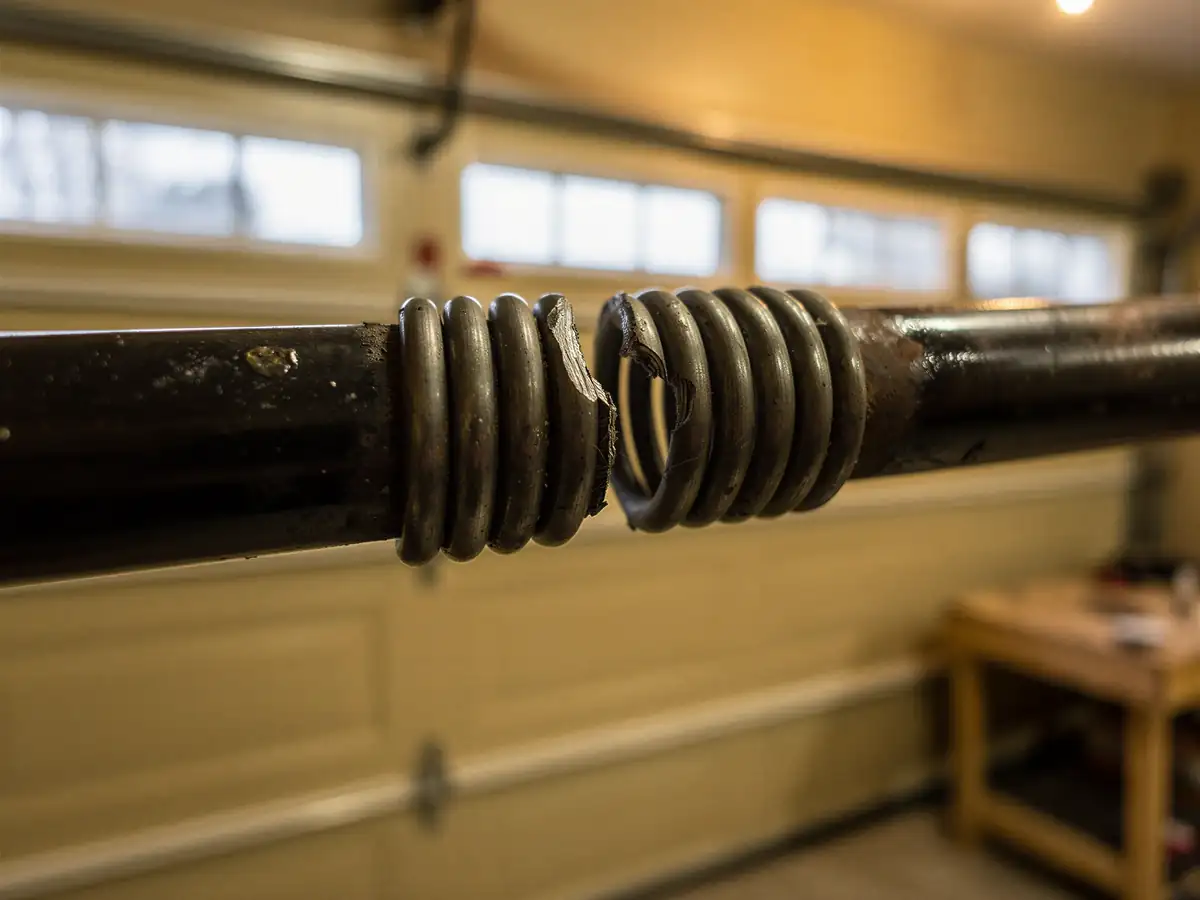
The mechanical failure that actually strands a car is almost always the torsion spring letting go on a cold morning
Steel contracts in the cold, and a spring that's been quietly losing tension for years will often pick the coldest week to finally break. This isn't unique to any one house - it's a function of the hardware's age lining up with the climate, and in Fairfax Station the hardware age is older than average across our coverage area.
Stocked Parts
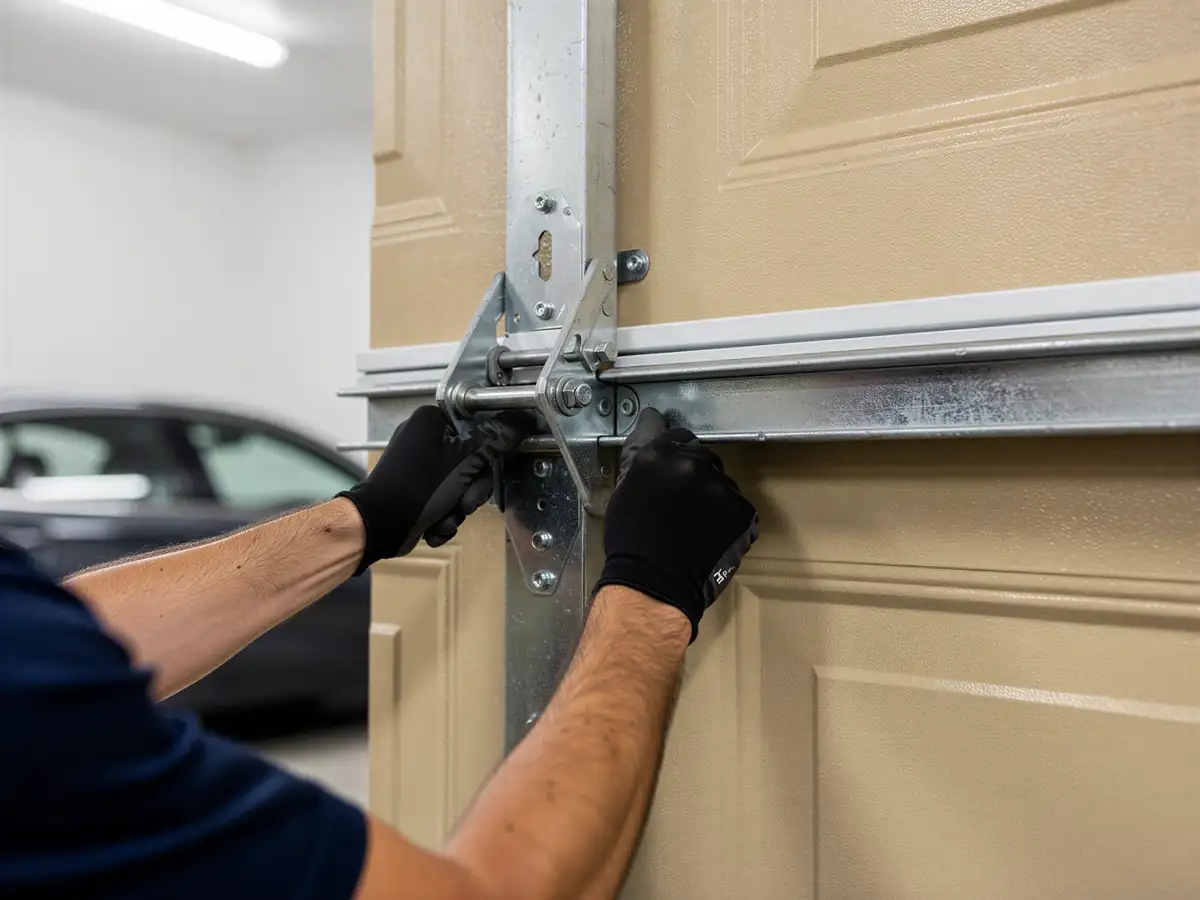
Given the 1982 median build year here, we carry torsion springs sized for the lighter door weights and narrower track widths common to that period, along with standard-lift cable and the fasteners that go with older jamb brackets - sizes that newer big-box doors don't use. What we don't stock on the truck is anything custom: a non-standard panel width or a discontinued opener logic board has to be special-ordered, and that's the one honest limit we'll put in writing. If your door needs a part like that, we'll tell you the lead time up front rather than quote a same-day fix we can't deliver.
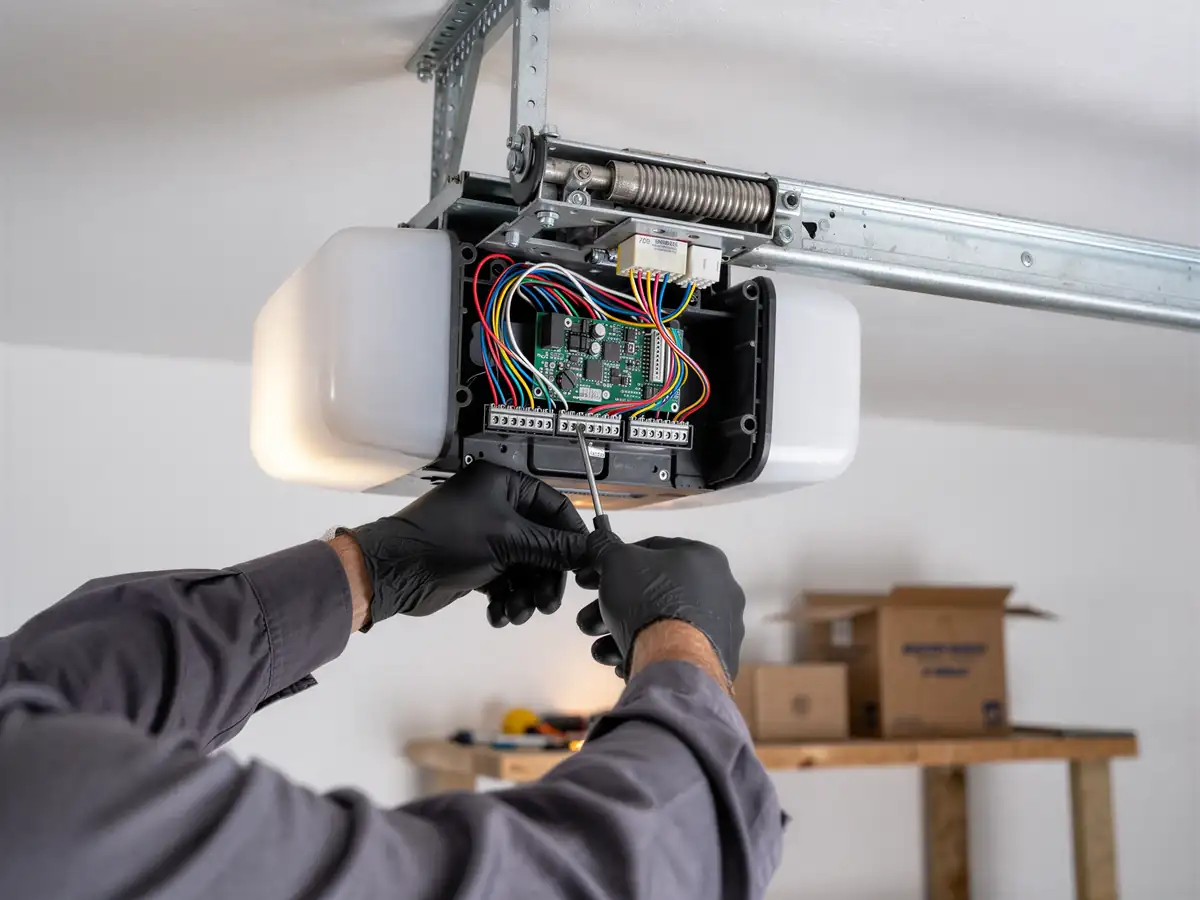
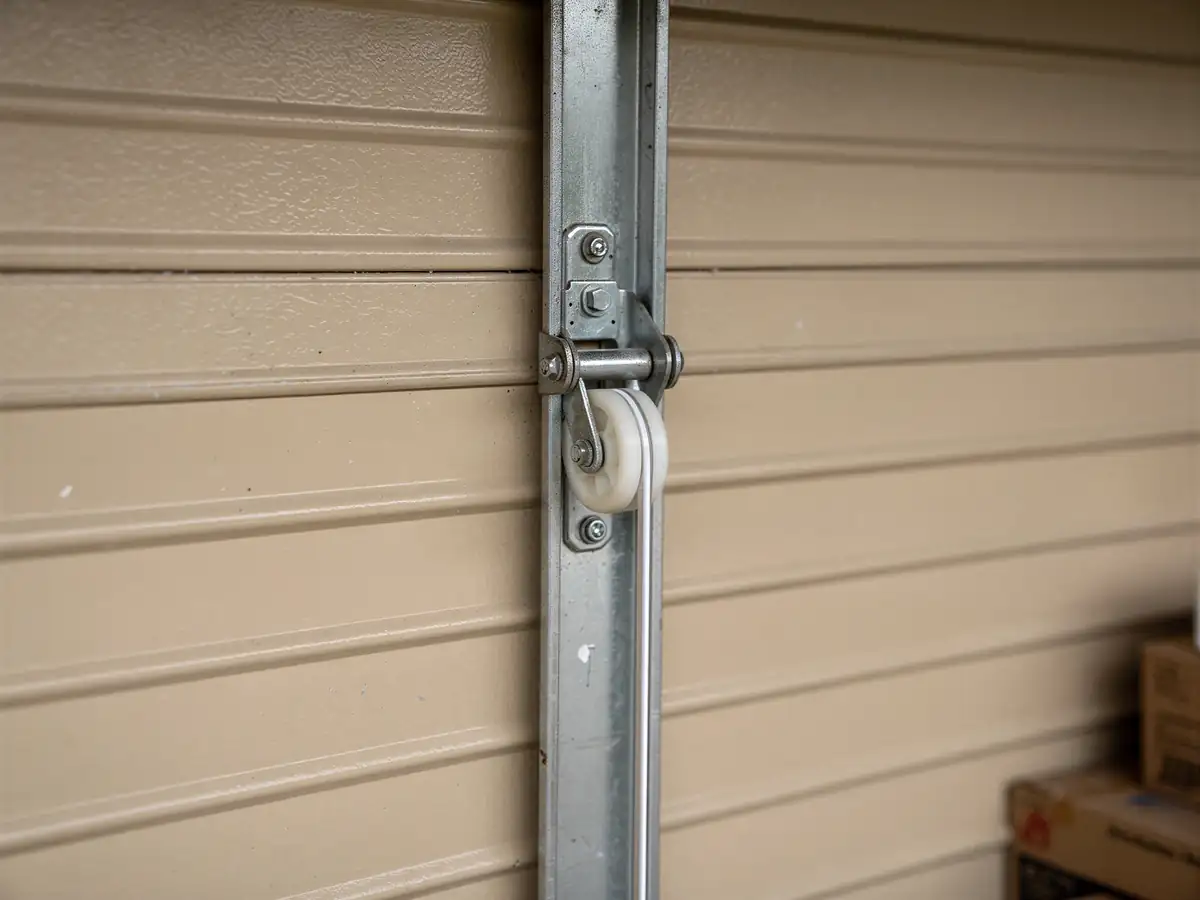
For the common failures - spring, cable, roller, hinge, and standard opener drive gear - we carry enough stock to finish most jobs in one visit, even on the 16-mile run from Gainesville.