How Long It Takes
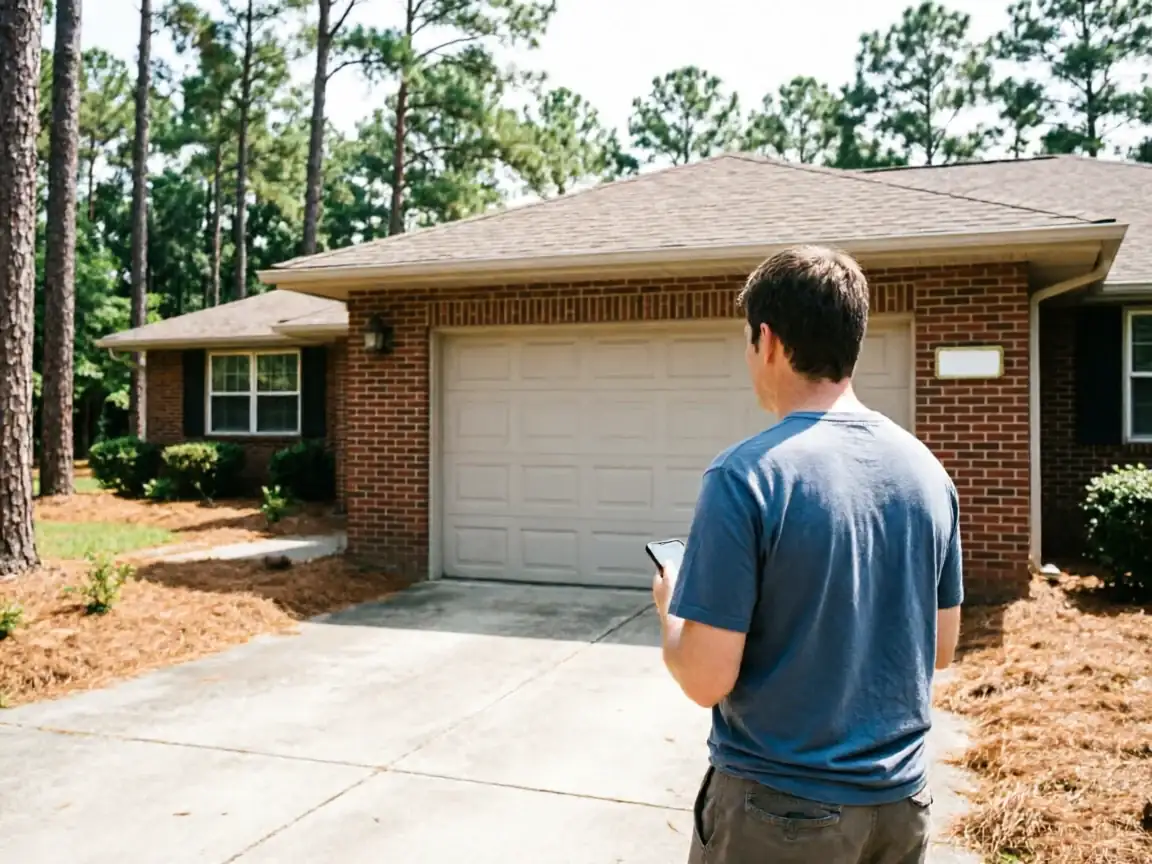
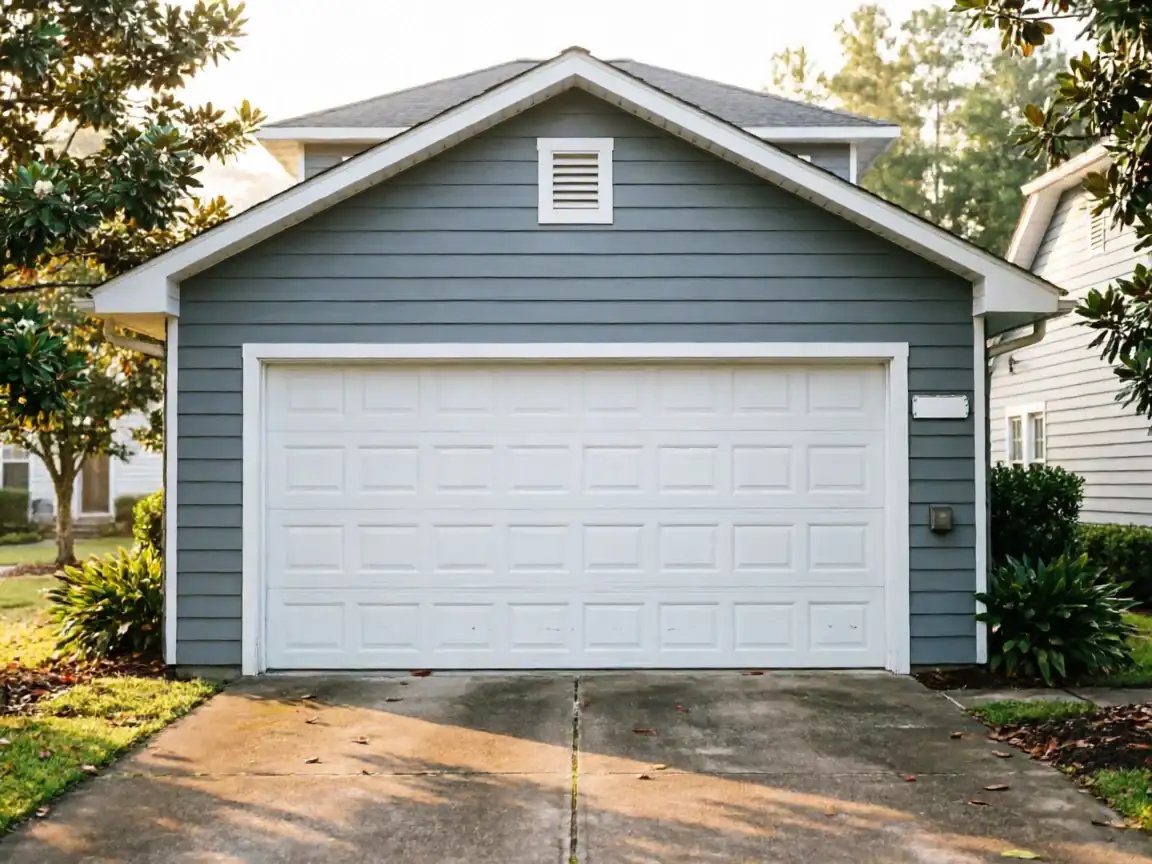
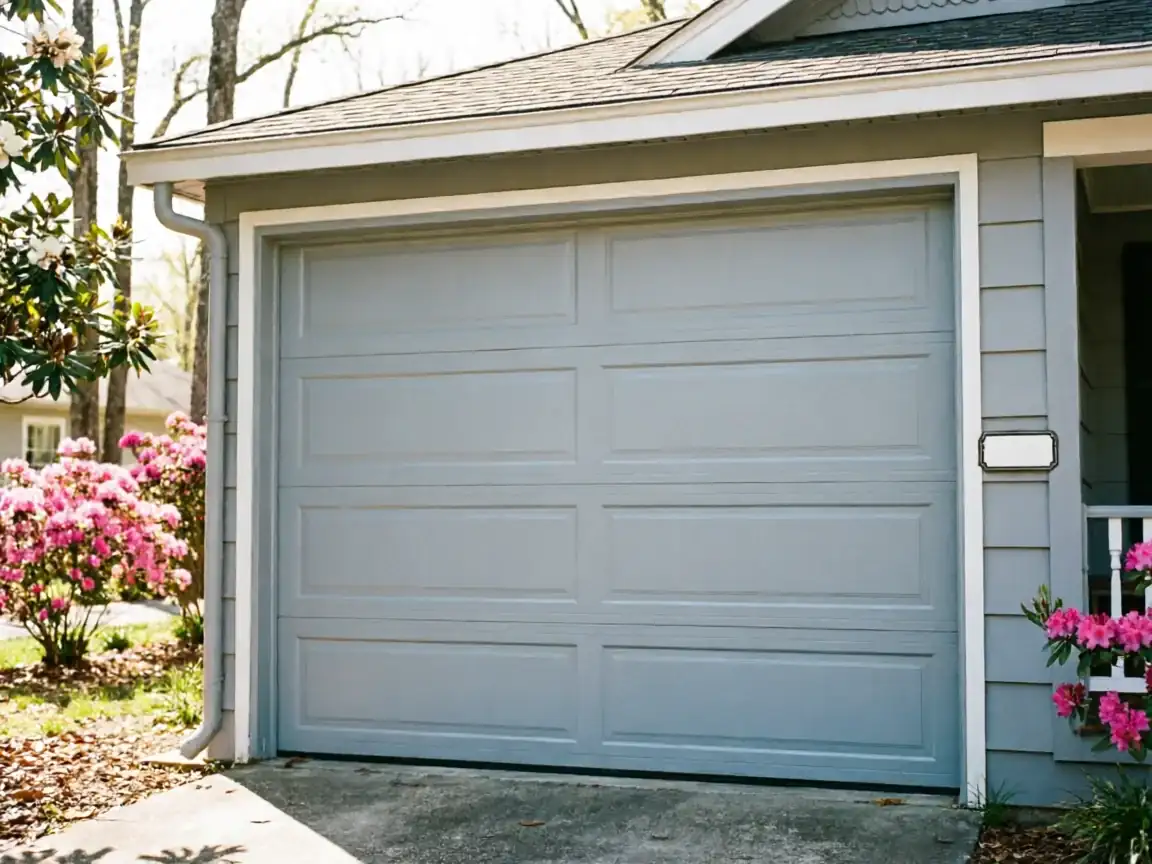
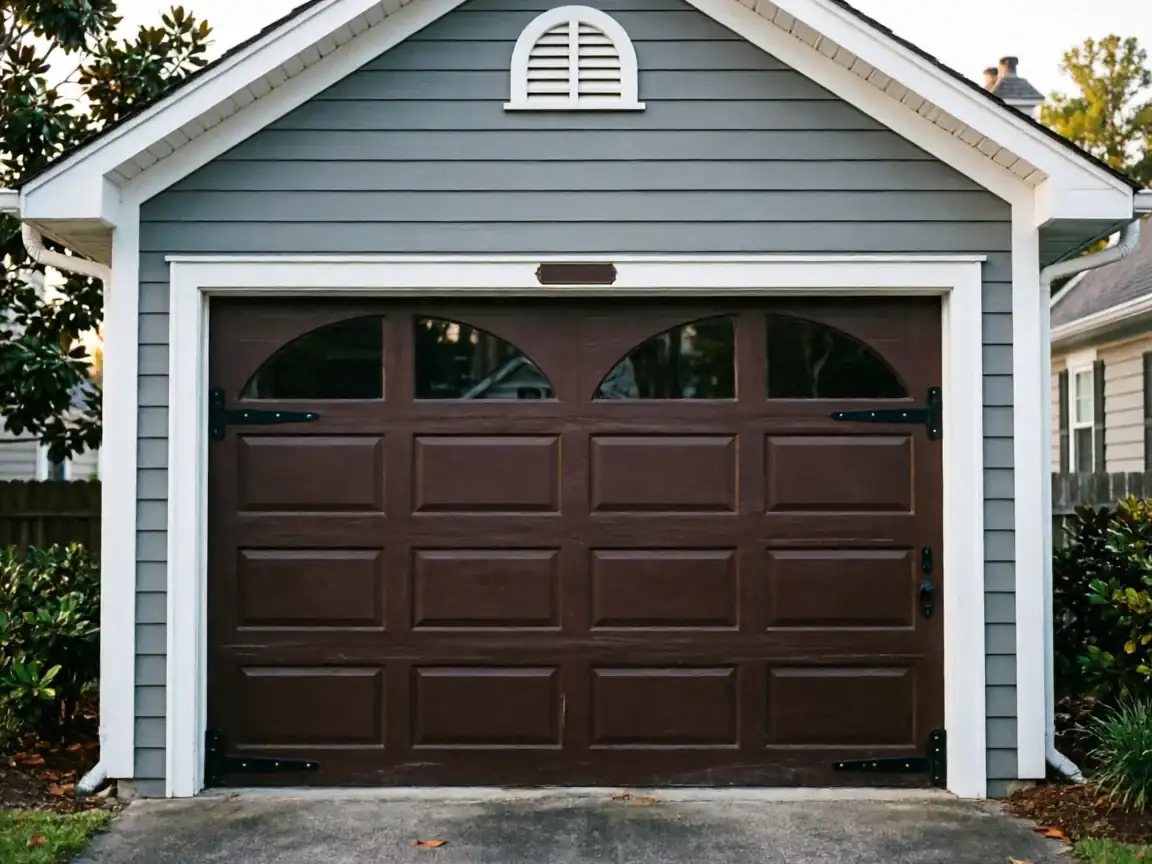
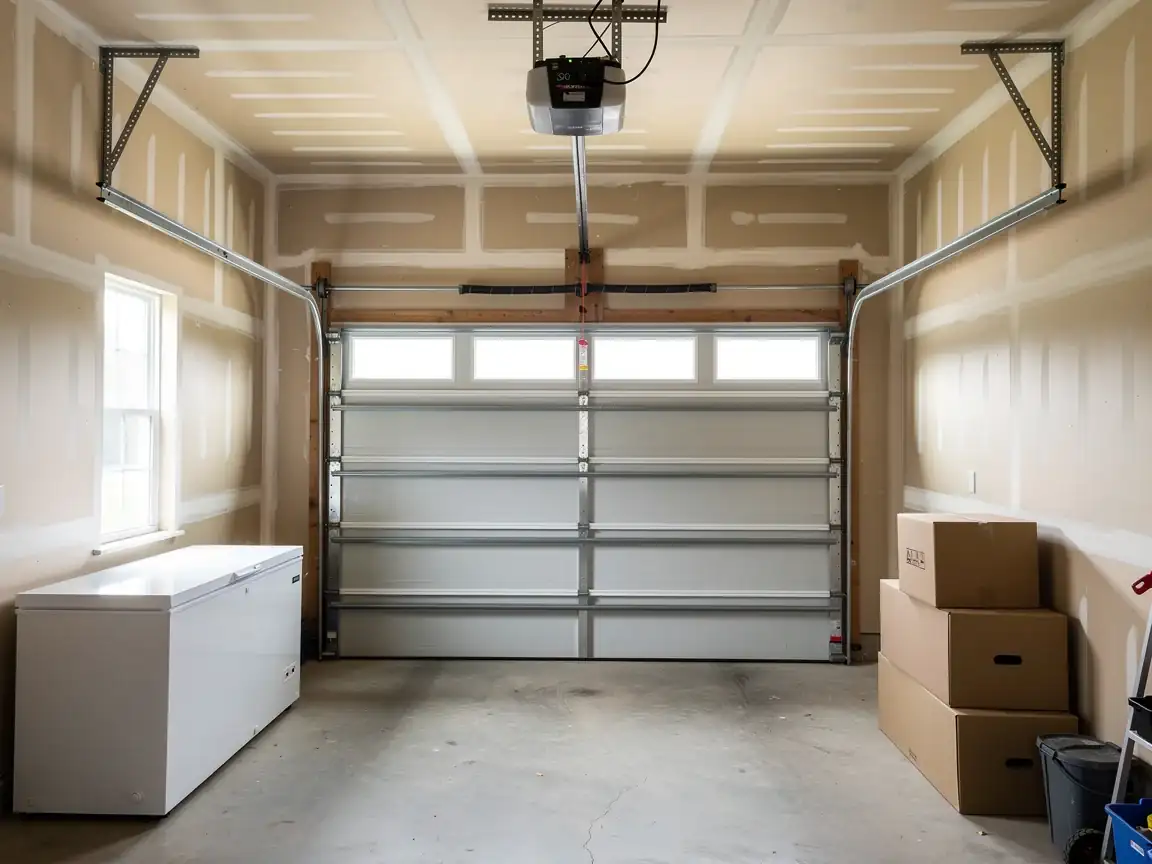
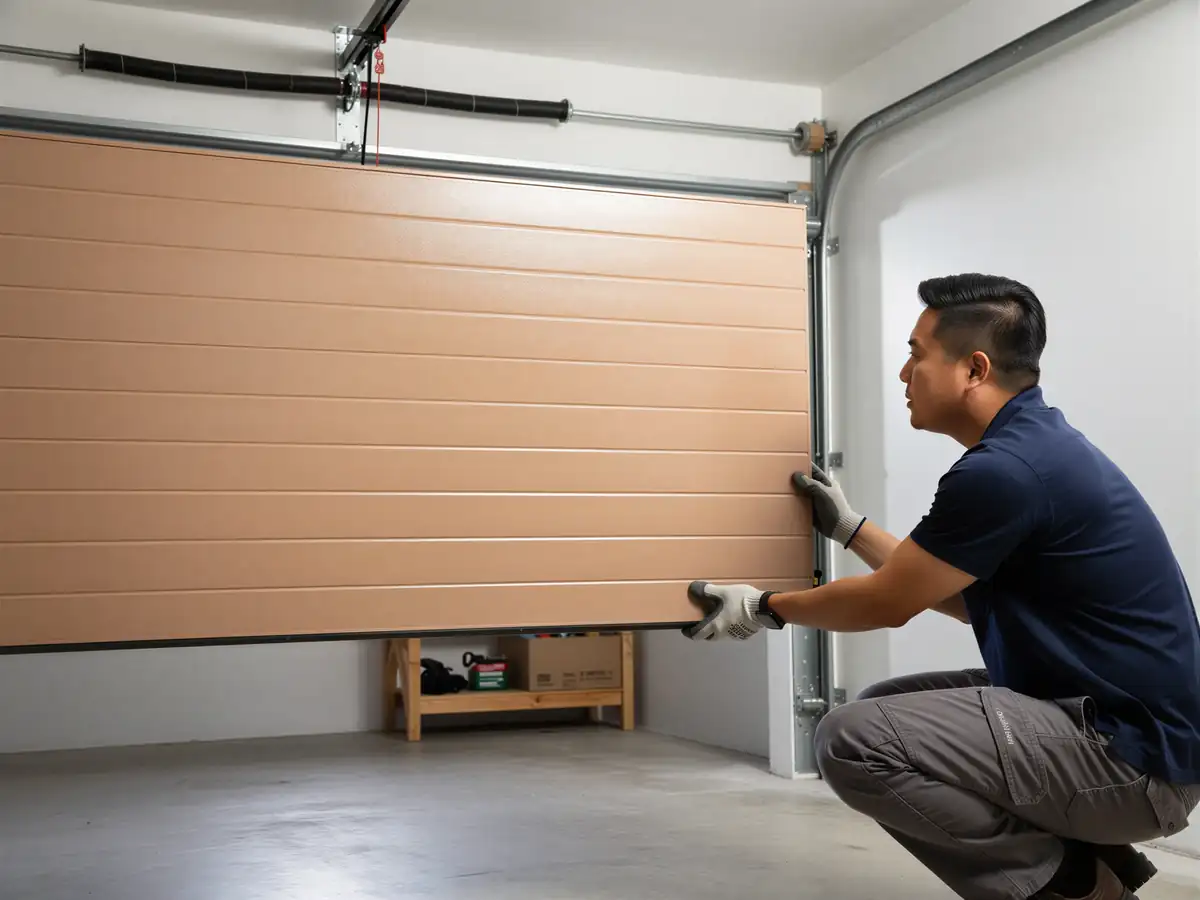
Most of Fairfax Station's housing dates to right around 1982, and that number matters more here than almost anywhere else we cover. A door built to that era's standard is a heavier wood or steel sectional than what goes into new construction now, usually a 16x7 double or a 9x7 single, and the opener bolted to the ceiling above it is often the original chain-drive unit or a direct replacement sized the same way. That combination is still the baseline in this part of the service area, not the exception.
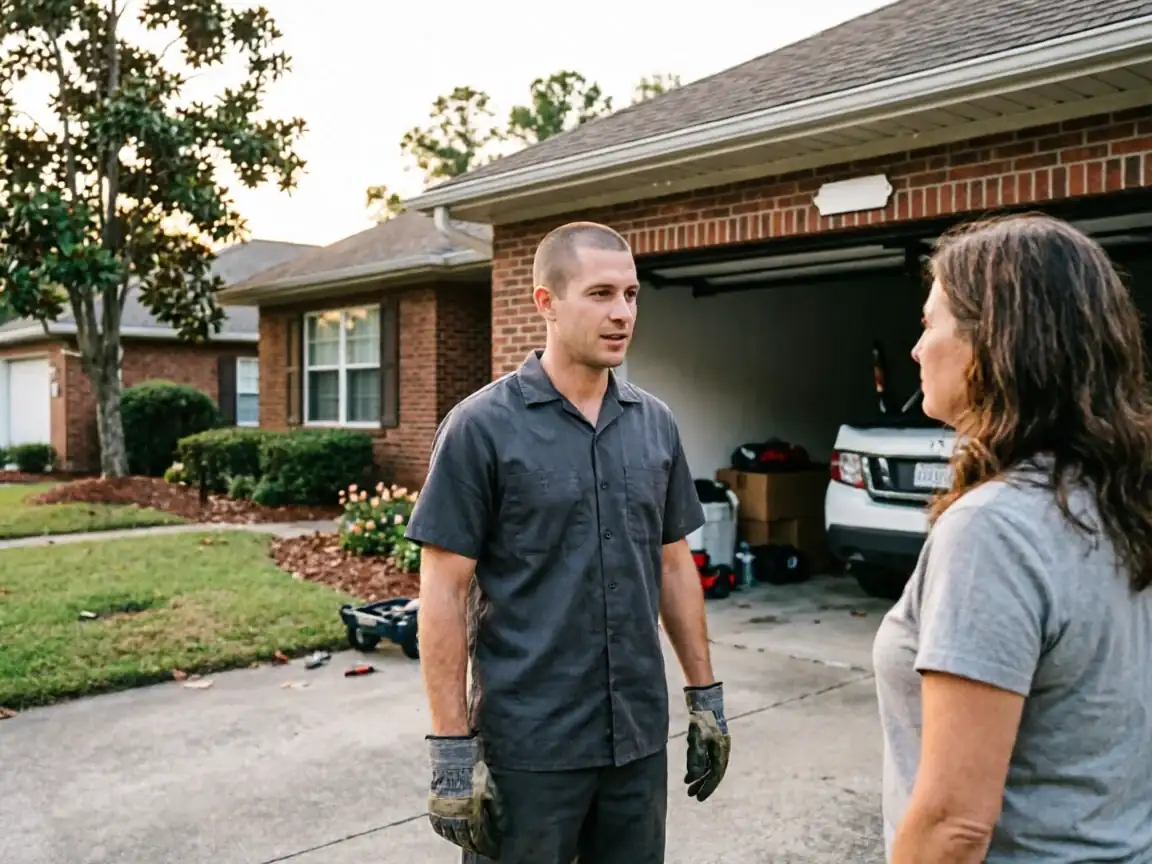
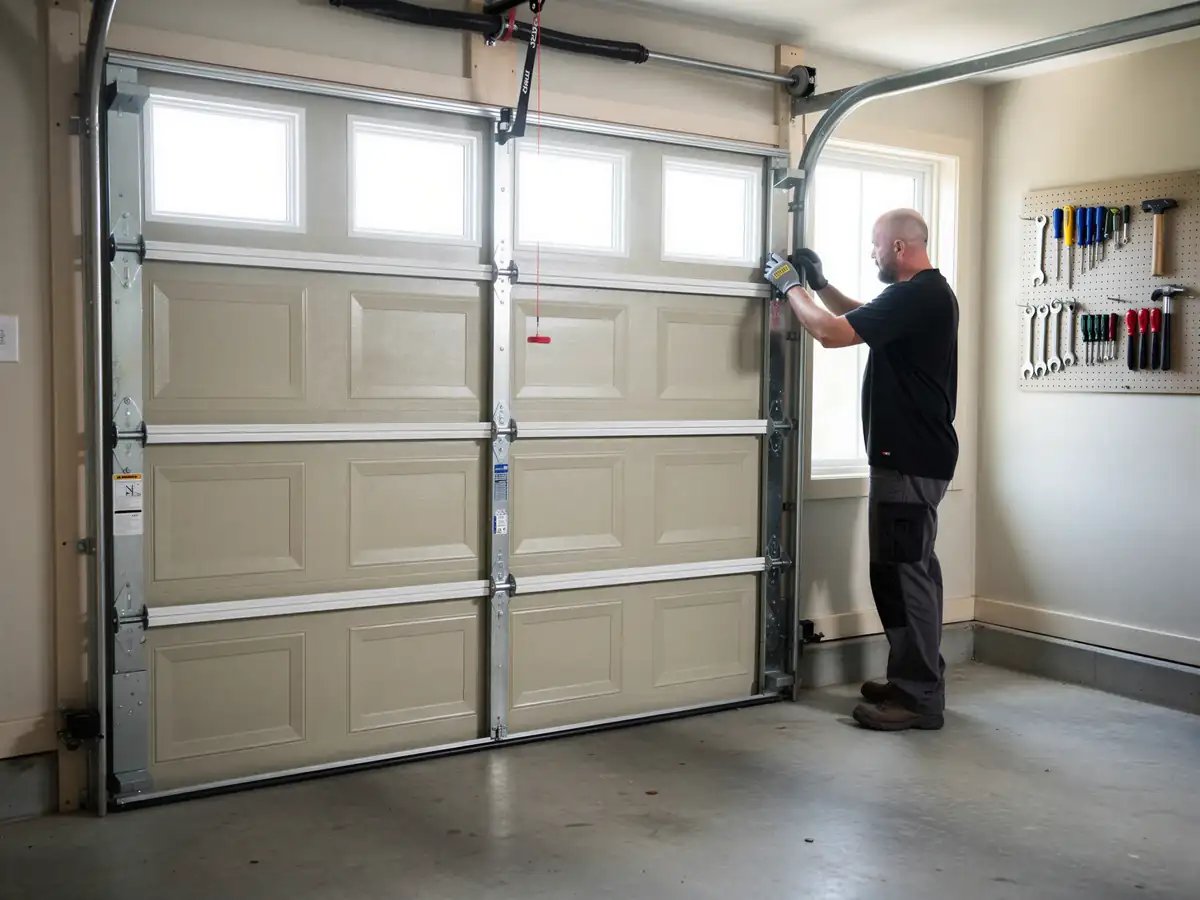
We run this call out of Gainesville, 16 miles from Fairfax Station, so we don't carry a local crew sitting idle waiting on a dispatch. What we do carry is the parts a 1982-vintage chain-drive opener actually needs, because we see this exact setup on nearly every call out this way. A diagnostic and repair on-site usually runs under two hours once the truck arrives; the travel is the longer leg of the trip, not the wrench work.
How We Fix It
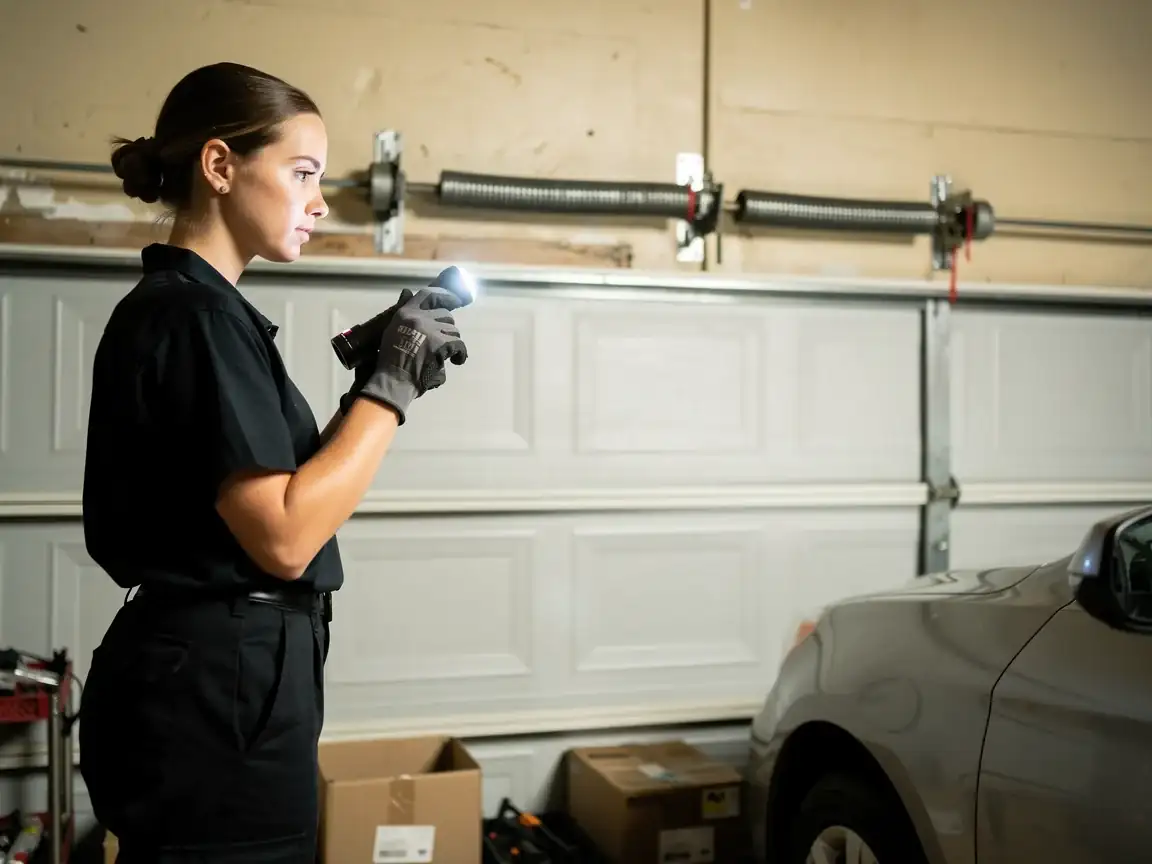
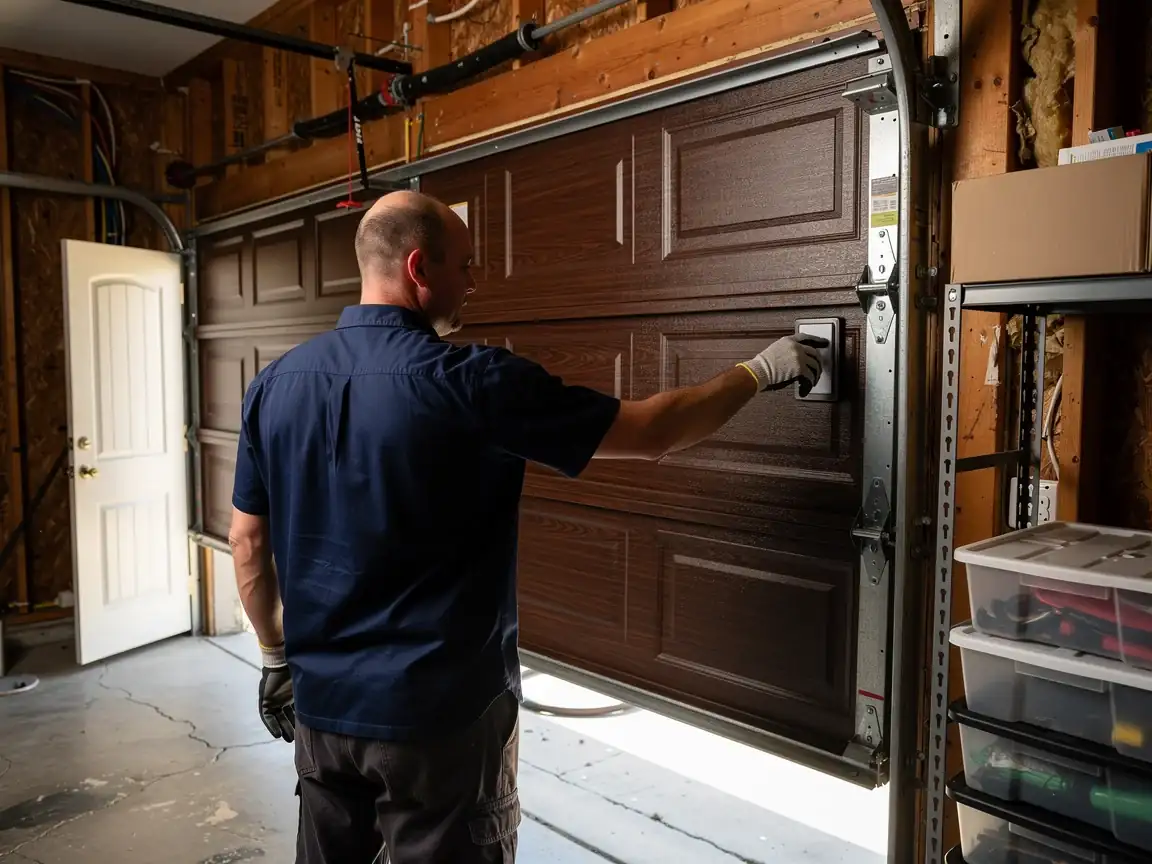
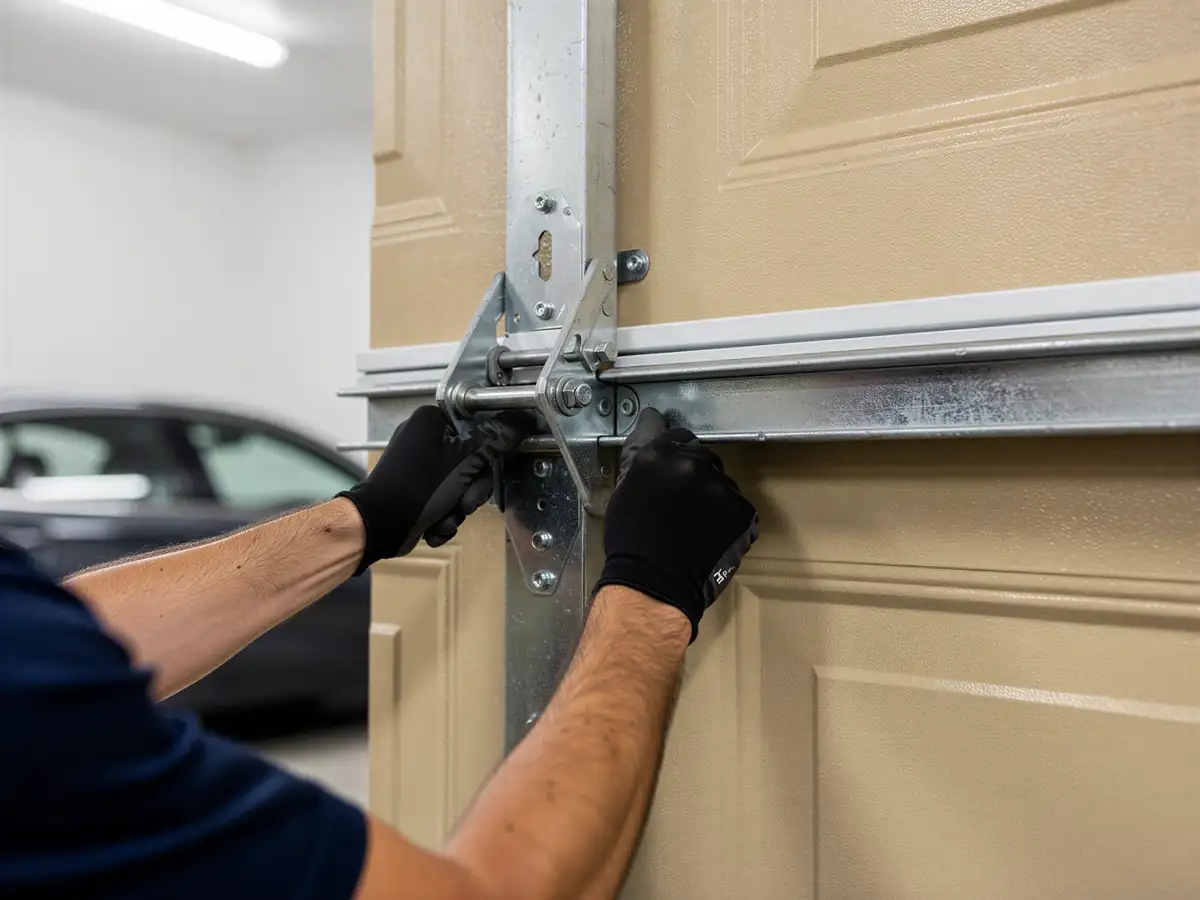
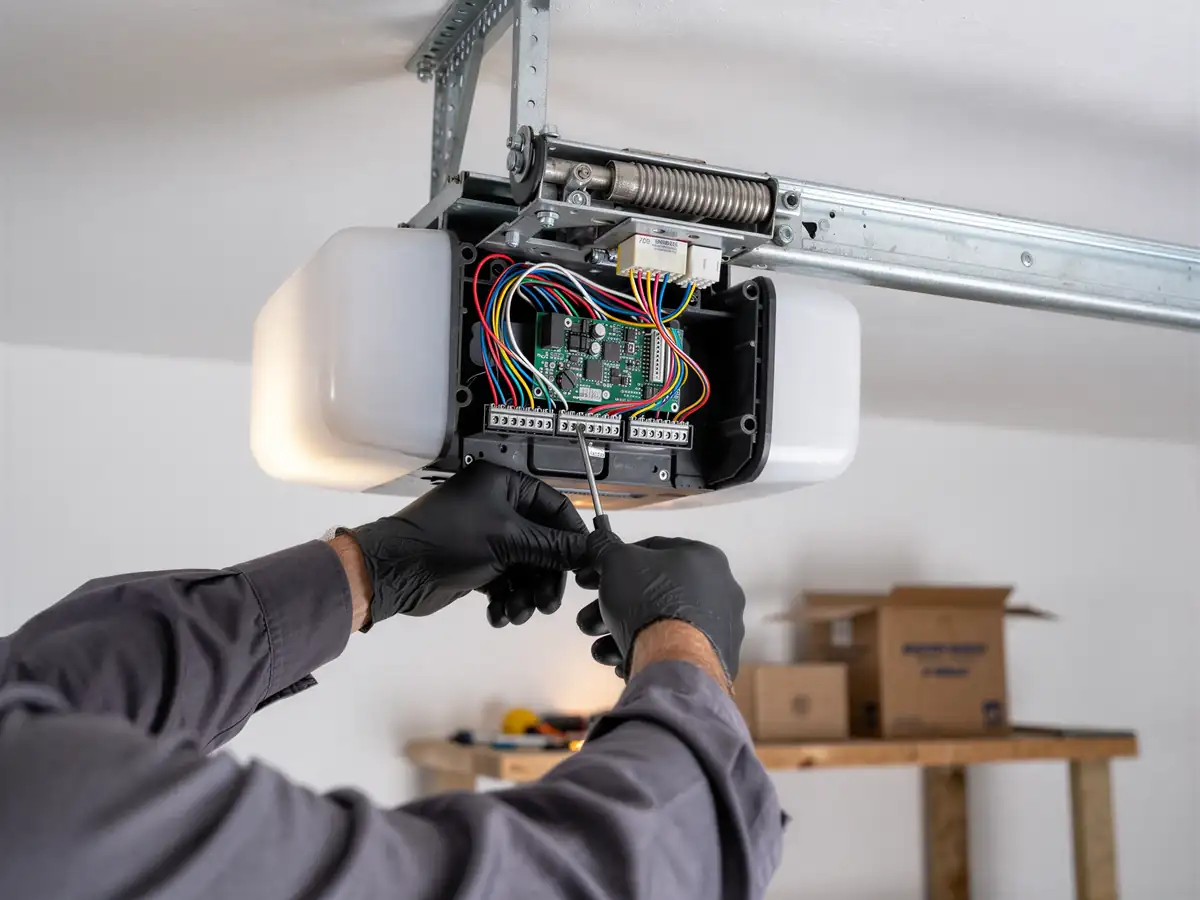
A chain-drive opener on a door this size fails in a short list of predictable ways: the drive gear strips under the extra load of a heavier wood panel, the logic board loses its memory of the limit settings and the door reverses or won't close, or the chain itself stretches until the trolley binds. We check the gear and sprocket assembly first on any unit matching this profile, because it's the part most worn by years of lifting a door built to older, heavier spec.
We also test the safety reversal sensors separately from the main board. On openers this old, the sensors are sometimes a later add-on rather than original equipment, wired in after the fact, and that wiring is a common point of failure on its own. We'll tell you straight if the board is the problem or if it's just a loose connection at the eye - no sense replacing a $200 part to fix a $4 wire.
Why This Fails Locally
The service area sits in a cold, severe winter climate zone
And that's the piece that turns an ordinary worn gear into a dead opener on a January morning. Grease inside a chain-drive housing that's original to a 1982 install has usually hardened over four decades of winters, and a motor that could push through stiff grease at 60 degrees stalls out trying to do it at 15. The homeowner hears the motor hum and the door not move, and assumes the opener is dead when it's really just fighting cold, thickened lubricant on worn gear teeth.
This is also where household income in Fairfax Station runs well above the service-area median
Which tells us something about replacement decisions: owners here tend to fix the opener rather than let a dying unit limp along, which is usually the right call on a door this size, since a heavier wood or steel panel needs a motor rated to lift it, not a bargain unit sized for something lighter.
Stocked Parts
We keep drive gears, sprockets, and logic boards sized for 1980s and 90s chain-drive units on the truck, because that's the match we find on most calls out to Fairfax Station and the rest of this corner of the service area. What we don't stock is every obsolete circuit board ever made - if your opener is an unusual model or a brand that stopped making parts years ago, we'll say so rather than quote a repair we can't actually complete, and talk through whether a new opener sized for your door is the better spend.
One honest limit: specialty boards for less common brands sometimes need to be ordered, which can add a few days before we're back out. We'd rather tell you that upfront than promise a same-visit fix we can't deliver.