How Long It Takes
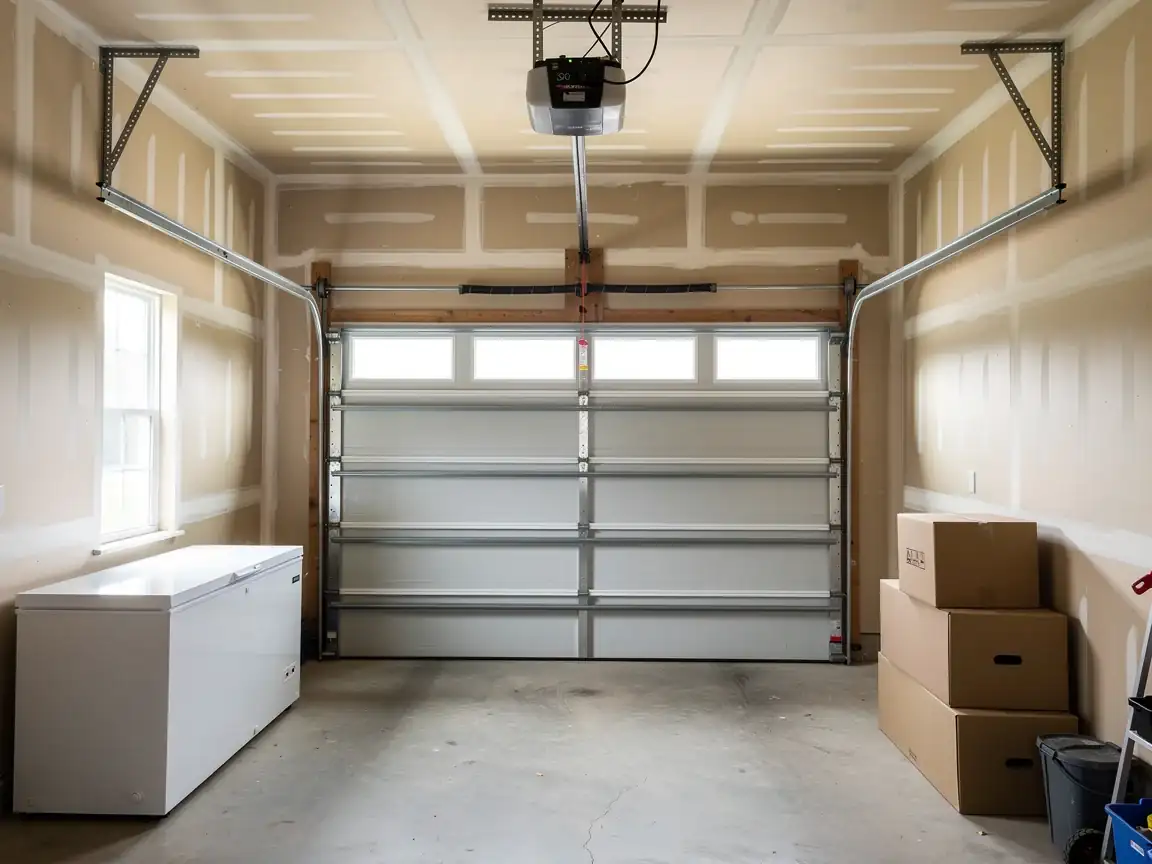
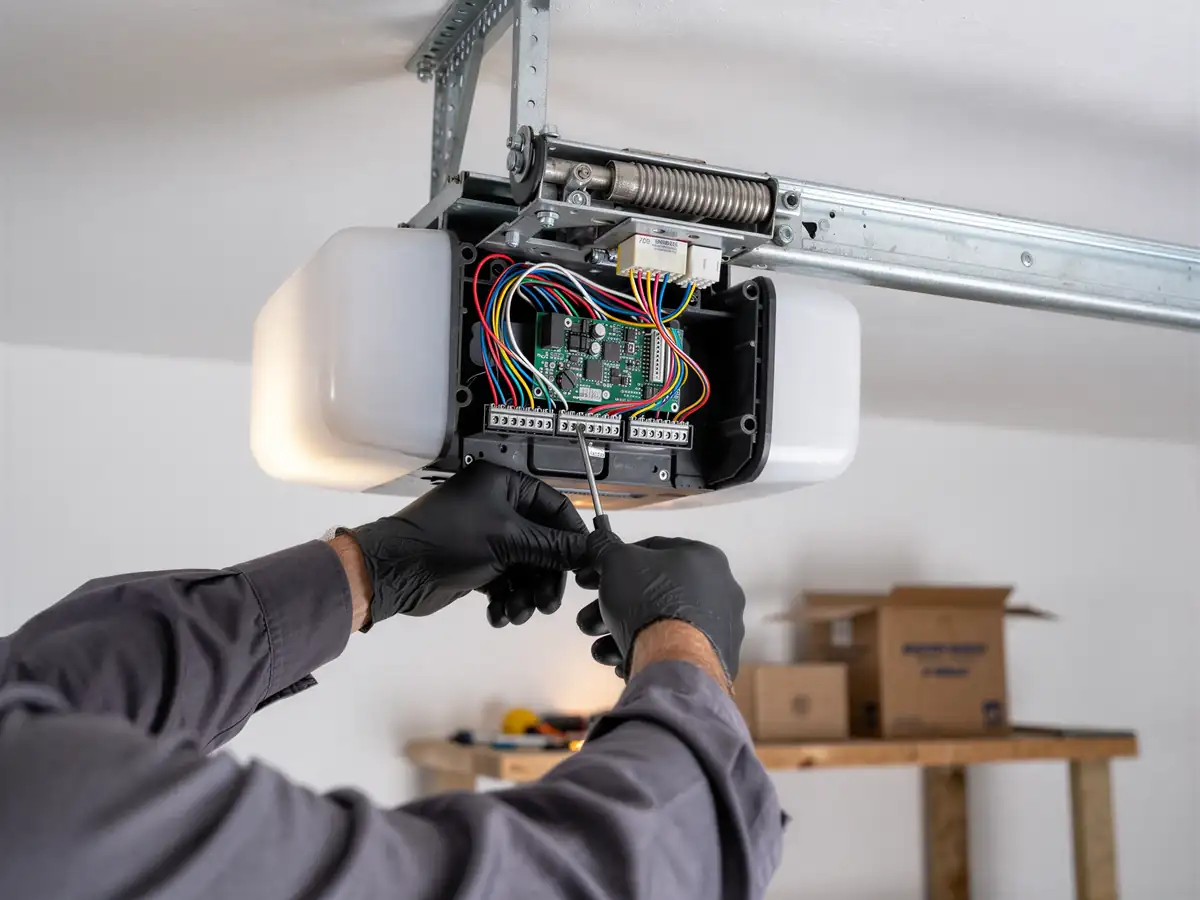
A standard tune-up on a single door runs under an hour once we're on site. The variable in Fairfax Station is what we find when we open the opener housing. Houses here cluster around a 1982 build year, which puts a lot of original or first-replacement openers in that pre-1993 window before federal law required auto-reverse photo-eye sensors as standard equipment. If the opener predates that mandate and nobody's retrofitted sensors, the tune-up turns into a longer conversation about whether to patch an old unit or swap it for something that meets current safety reversal standards. We'll tell you which one you've got before we touch anything, and we won't just grease a door that should be replaced instead.
Winter visits also run a little longer here. Cold-climate service means checking for stiffened lubricant on tracks and hardened extension springs before we cycle the door, not after.
We're coming from Gainesville, about 16 miles out, so we schedule maintenance visits in batches with other calls in the area rather than same-day drop-ins.
How We Fix It
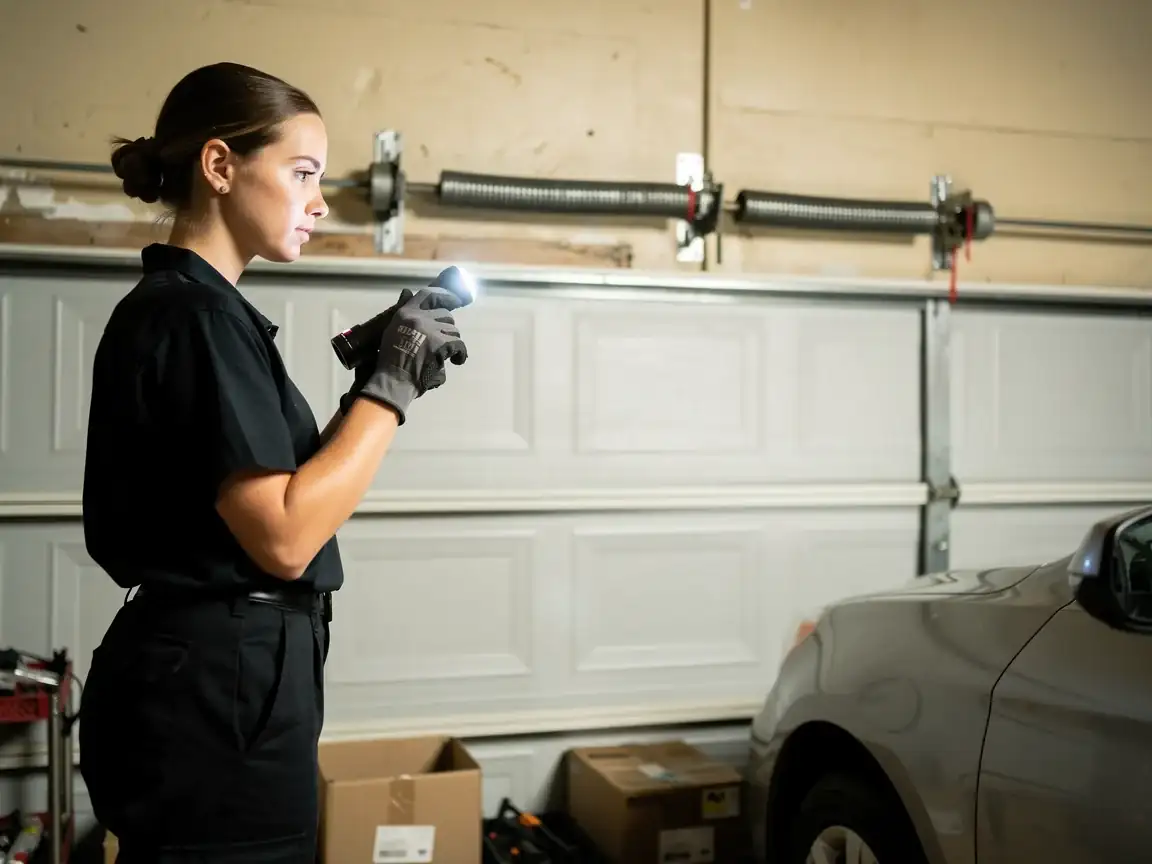
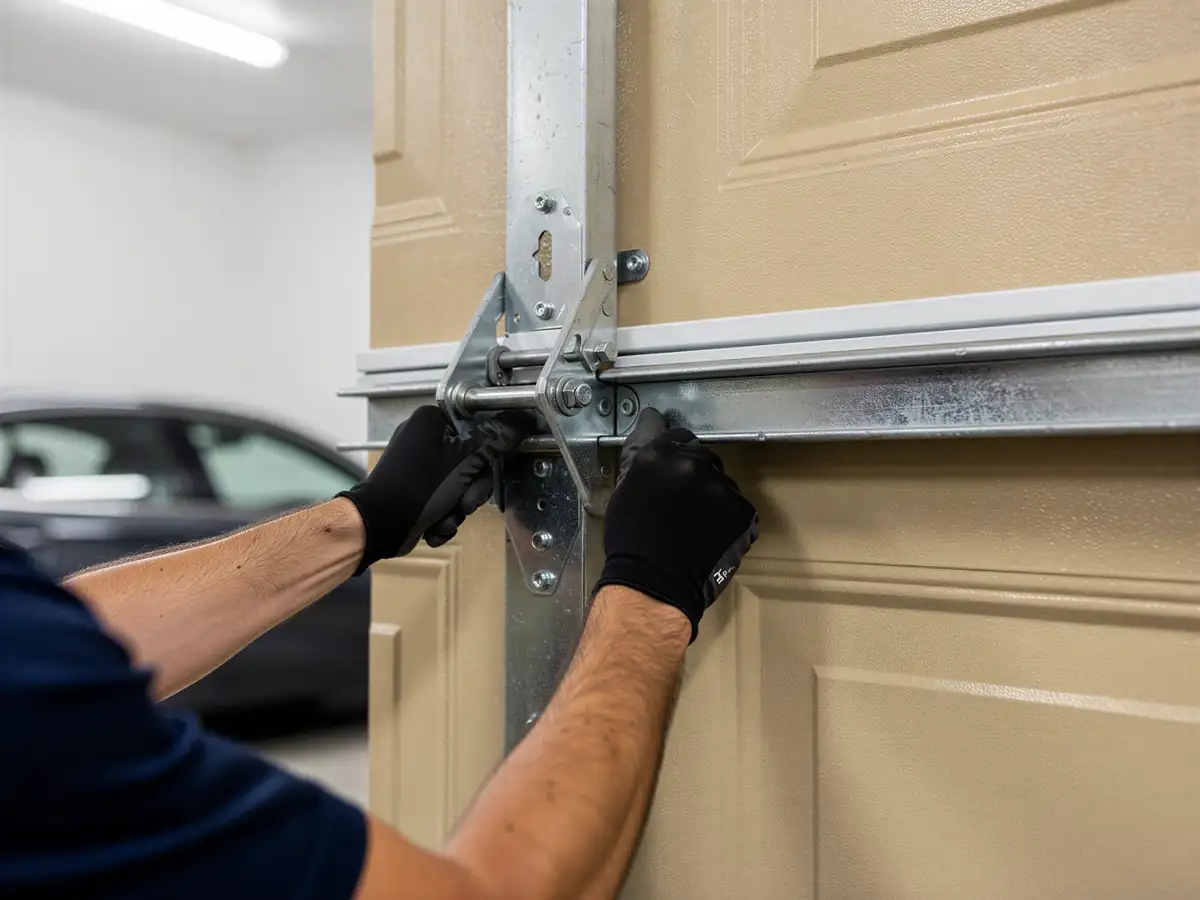
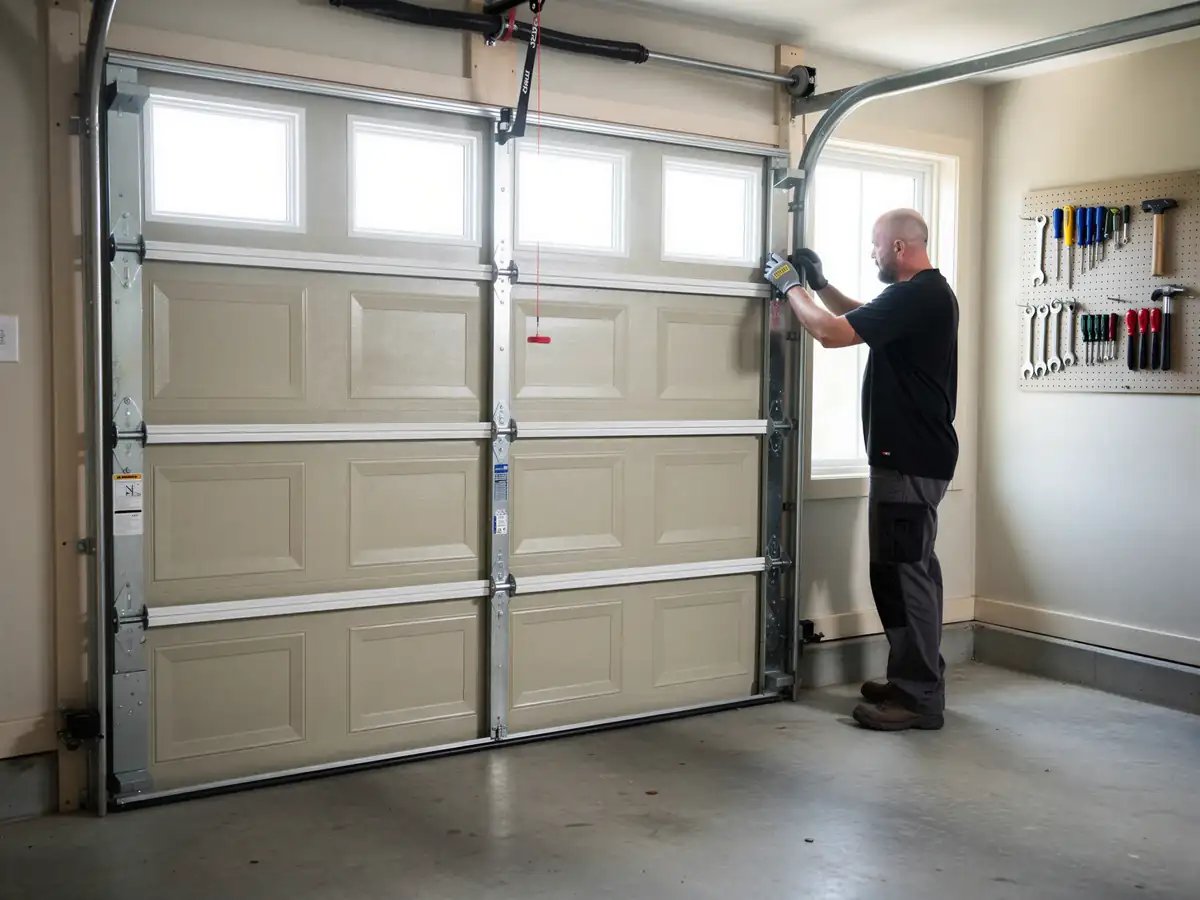
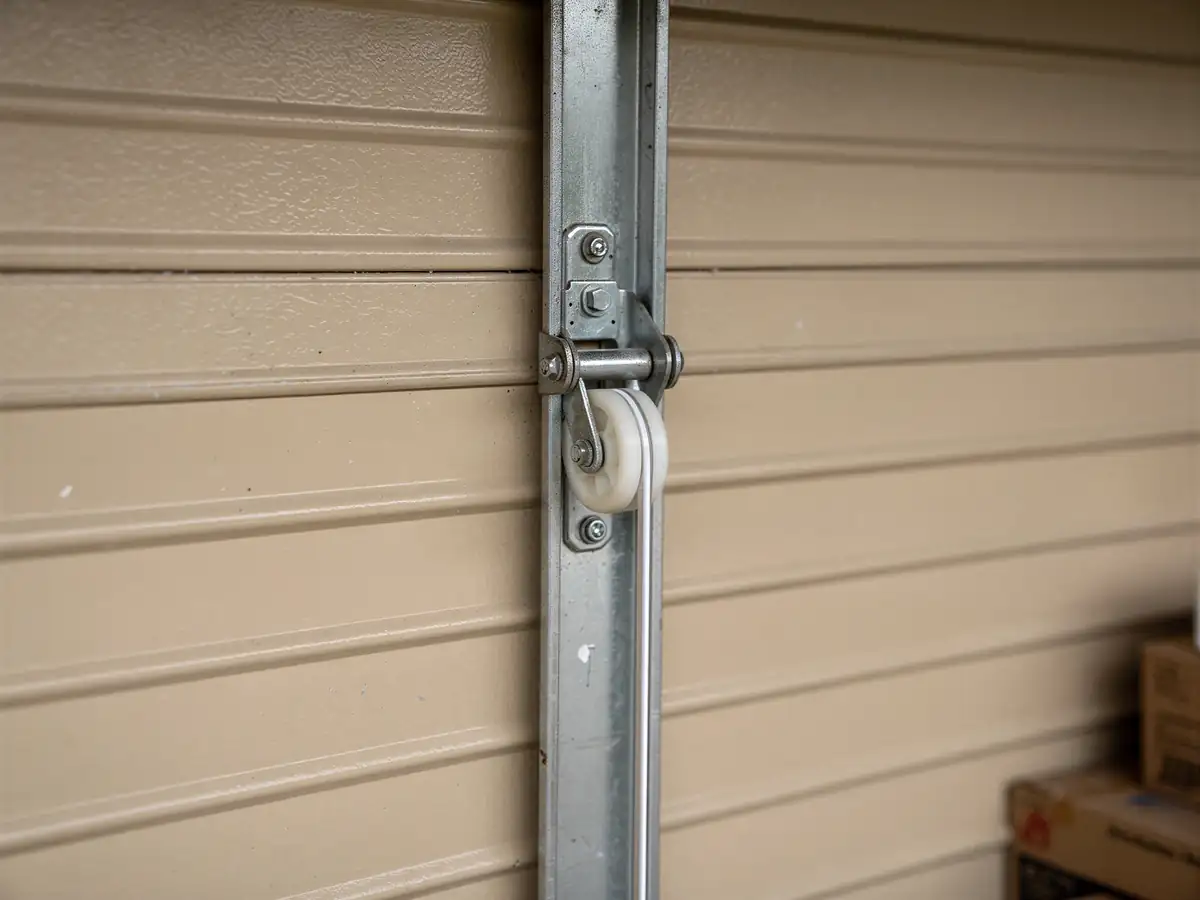
On doors from the early 1980s building wave, the usual culprits are extension springs with no safety containment cable, worn galvanized rollers, and center hinges that have loosened from decades of thermal cycling. Severe cold swings pull moisture into the track and gum up the roller bearings faster than mild climates do, so we start every visit with a track and roller inspection, not just a spring check.
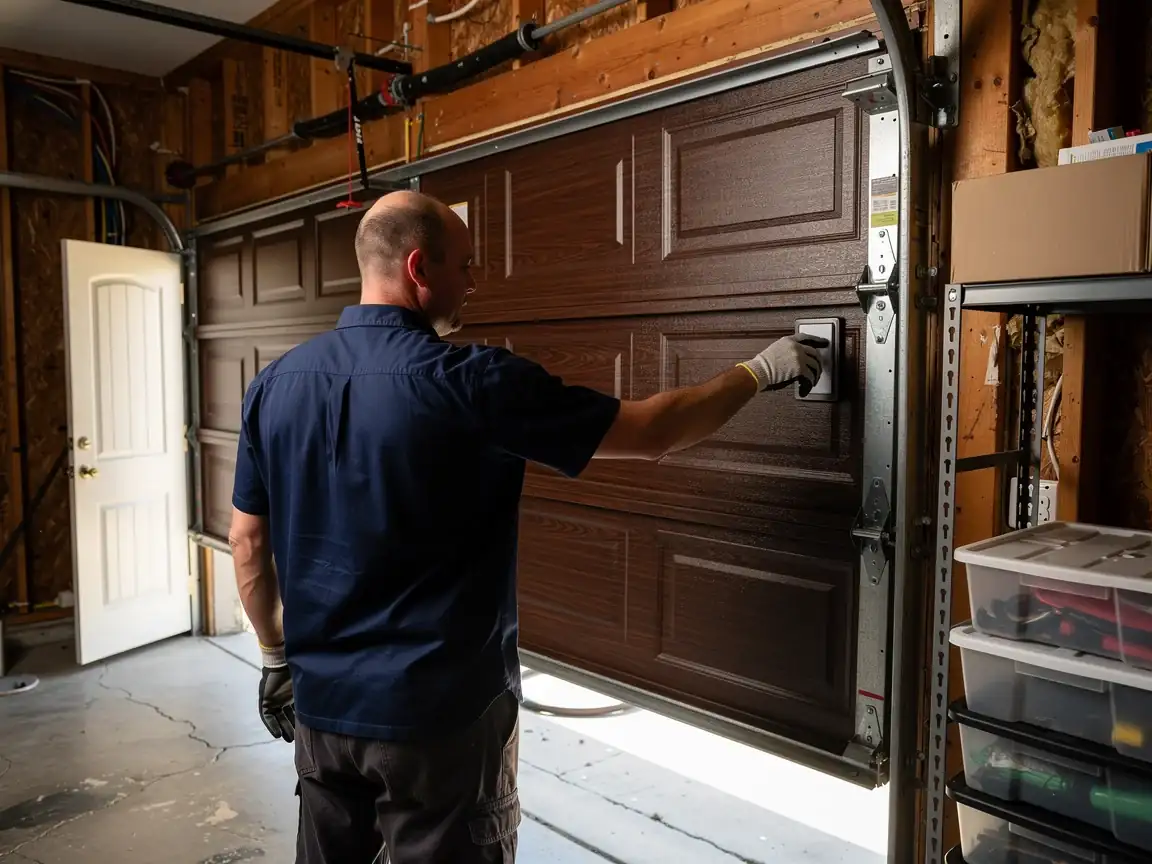
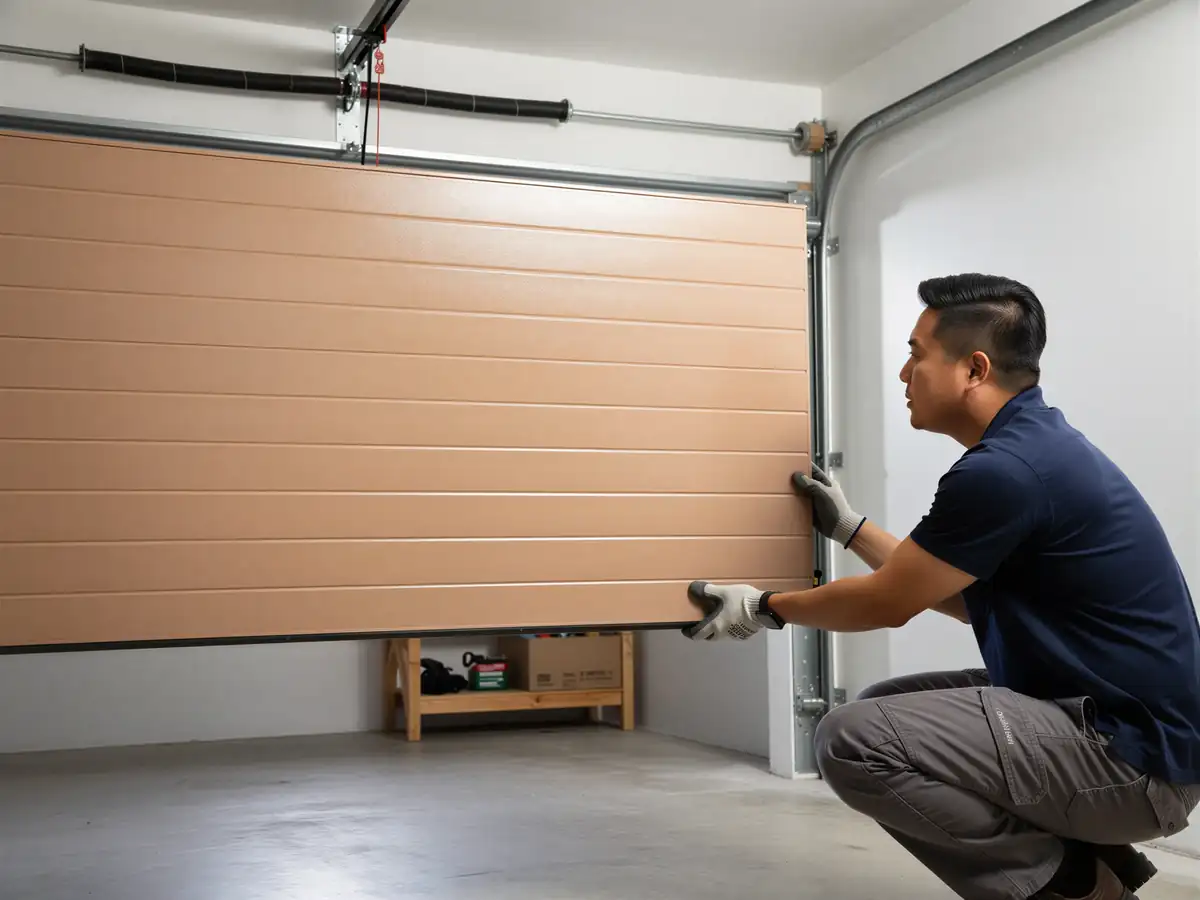
We balance the door, lubricate the torsion or extension hardware with a cold-rated lubricant, tighten hinges and the opener's mounting bracket, and test the auto-reverse function if the opener has it. If it doesn't, we flag it rather than pretend the door is current on safety standards. We also check cable fray on extension-spring setups, since those older jobs rarely came with containment cables and a snapped cable under tension is a real hazard, not a maintenance footnote.
Why This Fails Locally
The housing stock across this service area runs from 1938 to 2015
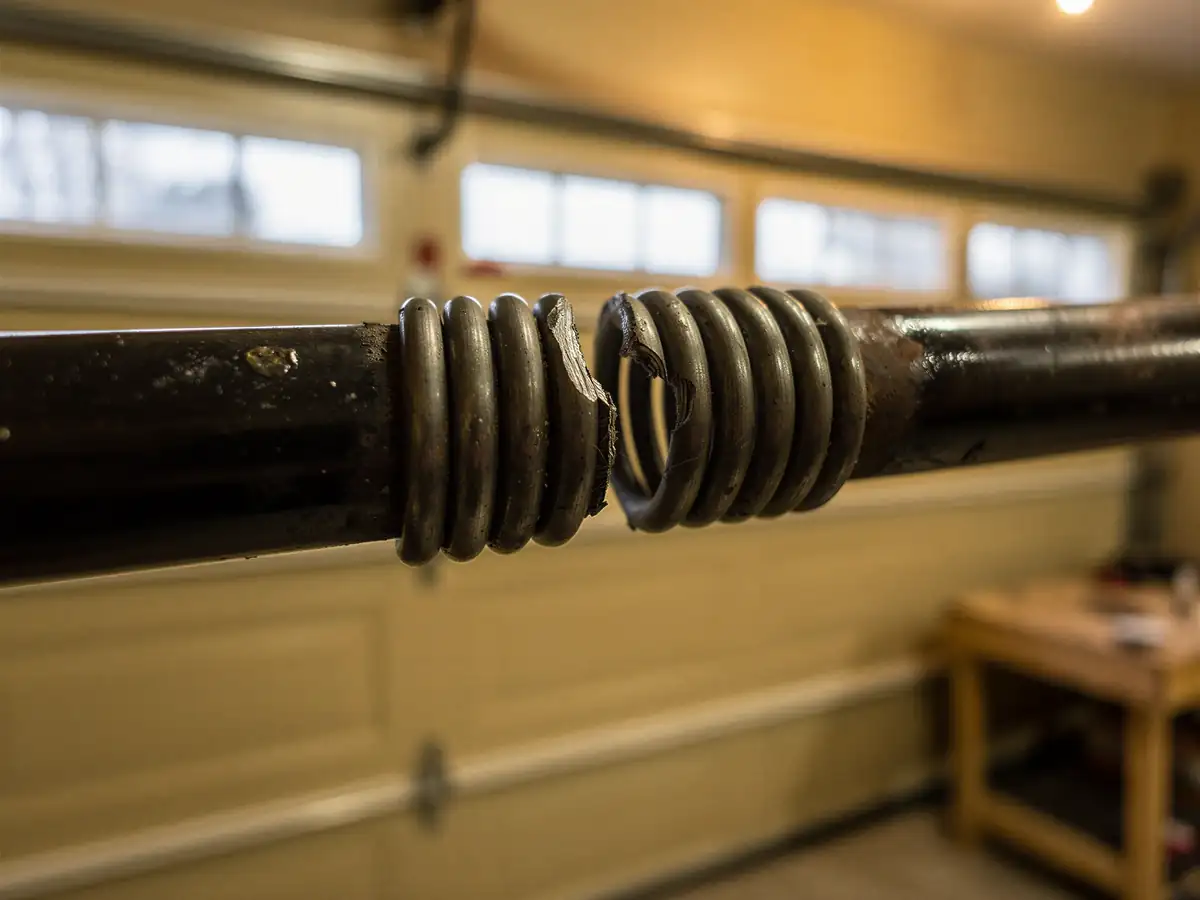
With the overall median landing around 1982 and most neighborhoods built in the 1980s and 90s. Fairfax Station's own median build year sits right at 1982 too, which means the original garage door hardware on a lot of these houses is now past its reasonable service life. Extension springs rated for roughly 10,000 cycles don't care how well the house around them has been maintained; they fatigue on a schedule.
Severe cold makes this worse
Metal contracts, grease thickens, and a spring that's already near the end of its cycle count is more likely to snap on a sub-freezing morning when it's under the most tension. That combination - 1980s-era hardware plus a hard winter climate - is the specific failure pattern we see out here, not a generic "doors wear out" story.
Stocked Parts
We carry common torsion and extension springs, standard rollers, and cable sized for the door widths typical of 1980s-era construction, since that's what most of this service area's roughly 9,660 owner-occupied houses were built with. What we don't keep on the truck is anything custom - oversized doors, discontinued opener control boards, or hardware for a door that's been non-standard-modified over the years. Those go on order, and depending on the part, that can add a few days to the job.
If your opener predates the auto-reverse safety mandate and the circuit board is no longer made, replacement is usually cheaper and faster than hunting down obsolete parts. We'll say so plainly instead of running up a bill chasing a fix that won't hold.