Doing It Yourself
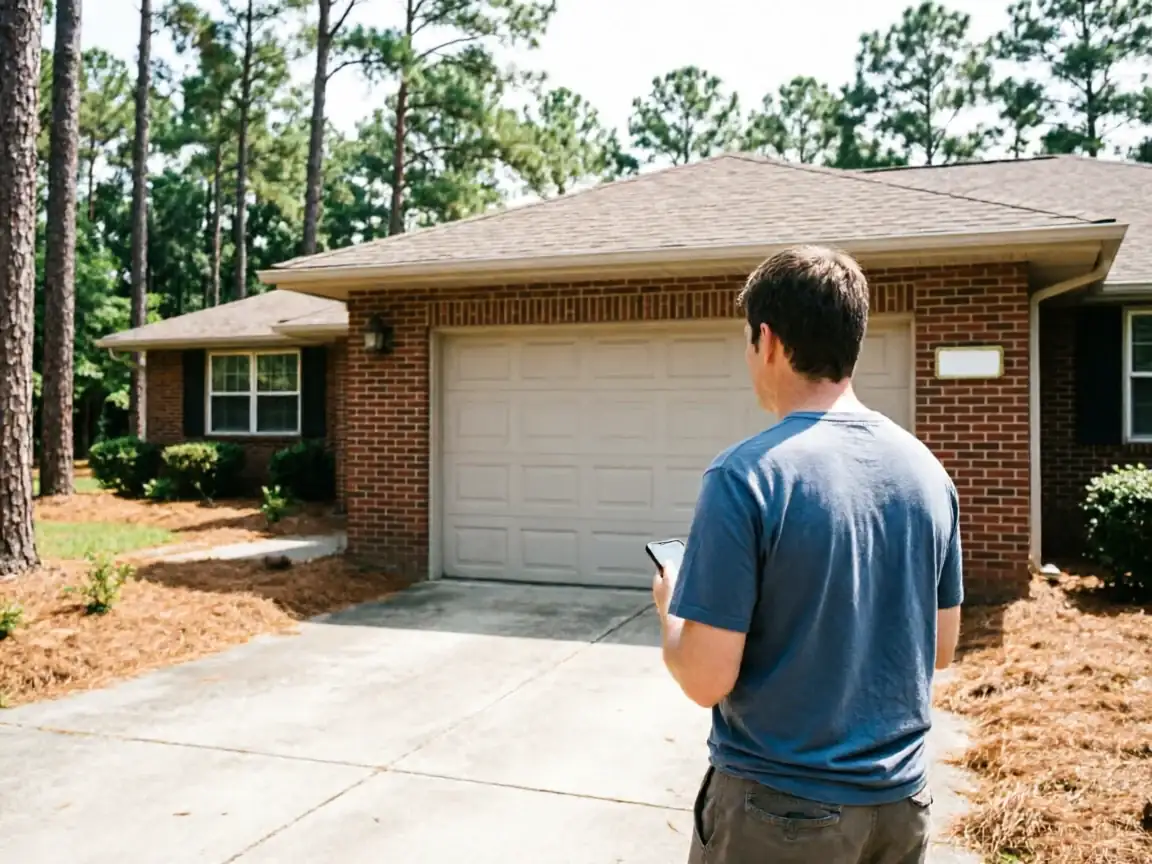
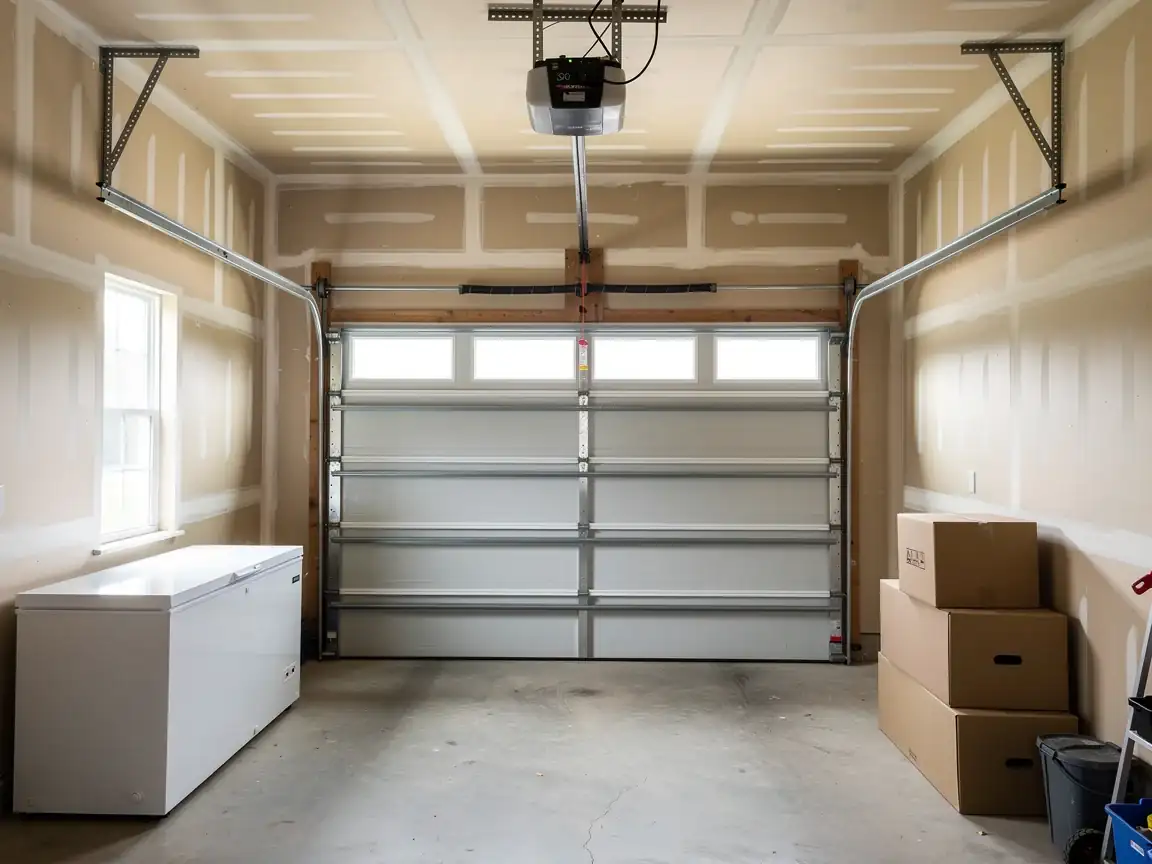
Ten miles is enough road that a trip back for a forgotten part costs you an afternoon, not twenty minutes. That's the first thing to weigh before you pull a new door kit off a shelf and try to hang it yourself. The section track has to be plumb to a fraction of an inch, the torsion spring has to be wound to a spec that matches the door's actual weight, and on a lot of Yorkshire houses built around the mid-1980s, the jamb framing isn't quite square anymore after forty years of settling. That last part doesn't show up in a parts-store install guide.
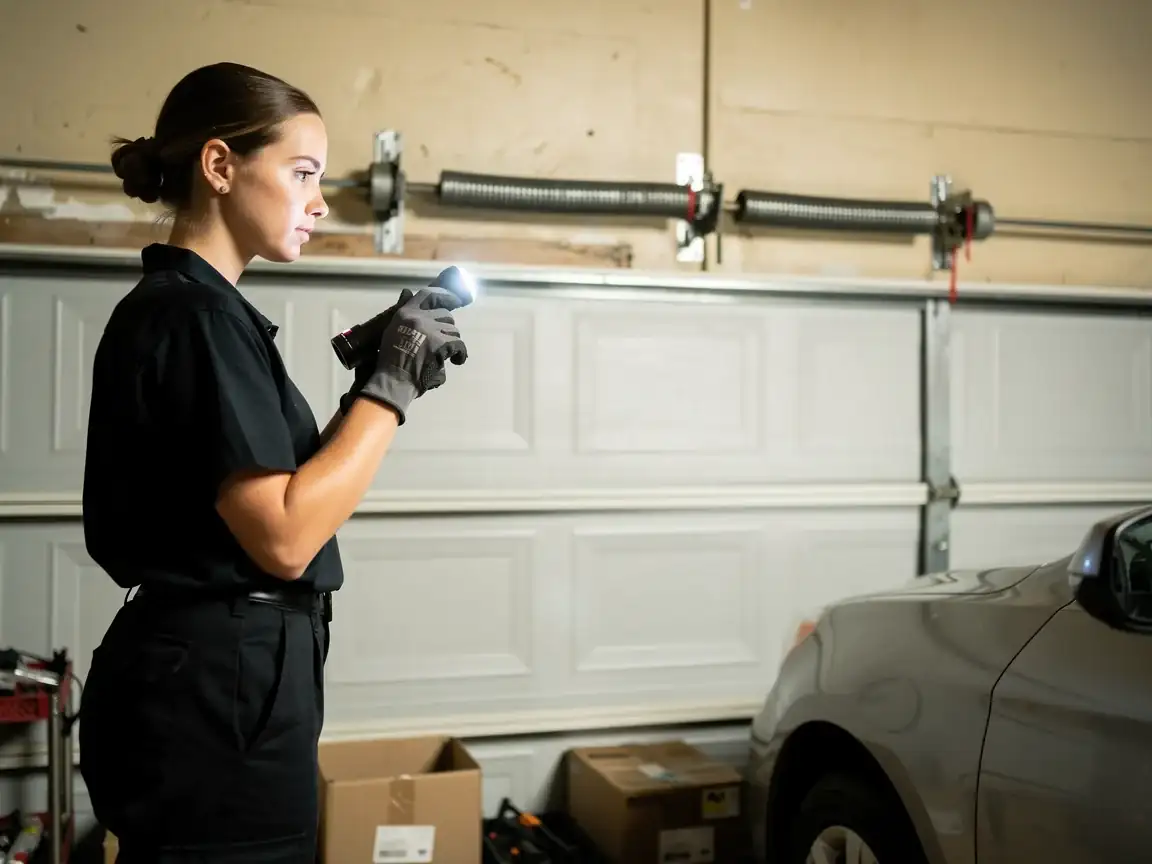
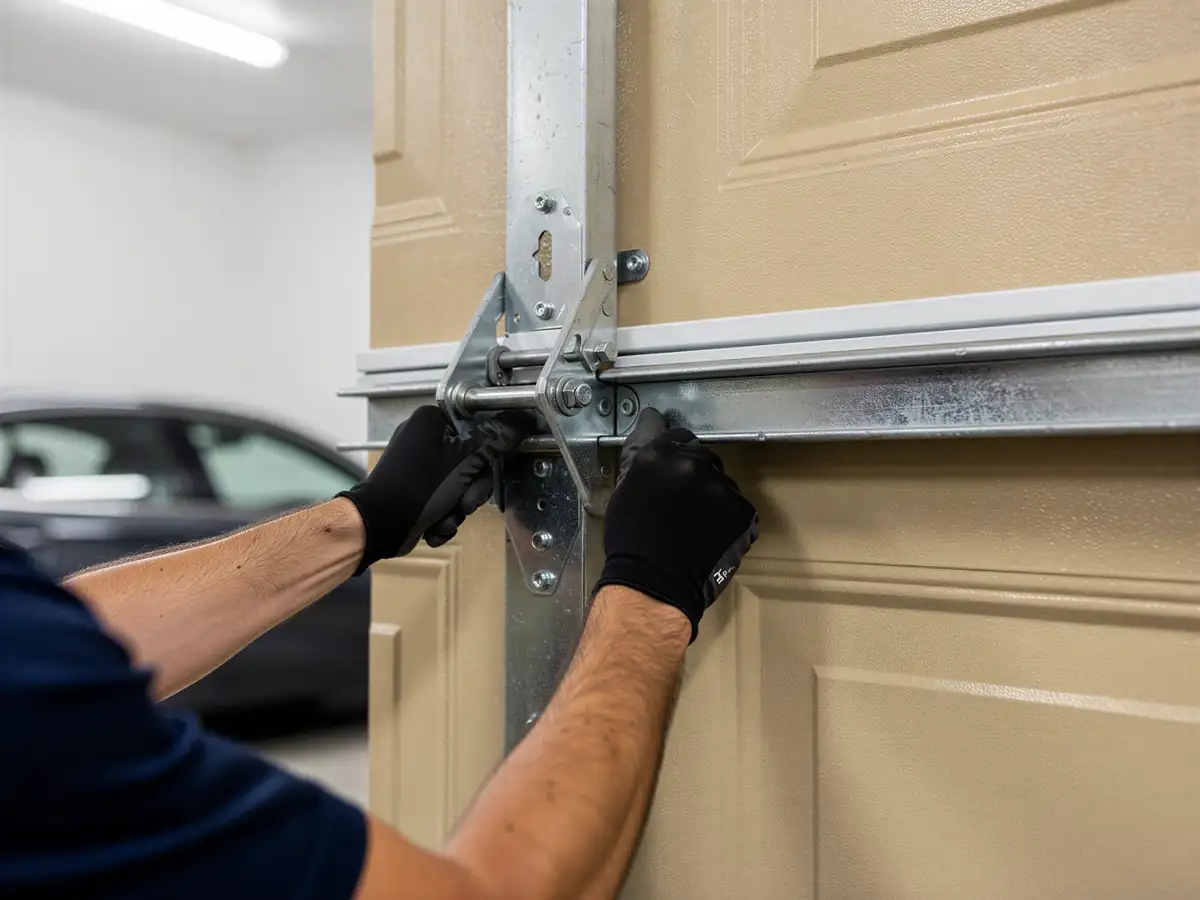
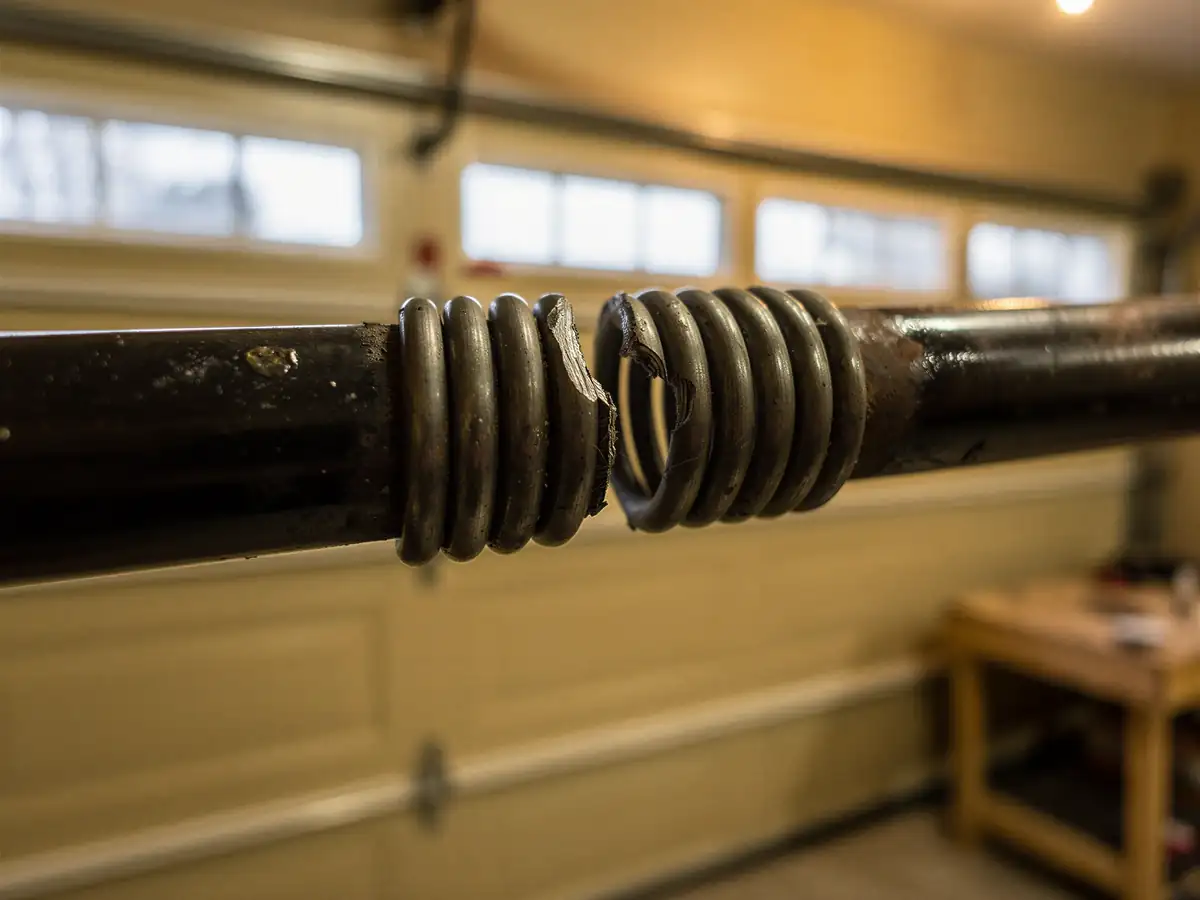
We're not going to tell you nobody can do this - plenty of capable homeowners replace a track or a weatherstrip on their own. But a full door swap means wrestling a 150-plus pound section into place, under spring tension that can take a hand off if the cable slips. If you've never set a torsion spring before, this is the one job where the drive to buy the right tool pays for itself in staying out of the ER. We'd rather quote you honestly on the install than sell you a kit and wish you luck.
How We Fix It
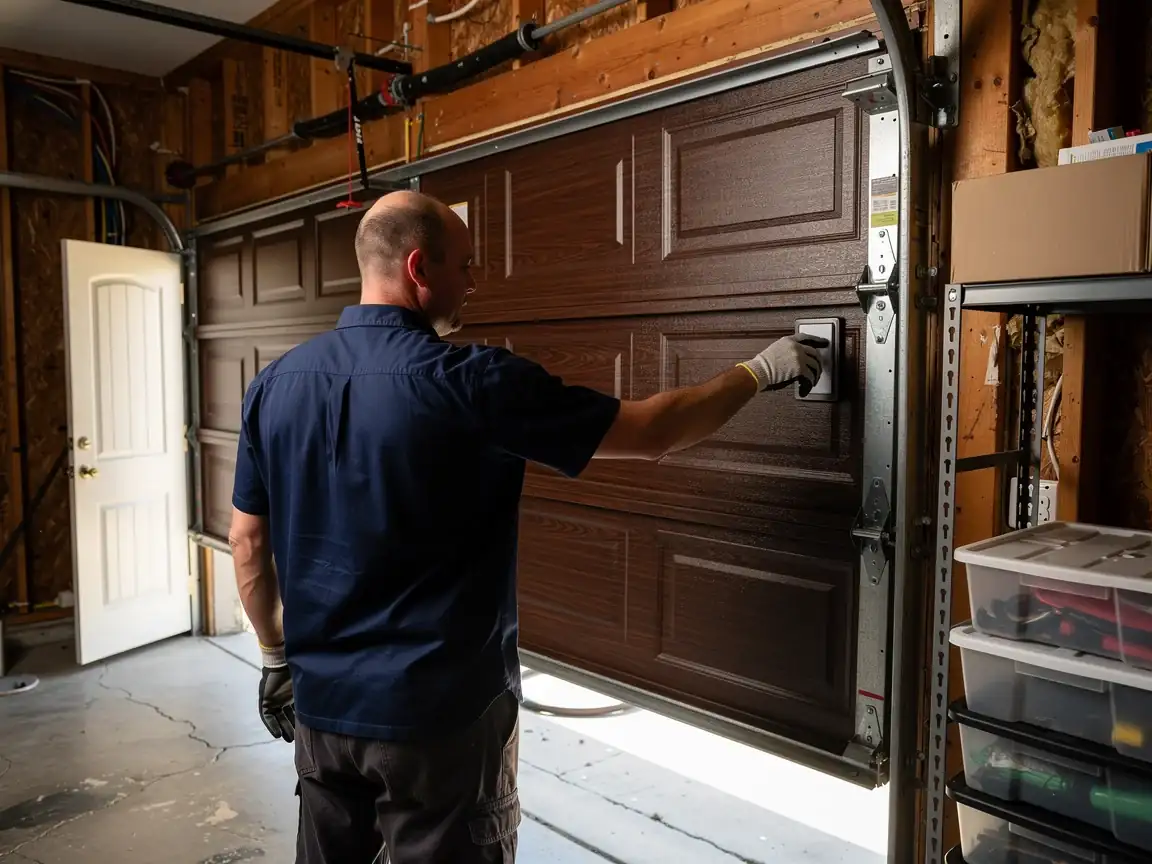
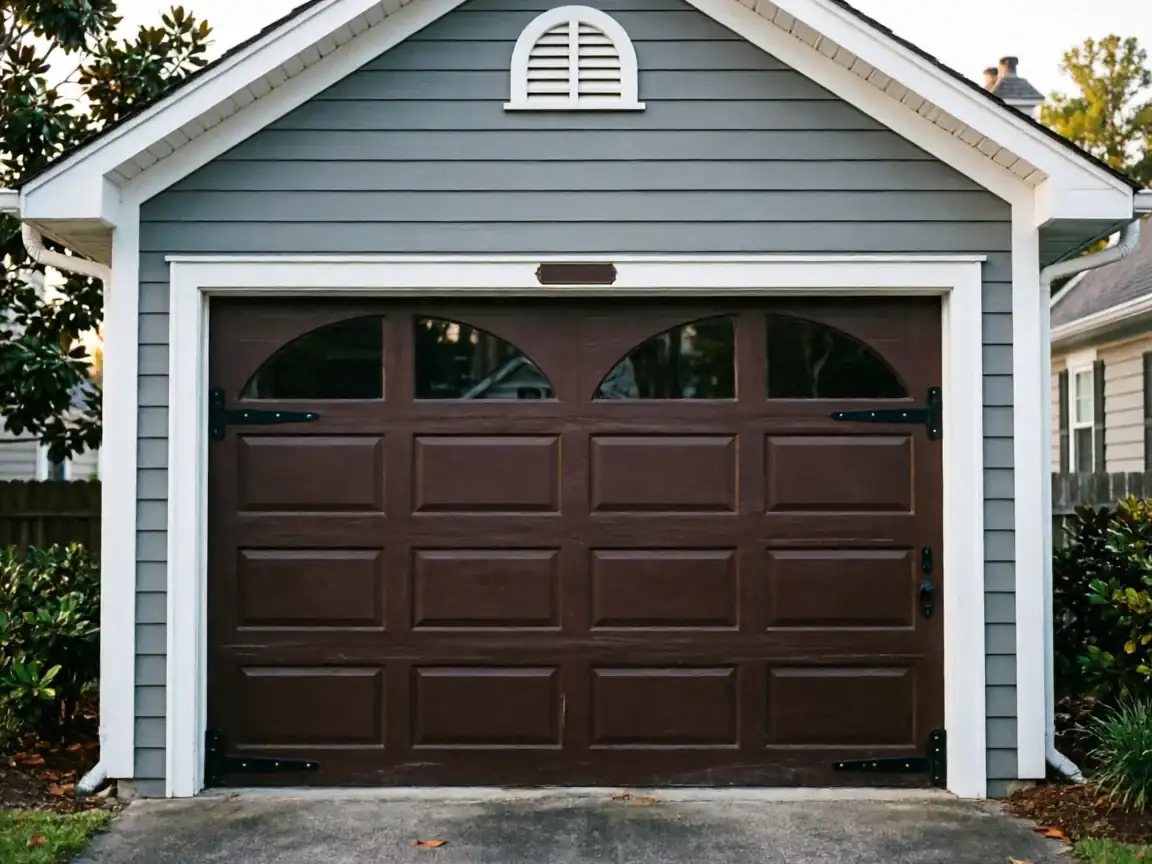
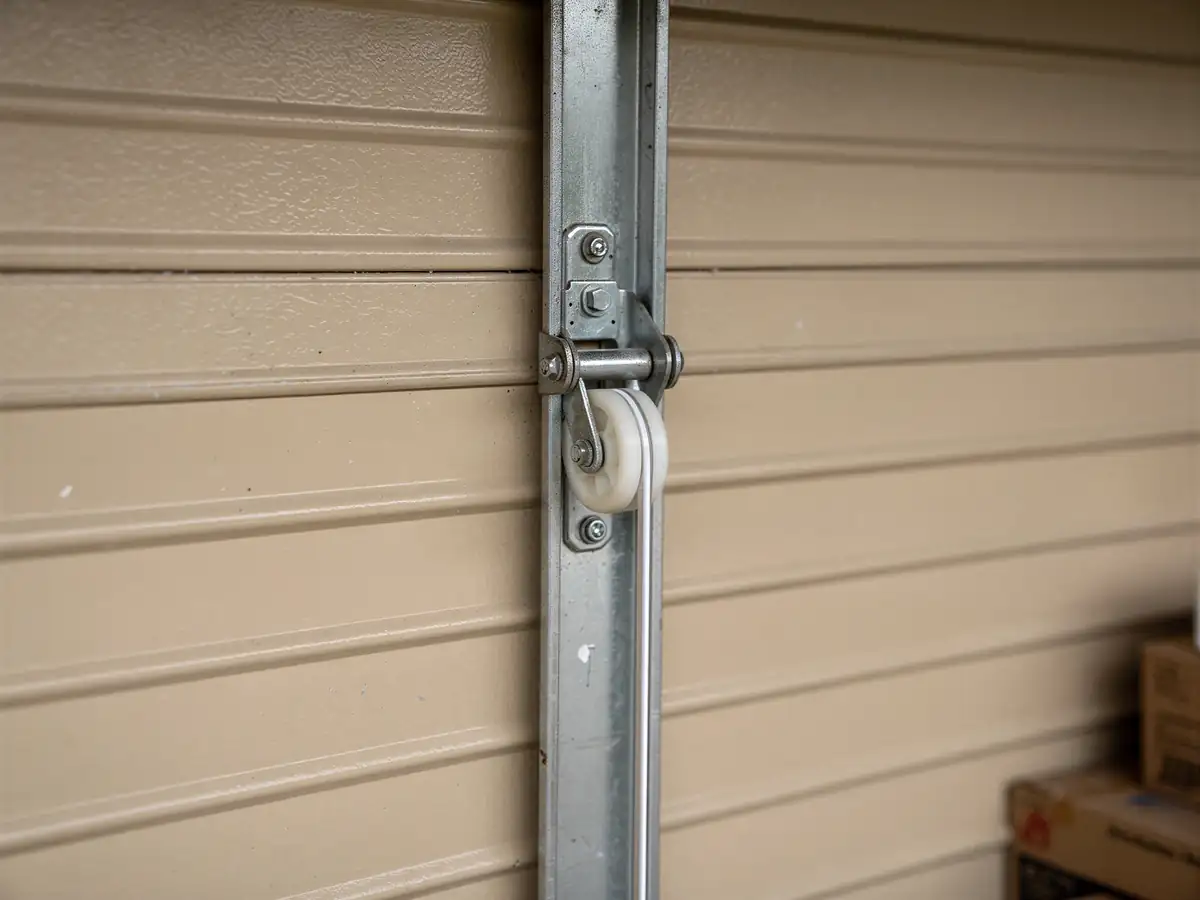
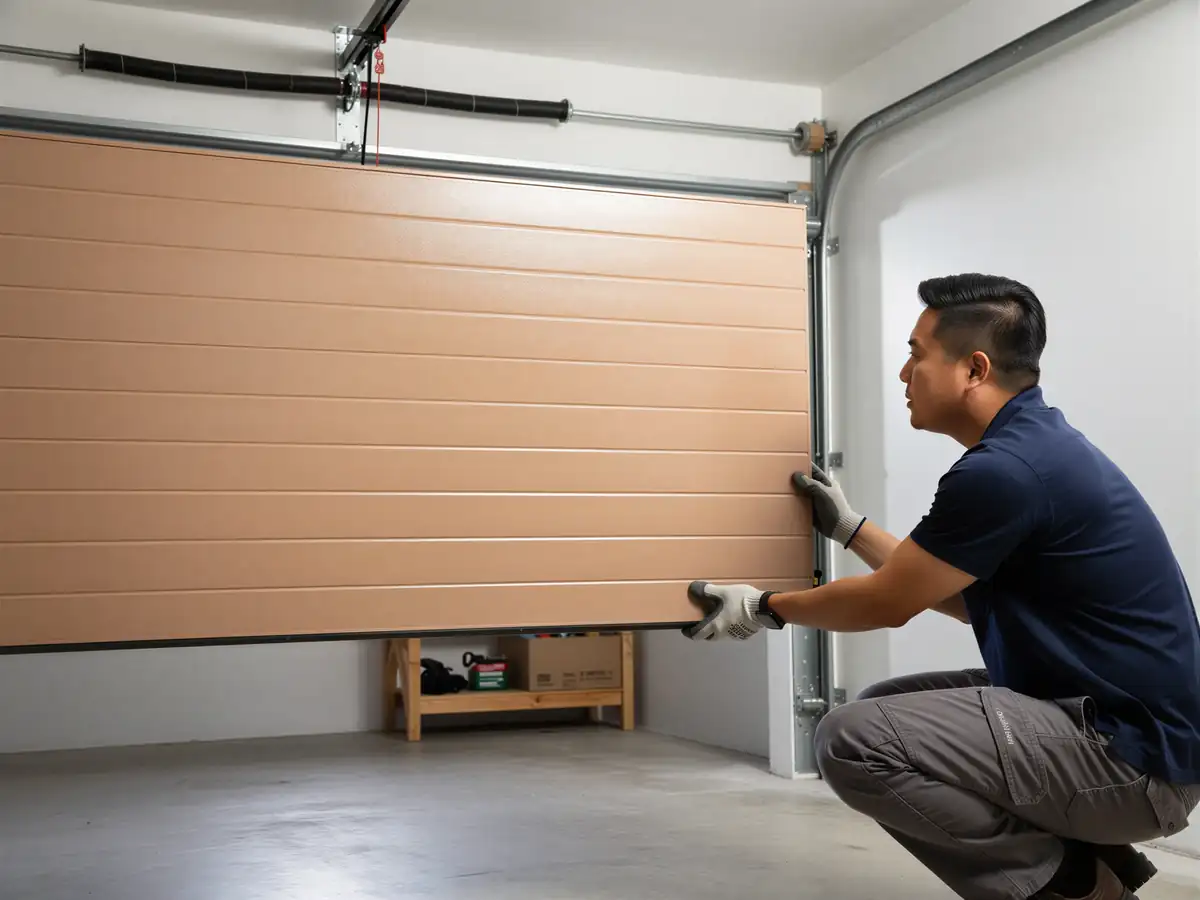
When we come out to Yorkshire, the first stop is the opening itself, not the door you're replacing. At roughly 1985 build, most houses here have a standard 7-foot header clearance, but we still measure before we order, because framing tolerances from that era vary more than new construction does. We pull the old door and track as one job, not piecemeal, since reusing old track with a new door section is the most common cause of a callback.
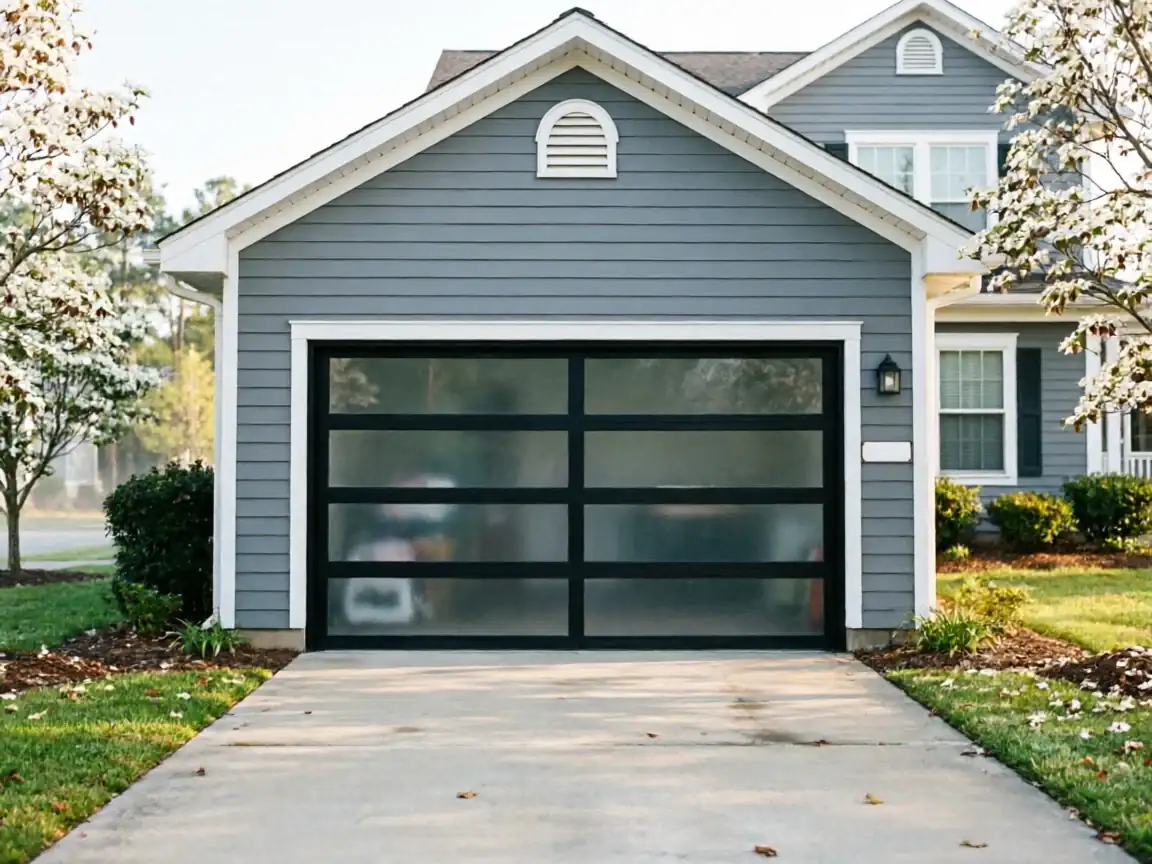
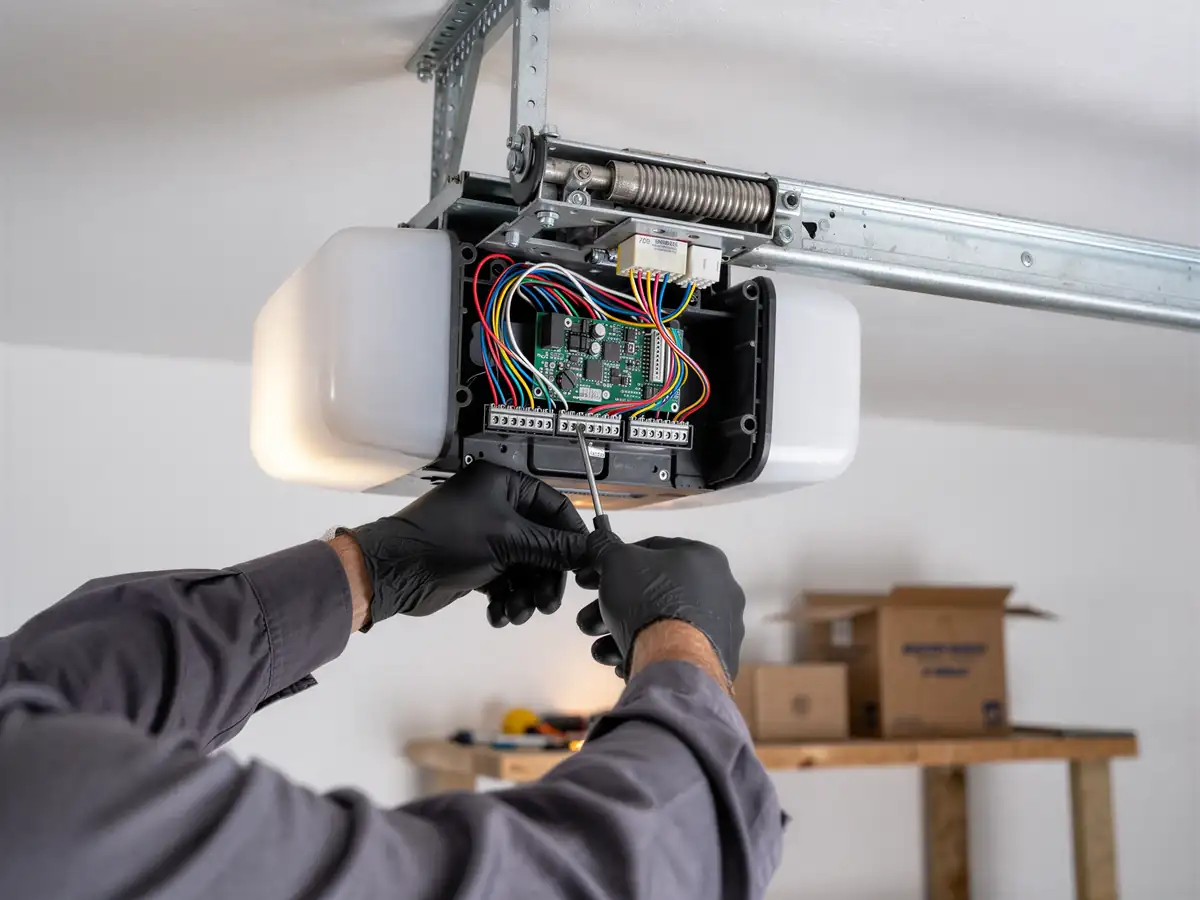
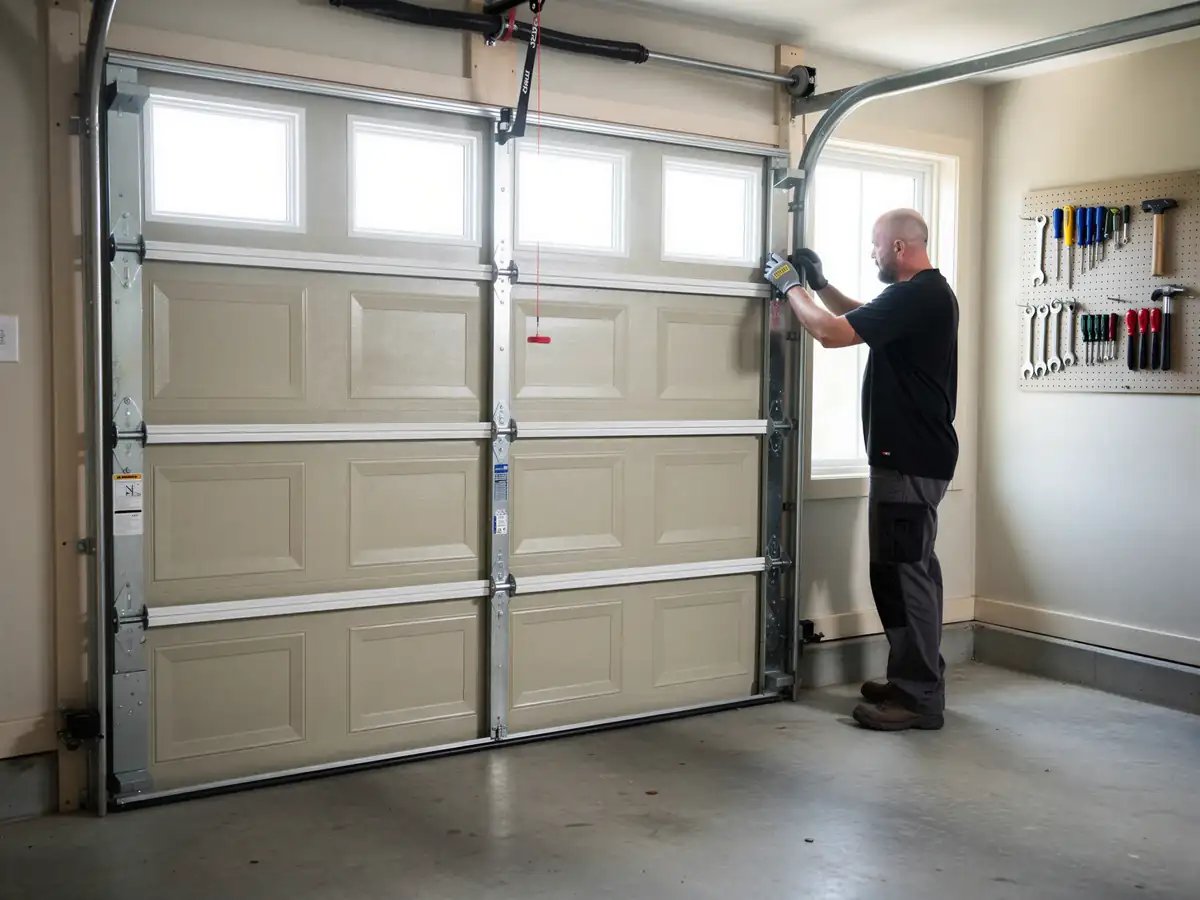
Insulated doors are the default recommendation here, not an upsell. This region sits in a severe cold climate band, and an uninsulated door on an attached garage in that kind of winter means a cold wall between your furnace and the outside air for five months of the year. We set new jambs square if the old frame has shifted, which on houses this age it often has, torque the spring to the door's actual weight rather than a chart guess, and test the balance by hand before we call the job done. Opener swap is a separate line item - we'll tell you plainly if your existing opener is fine to keep.
The Cost of This Job
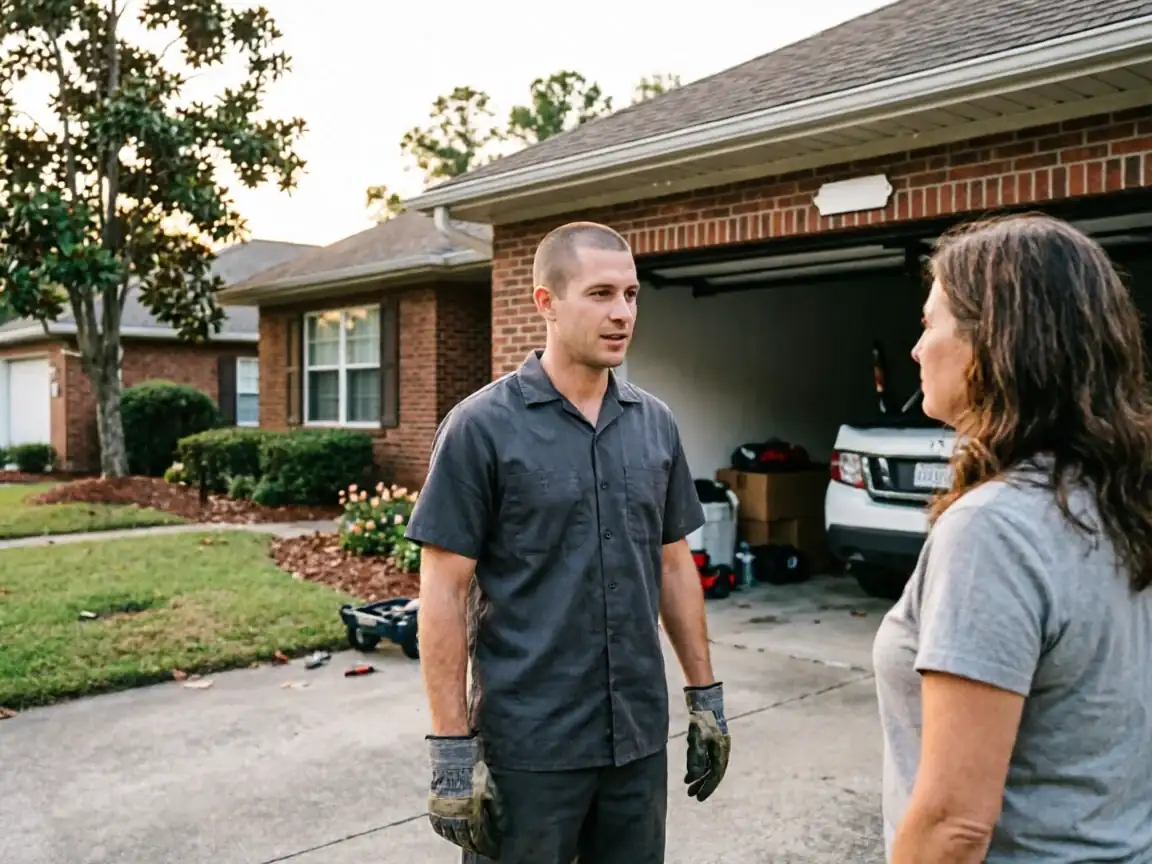
We price the job at the house, not over the phone
Because the door weight, insulation level, and whether your track needs reframing all move the number. What we can tell you up front: Yorkshire's median household income, just over $107,000, puts a mid-grade insulated steel door with a new opener well within reach for most households here, and it's a meaningfully better investment than patching a 1980s-era uninsulated door that's already lost its seal.
The honest limitation
If your opening is non-standard width, from an add-on garage or a converted carport, the door itself may need to be special-ordered, and that adds lead time we don't control. We'll flag that at the estimate, not after we've already pulled your old door off the hinges.
What You Are Seeing
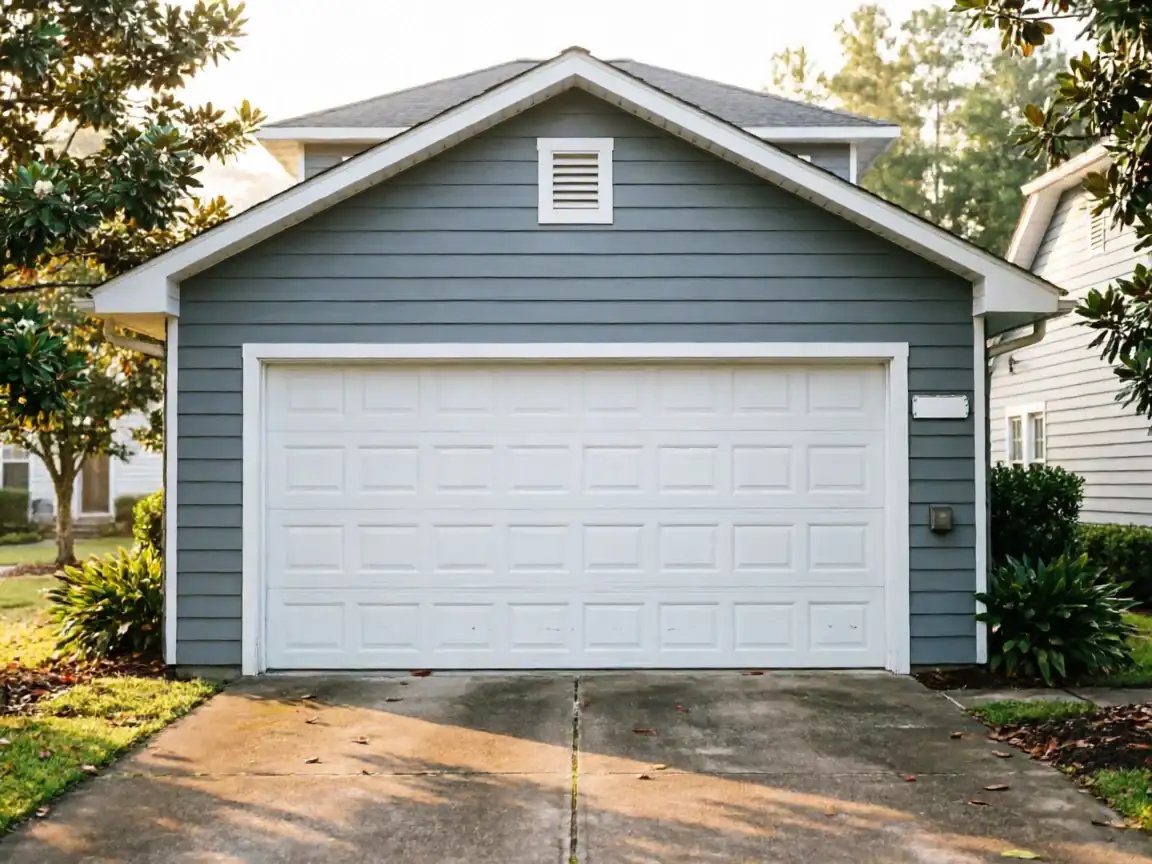
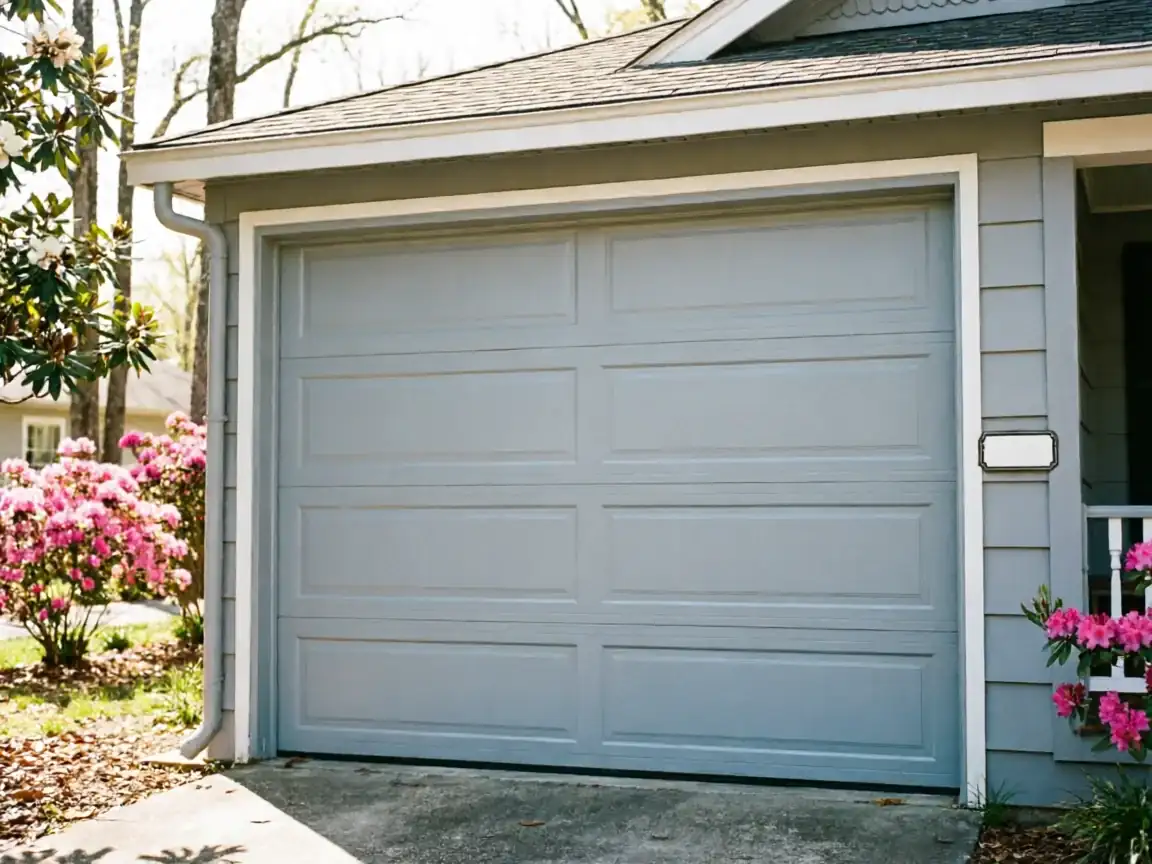
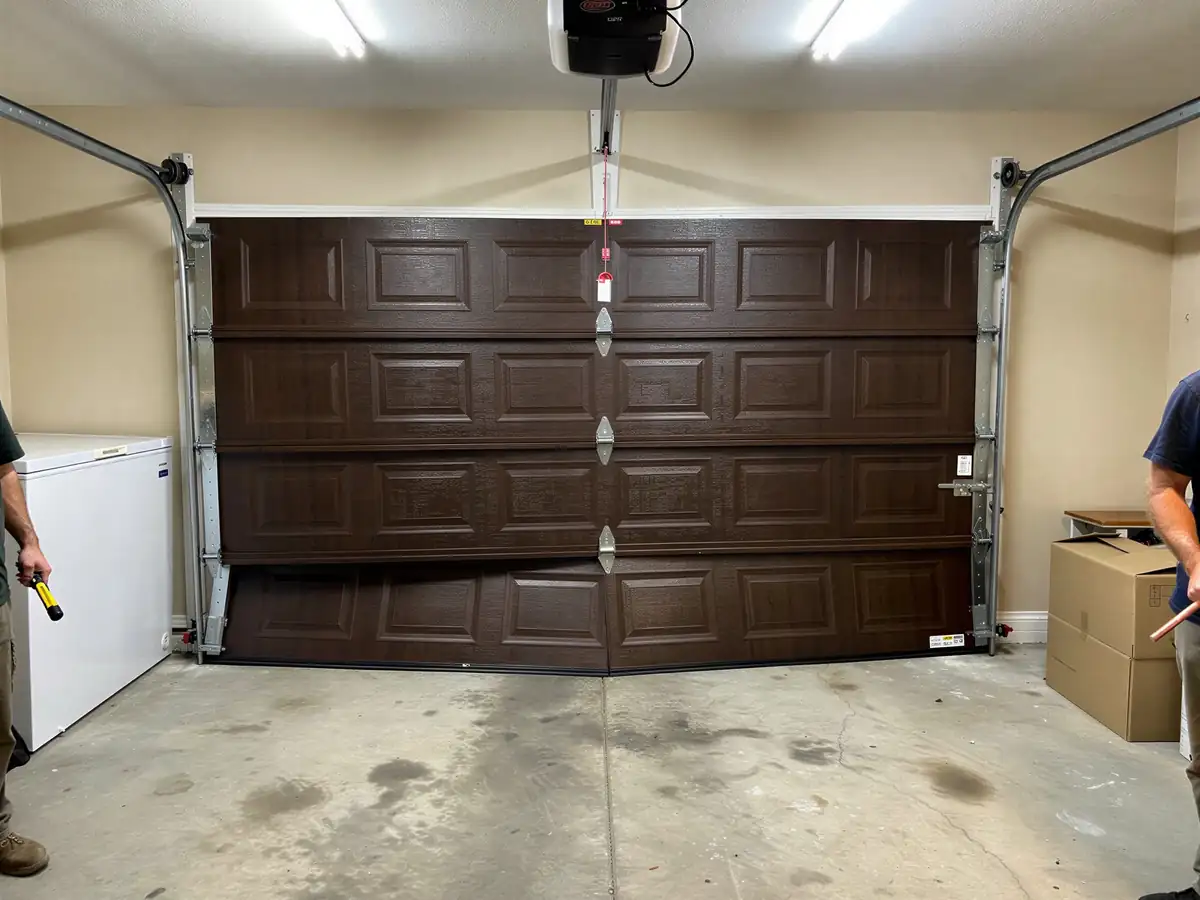
Most of what we get called out for in Yorkshire isn't a dead opener - it's a door that's been working hard since the Reagan administration and finally stopped balancing right. Sections built in the mid-1980s often used thinner steel skins than today's doors, and after thirty-some years of expansion and contraction through severe cold winters, the panels bow, the seams gap, and the bottom seal stops meeting the slab evenly. If you're feeling a cold draft along the garage wall that shares framing with the house, that's usually the door, not the insulation in the attic.
A door that's hard to lift by hand, even with the opener disengaged, means the spring has already lost tension and the door is overdue, not just due. That's the point where repair and replacement cost close to the same, and we'll say so rather than sell you a spring job on a door that's on its last legs anyway.