Doing It Yourself
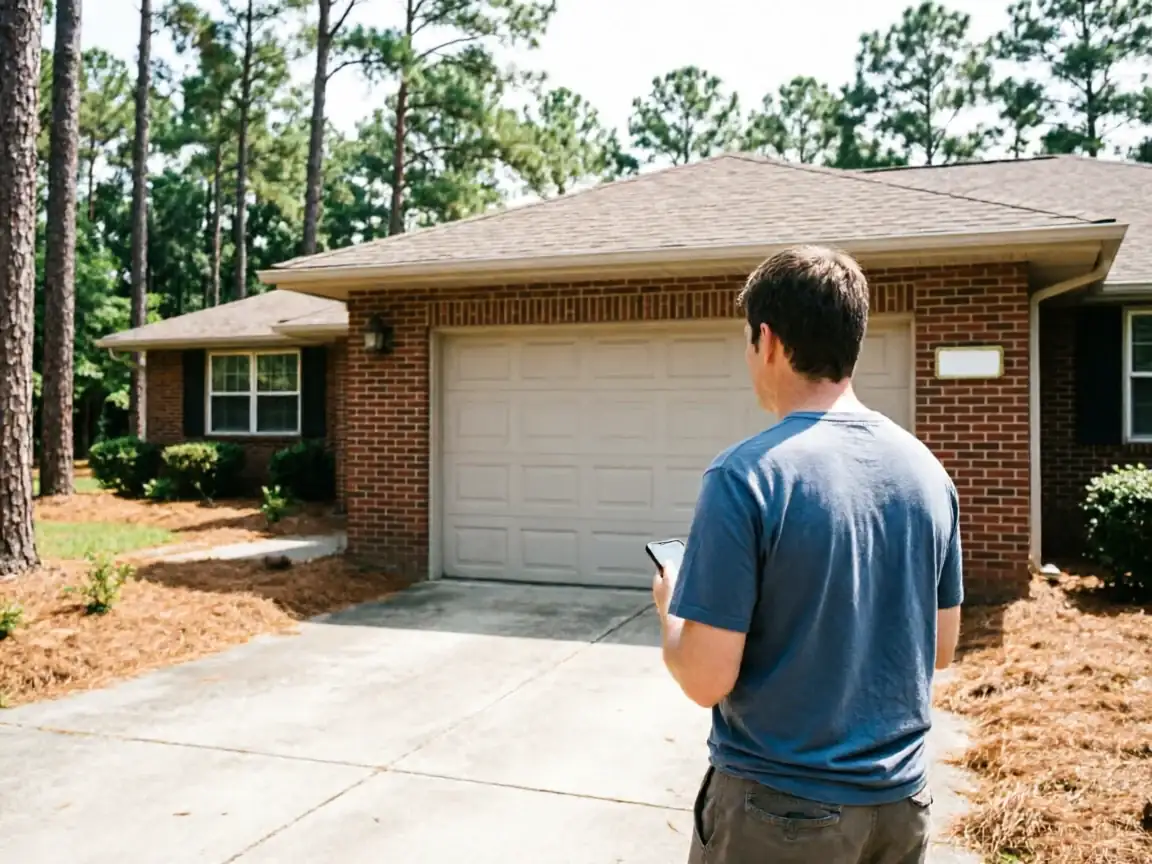
Yorkshire is a small place - under 3,000 households - so word gets around fast about who does a job right and who doesn't. That size also means there isn't a dedicated garage door shop sitting in the neighborhood; most of what you'll find nearby is general handyman work, which is fine for a loose bolt but not for spring tension.
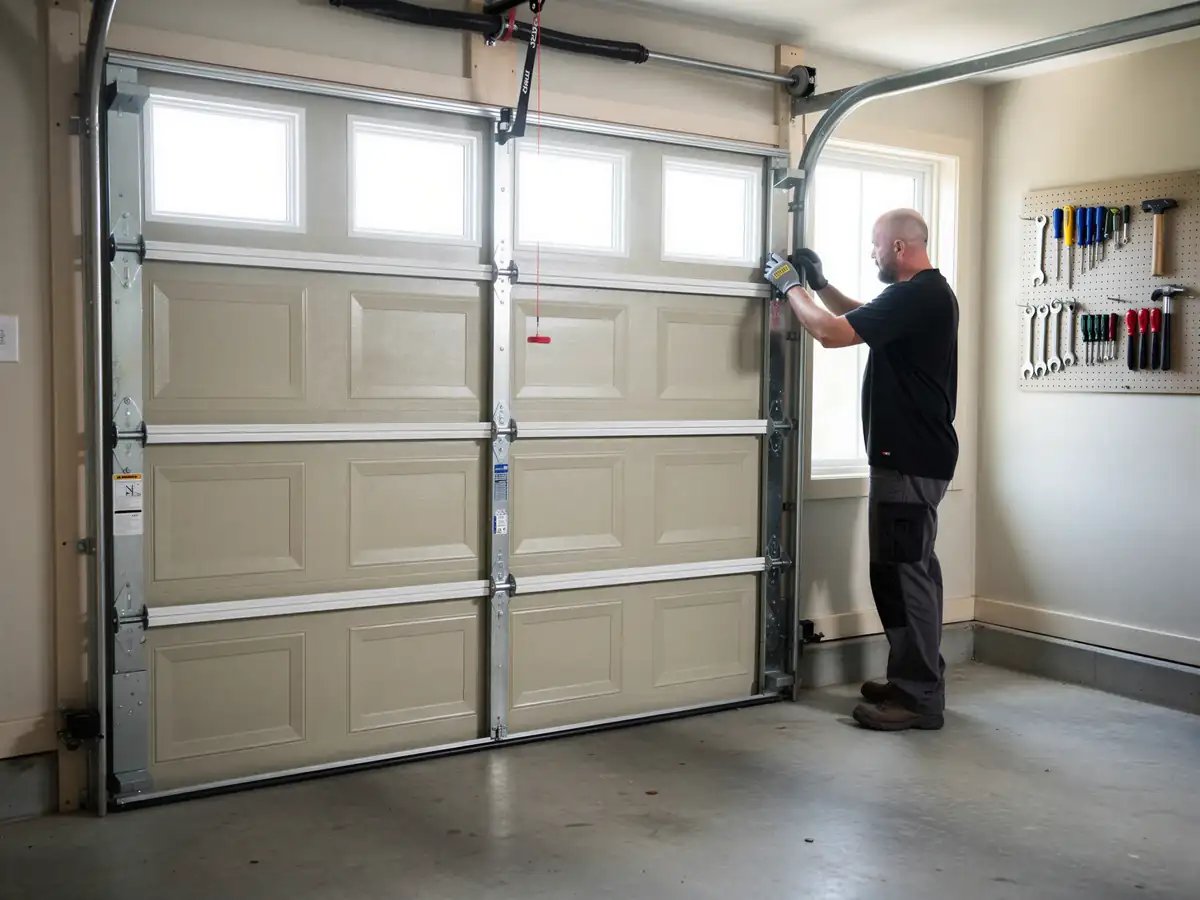
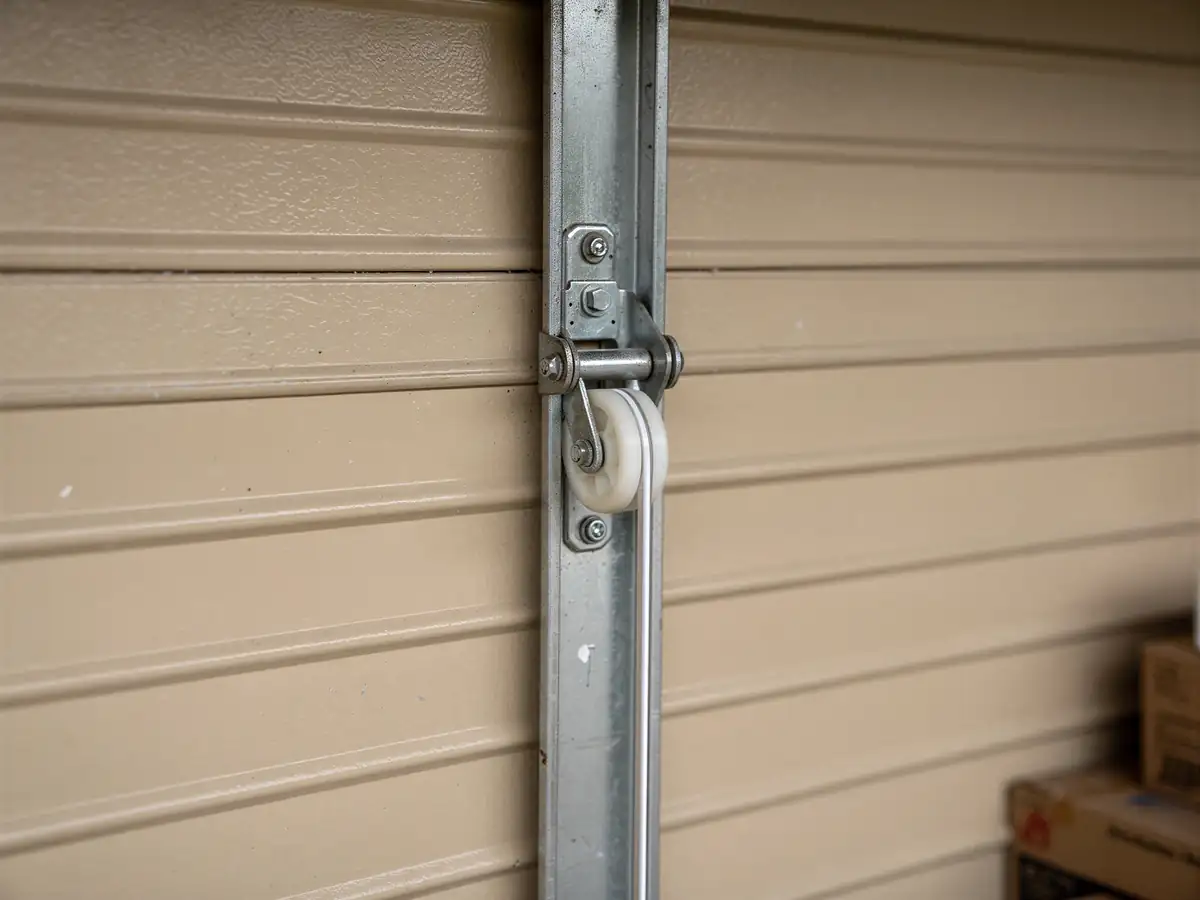
What you can safely do yourself: wipe down the tracks, check that the rollers aren't cracked, make sure the photo-eye sensors near the floor are clean and aimed at each other, and listen for new grinding or popping noises. Lubricate hinges and rollers twice a year with a garage-door-specific lubricant, not WD-40, which attracts grit.
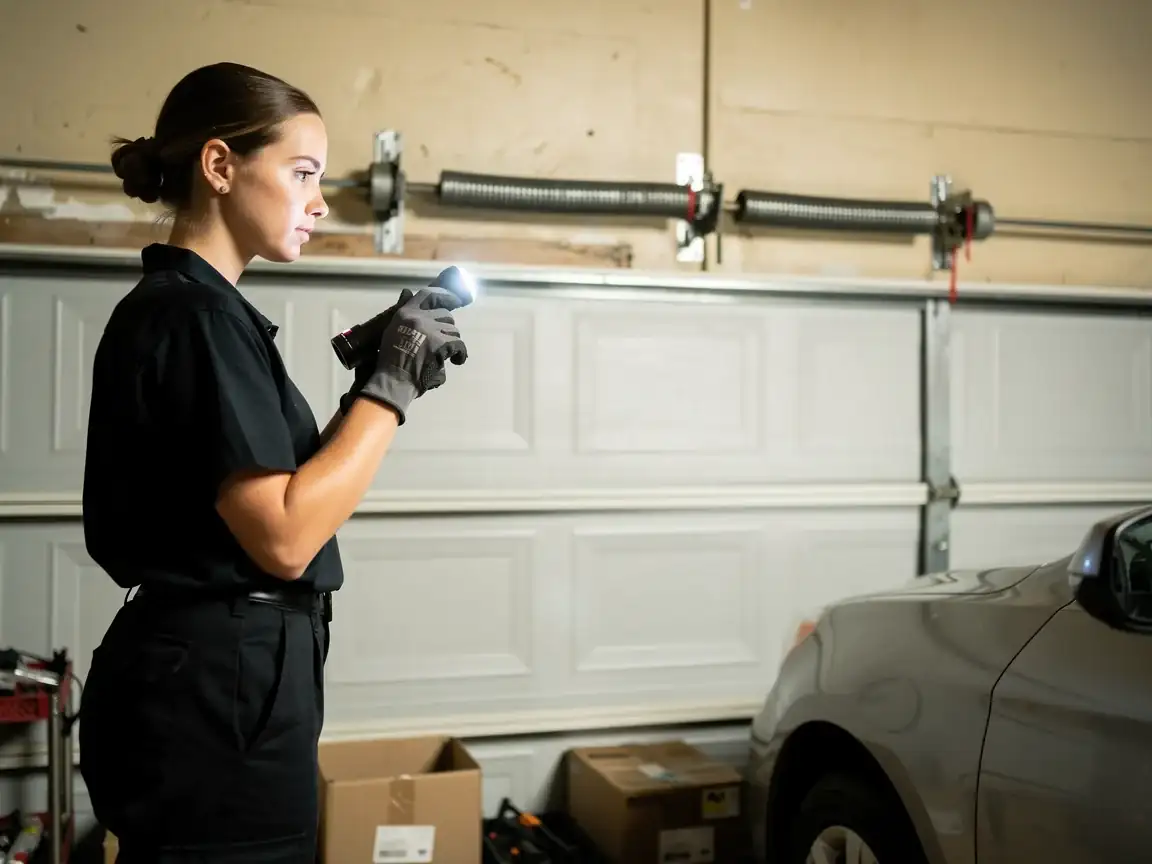
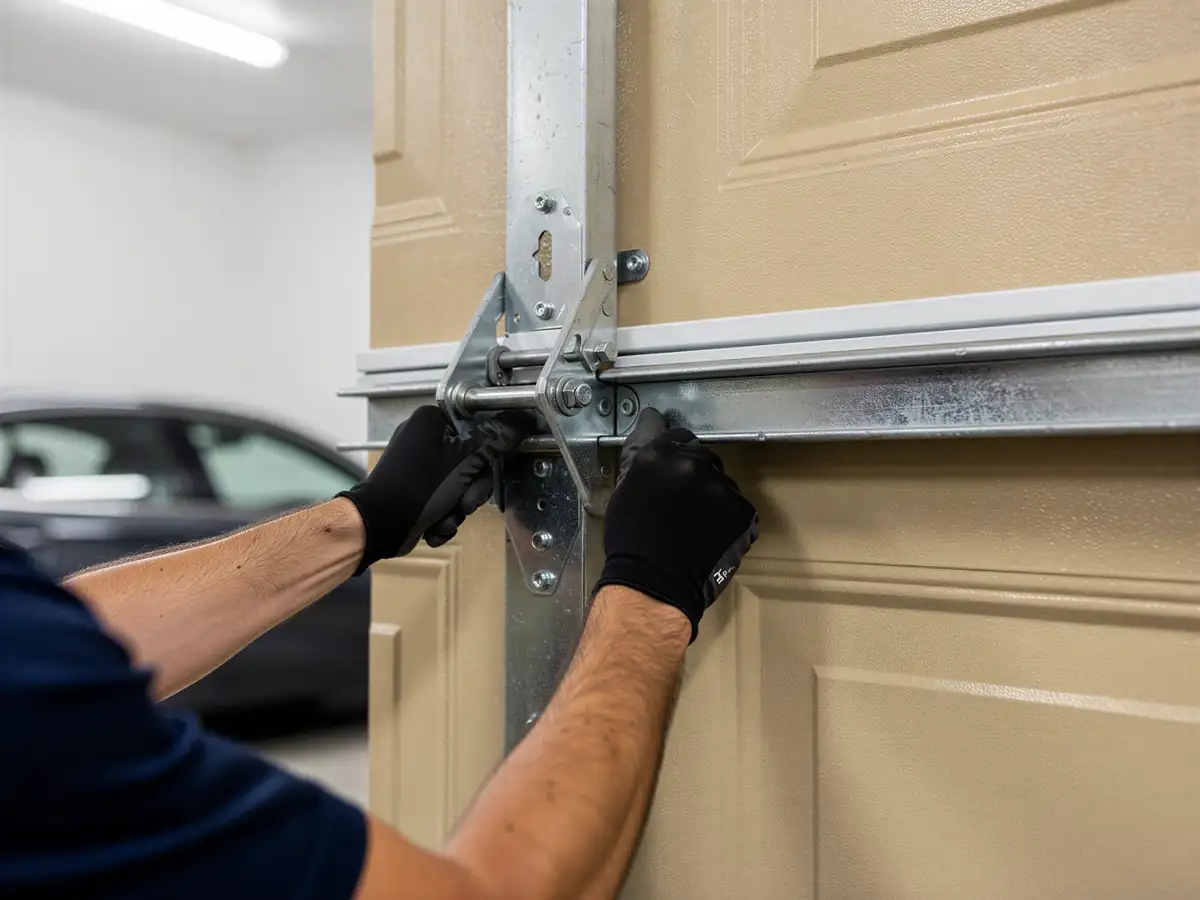
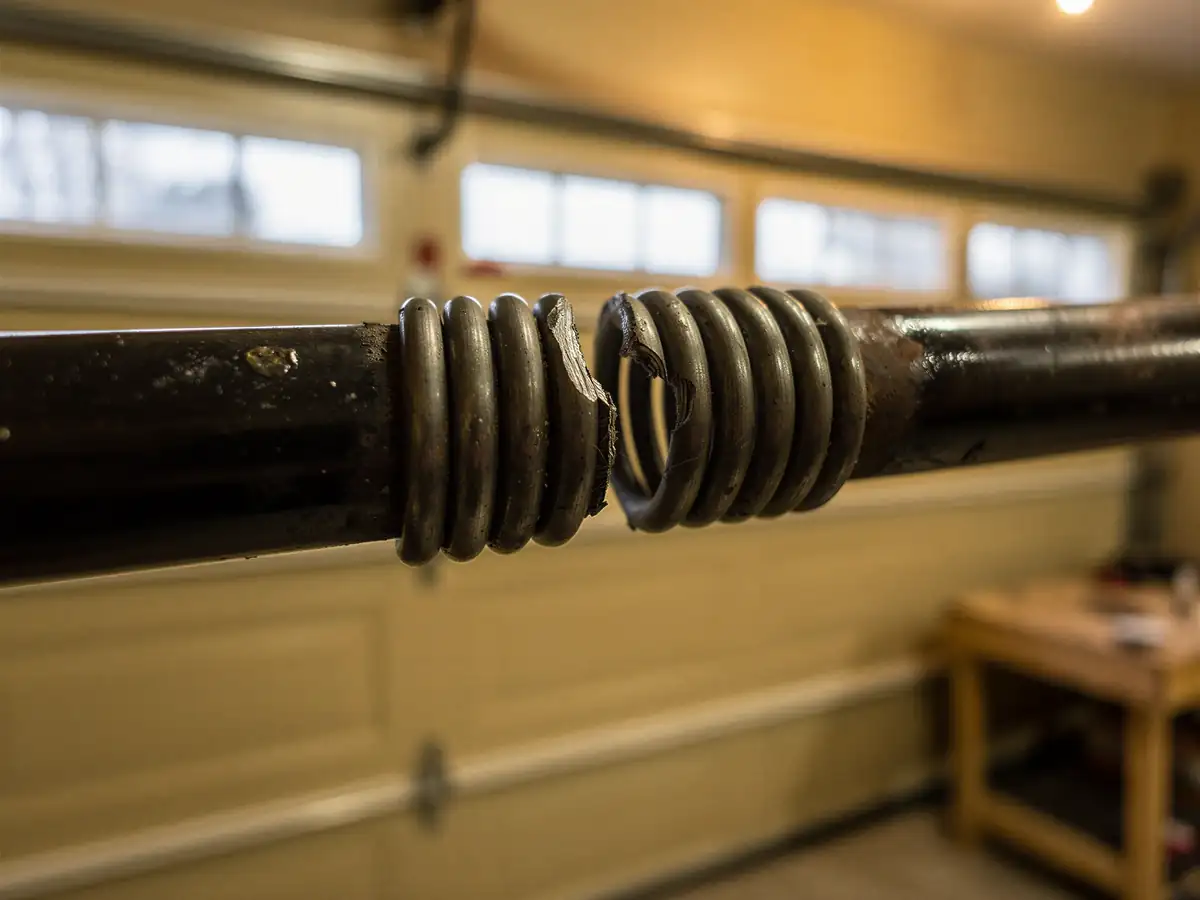
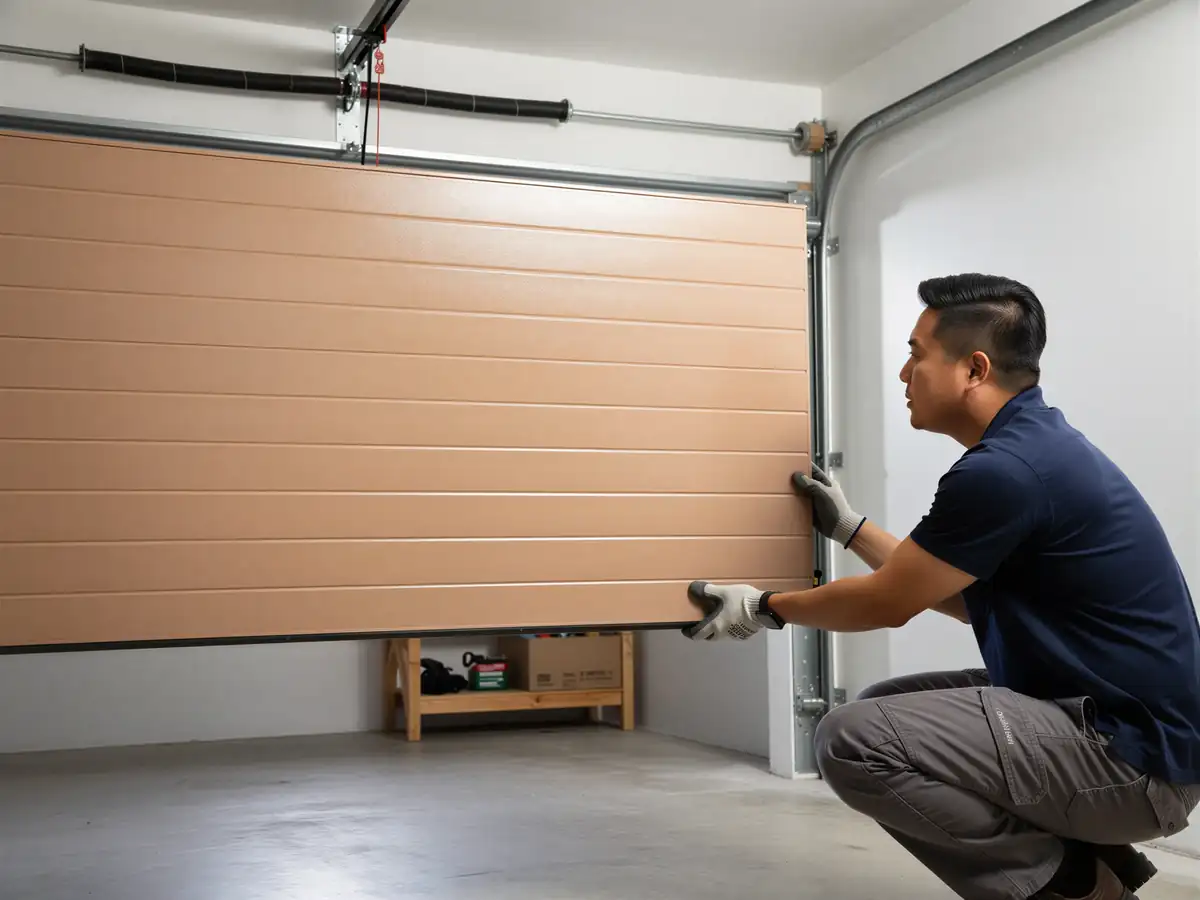
What you should not do yourself: touch the torsion spring, adjust the cable drums, or mess with the opener's force settings. On a house built around the mid-1980s like most of Yorkshire's stock, that spring has likely been wound and re-wound a few times already, and the hardware holding it isn't new. A spring under tension that lets go can break fingers or worse. If the door feels heavier than it used to, or it won't stay open halfway, stop and call someone - that's a spring losing tension, not something a squirt of oil fixes.
How We Fix It
We come out from Gainesville, about 10 miles away, so we're not rolling up on a first look blind - we already know Yorkshire's housing runs mostly 1980s and 90s construction, same era as a good chunk of the wider service area. That matters because doors from that build period typically carry steel torsion springs rated for a specific door weight, and decades of winter cold cycling the steel makes those springs lose tension gradually, not all at once.
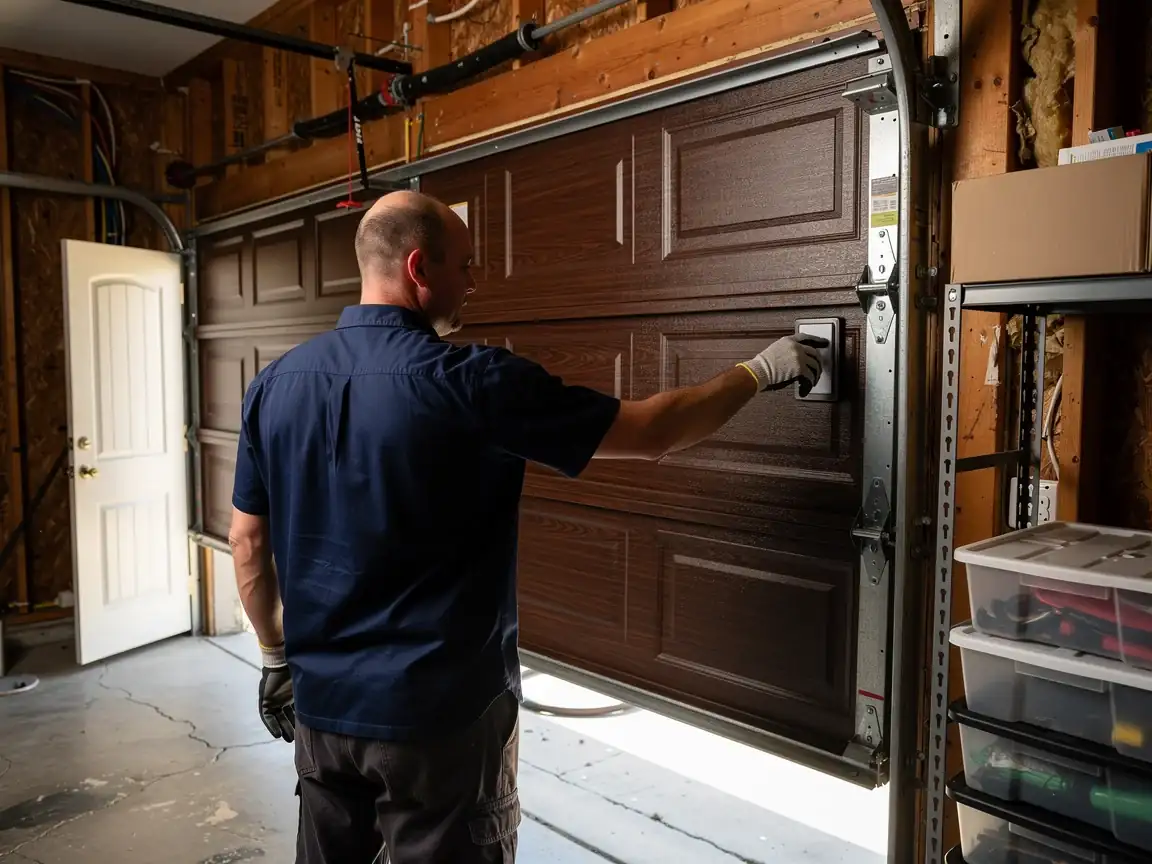
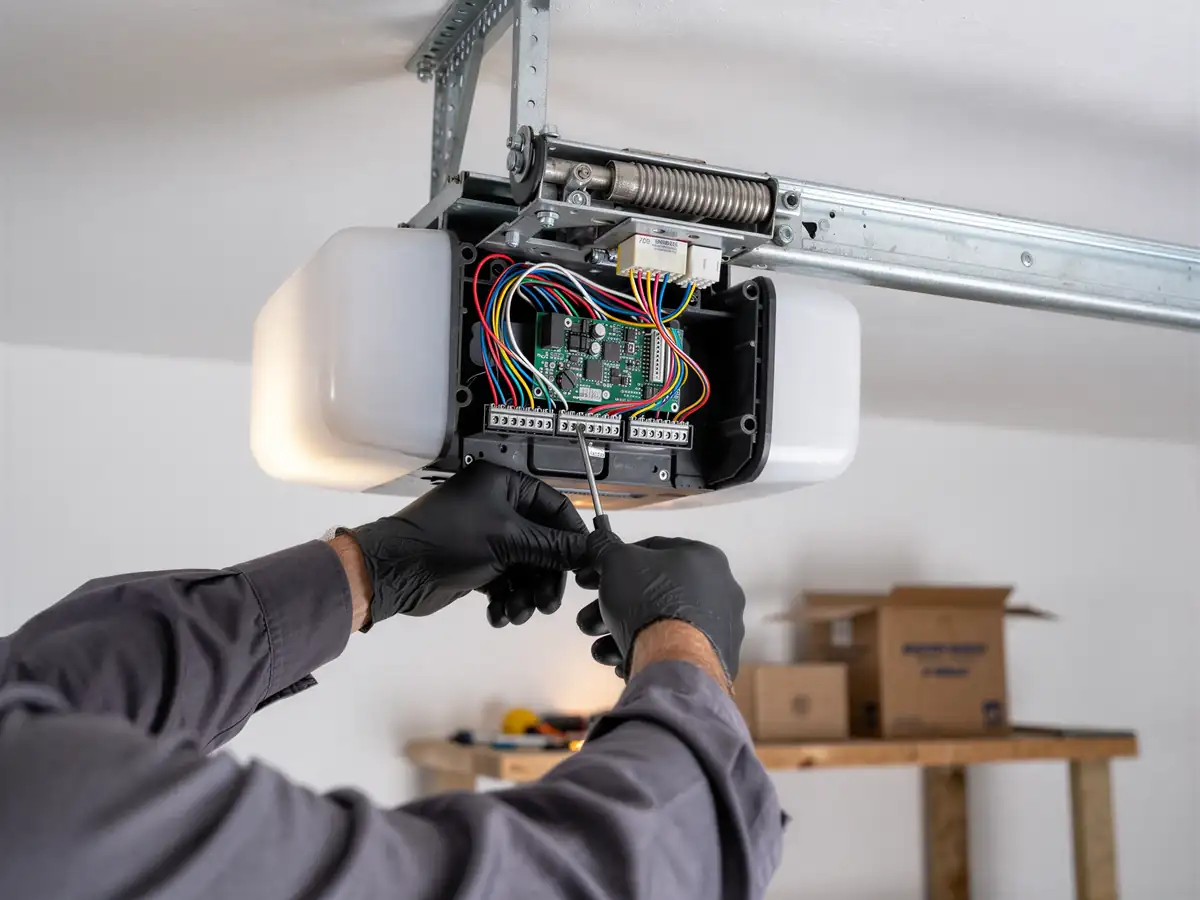
On a maintenance call we check spring tension and balance the door by hand, inspect cables and drums for fraying or wear, test the auto-reverse safety feature, and check weatherstripping at the bottom panel - the cold band this area sits in means a gap there lets in real cold air, not just a draft. We also check the opener's limit settings, since doors on original hardware often get fought with over the years until the limits are off.
We don't replace parts that don't need it. If a roller still turns smooth and isn't flat-spotted, it stays. The point of a maintenance visit is to catch wear before it strands the door open or shut, not to run up a bill.
The Cost of This Job
We don't have a posted price for a Yorkshire maintenance visit here
And we'd rather tell you that than guess at a number that doesn't hold. What we can tell you is what drives cost on a visit like this: whether the spring just needs adjustment or needs replacing, how many rollers are worn versus just dirty, and whether the opener's safety sensors need realignment or a wiring fix.
Yorkshire's median household income sits around $107,283
A touch below the wider Gainesville service area's $111,503, which doesn't change what the job costs but it's part of why we check the door first instead of quoting blind. A straightforward tune-up on a door that's been reasonably cared for costs less than one where cables are rusted through or the opener gears are stripped.
One honest limitation
If your door is original to a mid-1980s build and the spring or drums are original too, a maintenance visit may turn into a conversation about replacement instead. Parts for some older torsion setups aren't something we carry on the truck, and ordering them can add a few days before a full fix is done.
What You Are Seeing
If your house in Yorkshire went up anywhere near 1985, the symptoms we hear about most are consistent: the door drifts shut on its own partway down, it takes a visible extra push to open by hand, or there's a rhythmic thump as it travels that wasn't there a year ago. That's a spring giving up tension, not an opener problem, even though the opener usually gets blamed first.
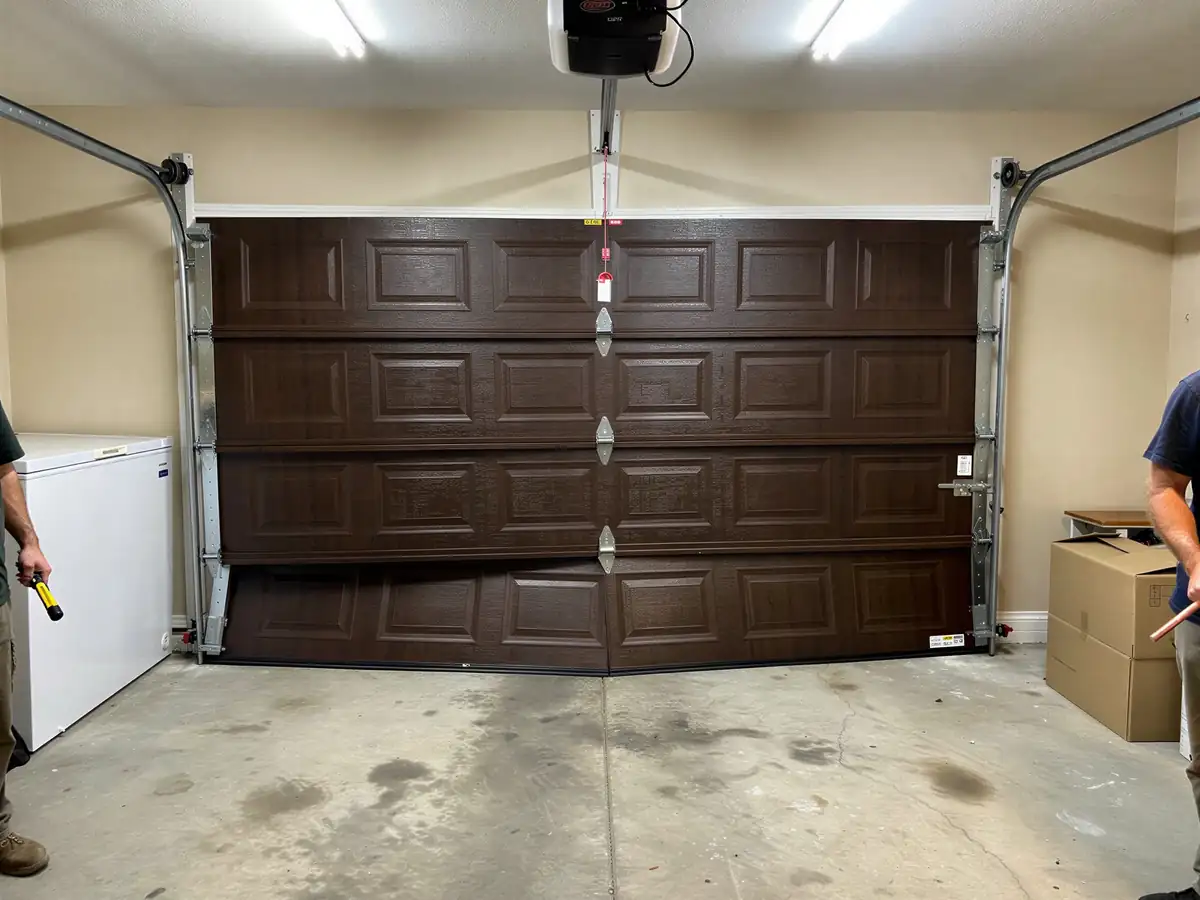
Another pattern specific to this area's older stock: bottom panels that have warped slightly from decades of cold-weather cycling, which lets the weatherstrip stop sealing evenly. You'll notice it as a line of daylight under one corner of the door, or a cold draft across the garage floor in winter.
Less common but worth mentioning - opener sensors that have drifted out of alignment over the years as the door itself has settled slightly on its track. If the door reverses randomly or won't close at all, check the two sensors near the floor on each side of the track before assuming the opener itself failed.