How We Fix It
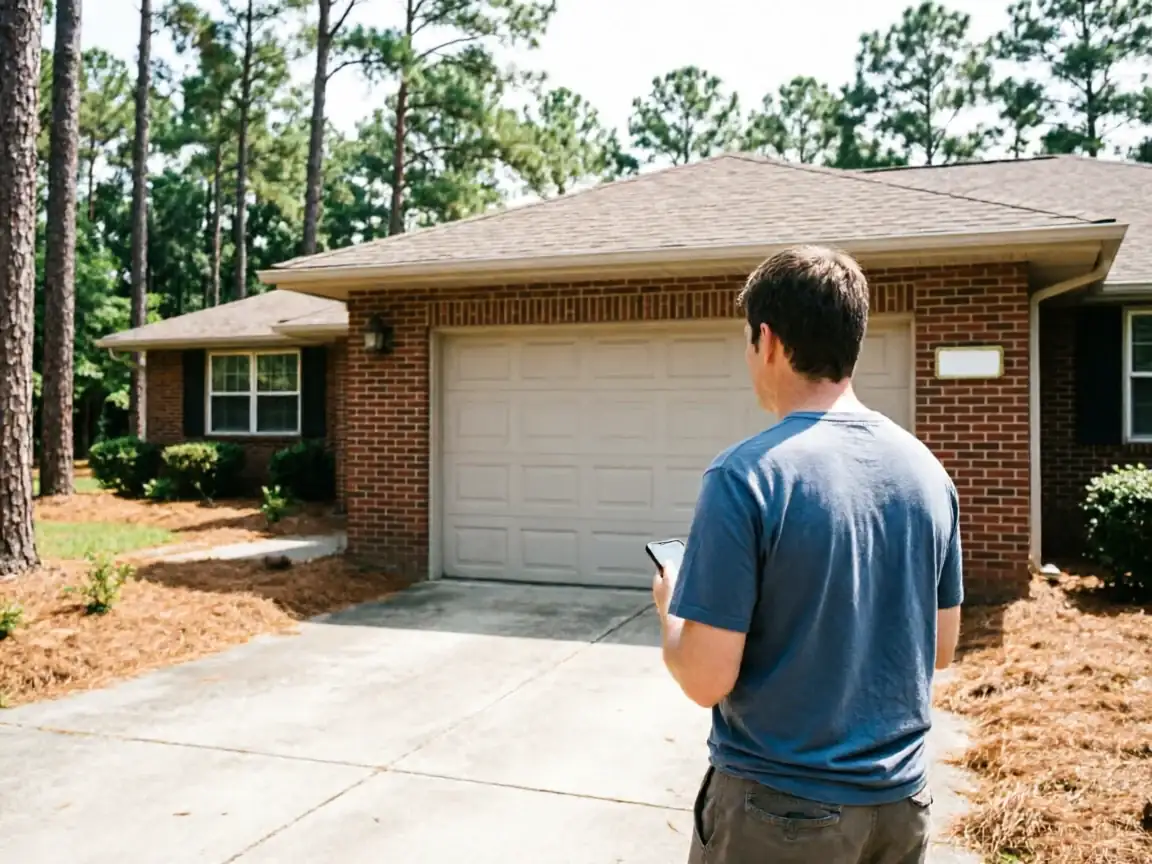
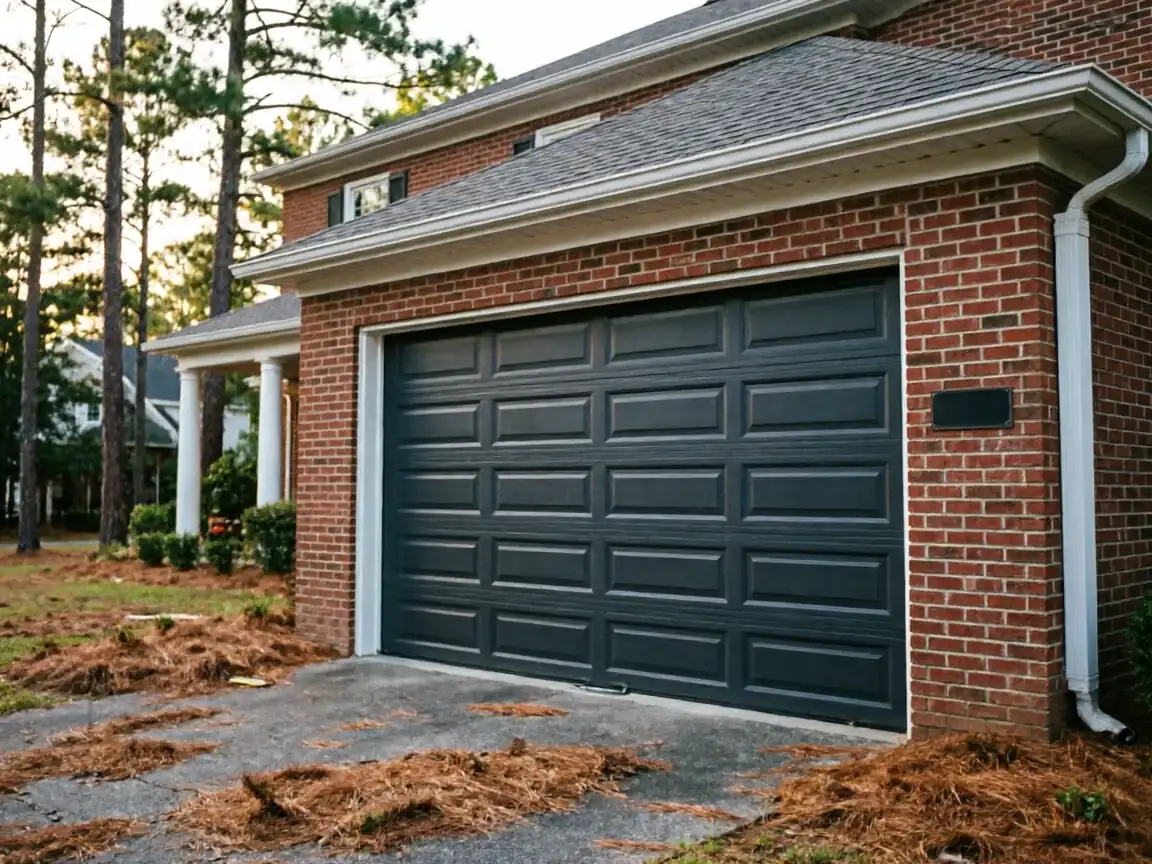
Middleburg is a small place - about 383 households total - so we don't see spring failures here every week the way we do in bigger pockets of the service area. When we do get the call, it's almost always the same story: a torsion spring that's been winding and unwinding since the house was built, which around here usually means the early 1980s, since the median year built is 1982.
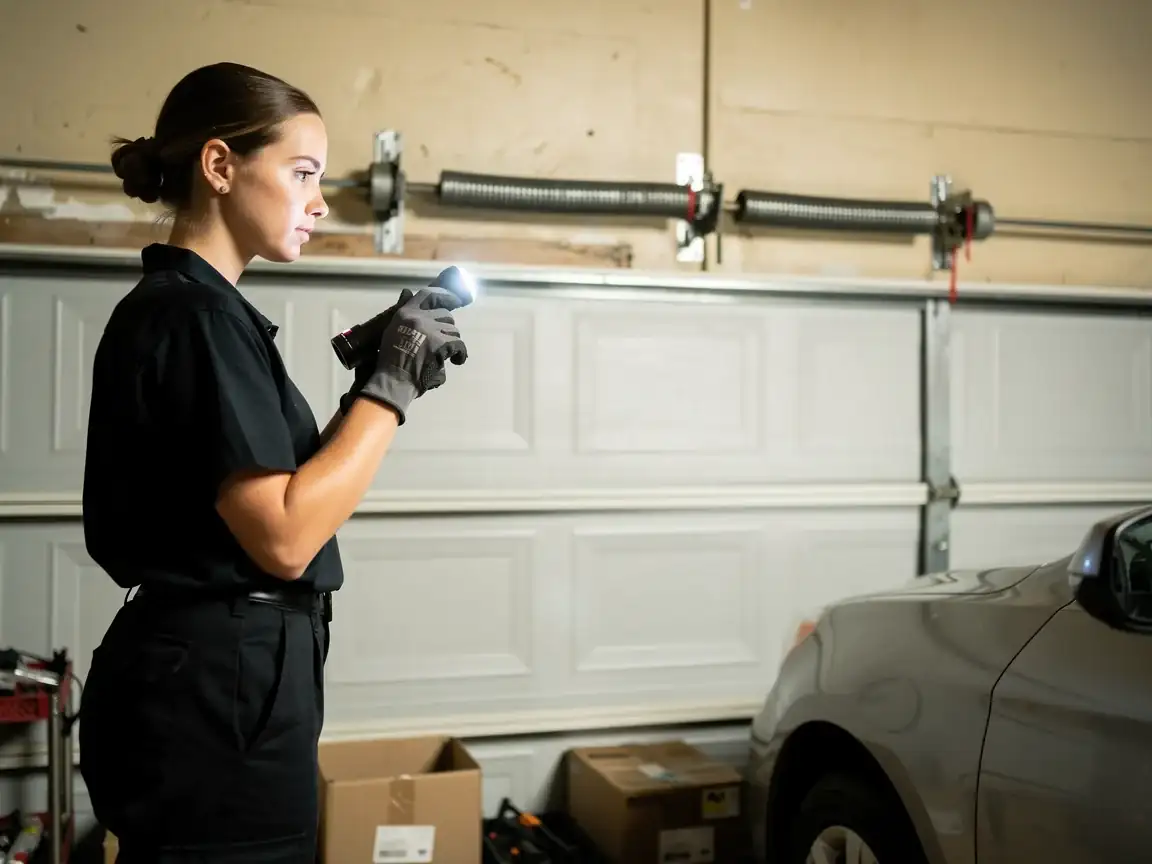
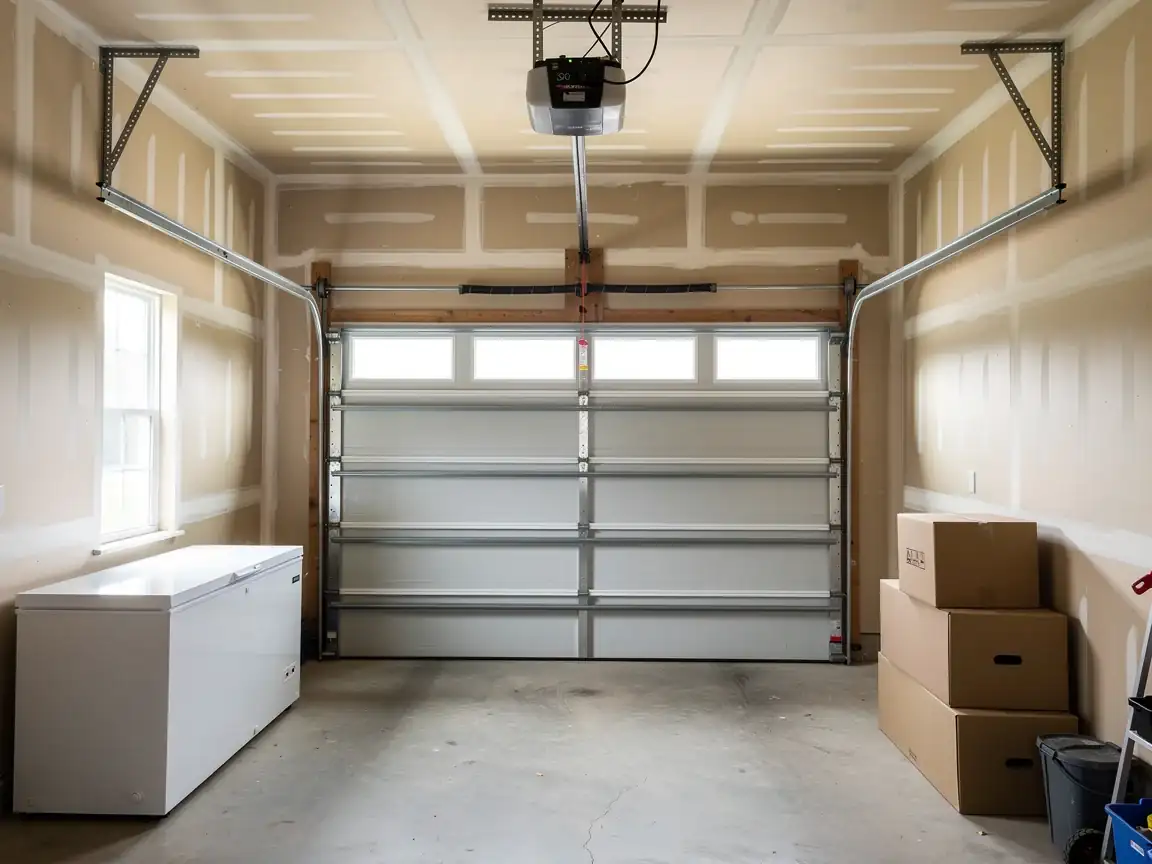
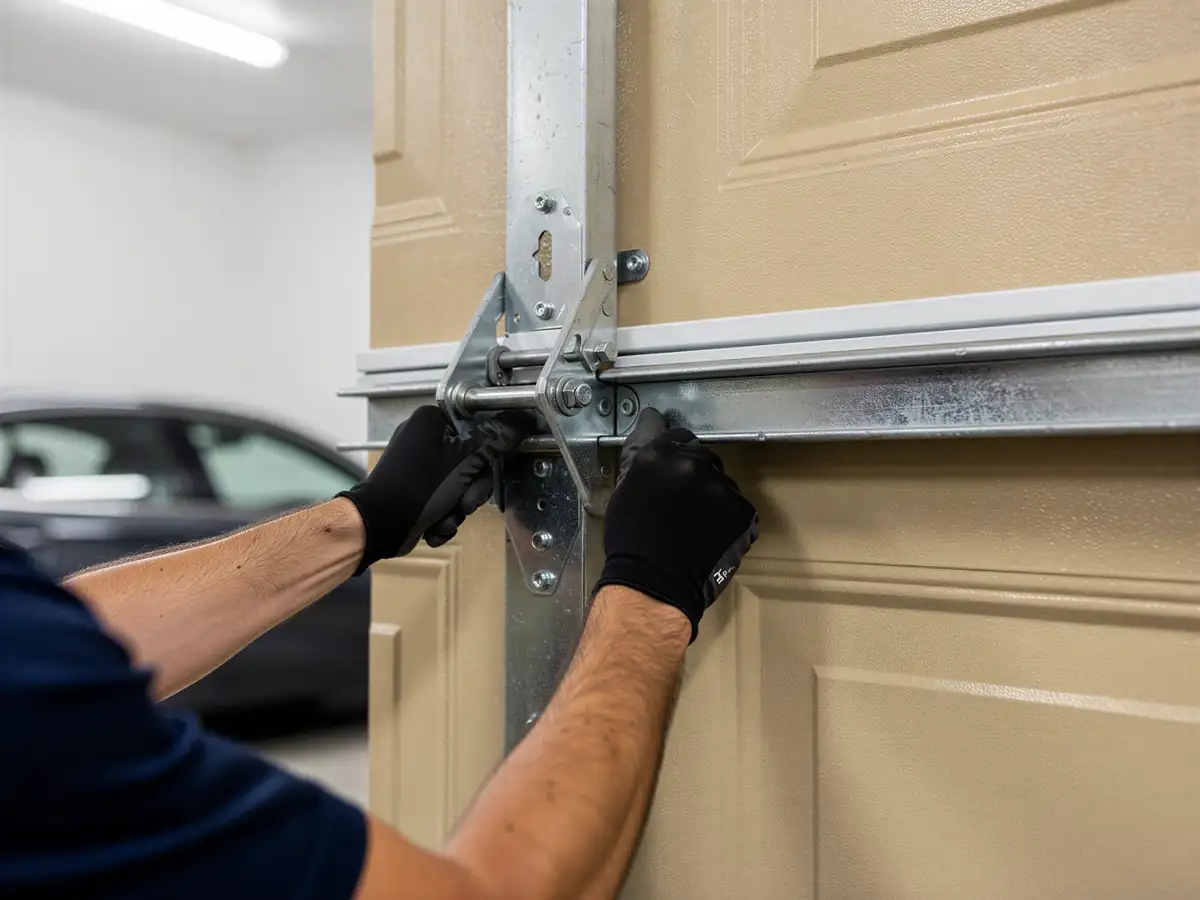
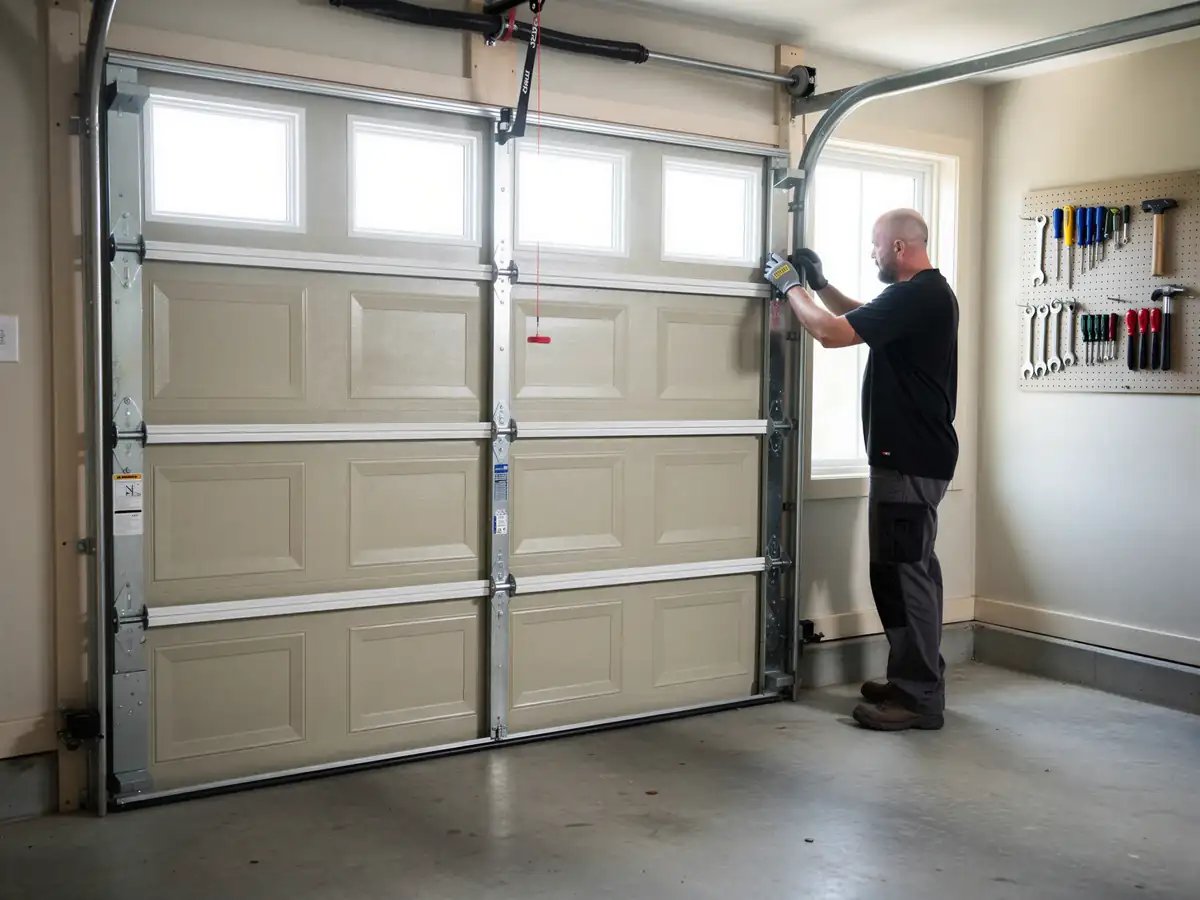
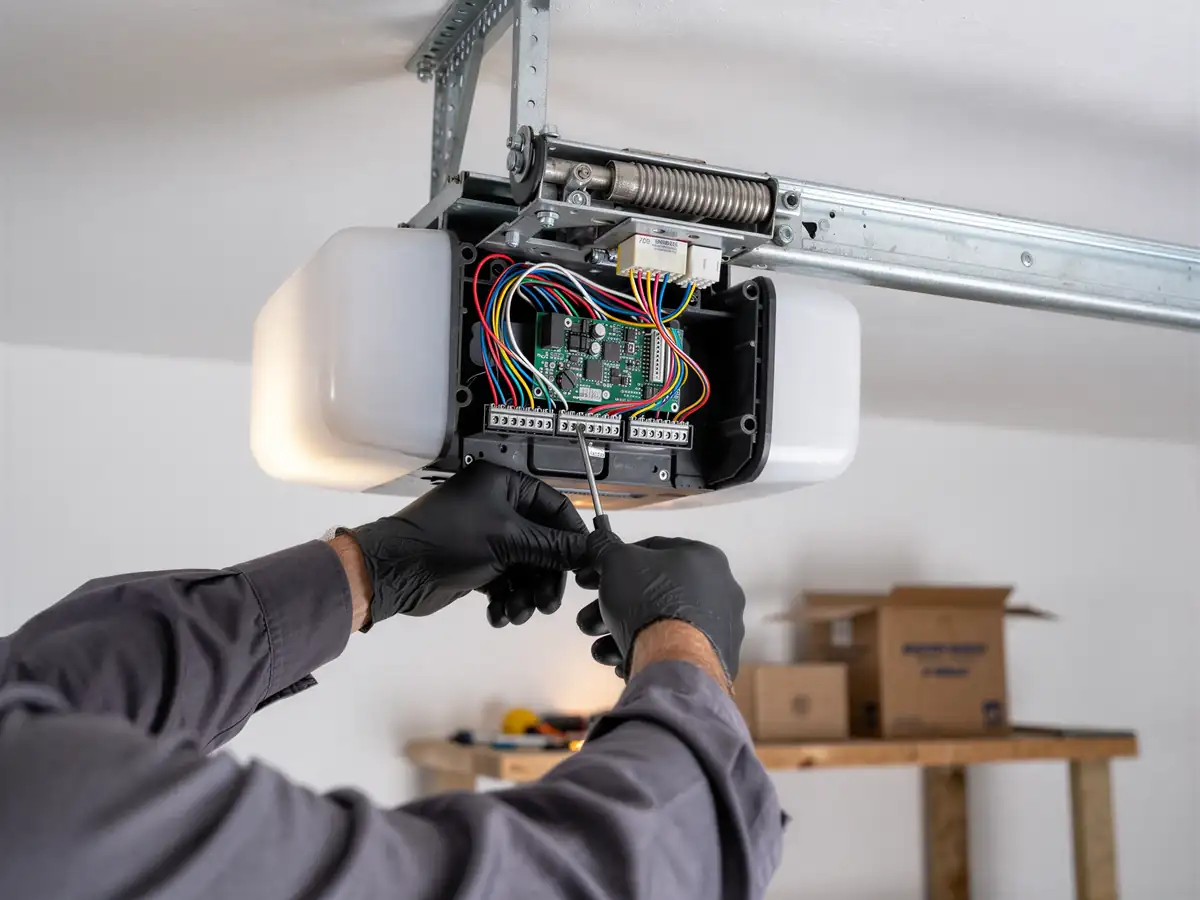
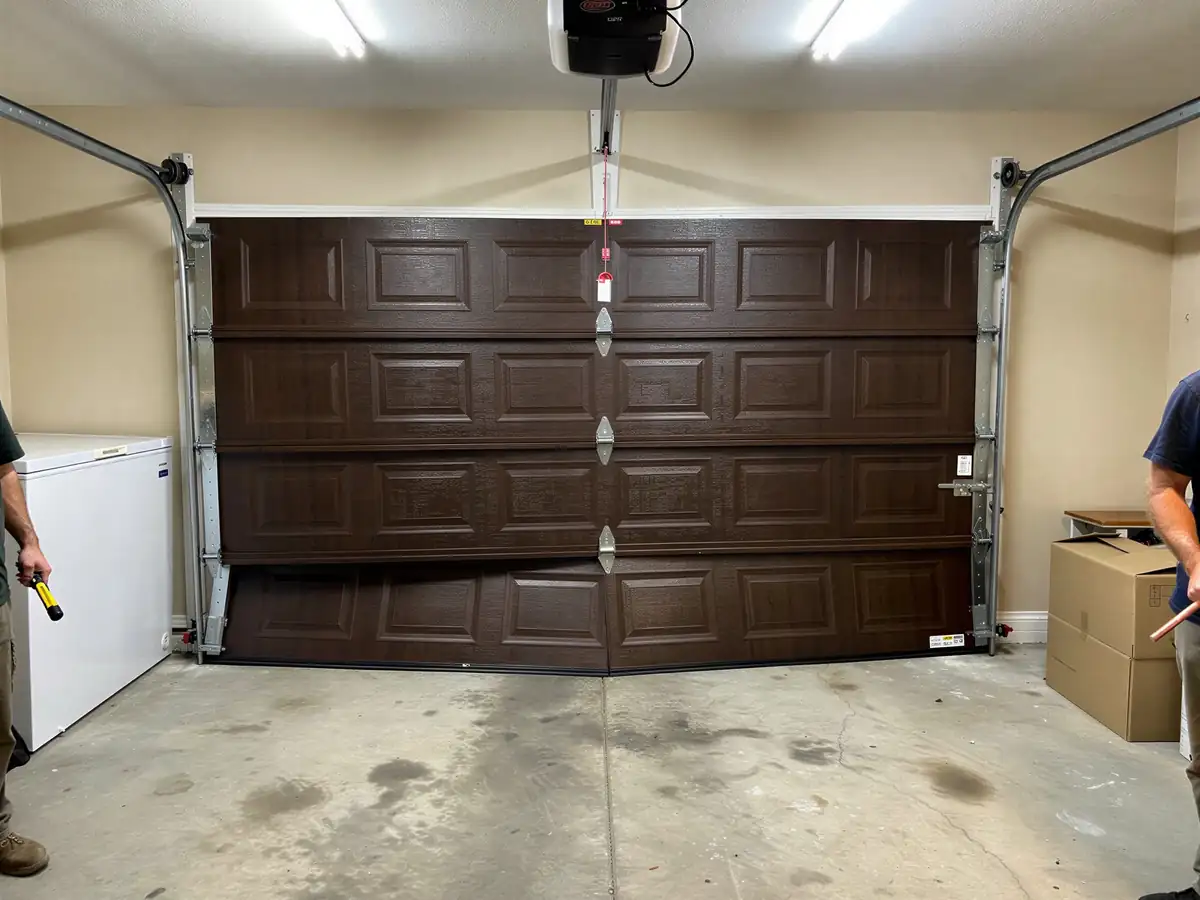
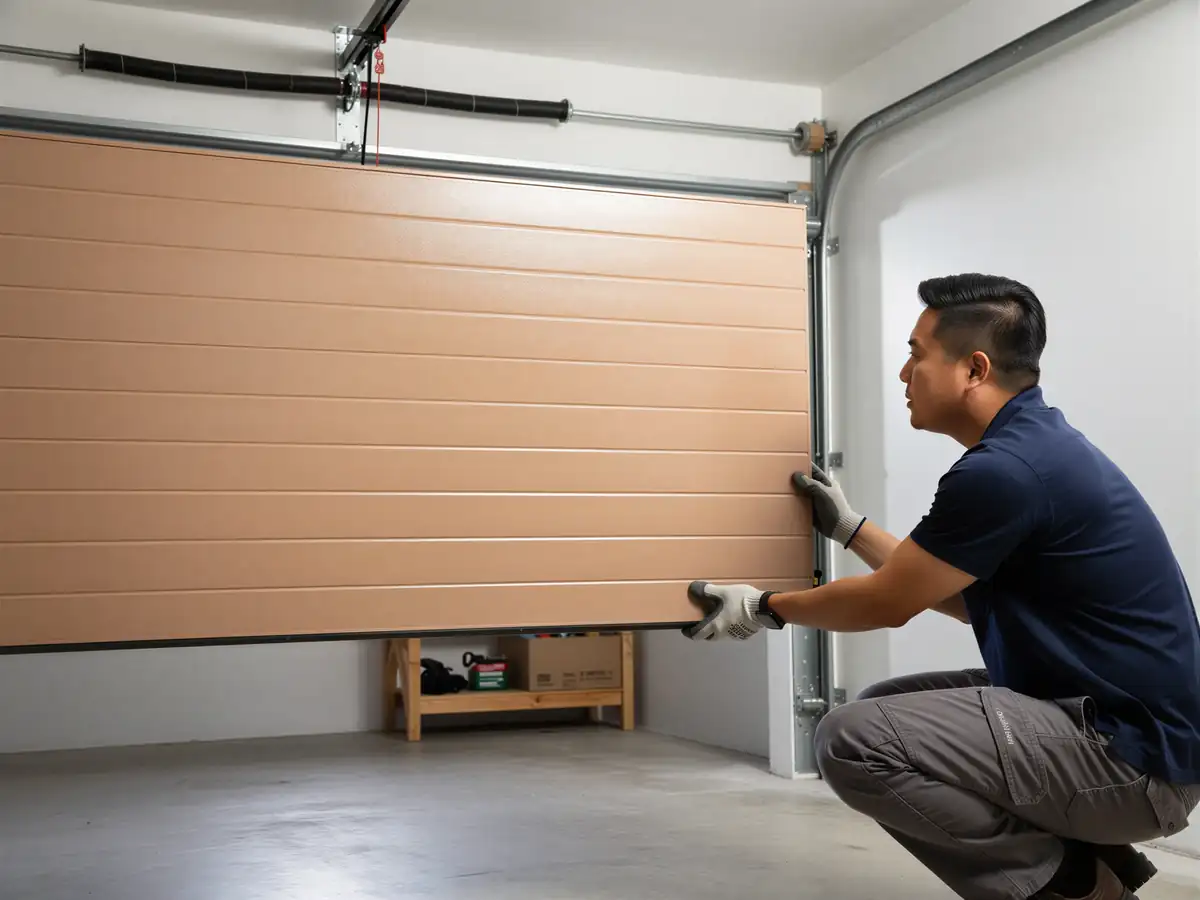
We pull the truck in from Gainesville, about 13 miles out, with spring stock sized for that era of door - standard torsion bar setups, not the newer EZ-set or jackshaft systems you'll find on houses put up in the last decade or two. We unload spring tension with a winding bar, pull the old spring off the center bracket, measure wire diameter and wind length against the door weight, and set the new spring to match. On a double door with two springs, we replace both even if only one broke - the other is carrying the same hours and is close behind.
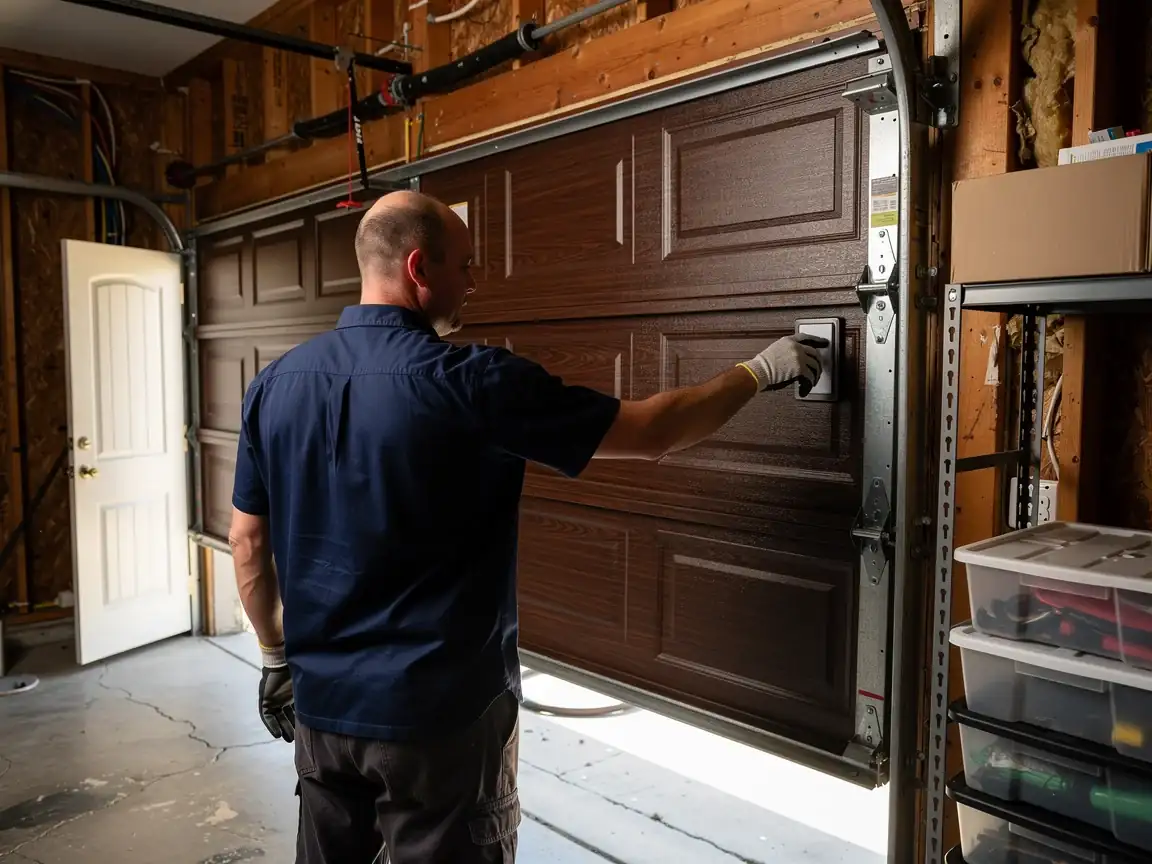
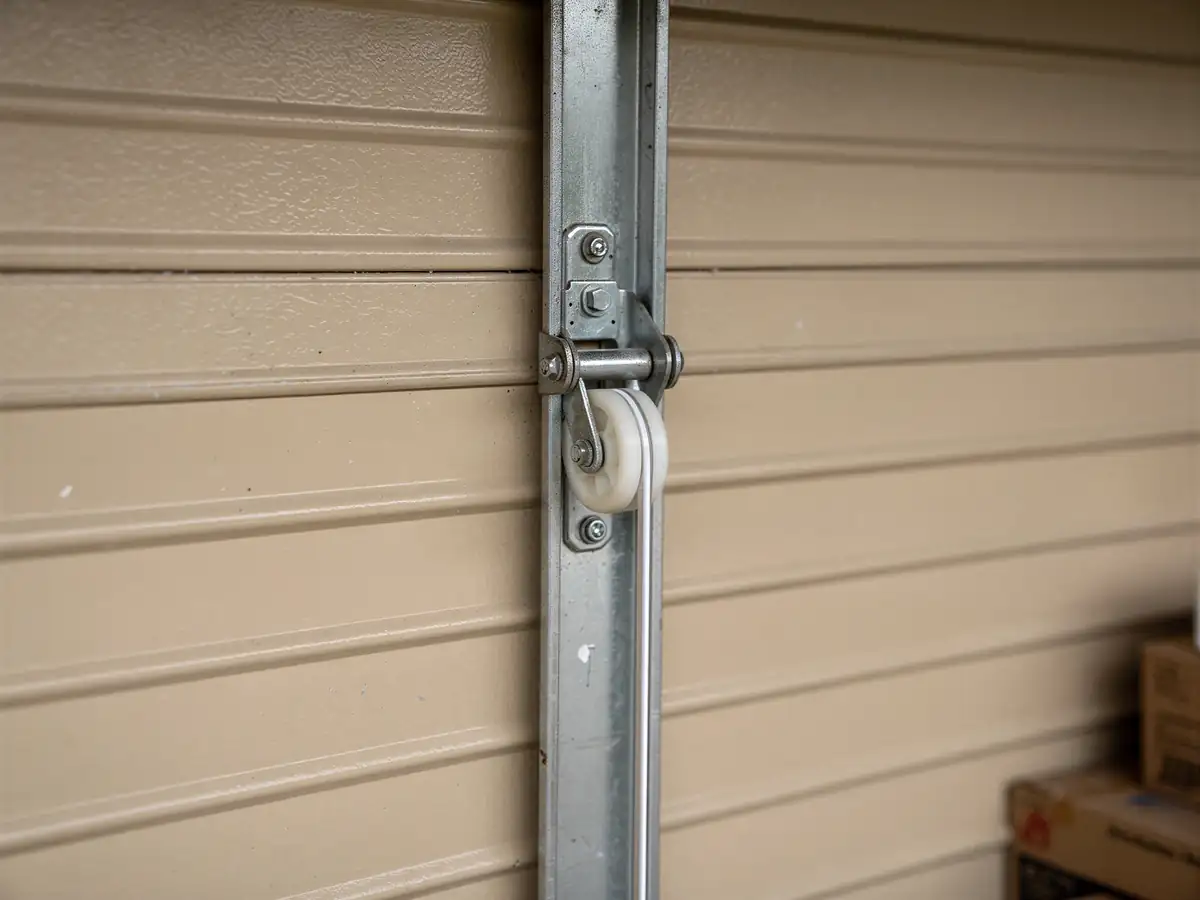
We check the cable drums, the bearing plate, and the track alignment while the door's open, since a dead spring often means something else nearby was also worth a look.
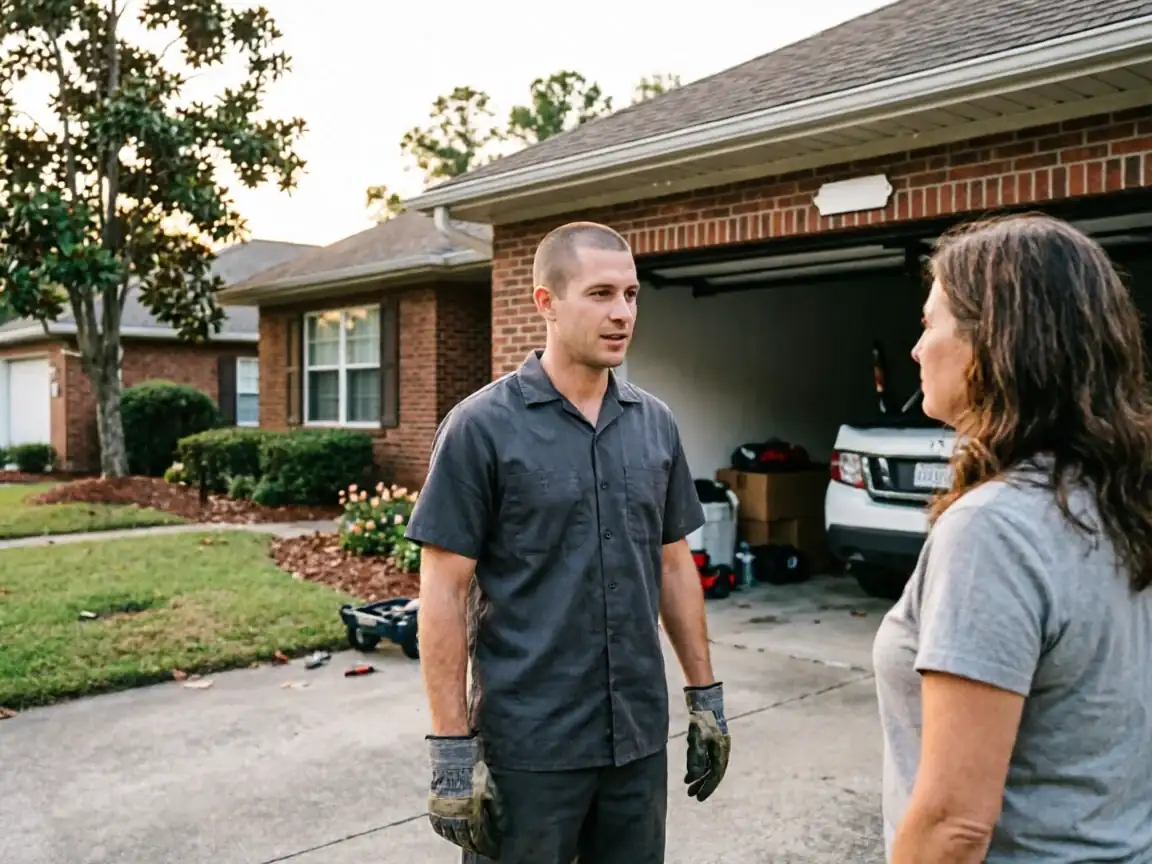
A broken spring on an older torsion system is a same-day fix once we're on site - the labor isn't the hard part. The waiting is almost always on the spring size and whether we're carrying the right one on the truck that day.
Why This Fails Locally
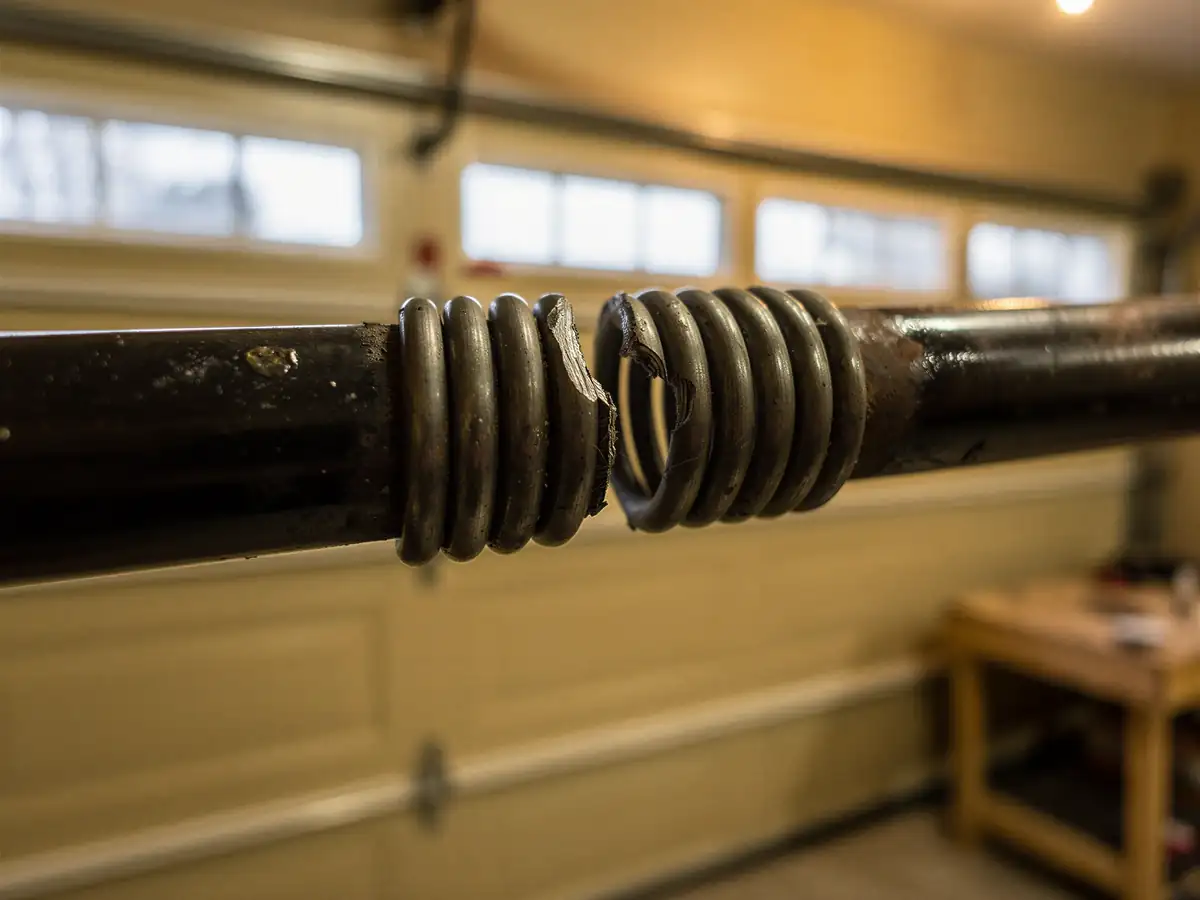
A door built around 1982 has had roughly four decades of cycles on its original spring, and torsion springs are rated for a number of cycles, not years - once a household hits that number, the spring lets go, usually without much warning beyond a loud bang or the door suddenly feeling twice as heavy.
Middleburg's cold winters add to the wear. Steel contracts in cold weather, and a spring that's already near the end of its rated life is more likely to snap on a sub-freezing morning than a mild one. We classify this as a severe cold climate band for spring and cable wear, which means the metal fatigue curve here is steeper than it would be in a milder region.
With only 383 households in town, there isn't a large enough base of recent spring failures to point to a single dominant hardware brand or defect - the common thread is simply age. Houses built in that early-1980s window are now reaching or past the point where an original spring, even a good one, is overdue.
Doing It Yourself
We'll say this plainly: don't try to replace a torsion spring yourself
These springs are wound under several hundred pounds of pulling force, and the winding bars and clamps that hold that tension safely aren't something most homeowners have on hand or have practiced with. A spring that slips off a winding bar can break a wrist or worse.
What you can safely check yourself
Look at the spring for visible gaps in the coil (a sign it's already separated), listen for grinding or popping when the door runs, and note whether the door feels noticeably heavier to lift by hand than it used to. All three are early warning signs worth a call before the spring actually snaps and the door comes down hard.
If your door is original to a house built in the early 1980s and you've never had the spring replaced
That alone is worth scheduling a look, even with no symptoms yet.
The Cost of This Job
We don't have a published price list for Middleburg specific work here, and we'd rather not guess at a number than hand you a figure that doesn't hold up once we're actually on site. Spring size, whether it's a single or double door, and whether both springs need replacing all move the number.
What we can tell you is how the trip factors in: Middleburg sits about 13 miles from our Gainesville base, which is close enough that it doesn't meaningfully change the job versus closer towns in the service area. The honest limitation is scheduling - because call volume from a town this size is lower, we're not routing through Middleburg daily, so a same-day fix depends on what else is already on the truck's route that day. A next-day appointment is more typical than a same-hour one.