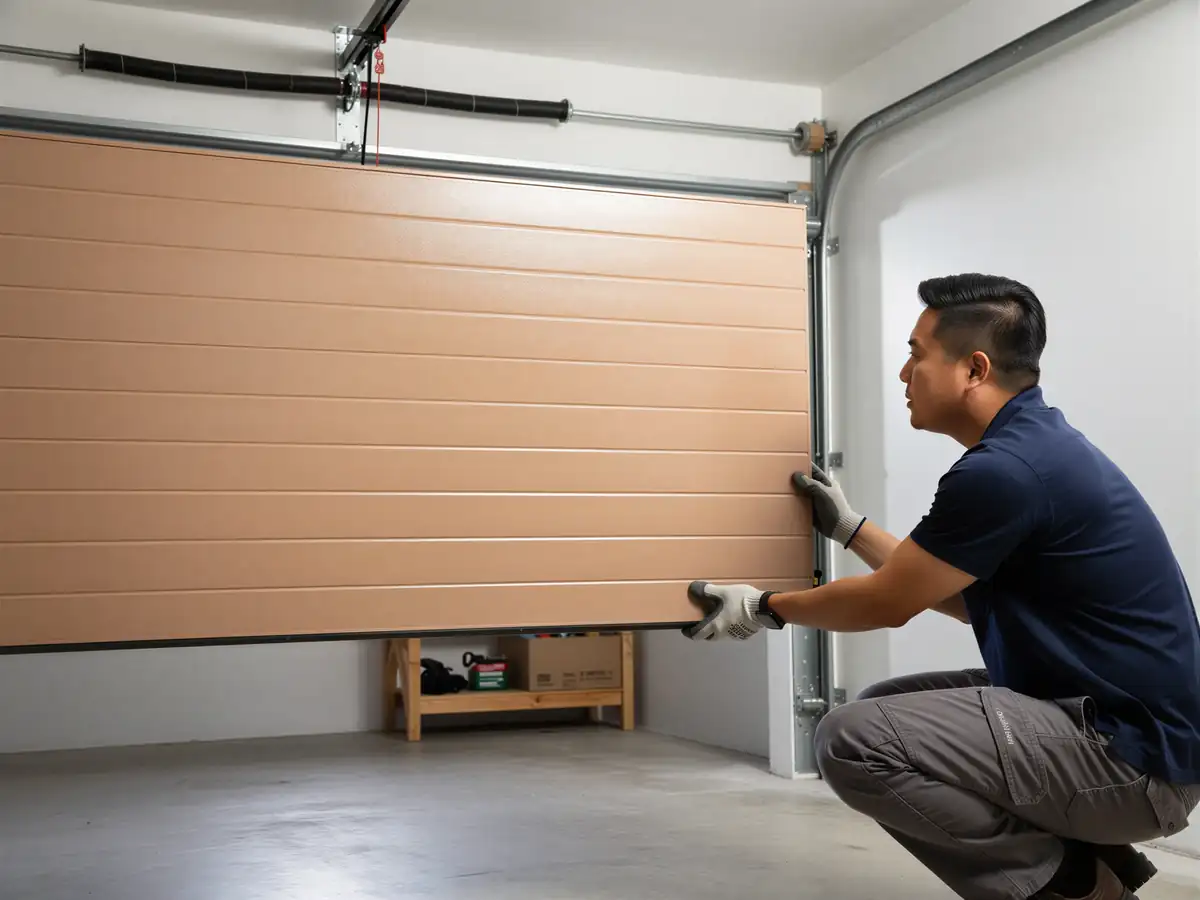
How We Fix It
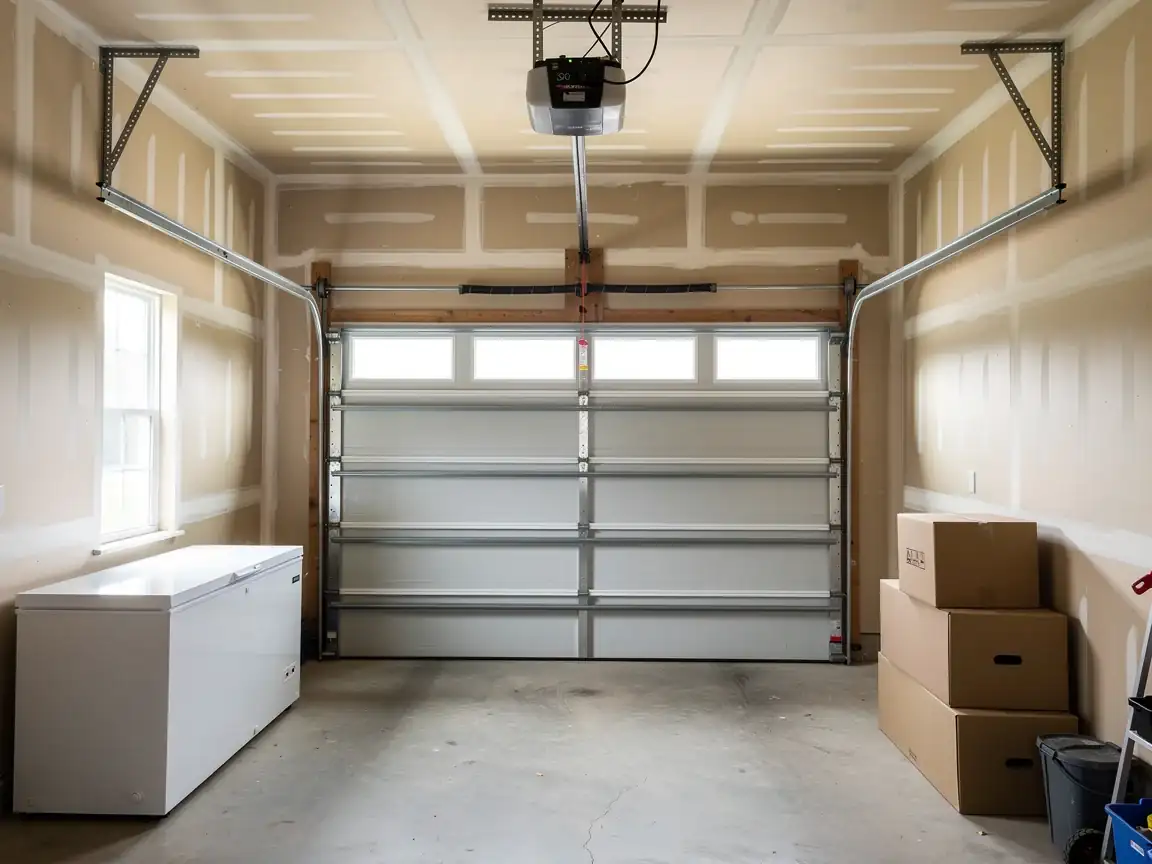
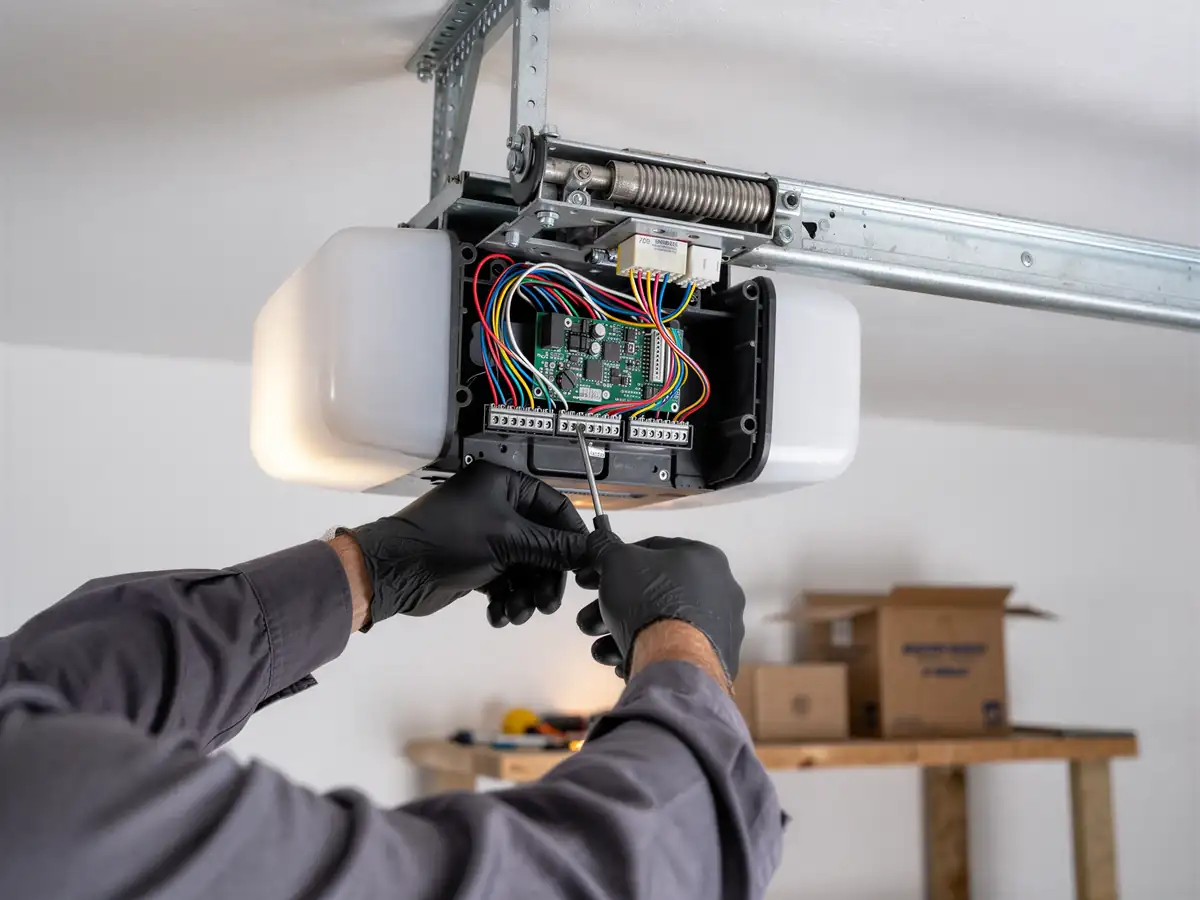
Middleburg's median year built sits right at 1982, which tells us a lot before we even open the opener housing. A door that age typically runs a chain-drive unit with a relay-logic board, not the digital boards you'd find on anything installed in the last fifteen years. These units fail in predictable spots: the capacitor on the circuit board dries out, the chain stretches and starts skipping the sprocket, or the limit switches drift so the door reverses before it's fully closed.
We start by running the opener through its full cycle and listening. A grinding chain sound is different from a motor that hums but doesn't turn the gear - the first is mechanical, the second is almost always the drive gear itself stripped out of nylon teeth, a known weak point on units this old. If the board is the problem, we test the logic circuit directly rather than guessing, because swapping a whole opener on a house where the wiring and travel settings were set up for a 1980s-era door can create new problems with modern safety sensor alignment.
For the roughly 383 households we track in this part of the service area, a fair number still run original or first-replacement openers from that build era. We carry parts that fit these older drive systems, but we won't pretend every board is in stock - some obsolete relay boards take a special order, and we'll tell you that up front instead of holding your door hostage for a week without warning.
Why This Fails Locally
Middleburg sits in a severe cold climate band, and that matters more for an opener than people expect. Grease inside a 1980s chain-drive unit thickens in sustained cold, which makes the motor work harder on every cycle. Over enough winters, that extra load is what finally burns out a weak capacitor or fries a marginal circuit board - the fault shows up in January, but the wear started building for years before.
At this area's median income of $115,724, most of the houses we see here were built to last, not built cheap, so the door panels and track are often in decent shape even when the opener itself is well past its working life. That's a specific kind of job: structurally sound door, electrically tired opener. It's a different repair than what you'd see in a neighborhood where the whole door system is the same age and failing together.
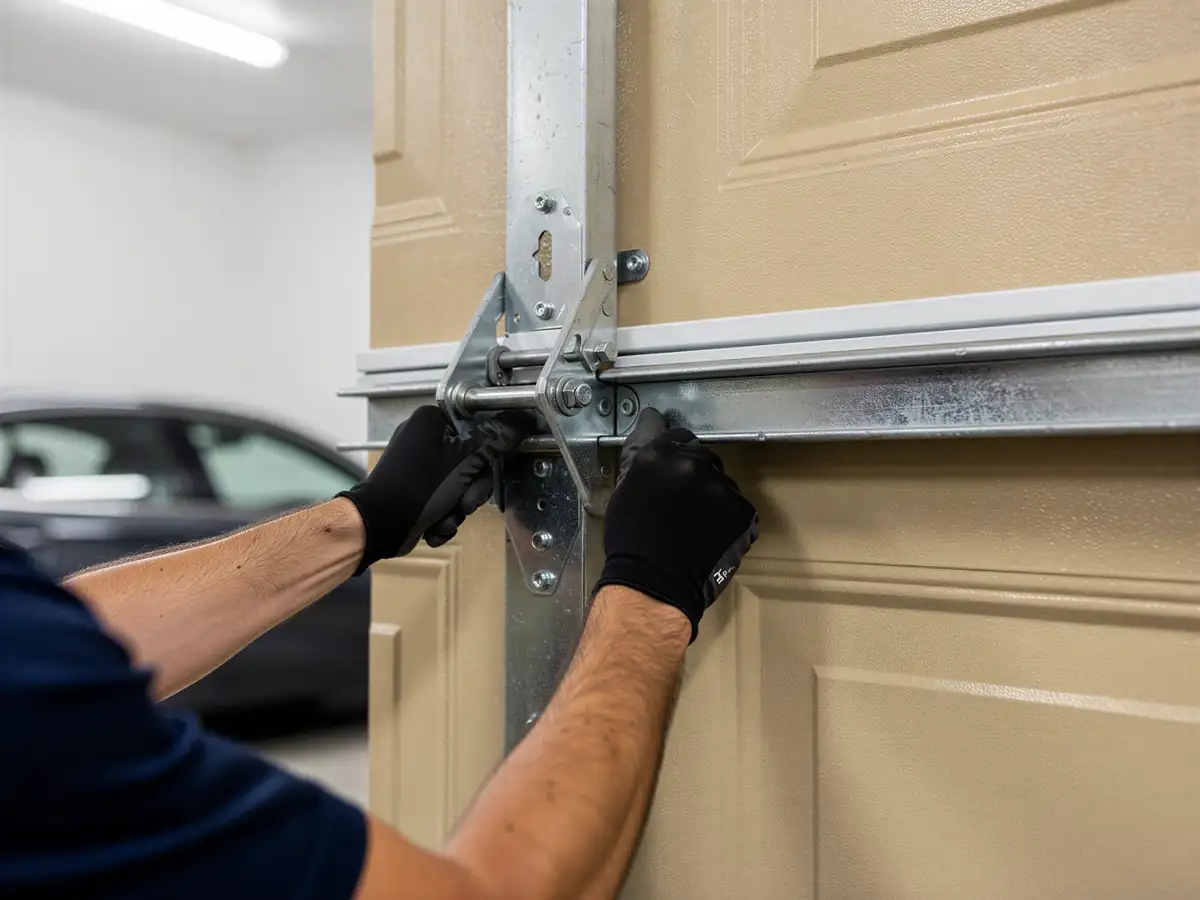
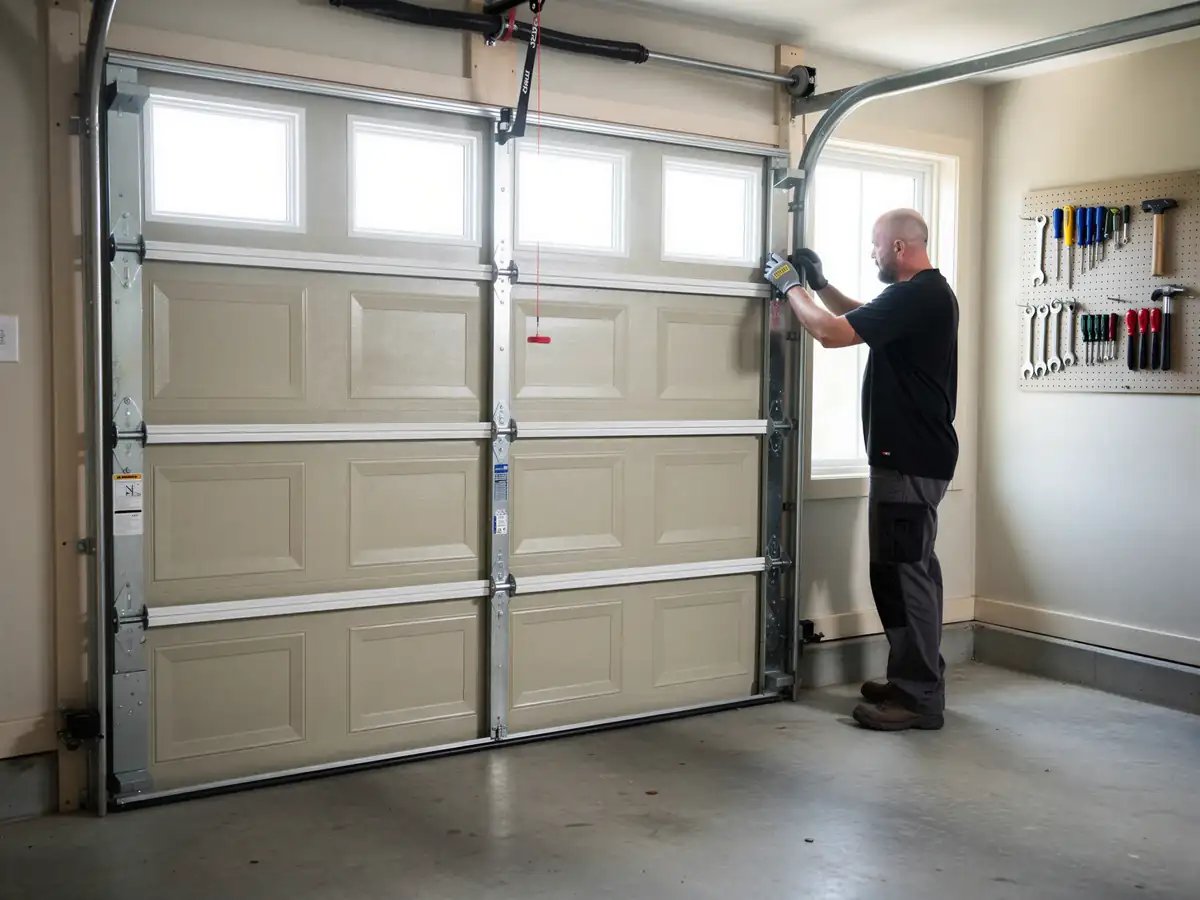
The other common local fault is a limit switch that's drifted out of adjustment from decades of thermal expansion and contraction in the garage structure. On an opener this old, those switches are mechanical, not electronic, so a half-inch of seasonal movement in the door track is enough to throw the whole system off.
Doing It Yourself
If your opener hums but the door doesn't move, check the gear and sprocket assembly before you call anyone
On these 1980s-era units, that nylon gear is a $20-30 part and a reasonable DIY swap if you're comfortable pulling the motor housing apart. Unplug the unit first; the capacitor inside can hold a charge even when the power's off.
What you should not do yourself is anything involving the logic board's safety reversal settings
If your opener predates built-in photo-eye sensors, don't try to retrofit or bypass that circuit on your own - get it looked at by someone who can test it with the door loaded, because a door that doesn't reverse on an obstruction is a real hazard, not a maintenance inconvenience.
A remote that's stopped working is usually the battery or a lost code
Both fixable in five minutes without a truck roll. A door that reverses randomly partway through closing, though, is a limit switch or board issue, and on units this old those are fiddly enough that we'd rather you not spend an afternoon chasing it before calling.
The Cost of This Job
We don't have a Middleburg-specific price list to publish, and we won't invent one. What we can tell you is how the decision usually breaks down on a house from this build era: if the motor, gearbox, and wiring are sound and it's just the board or the chain, repair makes sense. If the whole unit is original to a 1982-built house and the board is obsolete enough that parts are special-order only, replacement with a current opener often costs less in the long run than chasing down discontinued relay boards twice in three years.
We travel the 13 miles from Gainesville for this work, so there's no local branch add-on, just the drive time built into scheduling. We'll always look at the actual unit before quoting anything - an opener that looks dead from a tripped breaker costs a fraction of one that needs a full board and gear replacement, and we're not going to guess over the phone which one you've got.