How We Fix It
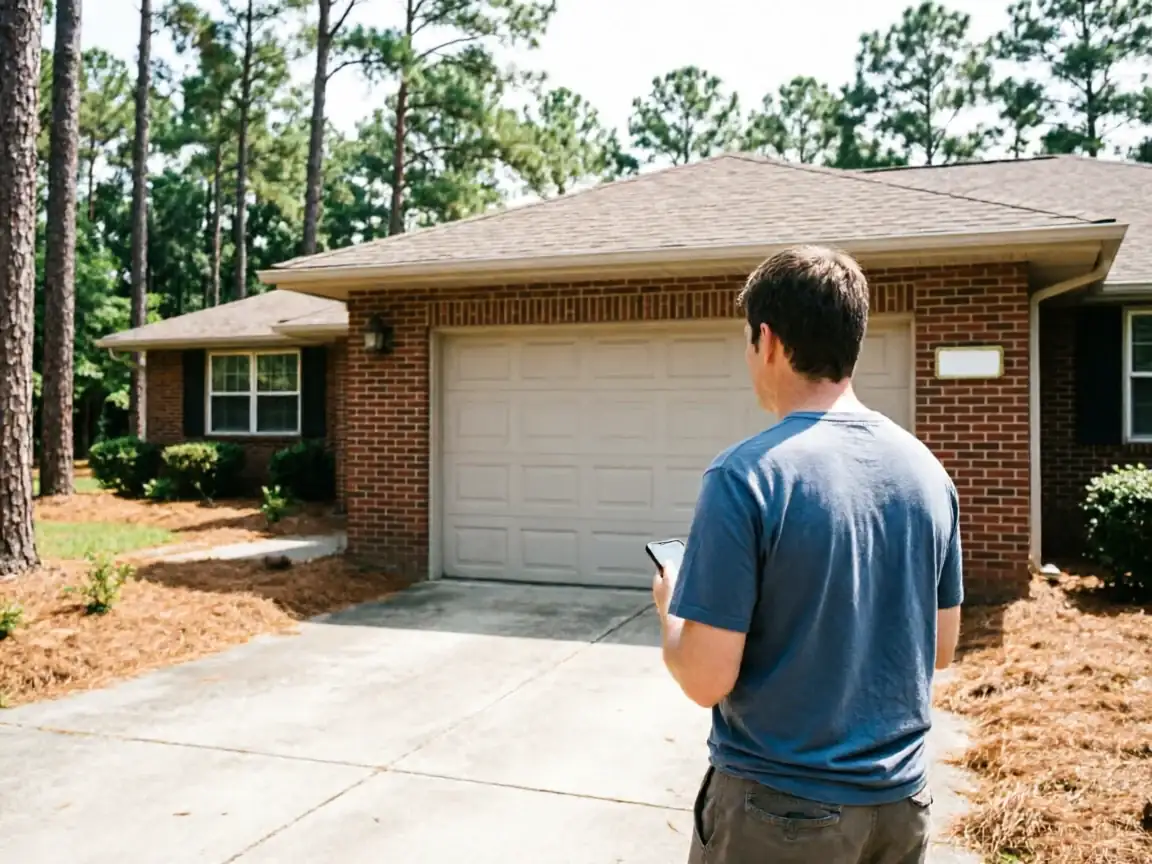
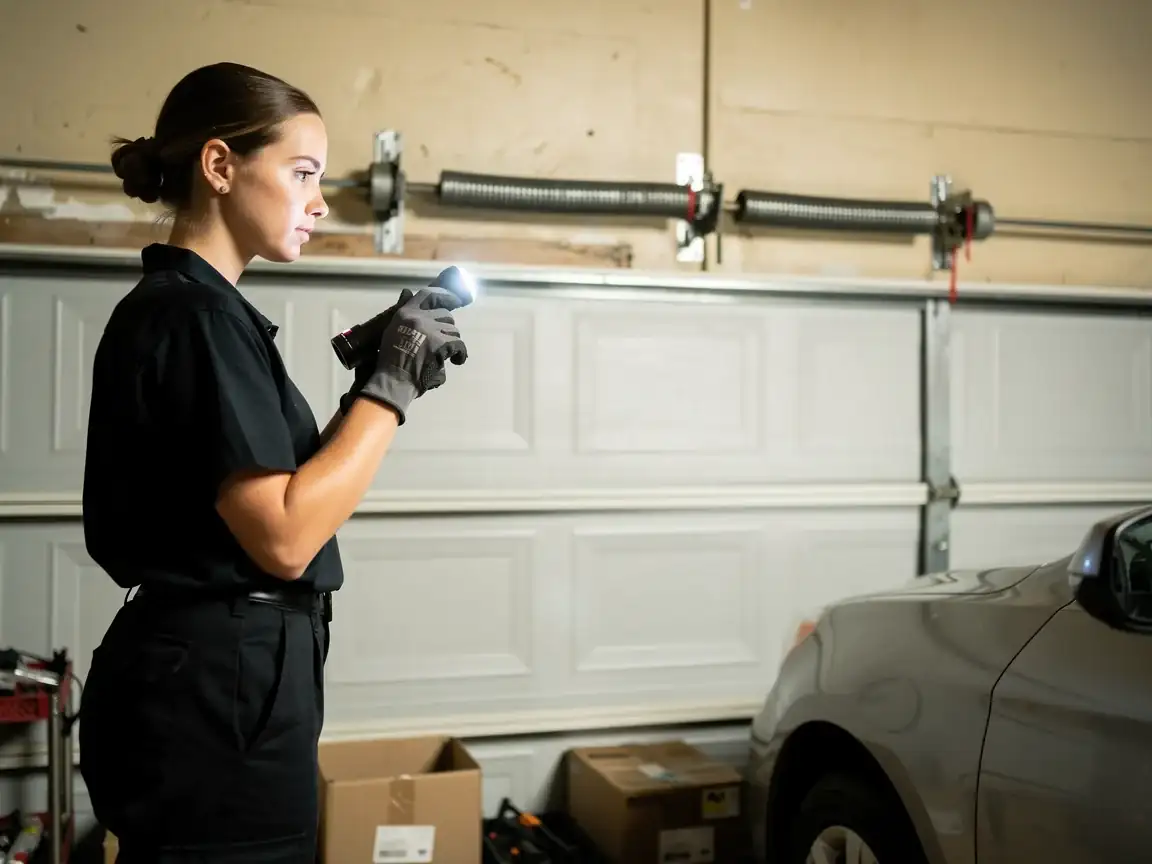
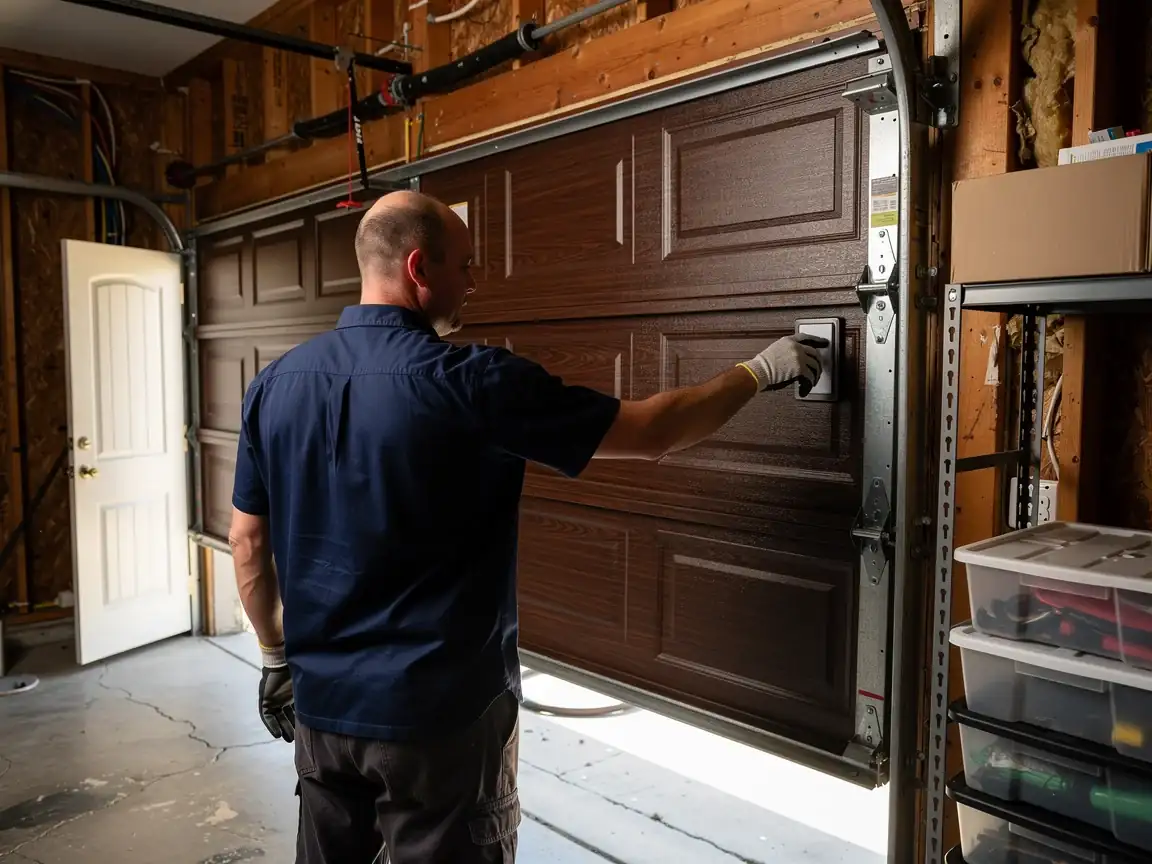
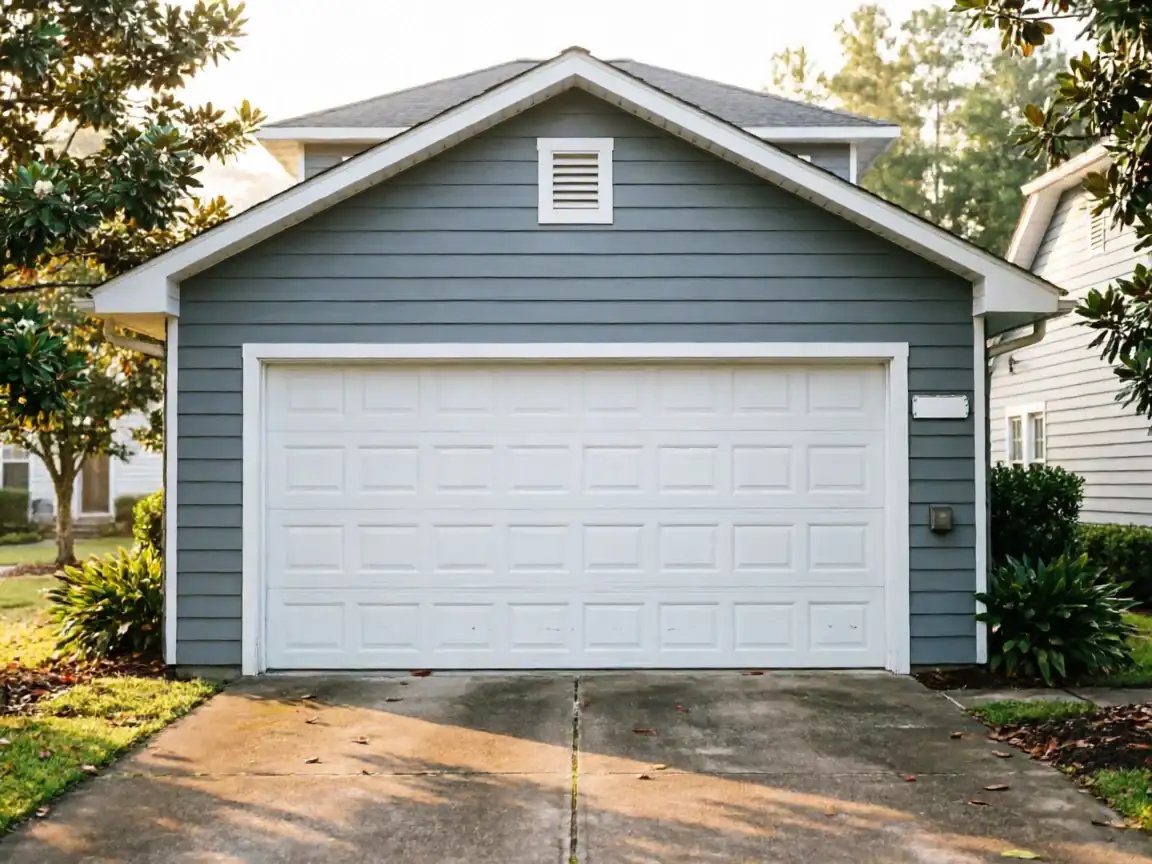
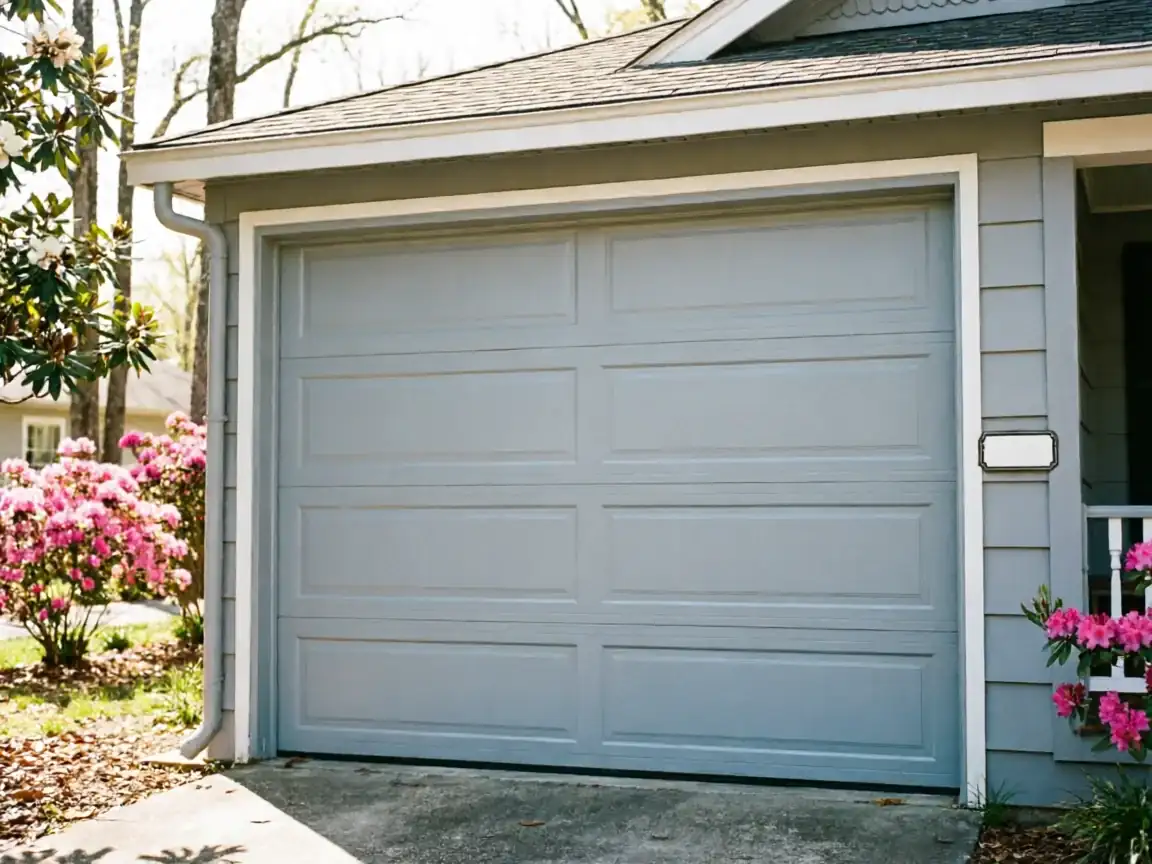
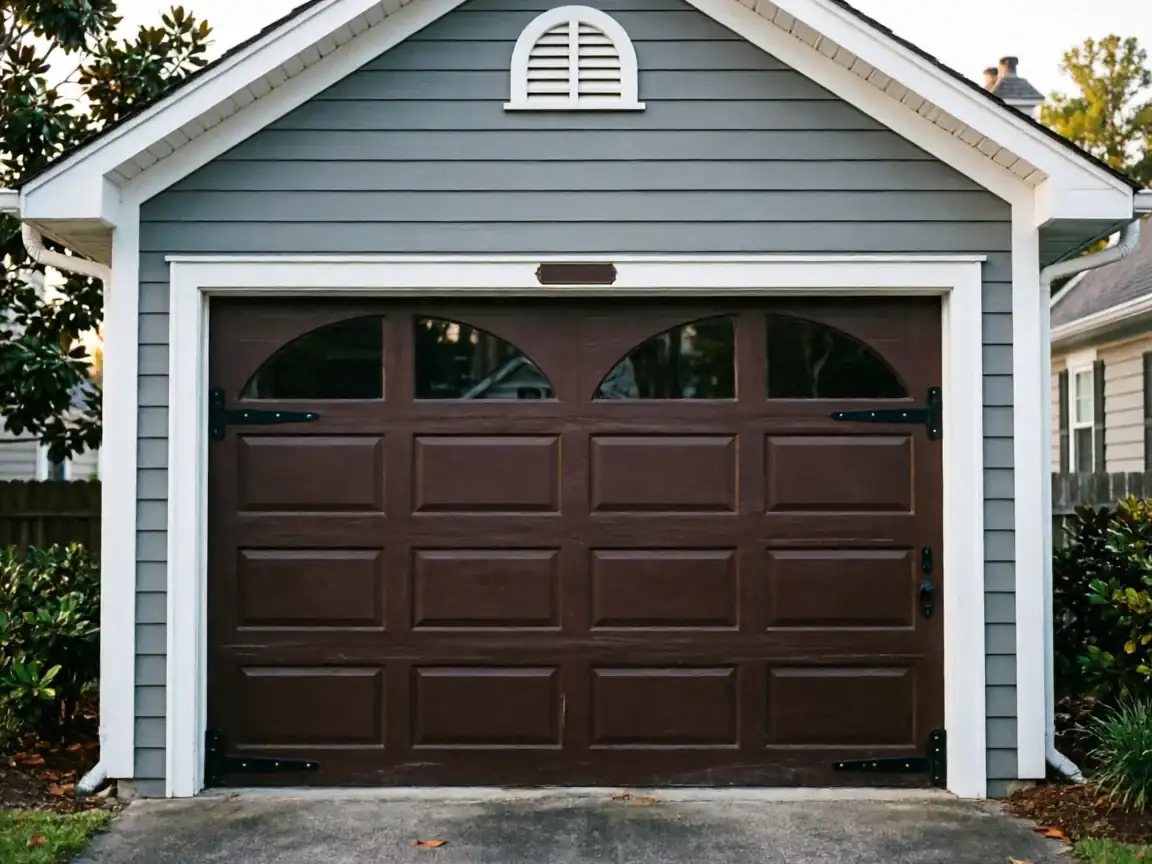
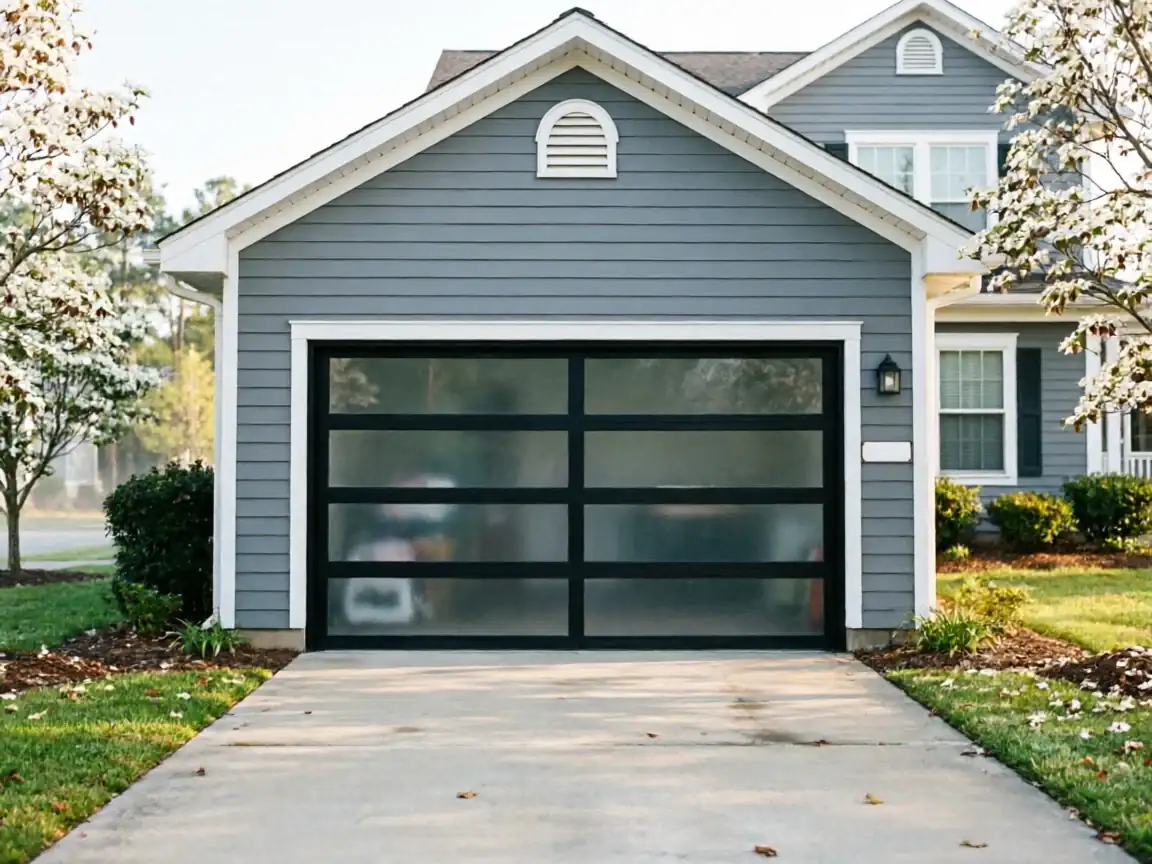
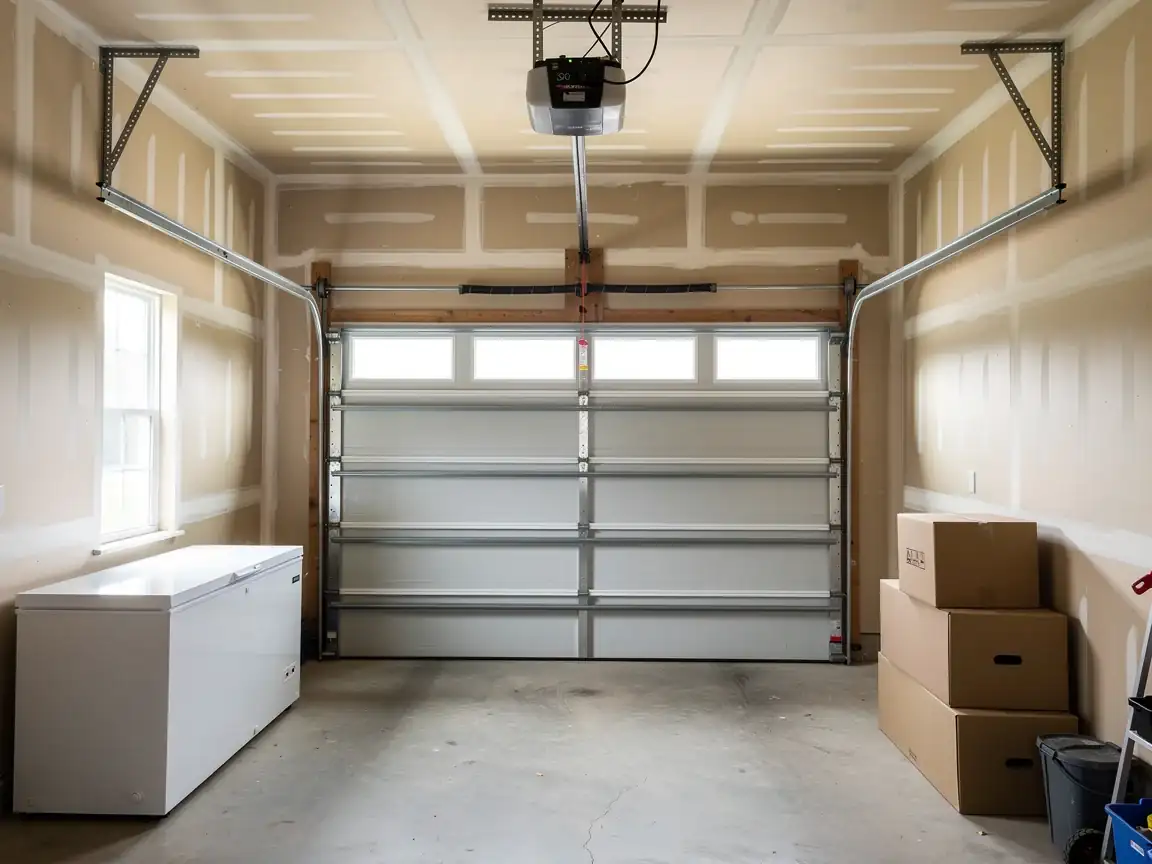
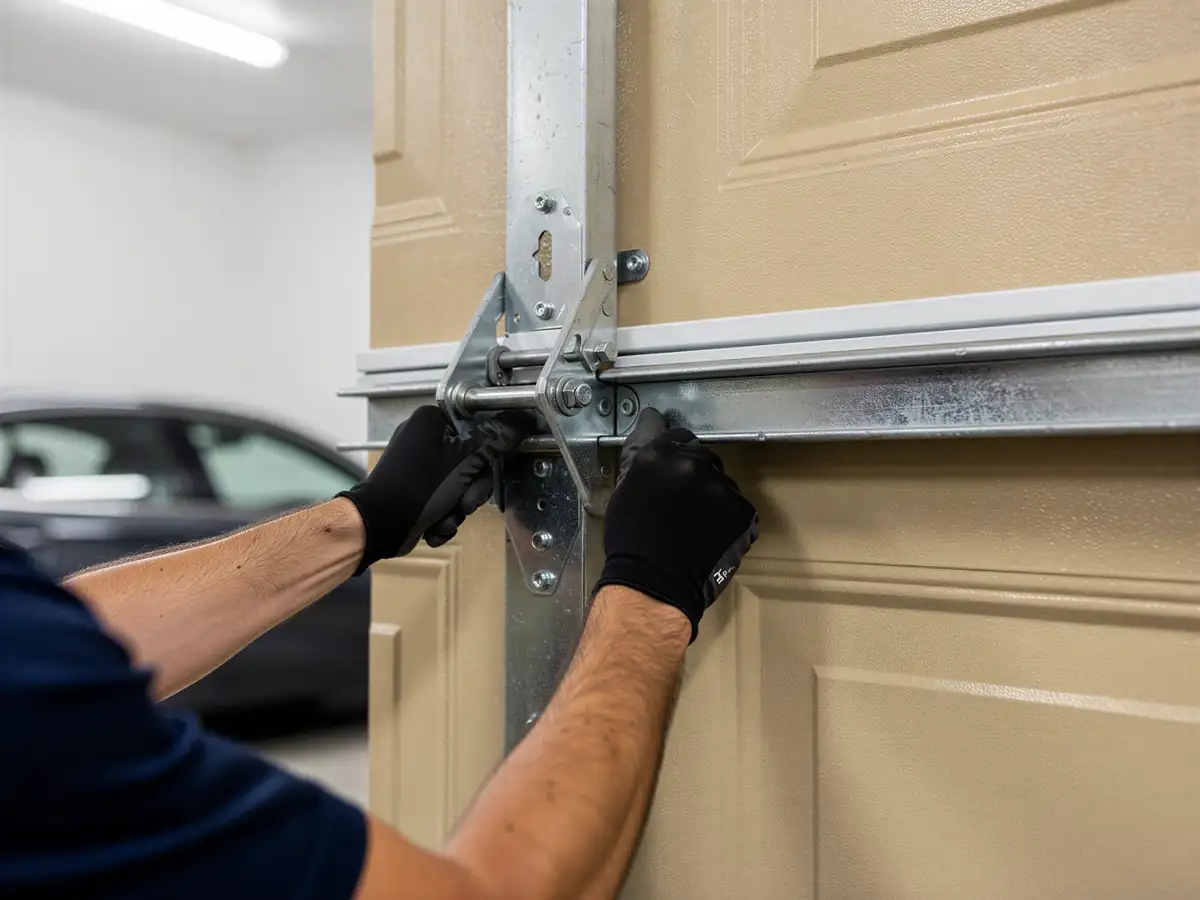
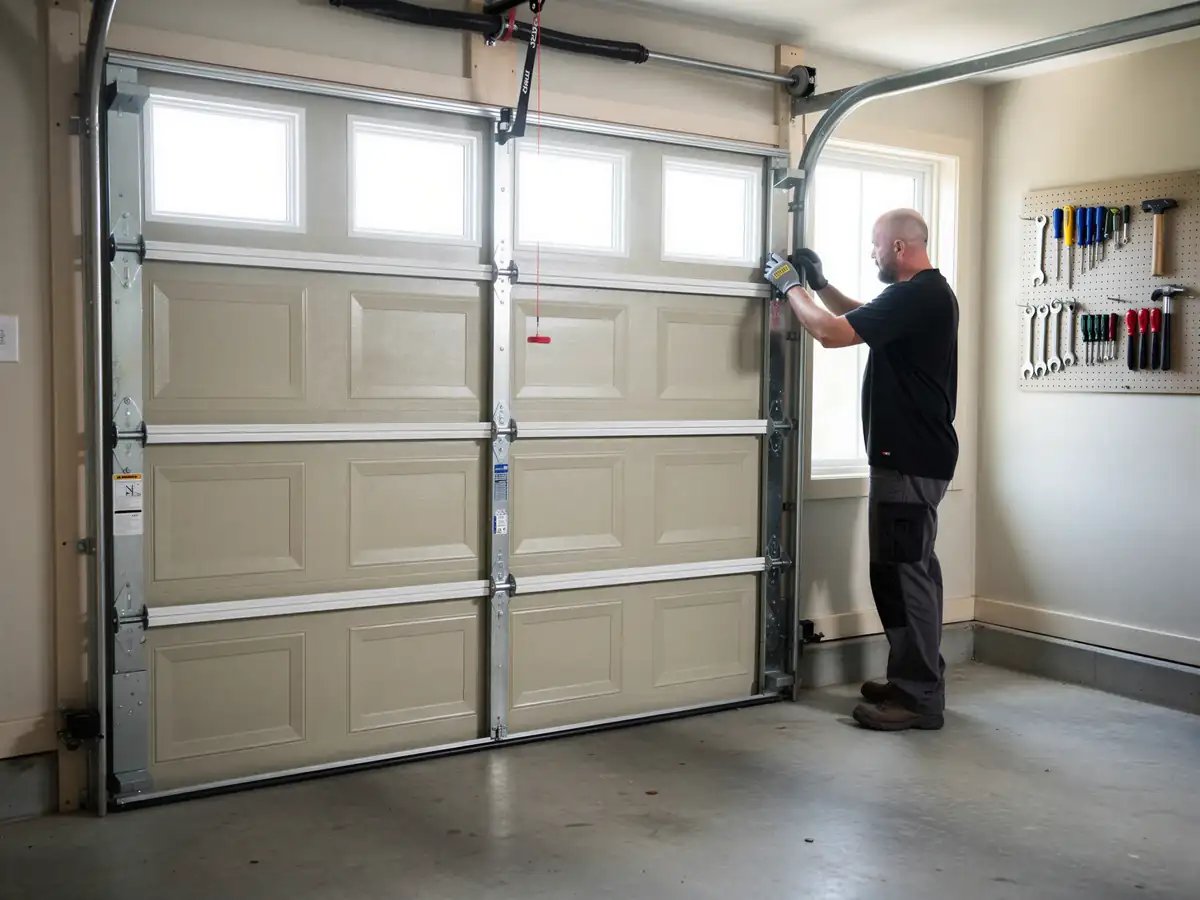
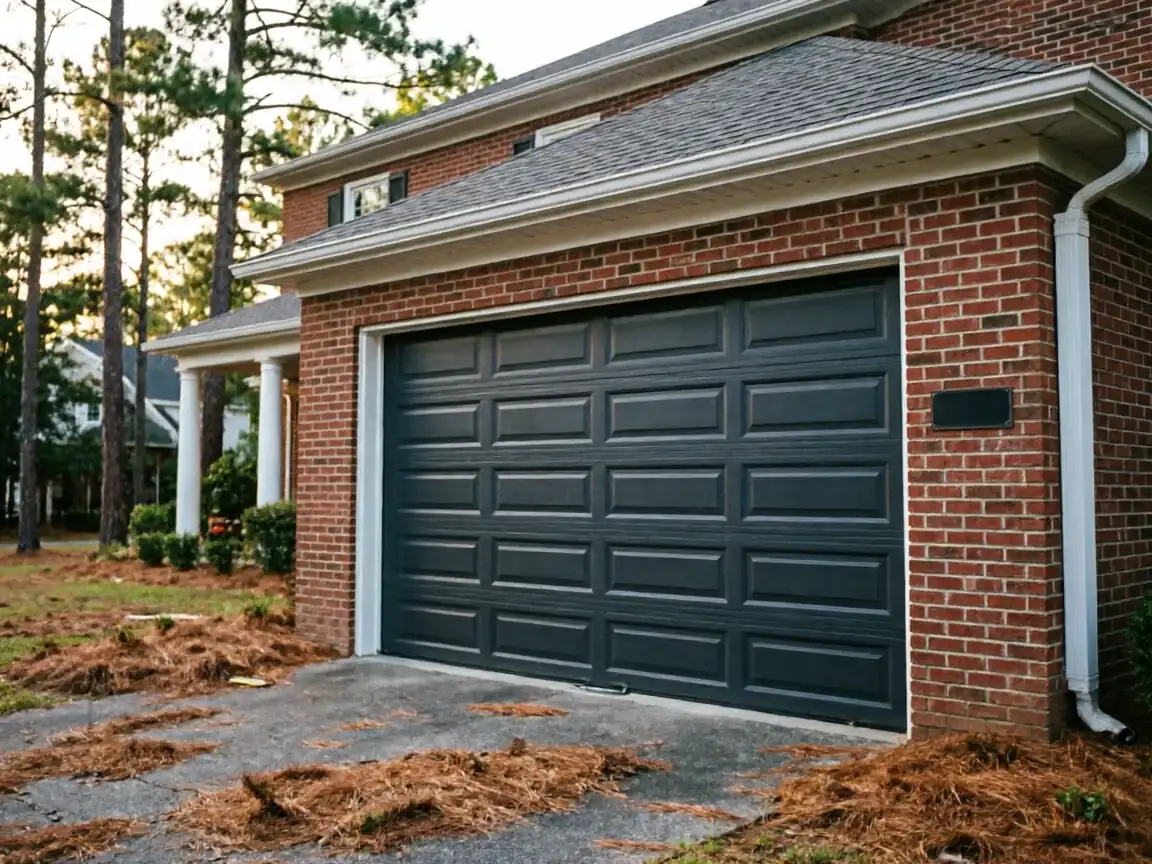
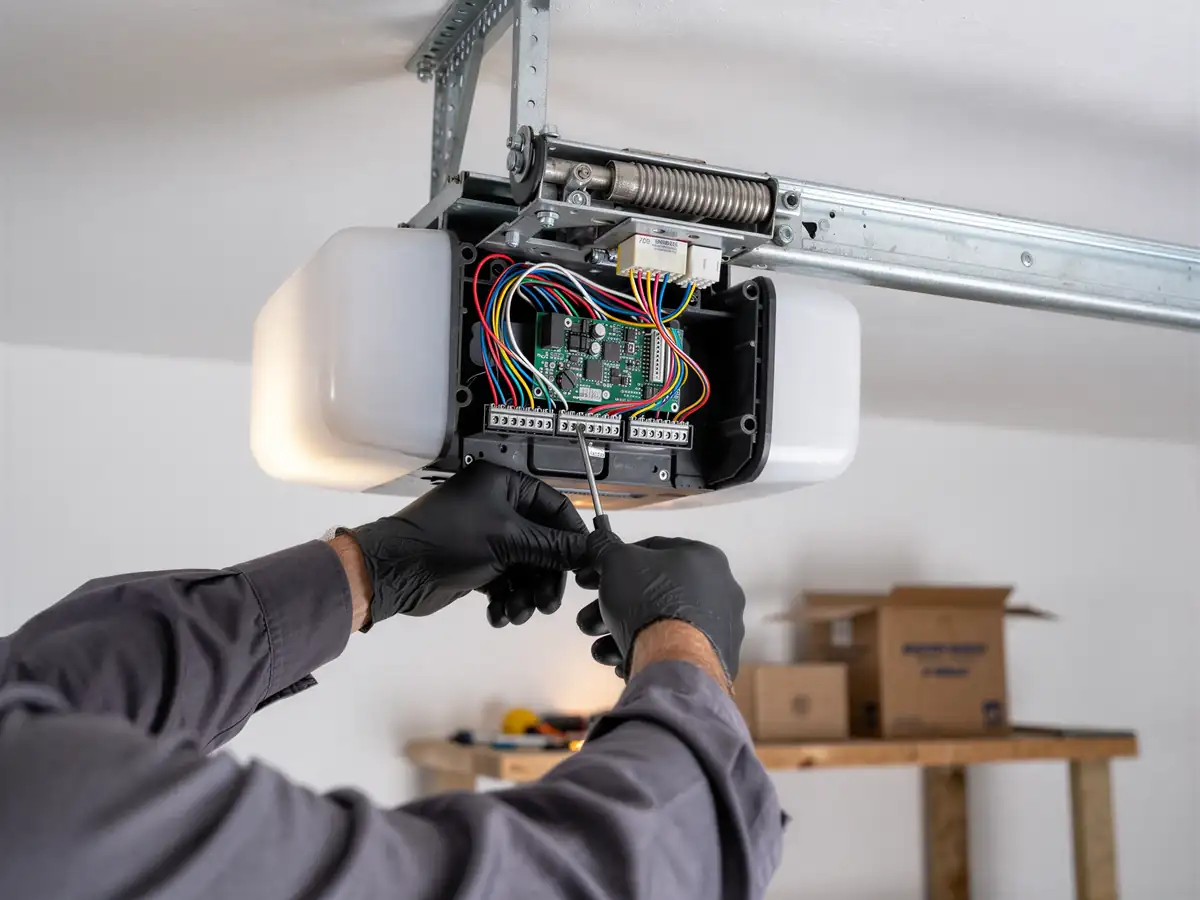
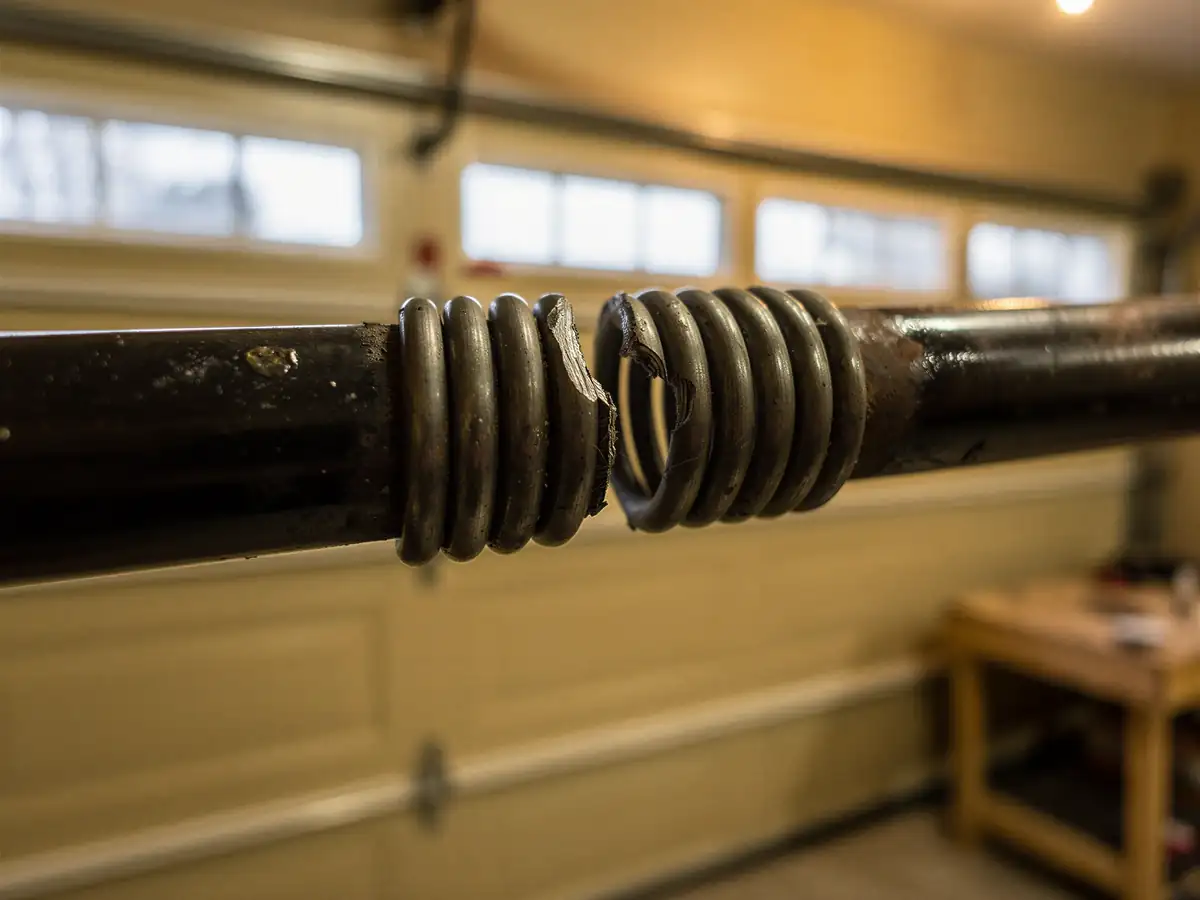
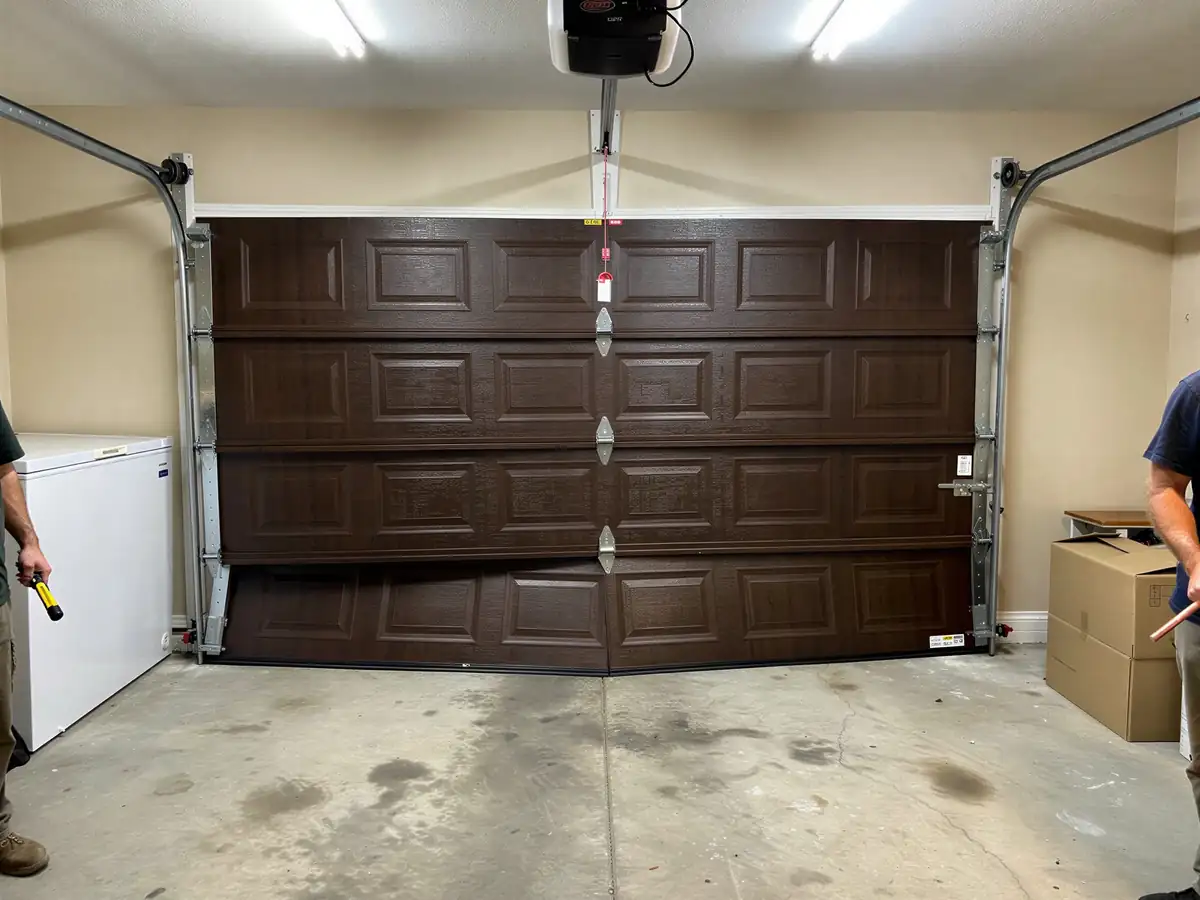
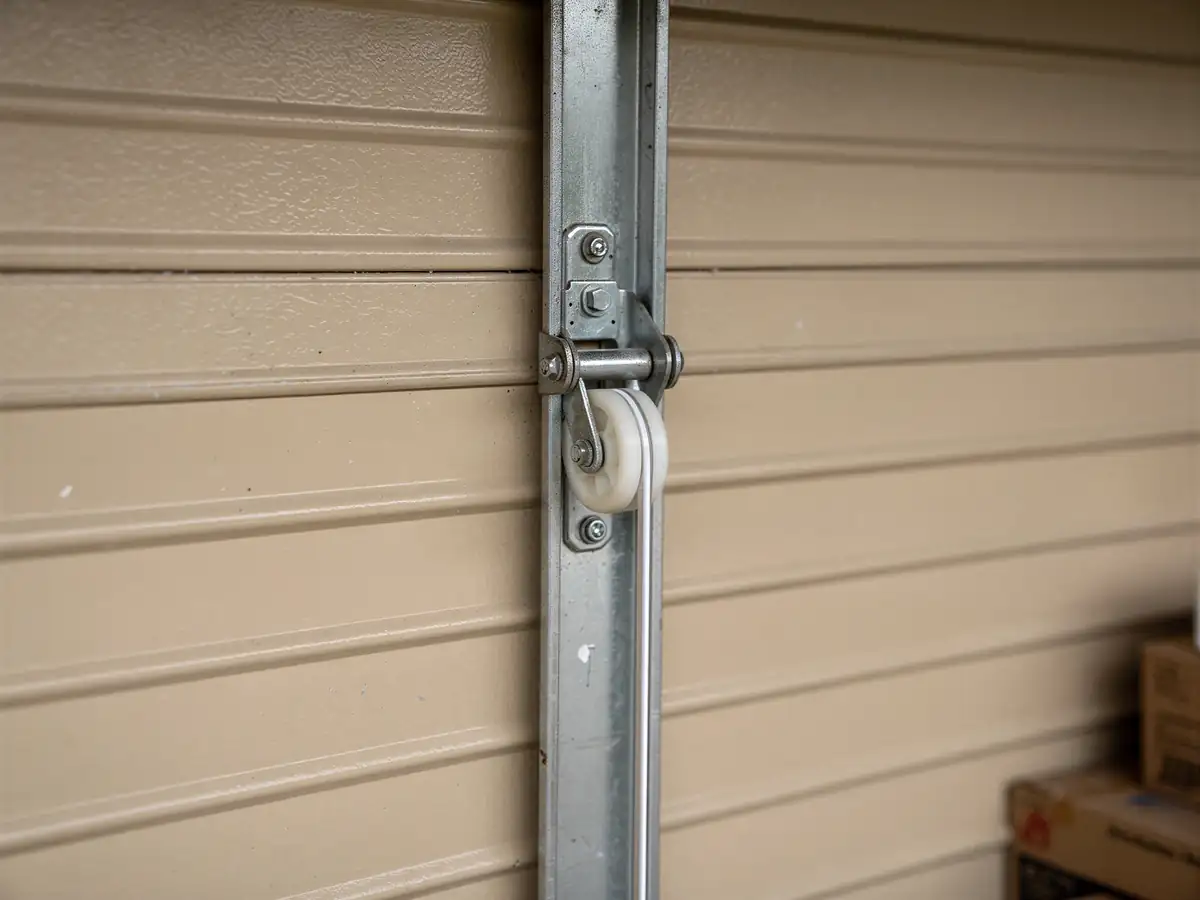
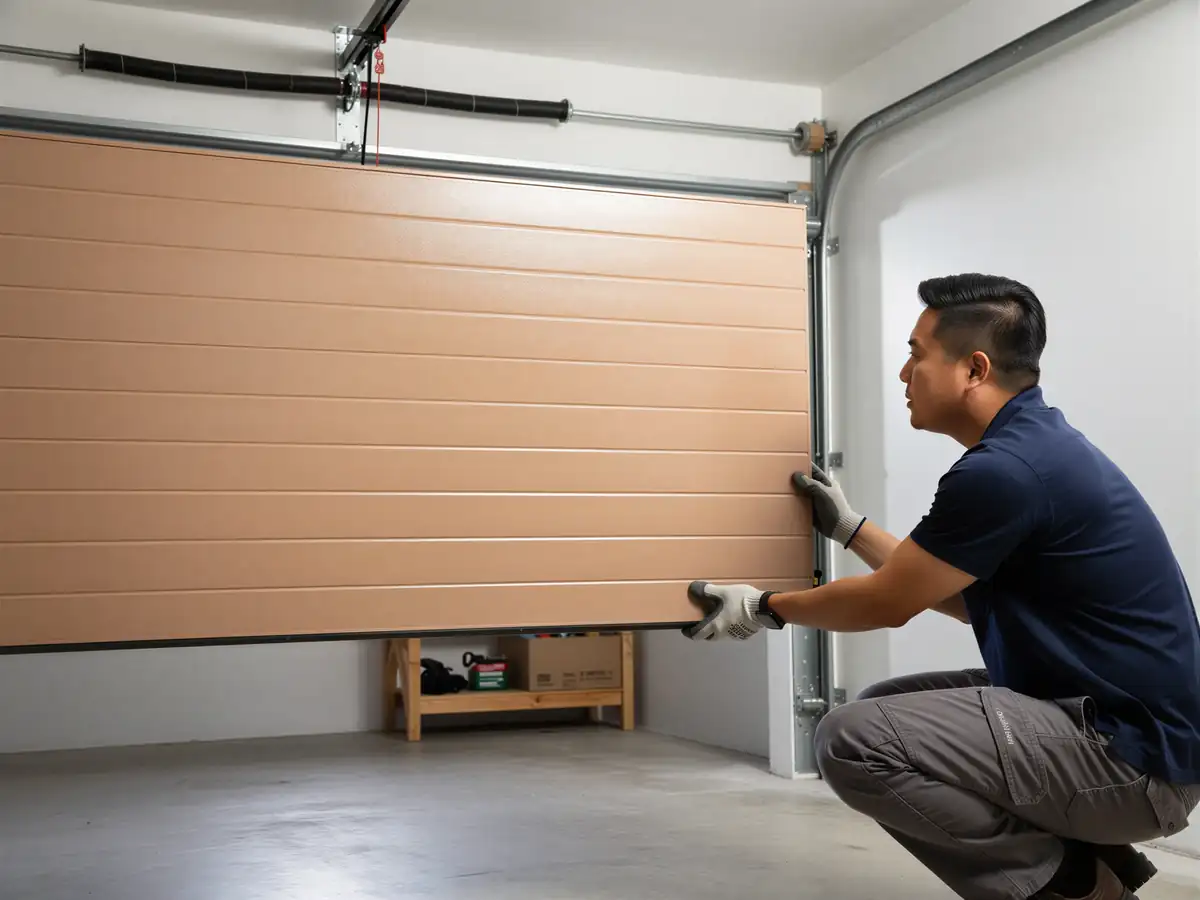
Middleburg sits about 13 miles from our Gainesville shop, and most of the houses out here went up around 1982, same build era as a lot of the wider service area. That matters because a door installed when the house was built is now over 40 years old, and in a lot of these homes nobody has ever swapped the torsion spring, the cable, or the original steel track. We check those three things first on any maintenance call out here: spring wind and rust, cable fray at the drum, and whether the track is still bolted true to the jamb or has walked loose from four decades of use. We lubricate hinges and rollers, check the opener's force settings against the weight of the door (heavier than most people think, on an original panel), and test the auto-reverse safety feature, which is often the one thing nobody has checked since the house changed hands. If the spring is original to a 1982 build, we flag it even if it isn't broken yet - metal fatigue doesn't announce itself, it just lets go.
Why This Fails Locally
This area sits in a severe cold climate band, and that changes how 40-year-old hardware behaves versus how it behaved when it was new. Steel springs lose tension and become brittle with repeated cold-to-warm cycling, and original lubricant on 1980s-era rollers and hinges thickens and stops doing its job well before anyone notices a problem. In a house built around 1982, that's over four decades of temperature swings the hardware has absorbed. The failure mode we see most in Middleburg isn't a dead opener, it's a spring that finally snaps on a cold morning because nobody rotated or replaced it when the house was new, and nobody has since. With only a few hundred households out this way, there isn't a dense repeat-customer base the way there is closer to Gainesville, so a lot of this original hardware simply hasn't been looked at by anyone in a trade, ever.
The Cost of This Job
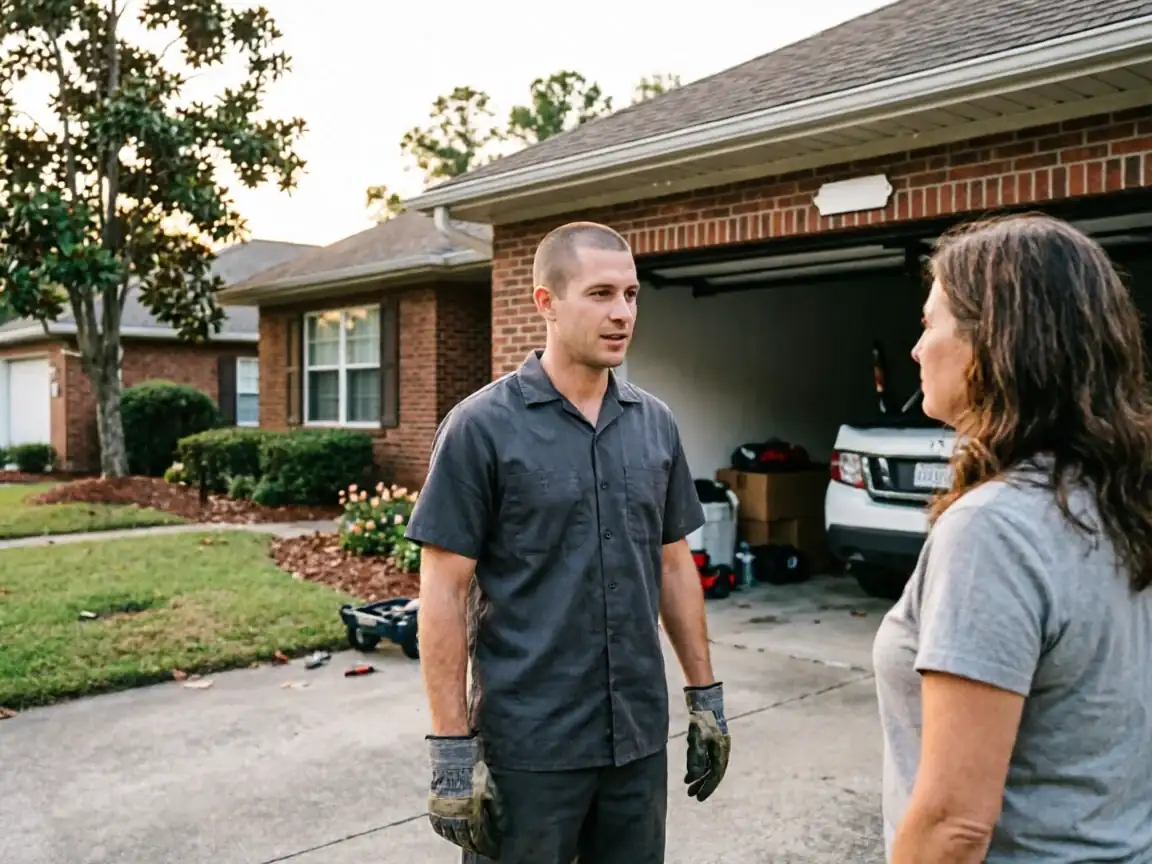
We don't have a flat number to quote here that would be honest for every door in Middleburg - a double door on a 40-year-old torsion system costs more to service properly than a single door with a newer opener, and we're not going to pretend otherwise. What we can say is that a maintenance visit on original 1982-era hardware usually takes longer than one on a door that's already had a spring or cable replacement, because we're inspecting parts nobody has touched rather than parts we already know the history of. Given the median household income out this way runs higher than much of the wider area, a lot of owners choose to replace an original spring proactively during a maintenance visit rather than wait for it to fail on its own schedule, which is usually the cheaper outcome in the long run.