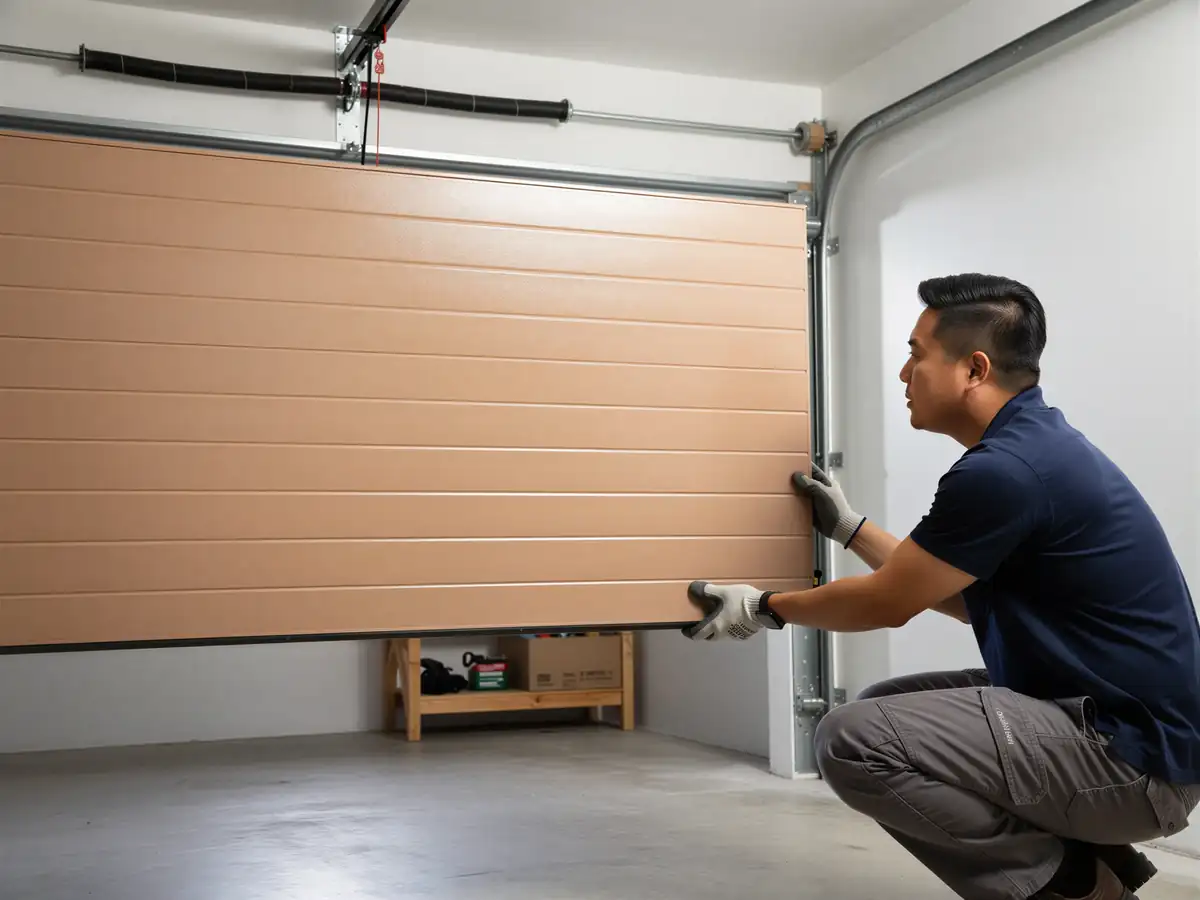
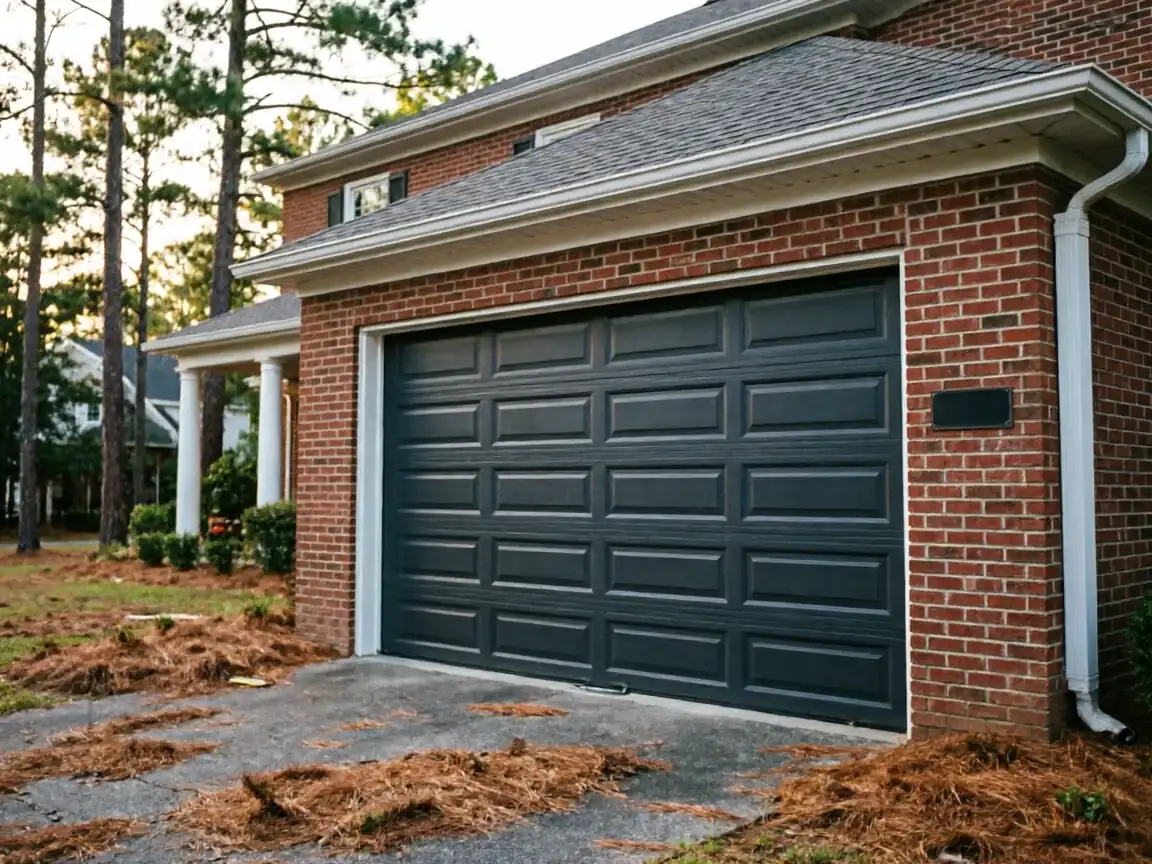
How We Fix It
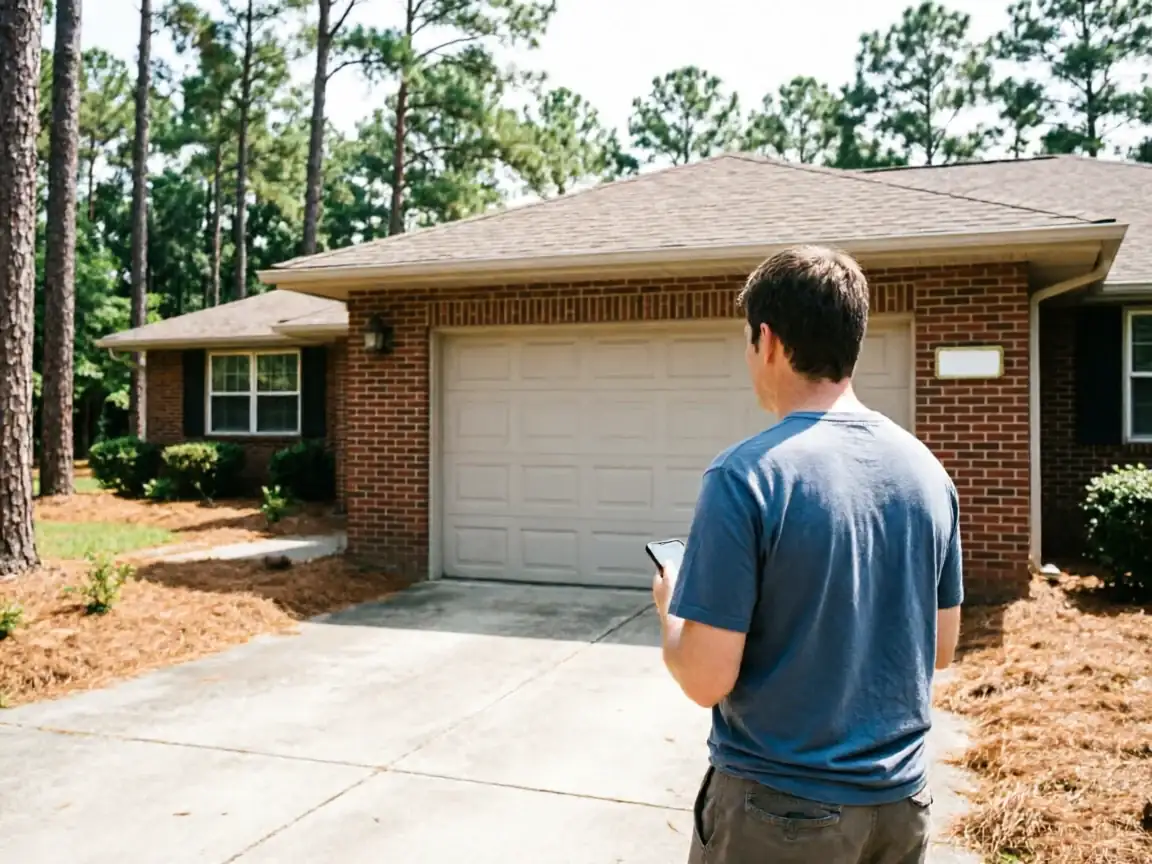
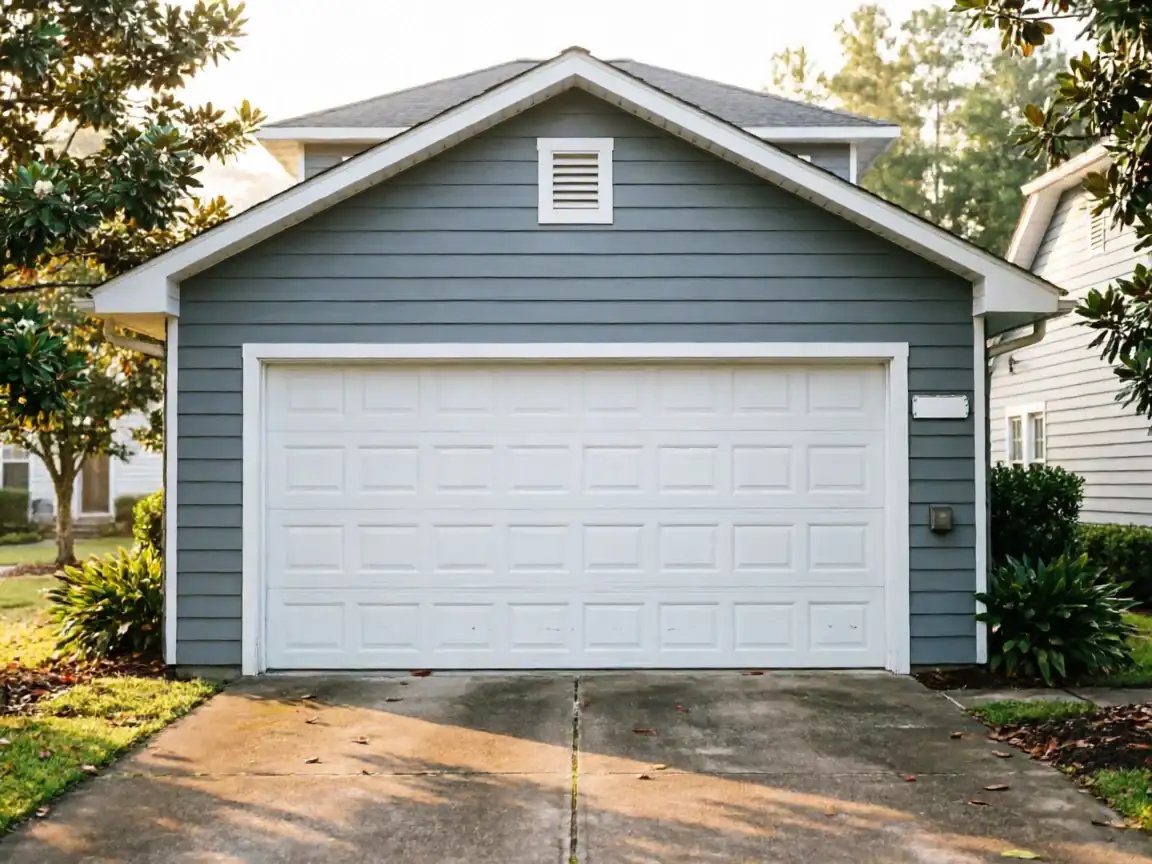
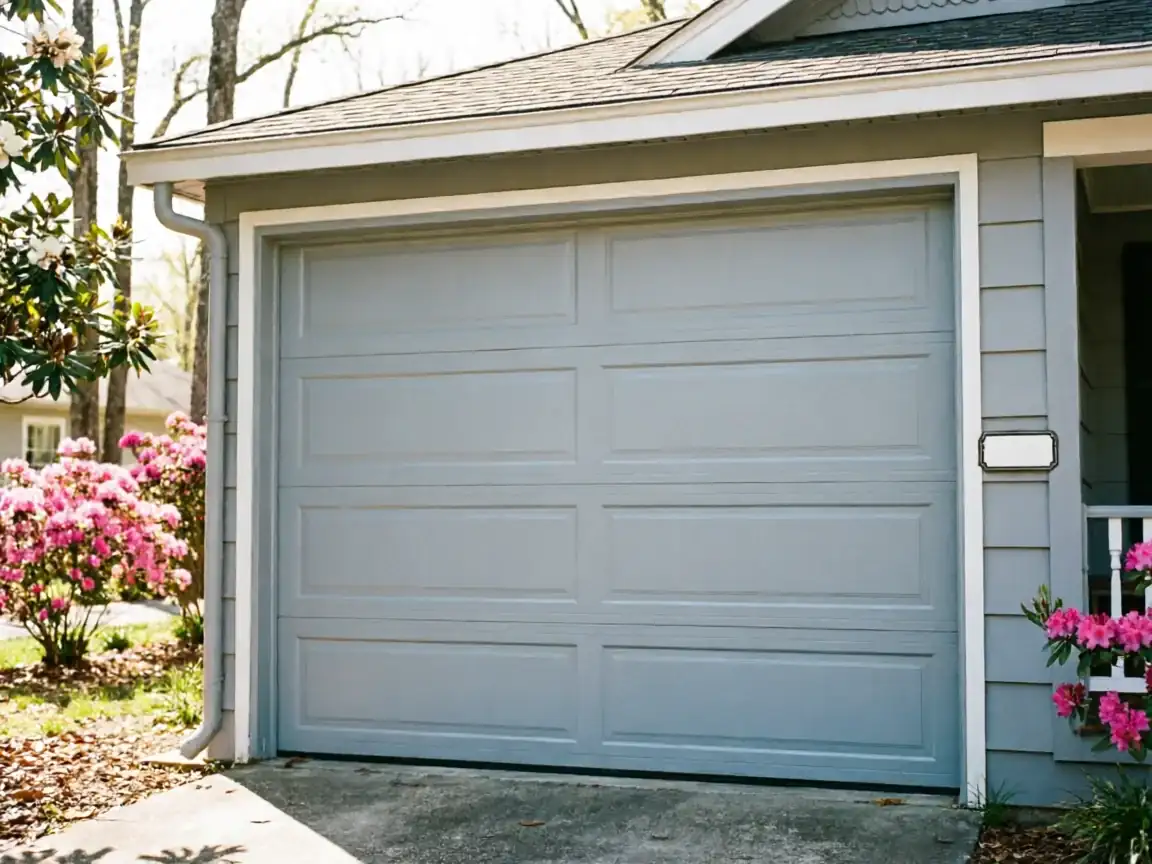
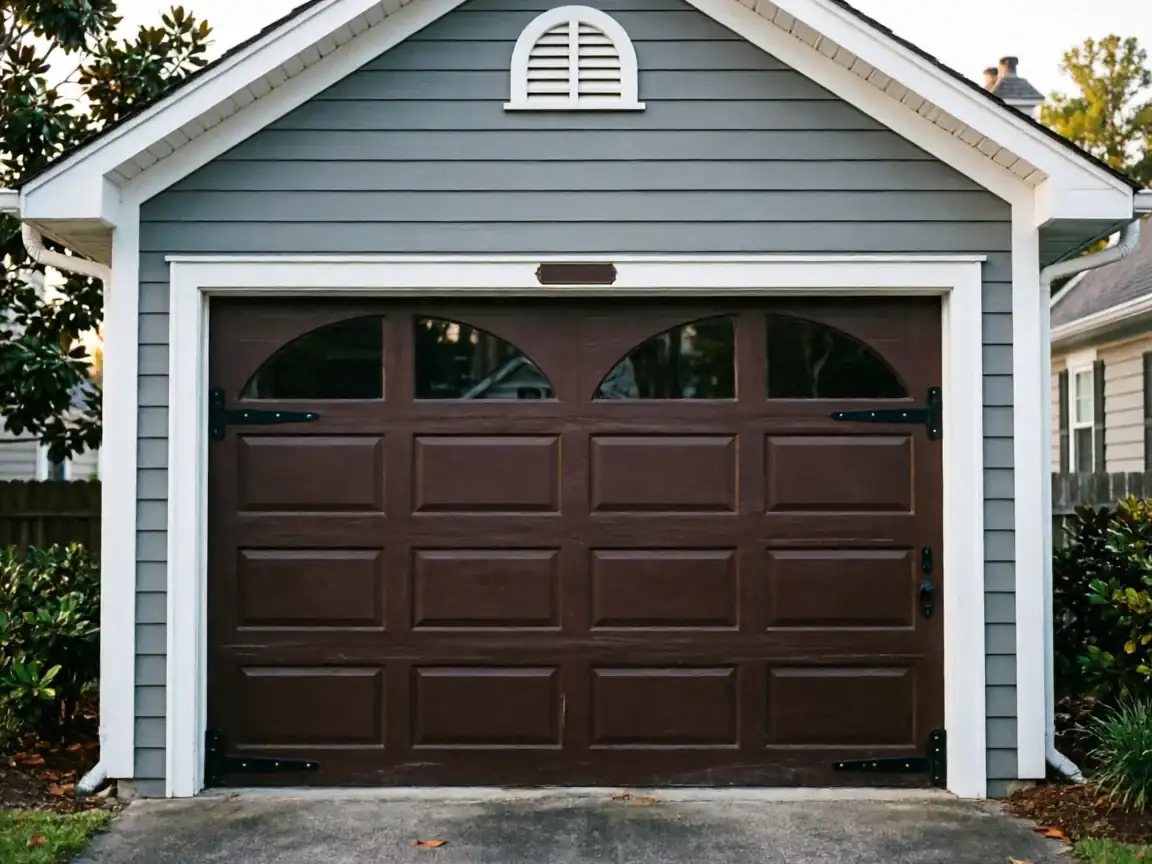
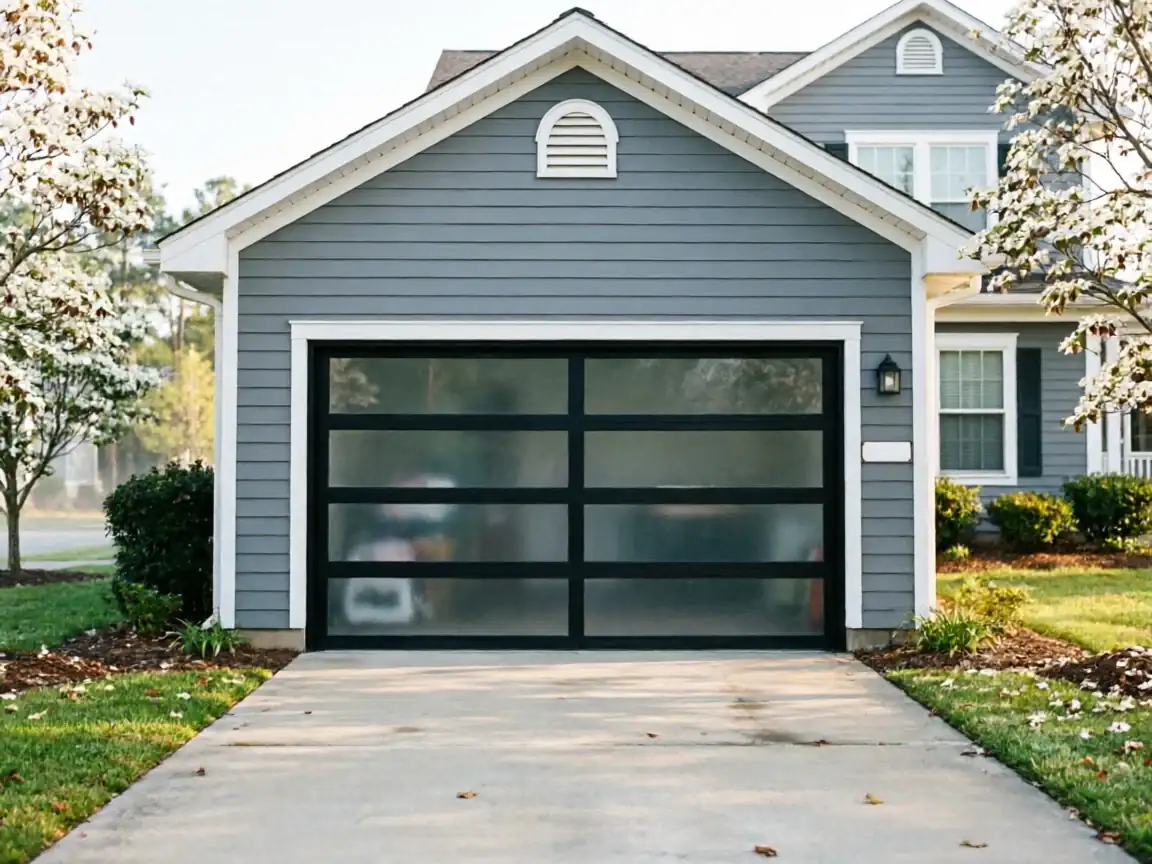
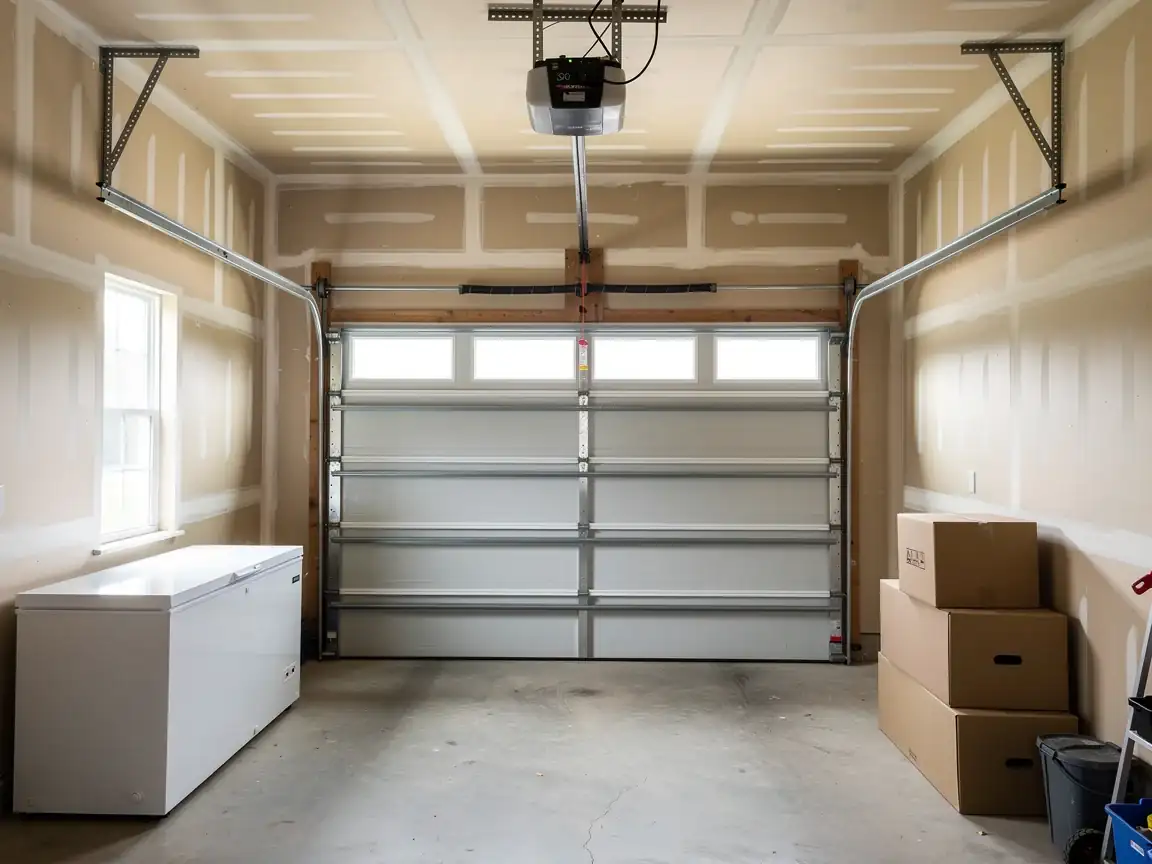
Middleburg isn't a subdivision. It's 383 households spread across horse country thirteen miles out from Gainesville, and the doors out here reflect that - nothing mass-built, nothing uniform. Housing in the broader service area runs from 1938 up through 2015, with a cluster from the 1980s and 90s, and Middleburg's own stock lands right in that median year, 1982. That means we're as likely to find a wood-panel door on old extension springs as a 1990s steel door on torsion hardware that's been quietly wearing out for three decades.
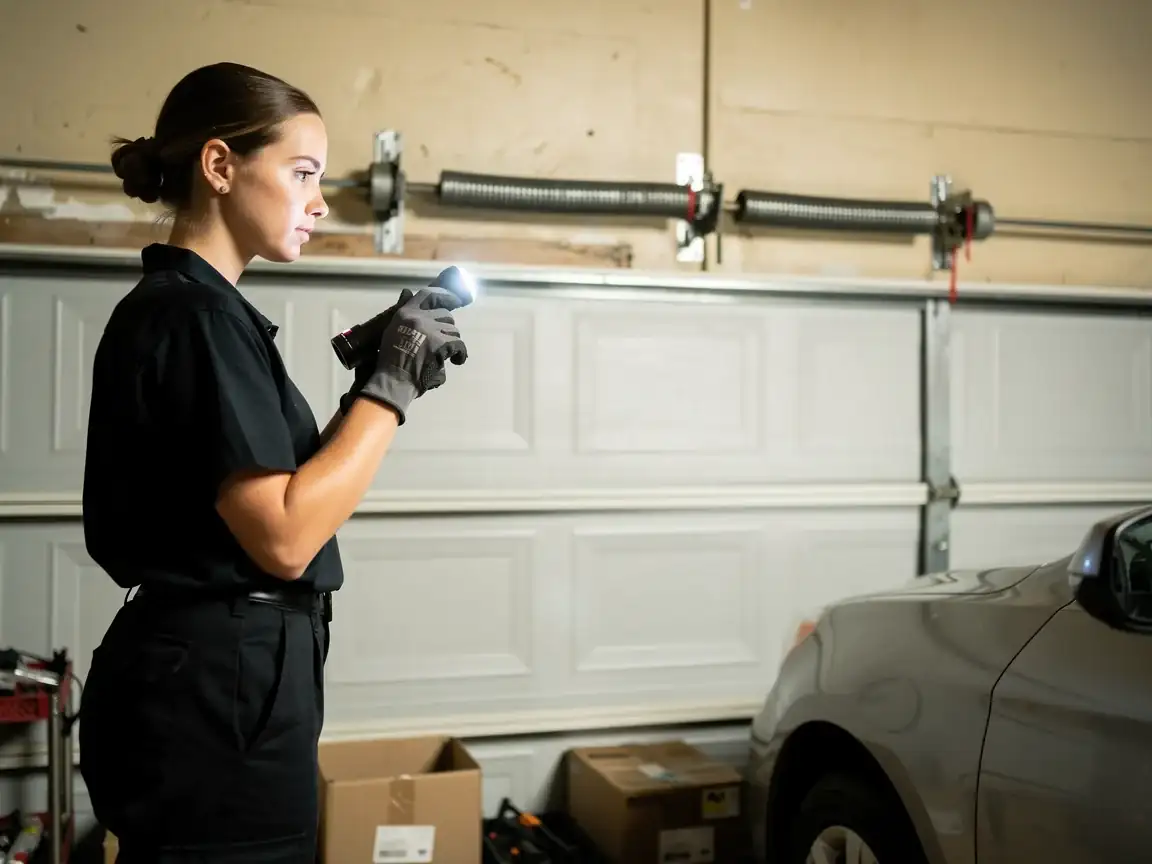
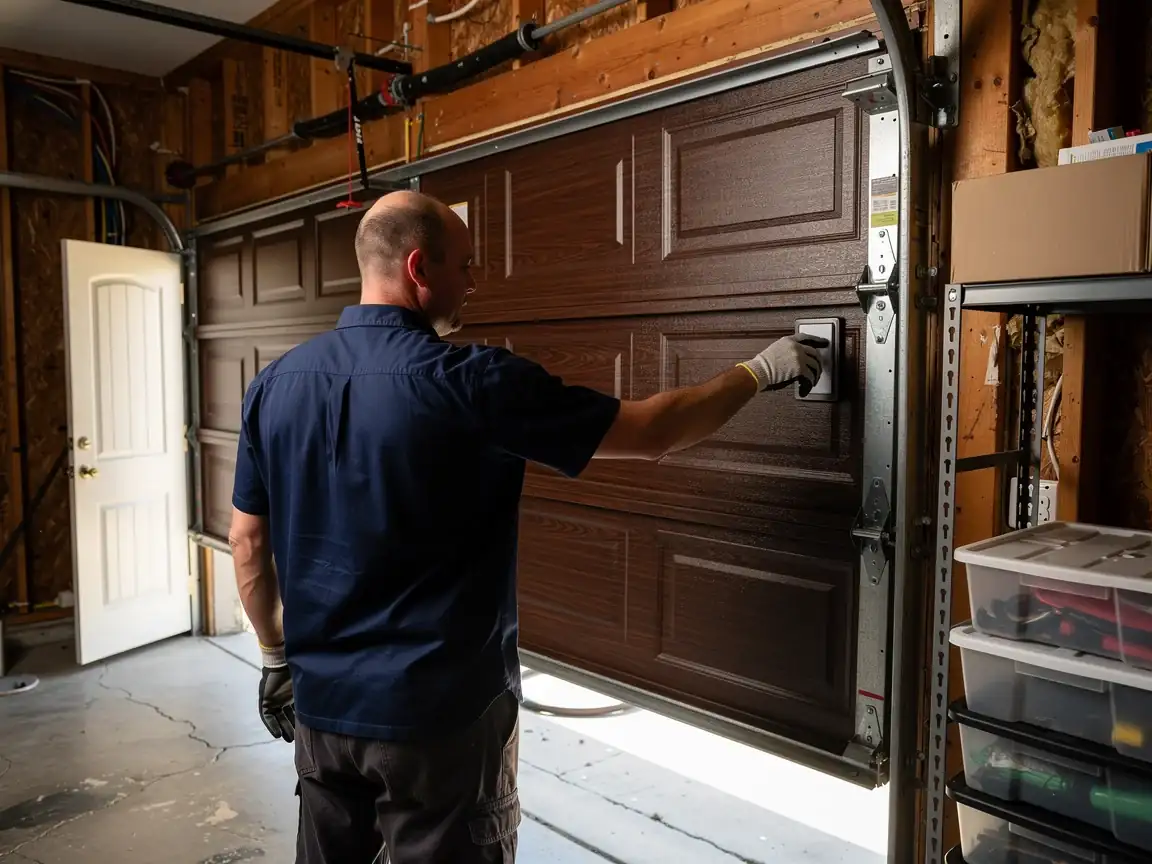
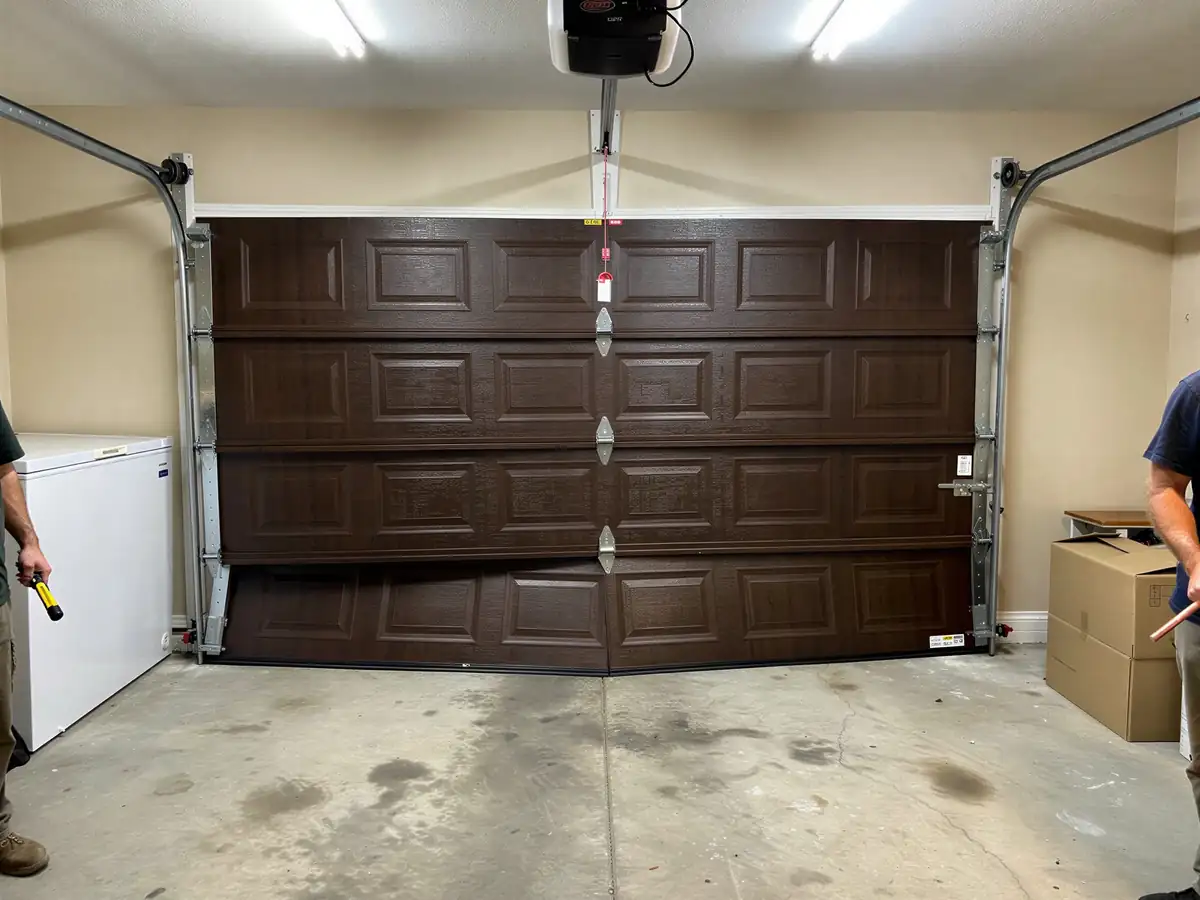
We bring the truck from Gainesville with spring sets, cable, and roller stock sized for both eras, because showing up and discovering the wrong torsion drum on a thirteen-mile round trip wastes everyone's afternoon. For openers, we carry the mid-range chain and belt-drive units that fit houses this age without rewiring a header built for a lighter door. If a panel's cracked or a track's bent past pulling straight, we say so and price the swap instead of patching something that'll fail again by spring.
Why This Fails Locally
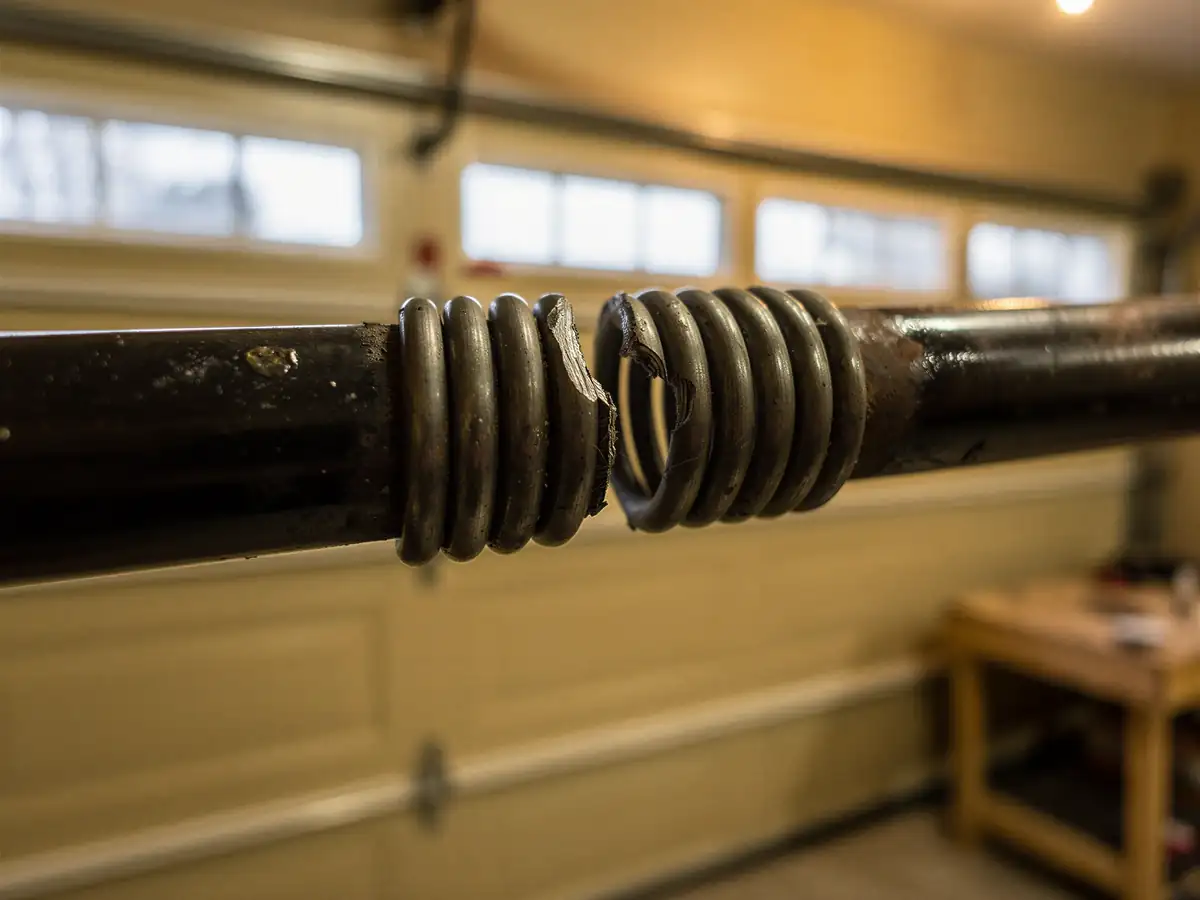
The service area sits in a severe cold climate band, and that matters more on older doors than people expect. A torsion spring wound in 1985 has already given up some of its temper; cold snaps that tighten steel and stiffen lubricant are what finally snap it, usually on the coldest morning of the stretch, never on a mild one. Houses built in this 1938-2015 range, especially the ones from the 80s and 90s majority, often still run the original spring - nobody replaces a spring until it breaks.
The other local wrinkle is money, not weather. Middleburg's median household income, $115,724, runs ahead of the $111,503 median across the rest of the service area. That buys people out of patch jobs - when a door's hardware is original and tired, owners here more often choose full torsion and track replacement over one more repair, and the parts we stock reflect that. We're not selling the bigger job; the income data and the age of the stock point there on their own.
Doing It Yourself
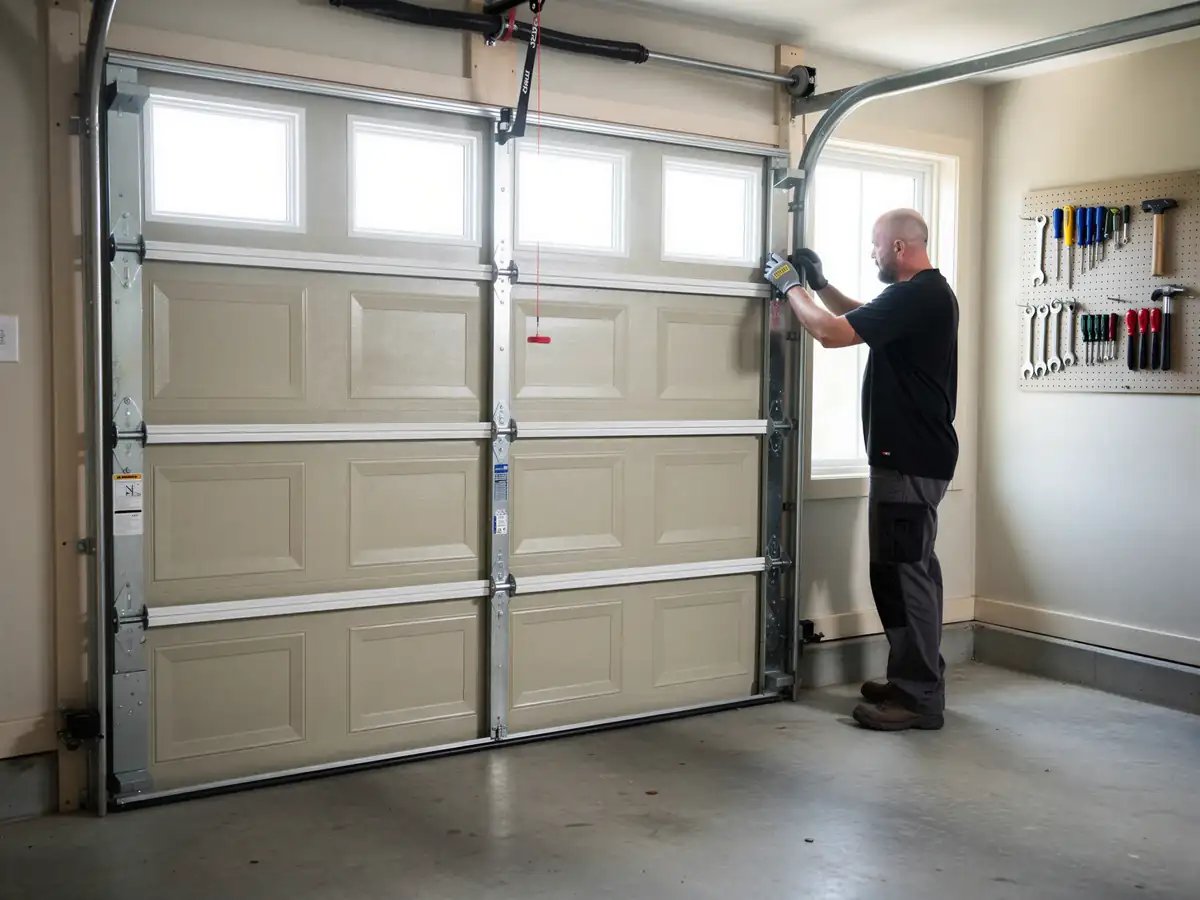
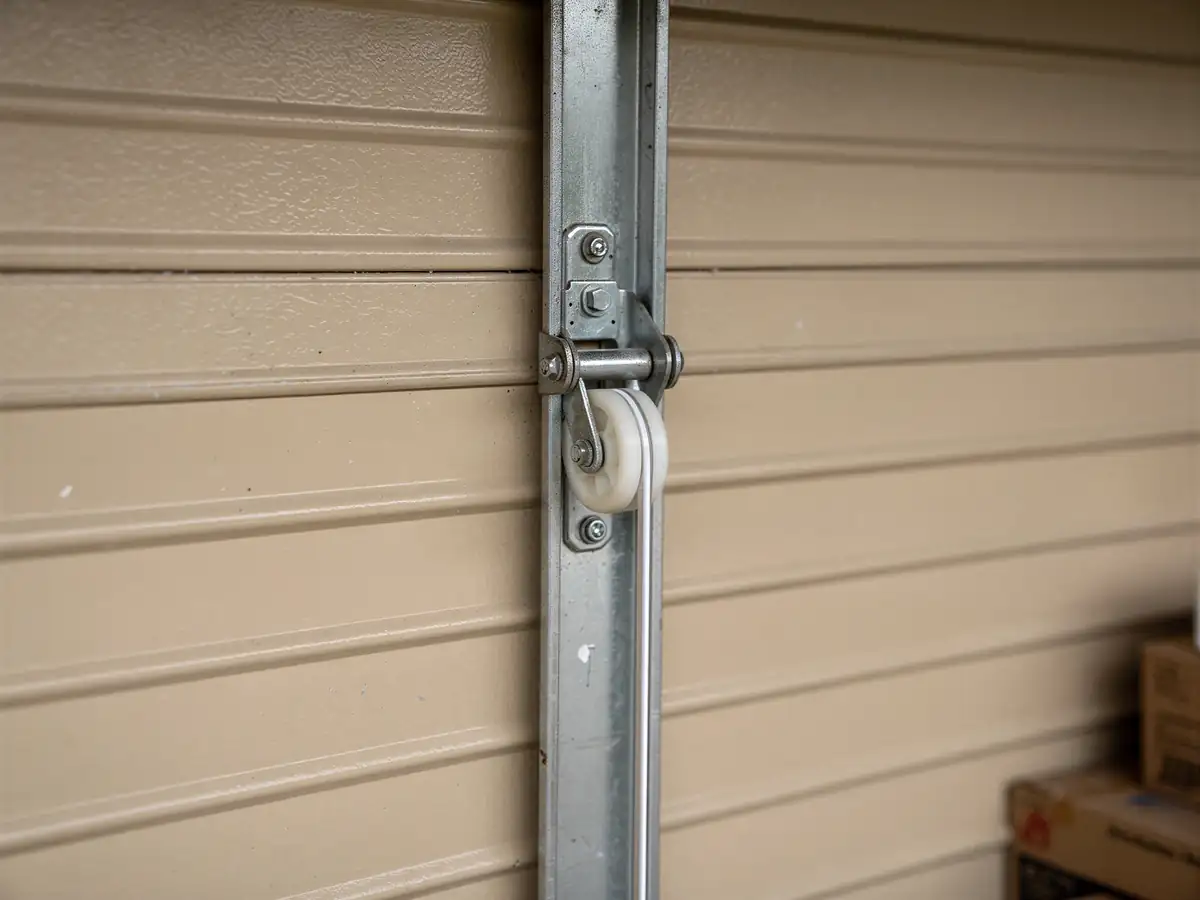
A loose roller or a dragging track you can often sort yourself with a wrench and a can of the right lubricant
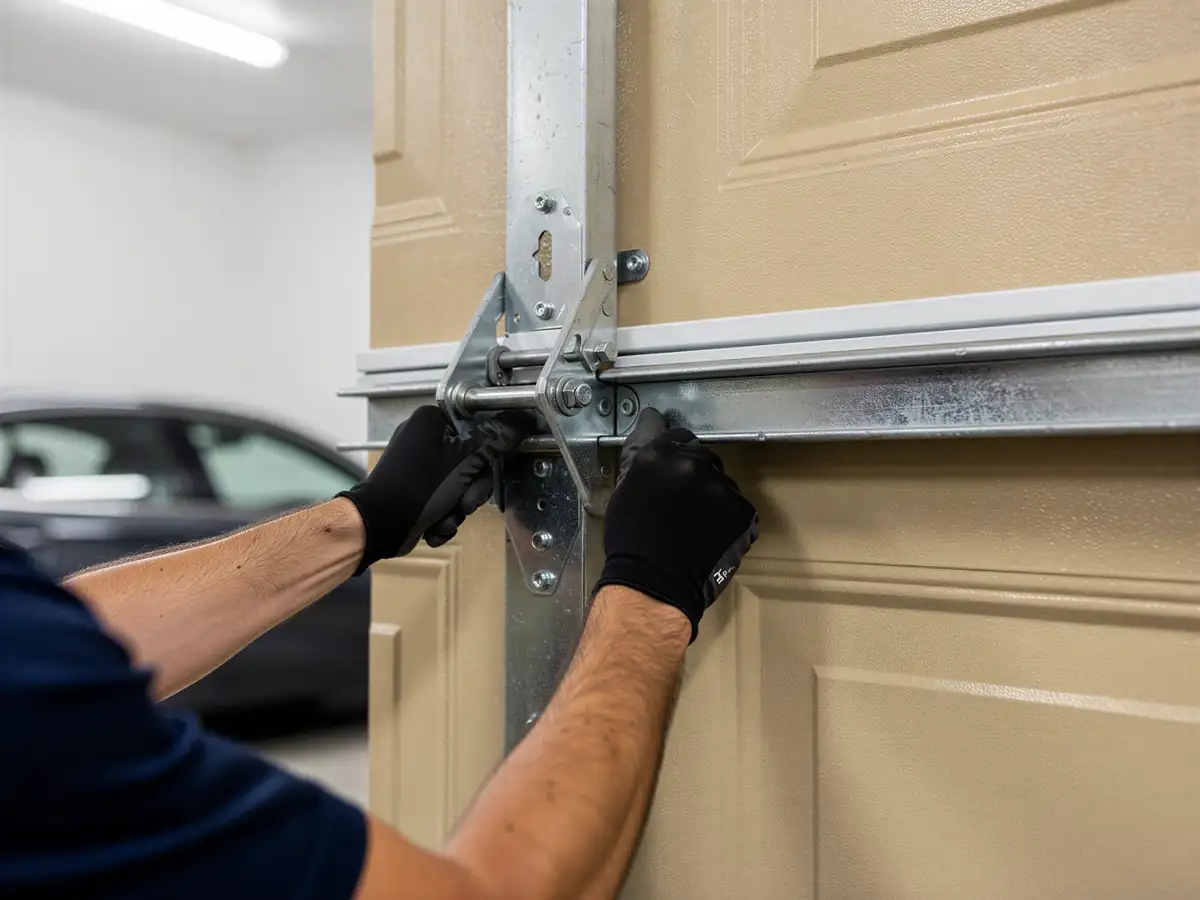
Not WD-40, which thins out and leaves the roller drier than before. What you should not touch is a torsion spring. Those bars are wound under real tension, and on a door old enough to be original 1980s stock, the winding cones have had decades to corrode and seize, which changes how they let go when you back off the set screws.
If your opener is from that same era and it's starting to reverse at random or grind on open
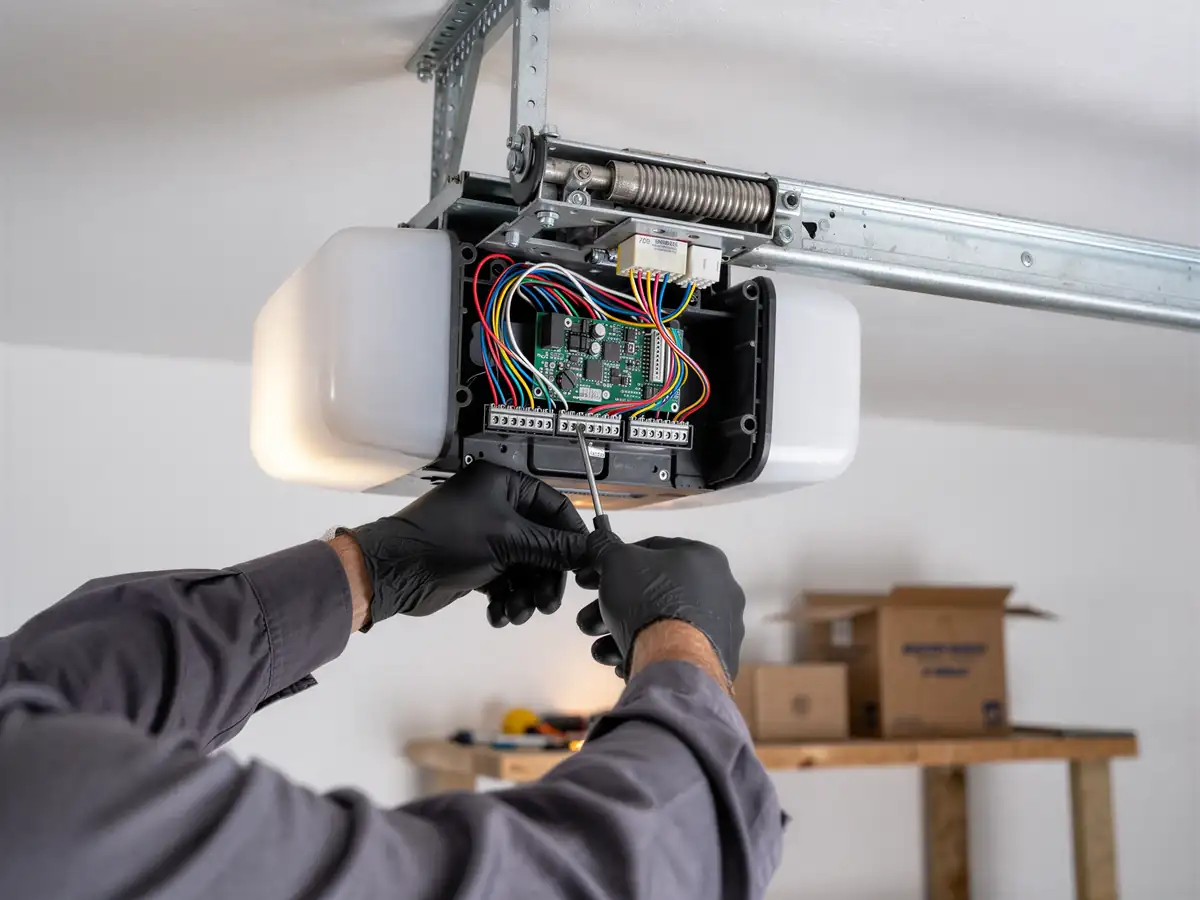
That's usually a worn gear kit or failing logic board, not something a tube of grease fixes. Houses in the 1938-2015 range sometimes still carry openers original to a remodel decades back, and parts for those specific models aren't always on the shelf - that's a real limitation, and it sometimes means waiting on an order rather than a same-day fix.
The Cost of This Job
We don't have a posted price list to hand you here, and we're not going to invent one. What we can tell you is what drives the number up or down on a property like this: whether the spring is standard torsion or an older extension-spring setup, whether the opener is a straightforward swap or a header retrofit, and whether we're driving out for one job or stacking it with a repair at a neighboring property along the same thirteen-mile run from Gainesville.
Given that Middleburg's income sits above the service-area median, we see more full-replacement calls out here than patch-and-go repairs, and a full torsion and panel replacement runs higher than swapping a single spring. The honest answer is that the only way to get a real number is a look at the door - age, spring type, and track condition all move the estimate before we ever mention a dollar figure.