How We Fix It
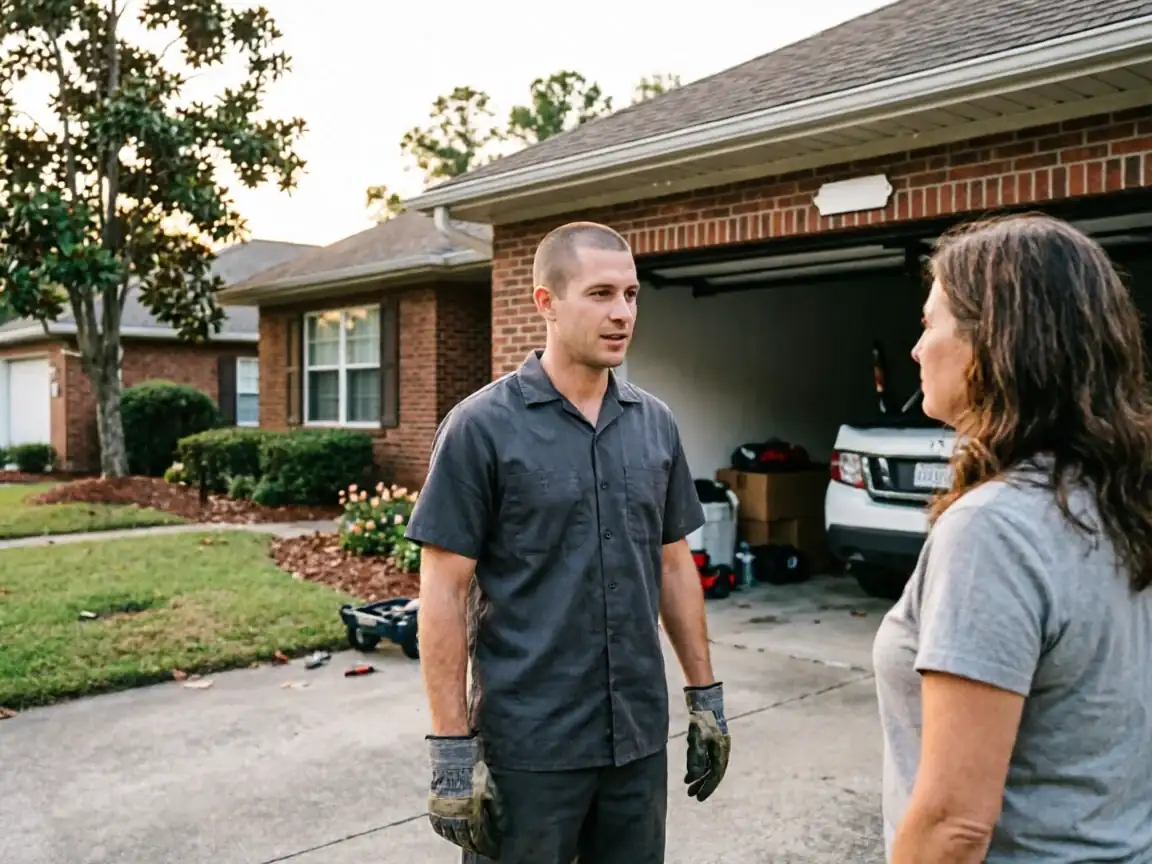
Middleburg sits about 13 miles out from our Gainesville shop, which means a roller job here isn't a five-minute hop - it's a planned drive, and we load the truck with both steel ball-bearing and nylon rollers before we leave so we're not guessing what your door takes once we're on site. Most of the houses out this way went up around 1982, which puts a lot of original steel rollers on steel track still in service, worn down to the point where the door rocks side to side or barks on every open and close.
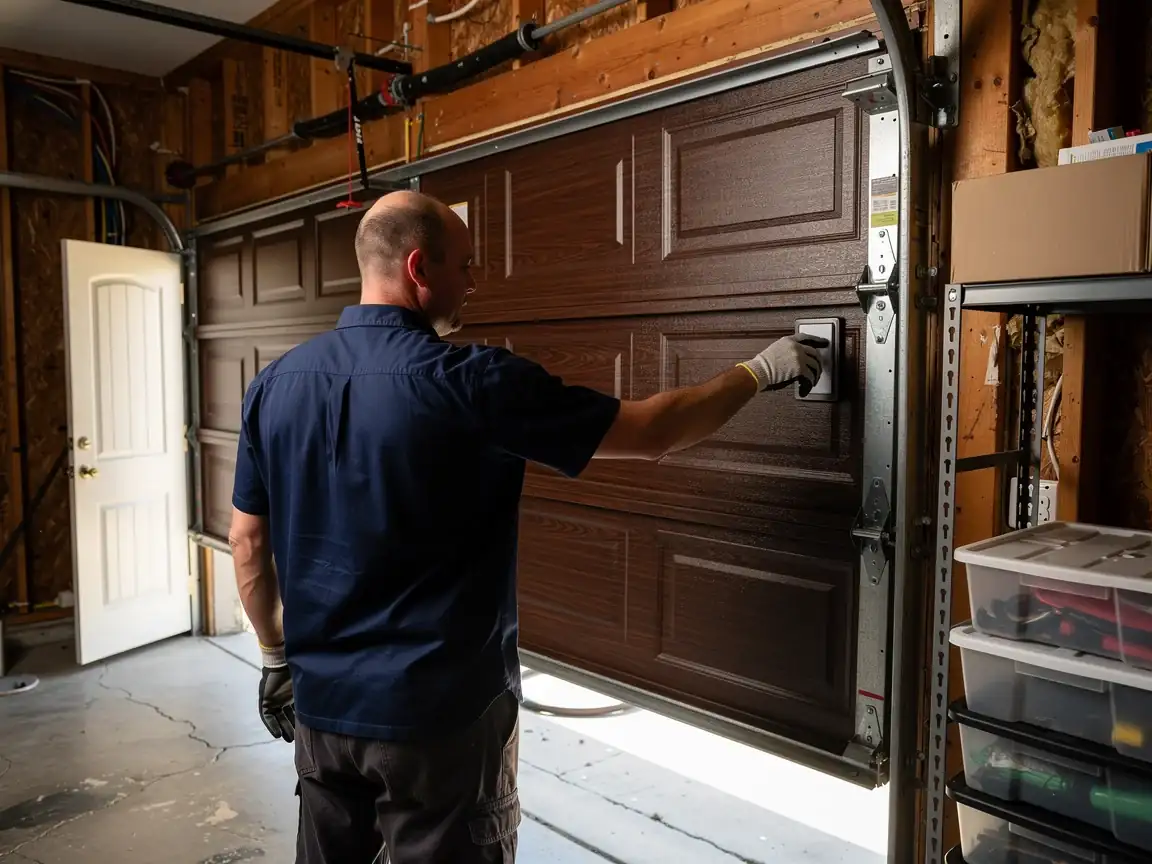
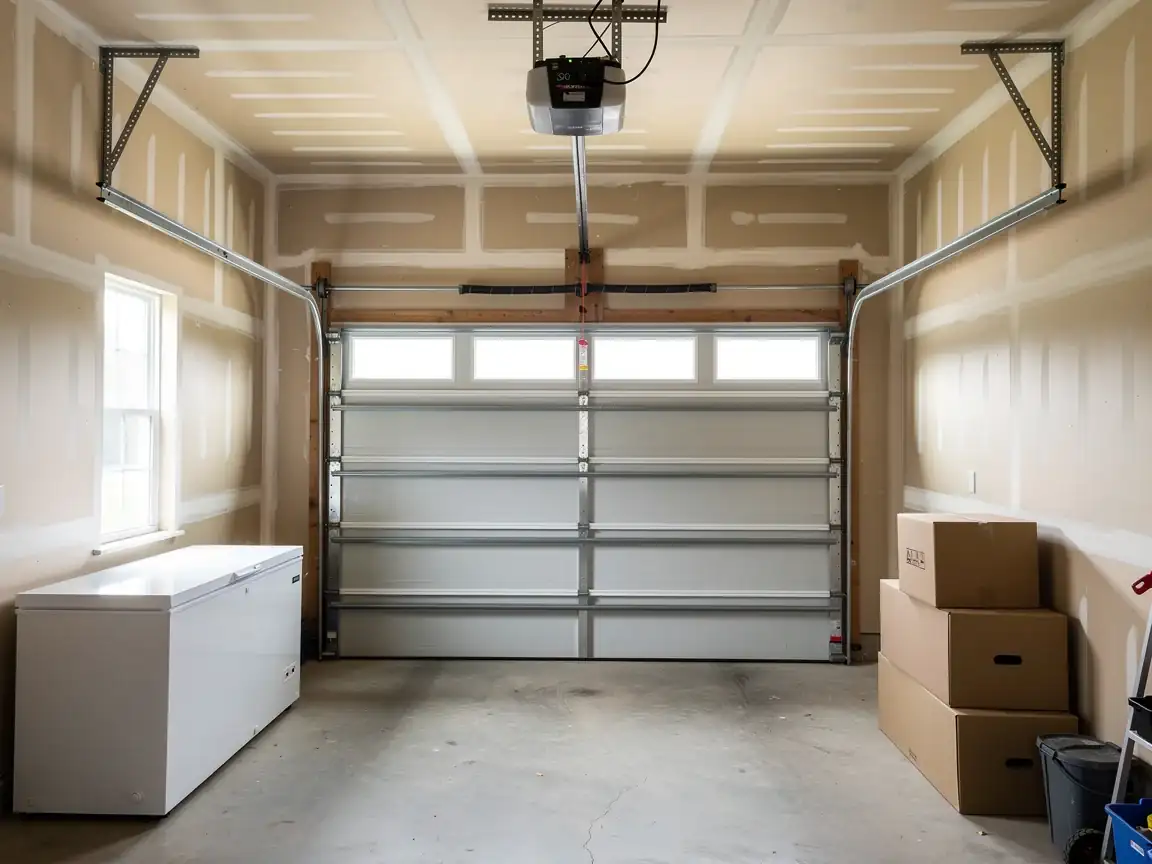
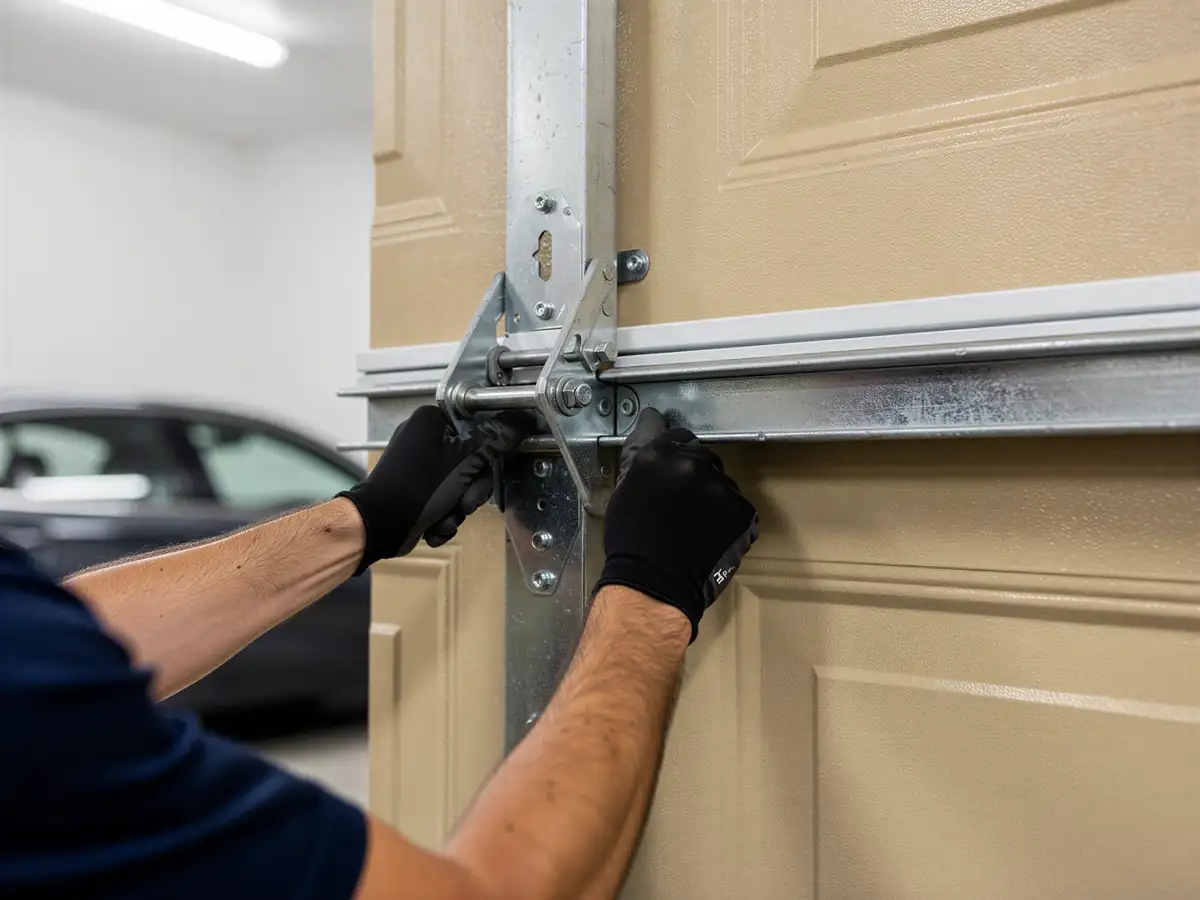
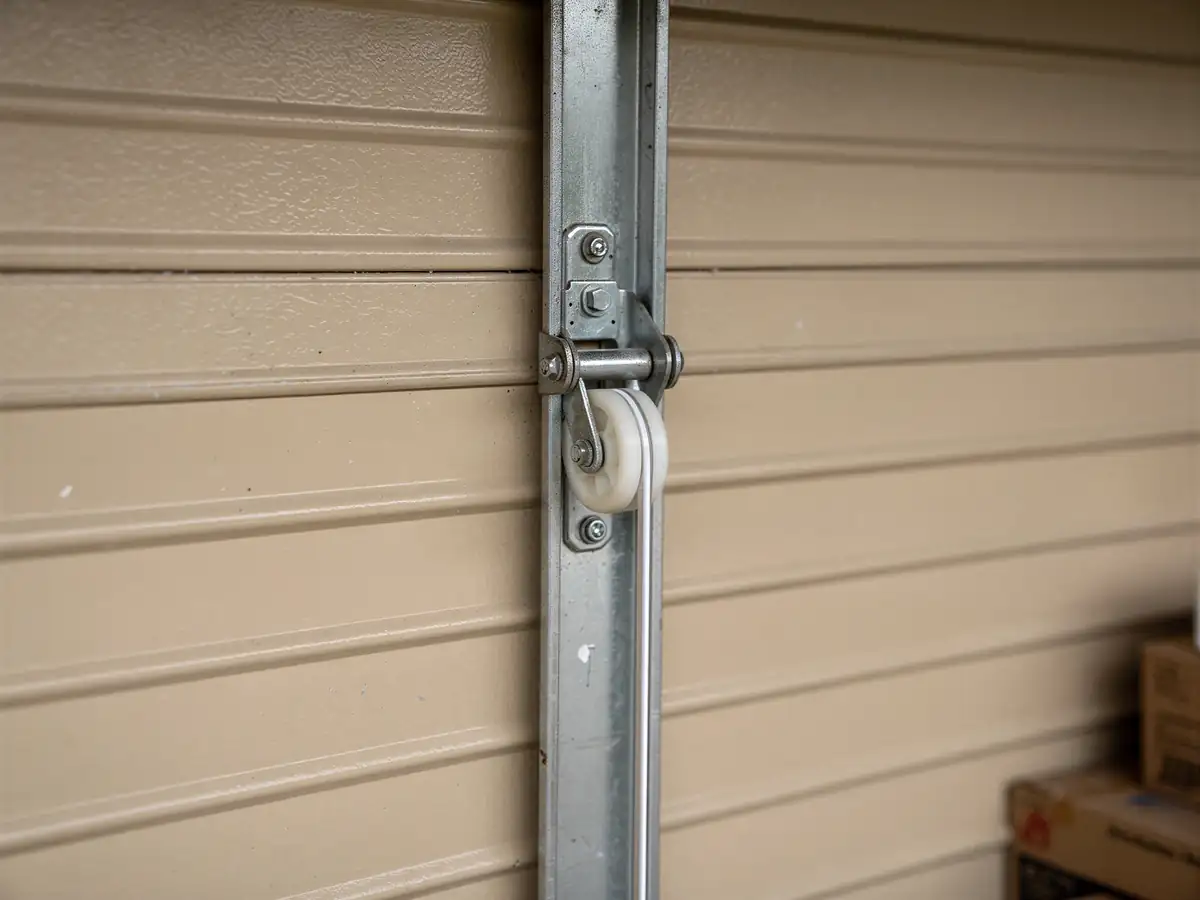
Once we're there, the work itself is straightforward: we pull the old rollers out of the track one hinge at a time, check the track for the kind of dents and bowing that 40 years of steel-on-steel wear leaves behind, and set new rollers so the door rides straight again. If the track itself is bent, we flag it - a roller swap won't fix a track problem, and we're not going to replace parts that don't need it just because we made the drive.
We size the rollers to the track and the door weight rather than grabbing a generic kit, because a roller that's slightly wrong for the stem length or bearing load just wears out again faster than it should.
Why This Fails Locally
This area's winters sit in the same cold-climate band as the rest of our service territory, and that matters more for rollers than people expect. Steel rollers with open bearings pick up moisture and grit through freeze-thaw cycles, and the grease inside hardens in the cold, which is exactly when you hear that grinding or popping sound on a door that worked fine in October.
With median construction here around 1982, a lot of these doors still carry the original steel rollers on steel track rather than the nylon-on-steel combination that shows up in newer builds. Steel-on-steel wears the track grooves themselves over time, not just the rollers, so a door that's gone 40 years without a roller swap is often also riding on track that's lost its original shape. That combination - old rollers, worn track, cold-stiffened grease - is what turns a quiet door into a noisy one almost overnight once temperatures drop.
It's a small, close-knit area with 383 households by our count, and the housing stock reflects one build era more than a spread of decades, so this particular failure pattern - original steel rollers past their service life - shows up more consistently here than in a neighborhood with mixed construction dates.
Doing It Yourself
Rollers are one of the more reasonable DIY jobs on a garage door
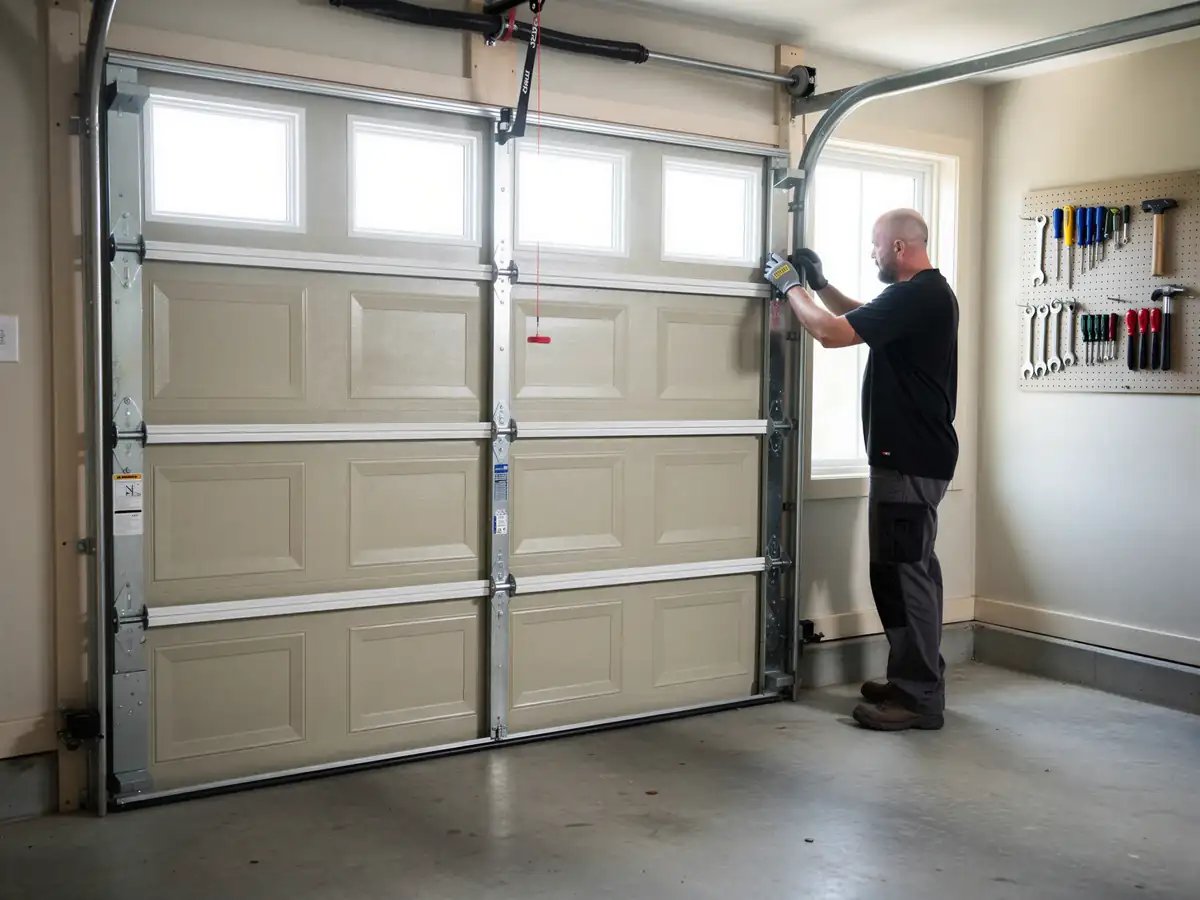
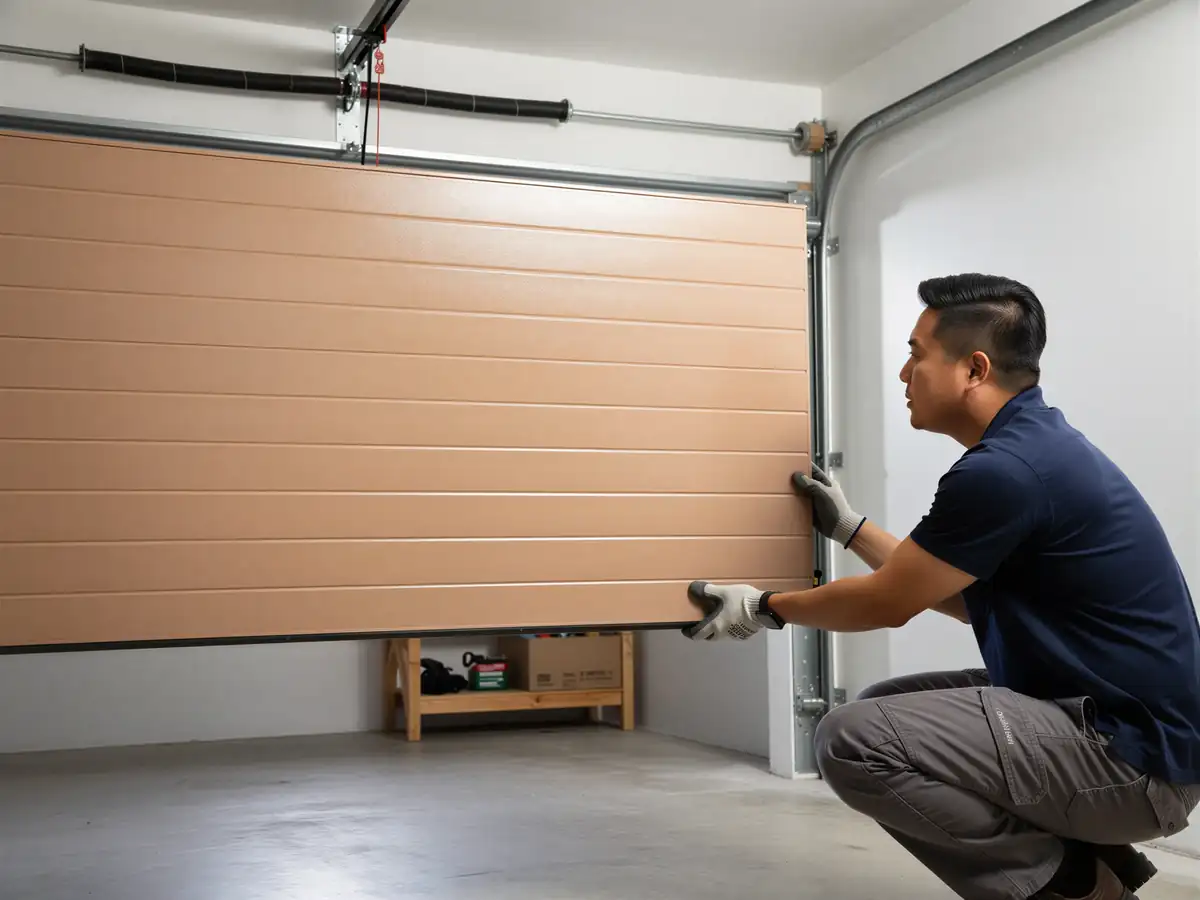
But there are limits worth naming honestly. Swapping a roller on the bottom two panels, away from the spring and cables, is manageable with the door disconnected from the opener and manually supported. Swapping rollers near the top panel, where you're working close to the torsion spring and lift cables under tension, is where we stop recommending it - that's a different risk level entirely, and it's not a place to learn on the job.
If you're doing the lower rollers yourself, nylon is the upgrade most homeowners regret not choosing the first time
Quieter, no lubrication needed, and it won't wear steel track the way steel rollers do over the long run. Check that the stem length matches what came out, because the wrong length lets the roller bind in the track or pop loose when the door opens.
One honest limit on our end
We're coming from Gainesville, not based in Middleburg, so a same-day callback on a job you started and got stuck on isn't something we can promise - plan the drive time into your decision before you pull a top roller yourself.
The Cost of This Job
Median household income out this way runs around $115,724, higher than the broader service area average, and that does show up in what homeowners choose here - nylon roller upgrades over steel-for-steel replacement, and full ten-roller sets rather than patching just the two or three that are loudest. We don't have a fixed price to quote without seeing the door and knowing the roller count and stem length, so we won't put a number here that doesn't hold up once we're actually looking at your track.
What we can say is that a full roller set, done once, properly sized, tends to outlast patch jobs that replace only the worst rollers and leave mismatched wear across the rest of the track. If your track is also bent or your spring is near the end of its life, we'll tell you that up front rather than replacing rollers on hardware that's going to need more work in a year anyway.