The Complications
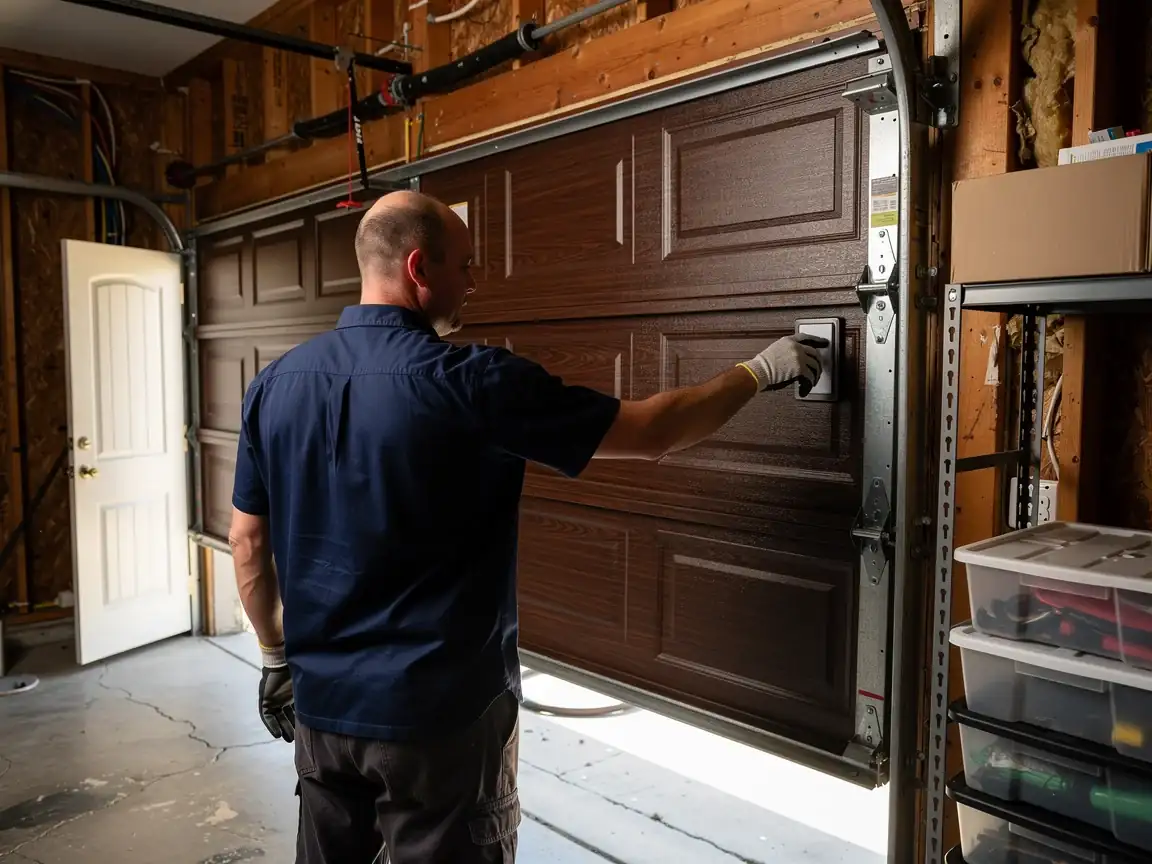
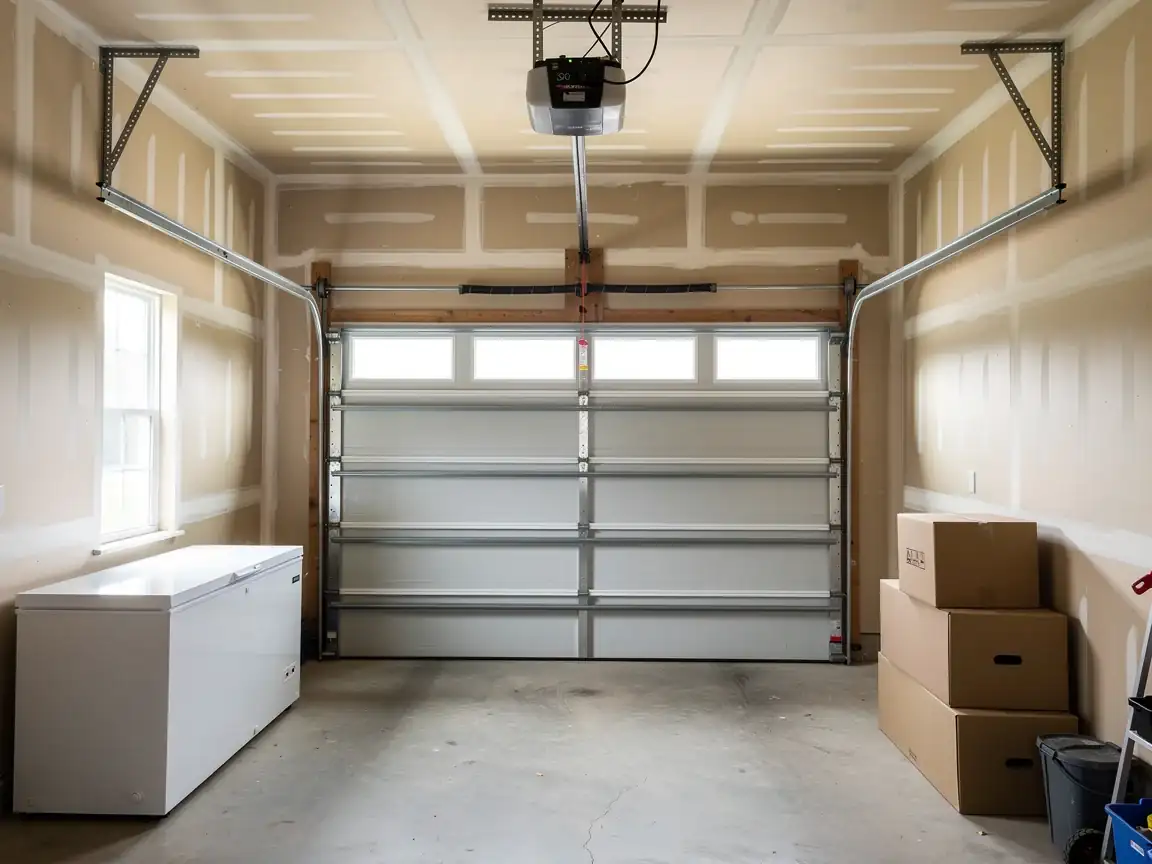
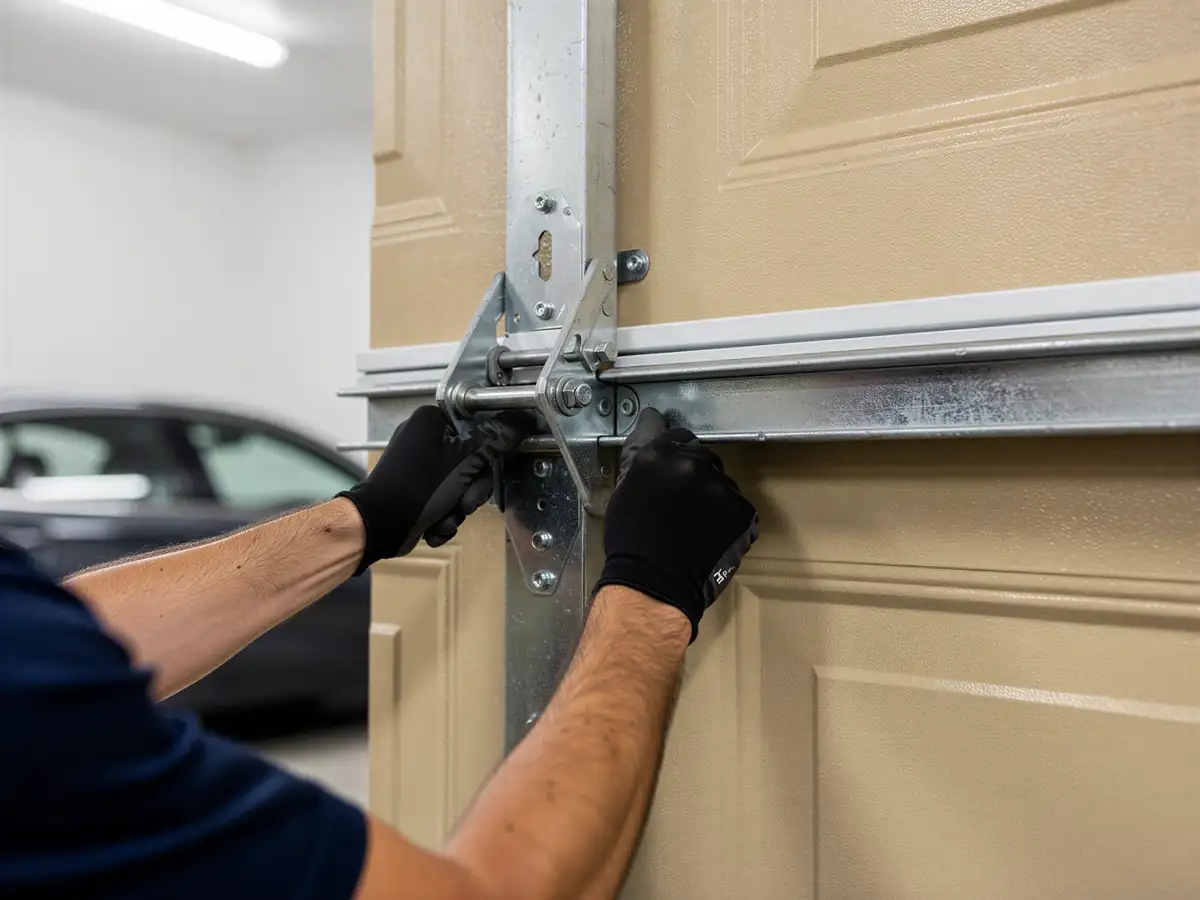
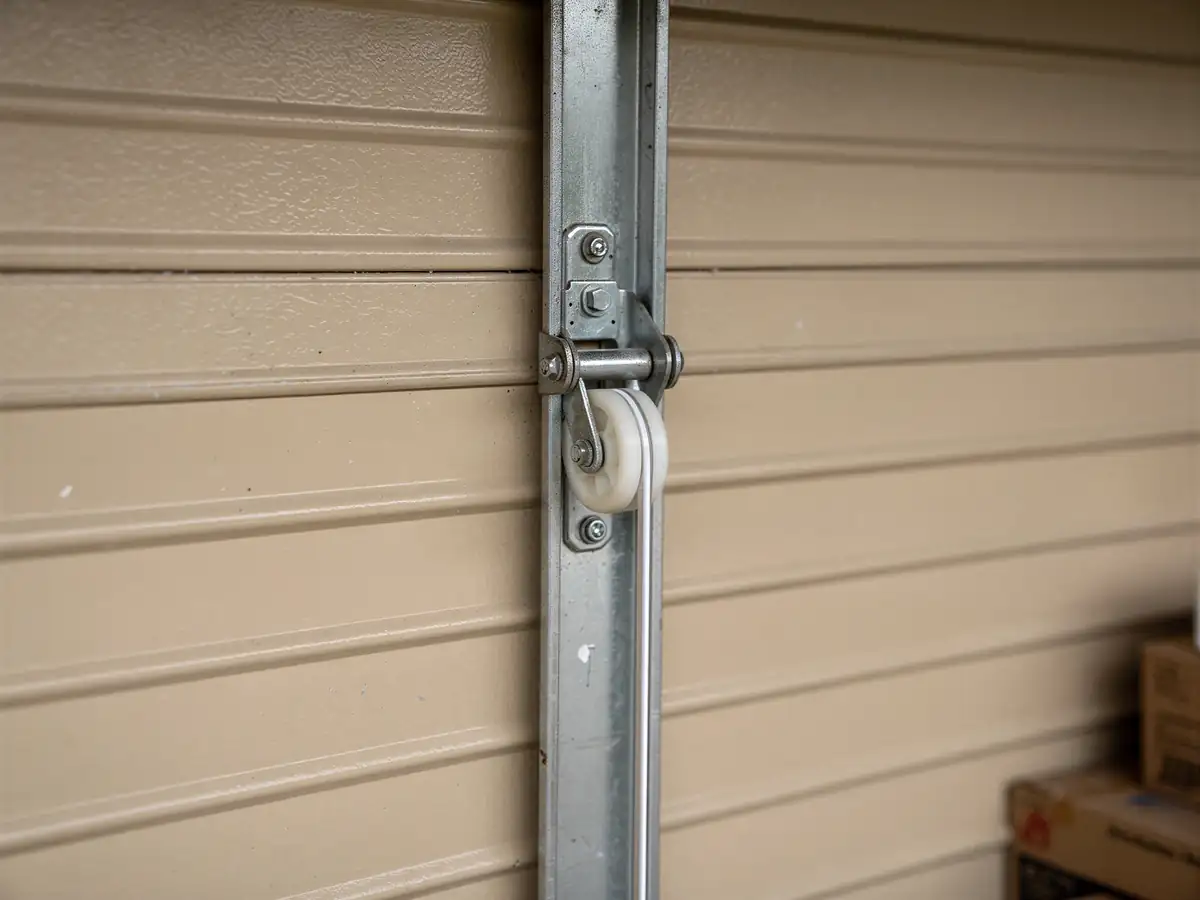
Most of Warrenton's houses went up around 1985, squarely in the stretch of 1980s and '90s stock that makes up the bulk of this region's homes. A door from that era almost always shipped with plain steel rollers running in a steel track, no sealed bearing, no nylon tire. Thirty-some years of that steel-on-steel contact wears a groove into the track and flattens the roller stem, so the door starts to bind right where the track curves at the top of the opening. You hear it before you see it: a grinding or clacking that gets louder as the door nears full open or full close. Winters here fall under the same cold-climate severity rating as the rest of our coverage area, which hardens old grease and makes a worn roller more likely to seize or snap rather than just wear smooth. With about 3,989 households here and a median income of $80,441, this is a different financial picture than the wider service area's $111,503 median, which matters when we're talking repair versus replacement on the whole door. A roller job on a 1985-era door is usually straightforward, but if the track itself is bent or bowed from years of a dragging roller, swapping rollers alone won't quiet it down.
How to Book
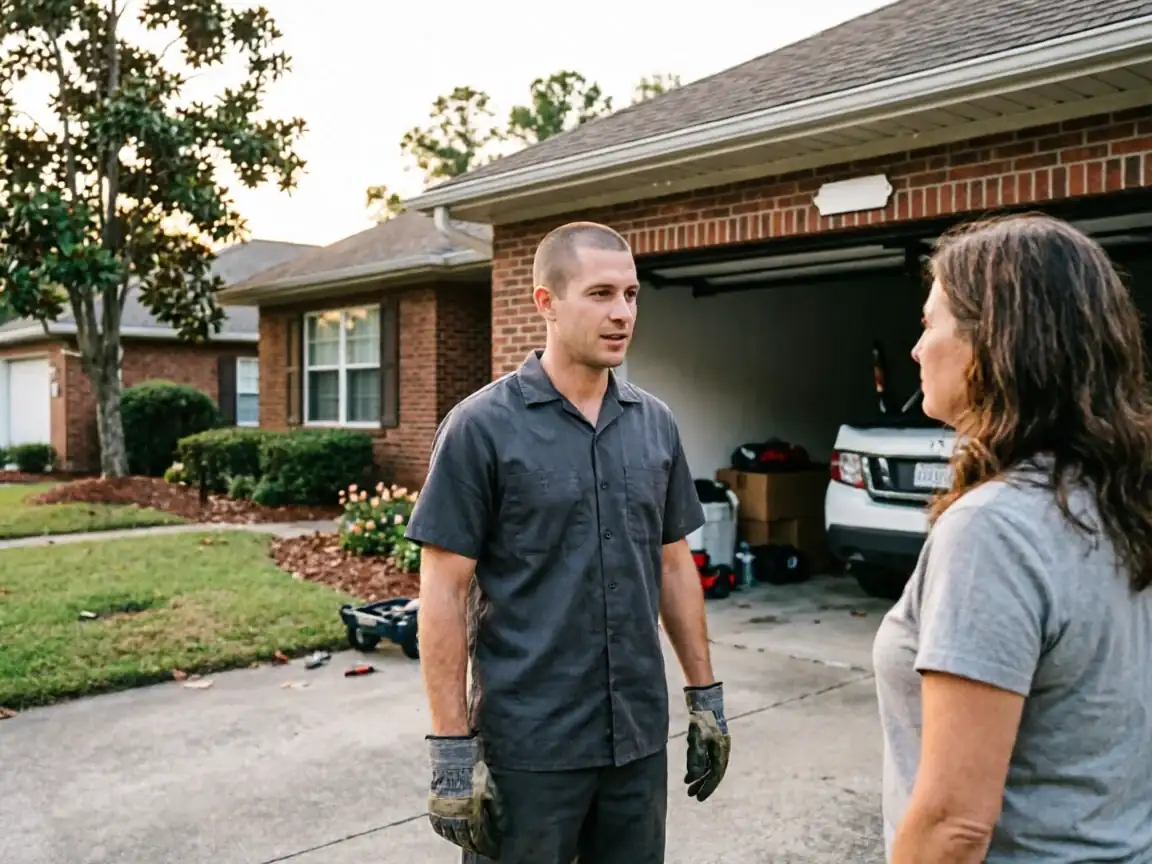
We're based in Gainesville, and Warrenton sits roughly 10 miles out, so a roller job here gets scheduled as a trip, not a drop-in. That's not a complaint about the distance, just how we plan the day: we bring the roller sizes likely to fit a door from this era, confirm the track condition on site, and do the swap in one visit when the hardware matches what we expected. If your track turns out to be bent or your spring is also shot, we'll tell you before we start cutting into a bigger job than you asked for. Check coverage for Warrenton to confirm we're covering your specific address, and if you're actually closer to Gainesville itself, the Gainesville roller replacement page covers that job directly.
Doing It Yourself
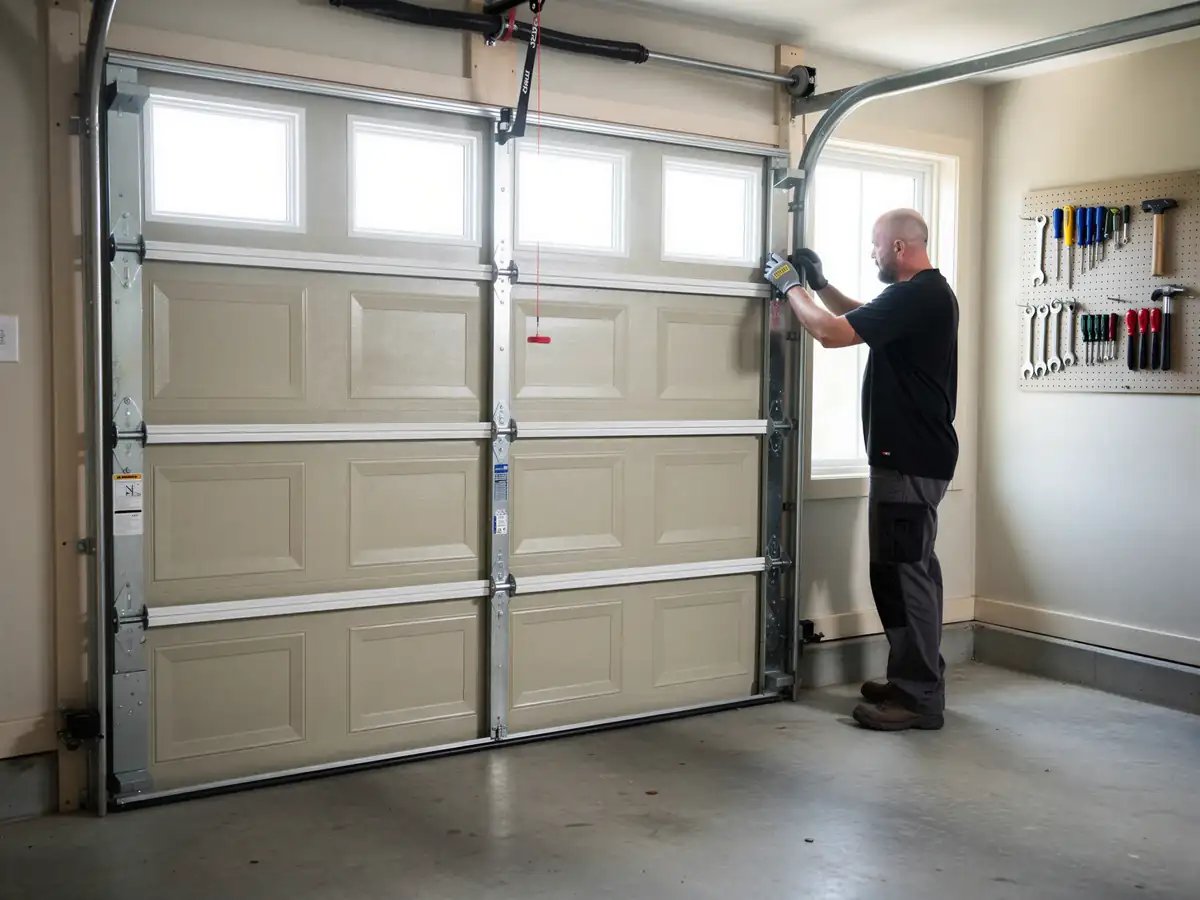
Swapping a single roller on a door with no tension on that section of track is within reach for someone comfortable with hand tools, and it's a cheap part on its own. What trips people up is the top roller on each side, which sits inside the track near the spring assembly; working there with the door's weight unsecured is how people get hurt, and it's the one spot we'd tell you to leave alone. We also won't pretend every roller swap is a quick fix - if the track is bent from years of a bad roller grinding against it, replacing the roller without straightening or replacing the track just buys you a few quiet months before the noise comes back.
Stocked Parts
We carry sealed nylon rollers sized for the steel-track doors common on 1985-era construction, which is most of what we see out this way. Nylon rollers run quieter than the original steel wheels and don't need the periodic grease that steel rollers demand to survive a cold winter without binding. We stock the common stem lengths and bearing sizes for this housing era; if your door has an unusual track gauge or a roller size outside what's typical for a house built around that time, that part may need to be ordered, and we'll tell you that up front rather than guess.