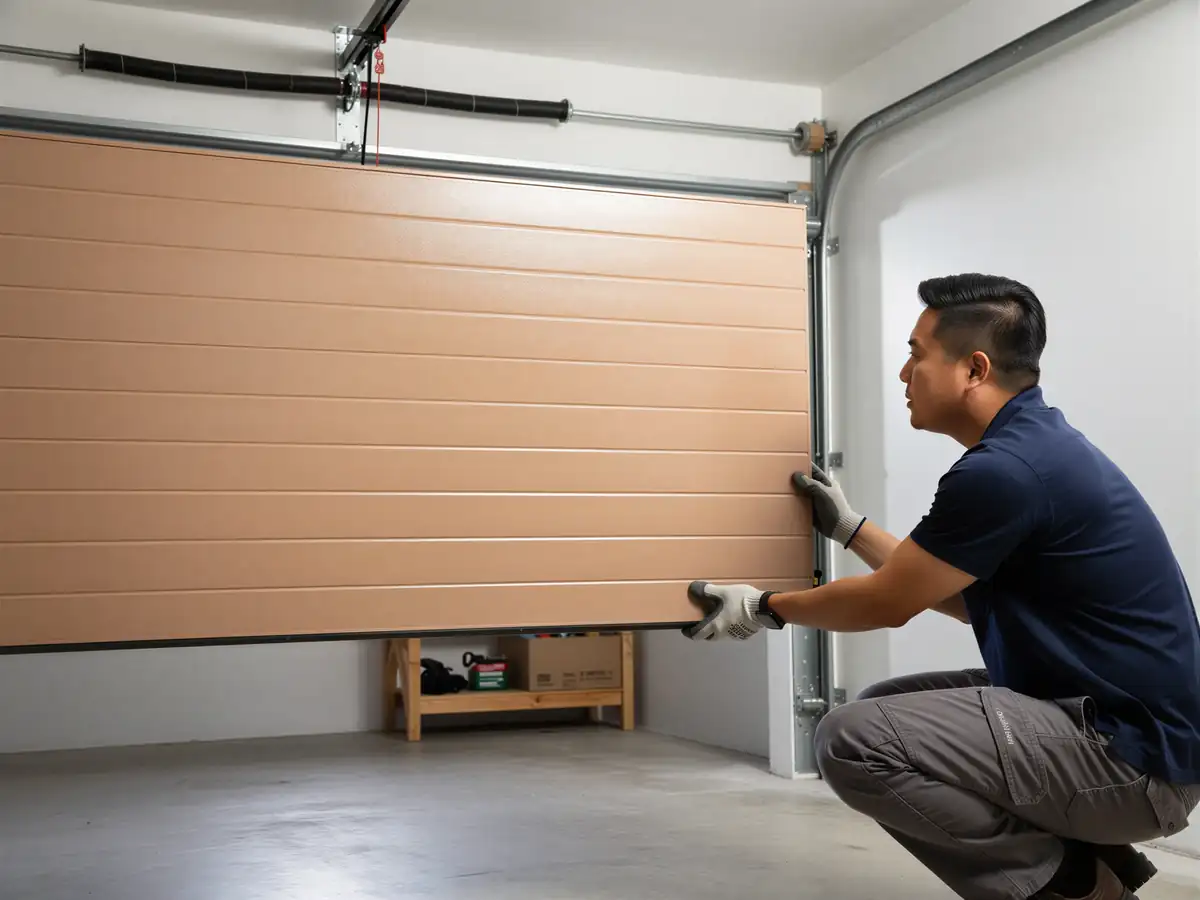
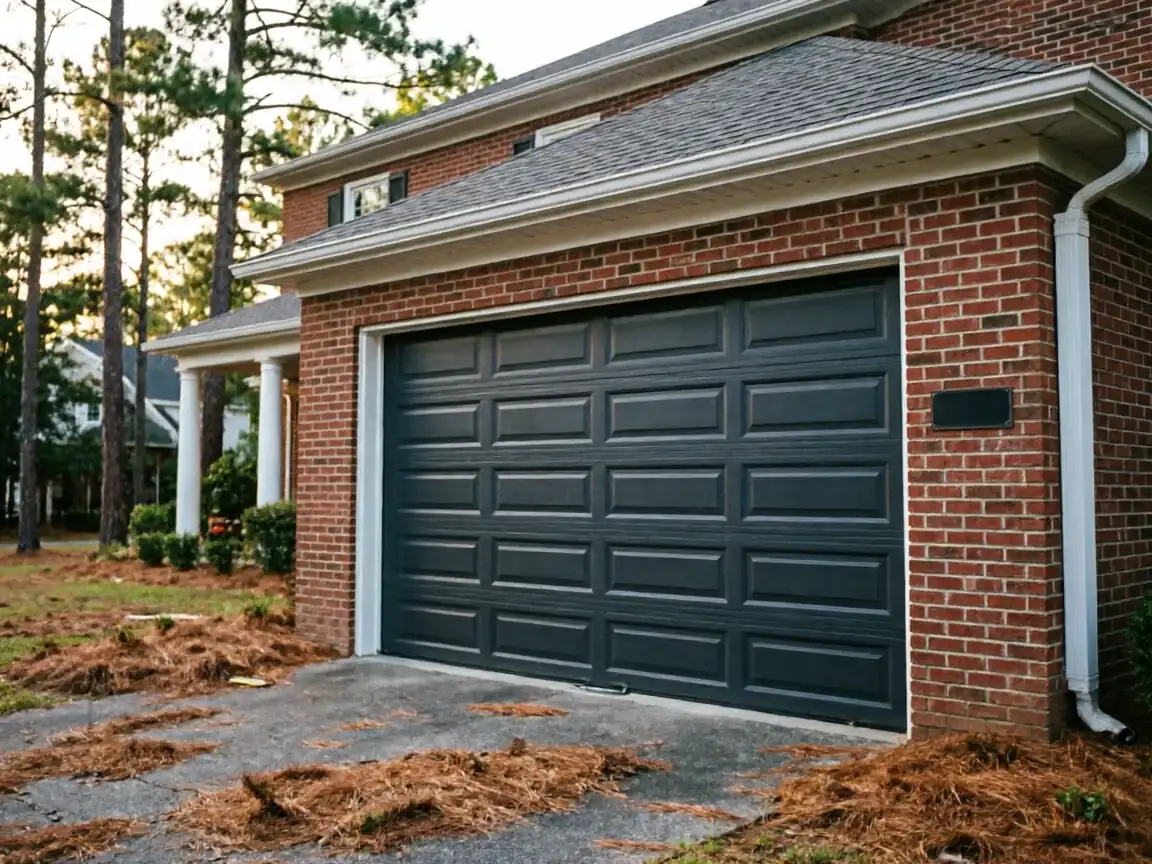
The Complications
Warrenton sits about 10 miles out from our Gainesville shop, and the math on a repair call starts with the number that actually matters here: median household income of $80,441. That's lower than the broader service area average, and it changes where the repair-or-replace line falls. On a $111,503 household, swapping a worn opener for a new one is an easy call. On an $80,441 household, it isn't automatic - a $200 roller and cable job often makes more sense than a $1,200 replacement, even on a door that's getting old.
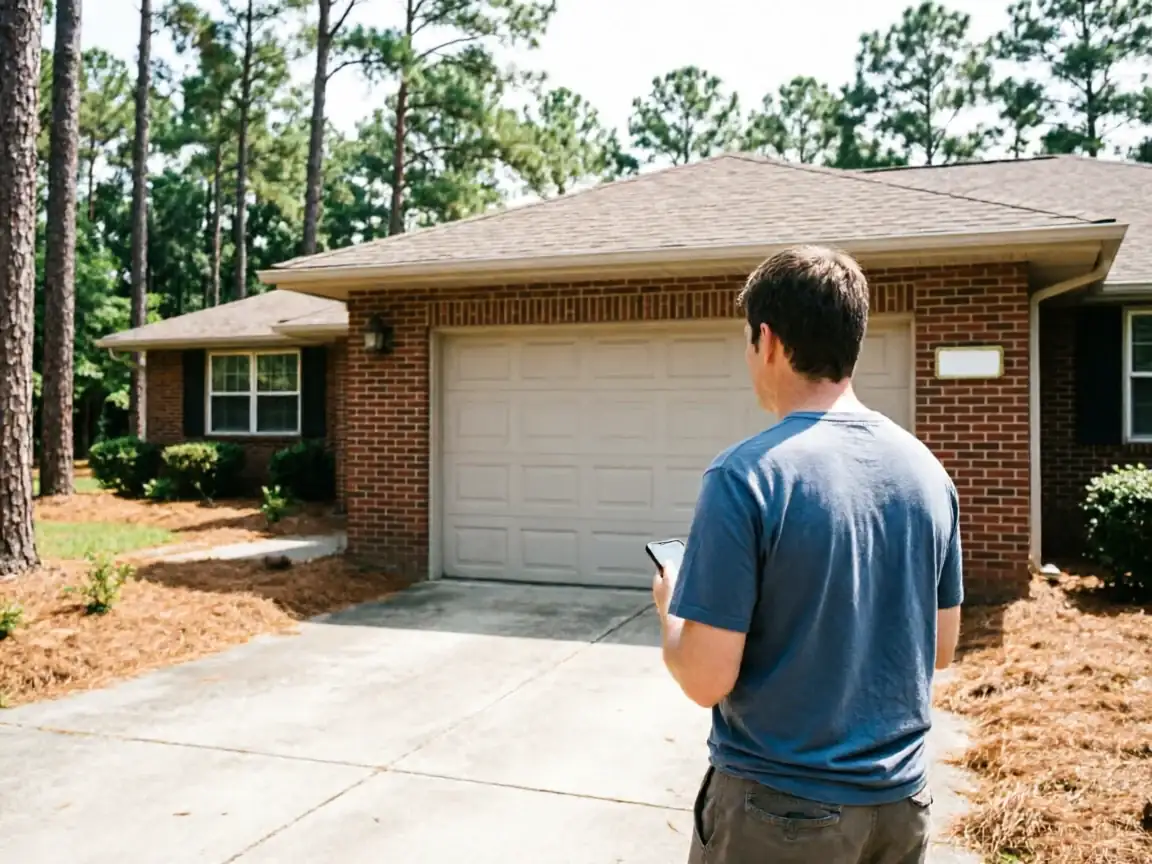
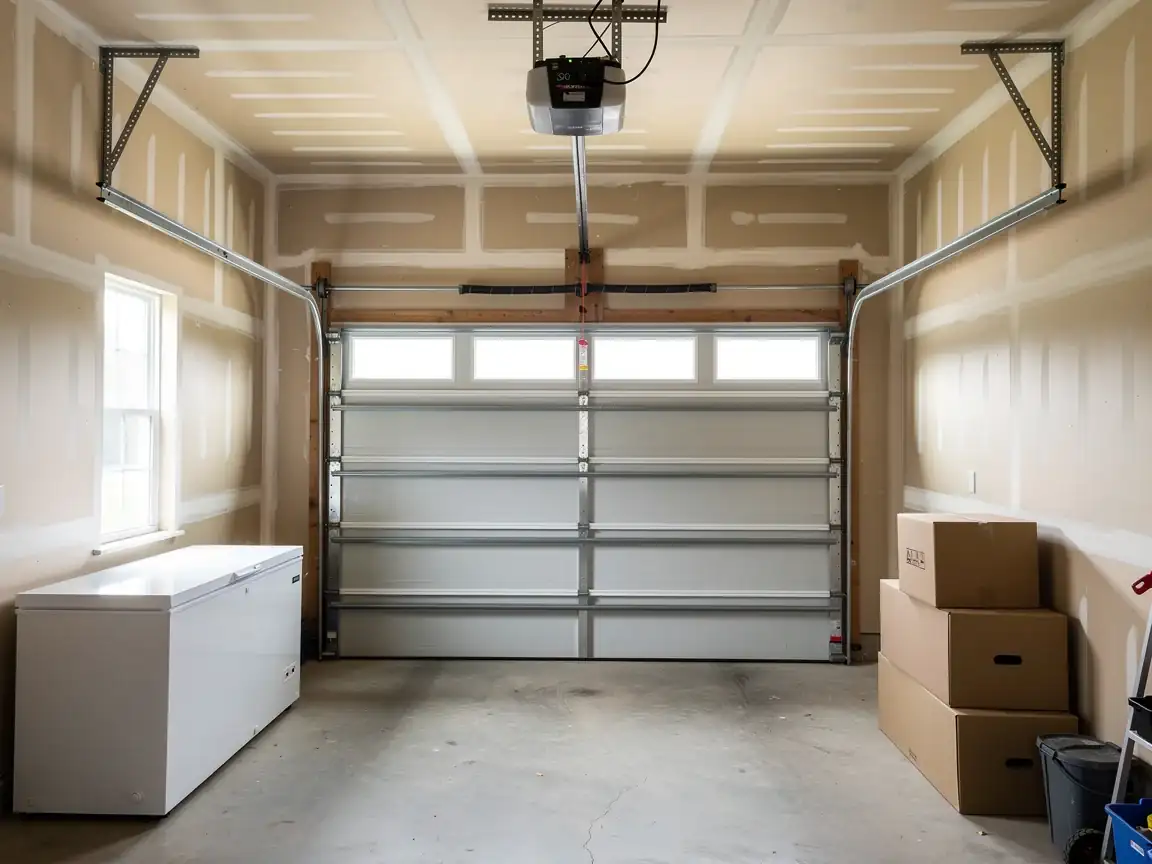
Most houses out this way went up around 1985, which puts them square in the middle of the 1980s-90s stock that makes up most of this service area. That era brought steel sectional doors and extension or torsion springs that are still common and still stocked - not the one-piece wood doors you'd find on a pre-1960 house. The failures we see are ordinary for the age: spring fatigue after 10-15 years of cycles, worn rollers, and openers from the original build that have outlived their gears.
The region sits in a severe cold climate band, which matters for door bottom seals and for steel panels that get brittle and dent-prone in hard freezes. None of this is dramatic. It's just what 35-to-40-year-old garage doors do, and it's what we show up prepared for.
How to Book
We run out of Gainesville and cover Warrenton as part of the route, not as a separate branch - there's no local depot here, so we don't quote same-day windows for this stop the way we might closer to home. Call ahead and tell us the symptom: door won't open, spring snapped, opener clicking but not moving, track bent. That lets us load the right spring size and the right roller stock before the truck leaves, instead of guessing on site.
If you're not sure whether it's worth fixing, say so on the call. We'd rather talk through the age of the door and the cost of parts over the phone than drive out and tell you the same thing in your driveway. See our coverage area for how Warrenton fits into the rest of what we cover, or check the full service list for everything we handle beyond repair calls.
What You Are Seeing
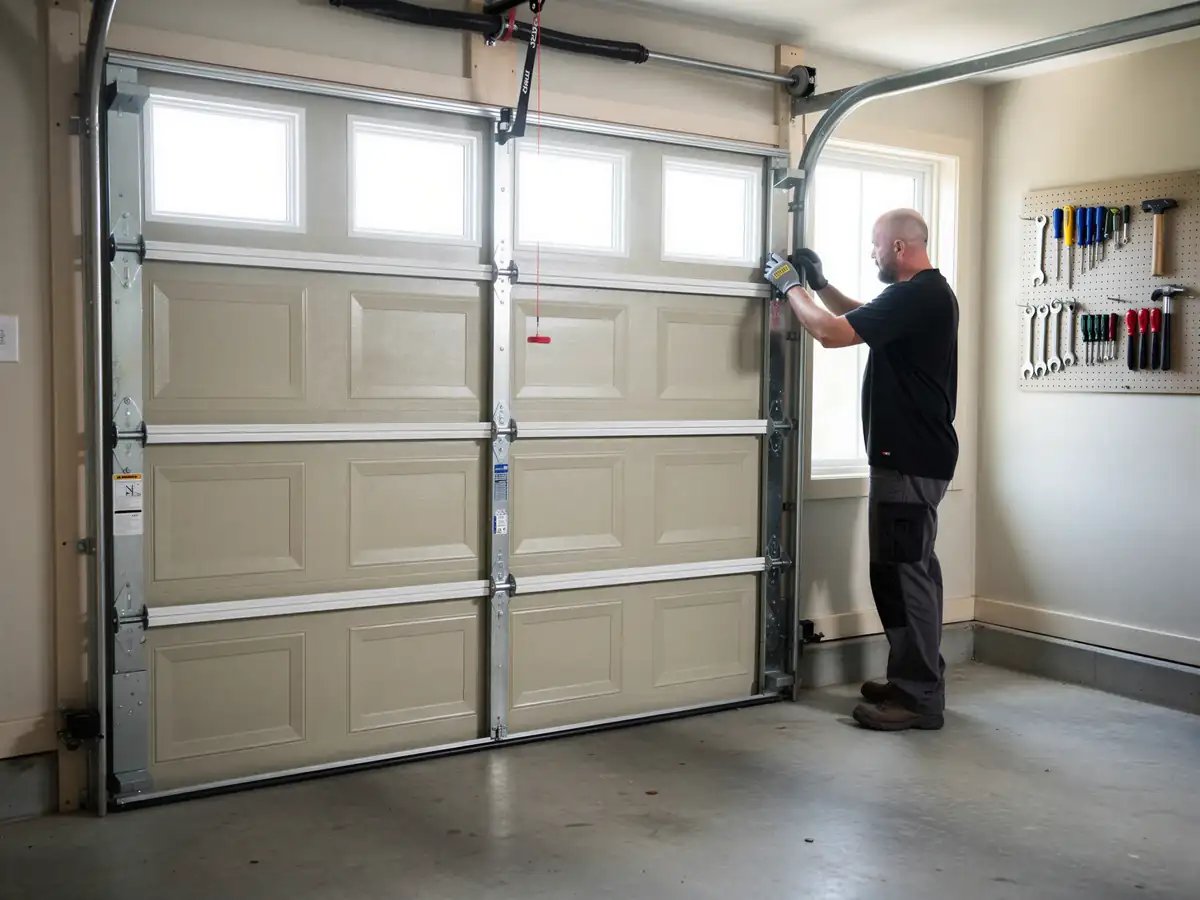
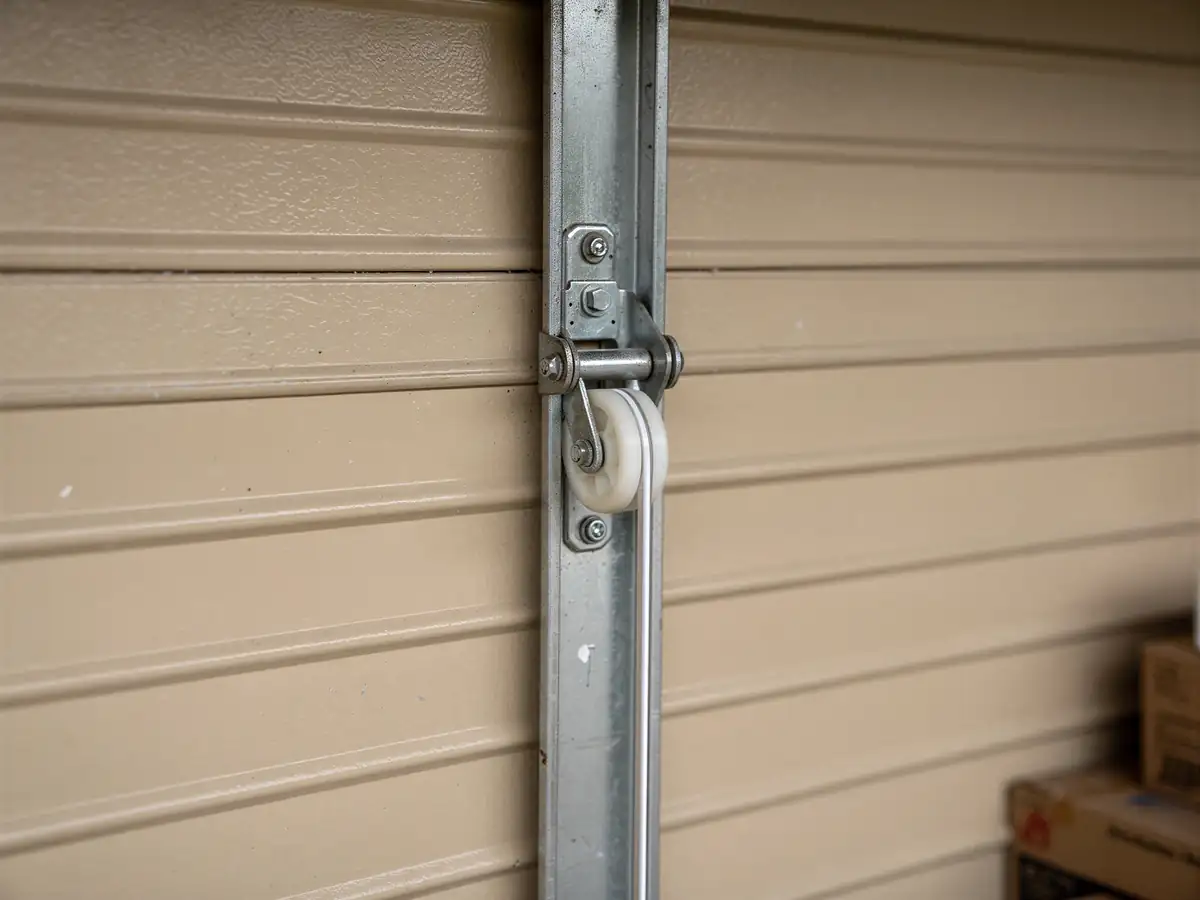
A door that's noisy going up but fine coming down usually means roller wear, not a spring problem
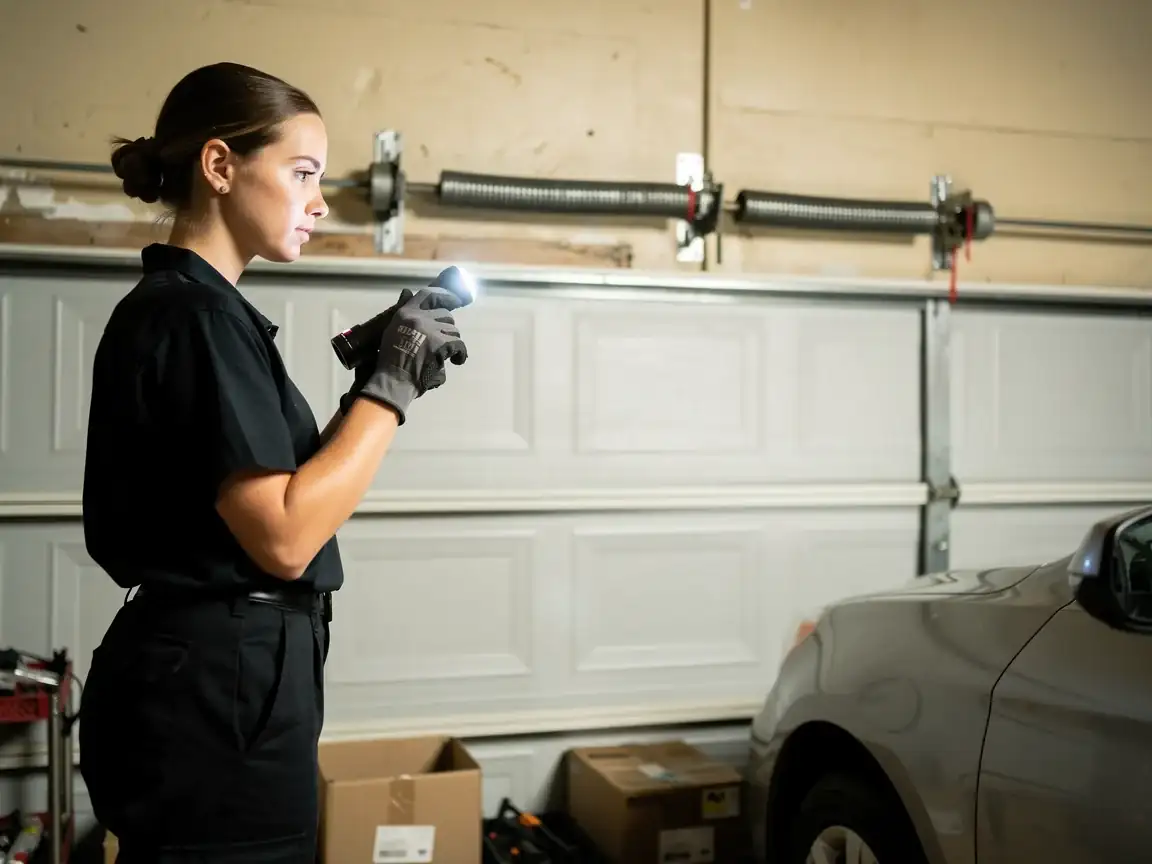
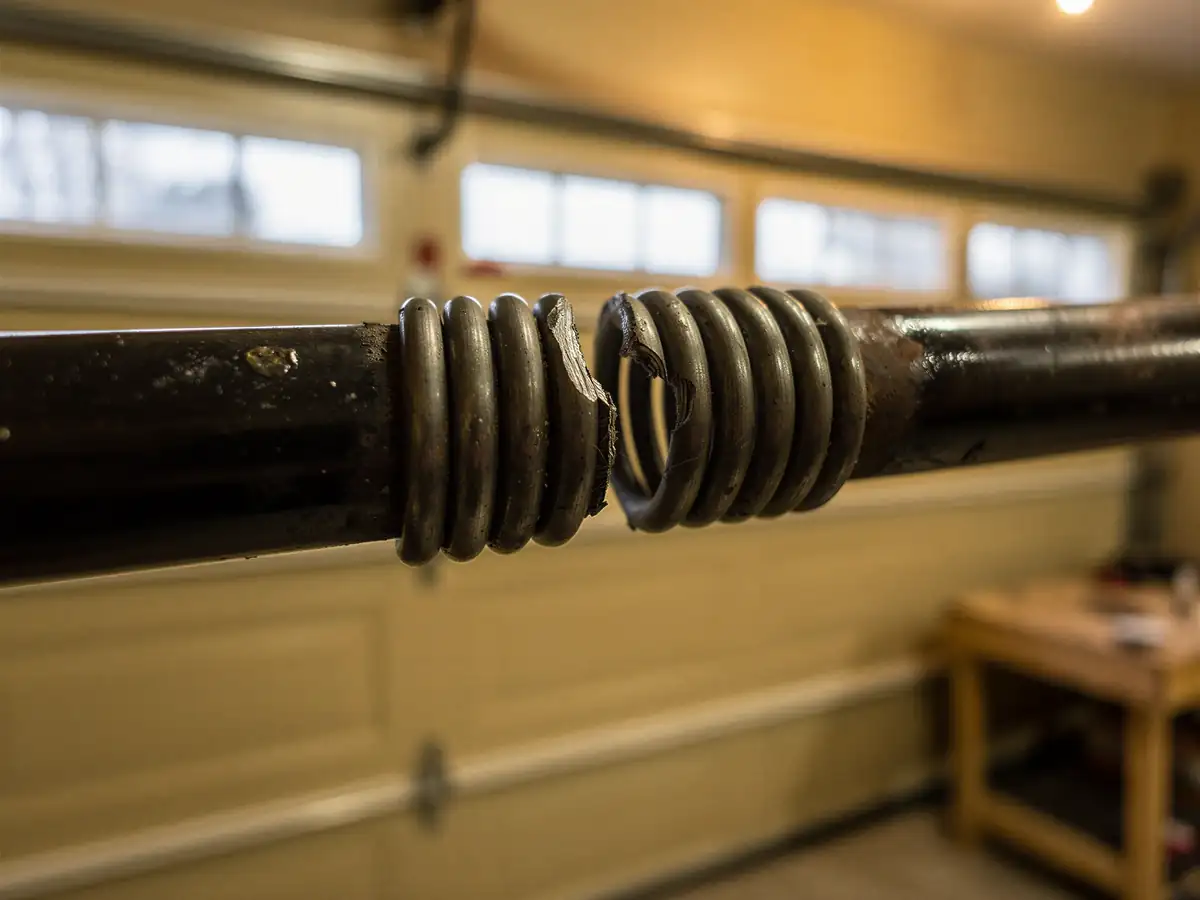
Common on doors from the mid-1980s that are 15-20 years past their first roller set. A door that won't budge, or that one person can lift but feels like it's fighting back, is very likely a broken torsion spring, and that's not a DIY fix regardless of the year the house was built.
- 20 years
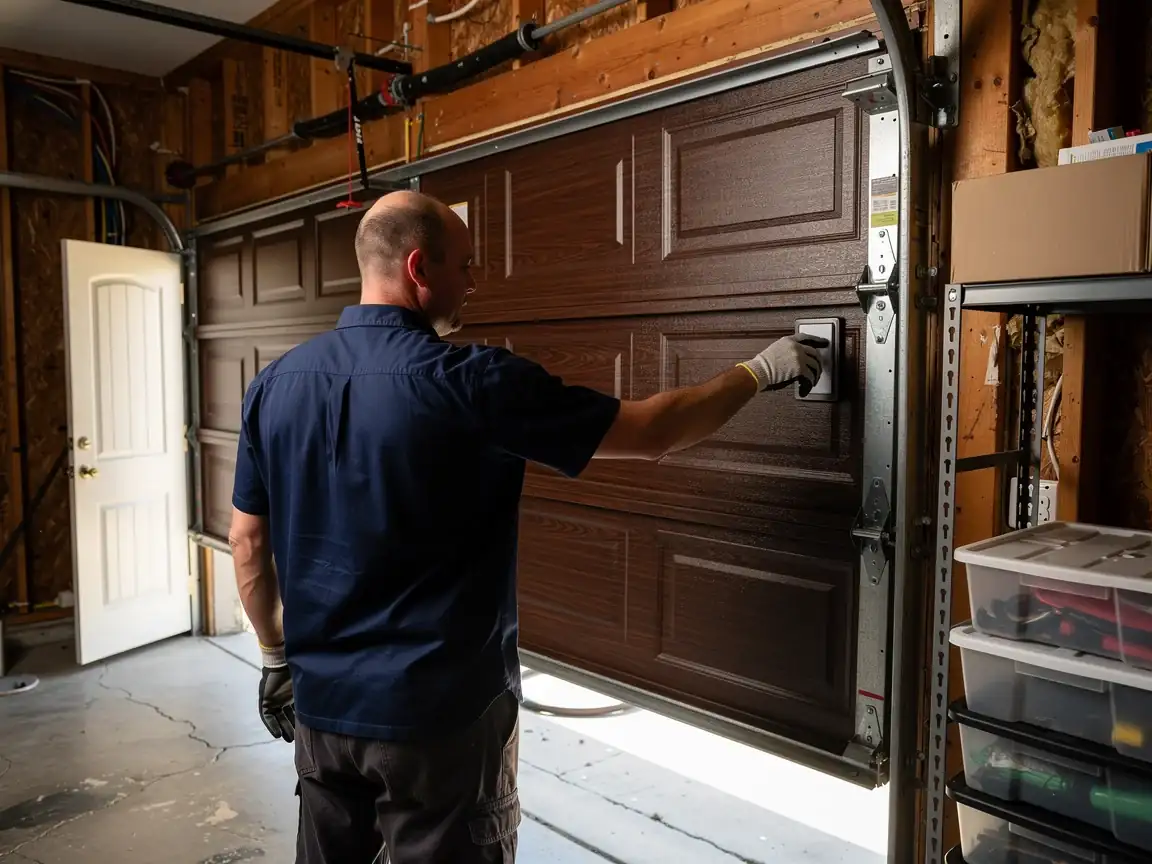
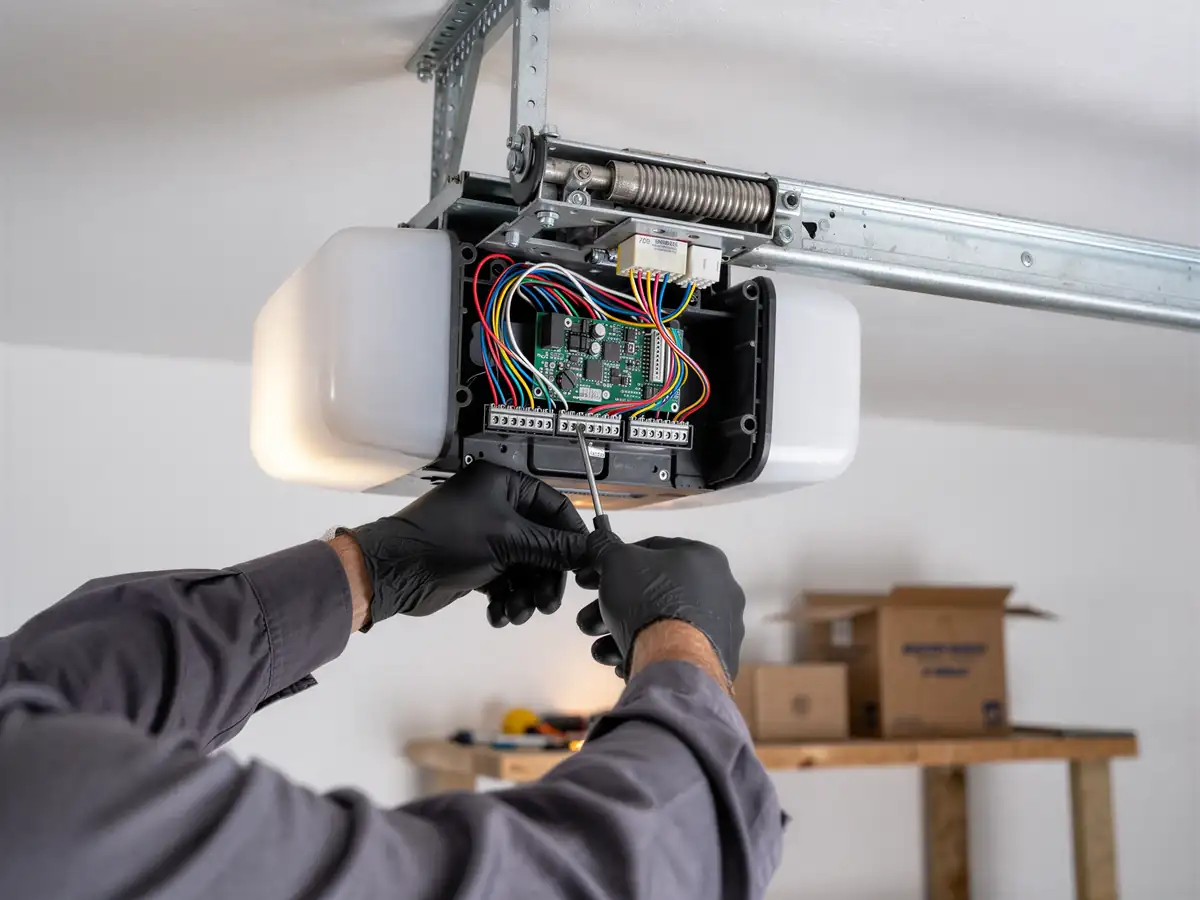
If the opener runs but the door doesn't move, check the travel limits before assuming the motor is dead
A lot of 1980s-era openers in this income bracket are originals or one replacement in, and their logic boards drift out of adjustment before they fail outright. Bent track usually comes from a car bumping it, not age, and it's a lower-cost fix than most people expect.
Rust at the bottom panel, especially after a hard winter, is a cold-climate issue more than an age issue
It shows up on 10-year-old doors and 40-year-old doors alike if the seal's gone. We'll tell you straight whether it's cosmetic or structural before we quote anything.
Doing It Yourself
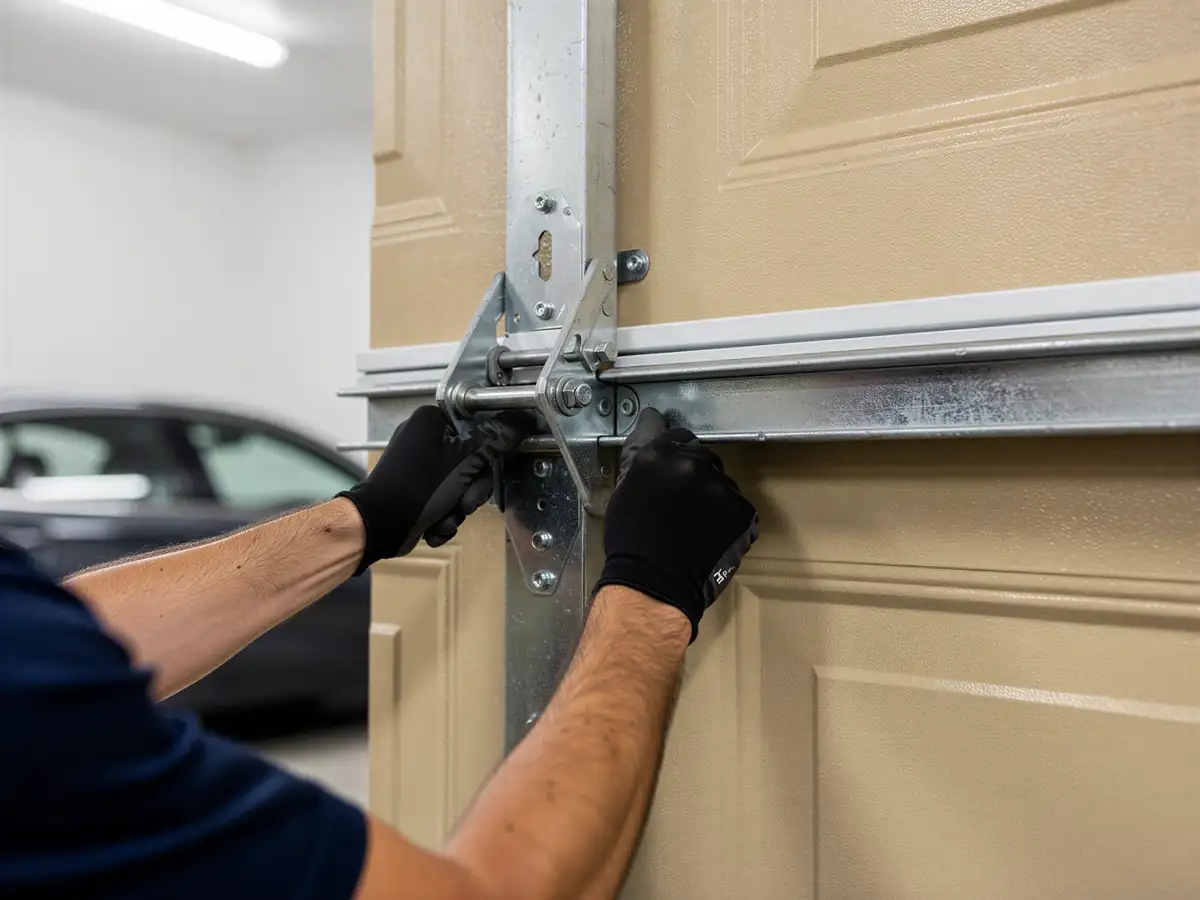
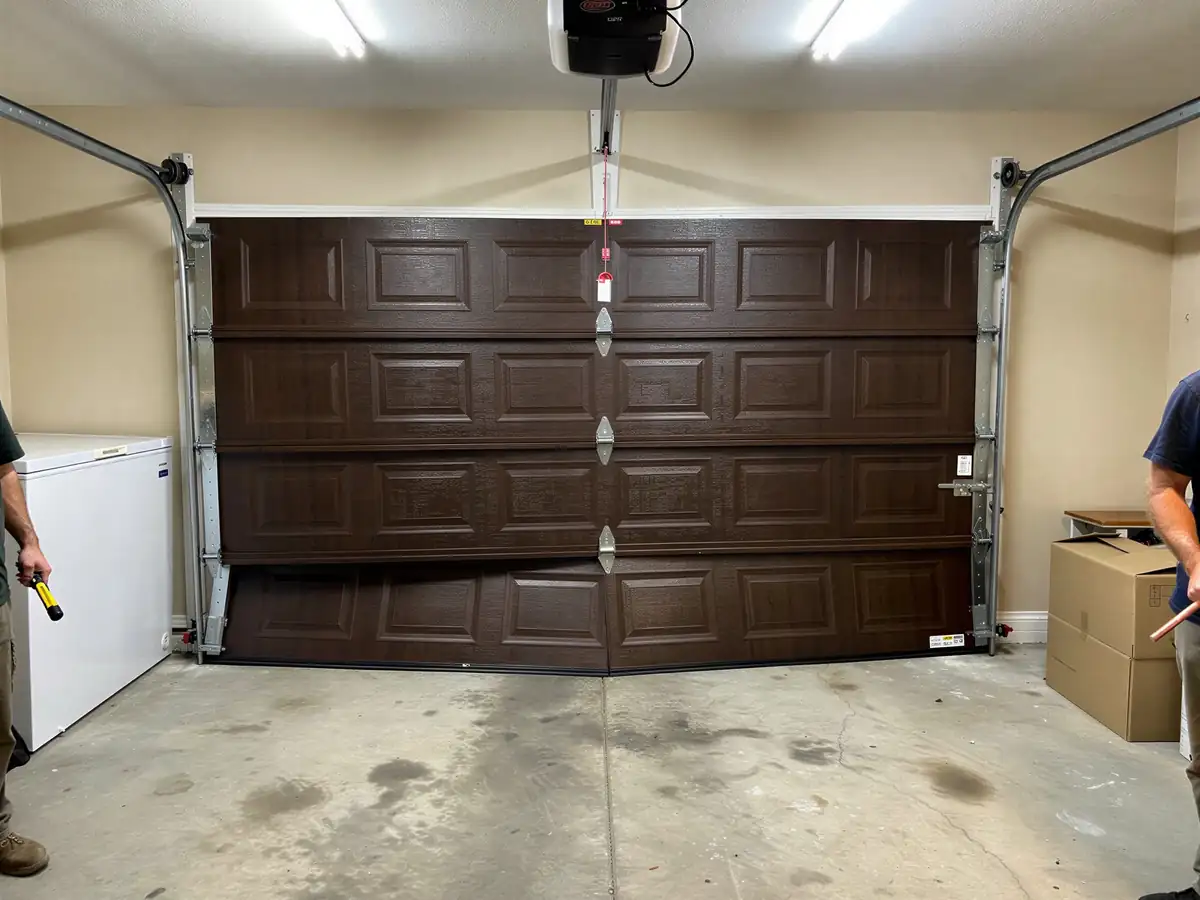
Rollers, weatherstripping, and tightening loose hinge hardware are reasonable owner jobs on a Saturday. A torsion spring is not - the ones sized for standard steel doors from this era store enough force to break a bone or worse, and we don't sell them loose for that reason. If your door is sagging on one side and you're tempted to crank the spring yourself to level it, that's the call that sends people to the ER, not the garage.
Opener remotes and sensor alignment are fine to troubleshoot yourself; if the safety sensors near the floor are knocked out of alignment the door will refuse to close and just blink at you, and realigning them takes two minutes with no tools. Beyond that, if a job needs the door off its track or the spring under tension, that's where we draw the line on what's worth doing solo.
Stocked Parts
We carry torsion springs, extension springs, rollers, and cable sized for the steel sectional doors that make up most of what's out there from the 1980s and 90s building wave this area belongs to. That covers the great majority of what breaks on a house built in that window. What we don't carry on the truck is anything custom - oversized doors, non-standard track widths, or openers for doors well outside the standard sizes that came with typical builds of that era. Those get ordered, and the honest answer is that can mean a wait of a few days rather than a same-visit fix. We'd rather tell you that up front than promise a part we don't have in the truck.