Why This Fails Locally
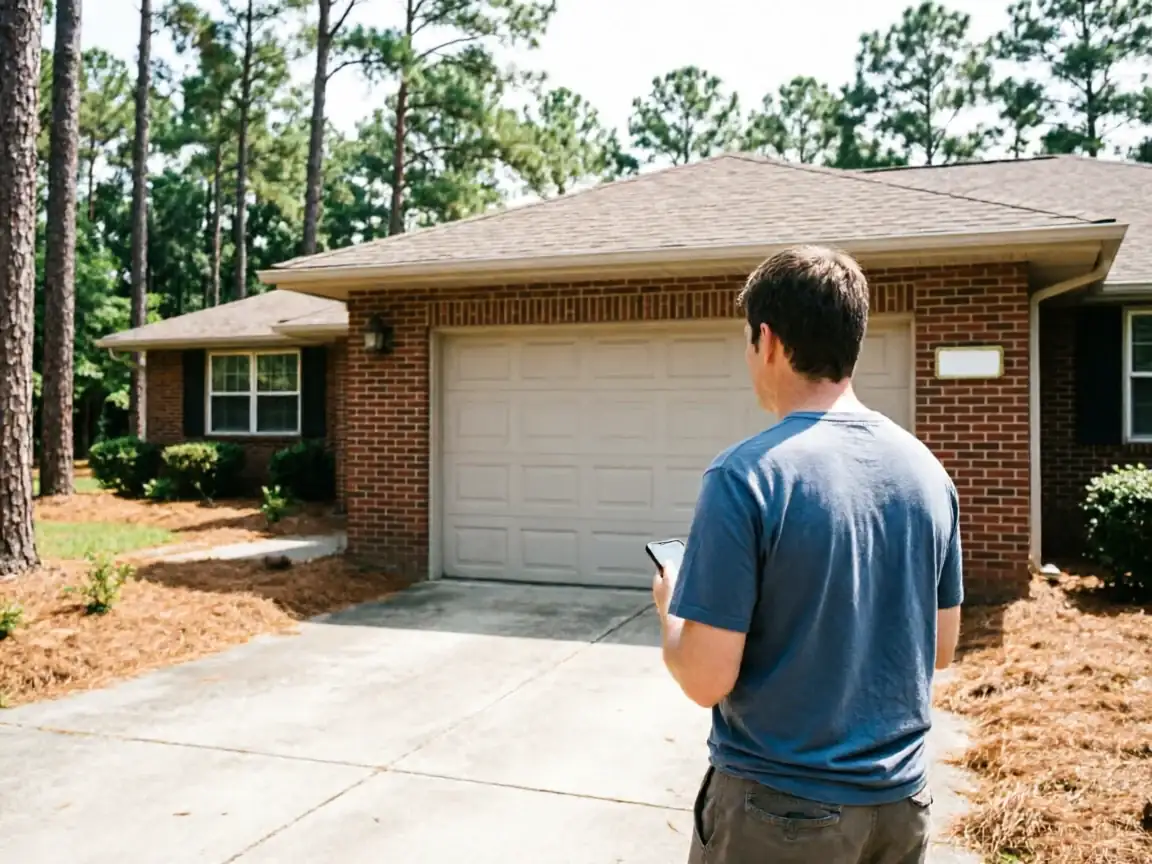
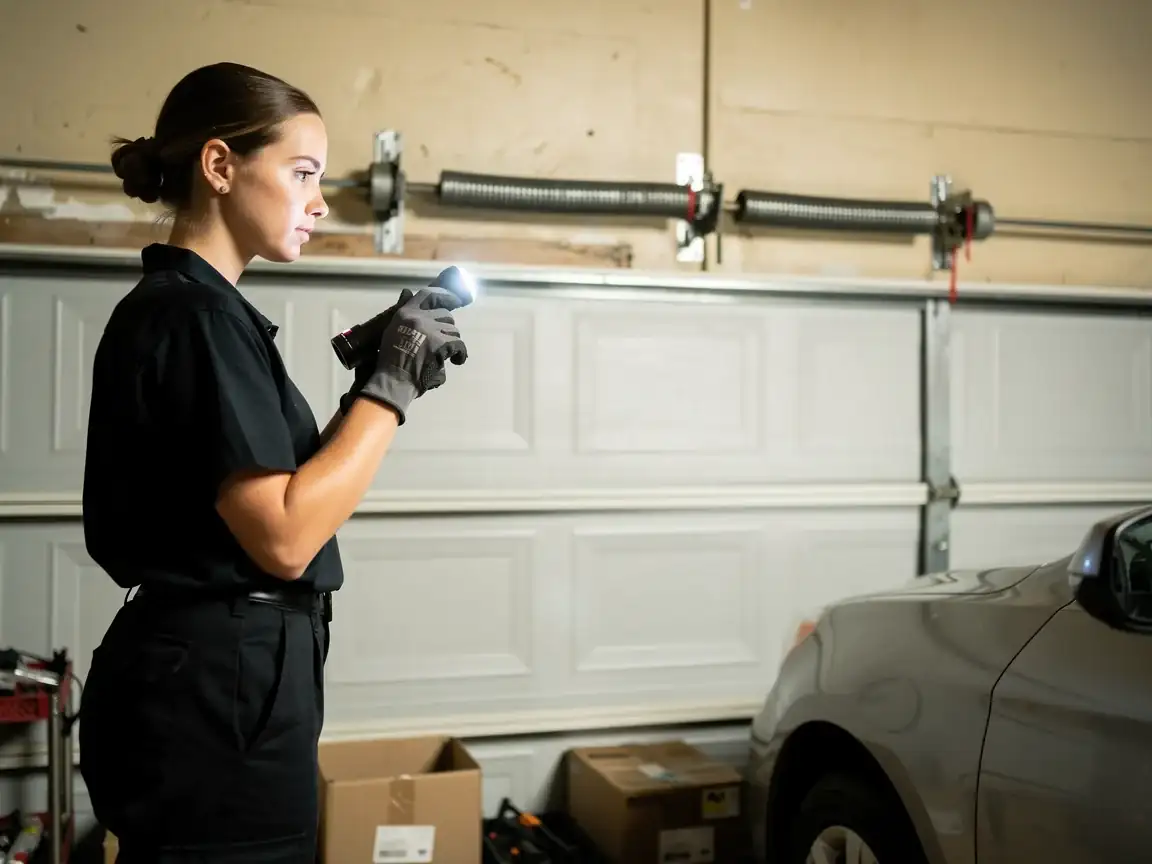
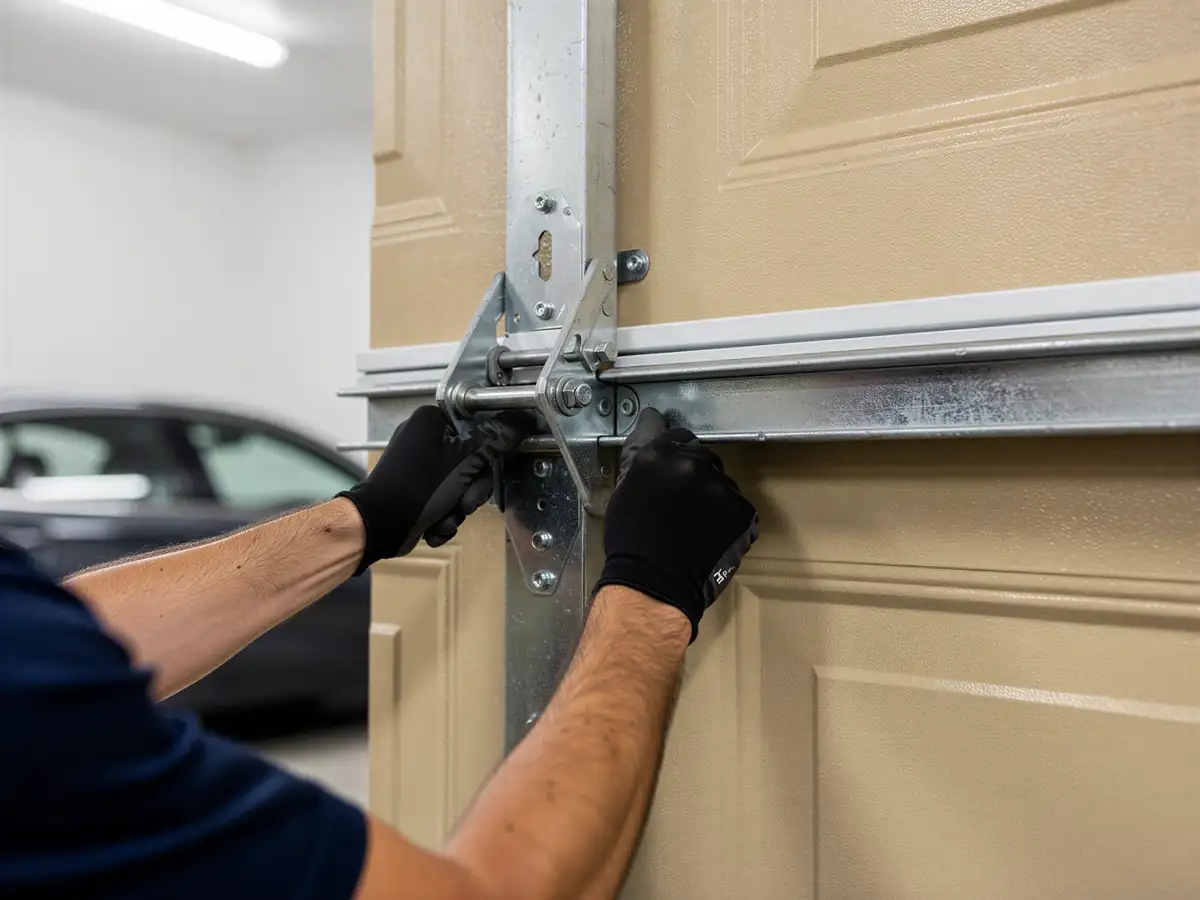
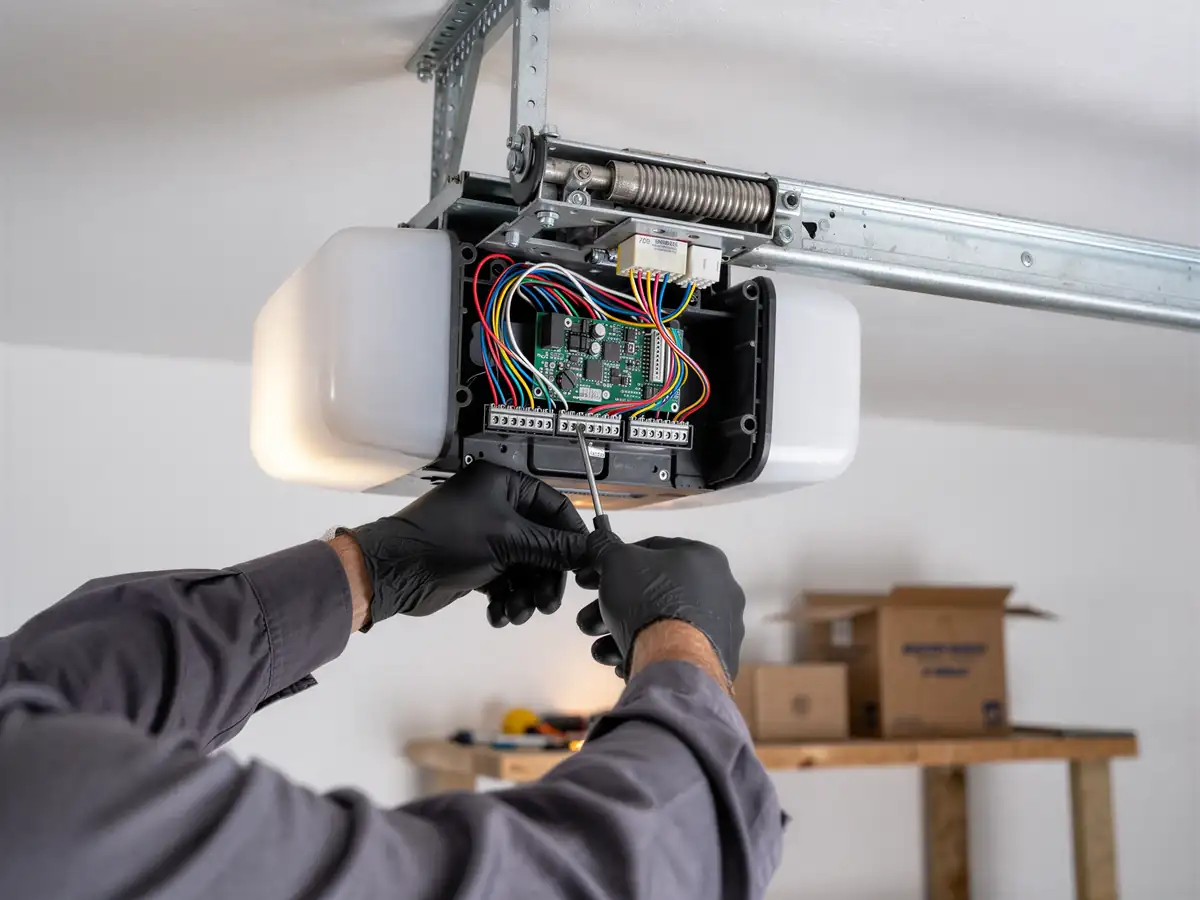
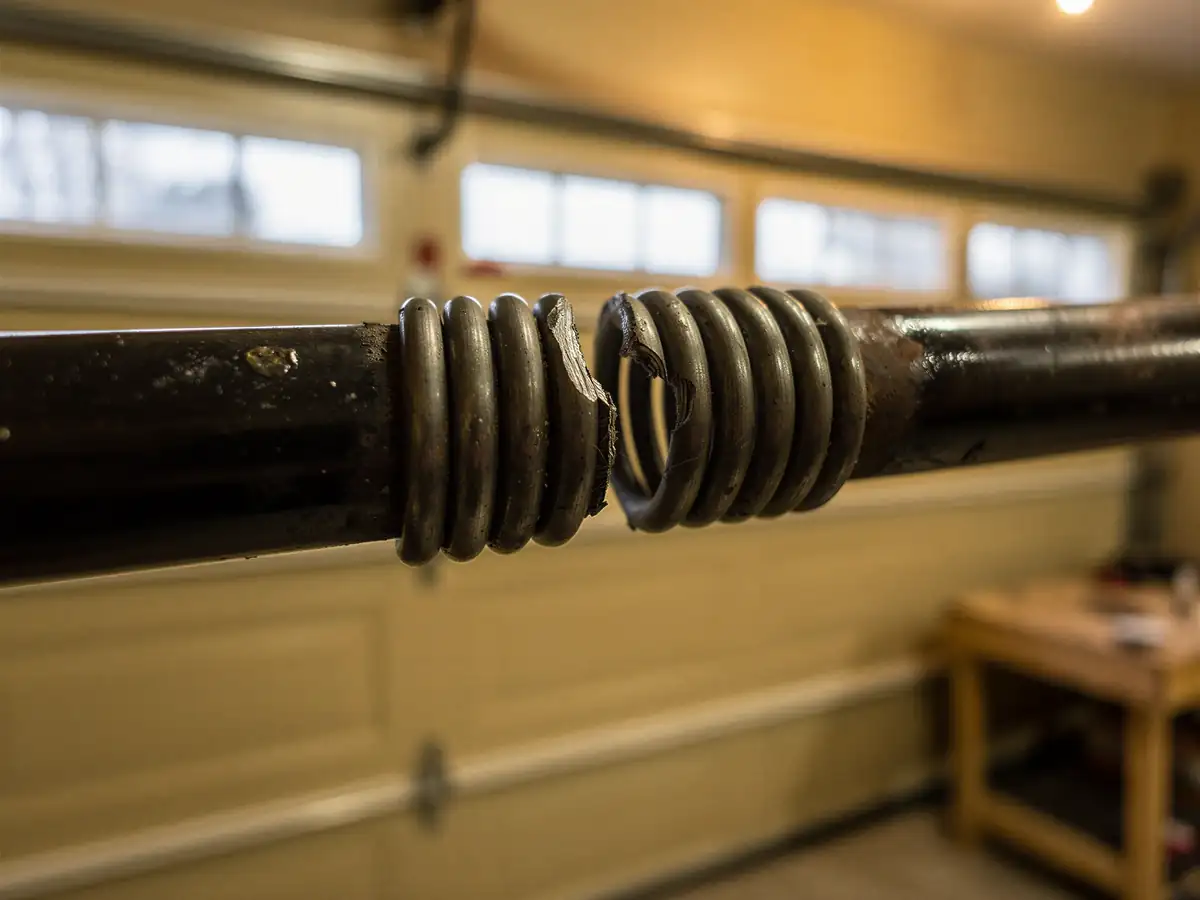
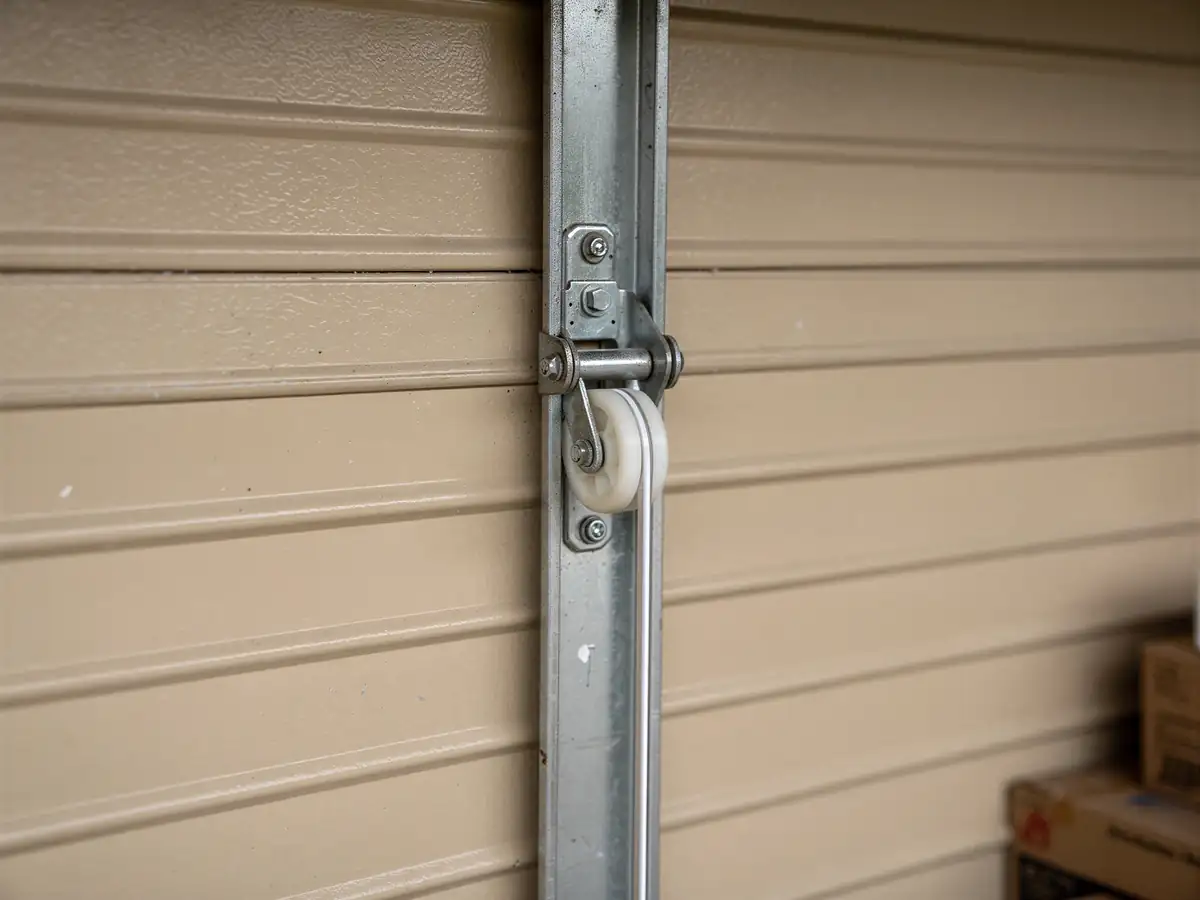
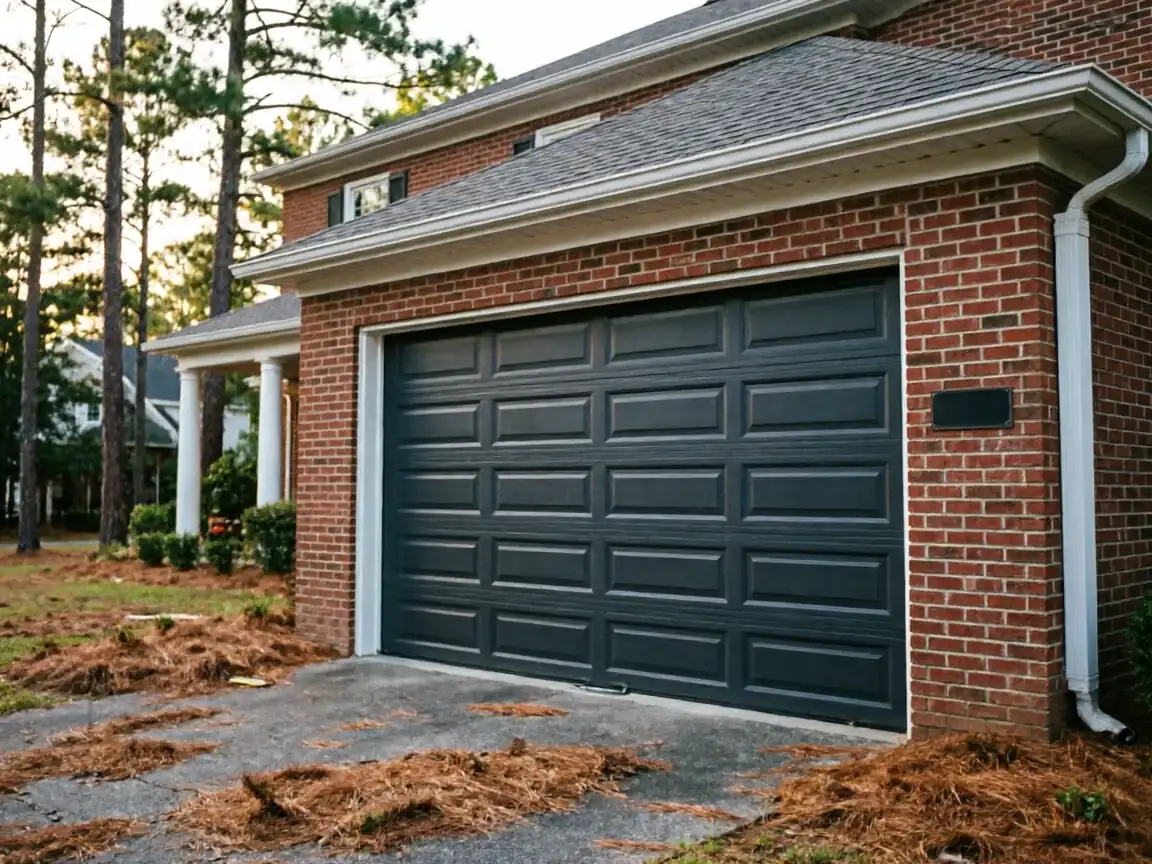
Most houses in Bealeton went up around 1994, which puts this area a decade or more newer than a lot of what we see closer to Gainesville. That build year matters more than people think. A door hung in the early-to-mid 1990s almost always came with a steel torsion spring rated for a shorter cycle life than what goes in today, paired with a single chain-drive opener running on a 1/3 horsepower motor. Those motors were built to lift the door, not to run quietly or sense an obstruction the way current units do. After twenty-plus winters of a steel torsion spring winding and unwinding in cold-weather cycling, the coil fatigues and the spring lets go - usually without warning, usually on the coldest morning of the week. We also see the original galvanized rollers in these doors, which were standard then but have long since gone brittle and noisy. None of this is a defect in how the house was built. It's just what was normal hardware for a door hung in 1994, and it's reaching the end of its service life on a predictable schedule, not a random one.
The other number that matters here is household income, which in this part of the service area runs higher than the regional median - a detail that shapes what repair-versus-replace conversation actually makes sense for a given door.
How to Book
We run out of Gainesville, and Bealeton sits about 16 miles out, so there's no local branch to call - every job here is a truck making that drive. Call ahead and tell us the door's approximate age and what it's doing (won't open, makes a bang, sags on one side); that lets us bring the right spring size and roller stock instead of guessing on-site. We don't quote a same-day guarantee for this distance, and we won't pretend otherwise - if your spring breaks at 6am on a Tuesday, we schedule the first slot we can get to you, not an instant dispatch. For anything that isn't an emergency (annual tune-up, opener swap, panel replacement), booking a few days out gets you a tighter arrival window and lets us confirm parts before we leave Gainesville.
What You Are Seeing
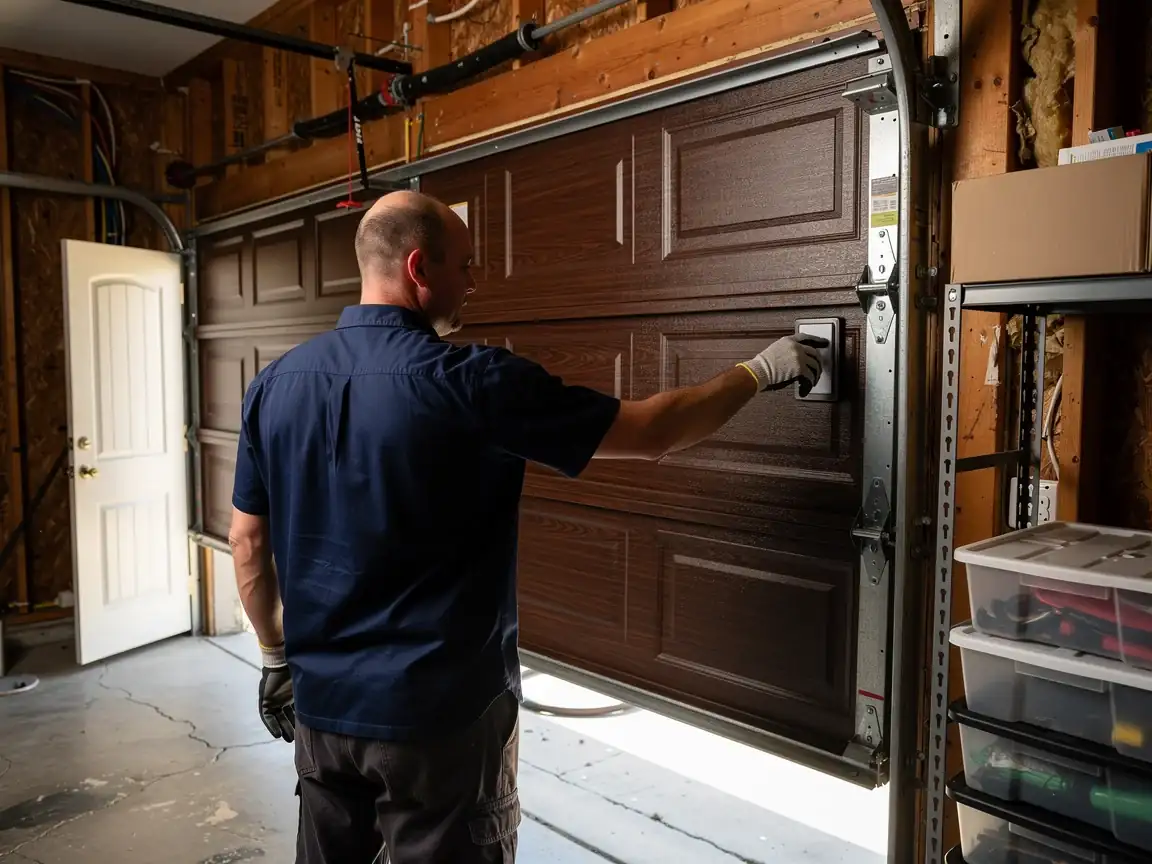
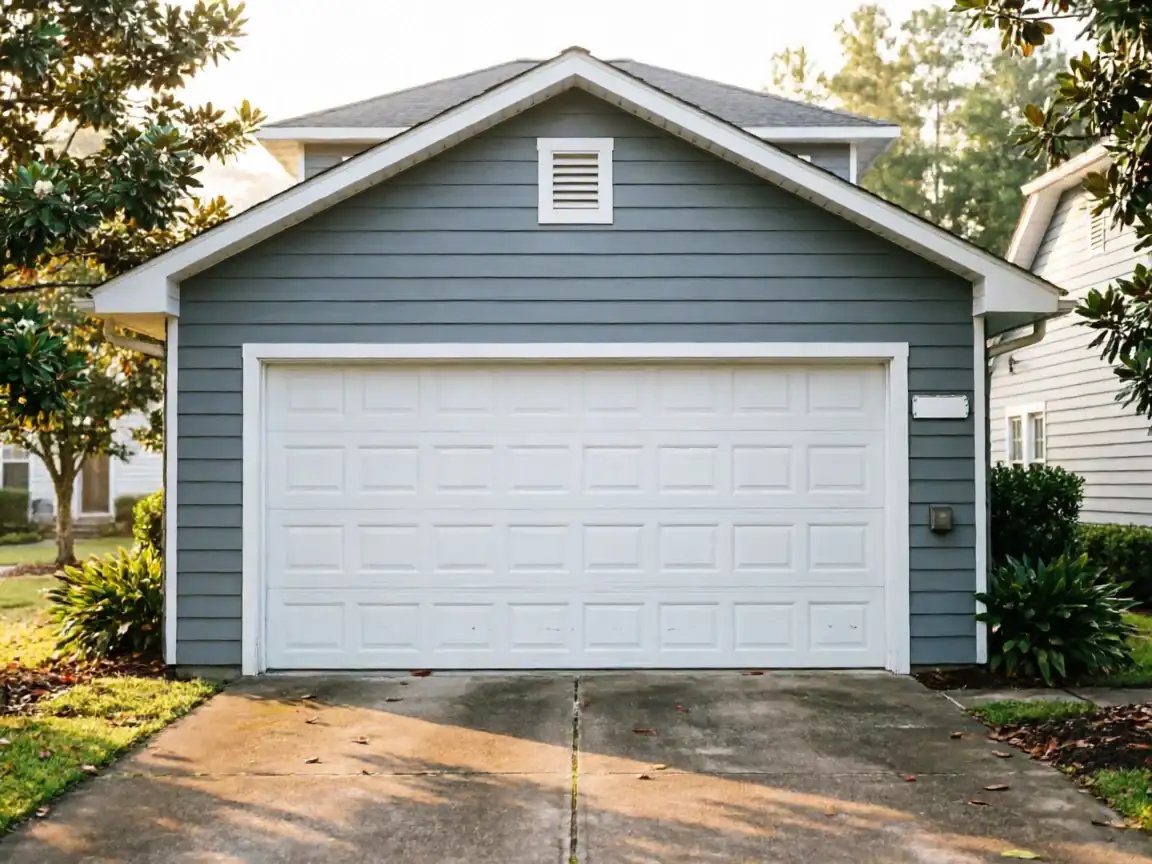
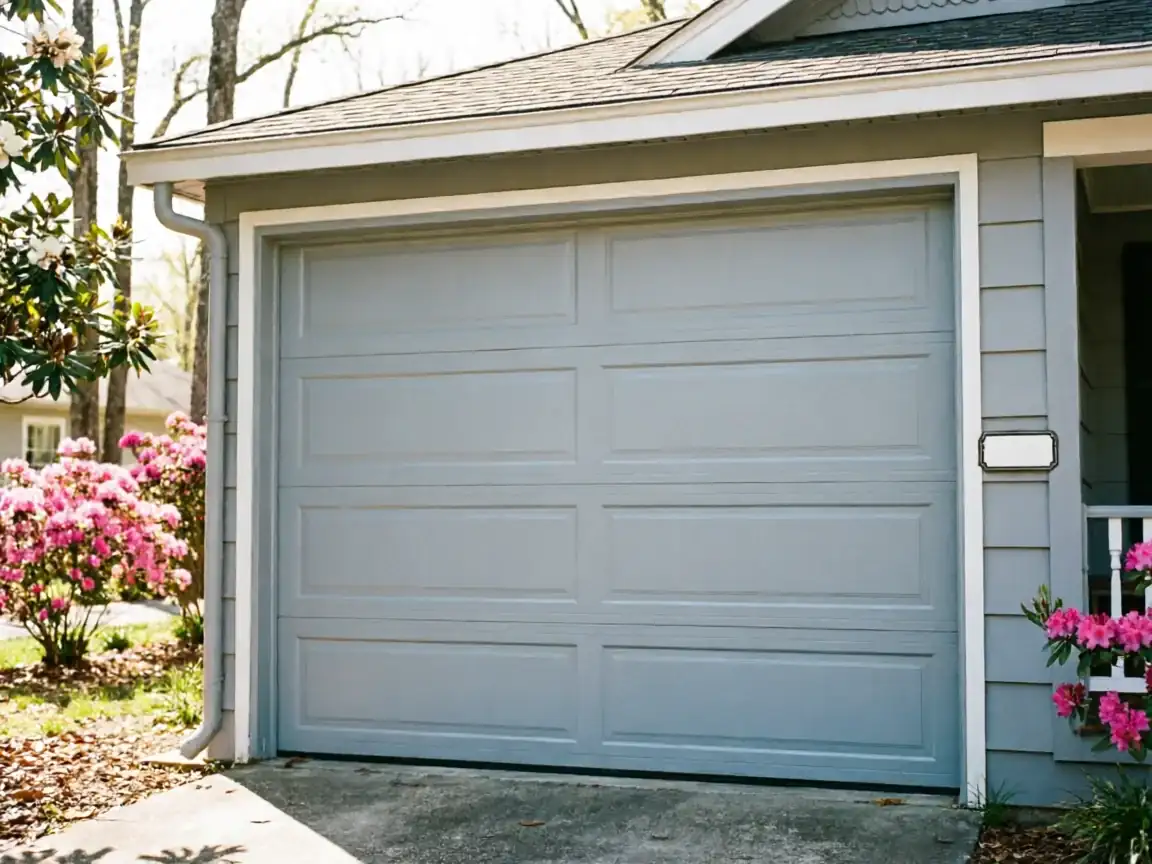
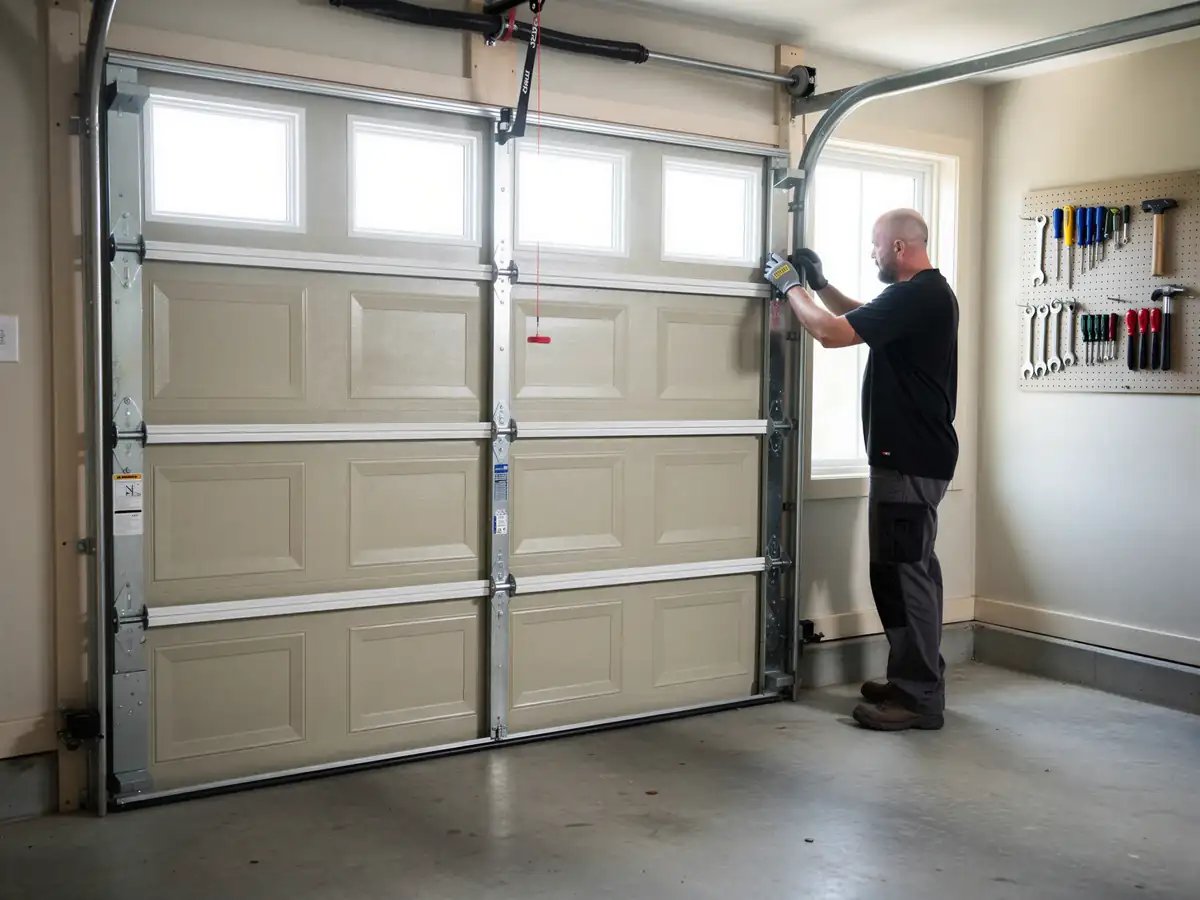
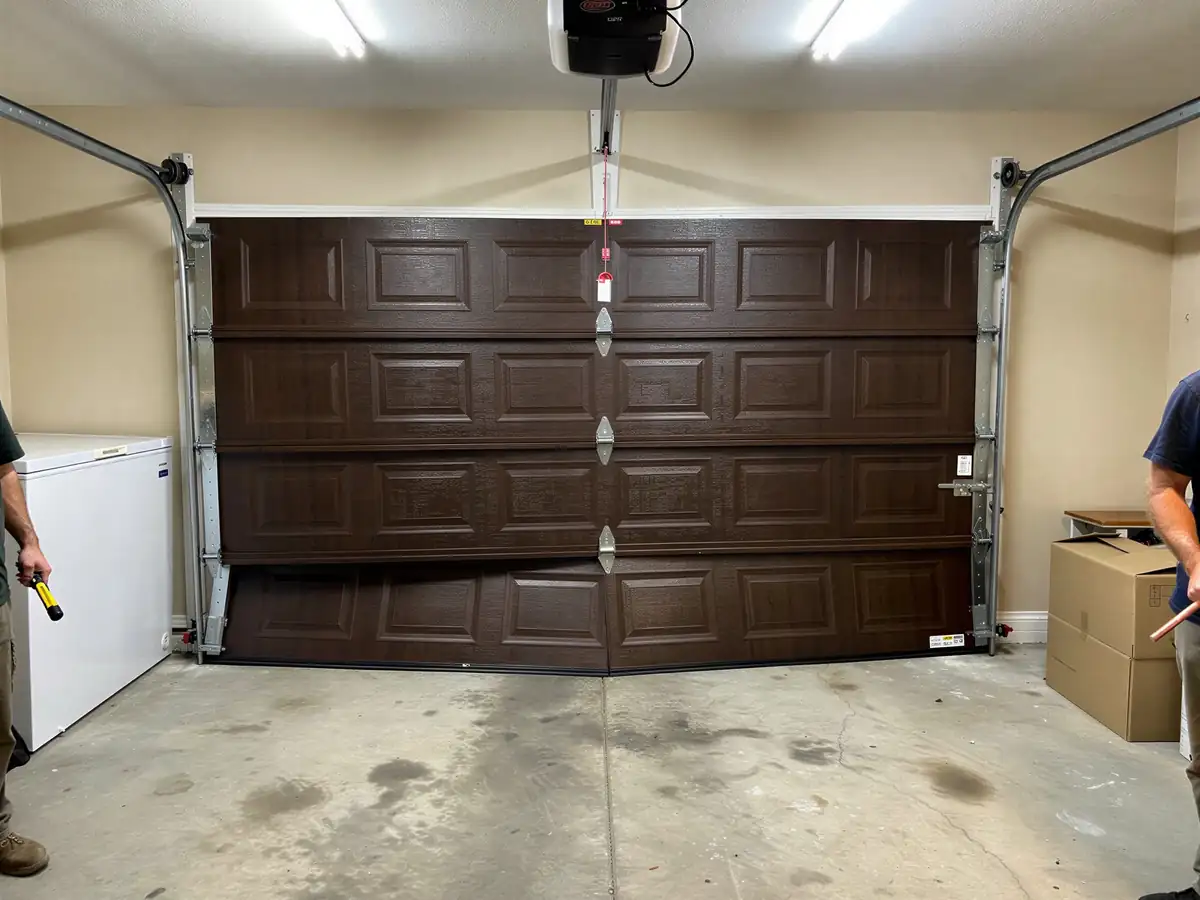
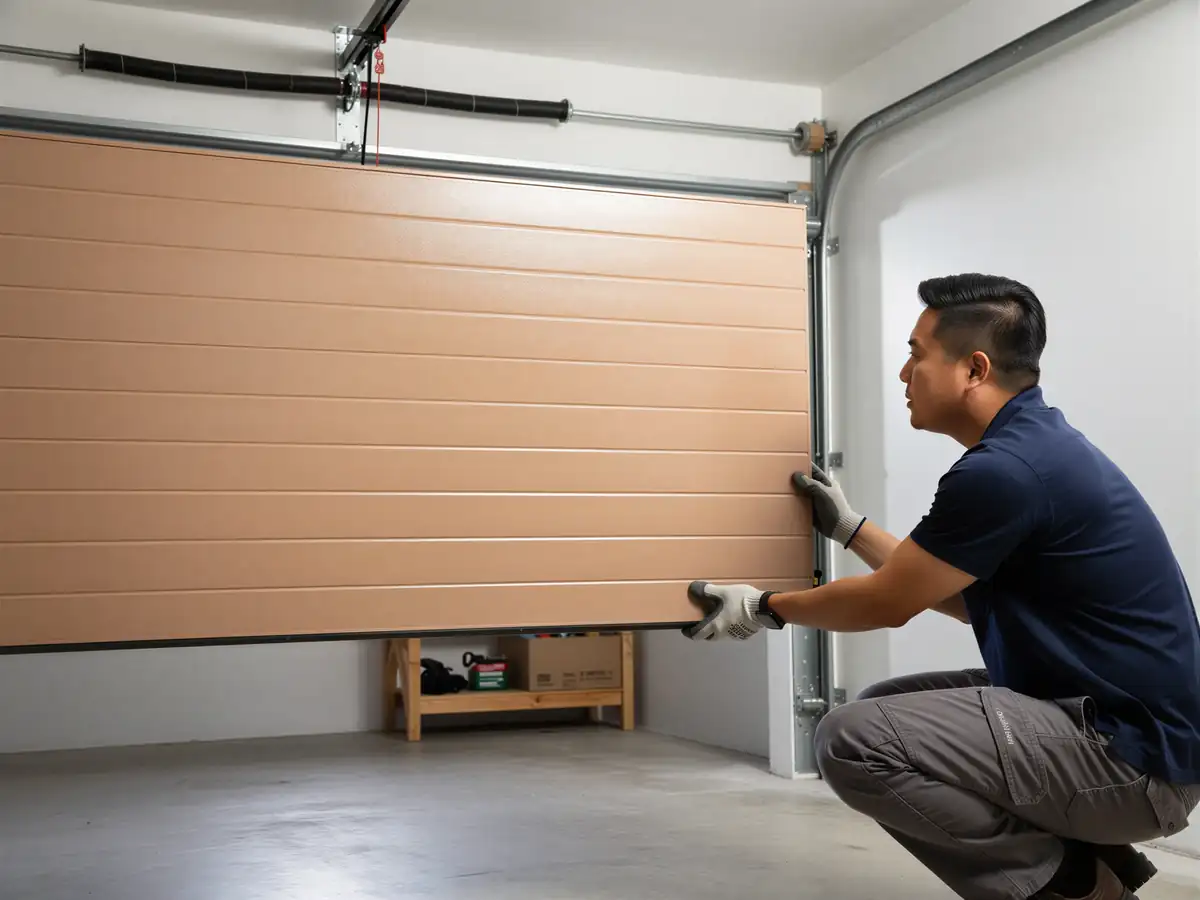
If your door is from the original 1990s build, the complaint is usually one of three things: the spring snaps clean (loud bang, door won't budge, cable goes slack), the chain-drive opener starts grinding or slipping on the first pull of a cold morning, or the rollers have worn to the point the door shudders on its way up. Steel panels from that era also show their age as surface rust at the bottom corners, especially where years of condensation and runoff sit against the panel - more a cosmetic issue than a safety one, but it's often the first visible sign that the rest of the hardware is the same vintage and due for a look. None of these are urgent emergencies on their own, except a snapped spring, which means don't try to force the door.
Stocked Parts
We carry the torsion spring sizes and roller types that match what went up on doors through the 1980s and 90s across this service area, since that's the bulk of what we're replacing on any given week. Standard galvanized rollers, common torsion spring diameters and wind lengths, and the hardware for chain-drive opener repairs are all things we bring on the truck rather than order in. What we don't keep on hand is anything proprietary to a specific newer smart-opener brand or an oddball imported door - those get special-ordered, and we'll tell you the lead time as soon as we know what we're dealing with rather than guess on the phone.